If you’ve never moved with professional movers in Miami before, it’s easy to feel like you’re walking into a jungle of contracts, estimates, and tiny fine print. I’ve seen people have great experiences, and I’ve also seen people get burned because they didn’t know their rights.
I want to walk you through the consumer protection side of moving in Miami using plain language, real-world examples, and a calm, step‑by‑step approach. No scare tactics, no legalese for the sake of it—just what you really need to know so you don’t end up overcharged, stressed, or stuck.
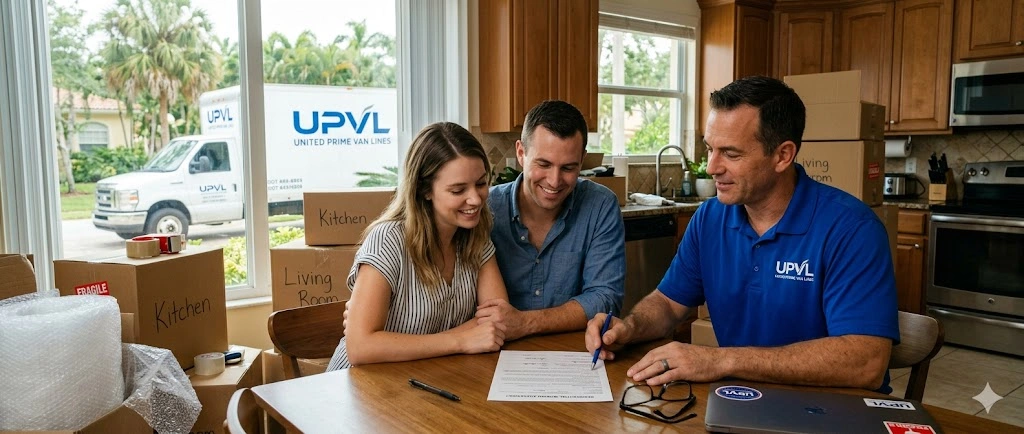
When my team at United Prime Van Lines moves someone in or out of Miami, I want them to feel protected and informed, not confused and nervous. That’s why I’m breaking this down the same way I would if we were sitting at your kitchen table with a cup of coffee, walking through your move together.
Let’s start with the basics: who actually protects you when you hire movers? There are a few layers here:
You don’t need to memorize agency names. What matters is this:
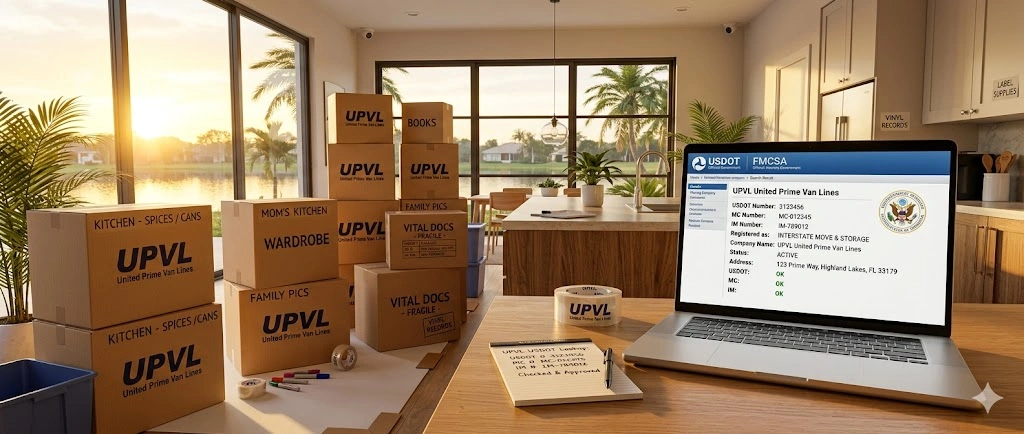
I always tell customers: if a mover gets annoyed when you ask about licensing or insurance, that’s your big red flag.
One thing that trips people up is that different rules apply depending on where you’re moving.
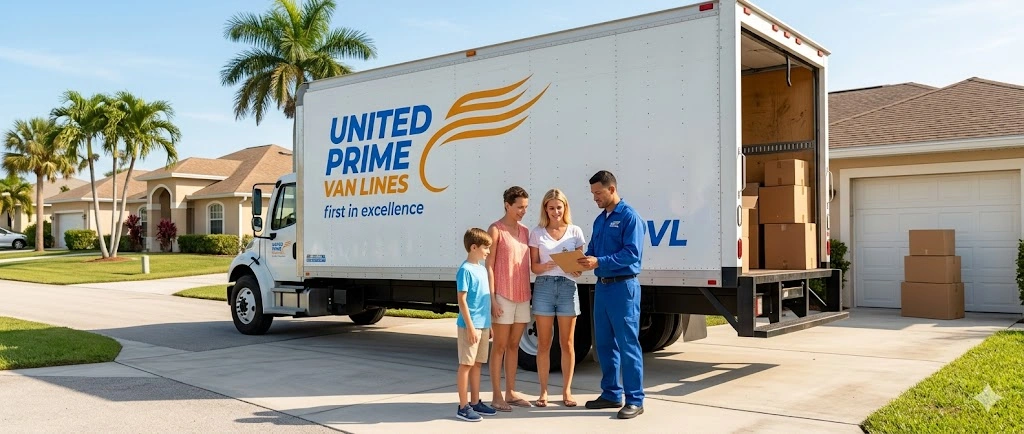
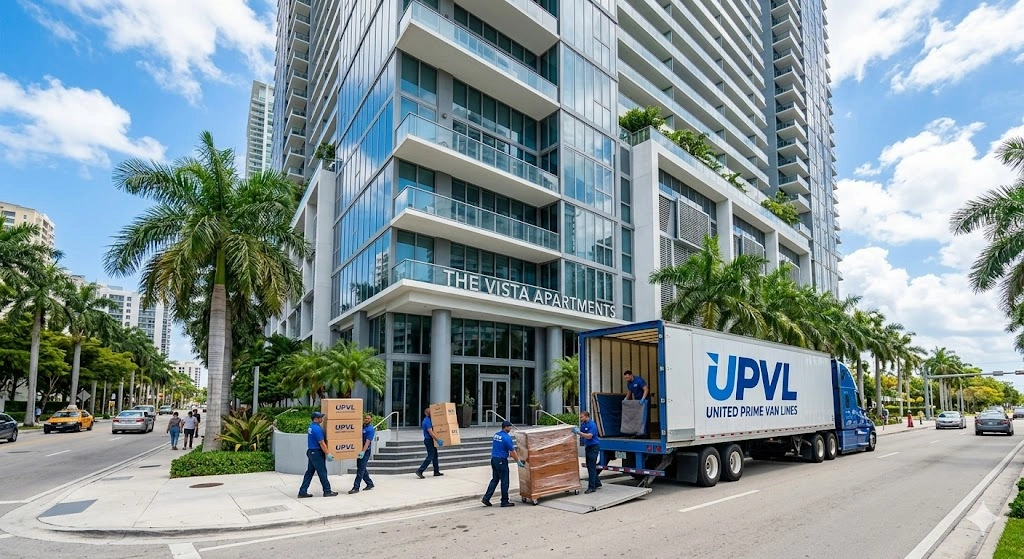
If you’re moving from Brickell to Coconut Grove, or from a condo in Downtown Miami to a house in Hollywood, FL, that’s a local or intrastate move. These are regulated by Florida law and local ordinances. For many local moves around the area, we recommend checking our local options starting from our Miami, FL page to see how we structure service and protections.
If you’re moving from Miami to New York or Texas, that’s an interstate move, and federal law regulates that. There are different paperwork and protection rules regarding estimates and liability. We handle both, but we are extra careful to explain which rulebook applies to your specific move.
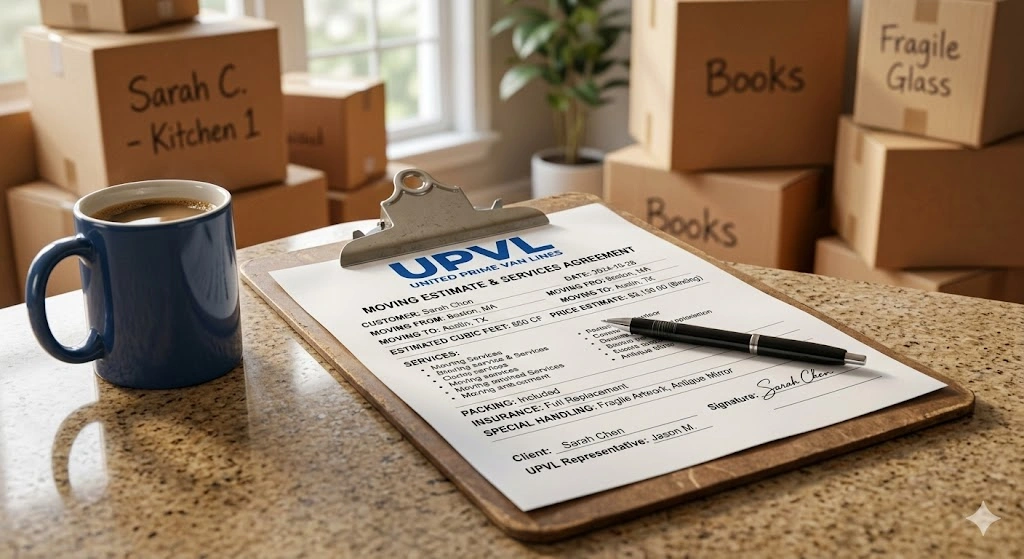
One of the biggest consumer protection tools you have is the written estimate. If a mover in Miami is only giving you a “ballpark” over the phone and refuses to follow up with a written estimate, that’s not okay.
Always ask: “Is this binding, non-binding, or not-to-exceed? Can you show me where that’s stated on the estimate?”
To protect you, your estimate should clearly spell out:
You’ve probably heard horror stories: A mover gives a low estimate, loads everything on the truck, and then suddenly “recalculates” and demands thousands more before unloading.
That’s called a hostage load, and in many cases, it’s illegal.
If we realize something about your job is different than expected, we talk to you before we start, not after everything’s on the truck.
On moving day, don't rush through the paperwork. Pay attention to:
This document includes the scope of work, your chosen valuation coverage, rate structure, and cancellation policies. Read it. I never mind when someone slows us down to clarify a clause.
This is your receipt and the legal contract of carriage. By signing, you’re saying “I agree to these terms, and I permit you to transport my items.” Scan for empty blanks, numbers that don’t match your estimate, or hidden clauses.
Miami is full of “too-good-to-be-true” deals. A mover might throw out a low hourly rate, but then add surprise stair fees, a “long carry” fee, or charge extra for blankets and tape.
Consumer protection laws demand transparent, upfront disclosure of fees. When I quote a move, I walk through your specific situation:
People think “the movers are insured, so everything is fully covered.” That’s rarely how it works. You must choose your level of protection:
Usually included at no extra cost, but coverage is limited to about $0.60 per pound per item. A 100 lb dresser = $60 max payout, even if it cost $800.
You declare a value for your shipment, and you pay a premium. If something is lost or seriously damaged, the mover must repair, replace, or compensate based on actual value.
You should never be defaulted into the cheapest option without understanding the trade-offs. If you have high-end furniture or art, consider stronger protection. Check our art & antique moving page for more on dedicated handling.
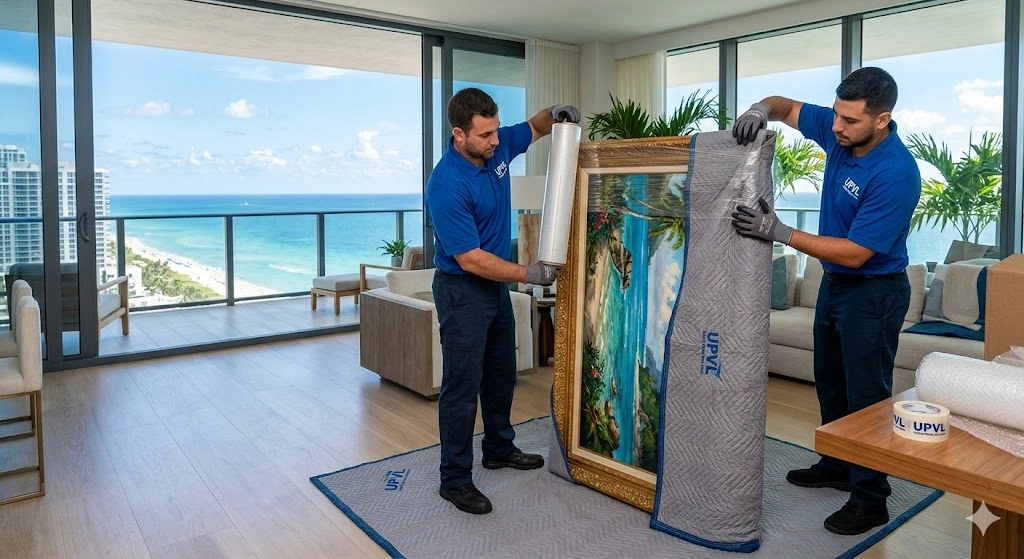
Even with the best crew, things happen.
Some movers demand huge non-refundable deposits and disappear. Consumer protection rules require clear disclosure of:
Whenever we book a move, I make sure our customers know exactly how far in advance they need to cancel to keep their deposit.
Here are practical red flags that should make you pause:
When customers reach out to United Prime Van Lines, I expect them to shop around. My goal is to make it obvious we play by the rules and respect your rights.

Consumer protection laws exist to keep you from being taken advantage of during a vulnerable moment. You don’t have to become a legal expert. Just remember: Get it in writing. Know your estimate. Ask about fees. Don’t be afraid to walk away.
If you’d like to talk through your specific move in or out of Miami, reach out. My team at United Prime Van Lines is here to move your belongings—but also to protect your peace of mind while we’re at it.