LOGO
City Moving Guides January 04, 2026

Cost of Living in Hallandale Beach: Our Honest 2026 Breakdown

Cost of Living in Hallandale Beach: Our Honest 2026 Breakdown

If you’re looking at Hallandale Beach and thinking, “Can we actually afford to live there?” you’re not alone. We hear this all the time from families, retirees, and young professionals who call us at United Prime Van Lines when they’re planning a move to South Florida.

We move people into Hallandale Beach every week, and the money question always comes up: rent, groceries, utilities, parking, “hidden” Florida costs—everything.

So let’s walk through what it really costs to live in Hallandale Beach in 2026, in plain English, with real-world context.

We’ll talk numbers, but also what those numbers feel like day‑to‑day, so you can decide if Hallandale Beach is the right fit for your lifestyle and budget.

First Things First: What Kind of Place Is Hallandale Beach?

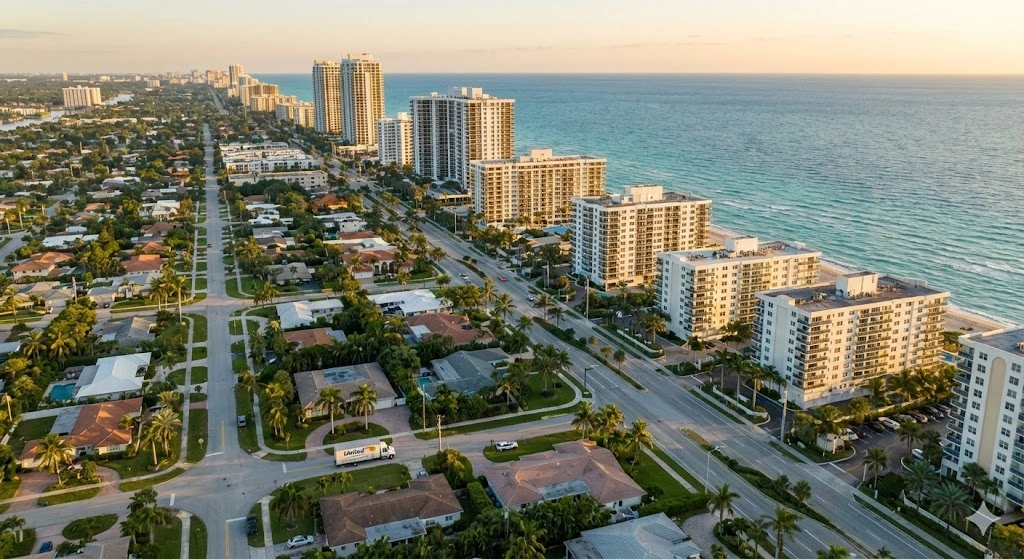
Hallandale Beach sits between Miami and Fort Lauderdale, right along the Atlantic. It’s small, compact, very walkable in pockets, and more relaxed than South Beach or Downtown Miami—but still close enough to the action that you don’t feel isolated.

People who move here usually fall into one of a few groups:

  • Retirees who want condo living near the beach
  • Young couples and professionals who work in Miami / Fort Lauderdale but don’t want Miami rent
  • Families looking for a quieter, slightly more affordable coastal city
  • Snowbirds testing out Florida as a long-term home

Cost-wise, Hallandale Beach is not “cheap,” but it’s often more manageable than Miami Beach, Brickell, or Aventura—especially in 2026, with everything still feeling more expensive after the last few years of inflation.

Housing Costs in Hallandale Beach (2026 Reality Check)

Housing will be your biggest cost, no surprise there. Let’s break it down by how you want to live.

Renting an Apartment or Condo

In 2026, here’s what we’re generally seeing for long-term rentals (12-month leases):

  • Studio / small 1-bedroom (non-luxury, non-oceanfront): Roughly $1,700–$2,100/month
  • 1-bedroom in a decent building (not right on the beach but close): Roughly $2,000–$2,600/month
  • 2-bedroom condo/apartment (standard building): Roughly $2,600–$3,300/month
  • 2–3 bedroom in a newer or more upscale building (with amenities like gym, pool, security): Often $3,300–$4,500/month+ depending on exact location and view
  • Oceanfront luxury or new-build towers (2–3 beds): $4,500–$8,000+ is absolutely possible

If you’re coming from New York, Boston, DC, or LA, these numbers might actually feel like a bargain for a place that’s walking distance to the beach. If you’re coming from the Midwest or smaller Southern cities, they might feel… intense.

A few things we see trip people up when they move here:

  • HOA fees baked into the rent: Many units are condos, so the owner is paying HOA and will usually roll that into your rent.
  • Parking limitations: You may get only one reserved spot. A second car can mean extra monthly parking fees or street parking hassles.
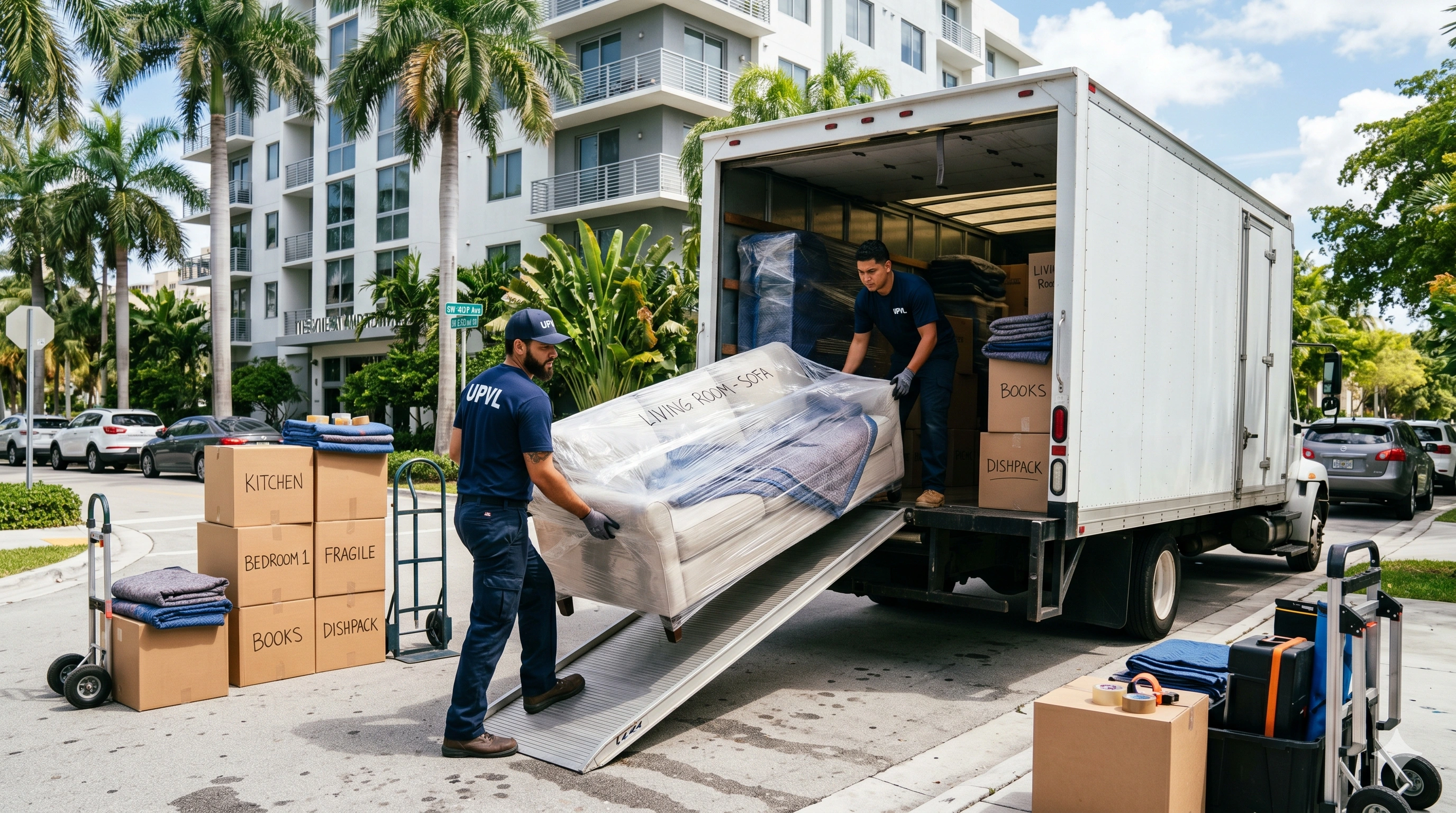
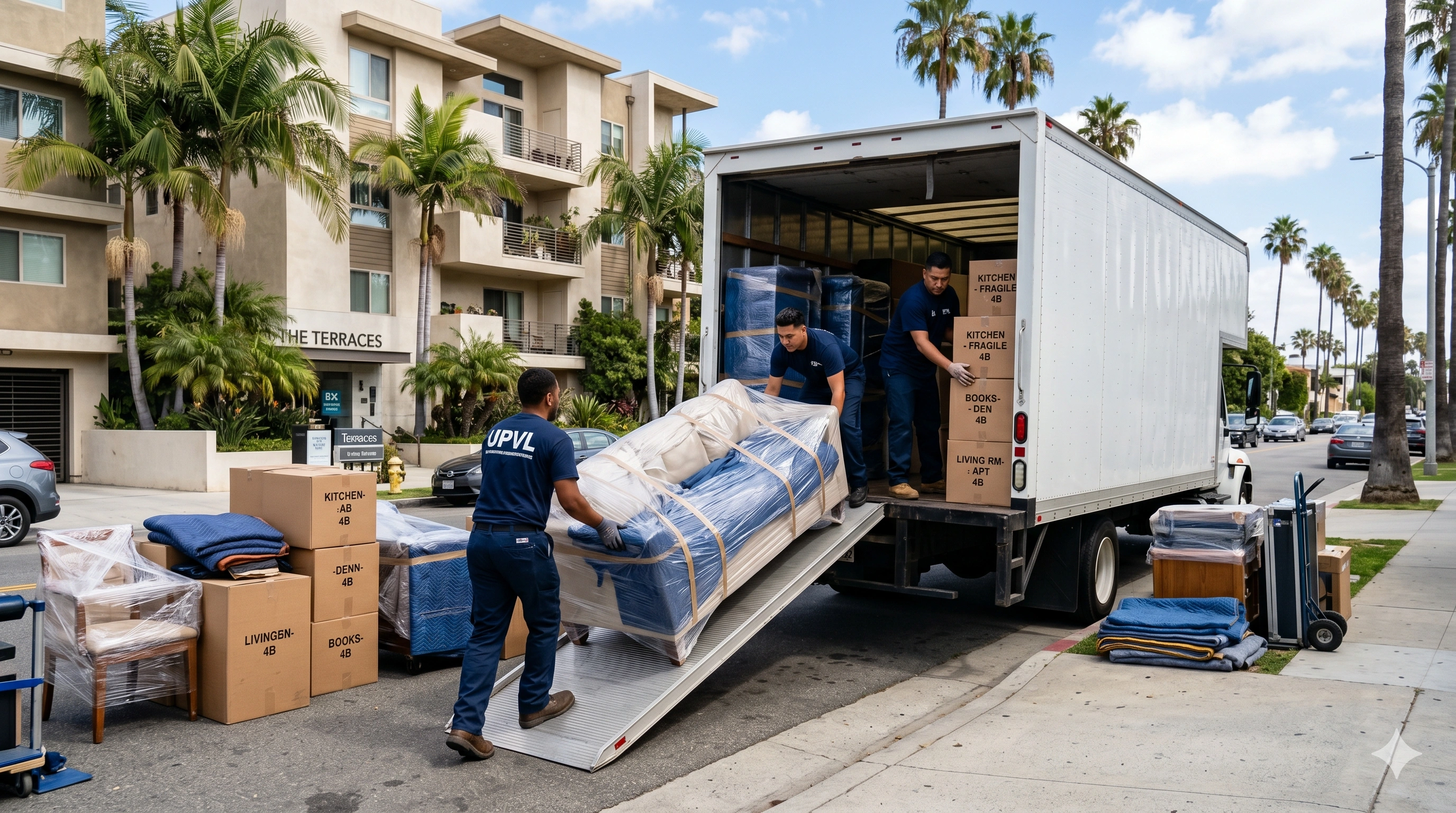
  • Move-in fees: Some condo buildings charge move‑in/move‑out fees, elevator deposits, or association application fees. These can run from ~$150 to $500+.

When we’re planning a move for someone renting a condo here, we always suggest calling the building before move day to ask:

  • Are there elevator reservations?
  • Are there move-in fees or deposits?
  • Any move day time restrictions (no Sundays, no late evenings, etc.)?

It’s not exactly a cost-of-living line item, but it’s money and stress you want to factor in.
Post image

Buying a Home or Condo in Hallandale Beach (2026 Snapshot)

If you’re thinking about buying, 2026 prices are still elevated compared to pre-2020, but the market has cooled a little compared to the wild spikes we saw.

You’ll see wide ranges, but roughly:

  • Older 1-bedroom condos away from the ocean: Around $250,000–$350,000
  • Updated 1–2 bedroom condos (decent building, not necessarily oceanfront): Often $350,000–$550,000
  • 2–3 bedroom condos (closer to the water or in nicer complexes): Can run $550,000–$800,000+
  • Single-family homes (limited supply in some parts of Hallandale Beach): Typically starting $550,000–$900,000+, and more for renovated or waterfront properties.

The hidden part of homeownership costs here isn’t just the mortgage:

  • HOA / condo fees: Can be $400–$1,200+/month depending on the building, amenities, and reserves. (Always check for special assessments due to the new Florida condo safety laws).
  • Insurance (especially in 2026 Florida): Property insurance has climbed a lot. Wind and flood coverage can be major costs if you’re near the water or in certain zones.
  • Property taxes: Ballpark around 1–1.5% of assessed value per year, but homestead exemptions can help if it’s your primary residence.

When buyers move with us to Hallandale Beach, we always suggest they talk frankly with their real estate agent and insurance broker about worst-case insurance and HOA numbers—not just the mortgage. Your “monthly housing cost” might look very different after those pieces are added.

Utilities and Basic Monthly Bills

After housing, your next chunk of spending is the stuff that keeps your place comfortable: power, water, internet, and phone.

Electricity (Air Conditioning Is King Here)

In South Florida, your electric bill is basically an AC bill with a couple of side characters.

In 2026, FPL (Florida Power & Light) rates have adjusted slightly upward. For a typical Hallandale Beach apartment/condo:

  • Smaller 1-bedroom (good insulation, reasonable AC usage): Expect around $100–$160/month most of the year.
  • Larger 2–3 bedroom (or a unit with lots of windows / direct sun / older AC unit): Around $180–$300/month, and summer months can climb higher.

If you’re coming from a cooler climate, it can be a little shocking how hard your AC works. The flip side is: you’re not paying for snow removal, winter heating, or heavy winter clothing.

Water, Sewer, Trash

These are often wrapped into your HOA fees for condos, or included in rent if you’re leasing from a private owner. When they’re separate (typically for single-family homes):

  • Trash/Sanitation: Hallandale Beach charges a base rate (around $28/month) for residential collection.
  • Water/Sewer Base: There is a fixed "base charge" (roughly $40/month) before you even turn on the tap.
  • Total Bill: A typical small household paying these directly should budget $70–$100/month.

Always ask your landlord or building management what’s included. We’ve seen people budget wrong because they assume “it’s covered,” and then get surprised.

Internet and Cell Phone

Hallandale Beach is pretty well covered by major ISPs (mostly Xfinity/Comcast and AT&T Fiber, with Breezeline as a budget option in some areas).

Typical 2026 prices:

  • Home internet (cable/fiber): Around $60–$90/month for 300–600 Mbps plans. Insider Tip: Check if your building uses Breezeline (formerly Atlantic Broadband); they often have promos starting around $20–$30/month.
  • Cell phone plans: Per line, anywhere from $40–$90/month depending on carrier and promos.

If you work from home, it’s worth spending a bit more for a stable, faster connection—especially in condo buildings where a lot of people are streaming or working remotely.

Post image

Groceries, Food, and Everyday Living

Grocery Prices in Hallandale Beach (2026)

Food costs have jumped everywhere, and South Florida was no exception. In 2026, the gap between "budget" and "premium" shopping has widened significantly.

Roughly speaking:

  • Single person who cooks at home: Expect $350–$500/month for groceries.
  • Couple: Often $550–$800/month depending on diet and how often you eat out.
  • Family with kids: Easily $900–$1,300/month, especially with snacks, school lunches, and brand preferences.

You’ll find a distinct "Tier System" here:

  • Tier 1 (Premium): Publix and Whole Foods. Most convenient, best service, but highest prices. (A few bags of groceries can easily hit $100).
  • Tier 2 (Budget): Aldi, Walmart Neighborhood Market, and Trader Joe’s (nearby in Hollywood/Aventura). Locals are shifting here more aggressively in 2026 to save 20-30%.
  • Tier 3 (Local Gems): Presidente Supermarket or small ethnic markets. Great for produce and meat at much lower prices.

If you like fresh produce and are a smart shopper, you can keep costs reasonable. If you’re big on organic, specialty items, or high-end stores, that grocery bill climbs fast.

Eating Out and Coffee Habits

Hallandale Beach has a mix of casual spots, older diners, bakeries, and newer trendy places spilling over from nearby Aventura and Hollywood.

Typical 2026 prices:

  • Casual lunch: $14–$20 per person (e.g., a sandwich or salad bowl).
  • Sit-down dinner (no alcohol): $25–$40 per person.
  • Nice dinner with drinks: $60–$90+ per person (especially near Gulfstream Park).
  • Coffee shop latte: $5.50–$7.50 (Coffee futures spiked in 2025, and local shops have adjusted prices).

If you go out a lot—especially in Miami or Fort Lauderdale—it can absolutely feel like a big-city cost of living. The good news is that you can balance it out by taking advantage of the beach and parks, which are free.

We always tell people moving here: you’re paying a premium for location, sun, and lifestyle. If you actually use the free parts (ocean, boardwalks, parks) instead of constant restaurants and bars, the overall cost of living feels a lot more manageable.

Transportation: Do You Really Need a Car?

This is a huge question we get from people moving to Hallandale Beach, especially those used to more walkable or transit-heavy cities.

Owning a Car in Hallandale Beach

While you can live car-light here in some pockets, most residents still own at least one car.

Here’s what that tends to cost in 2026:

  • Car Payment (if financed): Many people end up in the $400–$750/month range depending on the car and interest rates.
  • Insurance (The Big Shock): Florida car insurance is among the most expensive in the nation.
  • Clean record, standard car: Expect $250–$320/month.
  • Younger drivers, luxury cars, or tickets: Easily $350–$500+/month.
  • Tip: Shop around every 6 months; loyalty rarely pays off here.
  • Gas: Forecasts for 2026 see gas hovering around $2.90–$3.10/gallon. Depending on your commute, budget $100–$200/month.
  • Parking: In many condo buildings, one spot is included in rent or HOA. A second spot, or extra guest parking, can add costs—sometimes $75–$150+/month.

If you’re moving from a city where you never needed a car, this can feel like a big jump. On the other hand, if you’re coming from a suburb where car ownership is already baked into your budget, it won’t feel as startling.

Getting Around Without a Car (The "Local Secrets")

Hallandale Beach does have options that can help you ditch the second car:

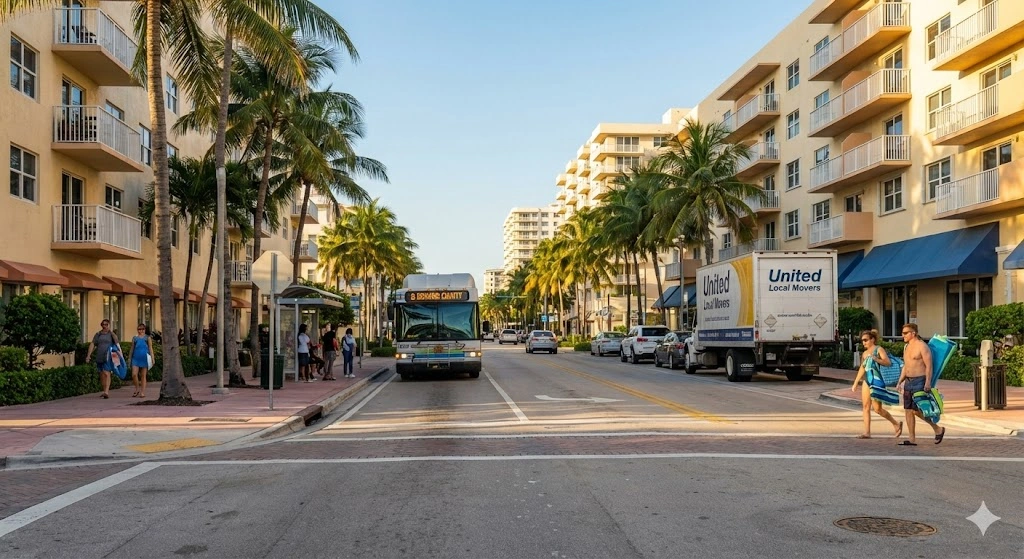
  • "The Cloud" (Free Community Shuttle): This is a huge perk. Hallandale Beach operates a free electric bus service called "The Cloud" with 4 routes connecting neighborhoods to grocery stores, the beach, and Gulfstream Park. It’s clean, free, and has an app to track arrival times.
  • Rideshares (Uber/Lyft): Available pretty much 24/7.
  • Brightline (Nearby): The Aventura Station is just south of the city line. It’s a high-speed train that gets you to downtown Miami or Orlando without driving on I-95.

The Verdict: You might be able to live without a car if:

  • You choose a place within walking distance to work or a transit line.
  • You’re okay relying on "The Cloud" shuttle for grocery trips.
  • You don’t mind planning around bus schedules.

In practice, most of the people we move here end up keeping at least one car per household, especially if anyone commutes to Miami, Fort Lauderdale, or beyond.
Post image

Healthcare, Insurance, and Wellness Costs

Health Insurance (The 2026 Price Shock)

If you’re moving here with an employer-sponsored plan, your cost won’t be dramatically different just because it’s Hallandale Beach. However, if you are self-employed, retired but not yet on Medicare, or freelancing, this is currently a major budget item.

Important 2026 Alert: As of January 1, 2026, the enhanced ACA (Obamacare) tax credits have expired, leading to significantly higher premiums for many Floridians.

In 2026, for individual ACA marketplace plans in Florida, we’re seeing:

  • Individual: Often $500–$800+/month depending on age, coverage, and reduced subsidies. (This is a sharp jump from previous years).
  • Family: Can jump to $1,200–$2,000+/month without full subsidies.
  • Tip: Florida Blue is the dominant carrier here, but check smaller networks like Oscar or Ambetter if you need to shave costs.

Retirees on Medicare may have much lower premiums but should still budget for supplement plans (Medigap), which can run $150–$300/month to cover what Medicare doesn’t.

Out-of-Pocket Care and Wellness

You’ll find everything here: Urgent care clinics, specialist offices, dental/vision providers, and lots of gyms, yoga studios, and boutique fitness.

Typical ballparks:

  • Gym membership: $30–$80/month (standard clubs like LA Fitness or Crunch).
  • Boutique studios (yoga, Pilates, etc.): $25–$40 per class or class-pack discounts.
  • Routine doctor co-pays: Usually $30–$60 with typical insurance plans.

One “soft cost” we hear a lot from people after they’ve been here a while: their wellness spending shifts. People spend more on sunblock, beach gear, and activewear—and less on winter coats and seasonal depression cures.

Childcare, Schools, and Family Expenses

If you’re moving to Hallandale Beach with kids, this part matters a lot.

Childcare and Preschool

Childcare in South Florida isn’t cheap, and Hallandale Beach is no exception.

Rough 2026 monthly costs:

  • Full-time daycare for infants/toddlers: Around $1,100–$1,800+/month per child, depending on whether you choose a home-based provider or a corporate center.
  • Preschool programs (part-time): Might be $500–$900+/month, depending on schedule.
  • Nannies and private sitters: Rates have risen significantly. $22–$35/hour is now the typical range for experienced, legal childcare here.

The "Florida Bonus" (VPK): When your child turns 4 years old, they qualify for Florida’s Voluntary Pre-Kindergarten (VPK). This program pays for 3 hours of free school per day (totaling 540 hours per school year).

  • Real-world math: It won’t cover a full workday, but it usually knocks about $300–$400 off your monthly bill.

School-Related Costs & The "Voucher" Revolution

Public schools themselves don’t have tuition, but you’ll still want to budget for:

  • After-school programs (ASP): Typically $250–$320 per month (often referred to as a "pay period") for on-campus care until 6:00 PM.
  • Sports or extracurriculars: Competitive travel sports teams in South Florida are big business—budget accordingly.

Private Schools & Universal Vouchers (The 2026 Game Changer): If you’re looking at private schools (in nearby Aventura, Hollywood, or North Miami), tuition can be a large cost—often $15,000–$40,000+/year.

However, Florida now has Universal School Choice (FES-EO/FTC).

  • What it means: Every student in Florida, regardless of income, is now eligible for a state scholarship (voucher) worth approximately $8,000 per year toward private school tuition.
  • Why this matters: A $15,000 religious school might now effectively cost you $7,000 out of pocket. Be sure to apply early, as administrative spots fill up fast.

We always recommend parents moving with us do a deep dive on school zones, not just rent. People sometimes pick a “great deal” on a place and then realize it doesn’t map well to the type of school environment they wanted—costing them more in private tuition later.

Entertainment, Beach Life, and “Fun Money”

Free and Low-Cost Fun

The good news about Hallandale Beach: a lot of the best stuff is free or close to it.

You’ve got:

  • The Beach (obviously): South City Beach Park is the hub, and unlike some private stretches in Florida, public access is good here.
  • Gulfstream Park (The "Village" Side): While betting costs money, the Music in the Park series (Fridays, Saturdays, and Sundays) features free live bands and entertainment in the walking village.
  • Outdoor Workouts: The city has invested in fitness zones at parks like Joseph Scavo Park, saving you a gym membership if you like calisthenics.
  • "The Cloud" Shuttle: As mentioned in transportation, this free shuttle connects you to the beach and Aventura Mall, saving you gas and parking fees.

If you’re intentional, you can live that “we’re always outside” lifestyle without burning cash every weekend.

Nightlife, Events, and Weekend Spending

On the flip side, if you regularly head into Miami (South Beach/Wynwood) or Fort Lauderdale (Las Olas) for nightlife, concerts, and dining, your “fun money” can vanish quickly.

Typical 2026 costs:

  • Movie Ticket: $15–$19 for standard evening shows. (Pro Tip: Local spots like Flippers Cinema in nearby Hollywood still do "$5 Wednesdays" if you want a bargain).
  • Casual Bar Night: $9–$18 per drink. Happy hours are crucial here.
  • Big Night Out in Miami: Club Cover: $30–$60+ (can hit $100+ for big DJs at places like Club Space or LIV). Cocktails: $18–$24 each. Rideshare: $40–$60 each way. Real-world math: A single Friday night in Miami can easily cost $200–$300+ per person.

It’s less about Hallandale itself being wildly expensive, and more about easy access to Miami’s high-priced fun. If you’re moving here partly because you want that access, just be honest with yourself and build it into your budget.

Post image

Taxes and the Financial "Florida Advantage"

One of the big financial draws of moving to Hallandale Beach: no state income tax in Florida.

That means:

  • No state tax taken out of your paycheck
  • No separate state tax return in April

If you’re moving from New York, New Jersey, California, or other high-tax states, this can feel like an instant raise.

For example, if you’re making $75,000–$100,000/year, you might see several thousand dollars more in your pocket annually compared to some other states.

Does that automatically cancel out housing and insurance costs? Not always. But when people sit down and look at net income plus cost of living, Florida often lands in a competitive spot—especially for higher earners, remote workers, and retirees.

You’ll still pay:

  • Federal income tax
  • Sales tax on purchases: In Hallandale Beach (Broward County), the 2026 combined sales tax rate is 7.0%. (This is lower than many major cities like NYC or Chicago).
  • Property tax (if you own): As noted earlier, budget roughly 1.75%–2% of your home's assessed value.

But that state income tax line? Gone.

What a Realistic Monthly Budget Looks Like in Hallandale Beach (2026)

To make this feel concrete, let’s sketch out a couple of very rough sample budgets. These aren’t one-size-fits-all, but they’ll give you a feel for how the numbers stack up.

Example 1 – Single Professional, Renting a 1-Bedroom

Let’s imagine:

  • You’re renting a 1-bedroom apartment a short drive from the beach.
  • You own a car and work either hybrid or fully remote.

Estimated monthly (2026):

  • Rent: $2,400 (Mid-range building).
  • Electric: $140 (FPL rates).
  • Internet: $80
  • Water/trash (if not included): $60
  • Car payment: $450
  • Car insurance: $260 (Florida rates).
  • Gas: $130
  • Groceries: $450 (Cooking mostly at home).
  • Eating out / coffee / entertainment: $500–$700
  • Health insurance (Marketplace plan, no subsidy): $600
  • Misc. (clothes, subscriptions, phone): $200

Total: You’re looking at roughly $5,270–$5,500/month ($63k–$66k net annually), plus any savings, debt payments, or travel you want to add on top of that.

Example 2 – Couple with One Child, Renting a 2-Bedroom

Now:

  • 2 adults, 1 child.
  • Renting a 2-bedroom condo in a decent building.

Estimated monthly (2026):

  • Rent: $3,200
  • Electric: $200
  • Internet: $90
  • Car #1 payment + insurance: $750 (Includes the high insurance).
  • Car #2 payment + insurance: $750
  • Gas: $220
  • Groceries: $1,000
  • Childcare (Daycare/Preschool): $1,400 (Average full-time).
  • Eating out / entertainment: $600–$800
  • Health insurance (Family plan, ACA unsubsidized): $1,500
  • Misc. (clothes, kids’ activities, phone bills): $500

Total: This lands around $10,200–$11,000/month ($122k–$132k net annually), again before savings or big trips.

That’s not a “right” or “wrong” number—just a snapshot of what a comfortable, but not overly flashy, life can cost here in 2026.

Where Moving Costs Fit Into the Picture

This is the part where we come in more directly.

When you’re working through the cost of living, it’s easy to forget that getting there has a cost too: time, energy, and actual dollars.

With United Prime Van Lines, we try to build moving costs in a way that feels transparent and predictable, because nobody wants surprises on move day.

Typical things that affect your move price to or within Hallandale Beach:

  • How much stuff you’re bringing (studio vs. 4-bedroom house).
  • How far you’re moving (local vs. cross-country).
  • Service Level: Whether you need packing services or just labor and truck.
  • Access Issues: Elevator reservations, long walks from truck to unit, and strict parking rules.

The "Downsizing Dividend": For some people, downsizing before they come here saves them hundreds or even thousands—especially on long-distance moves. There’s no point paying to move furniture you’re not going to use in a smaller condo by the beach.

How we help: If you want, we can walk you through a rough estimate over the phone, help you figure out whether full-service moving, partial packing, or just loading and transport makes the most sense for your budget.

Mover's Tip (The "COI" Hurdle): We work with Hallandale Beach buildings constantly, so we’re used to HOA quirks. Almost every high-rise here will require a Certificate of Insurance (COI) from your mover before they let us in the gate. We handle this standard procedure dailydon’t hire a "man with a van" who can’t provide one, or you’ll be turned away at the security desk.

Is Hallandale Beach Affordable for You in 2026?

The honest answer: it depends on your income, your expectations, and your lifestyle.

Hallandale Beach might be a good fit if:

  • You value being close to the ocean.
  • You’re okay with condo/urban living (rather than a sprawling suburban lawn).
  • You’re earning enough to comfortably handle $2,400–$3,500+ in monthly housing costs.
  • You’ll actually use the Florida lifestylebeach, parks, and outdoor time.

It might feel like a stretch if:

  • You’re on a very tight fixed income and don’t own your place yet.
  • You need a lot of space on a modest budget.
  • You’re expecting “cheap Florida” prices that really don’t exist in this part of the state anymore.

The best thing you can do is sit down, plug in your own real numbers (income, debts, savings goals), and layer in what we’ve gone through here: housing, utilities, transportation, food, healthcare, and fun.

If the math works—and the idea of waking up near the Atlantic appeals to you—then Hallandale Beach can absolutely be worth the cost.

Ready to Make the Move?

And when you’re ready to turn the idea into an actual move, we’re here.

At United Prime Van Lines, we’re based right here at 221 W Hallandale Beach Blvd, in the middle of the city you’re considering. We know the buildings, the streets, the parking headaches, and the shortcuts. We can help you plan a move that fits both your budget and your timeline, whether you’re coming from across town or across the country.

You handle the decision of where to live. We’ll take care of getting you there with as little stress—and as few surprises—as possible.


+1 (888) 807-5399