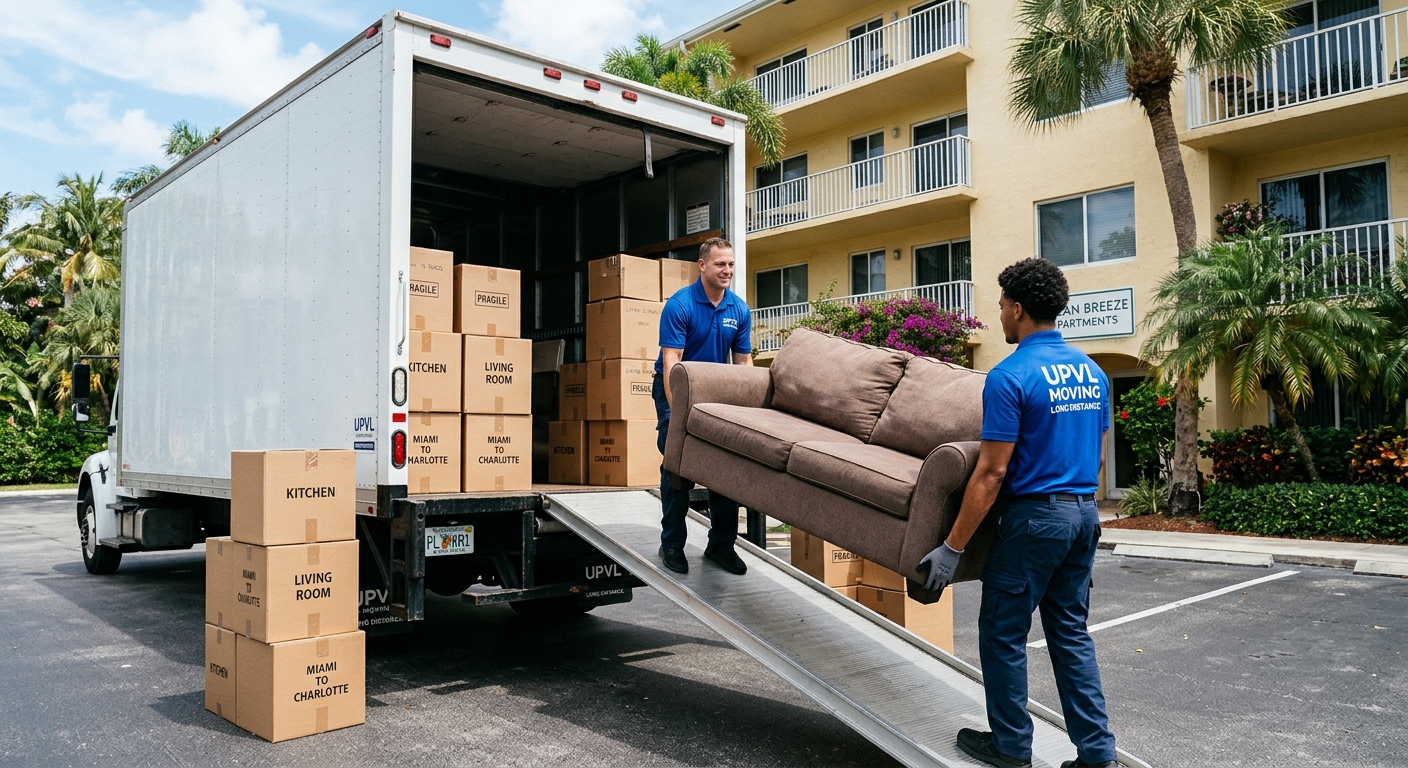
Picking a mover isn't the hard part. Picking the wrong one is what costs you.
Every year people get burned the same handful of ways: a quote that sounded great on the phone and doubled on loading day, a damaged dresser that nobody wants to pay for, or the nightmare version where the truck shows up for delivery and the driver won't unload until you hand over more cash. None of that is bad luck. It comes from skipping a few basic checks.
So here's how to vet a moving company properly, in the order that actually matters. It takes about twenty minutes and it's the best twenty minutes you'll spend on your move.
This is the step almost everyone skips, and it's the one that filters out most of the bad actors.
A company that moves you across state lines has to be registered with the federal government. They get a USDOT number and an MC number, and both are public. Look them up before you do anything else:
For a local, in-state move, federal numbers don't apply. Check whoever licenses movers in your state instead.
While you're at it, make sure the business name, phone, and address on your quote match what's actually registered. A company that operates under three different names is telling you something.
For the record: United Prime Van Lines is USDOT 3516414, MC-1336618. Look us up. We'd rather you did.
If a company gives you a firm number without asking what you own, be careful. They're either guessing or setting you up to "adjust" the price later.
A real estimate starts with a survey. These days that's usually a video walkthrough on your phone, or an in-home visit for a bigger job. From there you get the price in writing, and you want to know which kind it is:
One more thing for interstate moves: the company is required to hand you two federal booklets, Your Rights and Responsibilities When You Move and Ready to Move?. If they skip that, take the hint.
Some of these are obvious once you know to look:
Any one of these on its own is a yellow flag. Two or three together, and you keep looking.
"Licensed and insured" sounds reassuring and tells you almost nothing. What matters is the coverage on your belongings, and by law you get a choice between two levels:
If your building or HOA requires a Certificate of Insurance before move day, ask whether the company can produce one. The good ones do it all the time.
Testimonials on a company's own website are marketing. Go look at Google and the Better Business Bureau, and check that FMCSA complaint record again. A wall of five-star reviews all posted the same week is a red flag, not a green one. Ask for a couple of references from recent customers with a move like yours. And pay attention to how a company answers its bad reviews, because that's what you'll be dealing with if something goes sideways.
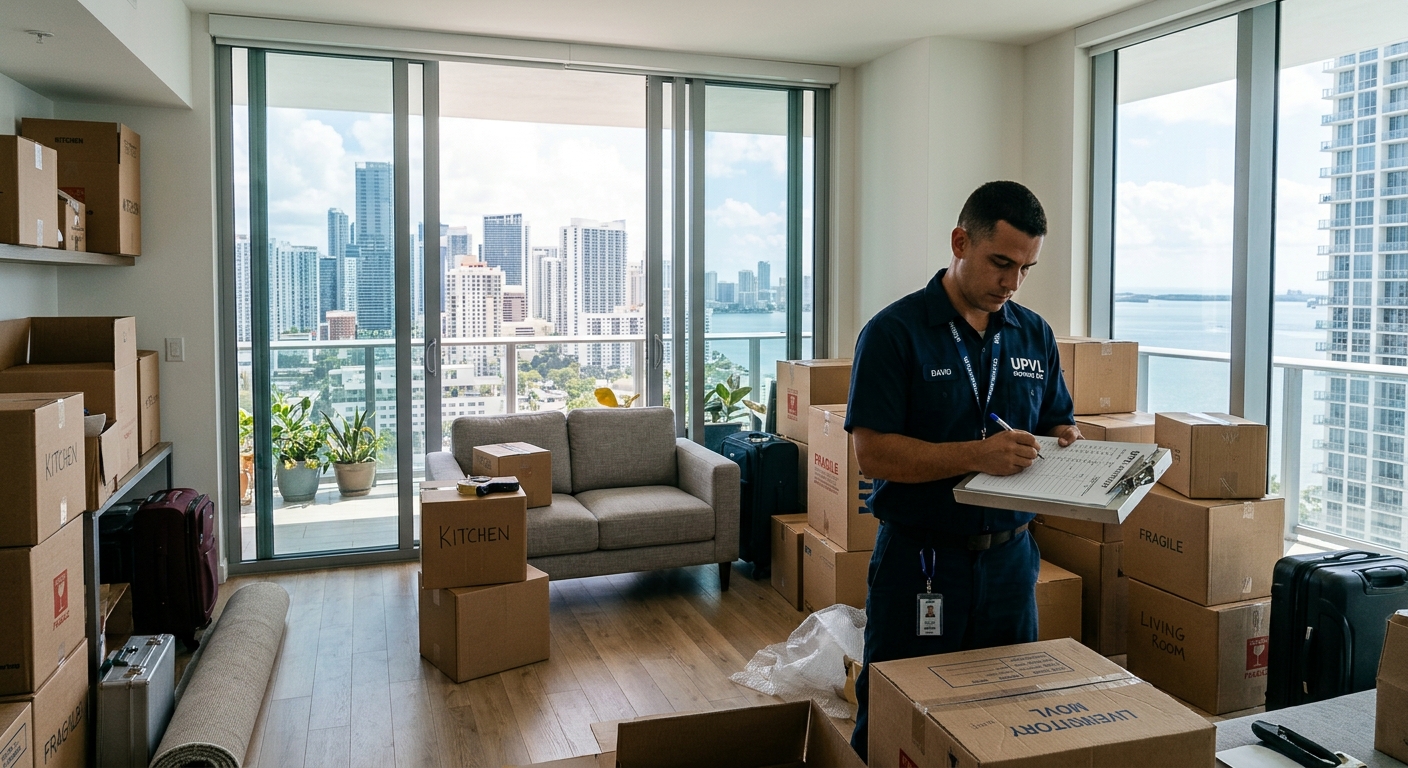
Before anything leaves your house, you should be holding a written estimate, an Order for Service, a Bill of Lading, and an itemized inventory with the condition of your things noted. The Bill of Lading is your contract. Never sign it blank, and keep a copy of everything.
We built United Prime Van Lines to be the company that passes all of these checks on purpose. We're a licensed interstate carrier (USDOT 3516414, MC-1336618) with crews in Los Angeles and Miami. We quote in writing, we'll give you a not-to-exceed number when you want the price locked, our own people run the move, and our trucks are tracked the whole way. No games on move day.
Planning a long-distance move? See our long-distance moving page. Staying local? We do local moves too.
Get a straight quote: +1 (888) 807-5399. We'll call you back within twenty minutes.
For an interstate move, look up the company's USDOT and MC numbers on the FMCSA Protect Your Move site and the SAFER System. For a local move, check your state's mover licensing agency.
Small to none. Most reputable movers let you pay on or after delivery. A demand for a large deposit, or cash only, is one of the clearest scam signals there is.
A non-binding estimate can change with the actual weight and services. A binding estimate is fixed. A binding not-to-exceed estimate can only go down, which is the safest kind for you.
Released Value is free but minimal at sixty cents a pound. Full Value Protection costs more and makes sense for electronics, antiques, and anything hard to replace.
Big upfront deposits, cash only, a quote with no survey, blank or missing paperwork, unmarked trucks, no real address, and a price far below everyone else.
No. A carrier moves you with its own trucks and crew. A broker sells your job to someone else. Ask which one you're actually hiring.