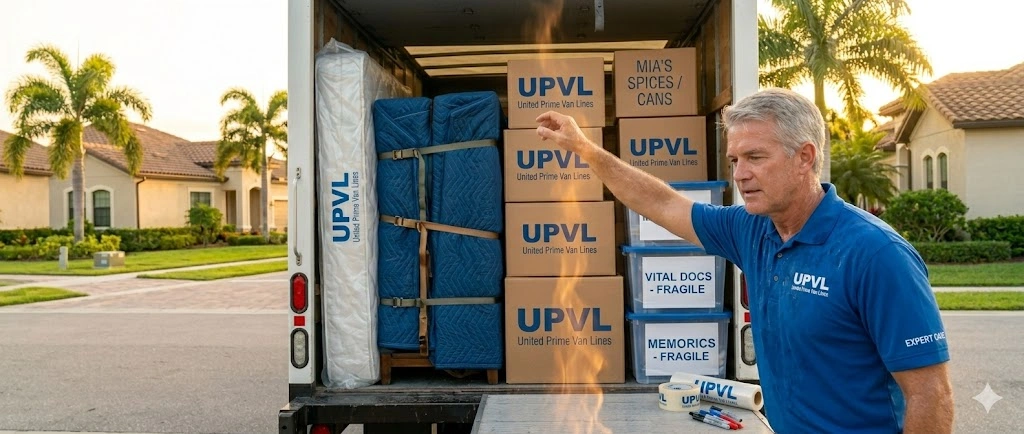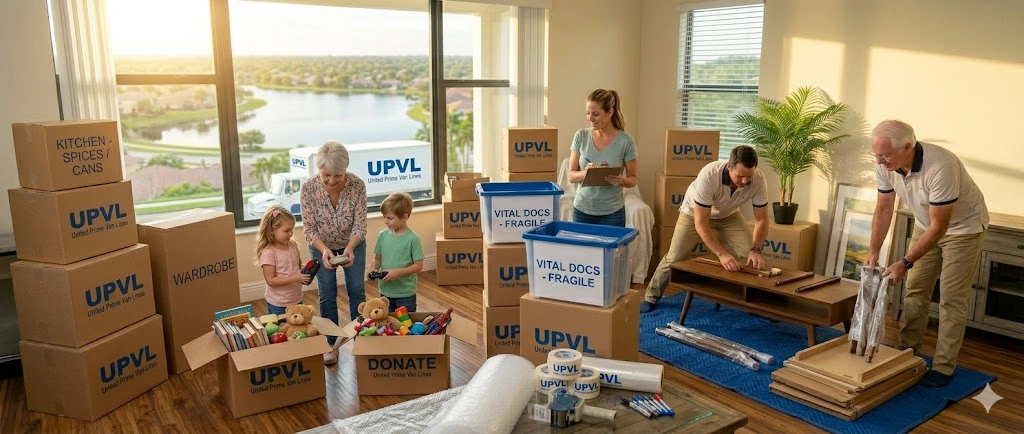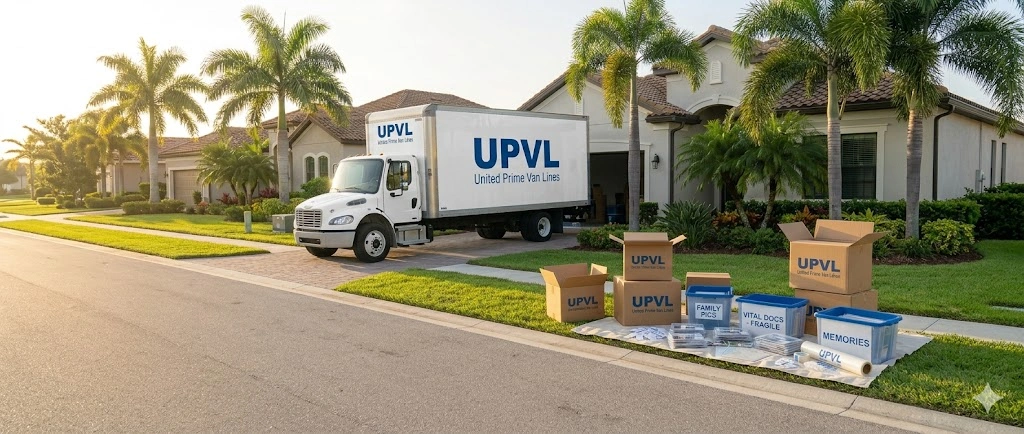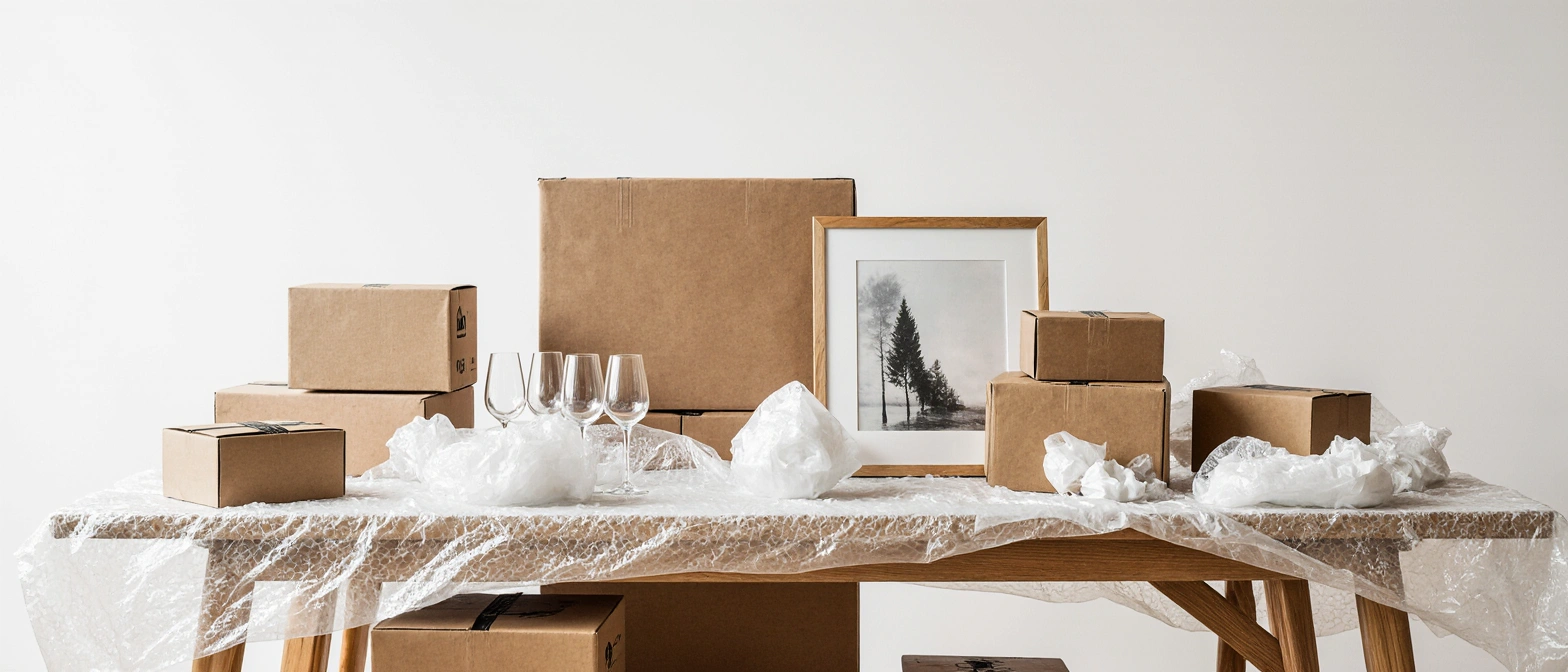
Packing fragile items is where a move can go very right or very wrong.
One lazy shortcut with a TV, a rushed box of glasses, a mirror without padding — and suddenly your “simple move” includes cracked screens, chipped plates and a broken frame you really loved.
The good news: you don’t need to be a professional mover to pack fragile things safely.
You just need to understand a few basic rules and follow a clear process for each type of item.
In this guide, we’ll walk through how to protect glass, electronics and art step-by-step, what materials to use, what to avoid, and how to make sure your fragile boxes survive the ride in one piece.
No matter what you’re packing — a wine glass, a monitor, or a framed print — the logic is the same. Think in three layers:
A soft, tight layer around the item to protect it from scratches and small impacts.
Padding around the wrapped item to absorb shocks and movement.
A sturdy box with no empty spaces inside, loaded so it doesn’t get crushed or shaken around in the truck.
If you always build these three layers, your fragile items have a much better chance of arriving exactly as they left.
Glass and dishes can be intimidating, but they’re actually very packable if you take your time and use the right materials.
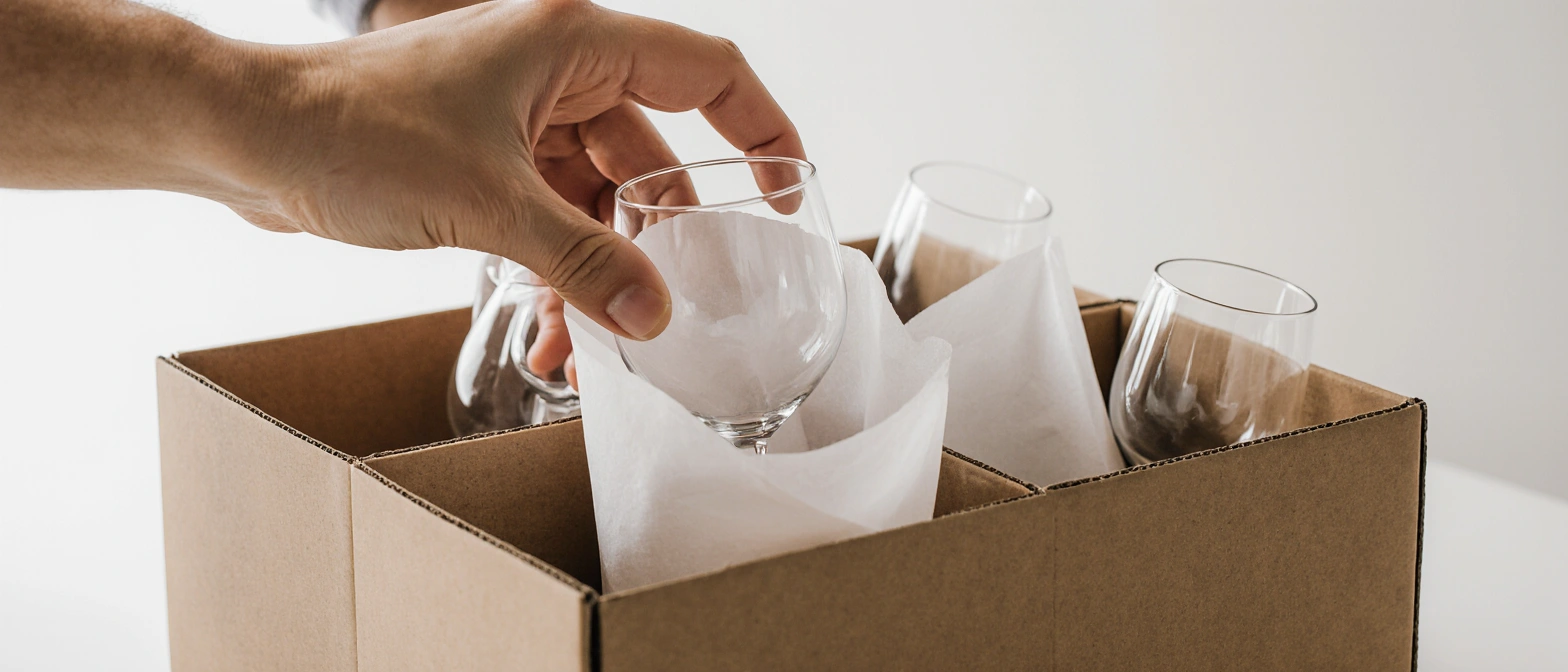
Put a layer of crumpled packing paper or a folded towel at the bottom of the box.
Lay a plate in the center of 1–2 sheets of packing paper.
Fold the paper up and over, tucking tightly around it.
For smaller plates, you can stack 2–3 together in one bundle, as long as each one is separated by paper.
Place wrapped plates vertically, like records in a crate, not flat and stacked.
This position handles shocks better and reduces the chance of breakage.
Use crumpled paper along the sides and on top so nothing can move.
The box should feel firm when gently shaken — no rattling.
Write “FRAGILE – PLATES – THIS SIDE UP” on multiple sides of the box.
Gently fill each glass or cup with a small ball of packing paper to support the structure.
Lay the glass on paper, roll it, and tuck in the sides as you go.
For tall stemware, pay extra attention to the stem — wrap an extra layer around the middle.
Use a divided box (like a dish/glass pack) if you have one.
If not, make your own divisions with rolled paper: glasses should be upright and separated, not loose.
Once the box is full, add a thick layer of crumpled paper or a towel on top.
“FRAGILE – GLASS – DO NOT STACK HEAVY” is your friend here.
You can combine plates, bowls and glasses in one box only if:
If you’re not sure, err on the side of more boxes and more padding, not fewer.
Electronics are fragile in a different way: they’re sensitive to shocks, pressure, dust and static. A cracked TV screen or damaged console is not cheap to replace.
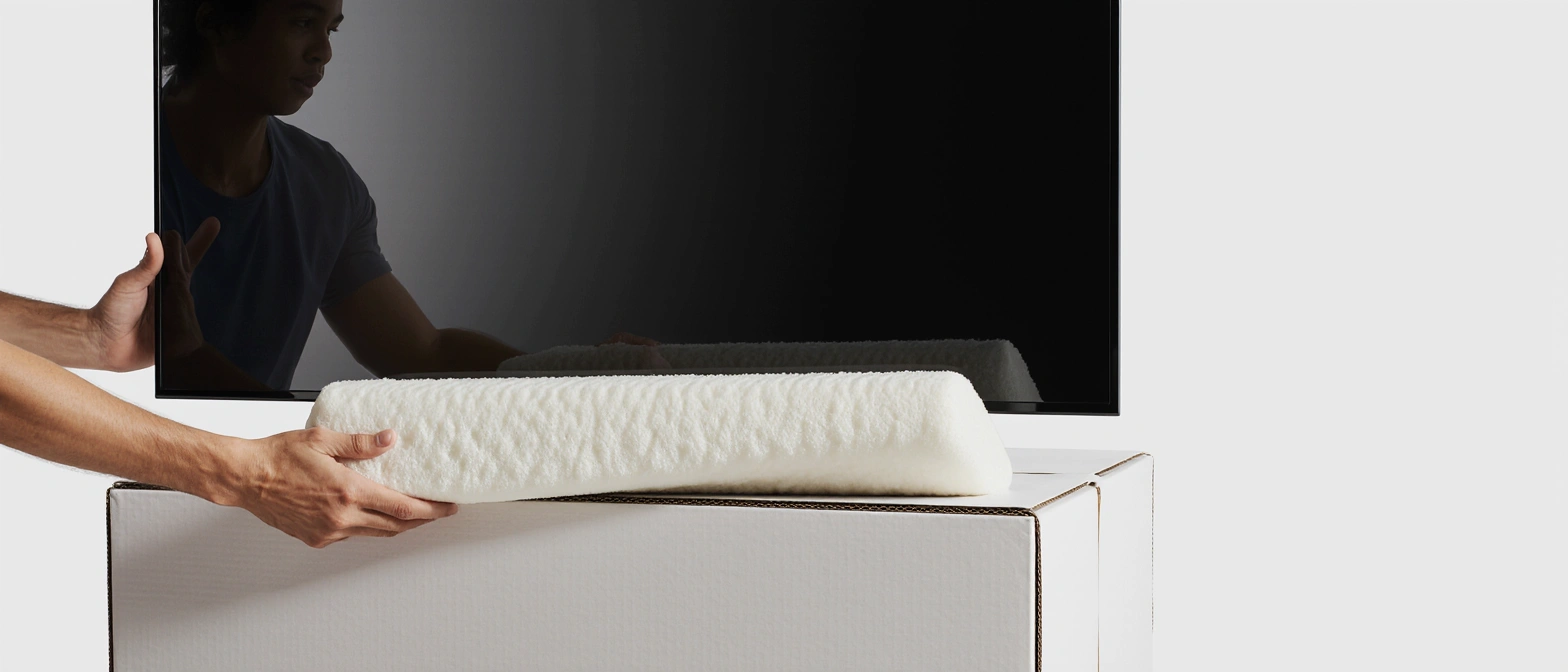
h3: Using original boxes (best option)
If you still have the original box and foam inserts for your TV, monitor or console, use them. They’re designed to handle transport stress.
Steps:
You can place this original box inside a larger moving box with extra padding for even more protection.
If you don’t have the original TV box:
Cover the screen with a foam sheet or a soft, clean blanket.
Avoid tape directly on the screen or frame.
Wrap it in several layers of bubble wrap, focusing on corners and edges.
Secure gently with stretch wrap, not tape on the surface.
Place the wrapped TV into a TV-specific box sized for your screen.
Fill any gaps with more padding so it can’t shift.
TVs should travel vertically, secured against a stable surface.
Do not stack heavy boxes against the screen side.
If you’re moving with us at United Prime Van Lines and don’t have a TV box, we can bring specialty materials and pack your TV for you so it’s protected and loaded correctly.
For desktops, laptops, gaming consoles, routers and similar items:
Label these boxes with:
Art and mirrors are fragile in multiple ways: glass, frames, corners, and sometimes the art surface itself.
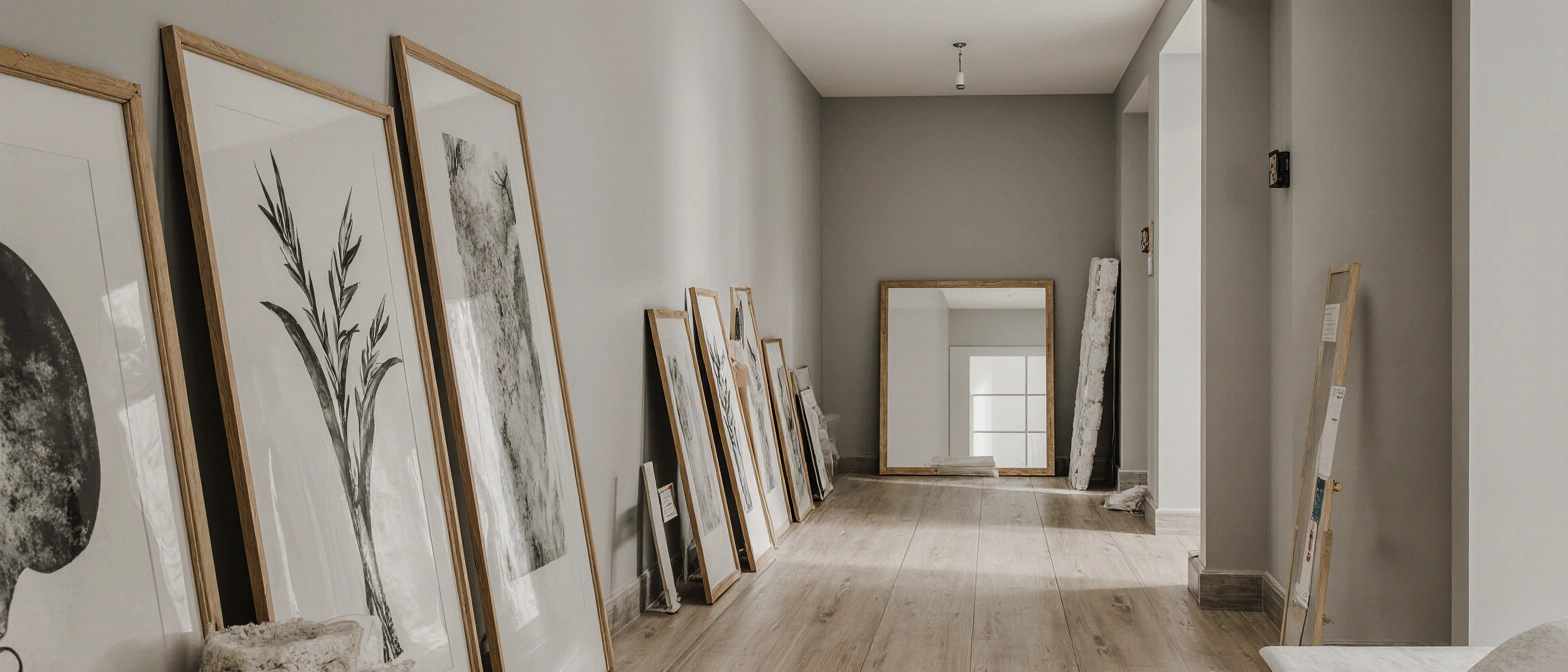
Use painter’s tape to place an “X” across the glass.
This helps hold glass together if it cracks, protecting the artwork and making cleanup easier.
Place a cut-to-size piece of cardboard or foam over the glass area.
Wrap the piece in several layers of packing paper or bubble wrap.
Use corner protectors or extra padding on the frame edges.
Use a picture/mirror box sized for the piece.
Fill any gaps with paper so the frame doesn’t slide around.
“FRAGILE – ART – DO NOT LAY FLAT” on the box.
Canvas is sensitive to pressure from the front: a strong poke can leave a permanent dent.
Mirrors combine glass + weight, so treat them with extra respect:
If you let us know about your artwork and mirrors ahead of time, we can bring the right boxes and padding so they travel safely instead of just “hoping for the best.”
You don’t need every specialty product in the store, but certain choices make a big difference.
If a box is too heavy for one person to lift comfortably, it’s too heavy. Split it.
Avoid using only one type of filler for everything. Mix materials so each item gets the kind of protection it needs.
Even a perfectly packed fragile box can be damaged if nobody knows what’s inside or how to handle it.
On each fragile box, write:
Clear labels help your movers (or your friends) load boxes correctly and place them in the right room so you don’t have to drag them around later.
When you move with us at United Prime Van Lines, we plan how to load fragile items so they’re protected by both packing and smart placement inside the truck.
A few things cause most damage we see:
They don’t protect, they don’t stack, and they rip easily.
If items can move, they can collide and break. Fill gaps with paper or soft padding.
Don’t pack a cast-iron pan on top of glasses. Ever.
Old produce boxes or damp cardboard are weak and can collapse mid-move.
Rushed packing is where corners get cut and fragile stuff pays the price.
Use this checklist as you go:
If you’d rather not spend days wrapping glasses and guarding TV screens, you can hand the fragile part of the job to us. At United Prime Van Lines, we can bring the right materials, pack your delicate items the way we do it every day, and load them so they arrive exactly how you remember them — only in a new home.