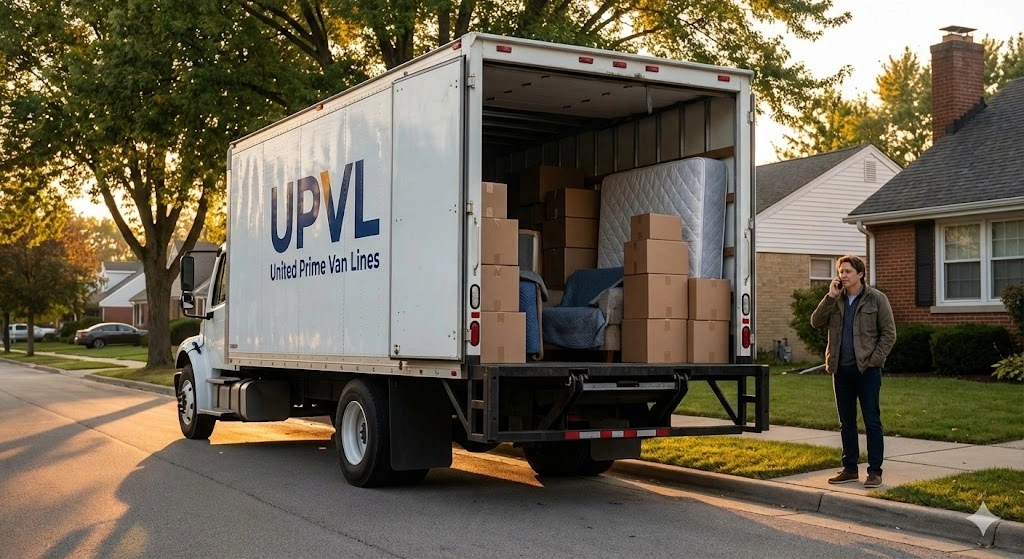
Moving day is already stressful enough. The last thing any of us want is to hear, “It’s going to cost more than we originally estimated.” But it does happen in the moving industry — and how you handle it in that moment really matters.
We’ve seen this situation from both sides: as professional movers at United Prime Van Lines and as people who’ve moved our own families. So in this guide, we’ll walk you through what to do calmly, step by step, if your moving cost changes on moving day — and how to protect yourself from nasty surprises in the future.
We’ll talk plain English, no scare tactics, no corporate speak. Just what you actually need to know.
First Things First: Don’t Panic or Feel Pressured
If a crew shows up and suddenly the price is higher than you expected, it’s normal to feel angry, embarrassed, or worried you're being scammed.
Take a breath. You have more control than it feels like in that moment. Here’s what we always suggest you do before you agree to anything:
- Pause the conversation. You’re allowed to say: “Let’s stop for a second so I can review the paperwork and understand the changes.”
- Ask them not to start loading yet. Once your belongings are on the truck, your leverage drops a lot. You can calmly say: “Before you start loading, I want to clarify the total cost.”
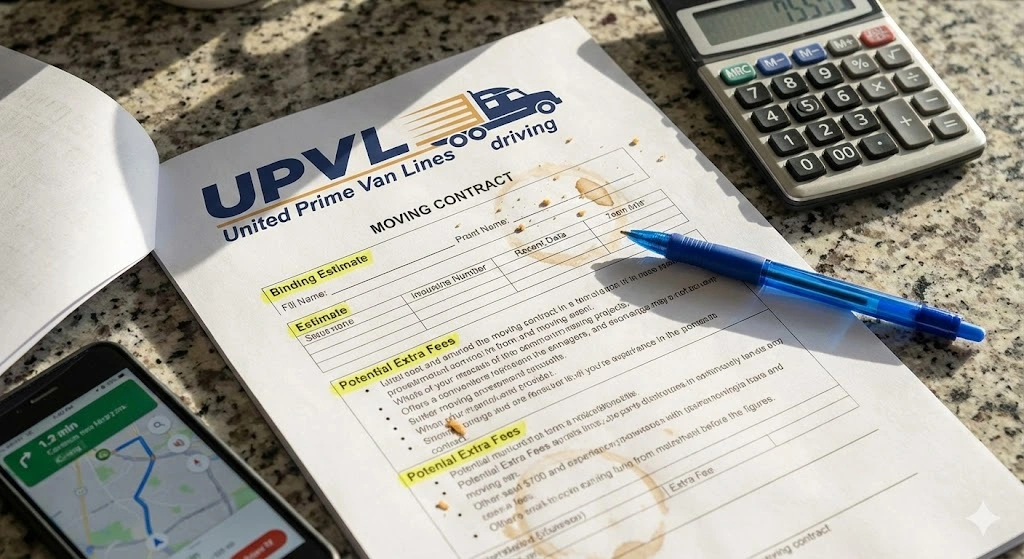
- Pull out your original estimate. Printed, email, text — whatever you have. That document is your starting point.
We encourage our own customers at United Prime Van Lines to have their estimate opened on their phone or printed out on moving day. That way, if there are any changes, we can walk through them together transparently, line by line.
Step 1 – Understand Why the Price Changed
Not every price change is a scam. Sometimes there are legitimate reasons; sometimes there are red flags. Your job in that moment is to get the reason in clear, specific terms.
Ask questions like:
- “Can you explain exactly why the price is higher?”
- “What changed compared to the original estimate?”
- “Can you show me where this is written in the contract or estimate?”
Legitimate Reasons a Moving Cost Might Go Up
- You added a lot more items than were on the inventory. Maybe you forgot the stuff in your storage unit, attic items, heavy outdoor furniture, or extra boxes packed last-minute. If the original quote was based on a smaller inventory, more items usually mean a higher price. That’s fair — as long as it’s clearly explained.
- Access is much harder than expected. We see this a lot in South Florida condos and California apartment complexes. If there are long walks, no elevator, narrow stairs, or parking restrictions forcing a long carry, there may be an extra charge.
- You requested extra services last minute. Things like full packing instead of partial, disassembly/reassembly, or extra stops will update the cost.
- Weight-based moves that are re-estimated on-site. For long-distance moves, if the mover sees your shipment is clearly much bigger, they might adjust the quote accordingly based on the estimate type.
Red Flags When the Price Jumps
Watch out for situations where the price change feels like manipulation:
- Huge increases with vague explanations (e.g., “It’s just more work than we thought”).
- No paperwork to back it up.
- Threatening or bullying tactics (“Sign now or we leave”).
- Cash-only demands that weren’t mentioned before.
- Refusal to honor a binding estimate.
Red Flags When the Price Jumps
Watch out for situations where the price change feels like manipulation:
- Huge increases with vague explanations (e.g., “It’s just more work than we thought”).
- No paperwork to back it up.
- Threatening or bullying tactics (“Sign now or we leave”).
- Cash-only demands that weren’t mentioned before.
- Refusal to honor a binding estimate.
Step 2 – Know What Type of Estimate You Signed
This part is huge, and most people don’t find out about it until something goes wrong. In the moving world, there are typically three types of estimates.
1. Binding Estimate
- The mover agrees to do the job for a fixed price, based on the items and services listed.
- Even if the actual weight is higher, your price stays the same — as long as you don’t add more items or services.
2. Non-Binding Estimate
- This is an estimate only, based on approximate weight or volume.
- Your final cost is based on the actual weight and services provided.
- Note: For interstate moves, federal rules usually say that at delivery, a mover can’t force you to pay more than 110% of the non-binding estimate to get your stuff unloaded.
3. Binding Not-To-Exceed (Guaranteed Not to Exceed)
- If your actual weight is higher than estimated → you pay the estimated amount.
- If your actual weight is lower → you pay the lower actual price.
- This is essentially a one-way protection in your favor.
Step 3 – Ask for a Clear, Updated Written Breakdown
Once you know why they’re changing the price and what type of estimate you signed, your next move is: Get everything in writing before a single box goes on the truck.
Ask the crew leader or dispatch to provide:
- A revised estimate or order for service.
- A line-by-line breakdown of base cost, packing fees, access fees, fuel, and any additional stops.
Then say something like:
“I’m not comfortable agreeing to new numbers verbally. Please write it out so I can review and sign only if I understand and accept it.”
Step 4 – Don’t Fight the Driver, Call the Office
This is a critical tactical move.
The driver or foreman is often just the messenger. They are looking at the physical pile of boxes in front of them and doing the math. If you feel the price change is wrong or unfair, arguing on the sidewalk rarely solves it.
Call the main office immediately.
- Speak to your Sales Rep or Dispatch Manager.
- Say this: "I’m on-site with the crew. They are proposing a price increase of [Amount]. I need you to walk me through exactly why this is happening before I authorize them to load."
- The Benefit: The office has your original contract, the recording of your estimate call, and the authority to override the crew if a mistake was made.
At United Prime Van Lines, if a customer calls us from the driveway with a concern, we pull up the file instantly. We want to solve the confusion before the truck is loaded, not after.
How to Prevent This Nightmare Before It Starts
The absolute best way to handle a moving day price hike is to make sure it never happens.
1. Be Brutally Honest During the Estimate
"Forgetting" to mention the packed attic or the heavy elliptical machine doesn't save you money—it just delays the bill until moving day.
- Video Surveys are Best: Show us everything. Open the closets. Go into the garage.
- Don't "Guesstimate" Box Counts: If you say "10 boxes" but pack 50, the price will change.
2. Ask About "Access Fees" Upfront
If you live on a narrow street in Hallandale Beach or a tight hill in Chatsworth, ask your mover: "What happens if the semi-truck can't fit?" If there is a "shuttle fee" (using a smaller van to ferry items), you want to know that price now, not when the truck is idling outside.
3. Get the Right Estimate Type
Push for a Binding or Not-To-Exceed estimate. Avoid non-binding estimates unless you are comfortable with the final price being a moving target.
The Bottom Line
Price changes are stressful, but they aren't always a disaster.
- Stay Calm: Panic loses leverage.
- Check the Facts: Is it a legit inventory increase or a scammy markup?
- Get it in Writing: Never rely on a handshake.
- Call the Office: Go to the source.
At United Prime Van Lines, we believe the only surprise on moving day should be how fast we get the job done.

Step 4 – Negotiate (Calmly) When It Makes Sense
Not every price change is “take it or leave it.” You can push back, especially when the increase feels disproportionate or you weren’t warned about certain fees.
Approaches that tend to work:
- Point back to the original estimate. “This is what we agreed to. I understand there might be a reasonable adjustment, but this is a big jump. Can we meet somewhere in the middle?”
- Ask for specific reductions. “Can we remove packing these few items to lower the cost?” or “Is there a way to waive the long-carry fee if I help move items closer?”
- Use timing to your advantage. Movers have a schedule to keep. A calm, realistic counter-proposal can get things on track quickly.
Step 5 – Know When to Walk Away
Consider calling off the move (or at least that company) if:
- The final price is dramatically higher with no honest explanation.
- They’re using aggressive pressure.
- You’re asked to sign blank contracts.
- They threaten to hold your items “hostage.”
If they haven’t loaded anything yet, you’re in a much stronger position. You might lose your deposit, but you’ll save yourself from a potentially much bigger nightmare.
Step 6 – If Your Stuff Is Already on the Truck
This is where it feels really scary. First: this behavior is often associated with rogue movers or scam operators.
Here’s how to handle it:
- Stay calm and document everything. Write down times, names, save texts, and take photos of the truck/license plates.
- Ask them to show you the contract and tariff. For interstate moves, they’re required to have a tariff explaining charges.
- Pay only what you’re legally required to for release. On a non-binding interstate estimate, they usually can’t require more than 110% of that estimate at delivery.
- Contact authorities. If you feel extorted, contact the FMCSA, local police, or your state’s consumer protection office.
How to Protect Yourself Before Moving Day
The best way to handle a surprise moving cost is to never have one in the first place.
1. Be Obsessively Honest About Your Inventory
When you do the estimate, walk through every room (balcony, garage, attic) and mention large, heavy, or fragile items. We always encourage video walk-throughs to see access and parking.
2. Ask for the Right Type of Estimate
- Local moves: Ask for hourly rates, minimums, and travel time charges.
- Long-distance moves: Ask for a Binding or Binding Not-To-Exceed estimate for predictability.
3. Read the Fine Print on Extra Charges
Scan for words like “Stair fees,” “Elevator fees,” “Long carry,” or “Shuttle fee.” Circle anything unclear and ask exactly when these fees apply.
4. Check Licensing and Reviews
For interstate moves, look up the mover’s USDOT number on the FMCSA website and read reviews to filter out bad actors.
When a Higher Price Is Actually Worth It
It’s worth reconsidering the price if:
- The movers are transparent and patient in explaining the change.
- The extra services genuinely save you time, stress, or damage risk (e.g., full packing).
- The alternative is scrambling to find a last-minute mover with unknown quality.
The key difference is clarity and consent. Surprise + pressure is not okay. Clear explanation + your approval is.

Turning a Stressful Surprise Into a Controlled Situation
A surprise change in moving cost on moving day can make you feel like everything’s spinning out of control. But you have more power than it seems.
Here’s the simple framework to keep in your back pocket:
- Stop and clarify before anything gets loaded.
- Ask why the price changed, in specific detail.
- Check your estimate type (binding, non-binding, not-to-exceed).
- Get every change in writing with itemized costs.
- Negotiate calmly if the increase feels too high.
- Walk away if needed — especially if pressure or threats appear.
- Document everything if your items are already on the truck.
And next time you’re choosing a mover, look for a company that builds transparency into every step. That’s what we aim for with every move we handle at United Prime Van Lines. If you’re planning a move and want to avoid this headache completely, we’re here to walk you through the estimate, explain each line, and make sure the number you see before move day is the number that makes sense on move day.