If you’re planning a move in Florida, you’ve probably heard this line from at least one moving company already:
“Don’t worry, you’re covered.”
I wish it were always that simple.
I’ve been around enough moves in Florida — from tiny studios in Hollywood, FL to oceanfront houses in Aventura — to see how confusing “coverage” and “moving insurance” really are for regular people. Most folks don’t realize they weren’t actually insured until after something gets scratched, soaked, or broken.
So let’s fix that.
In this guide, I’ll walk you through the real options you have for moving insurance in Florida, how they work, what they don’t cover, and how we handle it at United Prime Van Lines when we move your home or office.
No scare tactics, no fine-print tricks. Just the truth you need before your movers show up at the door.
Most people use “moving insurance” as a general phrase, but legally and practically, there are two different things at play:
In Florida, like the rest of the U.S., every licensed moving company has to give you at least a basic level of liability on your items. That’s not the same as “if it breaks, you get a new one.” Far from it.
When we schedule a move at United Prime Van Lines, I always tell clients this early:
“You will have coverage. The question is: will it be enough to make you whole if something goes wrong?”
Let’s unpack your options so you can answer that for yourself.
This is the default coverage every interstate mover must provide, and most local Florida movers offer something similar. You’ll often see it described as $0.60 per pound per article.
Let’s say your 60-inch TV weighs 40 pounds, and during the move, it’s accidentally damaged beyond repair. Under released value protection, the mover’s liability is 40 lbs x $0.60 = $24.
That’s it. A $24 payout on a TV that might cost you $800. Same with a couch, dresser, or antique table. The valuation is based on weight, not actual value.
Sometimes this level of coverage is perfectly reasonable. It might work for you if you’re a student moving a small apartment with inexpensive furniture, you’re doing a local move in Hollywood, FL (fewer chances for damage), or you’re on a tight budget and can accept replacing damaged items yourself.
We at United Prime Van Lines treat your stuff as if it were all priceless, no matter the coverage level. But from a financial standpoint, released value protection is bare bones. If you’ve got anything you’d be really upset to lose, you’ll want to look at stronger options.
This is the option I wish more people knew about before their move date. Full Value Protection (FVP) means the mover is responsible for repairing, replacing, or reimbursing you for items that are lost or damaged. You’ll usually pay extra for this, either as a higher rate for the move itself or a set fee based on the total value of what you’re moving.
When you choose FVP, you declare a total value for your shipment. For example, if you estimate your belongings are worth $60,000, we base your coverage and rate on that declared value.
If something gets damaged or lost, we typically have options to repair the item, replace it with an item of like kind, or pay you the cost of repair/replacement. It’s not “no questions asked” coverage, but the key difference is that it’s based on actual, reasonable value—not just weight.
The specifics should always be in writing. If any mover glosses over the details, press pause and ask for the exact terms.
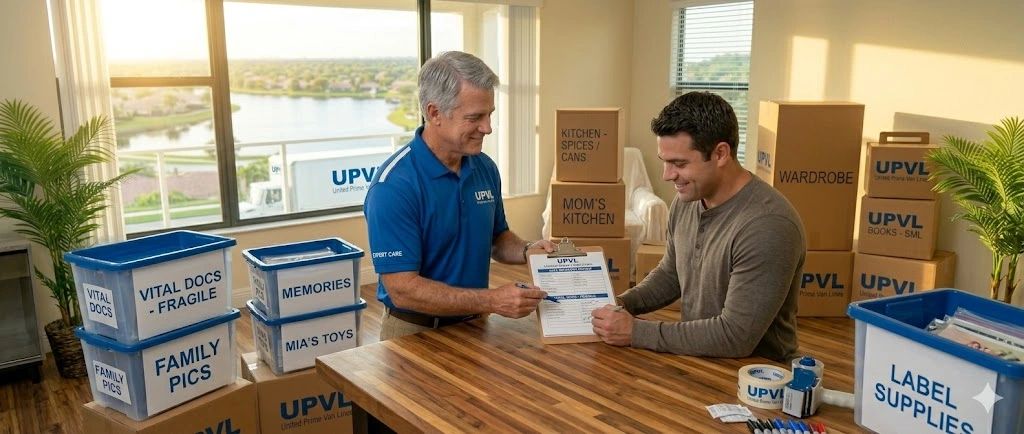
This is where things shift from mover liability to actual insurance. If you have high-end furniture, valuable electronics, or antiques, you can buy a separate moving insurance policy from an insurance provider. This is often done in addition to the mover’s basic liability or FVP.
You choose a provider, declare the value of your shipment, and pay a premium. If there’s loss or damage, you file a claim with the insurance company, not just the mover.
Some policies cover the full replacement value, have deductibles, and offer additional protection for things like mold, mildew, or minor damages. Loop in your mover before the move so you can understand what their liability covers, and decide if a third-party policy makes sense on top.
Moving in Florida isn’t the same as moving in Arizona. You’ve got high humidity almost all year, heavy sudden rainstorms, and intense heat inside trucks and storage units.
Wood furniture can warp, electronics don’t love extreme heat, leather can mold if stored damp, and cardboard boxes can collapse if exposed to rain.
With a reputable mover, we take preventative steps: padded blankets, plastic wrap, and avoiding loading in open rain. But no coverage is unlimited. Some policies may exclude damage from mold, acts of God (flooding, hurricanes), or pre-existing damage made worse by moisture.
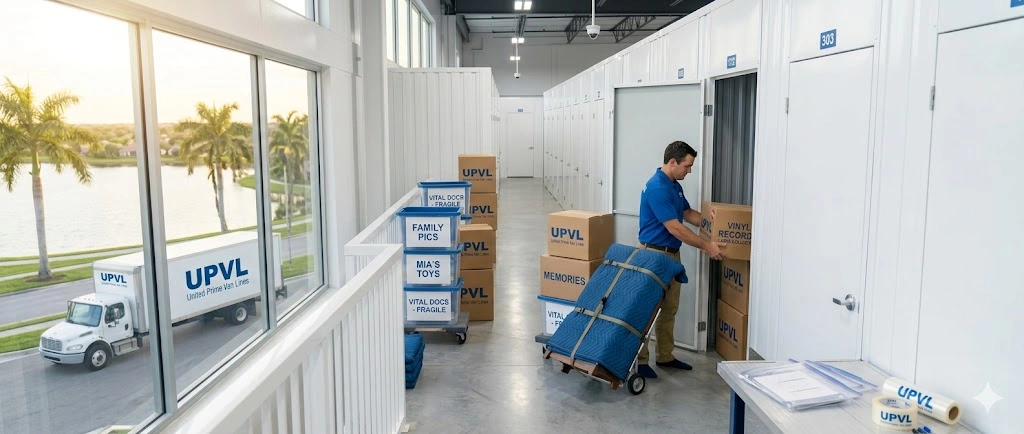
If you’re storing items in South Florida, I strongly recommend talking to us about climate‑controlled storage. At United Prime Van Lines, we can set you up with appropriate storage solutions and explain exactly how coverage works while your items are in our care.
For local moves—say, within Hollywood, FL or North Miami Beach—the rules are governed by state regulations and your contract. Some local movers stick to a simple liability limit, while others offer optional upgraded valuation. Whenever we do a local move, we always go over what’s included, what can be upgraded, and how we handle claims.
Once your move crosses state lines, federal regulations kick in. Movers must offer you Released Value Protection at no additional cost, and Full Value Protection as an option (for a fee). If a company claims to be doing an interstate move but refuses to offer full value protection, that’s a major red flag.
I’ve moved grand pianos, original paintings, and family heirlooms. From a coverage standpoint, items like these usually fall into three categories: high-value items that can be appraised, specialty items that need custom handling, and sentimental items that can’t be replaced.
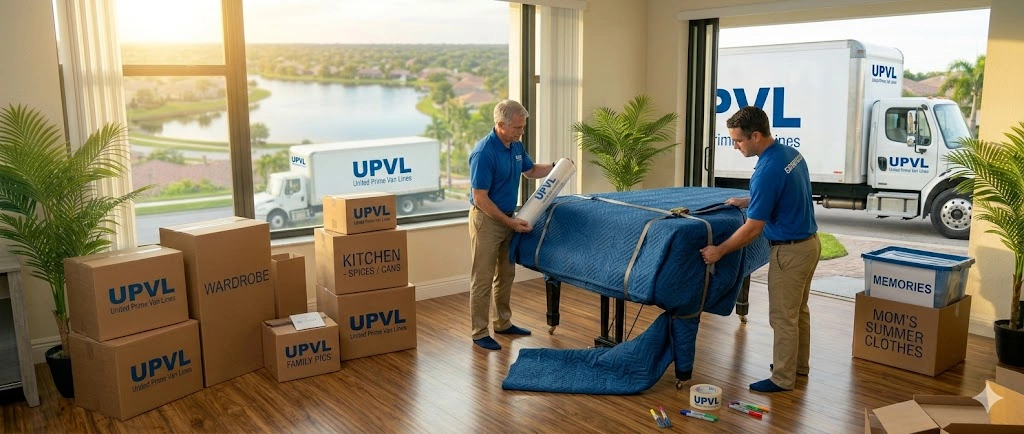
For things like pianos, artwork, and antiques, we strongly recommend using a mover who offers specialized services (we do — including piano moving and art handling). List high-value pieces on your inventory if you choose FVP.
For purely sentimental items, the best protection is transporting them yourself in your own vehicle.
If you feel overwhelmed by options, ask yourself these three questions:
Based on your answers, here’s a rough guide:
Regardless of your choice, get everything in writing, read the sections labeled “Liability” or “Valuation,” and ask questions until you’re satisfied.
At United Prime Van Lines, we handle local moves, long‑distance relocations, full-service packing, secure storage, and specialty services.
When it comes to coverage, we explain your options clearly in plain language, help you estimate realistic value so you aren't under-declaring, tailor the plan to your actual situation, and put everything in writing so there are no surprises. My goal is that when our truck pulls away, you already know exactly how you’re protected.
If a mover in Florida does any of this, think twice:
If you want someone to walk you through what makes sense in your case, reach out to us directly at United Prime Van Lines via our site: https://unitedprimevanlines.com. We’ll shape a plan that actually matches reality.
Moving insurance in Florida doesn’t have to be a mystery. You have Released Value Protection (free, but limited), Full Value Protection (paid upgrade, much closer to making you whole), and Third‑Party Insurance (extra layer for high-value items).
Layer in Florida’s humidity and heavy rain, and it becomes even more important to choose the right level of protection and the right moving team. Take 15 minutes before you book to list your key valuables, think about what you can afford to replace, and ask your mover to lay out every coverage option in writing. We’re here to handle the heavy lifting — and help you make sure it’s protected the way it should be.