If you’ve moved at least once in your life, you already know: there’s “how it should go on paper” and there’s “how it actually happens in real life.” We live in that second part.
As a moving company, we’re supposed to be the experts. But the truth is, we’re constantly learning from the families and businesses we move every week. Their decisions, their mistakes, their last‑minute pivots — that’s where the real lessons come from.
In this article, we want to share the **top 5 lessons we’ve learned recently from our own customers** — moves out of South Florida, relocations within Hallandale Beach, long-distance moves from California, and everything in between. No theory. Just real situations that changed how we now recommend people plan and handle their move.
You’ll probably recognize yourself in at least one of these stories. And if we do this right, you’ll avoid a few headaches on your next move — whether you’re moving with us at United Prime Van Lines or not.
We hear this all the time:
> “We actually started early this time.”
Then we look at the calendar and the move is two weeks away, with a full 3‑bedroom house in Hallandale Beach that hasn’t had a single drawer emptied yet.
For us, “starting early” and for customers, “starting early” used to mean two very different things. Recent moves made that painfully clear.
Let’s walk through two real patterns we just saw.
A family in Hallandale Beach booked a long-distance move to North Carolina. They did a lot of things right:
But they underestimated one thing: **how long packing actually takes.**
They figured:
Reality was closer to:
We helped them finish packing — because we’re not going to stand around and watch a family melt down — but it turned a day that could have been calm into a high‑stress sprint.
What we learned from them (and now tell everyone):
On the flip side, we moved a retired couple from South Florida to Tennessee who unintentionally gave us a masterclass in preparation.
They:
By the time we showed up, 90% of the home was in neatly labeled boxes. We were in and out much faster than estimated, nothing was rushed, and they weren’t exhausted zombies at the end of the day.
We walked away from that move asking ourselves, “Why aren’t more people doing it this way?” So now we share that lesson directly:
**Our updated real-world recommendation:**
And if starting that early sounds unrealistic with your schedule? That’s exactly when we recommend considering **our packing services**. With United Prime Van Lines, we can step in and do part of it or all of it — kitchens only, fragile items only, or full‑service packing. Several recent customers told us they wished they’d asked for help sooner.
We’re not here to bad‑mouth other movers. But we are going to be honest about what we keep seeing, especially from new customers in South Florida and Southern California who came to us after a bad first experience.
Over the last few months, we heard a similar story multiple times:
A recent customer in Hallandale Beach reached out to us after their initial mover canceled two days before their long-distance move. Why? The moving company had “overbooked” and “didn’t have enough trucks available.”
When we looked at the original estimate they’d received, we understood what probably happened:
In our industry, that usually means one of three things:
In this case, the family ended up scrambling at the last minute, rescheduling elevators, taking extra time off work, and paying for rushed arrangements.
We squeezed them into our schedule because being stranded right before your move is brutal. But that move cost them far more in stress and money than hiring a reliable mover from the beginning.
Another customer in Chatsworth, CA told us they assumed:
> “Boxes are boxes. Movers are movers. Let’s just pick the lowest number.”
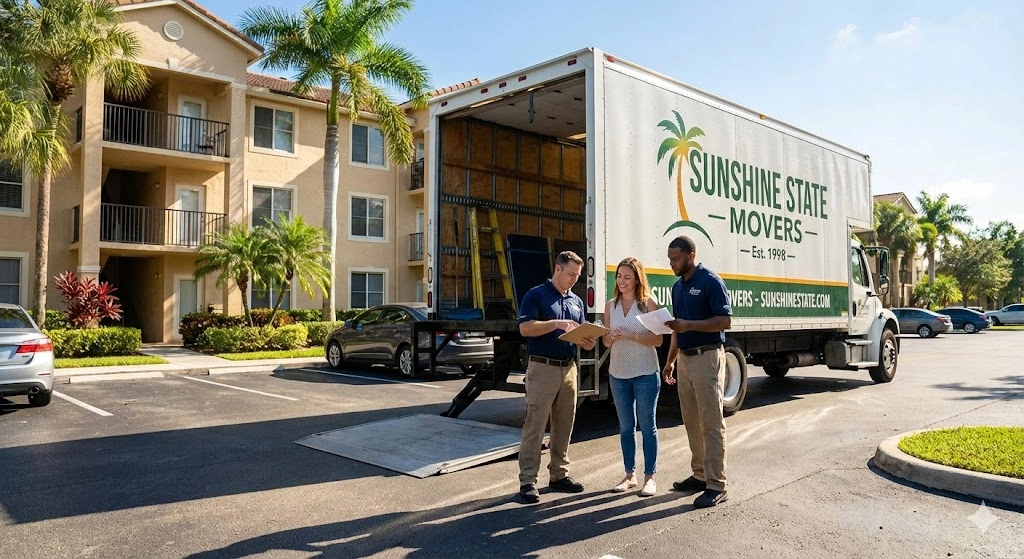
On moving day with their first company, they learned the difference between a real, binding estimate and a casual guess over the phone:
They felt trapped—they’d already taken the day off, the building had reserved an elevator, and their lease was ending. They basically had no choice but to accept it.
We met them on their second move and walked through everything transparently:
Their feedback to us afterward was simple:
> “If our first mover had explained it like this, we would’ve been okay paying a little more from the start.”
These stories pushed us to tighten the way we communicate about price:
If you’re comparing movers, here’s what those customers taught us to tell people:
We’re proud that at United Prime Van Lines, we’d rather lose a move by being honest than win it and surprise you with a higher bill later. Our recent customers made it very clear how much that honesty matters.
It doesn’t matter how strong the movers are or how big the truck is — if communication is off, the whole day starts falling apart.
Lately, a lot of our best “wins” with customers came down to **simple, clear communication** ahead of time. And a few rough spots came from times when someone assumed something and never said it out loud.
We recently moved a couple out of a high-rise condo near Hallandale Beach. They were organized, packed, and ready. But there was one tiny missing detail:
They didn’t tell us the condo association only allowed moves during a **specific 4‑hour window**.
We showed up right on time, but the elevator had not been fully reserved, and security was not expecting us for a full move. That meant time spent going back and forth with management instead of just getting started.
We figured it out — we always do — but it added stress and urgency that could have been avoided with one extra conversation.
What did that teach us?
We now **proactively ask** for:
We don’t just assume everything is flexible anymore. Those customers reminded us that sometimes the building, not the family, is actually running the schedule.
On the brighter side, a customer moving from South Florida to Georgia gave us an example of how great it can go when everyone is in sync.
They:
That simple, easy back-and-forth saved them money and us time:
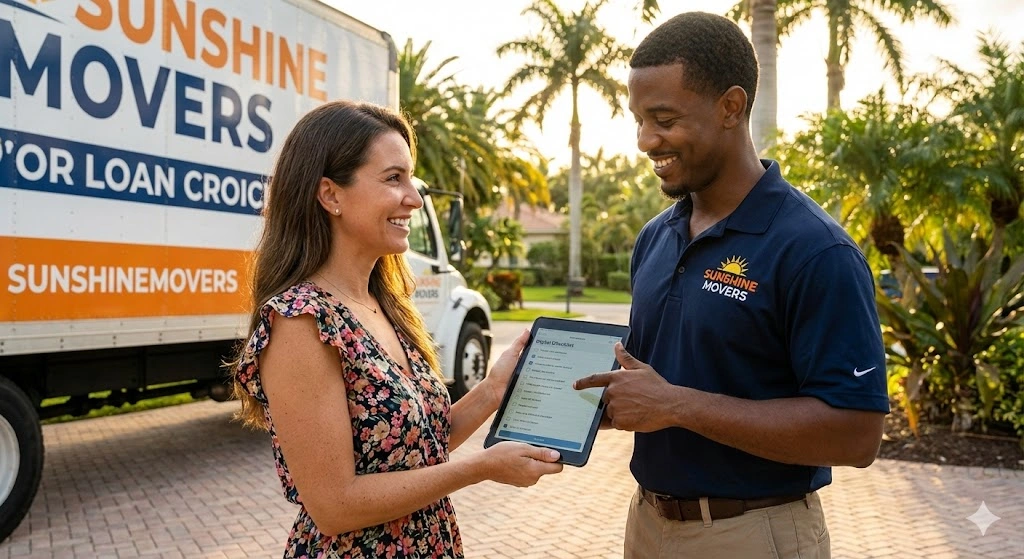
Because of these recent moves, we’ve made communication part of the “service,” not just a side detail:
If you move with us at United Prime Van Lines, expect us to be a little nosy in a helpful way. We’d rather ask too many questions before your move than have to solve problems we could have prevented on move day.
Everyone knows they “should” declutter before a move. That’s not a new idea.
What we’ve learned from recent customers, especially families who have been in their homes a long time, is that **decluttering is less about logistics and more about emotion.** And if you ignore the emotional side, you either:
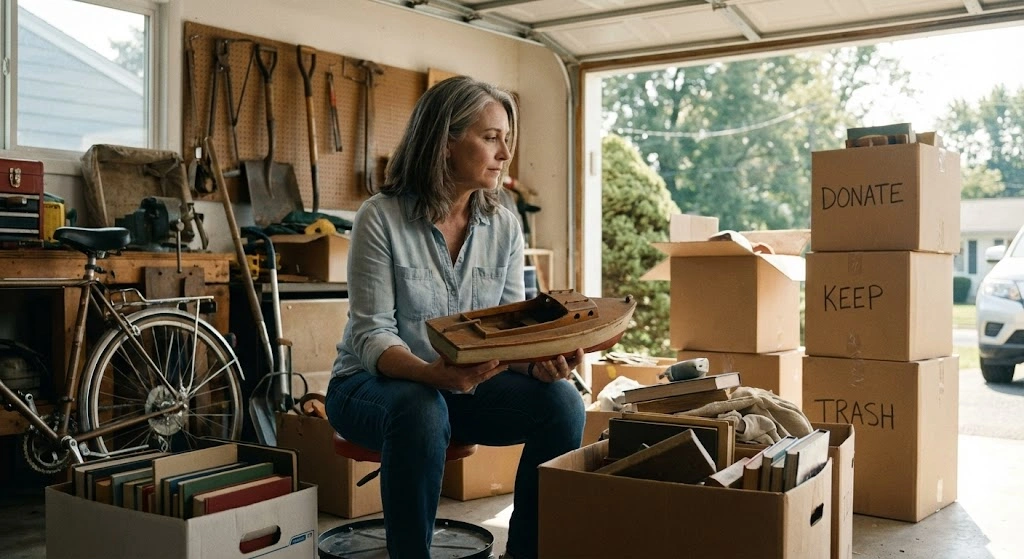
We helped a couple in South Florida move out of a home they’d been in for more than twenty years. The living room? Neat. Bedrooms? Under control. Garage? That was the emotional landmine.
Inside were:
- Old kids’ toys from when their children were small
- Boxes from a previous move they never opened
- Tools from projects they never found time to finish
- Furniture pieces “waiting to be fixed”
They wanted to be efficient and asked us, “Should we just get a bigger truck and bring it all?” We could have said yes and charged more. Instead, we talked it out with them.
What we saw — and they eventually admitted — was that the garage wasn’t just storage. It was:
They ended up taking a weekend just for that garage. They:
On move day, they told us:
> “It feels like we’re moving with the life we actually live now, not the one we thought we might have someday.”
That one stuck with us.
We used to say, “Try to declutter before your move. It’ll save space and money.” Helpful, but shallow.
Now, based on what customers are actually going through, we suggest:
If it helps, we can even come in earlier for a **walkthrough estimate** and point out areas where downsizing will make the biggest difference to your move cost. We’re not going to pressure you to throw things away — we’ll just give you honest feedback about what’s worth moving and what probably isn’t.
At United Prime Van Lines, some of the best customer moments aren’t about boxes and trucks. They happen when someone stands in a half-empty room and says:
> “Wow. It feels lighter in here.”
That’s part of the move, too.
This is the deepest lesson we keep relearning from our customers, especially recently.
To us, a move is:
To you, a move is:
We’ve seen all of those in the last few months.
We helped a customer move from Chatsworth, CA to South Florida after a long, rough year. New job, new state, leaving friends behind — the kind of move that looks exciting on social media and feels terrifying at 2 a.m.
They scheduled their move early, asked a lot of questions, and apologized multiple times for being “needy.” What they didn’t realize is: that’s completely normal.
We paid attention to the details that weren’t just about boxes:
Later they told us:
> “The move was the part we were dreading most, and it ended up being the most straightforward thing about this whole change.”
That reminded us that when we do our job right, we’re not just transporting belongings. We’re creating a calm, predictable piece in a very unpredictable moment of your life.
Not all life-changing moves are long-distance. We recently moved someone within South Florida — just a short drive — but it was their first place after a divorce.
On paper, it was a small, simple move. In reality:
We noticed they were a little quiet, so we slowed our pace just enough to give them room. We helped set up their bed first so they’d have a place to crash that night, even if nothing else was perfect.
That move taught us — again — to respect the emotional side of the work. To you, it’s not “just a one-bedroom.” It’s your fresh start, your “I’m okay,” or your “we’re doing this.”
Because of customers like these, we’ve built a simple mindset into how we train our team at United Prime Van Lines:
That’s why we:
Whether you’re moving across Hallandale Beach or all the way across the country, we want you to feel like you’ve got a calm, experienced team in your corner that actually understands what this move means for you.

Let’s pull it all together and keep it real.
From our recent customers in Hallandale Beach, across South Florida, Chatsworth, CA, and beyond, we’ve learned:
We’ve updated how we work because of these customers — from the questions we ask up front to how we support you on move day. That’s the advantage of hiring a team that actually listens and adapts.
If you’re planning a move in **Hallandale Beach**, around **South Florida**, out of **Chatsworth, CA**, or anywhere else in the U.S., we’re here to take as much weight off your shoulders as possible — literally and figuratively.
With United Prime Van Lines, you’re not just booking a truck. You’re getting a team that’s been shaped by hundreds of real stories just like yours — and we bring those lessons with us to every single move.