LOGO
Packing & Supplies November 27, 2025

Ultimate Packing Supplies List: What to Buy vs What to Reuse

Ultimate Packing Supplies List: What to Buy vs What to Reuse

Packing is where most moves start to fall apart.

You think, “We don’t have that much stuff,” buy a couple of random rolls of tape and a handful of boxes… and two days later you’re wrapping wine glasses in panic with yesterday’s newspaper and trash bags.

A good packing supplies plan saves you three things at once:

  • money,
  • time,
  • your nerves (and your dishes).

The trick isn’t to buy everything the store suggests. It’s to know what you should buy new and what you can safely reuse without risking broken items and a miserable moving day.

This guide walks you through a complete packing supplies list with a simple lens:

Buy it vs Reuse it — and how to build a smart mix that fits your move and your budget.

Before You Shop: Plan the Move, Not Just the Boxes

It’s tempting to head straight for the moving aisle and toss things into the cart. Don’t.

You’ll either overspend or end up short on the stuff you really need.

Take ten minutes and answer a few questions first:

  • How far are you moving?

Local moves are more forgiving than long-distance or storage moves.

  • Will your items go into storage?

If yes, protection and moisture control matter more.

  • Do you have stairs, elevators or long walks?

That affects box size and how heavy you can safely pack them.

  • Are you packing everything yourself?

If you’ll have a crew (like us at United Prime Van Lines) handle some or all of the packing, you may need fewer supplies than you think.

Once you know the situation, you can make smarter decisions about what must be new and what can be safely reused.

Packing Supplies You Should Almost Always Buy New

Some materials just don’t age well — or they weren’t made for moving in the first place. These are the items you should almost always buy new or get directly from a moving company.
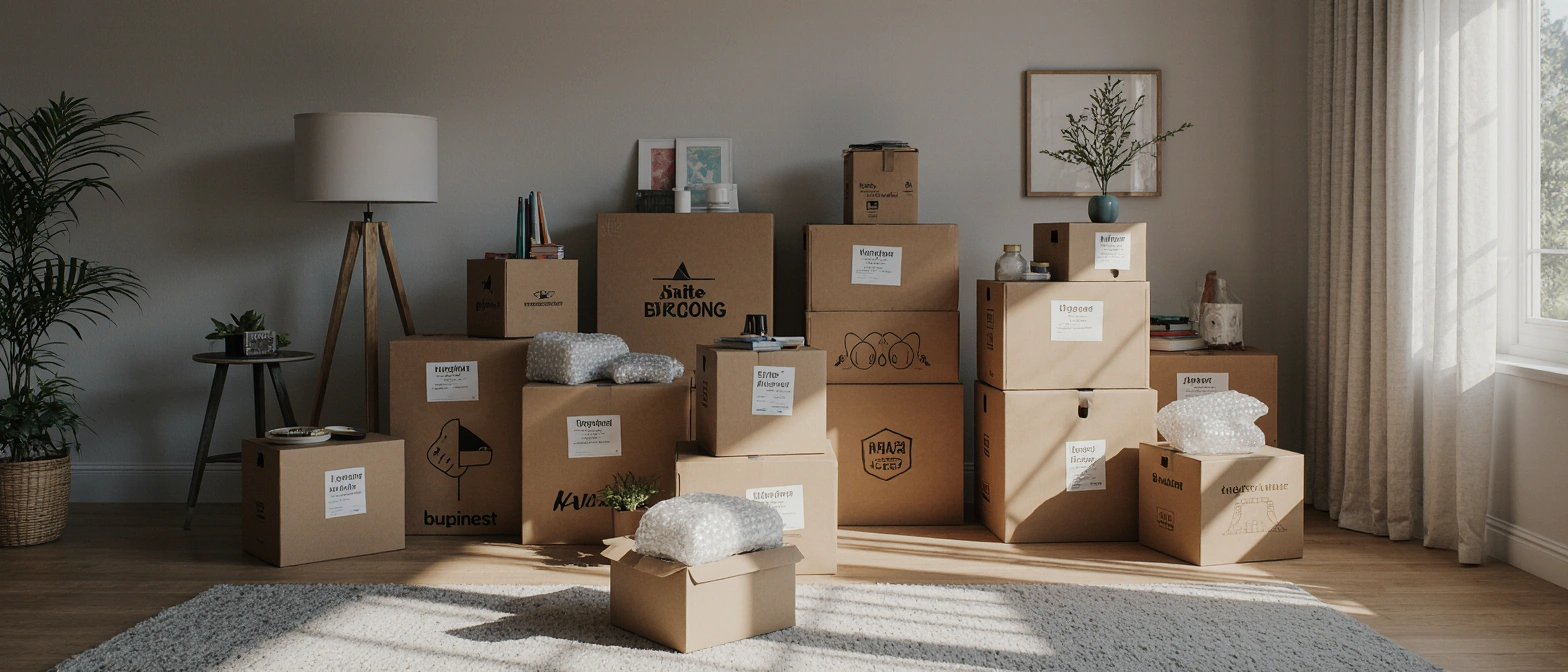
Post image

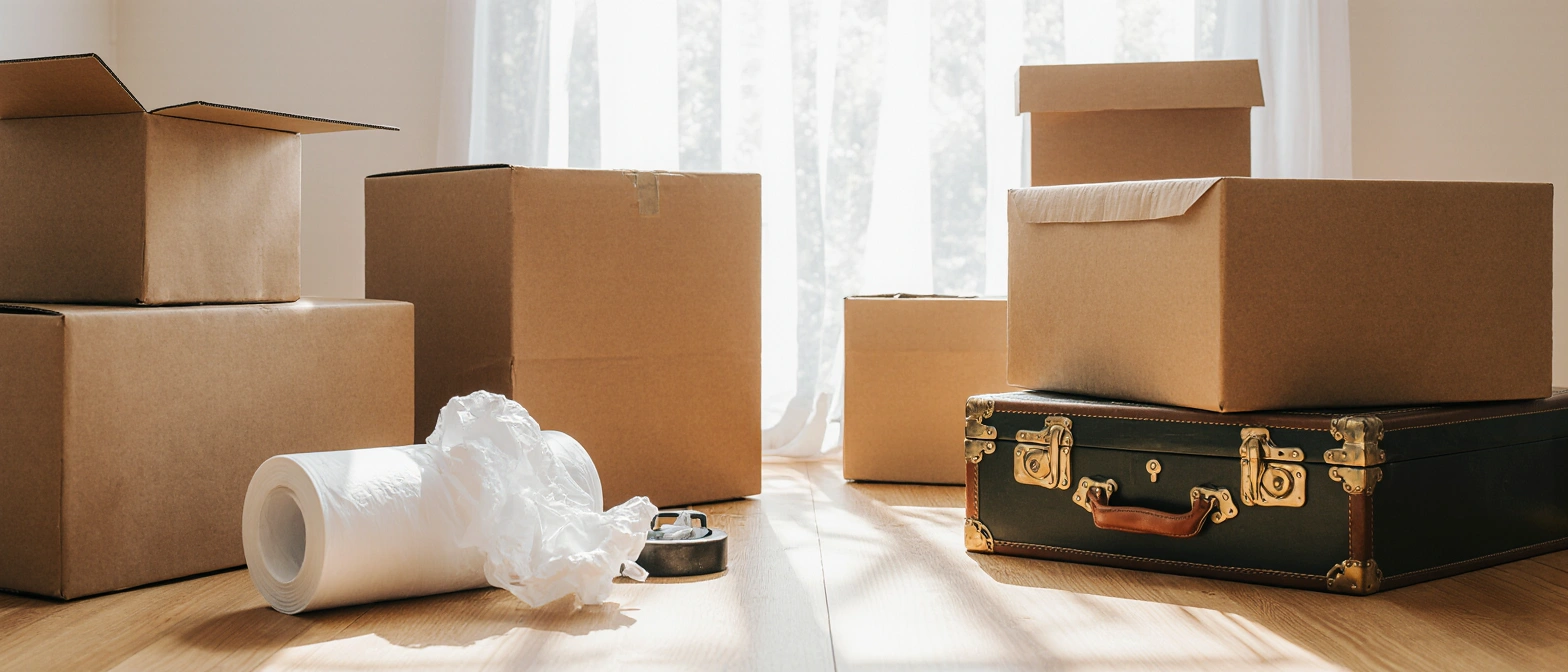
Strong moving boxes (at least for heavy and fragile items)

Yes, you can reuse some boxes (we’ll get to that), but there are areas where fresh, sturdy boxes are non-negotiable:

  • heavy books,
  • dishes and glassware,
  • electronics,
  • anything going into storage for months or longer.

Look for:

  • double-walled boxes for heavy/fragile items,
  • standard sizes (small, medium, large) instead of random shapes,
  • dedicated dish packs or wardrobe boxes if your budget allows.

You don’t have to buy every single box new, but plan on a core set of high-quality boxes for the items that matter most.

2. Good-quality packing tape

This is where many people cheap out — and regret it.

Avoid dollar-store tape that:

  • peels off on its own,
  • splits into strings when you tear it,
  • loses stickiness overnight.

What to buy instead:

  • 2” wide packing tape (not masking or painter’s tape),
  • a tape gun/dispenser to move faster and save your fingers,
  • at least 2–3 rolls for a small apartment, more for a larger home.

If you pack well but seal badly, your boxes can literally open on the stairs or in the truck. This is not where you want to experiment.

3. Packing paper (or clean newsprint)

Old newspapers seem like a good idea for wrapping… until the ink rubs onto your dishes and glasses.

New, ink-free packing paper is ideal for:

  • plates and bowls,
  • cups and mugs,
  • glass containers,
  • small décor items.

You can reuse towels and clothes for padding, but paper is perfect for getting into all the small gaps and making tight, secure bundles inside boxes.

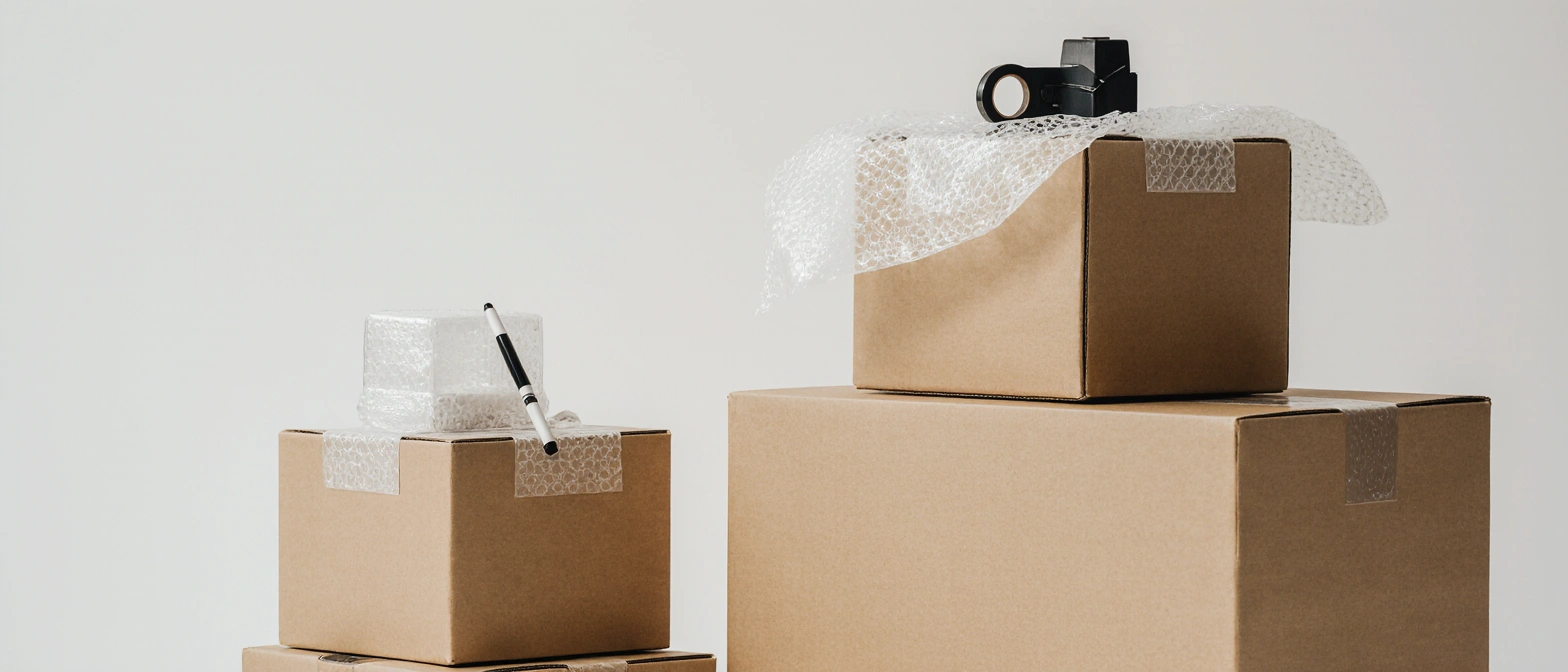
4. Bubble wrap and/or foam for breakables

For truly fragile items, you want a layer of something that absorbs shock:

  • bubble wrap,
  • foam sheets,
  • foam pouches.

Use these for:

  • glassware and stemware,
  • vases and decorative glass,
  • framed art, mirrors (inner protection),
  • electronics screens.

You don’t need to wrap everything in bubble wrap — just the pieces where a single hit could crack or shatter them.

5. Mattress covers and furniture protection

Mattresses absorb dust, dirt and moisture very easily. Old sheets don’t protect against everything and tend to slip off.

Buy:

  • mattress bags in the correct sizes (twin/full/queen/king),
  • a few stretch wrap rolls to secure covers and protect upholstered furniture from dirt and snags.

If your belongings will be:

  • stored,
  • moved in bad weather,
  • or handled through tight stairwells, that extra layer of plastic and padding is worth it.

6. Labels and markers

Could you reuse some sticky notes? Sure.

Will they fall off or get lost? Also yes.

For a sane unpacking process, buy:

  • 2–3 thick permanent markers (black is fine),
  • optional colored labels or colored tape for room-coding,
  • a small moving notebook or checklist if you like tracking box numbers.

Clearly labeled boxes shrink your move-in stress by half. “Kitchen – pans & pots” is infinitely better than “Random stuff, maybe?”

Smart Packing Supplies You Can Safely Reuse

Now to the fun part: saving money without sacrificing safety. There are plenty of things you already own that can double as packing supplies if you use them intentionally.
Post image

1. Previously used moving boxes (with a few rules)

You can reuse boxes if:

  • they’re not crushed or soggy,
  • the corners and seams are strong,
  • they don’t smell like food, mold or chemicals.

Use reused boxes for:

  • linens and bedding,
  • toys,
  • plastic kitchen items,
  • light décor,
  • clothing.

Avoid reusing questionable boxes for heavy or fragile items. If a used box fails, it will probably happen while you’re carrying it down the stairs.

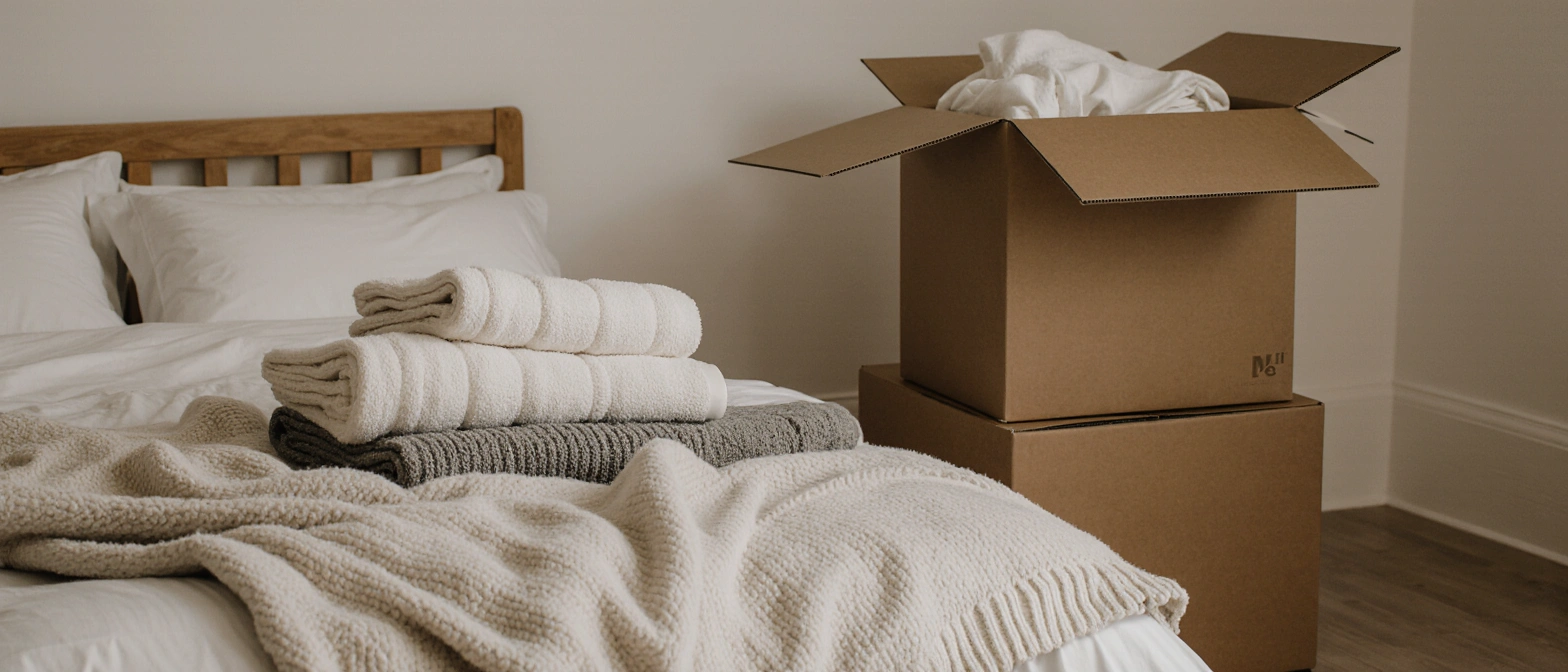
2. Towels, linens and clothes as padding

Instead of buying a mountain of bubble wrap, you can reuse:

  • bath towels,
  • hand towels,
  • blankets,
  • sweaters and hoodies,
  • scarves and soft clothing.

Smart ways to use them:

  • Wrap framed art in a blanket, then secure with stretch wrap.
  • Use towels at the bottom of a box as a shock-absorbing layer.
  • Wrap pots and pans in T-shirts or dish towels.

Just don’t mix very dirty or greasy kitchen items with your nice clothes — keep some separation and common sense.

3. Original boxes for electronics and small appliances

If you kept the original boxes for:

  • TV,
  • monitor,
  • gaming console,
  • sound system,
  • coffee machine or other small appliances, this is the perfect time to use them.

Those boxes were designed to:

  • fit the item perfectly,
  • protect corners and screens,
  • hold the right amount of internal padding.

You can still put those original boxes into a bigger moving box for extra protection, but starting with the manufacturer’s packaging is always a win.

4. Suitcases, backpacks, bins and baskets

You’re moving them anyway — might as well make them work.

Great things to pack inside:

  • books (in rolling suitcases — your back will thank you),
  • heavy shoes or tools (again, in something with wheels),
  • clothes and personal items in duffel bags and backpacks,
  • kids’ toys in plastic bins.

Just remember to label them like regular boxes, especially if movers are helping you. A suitcase with no label will not magically walk itself to the right room.

5. Reused paper and bubble wrap (if clean and dry)

If you’ve moved before or ordered a lot of online items, you may already have:

  • packing paper,
  • bubble wrap,
  • foam sheets.

As long as they’re clean, dry and not torn to pieces, reuse them. You don’t need fresh plastic for everything, especially for non-fragile items or extra padding around existing wrapped objects.

What NOT to Use as Packing Supplies

Some “creative” ideas sound smart at 2 a.m. and feel like a disaster on moving day. Try to avoid:

  • Garbage bags for heavy or fragile items

They rip easily, shift in the truck, and don’t stack well. Use them only for soft, non-breakable items like bedding and plush toys — and still label them.

  • Wet or greasy grocery boxes

Anything that held fresh produce or frozen items can be weak, damp or harbor bugs. Skip those.

  • Masking tape or painter’s tape to seal boxes

They’re not made for load-bearing seals. Use real packing tape.

h2: Room-by-Room Packing Supplies Breakdown

To make it more practical, let’s walk room by room and look at what you should buy vs what you can reuse.
Post image

Kitchen

Buy new:

  • Strong small and medium boxes (kitchen items are heavy),
  • packing paper,
  • some bubble wrap for glass and mugs,
  • tape.

Reuse:

  • Dish towels between stacked plates,
  • original boxes for small appliances,
  • leftover clean packing paper from other rooms.

Living room

Buy new:

  • TV box (if you don’t have the original),
  • bubble wrap/foam for electronics and décor,
  • stretch wrap for furniture and cushions.

Reuse:

  • Blankets around framed art (plus stretch wrap),
  • old moving boxes for books (if still strong),
  • baskets and bins for smaller décor items.

Bedroom & closets

Buy new:

  • A few wardrobe boxes (if you want to move hanging clothes wrinkle-free),
  • some medium boxes for folded clothes,
  • mattress covers.

Reuse:

  • Suitcases for heavy clothes,
  • duffel bags and backpacks for shoes or seasonal items,
  • extra blankets and sheets as padding.

Bathroom

Buy new:

  • One or two small boxes (bathroom items get heavy quickly),
  • zip-top bags for liquids and toiletries.

Reuse:

  • Shoe boxes for organizing small items inside a bigger box,
  • cosmetic bags for daily essentials.

Home office

Buy new:

  • Sturdy small/medium boxes for books and files,
  • bubble wrap for screens and monitors (if no original box).

Reuse:

  • Original boxes for computer and printer,
  • padded laptop sleeves.

Garage, tools and miscellaneous

Buy new:

  • A few heavy-duty boxes,
  • plastic bins if items will be stored long-term,
  • strong tape for heavier loads.

Reuse:

  • Old towels or rags to wrap tools (with blades and sharp edges covered),
  • small containers and organizers placed into one larger box.

Your Moving Day Essentials: Supplies You Should Keep Separate

Beyond boxes, there’s a small toolkit you’ll want on hand all day, not buried at the bottom of a truck:

  • 1–2 rolls of packing tape + tape gun,
  • permanent marker,
  • scissors or box cutter,
  • a few trash bags for last-minute clutter,
  • basic cleaning supplies (wipes, multi-surface spray, paper towels),
  • zip-top bags for screws, bolts and small parts,
  • a notepad or notes app on your phone for tracking what’s in which box.

When you move with a company like United Prime Van Lines, we bring our own tools — but it’s still useful to have your own little kit, especially on the unpacking side.

Example “Ultimate Packing Supplies List” (Buy vs Reuse)

Use this as a template and adjust based on your home size.

Buy new:

  • Small boxes (books, dishes, heavy items)
  • Medium boxes (most household items)
  • A few specialty boxes (wardrobe, dish pack, TV) if budget allows
  • Packing tape (2–3+ rolls)
  • Tape dispenser
  • Packing paper (1–3 bundles depending on kitchen size)
  • Bubble wrap or foam sheets (for fragile items)
  • Mattress bags
  • Stretch wrap
  • A few moving blankets or pads (or rent from your mover)
  • Permanent markers (2–3)
  • Colored labels or tape (optional)
  • Zip-top bags for small parts and liquids

Reuse:

  • Old but sturdy moving boxes (for light items)
  • Towels, linens, blankets
  • Original electronics and appliance boxes
  • Suitcases, duffel bags, backpacks
  • Plastic bins and baskets
  • Clean used bubble wrap and packing paper

How United Prime Van Lines Can Help With Packing and Supplies

You don’t have to figure all of this out alone. If you’d rather not spend days hunting for boxes and guessing how much paper you need, we can step in.

When you schedule a move with United Prime Van Lines, you can:

  • ask us to bring all the necessary packing supplies,
  • choose full-service packing or just help with fragile items and furniture,
  • get guidance on how many boxes and which materials fit your home size,
  • let us handle tricky things like TVs, glass, art and mirrors.

You can still reuse your own suitcases, bins and some boxes if you want — and we’ll build around that to keep your costs and waste down, while keeping your belongings safe.

Final Thoughts: The Right Mix Is the Real “Hack”

The secret to a smart packing supplies strategy isn’t buying the entire moving store or trying to DIY everything with trash bags and hope.

It’s about choosing a balanced mix:

  • new, strong materials where failure would be painful (fragile, heavy, expensive items),
  • reused items where it’s safe and practical (soft goods, light décor, clothing),
  • a small toolkit you keep accessible from the first packed box to the last opened one.

Get that mix right, and packing stops feeling like chaos and starts feeling like a clear, doable project. And if you decide you’d rather hand most of it off, we’re ready to help you pack, protect and move with a plan — not just with boxes.
+1 (888) 807-5399