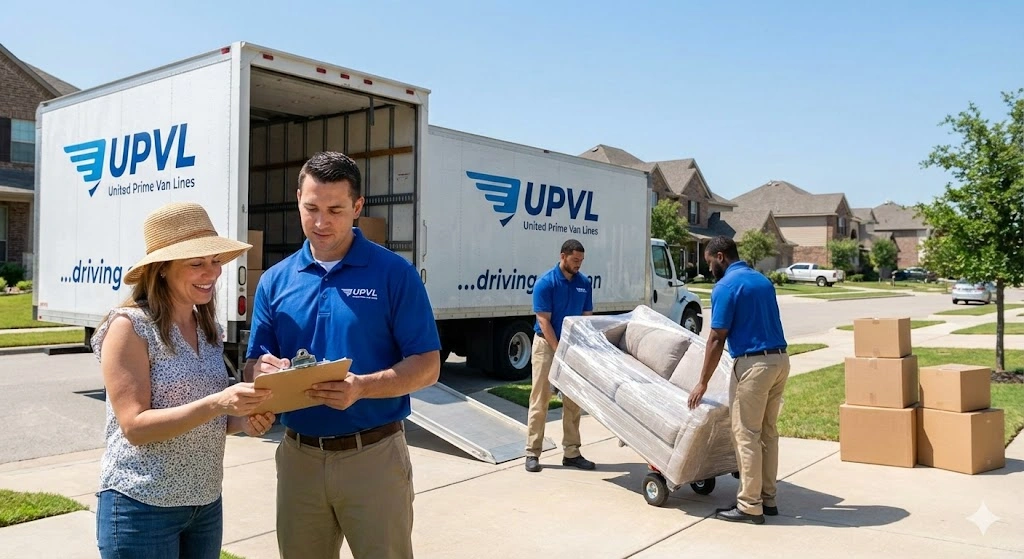
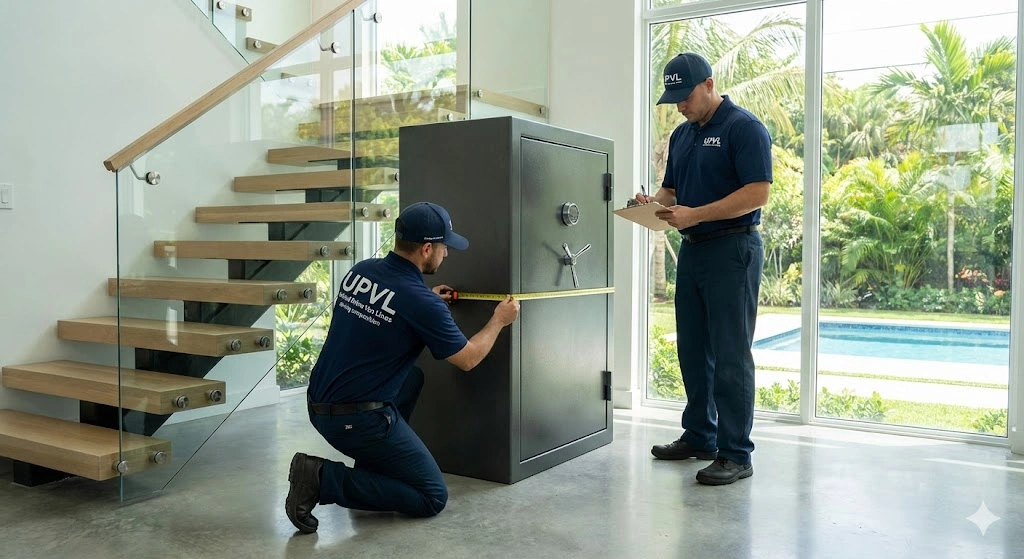
Moving day feels like the moment everything finally comes together… until your movers look at a box, shake their heads, and say, “We actually can’t take this.”
We know how frustrating that is. You’ve spent days packing, you’re exhausted, and the last thing you want is surprise “no-go” items when the truck is already in your driveway.
So let’s strip away the fine print and talk honestly about what movers won’t move, why those rules exist, and how to plan around them so your move with us at United Prime Van Lines goes smoothly from start to finish.
Why Movers Say “No” To Certain Items
Before we get into the lists, it helps to understand why professional movers (including us) refuse certain things. It’s not about being difficult; it’s about:
- Safety: For you, your family, our crew, and other drivers on the road.
- Regulations: Federal and state laws (especially for interstate moves).
- Liability: What insurance will and won’t cover.
- Condition: Some items are simply too risky to transport.
When you’re driving your own car, you might toss a propane tank, some paint cans, and a plant in the trunk. On a commercial moving truck, that same combo can turn a normal move into a serious hazard.
Why We Generally Don't Move Food
It’s not because we don’t want you to have snacks. It’s about the reality of the back of a moving truck.
- The Heat Factor: Imagine a truck driving from Hallandale Beach to Atlanta in July. The cargo area isn't air-conditioned. It can easily reach 120°F+ inside. That jar of mayonnaise or bag of chocolate chips? It’s not going to make it.
- The Pest Factor: One spilled bag of sugar or a leaking juice bottle is like a beacon for ants, roaches, and rodents. Once they get into the truck, they get into everyone's stuff (including your furniture pads).
- The Leak Factor: If a bottle of olive oil breaks or a ketchup bottle pops open from heat pressure, it can stain your sofa, your mattress, and your rugs permanently.
Our Advice:
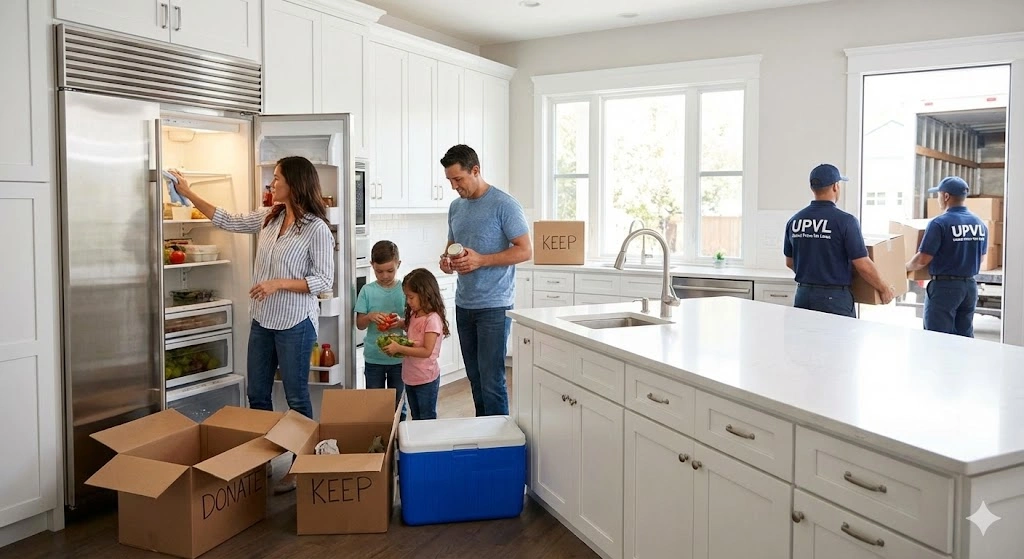
- Two Weeks Out: Stop buying groceries. Eat through your freezer and pantry.
- Move Day: Donate sealed, non-perishable cans to a local food bank (we often help coordinate this!).
- The Cooler: If you’re moving locally, pack a cooler in your own car for the essentials (milk, sandwich stuff, cold drinks).
Plants: The Tricky "Maybe"
We love greenery, but moving trucks are basically plant graveyards.
Why plants are usually a "No":
- Survival: Plants need light, water, and airflow. A dark, hot, shaking truck for 3–5 days is a recipe for a dead ficus.
- The Law (State Agriculture Rules): This is huge. States like Florida and California have extremely strict Department of Agriculture checkpoints. They are aggressively protecting their crops (like citrus and avocados) from invasive pests.
- If you try to move a random potted plant across state lines into California or Florida, border inspectors can confiscate it—and sometimes fine the truck driver.
What to do:
- Local Moves: If it’s a short drive (e.g., Northridge to Woodland Hills), we might be able to take sturdy plants if they are packed in open-top boxes. But we can’t guarantee them.
- Long-Distance: Give them to friends or neighbors. It’s a nice parting gift. If you must bring a special bonsai or orchid, it needs to travel in your personal car with the AC on.
The "Keep With You" List: High-Value & Sentimental Items
Technically, we can put a box of jewelry on the truck. But we strongly advise you not to.
Moving insurance (valuation) is often based on weight. If a box goes missing that weighs 1 pound but contains a $5,000 diamond necklace, standard valuation might only pay out a few dollars.
Please pack these in a suitcase and keep them in your car or carry-on:
- Cash and Credit Cards
- Jewelry and Watches
- Passports, Birth Certificates, and Social Security Cards
- Medical Records and School Transcripts
- Car Keys and Safe Keys
- Laptops and Hard Drives (Backup your data first!)
- Medications (Especially daily prescriptions—you don’t want those buried in box #42)
Think of it this way: If you cannot replace it, keep it with you.
The "Messy" Surprises: Leaky Bottles & Equipment
These are the things that cause the most "Wait, you can't take this?" moments on moving day morning.
- Opened Liquids: That half-used bottle of shampoo, the open cooking oil, or the laundry detergent with the cap slightly loose? We usually won't pack them. The vibration of the truck shakes caps loose, and one spill ruins the box below it.
- Tip: If you really want to move them, seal the caps with tape, put them in a plastic bin (not a cardboard box), and drive them yourself.
- Power Equipment with Fuel: Lawnmowers, weed whackers, chainsaws, and generators.
- Rule: They must be completely drained of all gas and oil before we can load them. If they smell like gas, the driver can refuse them.
The Solution: What To Do With Your Plants
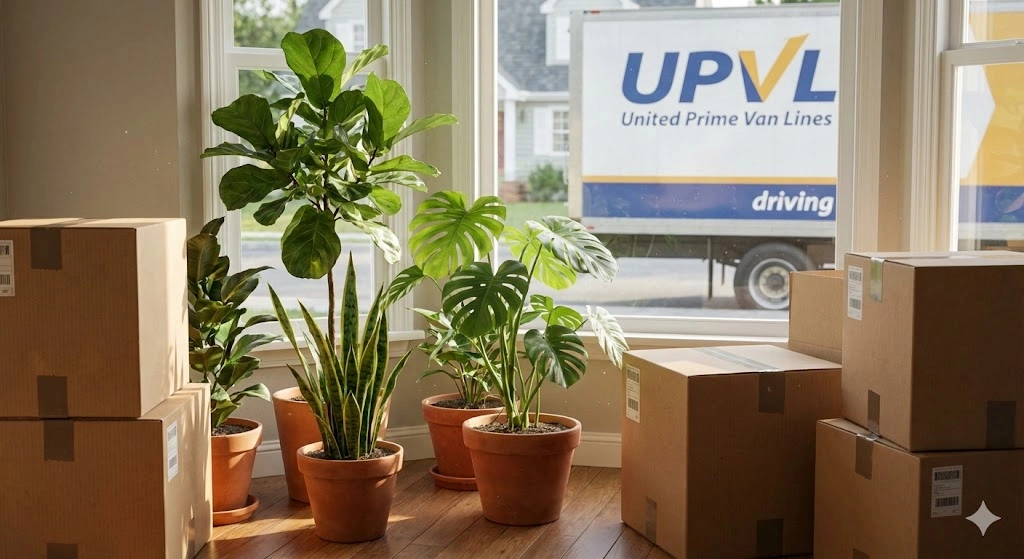
Since we usually can’t put them on the truck, you have two realistic choices:
- Transport them yourself
- If you’re driving to the new home (especially for local moves in South Florida or LA), your car is the safest place for them. You can control the A/C, keep them upright, and water them if needed.
- Tip: Pack them in open-top cardboard boxes with newspaper stuffed around the pots to stop them from tipping over in the back seat.
- Re-home them
- For long-distance moves, this is often the kindest thing to do. Give your heavy potted trees or delicate orchids to neighbors, friends, or local schools. It’s better to give them a good home than to watch them wither in a moving truck.
High-Value & Sentimental Items: The "Keep With You" List
Technically, we can move a box of jewelry or a folder of documents. But we strongly advise you not to let us.
Why? Valuation (moving insurance) is usually based on weight.
If a 1-pound box goes missing, standard liability might pay out a tiny amount (often $0.60/lb). If that box contained your grandfather’s watch or your passport, that check won’t fix the problem.
Items You Should Always Move Yourself
Please pack these in a suitcase or a clearly marked "Essentials" box that travels in your personal car:
- Cash, Checks, & Credit Cards: Never pack currency in a box.
- Jewelry & Watches: Even if they aren't "expensive," sentimental value is irreplaceable.
- Important Documents: Passports, birth certificates, Social Security cards, medical records, and the closing papers for your new house.
- Laptops & Hard Drives: We can move computers, but you should always back up your data first. If you can carry the laptop, do it.
- Medications: Keep your daily prescriptions with you. You don’t want to be digging through 50 boxes at midnight looking for your heart medication.
- Car Keys & Spare Keys: It sounds obvious, but we see spare keys get packed away constantly.
The "Messy" Surprises: Liquids & Equipment
These are the things that cause the most "Wait, you can't take this?" moments on moving day morning.
1. Opened Liquids (The "Spill Risk")
That half-used bottle of olive oil, the open shampoo, or the laundry detergent with the cap slightly loose? We usually won't pack them.
- The Risk: The vibration of the truck shakes caps loose. One spill can seep through a box and ruin the sofa cushions or mattress stacked underneath it.
- The Fix: If you really want to keep them, seal the caps with tape, put them in a plastic bin (not cardboard), and move them in your car. Otherwise, use them up or toss them.
2. Power Equipment with Fuel
Lawnmowers, weed whackers, chainsaws, generators, and motorcycles.
- The Rule: They must be completely drained of all gas and oil before we can load them.
- The Reality: If a piece of equipment smells like gas, the driver has the right to refuse it to prevent fumes from building up in the truck.
Summary Checklist: The "No-Go" List
To make it easy, here is a quick cheat sheet to check before we arrive:
CategoryItemSolutionHazardousPropane, Gas, Paint, BleachDispose or Give AwayPerishableFrozen Food, Produce, Open JarsEat, Donate, or CoolerLivingHouse Plants, PetsYour Car or Re-homeHigh ValueCash, Jewelry, Deeds, MedsKeep With You (Suitcase)MessyOpen Shampoo/Oil, Gas in MowersSeal in Plastic or Drain
If you’re ever unsure about an item, just ask us. At United Prime Van Lines, we’d rather answer a quick question now than have to leave something behind on your driveway later.
Why We Ask You To Move These Yourself
It’s not because we don’t want to be helpful. It’s because of how moving liability works.
The "Weight vs. Value" Problem
Most standard moving valuation (liability coverage) is based on weight—often around 60 cents per pound.
- If we lose a 50-pound box of books, that coverage gives you $30. That’s annoying, but manageable.
- If we lose a 1-pound box containing a $5,000 diamond ring, that coverage gives you... 60 cents.
Even if you purchase Full Value Protection, proving the existence and value of cash or jewelry packed inside a random box is incredibly difficult. For everyone’s peace of mind, these items belong in your glove box, not in the back of a 26-foot truck.
The "Messy" Surprises: Liquids and Equipment
These are the items that cause the most last-minute stress on moving day morning. People often assume they can just "toss them in," but professional movers will usually leave them behind to protect the rest of your shipment.
1. Opened Liquids (The "Spill Risk")
That half-used bottle of olive oil, the open shampoo, or the laundry detergent with the cap slightly loose? We usually won't pack them.
- The Risk: The vibration of a moving truck is constant. Caps shake loose. One bottle of bleach or red wine can seep through a box and ruin the sofa cushions or mattress stacked underneath it.
- The Fix: If you really want to keep them, seal the caps with tape, put them in a plastic bin (not a cardboard box), and move them in your car. Otherwise, use them up or toss them.
2. Power Equipment with Fuel
Lawnmowers, weed whackers, chainsaws, generators, and motorcycles.
- The Rule: They must be completely drained of all gas and oil before we can load them.
- The Reality: If a piece of equipment smells like gas, the driver has the right to refuse it. Gas fumes in a hot, enclosed truck are a massive fire hazard.
3. Scuba Tanks
If you’re a diver in South Florida or California, this comes up a lot.
- The Rule: Tanks must be completely empty (0 PSI) and ideally have the valve removed so the driver can verify they are not pressurized. A pressurized tank is considered a hazardous material.
Summary Checklist: The "No-Go" List
To make it easy, here is a quick cheat sheet to check before we arrive:
CategoryItemsYour Action PlanHazardousPropane, Gas, Paint, BleachDispose or Give AwayPerishableFrozen Food, Produce, Open JarsEat, Donate, or CoolerLivingHouse Plants, PetsYour Car or Re-homeHigh ValueCash, Jewelry, Deeds, MedsKeep With You (Suitcase)MessyOpen Shampoo/Oil, Gas in MowersSeal in Plastic or DrainWhen In Doubt, Just Ask Us
Moving rules exist to keep your belongings safe, not to make your life harder.
If you aren’t sure about an item—whether it’s a big aquarium, a safe, or a specific type of battery—just ask your United Prime Van Lines coordinator during the estimate.
It is always better to have a plan for that tricky item two weeks in advance than to be standing in your driveway on moving day trying to figure out how to fit a propane grill into your Honda Civic.

Can We Move Valuables If You Insist?
Sometimes, yes. We can technically load a safe or a box of jewelry. But if something is irreplaceable, very high-value, or tied to personal identity (documents), we will tell you honestly: Keep it with you.
Even with full insurance coverage, some things simply cannot be made whole again if they’re lost or damaged. We want you to sleep at night knowing your essentials are in your car, not in the back of a truck you can’t see.
Firearms and Ammunition: A Gray Area With Hard Edges
This depends on state laws and company policy. Different movers handle firearms differently, but there are some consistent industry rules.
1. Ammunition: A Clear "No"
We generally will not move ammunition.
- Why? It is regulated as hazardous material. In high heat or under pressure (like in a moving truck accident), it is dangerous. It falls into the same bucket as fireworks or propane.
2. Firearms: Maybe, But With Rules
We may decline to move firearms depending on the route (crossing state lines) or company policy. If we do move them:
- They must be unloaded.
- They must be packed in a locked case.
- You must verify the laws for every state we drive through.
Our Recommendation: Transport them yourself in your own locked vehicle. It removes the liability and ensures you are in control of the security at all times.
Items We Won't Move Because They Aren't Safe
Sometimes the issue isn’t the type of item, but the condition it’s in. We reserve the right to say “no” when something puts the crew, the truck, or other customers' belongings at risk.
We may refuse to move:
- Gas-Powered Equipment with Fuel: Lawnmowers, leaf blowers, chainsaws, and generators. We need fuel tanks completely drained and dried before loading. Fumes in a hot truck are a fire hazard.
- Leaking or Corrosive Items: Half-open chemical containers, old cleaning supplies, or boxes soaked with oil. If it’s leaking, it’s staying behind.
- Pest-Infested Items: Furniture with visible bed bugs, or boxes full of roaches. This is a hard line. Loading infested items can spread pests to the truck and to the next family we move.
- Moldy or Heavily Soiled Items: Mildewed mattresses or items stored in damp sheds that are clearly contaminated. We cannot compromise the hygiene of the truck.
The "Technically Moveable" Stuff You Should Keep Anyway
There is a final category of things we can legally move, but we encourage you to keep them nearby for your own sanity.
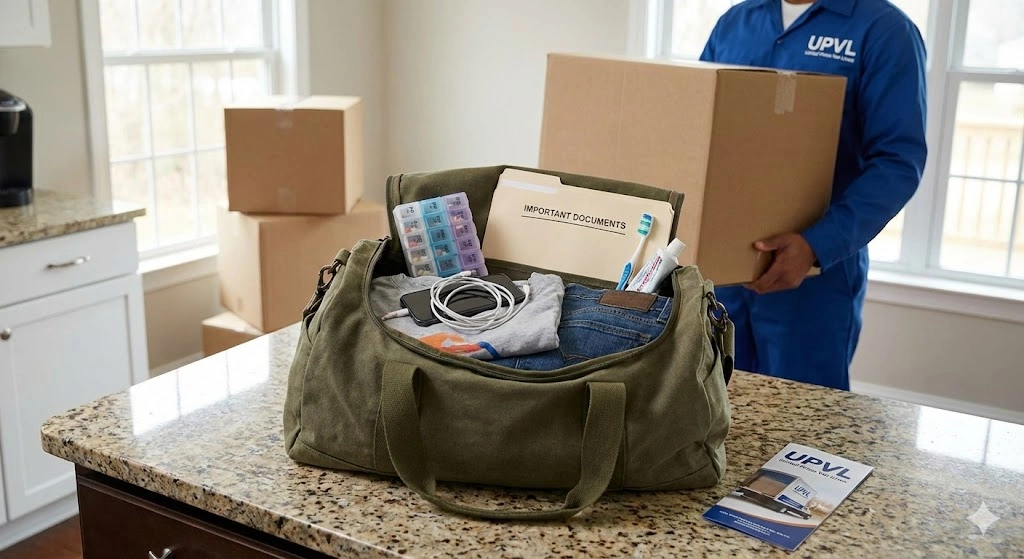
Think about your first 24 hours in the new home. You don’t want to be tearing through 30 boxes at 11:00 PM just to find:
- Medications
- Glasses or contacts
- Phone and laptop chargers
- Work laptop
- Kids’ comfort items (that one specific stuffed animal)
- Keys (for the new house, car, mailbox)
The Pro Tip: Pack a "First Night Box" or suitcase and put it in your car. Do not let the movers load it.
How To Avoid Last-Minute Surprises On Moving Day
The easiest way to make moving day calm instead of chaotic is to be on the same page with your movers before we ever show up with a truck.
Here’s how we do that at United Prime Van Lines:
Step 1: Ask Early, Not At The Truck Door
When we do a walkthrough or virtual estimate with you, we go room by room and talk through:
- What’s going on the truck.
- What can’t go on the truck.
- What we strongly recommend you move yourself.
If you’re not sure about something—a chemical, a tool, a valuable item—bring it up then. We’d rather spend five minutes clarifying it on the phone than having to leave something behind on moving day.
Step 2: Create A “Do Not Move” Zone
A simple way to avoid confusion is to designate one space in your home as a “Do Not Move” zone (a specific room, a closet, or a clearly marked corner).
In that area, place:
- Important documents and valuables.
- Medications and essential items.
- Pet supplies and carriers.
- Car keys, wallets, and electronics.
We train our crews not to touch anything in that area. That way you don’t end up wondering where your passport went in the middle of a dozen boxes.
Step 3: Separate Hazardous Items In Advance
A few days before the move:
- Gather everything that’s flammable, pressurized, corrosive, or looks like it belongs under a sink.
- Decide: Use it, give it away, or dispose of it properly.
- Don’t wait until the morning of the move to deal with 12 half-used containers of pool chemicals.
How We Handle These Rules At United Prime Van Lines
We know nobody reads a full tariff or list of restricted items for fun. So we keep it simple: we talk to you like we’re helping a friend move.
When you move with us:
- We review restricted items before you book, not after.
- We give you a clear, written list of what we won’t move.
- We explain the “why” so it doesn’t feel arbitrary.
- We help you plan alternatives for anything we can’t put on the truck.
Whether you’re moving from a condo in Hallandale Beach or a house in Chatsworth, the rules don’t change—but how we help you work around them does. Our goal is simple: no surprises.
A Quick Recap You Can Actually Use
Let’s boil it down into something practical you can use while you’re packing:
- Flammable, Explosive, Corrosive? → NO. (Use, donate, or dispose).
- Perishable Food? → NO. (Use up or donate).
- Plants or Pets? → NO. (Your car or re-home).
- Cash, Jewelry, Passports? → KEEP WITH YOU. (We move the couch; you keep the ID).
- Fuel-Powered Equipment? → DRAIN IT. (Must be dry of fuel).
If you’re not sure, ask. We’d much rather answer “Does this go on the truck?” ahead of time than give you bad news on the day you’re supposed to be handing over the keys.
Ready To Plan A Safer, Smoother Move?
If you’re staring at your garage or your balcony full of plants wondering what’s “truck-safe,” we can walk you through it.
Reach out to United Prime Van Lines. We’ll go over your specific items, flag anything we can't legally move, and help you build a plan so moving day isn't full of "Oh, we didn't know" moments.
Tell us what you’ve got. We’ll tell you what we can do—clearly, honestly, and without the fine-print surprises.