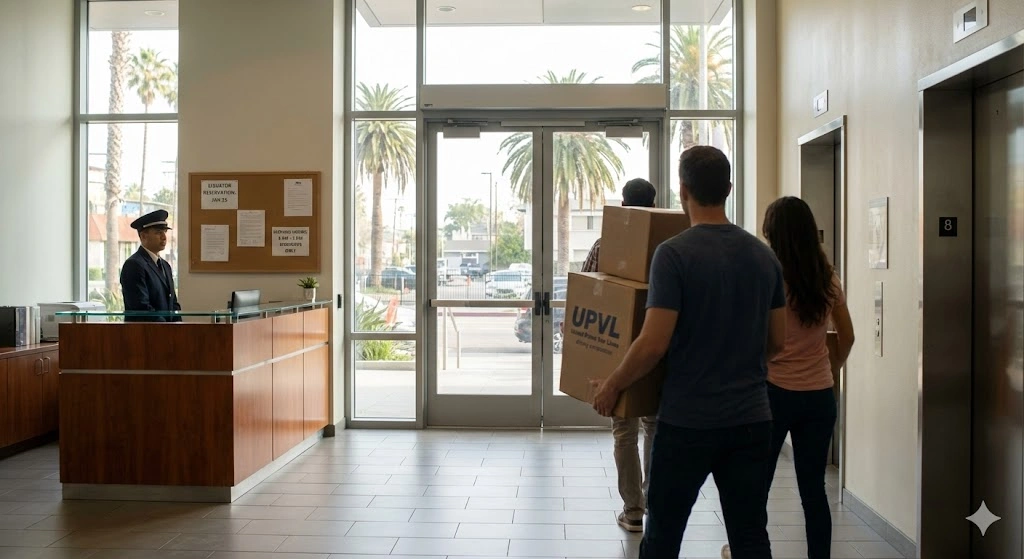
If you’re getting ready to move into or out of an apartment or condo in Los Angeles, you’re probably juggling about 15 different things in your head at once.
Parking. Elevators. HOA rules. Street sweeping. Narrow hallways. Neighbors. Heat. Traffic. And underneath all that: “How do I get this done without losing my mind?”
You’re not alone. I help people move in and around LA all the time with United Prime Van Lines, and apartment/condo moves are honestly a category of their own. The good news: once you understand how LA buildings and neighborhoods actually work on move day, the whole process gets much easier.
Below I’ll walk you through how I’d plan and execute a smooth apartment/condo move in Los Angeles, step by step.
1. Start With the “Unsexy” Stuff: Rules, Permits, and Timing
Most stressful LA moves don’t go wrong because of boxes or furniture. They go wrong because of building rules and city rules.
Ask Your Building These Questions Early
As soon as you know your move date, contact your current and new building managers (or HOA) and ask:
- “What are your moving hours?” (Many LA buildings restrict moves to M-F, 9am–4pm).
- “Do I need to reserve the elevator?” (In high-rises, you almost always need a 3–4 hour window).
- “Do you require a COI?” (Certificate of Insurance). United Prime Van Lines issues these daily, but we need to know in advance.
- “Is there a move-in/move-out fee?” (Some places charge $100–$500).
- “Where can the truck park?” (Loading dock vs. street).
Think About Los Angeles Itself
LA adds an extra layer of complexity:
- Traffic: We often recommend a 7–9 AM start to beat the 405/101 gridlock.
- Street Cleaning: Check the signs for tow-away zones and "No Parking" hours.
- Weather: In the Valley (Reseda, Northridge), early starts are crucial to beat the heat.
2. Build a Realistic Timeline
3–4 Weeks Out
- Confirm dates with both properties.
- Request COIs and reserve elevators.
- Book your movers (Decide: Full packing vs. Labor only).
2 Weeks Out
- Start packing non-essentials (books, decor, off-season clothes).
- Sort items: Keep, Donate, Trash.
1 Week Out
- Confirm parking/loading instructions.
- Label boxes by Room + Contents.
- Clear out storage cages/balconies.
1–2 Days Out
- Pack a "First 24 Hours" box (Meds, toiletries, chargers).
- Defrost the fridge.
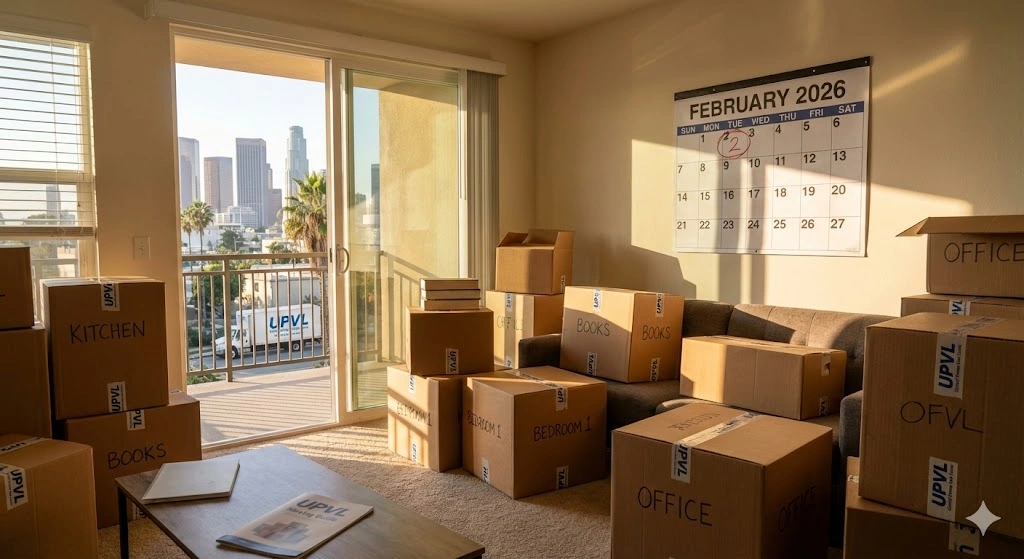
3. Parking and Access: The LA Nightmare (Avoidable)
If you want to know where 80% of move stress comes from, it’s trucks and parking.
At Your Current Place
- Walk outside and look: How far is the truck from the door? Are there low trees?
- Secure the spot: Park your own cars in the best spots the night before to "hold" them for the truck.
- Talk to neighbors: A polite "I'm moving Saturday" can prevent blocked driveways.
At the New Place
- Preview the path: Where will the truck park? Is there a gate code?
- Share info: Tell us if it's a walk-up or high-rise before we quote.
4. Elevators, Stairs, and Long Hallways
Elevators
- Reserve the Service Elevator: Dedicated use speeds up the move massively.
- Protection: We may need to hang pads to protect the elevator walls.
Stairs & Hallways
- The more stairs/hallways, the more time (and crew) needed.
- Be Realistic: A 1-bedroom move on the 4th floor with no elevator takes significantly longer than a ground-floor move.
5. Packing Smart for Tight Spaces
Box Strategy
- Small Boxes: For books and heavy items.
- Medium Boxes: For clothes and decor.
- Avoid Giant Boxes: They are a nightmare in tight stairwells and elevators.
Labeling for "Future You"
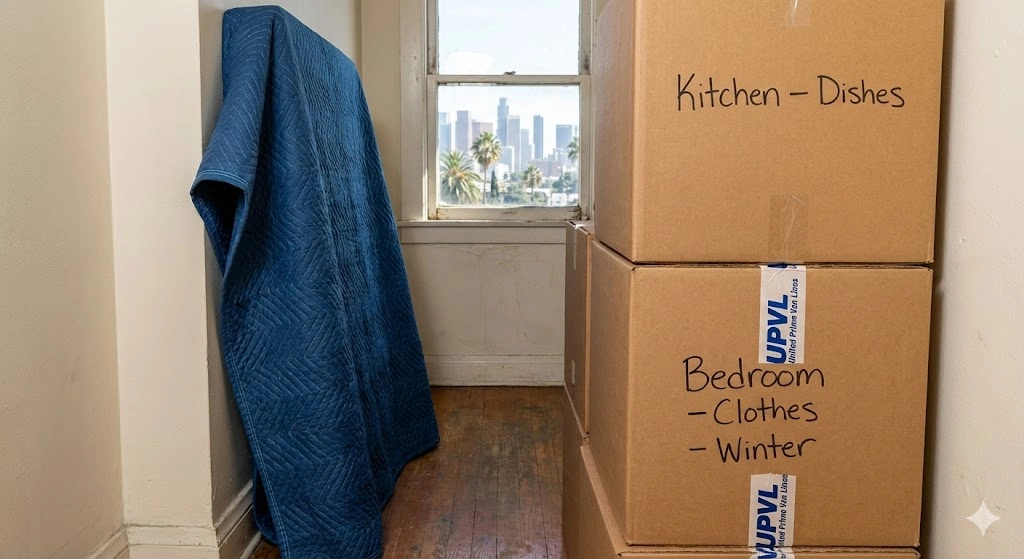
Instead of just "Kitchen," write: "Kitchen – Pots & Pans" or "Bedroom – Winter Clothes." In a small apartment, you need to know exactly which box to open first without unpacking everything at once.
6. Furniture Strategy for LA Apartments
Measure Everything
- Will that king-size mattress fit up the narrow stairwell?
- Will the sectional fit in the new elevator?
Disassembly is Key
At United Prime Van Lines, we bring tools to disassemble beds and tables. Taking the legs off a couch often saves time and prevents damage in tight corners.
Know When to Purge
If you’re moving from a house to a compact apartment, that giant dining table might not fit. It’s often cheaper to sell/donate it than to pay to move it and realize it blocks your hallway.
7. Be a Good Neighbor
- Old Place: Don't block hallways for hours. Keep noise down early in the morning.
- New Place: Don't block garage entrances. A quick "Hi, I'm moving in, sorry for the noise" helps set a good tone.
8. Neighborhood Specifics
- Downtown LA (DTLA): High-rises, strict COI rules, loading docks, one-way streets.
- Hollywood/Koreatown: Older buildings, narrow stairs, tough street parking.
- The Valley (Reseda/Woodland Hills): Heat is the main factor. Early starts are essential.
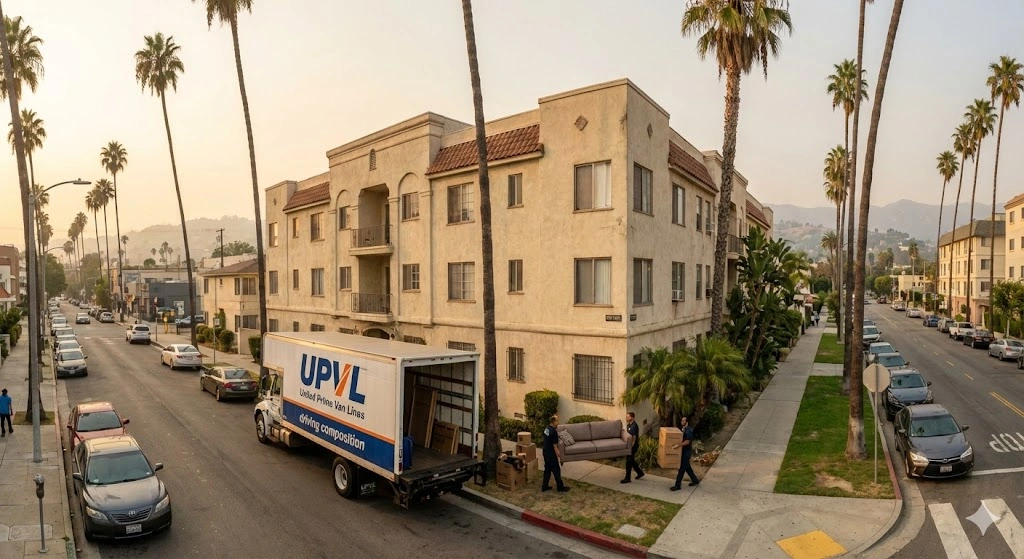
9. Storage Options
If your new place isn't ready or you are downsizing, you have three options:
- Self-Storage: You load it yourself (high effort).
- PODs: Container style (requires parking space).
- Moving Company Storage: We pick it up, store it, and redeliver it later (lowest effort).
10. The Simple Move-Day Checklist
- [ ] Wallet, keys, phone, chargers.
- [ ] Meds and essentials packed separately.
- [ ] COI sent to both buildings.
- [ ] Elevator reserved.
- [ ] Parking spots planned/held.
- [ ] Fridge emptied.
- [ ] Final walkthrough (Check all cabinets!).
11. Making It Manageable
Moving in LA isn't zero stress, but it doesn't have to be chaotic. If you get ahead of the building rules, respect the traffic, and pack smart, it becomes a series of manageable steps.
If you’d like help with any part of this – from a small studio move to a full condo relocation – my team and I at United Prime Van Lines are here to make it smoother. Check out our Apartment Moving Services.
Whether you’re heading into a high-rise downtown or a walk-up in Hollywood, we’ve likely moved someone into that exact building already.