When you’re planning a move, it’s easy to get stuck on the obvious questions:
“How much will it cost?”
“How big is the truck?”
“How many movers will show up?”
But there’s one question that quietly affects almost everything else:
“Am I hiring a truly local moving company, or just whoever showed up first in the ads?”
Whether you’re moving across town, into a condo, or out of a walk-up, choosing a local mover can change how smooth, fast and predictable your move feels. It’s not just about distance. It’s about how well your movers know your city, your buildings, your traffic patterns and your expectations.
In this guide, we’ll break down why a local moving company can be a real advantage for your move, what that means in real life, and how to use that advantage to save your time, money and nerves.
A lot of companies advertise that they “serve your area,” but that doesn’t always mean they are truly local.
A local moving company typically:
That local focus changes how they plan your move, how they staff it, and how quickly they can react if something on your side changes.
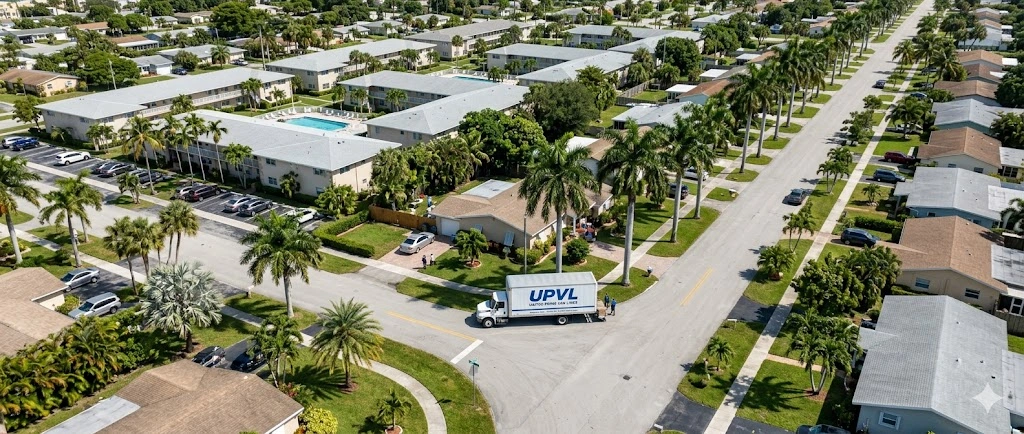
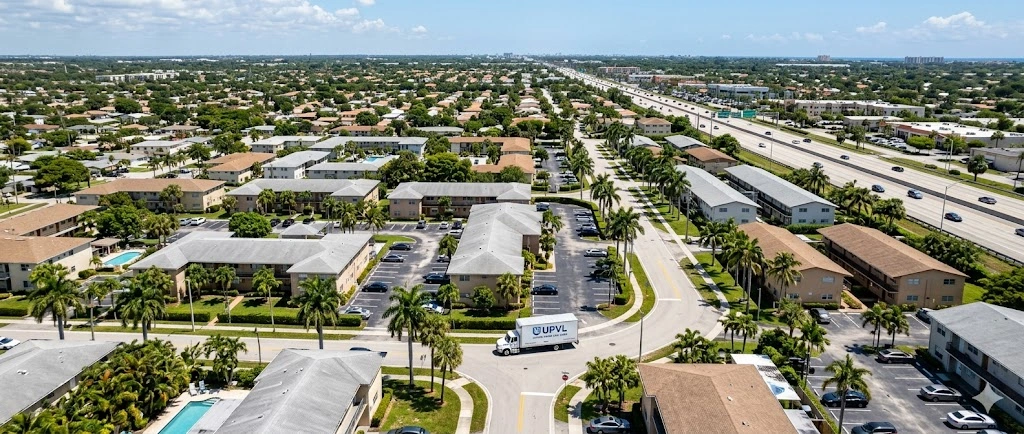
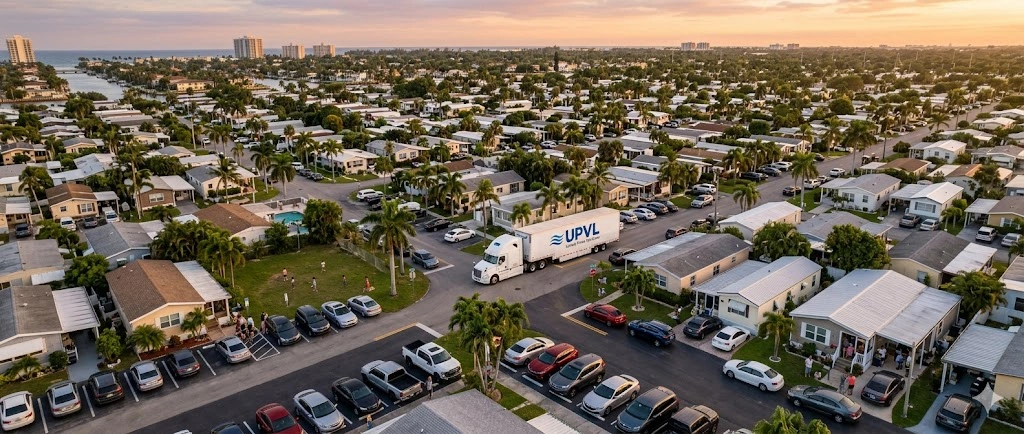
When you work with a team like our crew at United Prime Van Lines, you’re not just getting “a truck and a couple of guys.” You’re getting people who probably moved someone from your complex last month and already know which entrance to use and where the truck can realistically park.
With a local mover, you’re not fighting against long highway drives and multi-day routes. Your crew usually:
That means:
If your building only allows moves from 9 a.m. to 4 p.m., that local flexibility matters. Your mover can line up the crew to match that window instead of forcing you into whatever slot fits their long-distance routes.
Any GPS can show a route. A local mover knows the reality behind it.
A local crew likely knows:
On moving day, that translates into:
If you’re moving with us at United Prime Van Lines and you say your building name or cross streets, there’s a good chance someone on the crew has already been there. That experience makes planning a lot easier.
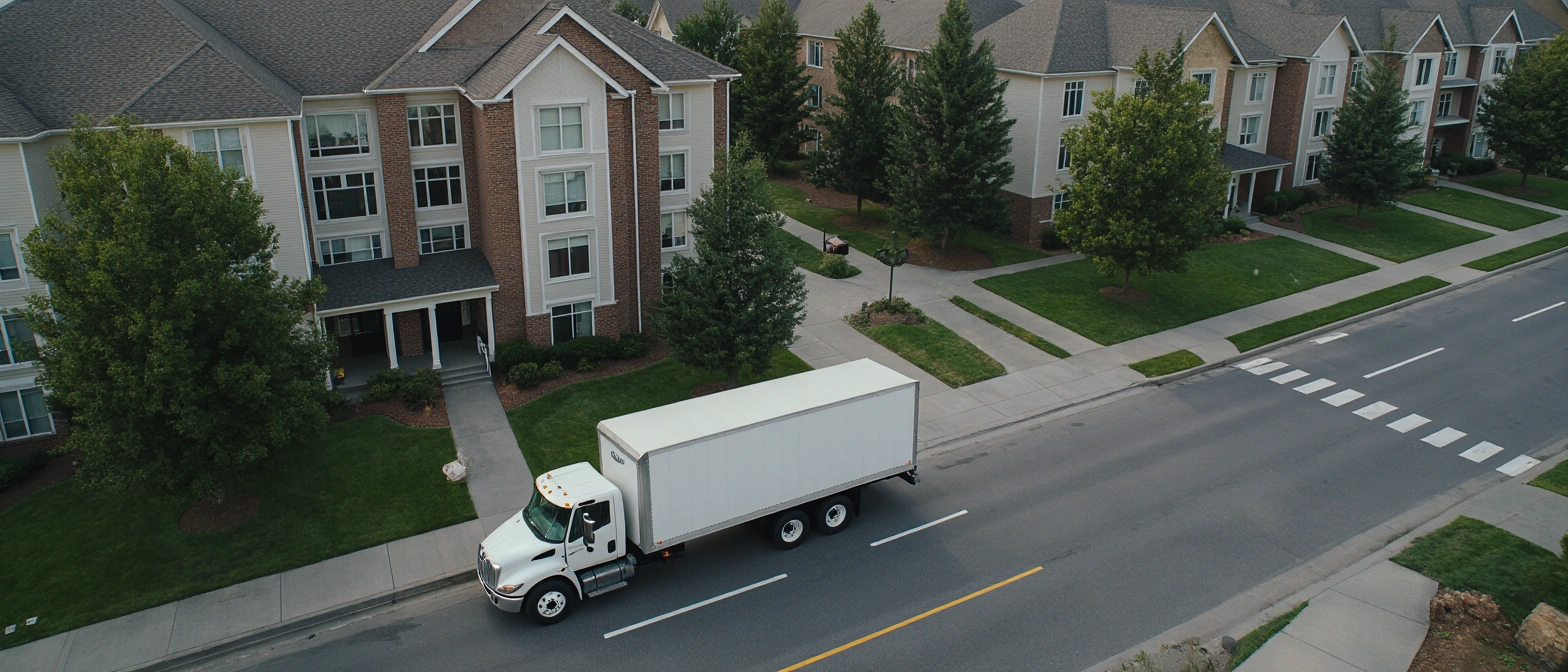
Many apartment buildings, condos and gated communities have strict moving rules:
A local company that works in those buildings regularly often:
Instead of you translating building rules for your movers, you can share a single email or building name and hear, “Got it, we’ve worked there before. Here’s how we’ll handle it.”
Local companies tend to have shorter lines of communication. You’re more likely to:
If you move with our team at United Prime Van Lines, you can explain your situation in simple terms — small apartment, strict condo rules, tricky stairs — and get a real, tailored plan instead of a generic canned response.
There’s a common assumption that “local company” means “more expensive service.” In reality, the opposite is often true — especially for short-distance moves.
A local mover doesn’t have to send a truck 80 miles just to get to your front door. Less empty driving means:
You’re essentially paying for labor, skill and planning — not for a truck burning fuel for half a day just to reach your neighborhood.
If you’re moving a studio, one-bedroom, or doing a partial move, a huge van line setup is often overkill.
Local movers are used to handling:
That lets you choose a format that matches your budget:
With a company like United Prime Van Lines, you can simply say, “I want help with the heavy lifting and stairs, I’ll move the small things myself,” and we plan service around that instead of pushing you into a more expensive package you don’t need.
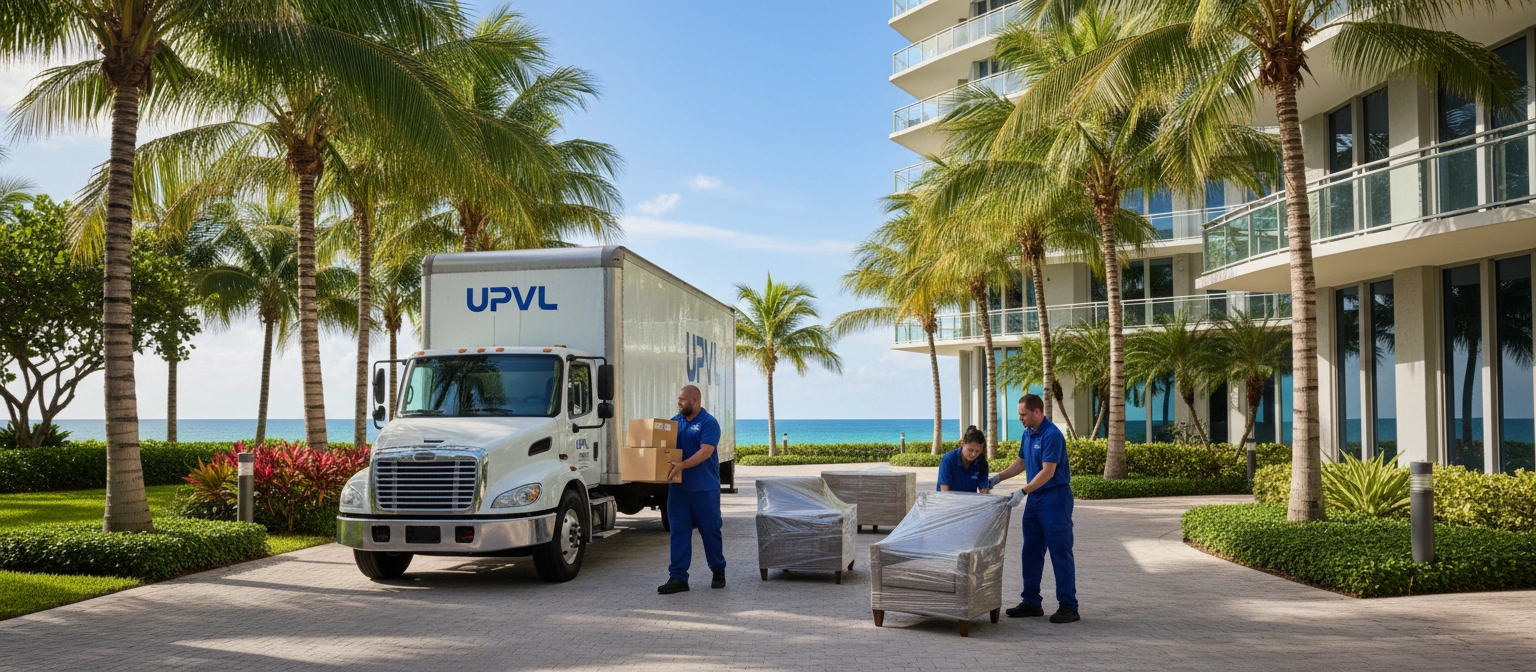
A local moving company survives on:
If they consistently:
the local community will quickly know about it — and booking will suffer.
That pressure is a good thing for you. It pushes local movers to:
When you’re happy with your move and leave a good review or recommend the company to friends, it directly supports their business. That alignment of interests is exactly what you want.
No mover is perfect. Mistakes, damage or miscommunication can happen. The question is: what happens next?
With a local company, accountability is simpler:
That makes it much more likely you’ll get:
It’s much harder for a local mover to hide behind a national call center or endless email loops.
Real life doesn’t always respect your moving timeline. Sometimes:
A local mover, working within a tighter geographical radius, usually has more room to:
That doesn’t mean they can bend time, but it does mean they’re not coordinating your move across multiple states just to move you down the street.
Most moves are not perfectly organized. You might:
A good local mover works with what’s in front of them. When you’re dealing with a crew that knows your city, common building types and local habits, it’s easier to adjust the plan on the fly and still land in a good place by the end of the day.
A local moving company is helpful in almost any short-distance move, but there are certain scenarios where it’s especially important.
If you live in:
a local mover who knows those buildings can plan your move to:
If you’re on the third floor with no elevator, or your home has tight turns and narrow hallways, a local mover is often the best decision you can make.
They likely have:
That experience is the difference between “we think we can do it in two hours” and “we know this is a four-hour job and here’s why.”
Not every move is a whole-house relocation. Sometimes you:
Local moving companies are much more likely to:
schedule you in a way that doesn’t force you to pay for a whole-day, full-scale move.

Choosing a local mover is step one. Step two is using that advantage properly.
Here’s how you make it work for you:
When you move with our team at United Prime Van Lines, this is exactly how we like to work: real details, real expectations, and a plan that matches your actual life, not some perfect moving fantasy.
At the end of the day, moving is always a bit stressful. There’s no magic button that makes it feel like a spa day.
But choosing a local moving company can turn your move from:
into something much more manageable:
If you’re moving within the same city or nearby, it’s worth focusing your search on strong local movers and asking them direct questions. When you find a team that clearly understands your streets, your buildings and your timeline — and you feel that they actually listen — you’ve already solved half of your moving-day problems before the truck even starts.