If you’re eyeing Sherwood Forest, CA as your next home, you’re probably doing what everyone does first: opening 15 tabs, looking at cost of living calculators, and wondering, “Okay, but what does it actually feel like to pay bills here?”
I help people relocate in and around the San Fernando Valley all the time, and Sherwood Forest comes up a lot for folks who want more space, a quieter vibe, and nicer neighborhoods than some of the busier parts of Los Angeles. Let me walk you through what life really costs here—in plain English, with real numbers and context—so you can decide if Sherwood Forest makes sense for you and your budget.
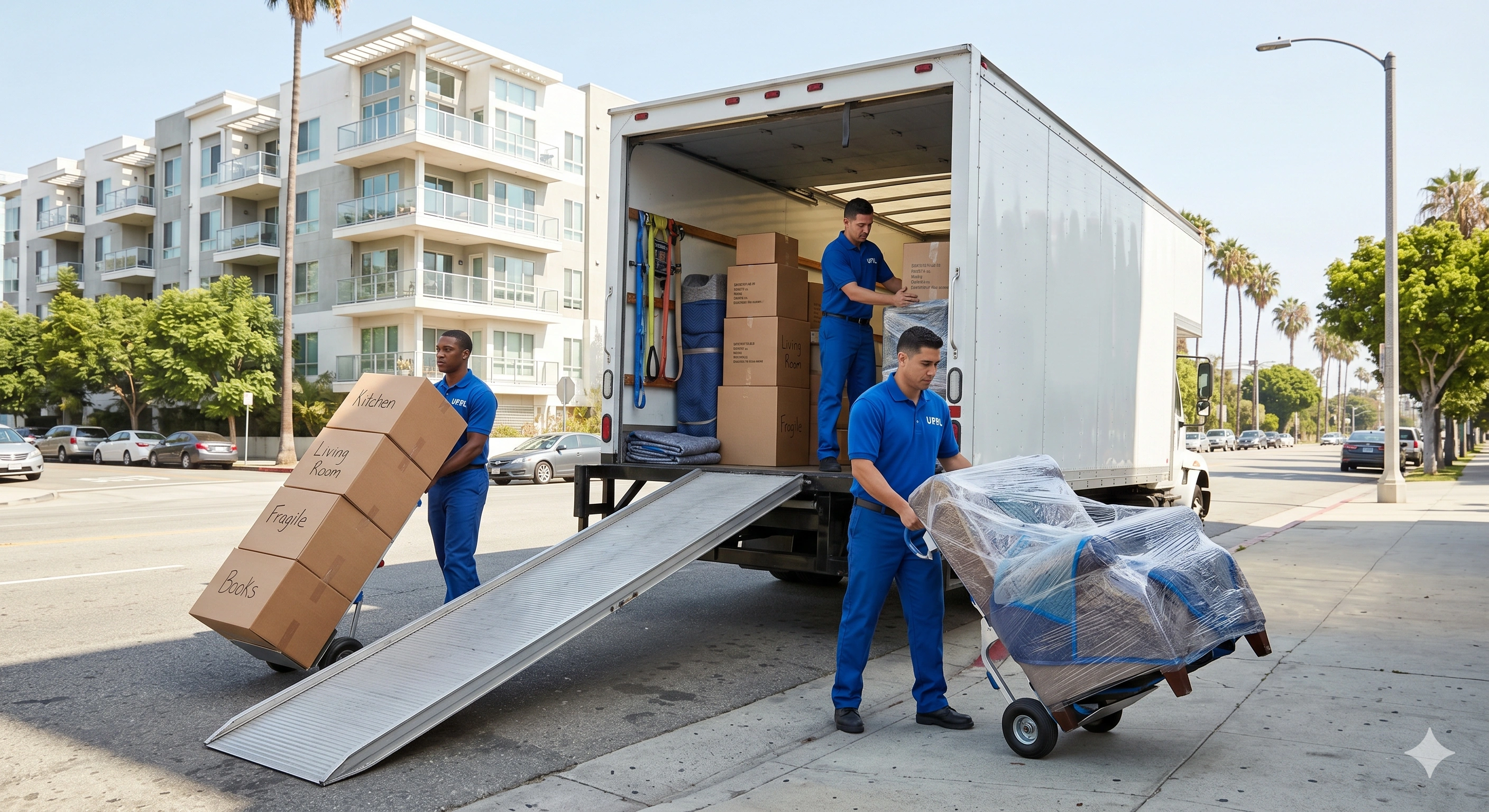
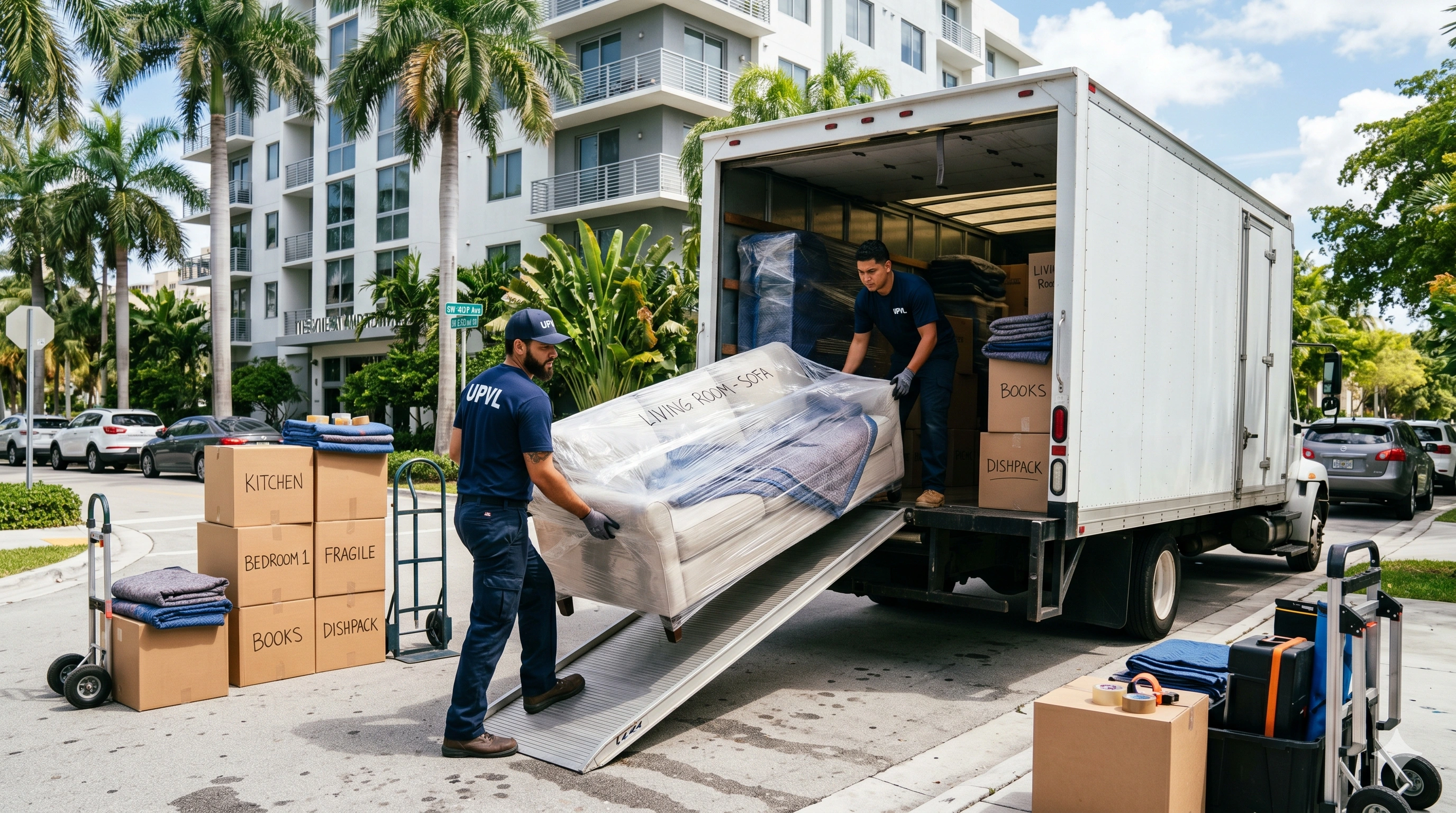
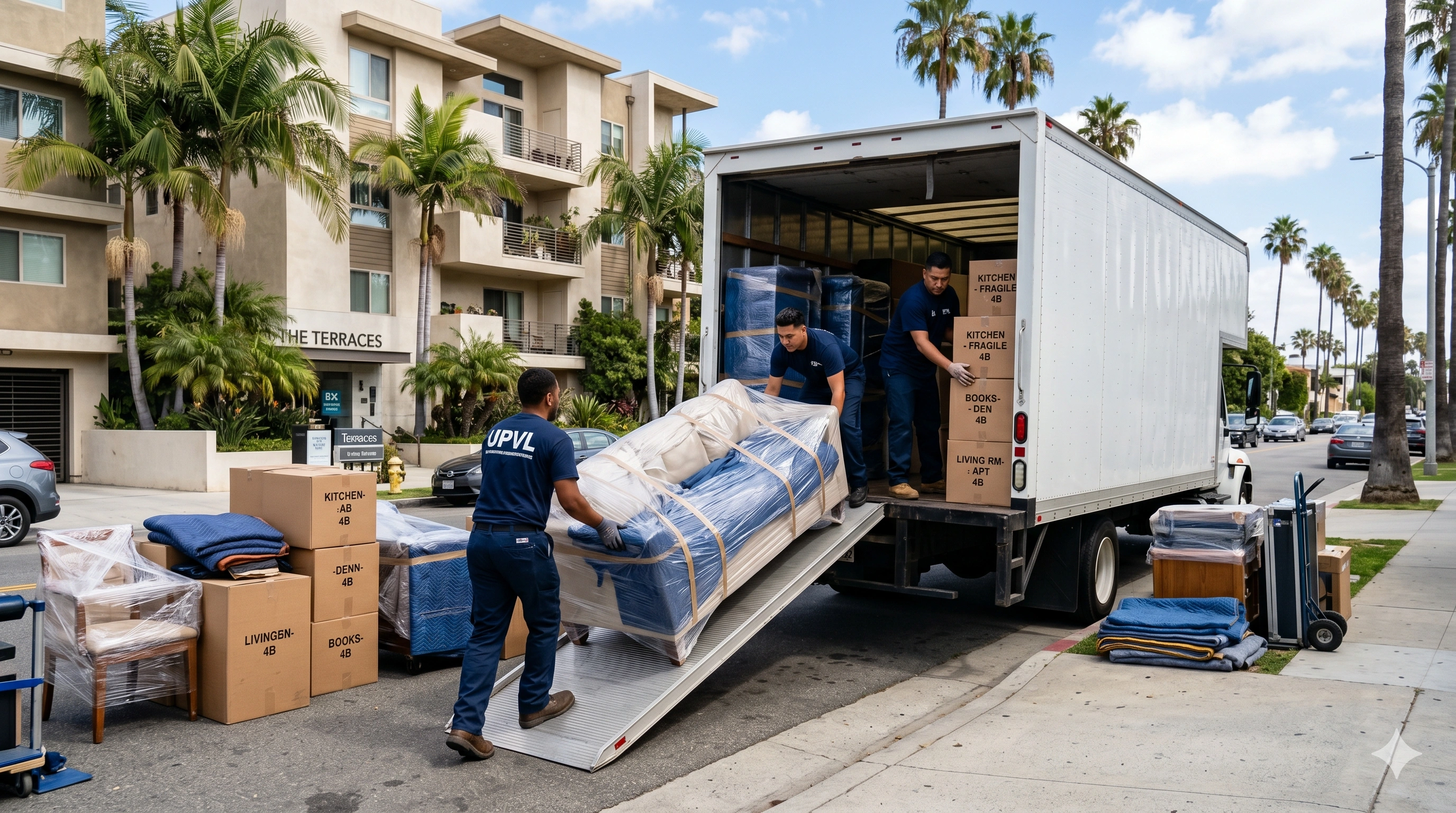
And if you do end up moving here, my team at United Prime Van Lines can take care of the heavy lifting, from packing to unloading right in your new driveway in Sherwood Forest, CA.
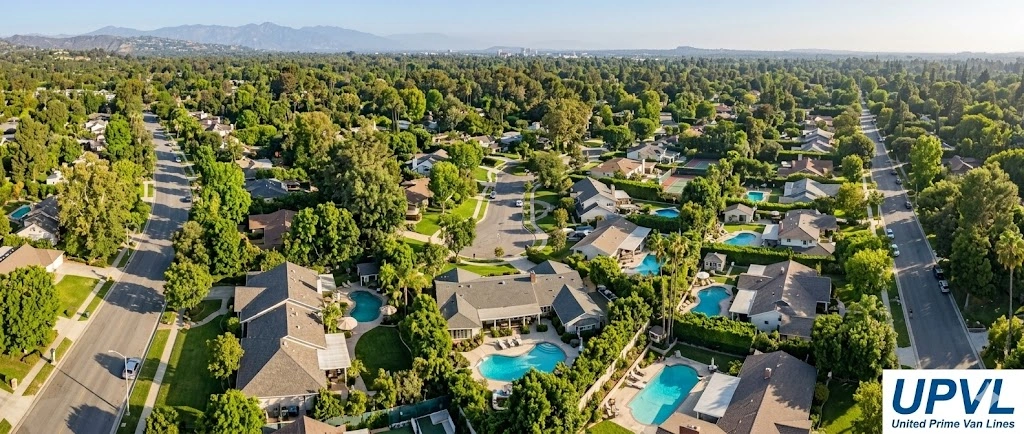
Sherwood Forest is a residential neighborhood in the northern part of Los Angeles’ San Fernando Valley, just west of North Hills and near Northridge. It’s basically a pocket of large lots, tree-lined streets, and single-family homes that feel more “suburban” than “big city LA.”
Why this matters for cost of living:
So when people say, “Is Sherwood Forest expensive?” what they really mean is, “How much more am I paying for a quieter, bigger-home neighborhood compared to surrounding areas like North Hills West or Northridge?”
If you’re thinking about moving here, housing is where most of your budget will go. Sherwood Forest is known for bigger lots and spacious homes—think 2,000–3,500+ sq ft, often with yards, some with pools.
I won’t lock into exact current prices (they move month to month), but let’s talk realistic ranges and what you’re getting for the money.
You don’t see as many big apartment complexes right inside Sherwood Forest. It’s mostly single-family homes, so rental options are usually entire houses for rent, ADUs/guest houses behind main homes, or occasionally condos or small multi-units on the edges.
Typical ballpark (subject to market changes):
Compared to some nearby neighborhoods, you’re usually paying more than older, denser parts of the Valley, but less than premium LA spots like Studio City or West LA.
Sherwood Forest is very much a “house neighborhood.” If you’re buying, expect homes often on larger lots (some over 10,000 sq ft) and prices that reflect size, land, and relative privacy. Many are mid-century ranch-style, often updated or remodeled.
Typical ranges (again, these move with the market):
If you’re coming from somewhere like the Midwest or the South, those numbers can be a shock. But if you’ve lived in LA for a while, they’ll feel in line with what you’d expect for a quiet, desirable residential pocket.
On top of your mortgage or rent, there are the recurring costs that sometimes catch people off guard.
If you’re buying, your lender will usually roll this into your monthly mortgage payment.
With rising insurance costs in California (especially considering wildfire risk in some areas and general inflation), expect standard home insurance to be maybe $1,200–$2,500/year or more depending on coverage, upgrades, and claims history. If you’re closer to hillside or higher-risk areas, premiums can go higher, though Sherwood Forest is generally more flat Valley land.
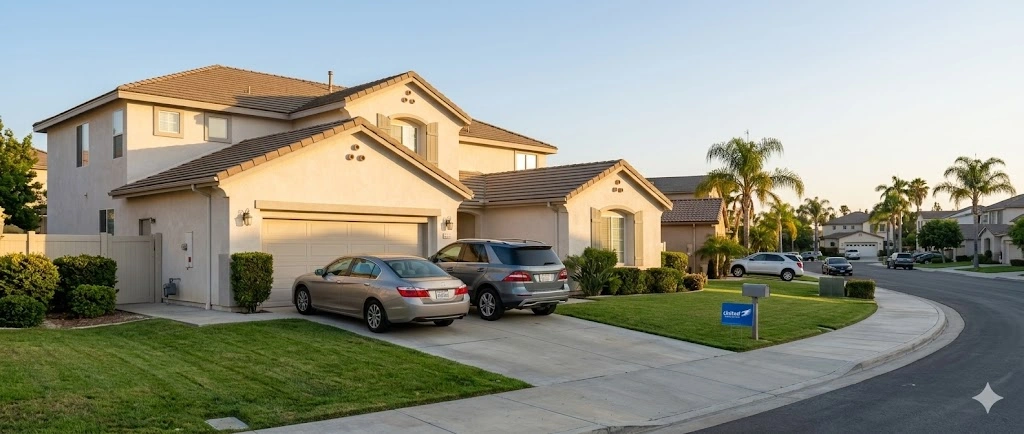
Utilities in Sherwood Forest will feel pretty typical for the San Fernando Valley, but your exact spend depends heavily on how big your home is, how often you run the AC, and how many people live with you.
Summer in the Valley = AC season. It gets hot.
Winters are much lighter on AC, so your annual average might come down.
If you’ve got a gas stove, gas water heater, and maybe gas heating, expect around $40–$90/month on average, slightly higher in colder months (though LA winters are mild).
Water use goes up fast with large yards, lawn sprinklers, and pools.
Bottom line: utilities in Sherwood Forest aren’t “cheap,” but they’re not wildly different from the rest of the Valley—it’s your housing size and the heat that matter most.
If you’re moving to Sherwood Forest from a more walkable or transit-friendly city, this part is important. Realistically: yes, you need a car. Life here is designed around driving.
Public transit exists, but it’s not fast or convenient enough for most daily commutes. Groceries, schools, shopping, restaurants—you can reach them in a few minutes by car, but it’s not like walking out your door in Manhattan or downtown Chicago.
What Transportation Really Costs (Typical monthly expenses):
If you work from home, your gas and commute costs might be a lot lower, which helps offset higher housing costs.
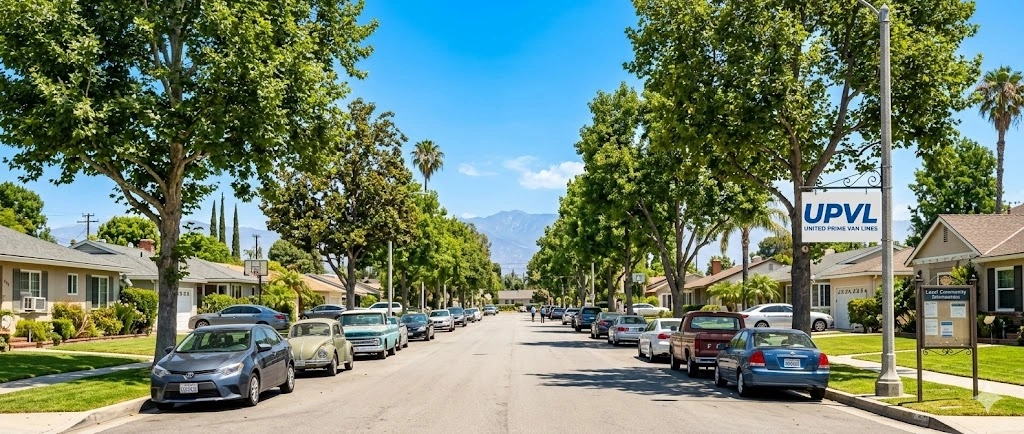
Food prices in Sherwood Forest are similar to the rest of Los Angeles, but the mix of stores nearby gives you flexibility: regular chains (Ralphs, Vons, etc.), big box (Costco, Target, Walmart in surrounding Valley areas), and specialty stores and ethnic markets in and around Northridge & North Hills.
Approximate monthly grocery cost:
You can keep this down by cooking at home more often, buying in bulk at Costco, and eating less takeout (this is where LA can get pricey fast).
The Valley is full of solid, casual restaurants, and Sherwood Forest’s central spot makes it easy to reach Northridge, Reseda, Lake Balboa, and others for food and coffee.
Typical costs:
If you eat out a lot or order in several times a week, this can quietly add $300–$700/month to your budget without you realizing it. I see this a lot with people who move here, get busier, and lean into convenience.
Healthcare costs vary more by your insurance than your ZIP code, but there are some local realities:
Approximate monthly numbers (these vary widely):
Out-of-pocket visits:
Healthcare isn’t uniquely expensive in Sherwood Forest—it’s just average Southern California expensive.
If you’re moving with kids, this is where your budget can really get tested.
Sherwood Forest is part of the Los Angeles Unified School District (LAUSD). Some families are happy with their local public schools, others choose charters or private. It really depends on your comfort level and what’s available near your specific address.
Public school is technically “free,” but expect some costs for supplies, after-school programs, sports, activities, and extra tutoring.
If you go the private route, elementary and middle private schools in the Valley are often $12,000–$25,000/year per child. High school is sometimes more. That can easily rival your housing costs, so it’s a key piece of the overall cost of living decision.
Full-time daycare or preschool is often $1,200–$2,000+/month per child. Part-time options or in-home daycare can be a bit cheaper, but still a major monthly line item.
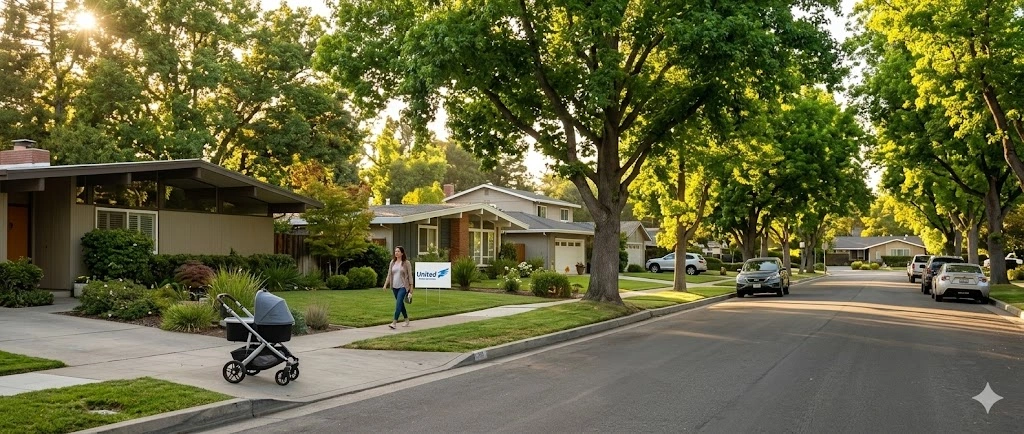
Living in or near Sherwood Forest, you’re close to a lot of what the Valley offers, plus an easy drive to the rest of LA.
Typical lifestyle costs:
One big “pro” here: you have easy access to free or low-cost outdoor activities like walking, jogging, or biking in nearby parks like Lake Balboa, hiking in the Santa Monica Mountains or other Valley-adjacent trails, and beach days (you’ll drive, but the beach itself is free). So you can “spend big” on going out in LA when you want to, but it’s not the only entertainment option.
To put Sherwood Forest’s cost of living into context, think of it this way:
If you want a good middle ground between LA city access, bigger homes, and suburban calm, Sherwood Forest can hit that sweet spot—but it won’t be a “budget” neighborhood.
A simple way to think about it:
If, after running rough numbers, housing alone would eat 40–50% of what you make each month, Sherwood Forest might feel financially tight unless you’re very comfortable trimming other areas.
When people move to Sherwood Forest (or nearby areas like Reseda or Northridge), here are a few tricks that often help:
The move itself is part of your total cost of living picture. A chaotic, last-minute, poorly planned move can blow up your budget with extra days off work, broken furniture, or extra fees from rushed decisions.
At United Prime Van Lines, we move a lot of families and professionals into and around Sherwood Forest and the San Fernando Valley. What tends to help people the most is:
If you tell us your budget and your timeline, we’ll walk you through realistic options—no pressure, just straight answers.
Numbers matter, but so does quality of life. People who move to Sherwood Forest usually tell me some variation of this after a few months:
You get space for kids, pets, or hobbies. A residential neighborhood feel, not a party zone. Quick access to major freeways and larger shopping/dining areas nearby.
So yes, it’s not cheap. But for people who want a calmer base in the LA area without going way out of town, Sherwood Forest often feels like a very reasonable tradeoff.
And when you’re ready to turn the idea into an actual move, my crew and I at United Prime Van Lines can get you from your current place to your new driveway in Sherwood Forest with a lot less chaos than trying to do it yourself.
If I had to sum up the cost of living in Sherwood Forest in one sentence, it would be this: You’re paying LA-level prices, with a premium for space, peace, and bigger homes—and for a lot of people, that trade feels absolutely worth it.
If your income can comfortably handle higher-than-average housing, typical LA utilities and car costs, and whatever mix of childcare, healthcare, and lifestyle spending makes sense for you, then Sherwood Forest is a solid pick for a “grown-up” neighborhood where you can put down roots.
And when it’s time to actually move—whether you’re coming from another part of LA, from out of state, or just upgrading from a nearby apartment—we at United Prime Van Lines are here to handle the packing, loading, and transport so you can focus on settling into your new life, not wrestling with cardboard boxes and rental trucks.
You can always reach out through our site to get a free moving quote or just talk through your situation: https://unitedprimevanlines.com.