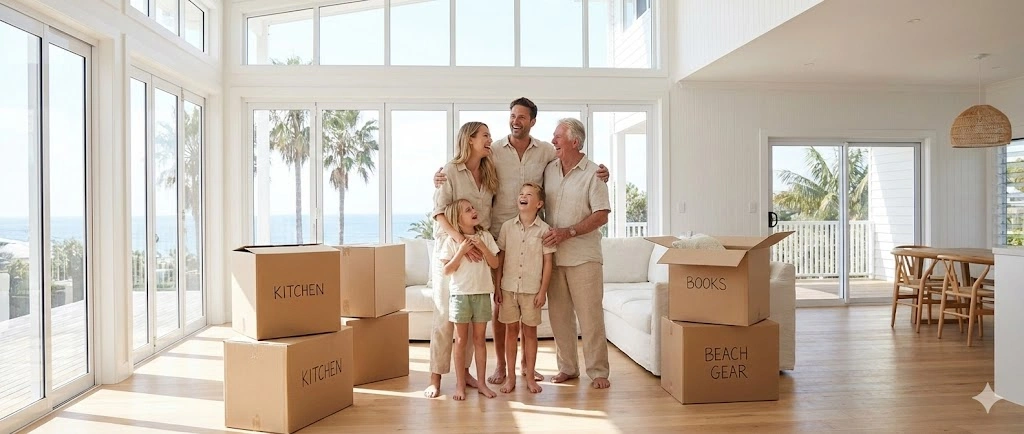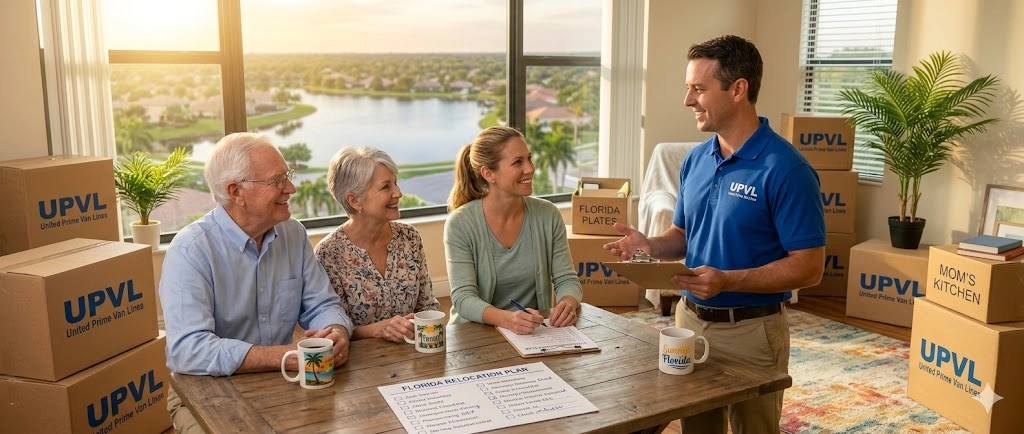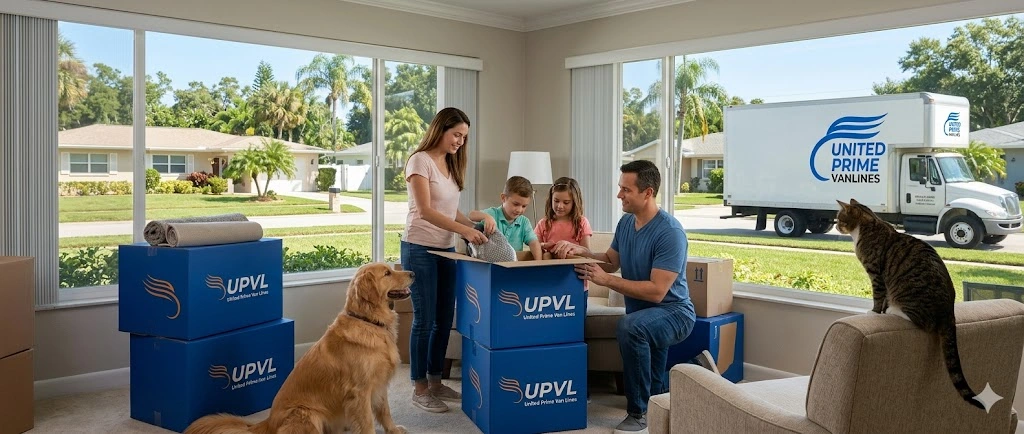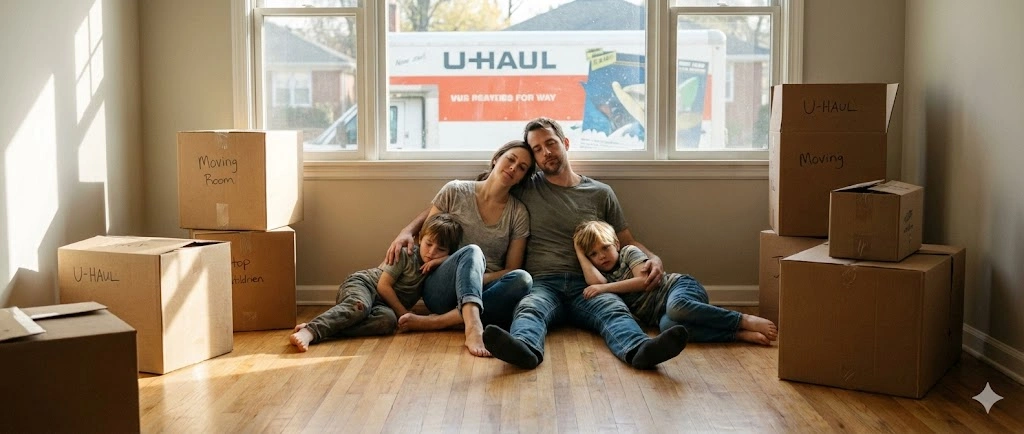
When you look at a photo of a happy family in their new home, you never see the chaos it took to get there — the sleep deprivation, the tough calls about what to keep, the meltdowns (kids and adults), and the quiet “are we really doing this?” moments at 2 a.m.
We move people every day at United Prime Van Lines, but the stories behind each move are what really matter. So in this piece, we’re doing something different: instead of giving you another “how‑to” checklist, we’re sitting down for a real conversation with a family who moved cross‑country with us — from California to South Florida.
We’ll walk through what went right, what almost went off the rails, and what they’d absolutely do differently next time. Names are changed for privacy, but the details are very real.
We’ll call them the Martins:
They moved from Chatsworth, CA to Hallandale Beach, FL — pretty much coast‑to‑coast. That’s roughly 2,700+ miles, several time zones, and a completely different way of life.
We were their mover — but what’s below is their experience in their own words, with our perspective sprinkled in where it’s useful.
We asked them to walk us back to the beginning.
Q: When did it stop being a “maybe someday” idea and turn into: we’re actually moving across the country?
Mike:
It got real the second I signed the offer letter. Before that, it was like a ‘what if’ game. “What if we could afford a house near the beach?” or “What if we lived somewhere less expensive than L.A.?” But after the offer… I remember walking into the kitchen with my phone and just saying to Laura, “So… are we really doing this?”
Laura:
And I remember thinking: okay, that’s not a hypothetical anymore. We’d talked about leaving California for years — the prices, the traffic — but I always imagined “moving” meant maybe an hour away, not all the way to Florida. The first real moment for me was when we started telling our parents. Once you start saying it out loud, it hits different.
From our side, that’s the moment we tell people: pause and breathe. Once the move stops being an idea and becomes a decision, emotions spike. It’s normal. That’s also the best time to bring in a moving company, because you don’t want to be planning the entire move while your brain is still processing “we’re really leaving.”
Q: First thing you did once you knew you were going?
Laura:
Honestly? I opened like 20 tabs in my browser and panicked. Flights vs. driving. Schools in South Florida. “How much does it cost to move cross‑country?” Articles, blogs, random forums… It was a lot.
Mike:
I went straight to numbers. I’m that guy. I started trying to build a spreadsheet with DIY costs vs. hiring movers. Truck rental, gas, hotels, food on the road, missed work. It very quickly looked less “cheap road trip” and more like “oh, this is a whole operation.”
We see this all the time: the “research loop.” People try to DIY the planning stage, get buried in info, and then message us saying, “Okay, I’m lost — where do we even start?” That’s usually our cue to slow everything down and break it into steps.
We asked what helped them snap out of overwhelm.
Laura:
Having an actual person to talk to instead of a webpage. When we called United Prime Van Lines, I was ready for a scripted sales pitch. I got someone who just… asked me questions.
Once we laid that out, it stopped feeling like “this impossible thing” and more like “okay, this is big, but there’s a path.”
That’s how we try to handle every long‑distance move: first, the story; then, the logistics. Not the other way around.

Q: You said you ran the numbers on doing it yourselves. What changed your mind?
Mike:
We actually got pretty far into the DIY fantasy. I priced out a 26‑foot rental truck from L.A. to Miami, gas, tolls, hotel nights for us and the kids, food. On paper, at first, it looked cheaper.
But then you start adding the real stuff. Extra hotel night because the kids melt down. Two days lost because you’re exhausted. My back, which is not built to lift a couch down three flights of stairs. Insurance if anything goes wrong. It stopped being cheaper as soon as we were honest with ourselves.
Laura:
And the emotional cost. I knew myself — if we tried to do everything alone, I’d be up till 3 a.m. packing for weeks, we’d be snapping at each other, the kids would be an afterthought, and by the time we got to Florida, I’d hate everything.
When they saw the actual numbers and the realistic scenario, hiring movers stopped looking like a “luxury” and started looking like “paying not to destroy our sanity.”
We asked what made them choose us specifically, since they spoke with a few companies.
Laura:
Two things: clarity and tone. You didn’t try to scare us into booking, and you didn’t promise some fantasy timeline. The estimator actually said, “For this distance, here’s the realistic delivery window and what can impact it.” Nobody else did that.
Mike:
And the quote from United Prime Van Lines was laid out clearly. Line items made sense. No “we’ll weigh your stuff later and let you know” vagueness. Cross‑country moves already have enough unknowns; we didn’t want to finance any more surprises.
That’s a big note for anyone reading this: whatever company you choose, ask questions until you understand exactly what you’re paying for and how the price could change. A good mover will explain it without getting defensive.
Q: Cross‑country means limited space and higher weight. How did you decide what actually made the cut?
Laura:
I thought it would be very “Pinterest declutter” — candles lit, us peacefully sorting. In reality, I sat on the floor of the garage crying over a broken side table from my first apartment.
It wasn’t about the table. It was all the versions of me that lived with it. Letting go of furniture felt like letting go of the life we’d built in California.
Mike:
For me, the hardest part wasn’t the big things, it was the random boxes of “stuff.” Old cords, mystery keys, paper files. I kept thinking, “What if we need this later?” — for things we hadn’t touched in five years.
We always tell people: decluttering for a cross‑country move is as much emotional work as it is practical. The truck has weight limits; so do you.
They ended up with a simple system we now share with other families:
Laura:
I actually asked United Prime Van Lines straight up: “Is it dumb to move this IKEA dresser?” You laughed, but you answered honestly. You said, “If it works well and you like it, it’s cheaper than buying all new. But maybe don’t ship the $10 side tables.”
That combination of practical math and permission to be sentimental is where most people find their groove.

Q: Let’s talk about the week everything finally moved. What stands out most?
Laura:
Two parallel realities:
By day, we were practical. Labeling boxes. Dropping off donations. Confirming details with United Prime Van Lines. Talking to the kids about the drive to Florida.
By night, it was a different story. I’d walk through an emptying house and think, “This is our last Saturday here. Last time the kids will take a bath in this tub. Last time I’ll lock this door.”
The logistics were busy, but emotionally, it felt like a slow goodbye tour.
Mike:
I remember the day before pickup, we slept on mattresses on the floor because our bed frame was broken down. It hit me then — our home was already turning back into just a house.
From our side as movers, we try to make that final countdown as structured as possible:
That structure lets people feel like at least one part of this upheaval is under control.
We asked what moving day itself was really like.
Laura:
I was dreading it, honestly. I pictured total chaos. But it felt more like a carefully controlled storm. The crew from United Prime Van Lines showed up on time, did a walk‑through, and then it was like everyone just… knew their lane.
Our lane: keep the kids out of the way, keep important papers and essentials in the “do not pack” zone, answer questions.
Your lane: literally everything heavy and overwhelming.
Mike:
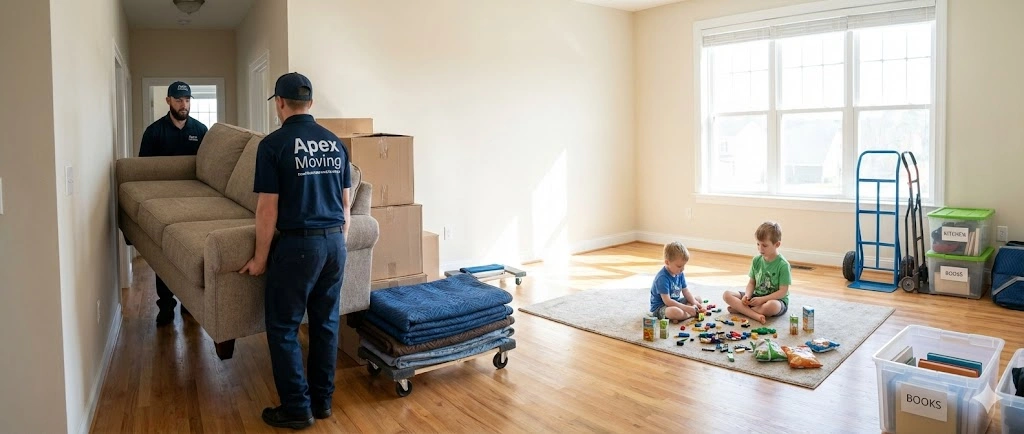
The best advice we got from you was: “Have one room off‑limits to boxes.” That became the “kids’ zone” with snacks, some toys, the iPad. When the house started to echo and the couch disappeared, they had one place that still felt normal.
We always recommend that: build a “safe zone” on moving day. For kids, pets, and honestly, for you when you need five minutes to breathe.
Q: Everyone expects something to go wrong with a move. What surprised you in a good way?
Mike:**
I fully expected something to break. Maybe a TV, maybe a table leg. Nothing major did. A few scuffs, sure, but the crew wrapped stuff way more carefully than I ever would have.
Laura:
For me, it was how much lighter I felt once the truck pulled away. I cried, obviously. But then I felt this strange calm. For weeks I’d been carrying this huge to‑do list in my head. Once everything was on the truck, there was this sense of, “Okay, it’s in motion now. We’re doing it.”
We see this shift all the time on long‑distance moves: panic → control → grief → relief. It’s oddly predictable.
Q: And the not‑so‑fun surprises?
Laura:
How disorienting it was to be in an empty house. You think you’re attached to your stuff, but it’s also your routines. That first night after the truck left, we slept on air mattresses with basically nothing in the house. The kids’ voices echoed. I suddenly felt like a guest in my own place.
Mike:
The other surprise was how long the last little 10% takes. We had done 90% of the packing, but those last random drawers, half‑used soaps, things in the fridge… that took hours. If we did it again, I’d start that “final sweep” a day earlier.
From our perspective, those “last bits” are what stress people the most. That’s one reason some families hire us for partial packing: we handle the fragile kitchen, décor, and awkward items so that on moving day, they’re not still hunting for bubble wrap.
The Martins decided to drive their own car and fly the grandparents out later to help on the Florida side.
Q: Any regrets about driving instead of flying?
Mike:**
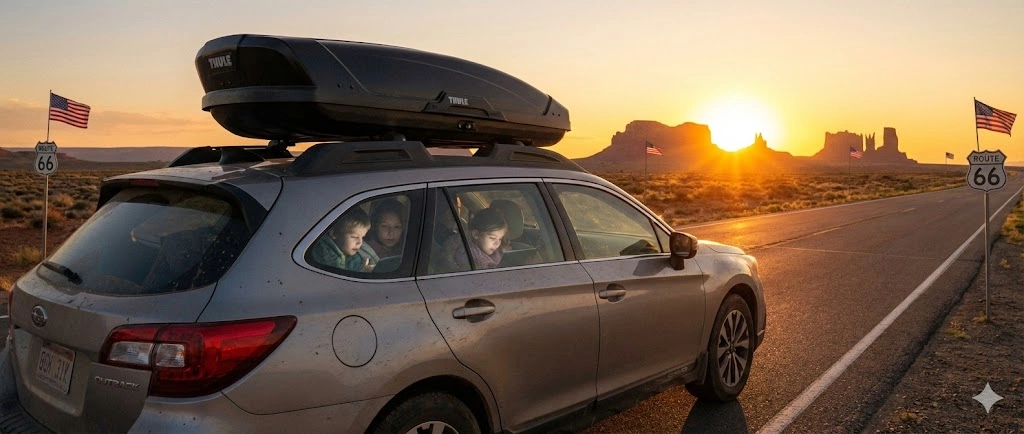
No regrets, but I will say: it was not a vacation. The idea of “seeing the country” was nice, but with kids, there’s a limit to how much everyone wants to admire the desert from a rest stop.
Laura:
Still, I’m glad we drove. It gave us this feeling of crossing the distance with our own bodies, not just teleporting from one airport to another. We got to slowly adjust to the idea that home was moving east.
They broke the trip up into manageable chunks, pre‑booked hotels with breakfast included, and kept a “car essentials” box: snacks, basic meds, extra clothes, chargers, one small toy bag per kid.
We always remind families: your move isn’t just about your things traveling; it’s about how you travel too. Planning the human side is just as important.
Q: You’ve crossed the country. You’re in Hallandale Beach. New place, new air, new humidity. What was it like when your belongings finally arrived?**
Laura:**
I remember hearing the truck before I saw it. That low rumble, then the beep of it backing in. I didn’t realize how much I’d been holding my breath until that moment. I thought I’d freak out about possible damage, but honestly, I was mostly excited to see our couch again.
Mike:
We had been in the new house a couple of days with just air mattresses and a folding table. When the crew started bringing in furniture, it instantly felt less like an Airbnb and more like: okay, we live here now.
We plan long‑distance deliveries as windows, not exact hours, because traffic, weather, and previous stops can affect timing. With the Martins, we coordinated so their arrival to Hallandale Beach and the truck delivery window lined up tightly, not perfectly — a couple of days in between for them to settle and do utilities, but not weeks of camping.
Q: Anything you wish you had done differently on the receiving end?
Laura:
I wish we had been stricter about labeling. Some of our “kitchen” boxes were more like “kitchen plus random hallway drawer.” When you’re packing it’s tempting to throw odds and ends wherever they fit. Two weeks later, you’re opening twelve boxes to find the can opener.
**Mike:**
And I’d say: build a “first 72 hours” kit. We had a basic essentials bag, but we underestimated some stuff:
We always recommend an “open first” box or suitcase that never goes on the truck:
United Prime Van Lines can bring everything else; that small core needs to stay with you.
Q: Looking back, what was the hardest emotional moment for each of you?
Laura:
Saying goodbye to my best friend in California. We had this totally normal coffee together a few days before we left, pretending it was just another Tuesday. When I hugged her at the car, I lost it. Moving cross‑country is not just about geography; it’s about deliberately putting distance between you and people you love.
Mike:
For me, it was the first night in the new house. Everyone was asleep. I walked through the empty rooms and thought, “What if we made a mistake?” Not because the house was wrong, but because the old life was familiar.
We try to remind people: it’s normal to grieve the old place even if you’re genuinely excited about the new one. Both can be true at the same time.
Q: How did Emma and Noah handle the change?
Laura:
Kids are wild. They’ll cry over leaving a playground, then happily jump into a hotel pool an hour later. Emma had a tough time saying goodbye to her teacher, but she also loves telling people now, “We used to live in California.”
Mike:
What helped most was consistency. Same bedtime routine. Same stuffed animals. Same bedtime story — it was like their anchor across the country.
From our side, when we’re planning a family move, we always ask about the kids. Ages, school timing, routines. The more we can protect those basic rhythms, the smoother the transition feels.
We closed by asking them what they’d say to another family about to do what they just did.
Laura:
You don’t have to be brave 100% of the time. There were days I was pumped and days I wanted to back out completely. That doesn’t mean it’s the wrong decision; it just means you’re human.
On the practical side:
And don’t try to do everything alone just because you technically could. Having United Prime Van Lines handle the big, heavy, technical part of the move let us focus on the emotional side, and honestly, that’s more than half the battle.
Mike:
Judge your moving company by how they talk to you when you’re stressed, not just by the brochure. Ask the “what if” questions:
The way they answer those tells you a lot.
And if you can, avoid making important decisions at midnight on the floor surrounded by half‑packed boxes. Sleep first. Decide in the morning.
Every time we finish a move like the Martins’ — Chatsworth to Hallandale Beach, old life to new coastline — we’re reminded that we’re not just shipping furniture. We’re helping people take their memories, routines, and comfort across thousands of miles.
From our side at United Prime Van Lines, here’s what we quietly try to do on every long‑distance move:
If you’re somewhere in that “20 browser tabs and mild panic” stage of planning a cross‑country move, you don’t have to have it all figured out to talk to us. We can walk through your situation, your timeline, your budget, and help you see what’s realistic — whether you’re going from South Florida to the West Coast, from California to the East Coast, or anywhere in between.
You handle the big life decision. We’ll handle getting your life from point A to point B.