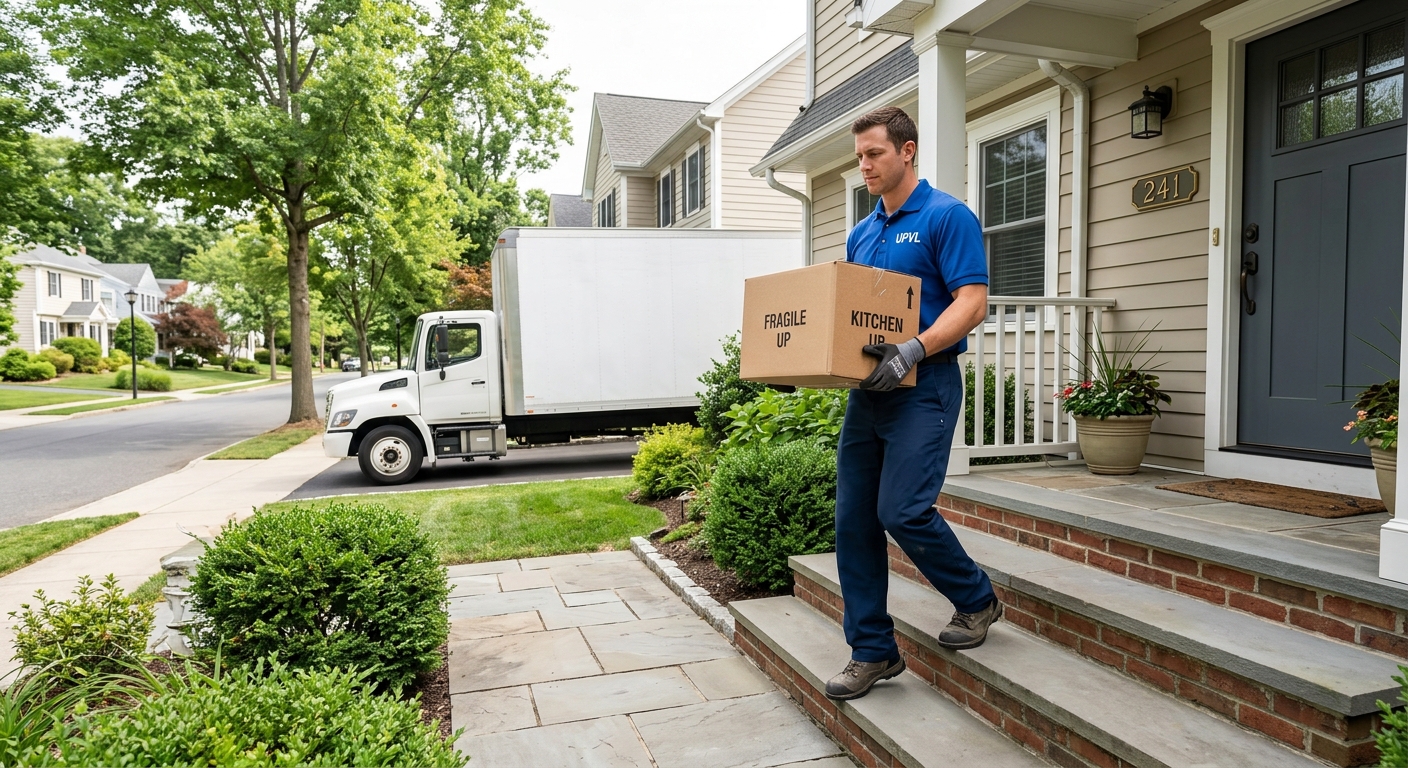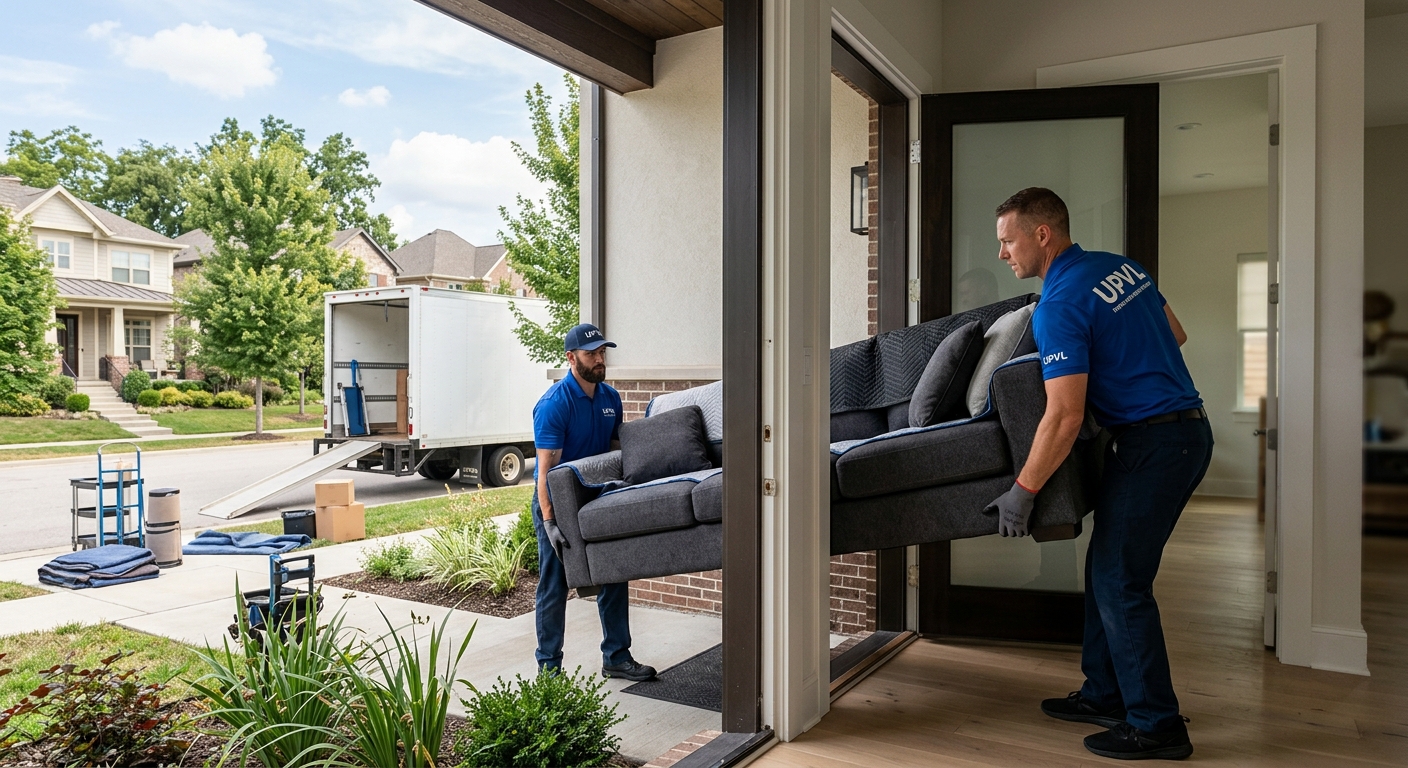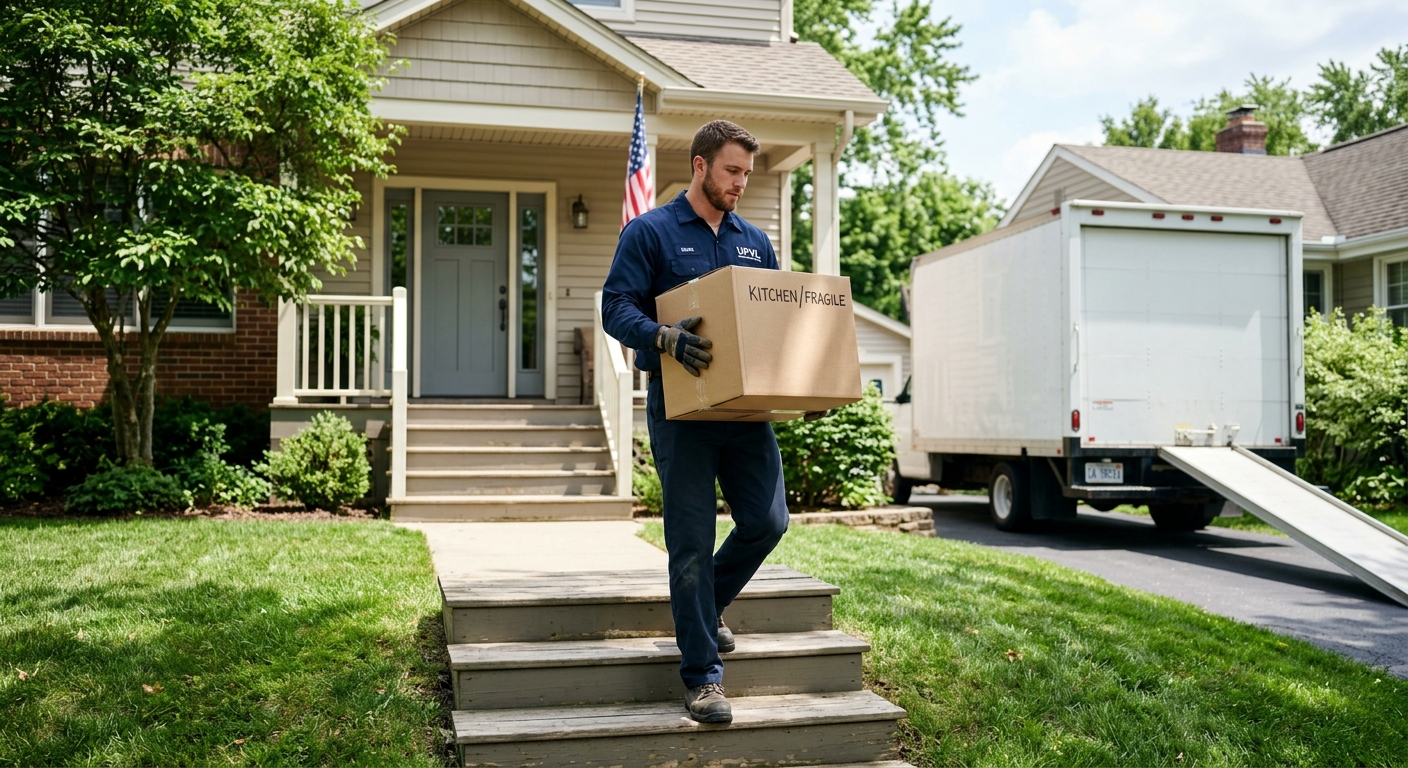
Need help getting a new sofa upstairs, assembling flat‑pack furniture, or shifting heavy pieces between rooms? Short, small furniture moves in Miami can be just as stressful as a full relocation. With the right furniture movers on your side, you save your back, protect your home, and finish the job in a single visit.
Quick Navigation
Furniture delivery Miami services focus on short, targeted jobs: getting a new piece from store to home, moving a sofa through a tight condo hallway, or setting up a bedroom set without damaging floors or walls. These moves are small in scope but high in risk for injury and property damage if you go DIY.
Professional moving help Miami is worth considering any time:
Miami has a dense mix of high‑rises in Brickell and Downtown, historic homes in Coral Gables, and tight parking in Miami Beach. All that makes even “just one dresser” harder than it sounds. A good furniture moving team knows the buildings, routes, and rules, and brings the right tools, pads, and dollies to do it safely.
| DIY Small Move | Hiring Furniture Movers | Best Choice When… |
|---|---|---|
| Borrowed truck, limited tools | Proper truck, dollies, pads, tools | You have more than 1–2 small pieces |
| High risk of injury or damage | Trained crew, insured service | Items are heavy, fragile, or expensive |
| Uncertain timing, weather issues | Scheduled arrival, building coordination | Your building has strict time slots |
| You handle assembly alone | Furniture assembly Miami pros set up | Items come flat‑packed or complex |
If your project is part of a larger apartment or house move, combining services with a full-service mover like United Prime Van Lines apartment moving or house moving can keep costs efficient and minimize multiple crews coming in and out of your home.
Most people searching for furniture delivery Miami or moving labor Miami don’t need a full truck move. They need targeted, “small job” services that can be scheduled for a short window and billed with a low minimum.
Here’s how Miami furniture movers usually break down small-job services:
| Service Type | What It Includes | Typical Use Cases |
|---|---|---|
| Store-to-Home Furniture Delivery | Pickup from retailer or warehouse, transport, basic placement | New sofa, dining set, mattress, or bedroom set delivery |
| In‑Home or Room‑to‑Room Moving | Rearranging within same home/condo, upstairs/downstairs moves | Remodeling, new baby room, home office setup, staging |
| Furniture Assembly | Assembly of flat‑pack or delivered items, basic tool supply | IKEA-style furniture, bed frames, desks, wall units |
| Labor‑Only Loading/Unloading | Loading PODs or rental trucks, unloading into home | Hybrid DIY moves, out‑of‑state containers, storage units |
With furniture delivery Miami, the movers pick up from a store, warehouse, or marketplace seller and bring the items into your home. This can be a one‑time visit or scheduled to coordinate with store arrival windows.
Typical steps:
Many customers combine delivery with assembly so they can sit on the sofa or sleep in the bed the same day it arrives.
Room‑to‑room moving can be as small as moving a single dresser or as involved as clearing an entire first floor for new flooring. It’s one of the most common requests under the moving help Miami category.
Common reasons to hire movers just to rearrange:
Movers bring floor runners, door jamb protectors, and pads to avoid damage. They’re also practiced at solving tight turns, narrow stairwells, and tricky angles in Miami condos and townhomes.
Furniture assembly Miami services focus on getting your new pieces not just delivered, but fully usable. Many modern furniture items arrive flat‑packed or partially disassembled, especially from IKEA, Wayfair, or online retailers.
A typical assembly service may include:
Assemblers can handle:
Some customers ask movers to disassemble then reassemble existing furniture when moving between rooms or floors. This is especially important for larger pieces that can’t fit through doorways fully assembled.
Labor‑only moving labor Miami means you provide the truck or container, and the movers provide the muscle. This is popular for:
Labor‑only crews typically bring dollies, basic tools, and straps, but you should confirm exactly what they provide. For larger DIY moves, you can combine labor‑only loading at origin with full‑service unloading at destination from a long‑distance carrier like United Prime Van Lines interstate movers.
Many Miami movers treat these as add‑on services to full moves, but will also book them as stand‑alone jobs if you meet the minimum hours:
Short furniture moves in Miami often involve the same logistics as a full-scale relocation: parking, building rules, and weather. Ignoring these can lead to fines, delays, or rescheduling.
Many Miami buildings—especially in Brickell, Edgewater, Downtown, and Miami Beach—require advance approval for any move, even a small furniture delivery. Policies vary by building, but common rules include:
Typical timeline: buildings want COIs and elevator bookings 24–72 hours before the move. Last‑minute moves may not be allowed at all unless the building is flexible.
| Area | Common Building Requirements | Planning Tip |
|---|---|---|
| Brickell / Downtown | Strict freight elevator windows, COI always required | Book movers 3–5 days ahead to secure time slot |
| Miami Beach | Tight parking, alley access, HOA rules | Share loading location photos with your mover |
| Coral Gables | Older homes, narrow doors, delicate finishes | Ask movers about protection for floors and doorways |
| Doral / Kendall | Many gated communities and townhomes | Confirm gate codes and truck clearance in advance |
Parking is a real constraint for furniture delivery Miami services. Movers may need to parallel park on busy streets or use alleys and service entrances.
Helpful steps to reduce surprises:
Some Miami Beach and Downtown buildings only allow smaller box trucks in garages. Ask your moving company whether they can send the appropriate vehicle size.
Miami’s climate adds unique concerns:NOAA notes that South Florida is hot and humid much of the year, with a rainy season and hurricane risk. That matters when moving wood furniture, leather sofas, and electronics.
Key weather considerations:
Good movers watch the forecast and may recommend flexible timing to avoid the worst downpours or unsafe conditions.
For furniture delivery Miami and small in‑home jobs, pricing is usually based on hourly rates with minimum hours, plus drive time and any special fees. Flat‑rate quotes are more common for simple, predictable jobs like one sofa delivery from a known store to a standard building.
Your price depends on several elements:
| Cost Component | How It’s Charged | When It Applies |
|---|---|---|
| Hourly Labor Rate | Per hour for a 2–3 person crew | Most small moves and in‑home jobs |
| Minimum Hours | 2–3 hour minimum common in Miami | Short jobs still billed to minimum |
| Travel/Service Fee | Flat or equivalent of 1 hour | To cover truck, fuel, and drive time |
| Assembly Fee | Hourly or per‑piece | Bed frames, wardrobes, desks, TV stands |
| Stairs / Long Carry | Hourly or per flight/long carry | Walk‑ups, far parking, no elevator |
Because companies update rates often, get a written estimate describing hourly rate, minimum hours, and any potential extra charges. For interstate consumer moves, the FMCSA regulates estimates and paperwork; while that doesn’t strictly govern tiny local jobs, reputable movers still follow clear, written quoting practices.
Every job is unique, but these examples can help you budget. (These are illustrative ranges, not a quote.)
Ask if the company offers slightly lower rates Monday–Thursday or midday when demand is a bit lighter—this can be a good way to keep costs down for flexible customers.
Customers often ask how estimates for small jobs differ from full moves. For local, short jobs within the Miami metro, most movers use hourly pricing rather than complex written moving tariffs.
Both options exist, but each fits different scenarios.
| Pricing Type | Best For | Pros / Cons |
|---|---|---|
| Hourly Rate | Uncertain job length, multiple pieces, rearranging | Fair if it goes quickly; final bill depends on time used |
| Flat‑Rate | Very clear, simple jobs (e.g., single sofa delivery) | Predictable cost; may be a bit higher to cover risk |
| Per‑Piece Assembly | Standardized items with known assembly times | Easy to compare prices; complex pieces may cost more |
| Hybrid (Hourly + Fees) | Jobs needing special handling or access | Transparent but requires careful quote review |
For interstate moves, you’ll often see binding and non‑binding estimates defined clearly by the FMCSA. For small local Miami jobs, those legal categories usually don’t apply in the same formal way, but you can still ask your mover if your quote is a firm flat rate or an estimate based on time and conditions.
Most Miami movers enforce minimum hours even for very small jobs. A 2–3 hour minimum is common because the company must pay the crew, dispatch, truck, and fuel even if they’re only actually moving items for an hour.
How minimums affect you:
When you call, ask directly: “What’s your minimum charge for labor‑only moving help Miami?” and then plan enough work to make good use of that time.
Even if your project is just a couch, your written or emailed quote should clearly list:
Getting everything in writing keeps your expectations aligned and gives you an easy way to compare different companies.

Even for a single‑item job, protection matters. A scratched wood floor or chipped marble corner can quickly outweigh any savings from DIY. Quality moving help Miami services plan protection and packing as carefully for small jobs as for full moves.
Professional furniture movers typically use:
Before booking, ask what protection they include by default and what’s extra, if anything.
You can reduce your bill and speed up the job by preparing before the crew arrives:
Movers love walking into a space that’s “move ready.” It maximizes what they can accomplish within your minimum hours.
If you’re moving antiques, art, or high‑value items, ask about specialty services. Some Miami movers offer:
For this level of protection, you may be referred to a specialty provider like United Prime Van Lines art and antique moving, which focuses on custom packing and secure handling.
Sometimes furniture can’t go straight from point A to point B. Remodeling, delayed closings, and travel schedules often create a gap. That’s where short‑term storage comes in.
Miami customers often use storage when:
Movers can pick up furniture, protect it, and store it in a warehouse until you’re ready. Then they deliver and place everything back in your home.
| Storage Type | Best For | Pros / Cons |
|---|---|---|
| Warehouse Vault Storage | Small to mid‑size furniture sets | Protected environment; access via your mover, not DIY |
| Open Racking in Warehouse | Larger items or overflow | Flexible space; may require extended notice to access |
| Self‑Storage Unit | DIY frequent access | You control visits; requires your own protection/pads |
| Portable Container Storage | Moves linking storage to a new address | Delivered to your home; loading/unloading often labor‑only |
If you use a mover‑managed storage solution like United Prime Van Lines storage, ask how often you can access your items, what security is in place, and whether the facility is climate‑controlled—important in Miami’s humidity for wood and upholstered pieces.
Even for small jobs, you want properly licensed and insured movers. Damage to a luxury condo lobby or an injury on site can be expensive if the crew isn’t legitimate.
Local and in‑state moves in Florida are governed by state and sometimes local regulations. The Florida Attorney General provides guidance on what moving companies must disclose, including written estimates and basic insurance information, for intrastate moves.
For interstate moves (out of Florida), movers must have a U.S. DOT number and are regulated by the FMCSA. Although furniture delivery Miami for short, local trips may not cross state lines, companies that also do interstate work will have this federal registration as well.
When checking a mover:
There’s a big difference between movers’ liability (valuation coverage) and full‑scale insurance. For consumer awareness, the FMCSA uses terms like “Released Value Protection” and “Full Value Protection” on interstate moves. For local small jobs, language may vary, but concepts are similar.
For small local Miami furniture jobs, many movers include only a basic valuation unless you purchase additional coverage or use your own homeowners/renters insurance. Ask clearly:
A Certificate of Insurance (COI) is a document proving that the moving company carries certain types and levels of insurance, such as general liability and workers’ compensation. Many Miami condo and apartment buildings require a COI for any move or furniture delivery.
Typical COI details:
Your building’s management or HOA should provide a sample or requirements list. Share this with your mover at least a couple of days before the job. Reputable movers like United Prime Van Lines in Miami are used to preparing COIs for local buildings.
Use this checklist to keep your furniture delivery or room‑to‑room move organized and efficient.
| Task | When to Do It | Notes |
|---|---|---|
| Measure furniture and key doorways | 3–7 days before | Confirm pieces will fit through doors, stairs, elevator |
| Confirm building rules and COI requirements | 3–5 days before | Reserve freight elevator and loading dock if needed |
| Get and compare written quotes | 3–5 days before | Verify hourly rate, minimum hours, and any fees |
| Clear pathways and protect small items | Day before | Remove rugs, children’s toys, and fragile décor |
| Take condition photos of furniture | Day before | Useful in case of damage claims |

Yes. Many companies that offer furniture assembly Miami are happy to handle assembly‑only jobs, even without transport. This is ideal if you’ve ordered items through an online retailer that delivers to your door, but you don’t want to deal with flat‑pack instructions or heavy lifting. Ask about their minimum hours and whether they price per item or by the hour.
Absolutely. Labor‑only moving labor Miami services are designed exactly for this: shifting items between rooms, floors, or nearby units in the same building. The movers bring dollies and basic tools, but you provide the space and any building access arrangements. It’s a cost‑effective way to avoid injury and damage while rearranging your home.
Most Miami movers have a 2–3 hour minimum charge for local, small furniture jobs. That minimum covers travel time, dispatching, and the crew’s wages. Even if your project only takes an hour, you’ll usually be billed for the full minimum. To get the most value, plan additional tasks—assembly, hanging art, or extra rearranging—within that same visit.
For weekday, mid‑day jobs, 2–3 days’ notice is often enough. If your building requires elevator reservations and a COI, it’s safer to book 4–5 days in advance so paperwork can be processed. Weekends, month‑end dates, and peak summer periods fill quickly, so reach out at least a week ahead when possible.
Some movers offer haul‑away or disposal services for old furniture, while others focus strictly on delivery and assembly. Disposal may be billed separately and can depend on local dumping and donation rules. If removal is important, ask in advance whether they can take old pieces and what the cost will be.
Yes. IKEA and other flat‑pack brands are among the most common jobs for furniture assembly Miami services. Movers are familiar with the hardware and instructions, but it’s helpful if you keep manuals and original hardware together. For very complex wall units or systems, ask about experience and estimated time beforehand.
For safety and to avoid damage, it’s best to empty dressers, cabinets, and entertainment centers before movers arrive. Light clothing in a short dresser may sometimes be okay for short moves inside the same room, but anything heavy, breakable, or loose should come out. Your mover can give specific guidance based on the piece and distance.
Movers have a legal duty of reasonable care, but their financial responsibility is limited by the valuation coverage in your contract. Basic coverage is often calculated per pound, which may not reflect full replacement value. For higher‑value items, ask about upgrading coverage or using your own homeowners/renters insurance. Always read the estimate and bill of lading carefully to understand coverage limits.
Many do, but building rules may limit your options. Some high‑rise condos only allow moves during weekday business hours, even for small deliveries. If evenings or weekends are important, confirm both with your building management and the moving company before you book.
Tipping is optional but appreciated. For a small 2–3 hour furniture delivery or assembly job, many customers tip $10–$20 per mover, or more if the job was particularly difficult (many stairs, heavy or delicate items) or the crew went above and beyond. Cash tips are still most common, but some companies can add a tip to your final invoice by card.
For Florida moves, the contact information is:
Furniture movers in Miami aren’t just for big relocations. For many households, the most stressful tasks are the small ones: getting that oversize sofa up to the 20th floor, assembling a wall full of shelving, or moving a bedroom set without dinging the walls. Professional moving help Miami can turn those jobs into a quick, low‑stress appointment instead of an all‑day DIY struggle.
By understanding services, costs, hourly minimums, and building rules—plus choosing licensed and insured movers—you can protect your furniture, your home, and your schedule. Whether you need simple furniture assembly Miami, store‑to‑home delivery, or full room‑to‑room rearranging, planning ahead and working with a reputable company ensures your small move feels just as well managed as a full one.