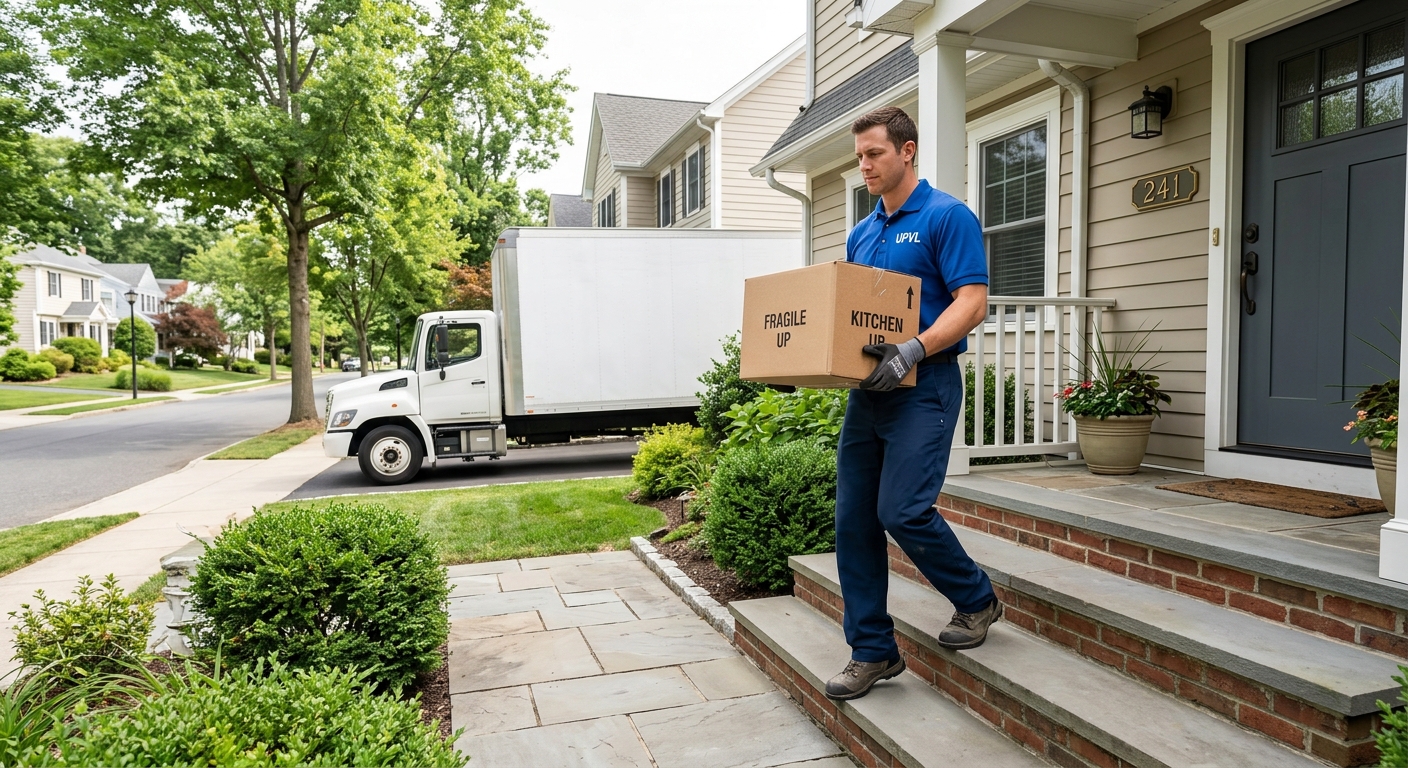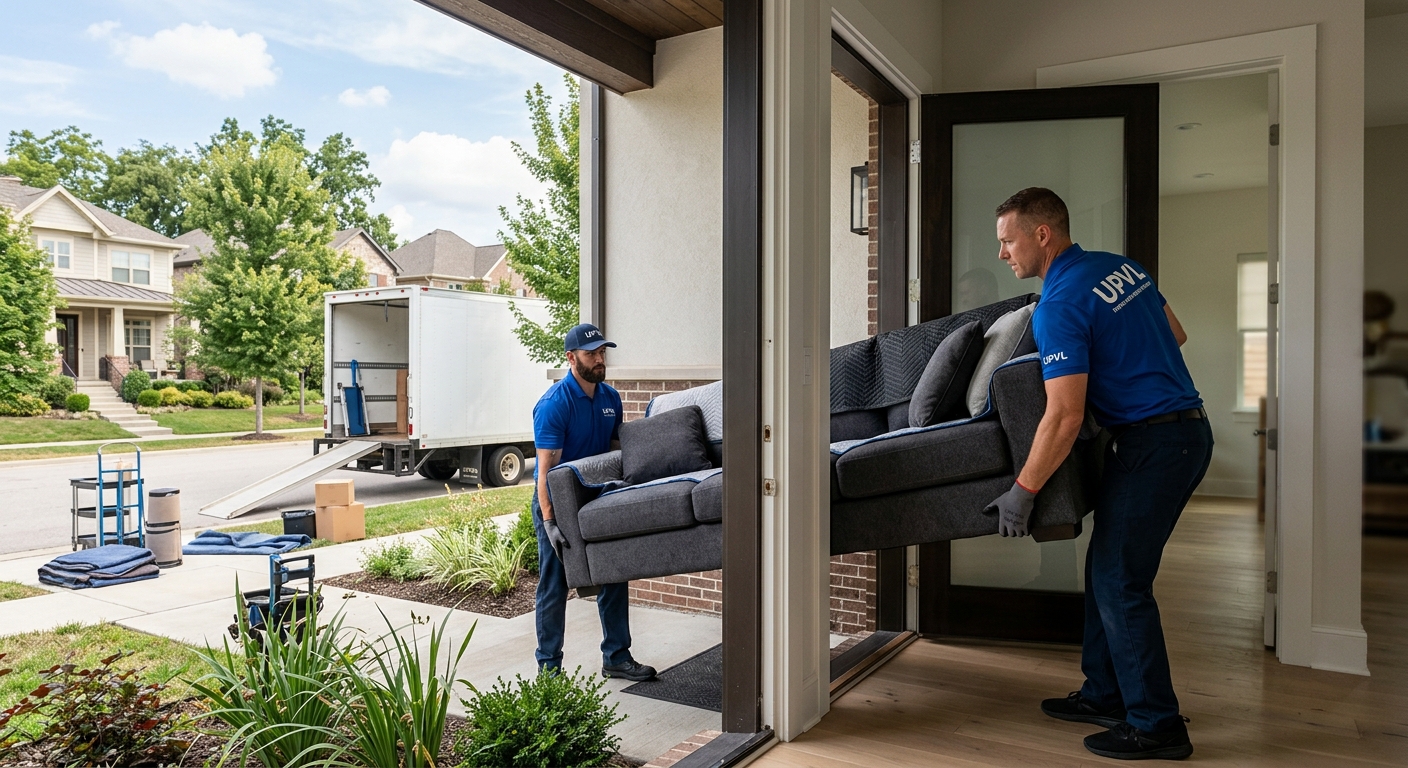
Planning a move and trying to figure out how much movers cost in Miami can feel confusing. Between hourly rates, flat fees, packing charges, and building rules, it’s hard to know what’s normal and what’s overpriced. This detailed guide walks through real price ranges, how Miami-specific factors change your bill, and how to read a moving quote so you can budget with confidence.
Quick Navigation
Moving in Miami is more complex than just loading a truck. The city’s high-rise condos, strict HOA rules, tropical weather, and busy streets all affect moving company prices in Miami.
Understanding how prices work in this market helps you:
Miami also has unique risk factors—heavy summer rain, hurricane season, and tight loading zones around Downtown, Brickell, and Miami Beach—that influence schedule and cost. Knowing what movers look at when pricing your job makes it easier to ask smart questions and choose the right level of service.
Most customers want a straight answer: what is the average cost of movers in Miami?
For a typical local move within the Miami metro area, here are realistic ballpark ranges for professional movers (labor + truck) for a same-day move:
| Home Size | Typical Crew Size | Typical Total Cost Range (Local) |
|---|---|---|
| Studio / Small 1-bedroom | 2 movers | $350 – $750 |
| 1–2 bedroom apartment | 2–3 movers | $550 – $1,150 |
| 2–3 bedroom house or large condo | 3–4 movers | $950 – $2,000 |
| 4+ bedroom house / large family home | 4–5 movers | $1,800 – $4,000+ |
These ranges assume a local move of 25 miles or less with reasonable access and no extreme complications. Prices can go higher if you have:
For long-distance or state-to-state moves from Miami, movers typically price based on weight (or cubic feet) plus distance. It is common to see full-service interstate moves from Miami to major hubs like New York, Atlanta, or Dallas land between $2,500 and $8,000+, depending on home size, services, and timing.
To get more precise, let’s break down the main cost components: service types, local vs. long-distance pricing, packing, storage, hourly rate vs flat-rate, and building-related fees.
Different move types come with different cost structures. Here is how professional movers commonly categorize Miami moves and how that affects pricing.
| Service Type | What It Includes | How It’s Usually Priced |
|---|---|---|
| Local residential move | Within ~25–50 miles of Miami; apartments, condos, houses | Hourly rate (crew + truck) with potential minimum hours and add-ons |
| Long-distance / interstate move | From Miami to another state (e.g., GA, NY, TX) | Weight or volume + distance; often a binding or non-binding estimate |
| Intrastate Florida move | Within Florida, over typical local radius (e.g., Miami to Orlando) | Can be distance-based or weight-based; sometimes flat-rate |
| Office / commercial move | Offices, clinics, retail spaces; often nights or weekends | Hourly rate or project-based flat fee; includes extra labor planning |
| Labor-only move | Movers load/unload your rental truck or container | Hourly rate for labor only (no truck) |
If you are unsure which category your move falls into, ask the moving company how they define “local” versus “long-distance,” since that directly controls how your estimate is calculated.
For comparison across services, companies like United Prime Van Lines typically offer both local moving within Miami and full long-distance moves with packing and storage options, priced according to the rules for each service type.
Here are a few realistic route examples showing how location and building access shape the final bill:
Most Miami residents are dealing with a local move—often from one neighborhood or suburb to another. That means your cost is usually driven by the hourly rate, number of movers, and how long the job takes.
Moving company prices in Miami for local jobs commonly follow a per-hour formula: a set price per hour for a crew plus truck, with a minimum number of hours.
| Crew Size (Movers + Truck) | Typical Hourly Rate Range | Best For |
|---|---|---|
| 2 movers + 1 truck | $110 – $160 per hour | Studios, small 1-bedrooms, partial moves |
| 3 movers + 1 truck | $140 – $210 per hour | 1–2 bedroom apartments, small houses, moderate volume |
| 4 movers + 1 truck | $180 – $260 per hour | 2–3 bedroom homes, large apartments or condos |
| 4–5 movers + 2 trucks | $240 – $360+ per hour | 4+ bedroom houses, high-volume or complex moves |
These ranges are typical for reputable, licensed movers and may already include fuel and basic equipment. Lower advertised hourly rates sometimes hide extra fees—such as separate truck fees, fuel surcharges, or high charges for tape and shrink wrap—so always ask what is and is not included.
Local Miami movers almost always have a minimum charge. Common setups:
For example, if your rate is $150/hour for a 3-mover crew with a 3-hour minimum plus 1 hour travel time, the minimum bill would be:
Even if the team finishes in 2.5 hours, you’d still pay for 3 labor hours (plus the travel time) because of the minimum.
Access can make a big difference in how long a move takes in areas like Brickell, Miami Beach, and Downtown.
| Area / Neighborhood Type | Common Challenges | How It Can Affect Cost |
|---|---|---|
| Brickell / Downtown high-rises | Loading docks, elevator reservations, long walks, strict move windows | More crew hours; sometimes requires larger crew for efficiency |
| Miami Beach condo buildings | Limited street parking, narrow streets, older elevators | Extra time for parking, shuttling items, building rules |
| Suburban areas (Kendall, Doral, Cutler Bay) | Driveways, easier truck access | Faster load/unload; often fewer total hours |
| Historic neighborhoods (Coconut Grove, Coral Gables) | Narrow streets, low tree branches, sometimes limited truck parking | May require smaller trucks or extra walking time |
When you describe your move to a company, mention your building type, elevator situation, and parking setup. The more detail you give, the more accurate your local moving estimate will be.
For state-to-state or cross-country moves starting in Miami, companies usually switch from hourly rates to weight- or volume-based pricing.
On interstate moves, the Federal Motor Carrier Safety Administration (FMCSA) regulates how licensed movers must handle estimates, paperwork, and your rights. This is different from purely local Florida moves.
These are rough estimates for a full-service, door-to-door interstate move including loading, transportation, and unloading (excluding packing and storage):
| Move Type / Route Example | Home Size | Typical Cost Range |
|---|---|---|
| Miami to Orlando / Tampa (long intrastate) | 1–2 bedroom | $1,200 – $3,000 |
| Miami to Atlanta / Charlotte | 1–2 bedroom | $2,000 – $4,000 |
| Miami to New York / New Jersey | 2–3 bedroom | $3,500 – $7,000 |
| Miami to Texas (Dallas, Houston, Austin) | 3–4 bedroom | $4,000 – $8,500+ |
Prices rise with more volume, longer distances, premium delivery dates, packing services, and storage-in-transit.
For long-distance moves, understanding estimate types is critical:
For larger or more complex moves, many customers prefer a binding or “binding not-to-exceed” estimate so they have better price certainty.
Long-distance moves rarely come with a guaranteed exact delivery date unless you pay for exclusive or expedited service. Instead, you get a delivery window (for example, 2–7 days, 5–14 days, etc.), depending on distance and route.
When budgeting, ask the mover how your preferred date range affects pricing and whether storage-in-transit is available if your new home isn’t ready on the earliest possible delivery date. Companies like United Prime Van Lines long-distance moving can include storage and flexible delivery in a single plan.
Packing is one of the biggest variables in your total bill. You can save money by packing yourself, but professional packing can protect fragile items and speed up move day.
Most Miami movers offer several levels of packing service:
| Packing Level | What It Includes | Typical Cost Impact |
|---|---|---|
| Self-pack | You pack all boxes; movers handle furniture and loading | Lowest cost; you pay only for moving labor/transport |
| Partial pack | Movers pack your kitchen, fragile items, or selected rooms | Moderate add-on (few hundred to $1,000+ depending on volume) |
| Full pack | Movers pack everything in the home | Significant add-on, but saves time and offers better protection |
| Unpacking services | Movers unpack boxes, place items on surfaces, remove debris | Additional labor cost; helpful for large or time-sensitive moves |
With providers like United Prime Van Lines full packing services, labor and materials for packing are typically priced separately from basic moving labor.
For local Miami moves, packing is often billed hourly per packer, plus materials. For long-distance moves, packing is sometimes priced per box or as a flat line item.
For a typical 2-bedroom condo with average contents in Miami, partial professional packing (kitchen, dining items, a few fragile decor pieces) might add $300 – $800. Full packing could easily add $800 – $2,000 depending on how much you own and how many packers are needed.
Reputable movers generally include basic furniture protection—blankets, pads, and basic disassembly/reassembly—in the base price. However, special items may incur extra charges:
Ask whether your quote includes all necessary materials and labor for these items, or if they will be added as separate fees.
Many Miami moves involve temporary or long-term storage—for example, when selling a home in Coral Gables before closing on a new place in Brickell, or when relocating out of state but your new lease starts weeks later.
| Storage Type | How It Works | Typical Use Case |
|---|---|---|
| Short-term storage-in-transit (SIT) | Items loaded into vaults or containers by movers mid-move | Delays between move-out and move-in (days to a few months) |
| Long-term warehouse storage | Secured facility with monthly fees, often climate-controlled | Extended relocations, overseas assignments, downsizing |
| Self-storage unit | You rent a unit and move items in/out (with or without movers) | Frequent access or DIY moves with occasional mover help |
| Portable storage containers | Container dropped at your home, then stored in a facility | Flexible staging, DIY packing over time |
Companies such as United Prime Van Lines storage often offer both short-term and longer-term options integrated with your move so you don’t have to manage separate providers.
Storage pricing depends on volume, climate control, and security. Rough ranges:
Be sure to ask about:
Choosing between hourly rate movers in Miami and flat-rate pricing is one of the biggest decisions affecting how predictable your bill will be.
| Pricing Model | How It Works | Best For |
|---|---|---|
| Hourly rate | You pay per hour for crew and truck; final cost = rate × hours | Smaller or straightforward local moves, flexible schedules |
| Flat-rate (local) | Mover estimates time and complexity, then quotes one fixed price | Complex local moves with stairs, elevators, tight timelines |
| Flat-rate (long-distance) | Binding or not-to-exceed estimate based on inventory and distance | Interstate moves where you want price certainty |
| Hybrid pricing | Some services flat, others hourly (e.g., packing hourly, transport flat) | Moves with specific known tasks plus unknowns |
Pros:
Cons:
Pros:
Cons:
There isn’t a universal winner. For a small, easy move with minimal risk of delays, hourly can often be cheaper. For complex condo or high-rise moves, flat-rate may protect you from unexpected overtime due to elevator waits or loading dock rules.
Candidates for hourly pricing:
Candidates for flat-rate pricing:
When you request quotes, ask companies (like United Prime Van Lines local moving) to explain the pros and cons of both pricing models for your specific situation.
In Miami, you want to be sure you are hiring a properly licensed and insured mover—not just for legality, but because it affects your financial protection if something goes wrong.
Key points:
A legitimate Miami moving company should be able to provide:
Many customers confuse “insurance” with “valuation coverage.” They are not exactly the same.
FMCSA explains two main types of valuation for interstate moves: Released Value Protection and Full Value Protection. Source: FMCSA.
| Coverage Type | What It Covers | Cost Impact |
|---|---|---|
| Released Value Protection | Minimum legally required coverage for interstate moves; usually $0.60 per pound per article | Included at no additional charge, but very limited payouts |
| Full Value Protection | Mover is responsible for repair, replacement, or cash settlement up to declared value | Costs extra; often based on a per-pound or declared value formula |
| Third-party insurance | Separate policy through an insurance provider for higher-value coverage | Additional premium; may be required for high-end items |
| Custom high-value inventory | Special list of expensive items above a certain amount (e.g., $100+ per pound) | May require higher valuation and premium |
On local Miami moves, valuation rules may differ from interstate standards, but reputable movers still offer levels of protection and may encourage you to list high-value items so they can be properly packed and handled.
Miami’s dense, vertical housing means building rules can significantly affect costs. Two moves with the same furniture volume may take very different amounts of time depending on condo association requirements.
Many Miami condos and office buildings require a Certificate of Insurance from your mover that lists the building as an additionally insured party for the duration of your move.
Important points:
Ask your building and your mover well in advance what is required so COI paperwork does not delay your move or cause last-minute rescheduling fees.
Many high-rises around Brickell, Downtown, and Miami Beach require:
If a building only allows moves during certain hours (for example, weekdays 9 a.m. – 4 p.m., no weekend moves), movers must schedule crews accordingly. If elevator time is limited, movers may need a larger crew to complete the job within the time window, slightly increasing hourly cost but reducing total hours.
Not all fees are “hidden,” but many customers are surprised by them. When you discuss quotes, ask clearly about:
Clear communication about these issues in advance makes your quote far more accurate and reduces surprise charges on move day.
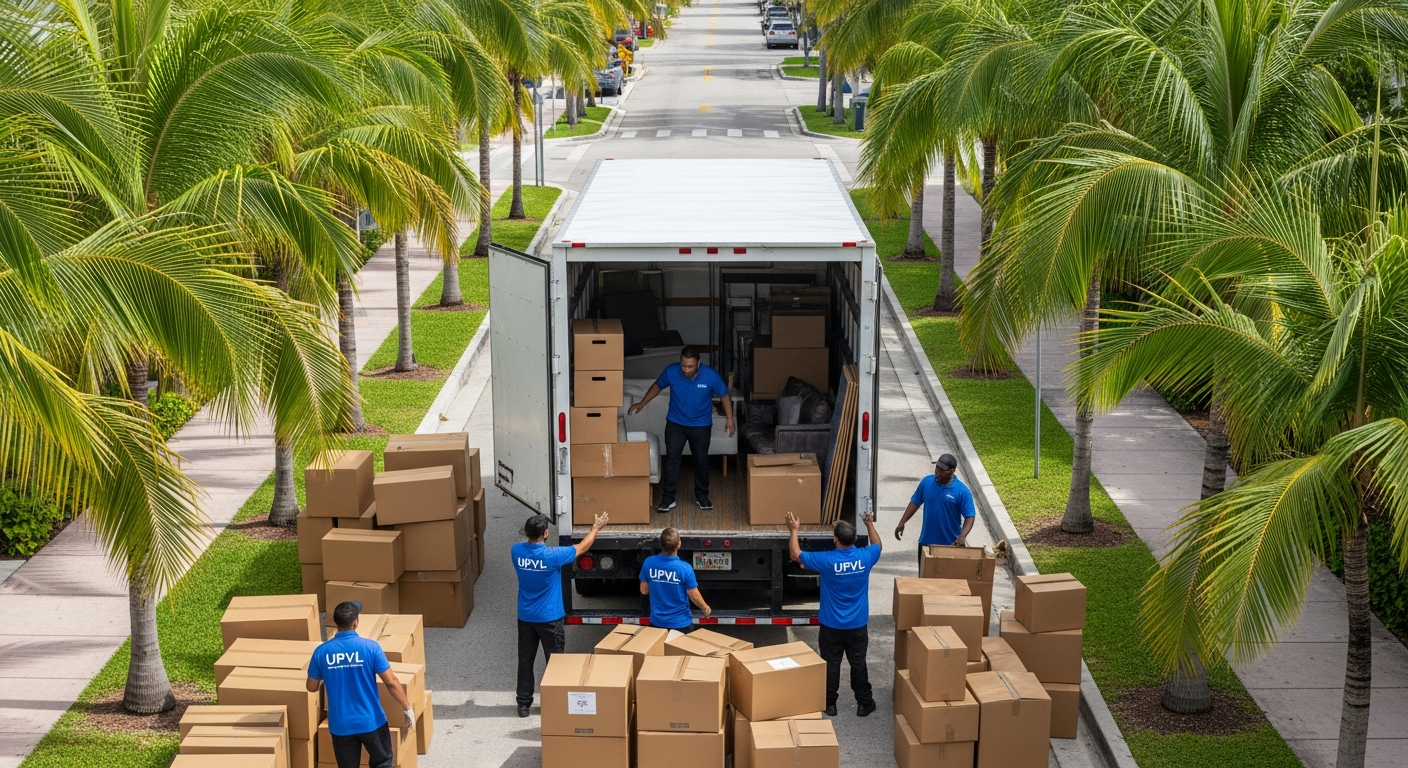
You can’t control everything—especially traffic and weather—but you can significantly influence your final price with some strategic planning.
Most local and long-distance costs are driven by the time and space your belongings occupy. Reducing volume usually means a smaller truck, fewer crew hours, or less packing.
If you want to keep some packing costs down:
Orderly packing and clear labels can reduce time spent on move day, even if movers are doing the loading.
Miami has peak moving times when demand—and sometimes pricing—is higher:
When possible, schedule mid-week, mid-month moves for better availability and sometimes sharper pricing.
Since local movers are often paid by the hour, anything that slows the crew increases your cost. To keep things moving:
If your schedule is extremely tight or you need last-minute help, some companies offer urgent options like last-minute moves, which may carry a premium but can still save money compared with rushed DIY efforts that cause damage.
Use this checklist to make sure you have discussed the most important cost-related items before booking.
| Cost Area | Key Questions to Ask | Confirmed? |
|---|---|---|
| Base rate | What is the hourly rate or flat-rate total? What does it include? | Yes / No |
| Minimums & travel time | Is there a minimum number of hours and a travel time charge? | Yes / No |
| Building rules | Do you require a COI? Elevator reservations? Specific time windows? | Yes / No |
| Access fees | Are there stair, long-carry, shuttle, or parking fees? | Yes / No |
| Packing & materials | How much for packing labor and boxes? What is included? | Yes / No |
| Storage | What are monthly rates and handling fees if I need storage? | Yes / No |
| Valuation coverage | What level of protection is included, and what are upgrades? | Yes / No |
| Changes & overtime | How are changes, extra stops, or overtime billed? | Yes / No |
Share this checklist with each company you get a quote from so you can compare pricing on the same terms.
The average cost of movers in Miami for a local residential move typically ranges from $350 to $2,000+, depending on home size, distance, and complexity. A small studio or 1-bedroom often falls between $350 and $750, while a 2–3 bedroom home might be $950 to $2,000 or more. High-rise condos with strict building rules or longer distances can increase the total.
For local moves, hourly rate movers in Miami commonly charge:
Most companies have a 3–4 hour minimum plus travel time. Final cost = hourly rate × total billable hours, including any travel or additional fees listed in your estimate.
It depends on your move. For a simple, small, ground-floor move with easy parking, hourly can often be cheaper because you only pay for actual time. For complex high-rise or condo moves with elevators, loading docks, and building rules, a flat-rate price can protect you from surprises if the move takes longer than expected. Always ask for both options and compare total expected cost based on your specific situation.
Quote accuracy depends heavily on how detailed your information is and how professional the mover is. A well-done in-home or virtual survey that documents your inventory, building access, and special items can be very accurate, especially with a binding or not-to-exceed estimate. Quick quotes over the phone based on rough guesses are far less accurate and more likely to change on move day. For interstate moves, FMCSA rules require movers to provide written estimates and explain how final charges may change. Source: FMCSA.
Ask about:
Ask each mover to list all potential fees in writing before you book.
For most local Miami moves, booking 2–4 weeks in advance is ideal. During busy times (end of month, summer, or around major holidays), booking 4–6 weeks or more gives you better date choices and sometimes better rates. Last-minute bookings are often possible—especially with services like last-minute moves—but you may pay a premium or have fewer time slots available.
Yes. Most professional Miami movers offer full or partial packing services. Partial packing (like kitchen and fragile items only) for an average 2-bedroom condo might add $300 – $800, while full packing can add $800 – $2,000 or more depending on volume and materials. Prices increase with the number of packers, hours needed, and the quantity of specialty boxes and packing supplies used.
Tips are usually not included in the official moving company prices in Miami. Tipping is optional but customary for good service. A common guideline is $5–$10 per mover per hour for local moves, or a flat amount such as $20–$60 per mover for smaller jobs and more for larger or especially complex moves. Always tip based on your satisfaction and budget.
Most movers do not charge a formal “hurricane season surcharge,” but schedules are more vulnerable. If a storm is approaching, moves may need to be rescheduled for safety, which can compress the schedule around storm-free days and limit availability. Check forecasts from the National Hurricane Center and give yourself extra date flexibility between June and November.
A moving broker arranges moves but does not own trucks or employ the crews. A moving company actually performs the move with its own equipment and staff. Brokers may advertise very low prices, but the final cost and service quality depend on the actual carrier they assign. For price transparency and accountability, many customers prefer working directly with a licensed carrier like United Prime Van Lines, especially for long-distance moves.
For Florida moves, the contact information is:

Understanding how much movers cost in Miami comes down to a few key factors: hourly versus flat-rate pricing, the size and complexity of your move, packing and storage needs, and the unique challenges of Miami’s condo-heavy landscape.
By asking clear questions, sharing detailed information about your home and buildings, and comparing written estimates side by side, you can avoid surprises and choose the level of service that fits your budget and timeline. Whether you are moving from a Brickell high-rise to a Coral Gables house or heading out of state, taking the time to understand pricing now will make your move smoother, safer, and more predictable.