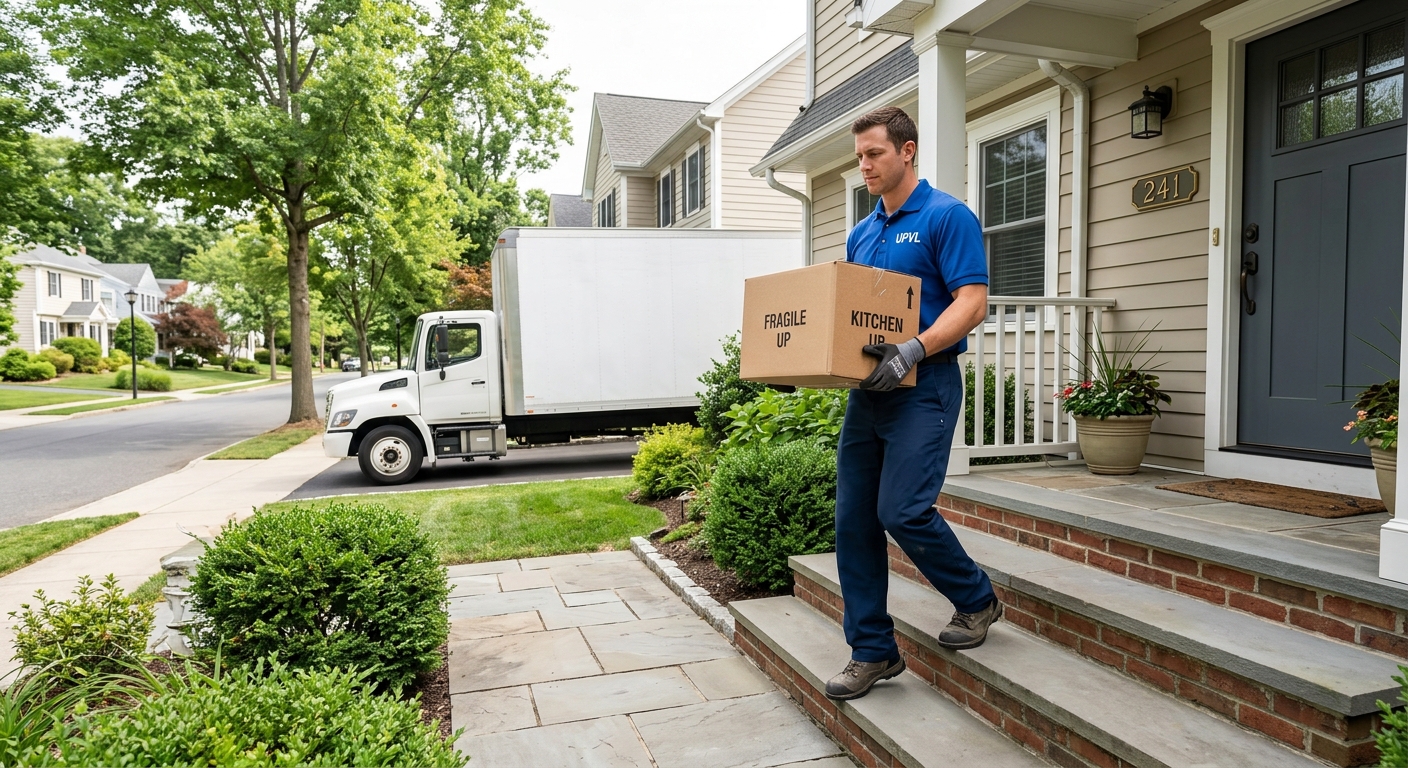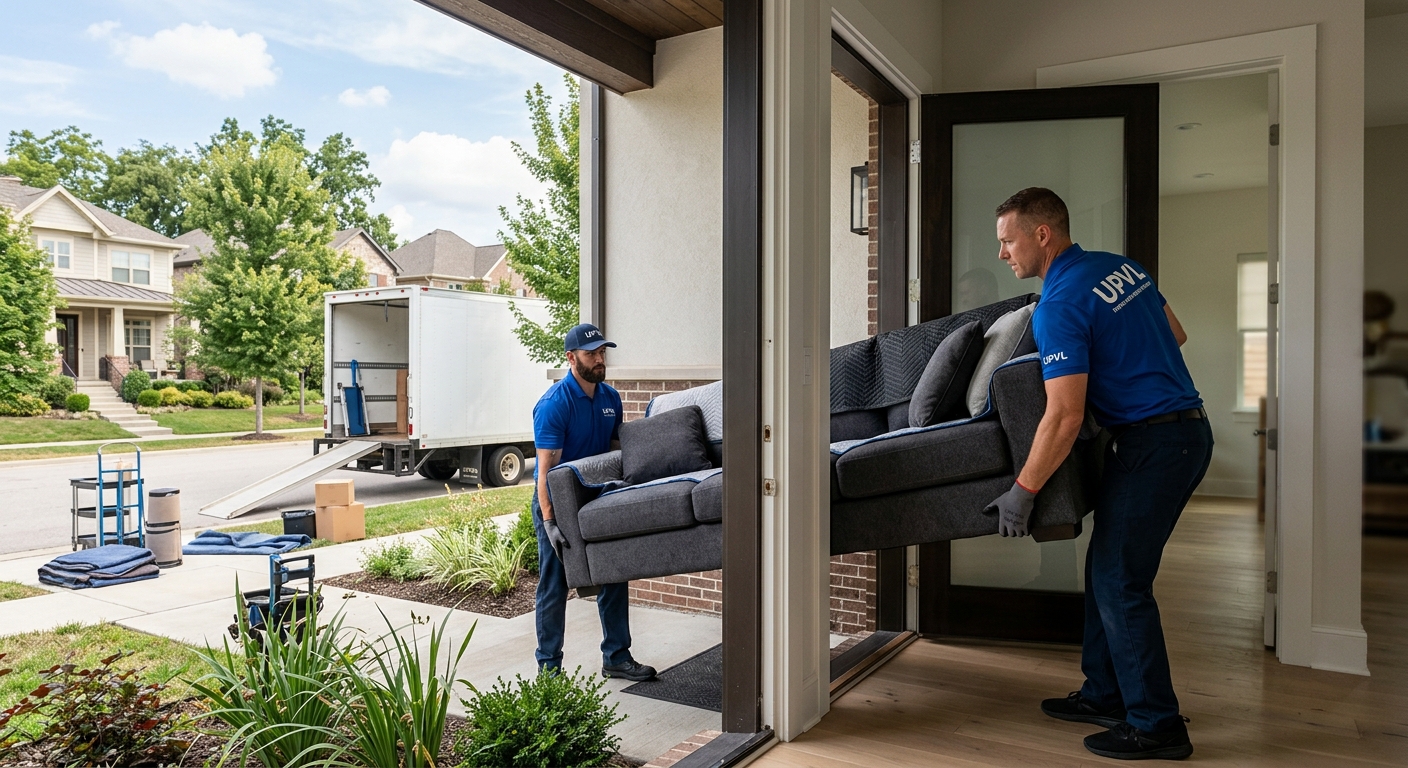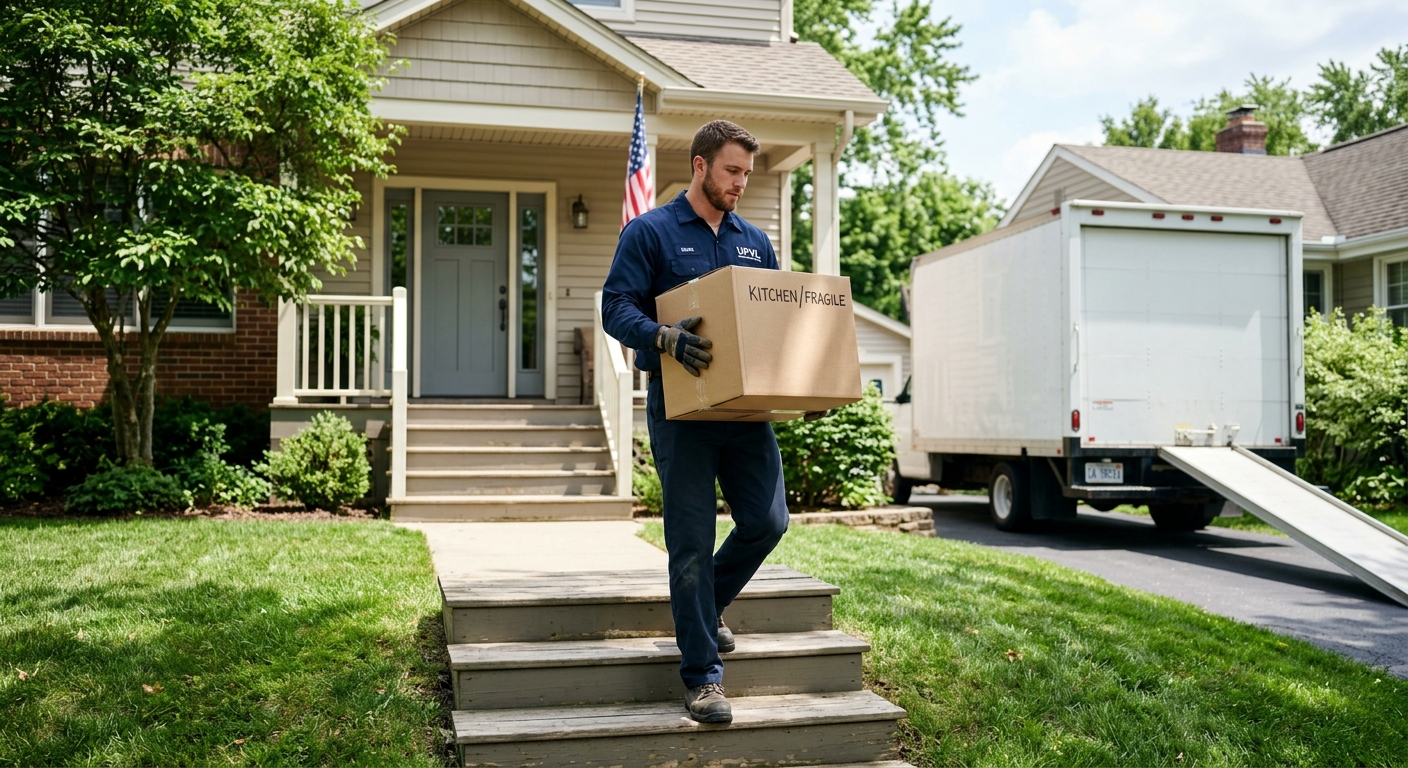
Planning a move from Southern California to the Pacific Northwest is a big step. Whether you are moving from LA to Seattle or heading to Portland, you are changing climate, lifestyle, and cost of living in one long-distance move. With smart planning and the right long-distance movers, that 900–1,200-mile journey can be organized, predictable, and far less stressful.
Quick Navigation
Moves from Los Angeles to Seattle or Portland are different from a typical in-state relocation. You are crossing multiple climate zones, passing through mountain passes, and often coordinating tight move-out and move-in dates for apartment or home leases in high-demand West Coast cities.
When you are moving from LA to Seattle or Portland, three things matter most:
Interstate moves like LA–Seattle and LA–Portland are regulated by the Federal Motor Carrier Safety Administration (FMCSA). Any long-distance movers Los Angeles residents hire for these routes should have a U.S. DOT number and MC (Motor Carrier) number, and provide you with written estimates and the “Your Rights and Responsibilities When You Move” booklet. Source: FMCSA.
Working with a full-service provider such as United Prime Van Lines long-distance moving helps coordinate every step of the West Coast north route, from pick-up in LA to delivery in the Seattle or Portland metro areas.
Long-distance moves from Los Angeles to the Pacific Northwest generally follow one of two major highway corridors: I-5 or US-101/CA-1 (more scenic, less common for large trucks). Most interstate moving carriers use the I-5 corridor for efficiency and safety.
Here are typical route options your movers might use from Los Angeles to Seattle or Portland:
| Route | Approx. Distance | Typical Use Case |
|---|---|---|
| Los Angeles → I-5 → Portland | ~960 miles | Most common LA to Portland movers route; fastest for full truckloads. |
| Los Angeles → I-5 → Seattle | ~1,135 miles | Standard route for moving from LA to Seattle; direct freeway travel. |
| Los Angeles → 101/CA-1 → I-5 → Portland | 1,050–1,150 miles | Occasional route if pick-up/drop-off is near the coast; slower. |
| Los Angeles → I-5 → Portland → Seattle | ~1,135–1,200 miles | Shared truck loads serving both Portland and Seattle on the same run. |
Most customers will not choose the exact route; the carrier plans it based on weight, truck capacity, and schedule. Still, understanding the route helps you make sense of delivery windows and weather risks.
Long-distance movers from Los Angeles will generally offer a few core service models:
| Service Type | What It Includes | Best For |
|---|---|---|
| Full-Service Long-Distance Move | Loading, transport, unloading; optional packing, disassembly, debris removal. | Families, busy professionals, long-distance relocations with many items. |
| Partial-Service Move | You pack most items; movers handle large furniture and transport. | Budget-conscious moves with some time to DIY. |
| Full Packing Services | Movers pack everything, label boxes, and sometimes unpack at destination. | High-value homes, tight schedules, or when avoiding packing stress. |
| Storage-in-Transit (SIT) | Belongings stored short or medium term between LA and destination. | Gap between move-out and move-in dates; renovation or temporary housing. |
Companies like United Prime Van Lines can combine these services into one customized plan: for example, full packing plus short-term storage before final delivery in Seattle or Portland.
Moving from LA to Seattle means trading sunshine for drizzle, heavy traffic for dense urban neighborhoods, and desert-like conditions for evergreen forests and coastal rain. That change impacts how you pack, schedule, and protect your belongings.
The direct distance between the Los Angeles metro and Seattle, Washington, via I-5 is about 1,135 miles. Most moving trucks take 2–3 days of driving time. With loading, unloading, and possible consolidation logistics, realistic delivery windows are more than just the drive time.
Expect at least a 3–7 business day delivery window for a typical LA to Seattle household move, depending on shipment size, time of year, and whether your load is exclusive or shared.
Seattle’s terrain, hills, and narrow or busy streets can affect truck access:
Many Seattle apartment towers or condos require a COI that lists the building as a certificate holder and additional insured. Your mover must be able to provide this document and show proof of liability coverage. Always ask early so the crew is not turned away on move day.
Weather is the main difference between Los Angeles and Seattle moves. The Pacific Northwest sees more rain and, in winter, occasional snow and ice on passes like Siskiyou. According to the National Weather Service, major winter storms can slow I-5 traffic through northern California and southern Oregon.
What this means for your move:
LA to Portland movers typically follow I-5 for roughly 960 miles. Portland offers a slightly shorter route than Seattle, but it comes with its own quirks: narrow streets, bridges, and older homes with tight entries.
Understanding your exact Portland destination helps your moving company plan truck size, parking, and elevator reservations.
| Portland Area | Access Challenges | Planning Tips |
|---|---|---|
| Downtown / Pearl District | Loading zones, busy streets, and garage height limits. | Reserve loading dock and elevator; confirm COI requirements. |
| Hawthorne / Belmont | Narrow residential streets, limited parking. | Discuss possible smaller truck or shuttle service with your mover. |
| North Portland (St. Johns, Kenton) | Older homes, tight porches, and stairways. | Plan for extra time to navigate doorways and stairs. |
| Eastside suburbs (Gresham, Troutdale) | Often easier truck access but longer drive from I-5. | Clarify distance from main highway and any HOA rules. |
Portland also sees frequent rain and occasional snow or ice events in winter. The National Weather Service Portland notes that freezing rain events can disrupt travel, so your moving dates and delivery window should account for possible delays.
Generally, LA to Portland moves are slightly less expensive than LA to Seattle moves with the same shipment weight, simply because of the shorter distance. However, other factors like access challenges, stairs, and special items can offset distance savings.
On timing, LA to Portland may have a slightly shorter delivery window in off-peak seasons, but if your shipment is traveling on a truck that continues to Seattle, your window may be similar to Seattle customers. Ask specifically whether your move is going to a dedicated Portland-only truck or a combined Portland/Seattle route.
There is no single price for moving from LA to Seattle or Portland. Costs are based on shipment weight or volume, distance, access complexity, and chosen services. For interstate carriers regulated by FMCSA, the main pricing drivers are documented on your estimate.
| Cost Factor | How It Impacts Price | Ways to Control Cost |
|---|---|---|
| Shipment Size (Weight or Cubic Feet) | Bigger moves cost more; interstate tariffs are largely weight-based. | Declutter in LA; sell or donate bulky furniture before the move. |
| Distance (LA to Portland vs LA to Seattle) | More miles mean higher linehaul charges and fuel costs. | Choose flexible dates, allowing carriers to optimize truck routes. |
| Access & Labor Complexity | Stairs, long carries, shuttles, and difficult parking add labor charges. | Reserve close parking where possible; communicate access details early. |
| Services (Packing, Crating, Storage) | Full packing, specialty crating, and storage add line items. | Pack non-fragiles yourself; prioritize professional packing for breakables. |
Every move is unique, but for planning purposes, a professionally handled LA to Seattle or LA to Portland relocation for a 1–3 bedroom home often falls in these broad ranges with reputable long-distance movers Los Angeles residents choose:
These ranges are only ballpark planning numbers; a real estimate requires an inventory survey or virtual walk-through.
Peak season for moves on the West Coast runs roughly May through September. Prices and availability are tighter because families with school-age children and college students move during this time. Moving in late fall or winter could save money, but you must weigh this against increased weather risks in Oregon and Washington.
Interstate moving estimates are not all the same. Knowing the terms protects your budget.
FMCSA defines several estimate structures for interstate moves. Source: FMCSA.
| Estimate Type | Definition | Pros and Cons |
|---|---|---|
| Non-Binding Estimate | An educated guess of final cost based on estimated weight. Final charges reflect actual weight and services. | Pro: Often no fee. Con: Final bill can be higher than expected if weight is underestimated. |
| Binding Estimate | Guaranteed price based on listed items and services. If weight is higher, you still pay the agreed amount (unless you add items/services). | Pro: Cost certainty. Con: If you ship less, you may still pay the higher original amount. |
| Binding Not-To-Exceed Estimate | You pay the lower of the binding price or actual charges. If the weight is lower, you pay less. | Pro: Best protection for consumers. Con: Not all movers offer this option. |
| Hourly Local Estimate | Used for local LA jobs (within the region), charged by the hour for labor and trucks. | Pro: Simple for short local moves. Con: Usually not used for interstate LA–Seattle/Portland routes. |
For a long run like moving from LA to Seattle, a binding or binding not-to-exceed estimate provides more certainty than a non-binding quote. Always verify whether your quote is truly binding and that every requested service—from packing to stairs to shuttles—is listed in writing.
This detailed approach helps carriers like United Prime Van Lines give a realistic estimate and helps you avoid surprise charges on delivery day.
Packing for a 1,000+ mile interstate move is different from packing for a local LA move. Your boxes will be lifted, stacked, and transported through multiple states and weather systems. Poor packing is one of the top causes of damage claims.
| Packing Option | What Movers Do | Best For |
|---|---|---|
| Full Packing Service | Pack all items, label boxes by room, supply all materials. | Busy professionals, long-distance families, high-value shipments. |
| Partial Packing | Pack breakables (dishes, glass, artwork); you pack easy items. | Those willing to DIY clothing, books, and linens. |
| DIY Packing with Materials Purchase | Movers sell boxes and supplies; you pack everything. | Budget-conscious moves with plenty of prep time. |
| Unpacking & Debris Removal | On delivery, movers unpack select items and haul away empty boxes. | Families wanting fast set-up in new Seattle or Portland home. |
For full packing, consider using a specialized provider like United Prime Van Lines full packing services, which are designed for interstate routes and high-mileage moves.
Because the Pacific Northwest is wetter and cooler than LA, some specific packing strategies help protect your belongings:
Interstate movers cannot carry certain items due to federal and state regulations or safety concerns. These rules apply whether you are going to Seattle or Portland:
Your mover should provide a “non-allowables” list before packing day. Ask for it early, so you can dispose or transport these items separately.
Many people relocating from LA to Seattle or Portland face timing gaps—new construction delays, lease overlaps, or trial periods in temporary housing. Storage-in-transit (SIT) is a flexible solution.
| Storage Type | Location | Use Case |
|---|---|---|
| Origin Storage | Near Los Angeles | You need your items out of your LA home but your Seattle/Portland place is not ready. |
| Destination Storage | Near Seattle or Portland | You want items closer to your final home for staged deliveries. |
| In-Transit Storage (Warehouse) | On the carrier’s network route | Optimizes truck scheduling; may be in CA, OR, or WA. |
| Self-Storage Unit | Your own rented locker | Short-load or partial moves where you control access. |
Many full-service movers, including United Prime Van Lines storage services, can provide origin and in-transit storage options built into your long-distance quote.
Plan ahead if you expect to need storage during your LA to Seattle or Portland relocation, so your estimate covers those services upfront.
Long-distance moves between California, Oregon, and Washington are interstate moves and must comply with federal regulations. Verifying licensing and understanding valuation coverage are key protections for your belongings.
A legitimate interstate mover will have:
You can search a mover’s license and complaint history on the FMCSA’s SAFER database. For California-based movers handling local segments in the state, the California Bureau of Household Goods and Services (BHGS) regulates intrastate moves. Source: California BHGS.
Valuation coverage is not the same as traditional insurance, but it determines how your mover is responsible for loss or damage. FMCSA requires all interstate movers to offer two main valuation options. Source: FMCSA.
| Valuation Option | Coverage Level | Best For |
|---|---|---|
| Released Value Protection | Standard, no additional charge; liability up to 60 cents per pound per item. | Low-value items or when you have separate personal property insurance. |
| Full Value Protection (FVP) | Higher-cost option; mover repairs, replaces, or pays current market replacement value for damaged items (within policy limits). | High-value shipments, furniture, and electronics on LA to Seattle or Portland moves. |
| Third-Party Moving Insurance | Separate insurance through an outside insurer. | Additional protection beyond mover’s valuation terms. |
| Declared High-Value Inventory | Special listing of items above a set threshold (e.g., $100 per pound). | Art, antiques, collectibles, or designer furniture requiring special attention. |
Before signing your contract, review valuation in detail. A long-distance move across multiple states gives more opportunities for accidental damage, so many customers moving from LA to Seattle or Portland elect to purchase Full Value Protection.
Many high-rise buildings in downtown Los Angeles, Seattle’s Belltown, and Portland’s Pearl District require a Certificate of Insurance. This document shows that your mover carries liability and sometimes workers’ compensation insurance, naming the building as an additional insured or certificate holder.
Ask your leasing office or HOA:
Then provide this information to your mover at least a few days before the move, so paperwork can be prepared and approved.
Customers often wonder how long it really takes for their belongings to travel from LA to Seattle or Portland. The answer is a combination of drive time, route planning, and Department of Transportation (DOT) rules that limit driver hours.
| Route | Approx. Drive Time (Truck) | Typical Delivery Window |
|---|---|---|
| Los Angeles to Portland | 2 days of driving | 3–6 business days, depending on shipment size and schedule. |
| Los Angeles to Seattle | 2–3 days of driving | 3–7 business days, potentially longer during peak season. |
| LA to Portland with Storage-in-Transit | 2 days plus storage time | Delivery scheduled after you confirm move-in date. |
| LA to Seattle with Shared Truck | 2–3 driving days plus stops | Wider window (up to 10 business days) if multiple shipments are on truck. |
These ranges assume normal weather and operations. Heavy traffic around LA, pass closures in Northern California or Southern Oregon, and urban loading challenges in Seattle or Portland can extend timelines.
When you are moving from LA to Seattle or Portland, you have your own travel to coordinate:
For last-minute changes in timing, some customers choose flexible help at destination, especially in dense cities. If you end up needing quick assistance for local segments or short-notice jobs, a last-minute resource like United Prime Van Lines last-minute moves can help fill gaps.
Every long-distance move from LA to the Pacific Northwest starts as a local LA job on loading day. Los Angeles traffic patterns, building rules, and parking access can significantly affect how smoothly that first phase goes.
From Santa Monica to Downtown LA and the San Fernando Valley, each area has its own logistical challenges.
| LA Area | Common Challenges | Planning Tips |
|---|---|---|
| Downtown LA (DTLA) | Loading docks, freight elevators, limited curb space. | Reserve dock and elevator; ask about COI; verify loading hours. |
| Westside (Santa Monica, West LA) | Street parking restrictions, busy major streets. | Get temporary parking permits if needed; move early in the morning. |
| Hollywood & WeHo | Hills, narrow streets, tight driveways. | Discuss truck size and possible shuttle with your mover. |
| San Fernando Valley (e.g., Chatsworth) | Long drive distances within LA, afternoon heat. | Start early; consider services like United Prime Van Lines Chatsworth for local expertise. |
Traffic in LA is consistently among the worst in the U.S. According to transportation studies cited by City of Los Angeles sources, peak congestion lasts much of the day on major corridors. Starting early in the morning often helps movers avoid the worst gridlock.
Sometimes, your LA pick-up is handled by one crew and your interstate hauling by another team and truck. This is common for long-distance movers Los Angeles residents hire when they have multiple daily jobs.
Clarify with your mover:
Good movers maintain detailed inventories and often label boxes with barcodes or numerical tags, minimizing risk even if transfers are needed.
Once your items arrive in the Pacific Northwest, the last mile—from curb to living room—can be the trickiest. Seattle and Portland both have hills, narrow streets, and older buildings that complicate unloading.
Many apartment and condo buildings in downtown cores require:
Ask building management in Seattle or Portland:
Share any building forms with your mover as soon as possible to avoid move-day delays or fines.
Seattle’s Queen Anne, Capitol Hill, and some Northgate or West Seattle streets can be quite steep, and Portland’s West Hills and certain inner neighborhoods also present slopes and tight turns. Rain is common year-round, especially in fall, winter, and spring. According to NOAA, the Pacific Northwest is one of the wettest regions in the contiguous U.S.
To manage these challenges:
These final-mile considerations are part of why working with an experienced interstate mover, rather than a purely local crew, makes a difference for LA to Seattle and Portland relocations.
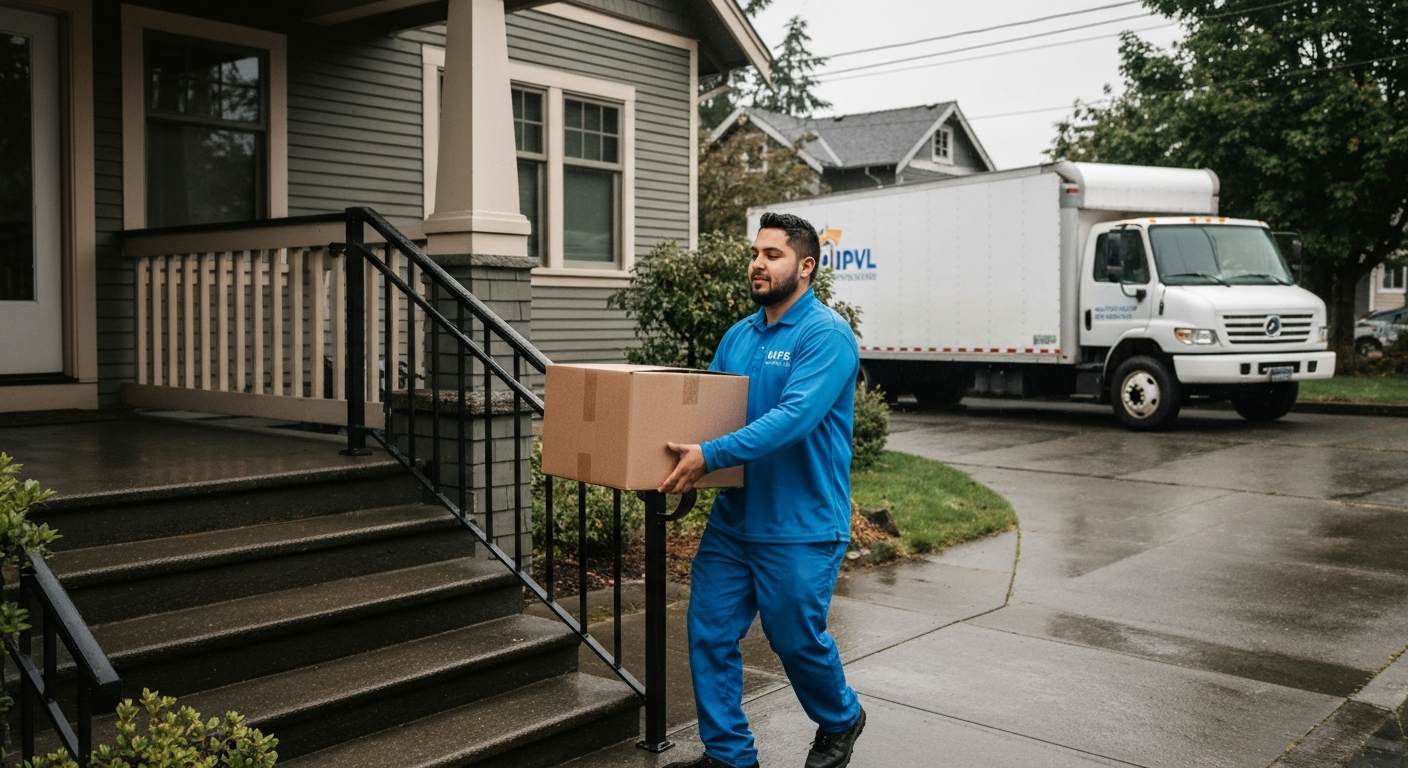
Turning a complex LA to Seattle or Portland move into a series of small tasks helps you stay in control. Use this practical checklist as a starting point and customize it to your situation.
| Stage | Key Tasks | Timing |
|---|---|---|
| Research & Quotes | Compare movers, check licensing, request estimates. | 8–6 weeks before move |
| Booking & Logistics | Choose mover, schedule dates, plan storage and travel. | 6–4 weeks before move |
| Packing Prep | Declutter, buy supplies, start non-essential packing. | 4–2 weeks before move |
| Final Prep & Move Day | Finish packing, confirm details, supervise loading. | Week of move |
For most full-service movers, the typical delivery window for moving from LA to Seattle is around 3–7 business days after pick-up, assuming normal conditions. Driving time alone is roughly 2–3 days, but carriers must account for driver rest rules, other stops, traffic, and potential weather delays in Northern California, Oregon, and Washington.
LA to Portland movers usually quote a delivery window of about 3–6 business days, depending on the size of your shipment and whether your load is exclusive or shared. The direct drive is around 2 days, but long-distance operations include dispatch planning, loading/unloading time, and route stops.
Late spring and early fall (April–June, September–October) are often ideal. You avoid the heaviest summer demand and potential winter storms on I-5. However, you may get better pricing in the off-season (late fall and winter) if you are flexible and comfortable with some weather risk in Oregon and Washington.
Use strong boxes, professional packing tape, and plenty of cushioning. Protect furniture with blankets and shrink wrap, and use plastic or waterproof liners for items that could be damaged by moisture. Label boxes clearly by room and contents. For high-value or fragile items, consider professional packing services from a provider like United Prime Van Lines Full Packing.
You do not have to use professional packing, but for long interstate routes, it is highly recommended for fragile items and electronics. Poor DIY packing is a common cause of damage. Many customers choose partial packing, where movers handle kitchens, artwork, and delicate items while the customer packs clothing and non-breakables.
You can use origin storage in the LA area, storage-in-transit at a warehouse along the route, or destination storage near Seattle or Portland. Your mover can build this into your quote. Storage fees typically include monthly storage and handling charges when items go in and out of storage.
If your items are placed into storage, your delivery window usually begins after you authorize release from storage, not from your LA pick-up date. You will coordinate a new target date with your mover. Storage can offer flexibility but may add time and cost, so discuss it in detail during your estimate.
For an interstate move, you should receive a written estimate (binding, non-binding, or binding not-to-exceed), an order for service, a bill of lading at pick-up, and an inventory of items. You should also get the FMCSA’s “Your Rights and Responsibilities When You Move” booklet, and any valuation coverage or Full Value Protection documents you opt into.
Local movers in LA typically handle short moves within the metro area and charge hourly. Long distance movers Los Angeles residents hire for LA to Seattle or Portland must be registered with FMCSA, follow federal regulations, and usually charge based on shipment weight and distance. Some companies do both local and interstate work; the key is that interstate segments require federal licensing.
Often yes, especially for full-service interstate carriers. The same company that picks up in LA may deliver in Seattle or Portland, or coordinate with their long-distance fleet to complete delivery. For complex apartment or condo jobs with tight access, many interstate carriers also have strong local crews at destination or partner operations that understand building rules.
Ask for the company’s U.S. DOT and MC numbers, then check them on the FMCSA’s SAFER database. Review complaint history, safety rating, and insurance details. If the company handles intrastate moves in California, verify with the California Bureau of Household Goods and Services. Also confirm that the mover can provide a Certificate of Insurance if your building requires one.
Full Value Protection (FVP) is a higher level of valuation where the mover is liable for repairing, replacing, or compensating for lost or damaged items at current market value, within the policy limits. For long routes like LA to Seattle or Portland, many customers choose FVP because the risk exposure is higher than a local move. Released Value (60 cents per pound) is usually insufficient for most households.
Reduce shipment size by decluttering, compare multiple licensed movers, be flexible with dates, and consider partial packing instead of full packing. Avoid last-minute changes, and give accurate inventory details so your estimate reflects reality. If you have some flexibility with delivery, your mover may be able to combine shipments and pass along some savings.
Some long-distance movers can coordinate auto transport, either by including your vehicle in their network or by working with a partner carrier. It is usually transported on an open or enclosed car hauler, not inside the same truck as your household goods. Confirm timing, insurance, and pick-up/drop-off logistics with your moving coordinator.
For California moves, the contact information is:

Moving from LA to Seattle or Portland is a major life shift, but with the right preparation it does not have to be overwhelming. Understanding routes, delivery windows, packing options, storage, and valuation coverage gives you control over a complex interstate move.
Start early, verify that your mover is properly licensed, and be honest about your inventory and access at both ends. Consider professional packing—at least for fragile items—and plan for Pacific Northwest weather. If you need support at any stage, from a local LA pickup to full-service long-distance coordination, a specialized provider like United Prime Van Lines Long Distance Moving can help you design a West Coast north route plan that fits your timeline, budget, and new life in Seattle or Portland.