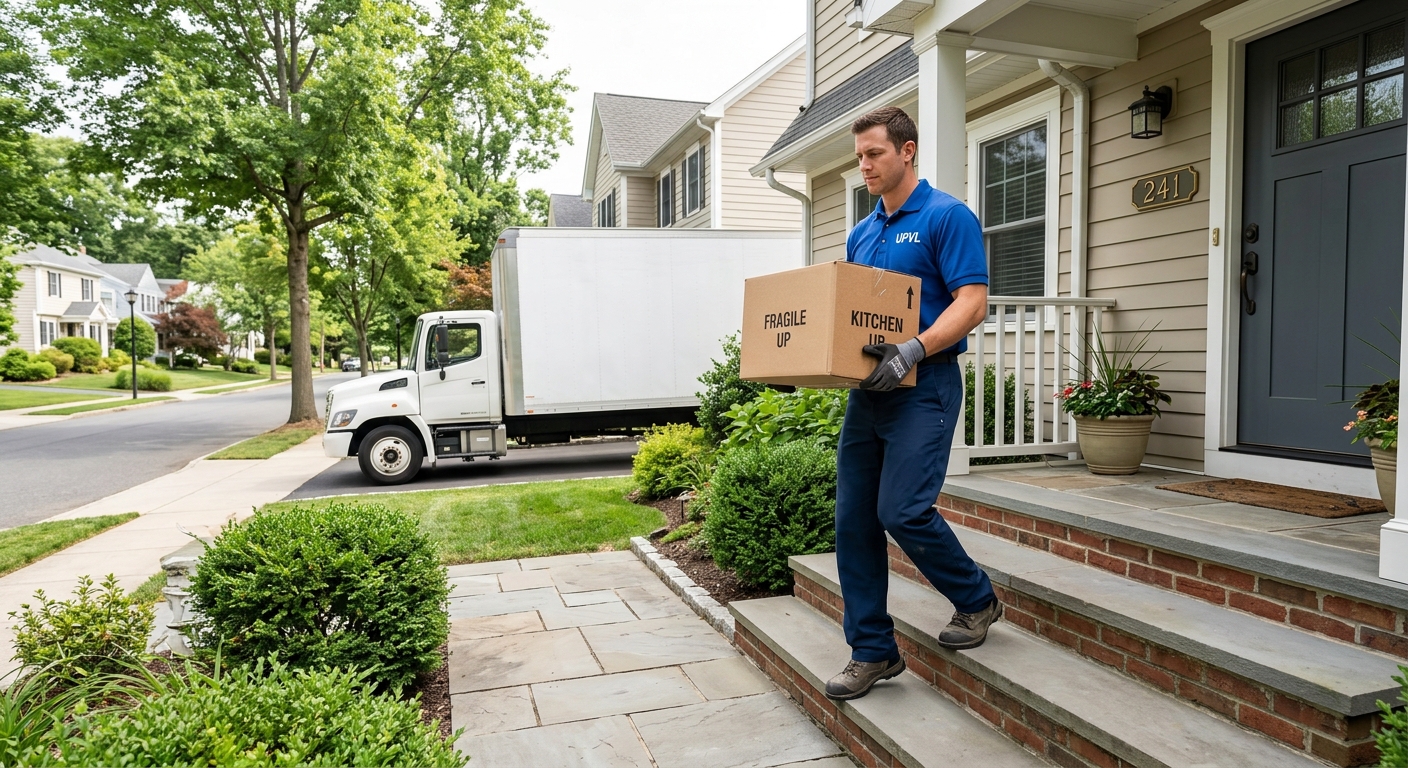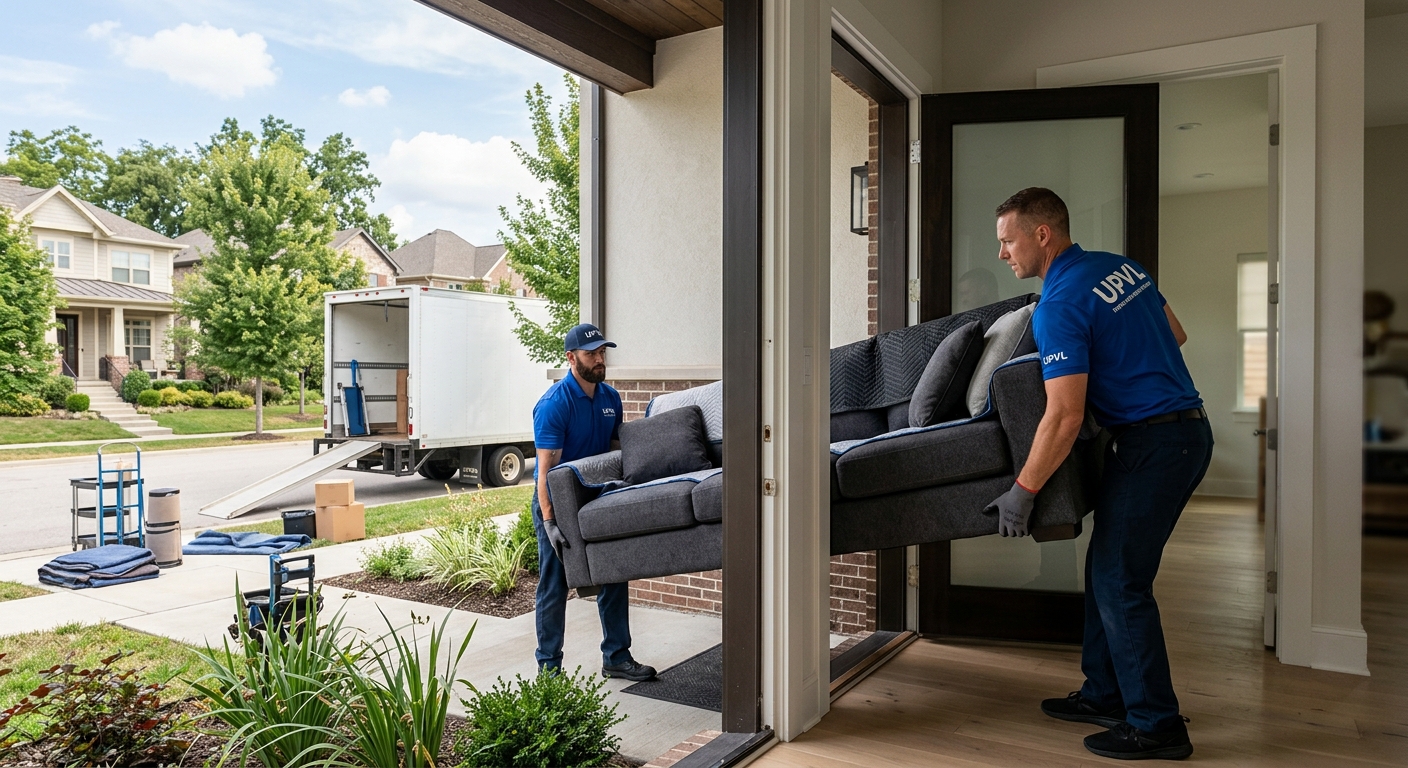
Planning a move raises a lot of questions: costs, timing, packing, insurance, and which movers to trust. United Prime Van Lines offers a range of local, long-distance, and specialty options, but it helps to understand how professional moving really works so you can compare companies confidently and avoid surprises on moving day.
Quick Navigation
Choosing the right mover is as important as choosing the right home. United Prime Van Lines is a full-service moving company that handles local, statewide, and cross-country moves, along with packing, storage, and specialty items like pianos and artwork. Understanding how these services fit together helps you decide what you really need—and what you can skip.
A professional interstate mover must be properly licensed and follow federal rules for estimates, paperwork, and liability. For moves that cross state lines, carriers are regulated by the Federal Motor Carrier Safety Administration (FMCSA). You can look up any interstate mover by USDOT number and legal name. Source: FMCSA Safer.
United Prime Van Lines operates as a carrier and coordinates services like packing, loading, hauling, and unloading. Depending on your move, you might use only basic loading and transport, or you might add full packing, storage, or special handling. The more you understand these options, the easier it is to control your budget and stress level.
| Reason it matters | What to look for | How United Prime Van Lines helps |
|---|---|---|
| Licensing & compliance | USDOT, MC number, insurance | Interstate-compliant operations and consumer paperwork |
| Cost transparency | Clear estimate type and itemized services | Binding and non-binding estimates explained in writing |
| Service range | Local, long-distance, specialty moves | Options from small apartments to full homes and offices |
| Support | Communication and updates | Move coordination from quote through delivery |
United Prime Van Lines offers a mix of core moving services plus add-ons. That flexibility lets you build a plan around your timeline, budget, and how much work you want to do yourself.
Most customers combine several of these services into one move plan:
You can explore specific descriptions for typical jobs, such as local moving, long-distance moving, or office and commercial moving on the company’s main site.
| Service Type | Best For | Typical Add-Ons |
|---|---|---|
| Local Moving | Moves within a metro area | Packing, furniture assembly, short-term storage |
| Long-Distance Moving | Cross-country or interstate relocations | Full packing, storage-in-transit, valuation coverage upgrades |
| Apartment Moving | High-rises, condos, walk-ups | COI for building, elevator reservations, stair surcharges |
| Office/Commercial Moving | Businesses and organizations | After-hours moves, IT handling, labeling systems |
| Specialty Item Moving | Pianos, safes, artwork | Crating, extra protection, dedicated handling |
Here are common move scenarios United Prime Van Lines handles, with the kinds of details that usually affect planning:
Local and long-distance moves feel similar on moving day, but the rules, pricing, and timing are different. Understanding those differences helps you choose the right estimate type and prepare realistic expectations.
In many markets, a local move is within the same metro area or within roughly 50–100 miles, though the exact cutoff can vary by company or state regulations. Local moves are usually charged by the hour for the crew and truck, plus materials.
Because time is the main cost driver, things like walking distance from the truck to your door, the number of stairs, and how organized your packing is directly affect your final bill.
Any move that crosses a state line is considered an interstate move, even if the distance is short. Interstate moves fall under federal regulations from FMCSA. Source: FMCSA.
Long-distance intrastate moves (for example, several hundred miles within a large state) may fall under state rules that resemble interstate pricing. These are usually priced by shipment weight plus mileage, with additional fees for packing, storage, and extra services.
| Factor | Local Move | Long-Distance / Interstate |
|---|---|---|
| Pricing Basis | Hourly rate for crew and truck | Weight + distance, plus services |
| Regulation | City or state rules | FMCSA and federal regulations |
| Timing | Same day or next day | Multi-day or multi-week delivery window |
| Paperwork | Simple work order | Bill of lading, inventory, estimate type disclosures |
| Risk Factors | Parking, stairs, local traffic | Road conditions, weight tickets, long routes |
United Prime Van Lines manages both local and cross-country relocations, adjusting crew size, equipment, and timing to match your situation.
Packing is the most time-consuming part of moving. Whether you pack everything yourself or use United Prime Van Lines for full packing, smart decisions here protect your belongings and reduce move-day stress.
Typical options include:
If you’re interested in a hands-off experience, you can read more about full-service options at full packing services.
| Packing Level | Best For | Pros / Cons |
|---|---|---|
| DIY Packing | Tight budgets, small loads | Lowest cost but most labor and higher risk of poor packing |
| Fragile-Only Packing | People comfortable packing basic items | Protects valuables while keeping costs moderate |
| Partial Packing | Busy households, large homes | Saves time on hardest rooms, you handle simpler items |
| Full Packing & Unpacking | Executives, families with little time, last-minute moves | Fastest and easiest, but highest cost |
If you plan to pack yourself, you can still make your movers’ job more efficient and safer:
United Prime Van Lines can also provide specialized services like furniture disassembly and assembly, piano moving, and art and antique moving if your shipment includes delicate or heavy items.
Many moves aren’t simple “out one day, in the next.” If closing dates shift, renovations run long, or you’re relocating for work, storage can bridge the gap.
United Prime Van Lines can coordinate storage as part of your move, especially for long-distance relocations.
| Storage Type | Best Use | Key Considerations |
|---|---|---|
| Storage-in-Transit (SIT) | Short gaps between pickup and delivery | Usually 30–90 days, billing by day or month |
| Long-Term Warehouse Storage | Months or years between homes | Inventory-based, vaulted storage, access by appointment |
| Self-Storage Unit | Frequent personal access | You manage the unit, movers load/unload for you |
| Hybrid (SIT then Self-Storage) | Uncertain timeline | Start in SIT, then move to self-storage if needed |
Coordinated storage through a mover can be more secure and often easier than juggling separate storage and moving companies. You can see more about integrated storage options at United Prime Van Lines storage services.
No two moves are priced exactly the same. Even with the same distance and home size, factors like access, packing, dates, and special items can change the quote significantly. Understanding these inputs helps you predict your costs and compare estimates fairly.
For most moves with United Prime Van Lines, cost is shaped by:
| Cost Factor | Impact on Local Moves | Impact on Long-Distance Moves |
|---|---|---|
| Distance | Minimal within city, affects travel time | Directly tied to base transportation charges |
| Weight / Volume | Affects crew hours and truck size | Primary pricing driver with mileage |
| Packing Services | Adds labor and materials cost | Significant add-on, especially for large homes |
| Access & Parking | Can add extra hours and charges | May require shuttles and longer labor times |
| Seasonality | Higher hourly rates in peak months | Higher per-pound or minimum charges in peak season |
Understanding estimate types is one of the most important protections you have as a customer. The FMCSA requires interstate movers to provide written estimates and explain whether they are binding or non-binding. Source: FMCSA.
Binding estimate – The quoted price is guaranteed based on the services and inventory listed. If your actual shipment matches the estimate, you pay exactly that amount, even if it ends up weighing more than expected.
Non-binding estimate – The quote is an educated guess. Your final charges are based on actual weight and services. If the cost is higher, you may owe more than the estimate, subject to federal rules about how much the mover can collect on delivery day for interstate moves.
Binding not-to-exceed (or guaranteed not-to-exceed) – If the actual weight is higher than estimated, you pay the binding amount. If the actual weight is lower, you pay the lower, actual cost. This type is often seen as the most consumer-friendly, when available.
| Estimate Type | Price Risk | Best For |
|---|---|---|
| Non-Binding | Higher risk of final cost exceeding estimate | Small, simple moves where cost is easy to predict |
| Binding | More predictable as long as inventory is accurate | Household moves with a clear, stable inventory |
| Binding Not-to-Exceed | Lowest risk; you can benefit if weight is lower | Larger moves where a cushion on price is important |
| Hourly (Local) | Linked to actual labor time and conditions | Local moves with variable access and traffic |
Local moves are often charged by the hour, but sometimes you’ll see flat-rate quotes. Each approach has pros and cons.
| Pricing Method | How It Works | Pros / Cons |
|---|---|---|
| Hourly Rate | Pay for actual time used plus materials | Fair if scope is uncertain; can rise if delays occur |
| Flat-Rate | Single price based on estimated hours and difficulty | Predictable, but may be higher to cover risk |
| Hybrid (Hourly + Caps) | Hourly with minimum/maximum bounds | Offers some predictability while sharing risk |
| Itemized Service Add-Ons | Separate charges for packing, materials, etc. | More clarity on where your money goes |
When working with United Prime Van Lines, ask your move coordinator to spell out which type of estimate you’re getting, what assumptions it includes (such as number of boxes, stairs, and access), and what kinds of changes could alter the price.
Checking a mover’s legal status and understanding valuation coverage is crucial. Many customers confuse “insurance” with the mover’s basic liability, which is not the same as full replacement coverage.
For moves across state lines, a mover must have active USDOT and MC numbers issued by the federal government. You can verify a company’s status, complaint history, and insurance filings using the FMCSA’s online search tools. Source: FMCSA mover search.
For local and intrastate moves, requirements vary by state. Many states require household goods movers to hold state-level licenses, carry specific insurance minimums, and file tariffs or rate schedules.
Under federal law, interstate movers must offer two valuation options on shipments:
Some customers also purchase separate third-party moving insurance through outside providers to cover gaps or special items. These policies are distinct from the mover’s valuation and can offer higher or more flexible coverage.
| Option | Coverage Level | Best Use |
|---|---|---|
| Released Value | Up to $0.60/lb per item | Budget moves, low-value items, renters with good personal insurance |
| Full Value Protection | Repairs, replacement, or cash for current value (within limits) | Most households with typical furniture and electronics |
| Third-Party Insurance | Policy-based protection beyond mover’s liability | High-value collections, artwork, antiques |
| Special Declared Value Items | Item-specific declarations in paperwork | Specific high-value items like rare instruments |
For local moves, timing is usually straightforward: you move out in the morning and into your new place the same day. For long-distance or interstate moves, your belongings will travel for several days or weeks, and you’ll receive a delivery window rather than a single, guaranteed date.
A delivery window is a range of dates during which your shipment is expected to arrive. The exact range depends on distance, route, and whether your load is part of a combined shipment or a dedicated truck.
For example, a 500-mile interstate move might have a 2–5 day window, while a coast-to-coast move could have a 7–14 day window or longer, especially during peak season.
| Move Type | Approx. Distance | Typical Delivery Window |
|---|---|---|
| Local Move | 0–50 miles | Same day |
| Short Interstate | 200–500 miles | 2–5 business days |
| Medium Interstate | 500–1,200 miles | 3–10 business days |
| Long Interstate / Cross-Country | 1,200+ miles | 7–21+ days depending on route and season |
Actual timing can be influenced by weather, road closures, and other shipments on the truck. Many cross-country moves share space on a truck with other customers to keep costs reasonable.
Some moves need more than a truck and basic crew. If you have fragile items, complex furniture, or a business to relocate, extra planning pays off.
United Prime Van Lines can coordinate special handling for:
Those services are supported through dedicated offerings like art and antique moving and piano moving.
Relocating a business is less about boxes and more about minimizing downtime. Planning with your mover is essential.
You can learn more about how a commercial move is structured at office and commercial moving.
A structured checklist keeps you on track and reduces last-minute scrambling. Here is a practical sequence many United Prime Van Lines customers follow.

United Prime Van Lines operates as a moving carrier and coordinates crews, trucks, and services for local, long-distance, and commercial moves. In some cases, as with many large moving providers, specific services may be supported by vetted partners or agents, but your estimate and main point of contact are handled through United Prime Van Lines. Always review your paperwork to confirm the legal carrier listed for your shipment.
For long-distance or interstate moves, booking 6–8 weeks ahead is ideal, especially for summer and end-of-month dates. For local moves, 3–4 weeks is usually sufficient in slower seasons. Last-minute moves are sometimes possible, but date and time flexibility become more important. If you’re on a tight timeline, look into options similar to the services described at last-minute moves.
Yes. Many moves are studios or one-bedroom apartments. Crews adjust size and equipment to match your building type, such as high-rises, walk-ups, or complexes with long hallways and limited parking. Apartment moves often require elevator reservations and, in some buildings, a Certificate of Insurance (COI). United Prime Van Lines is familiar with coordinating these details.
The most effective ways to reduce cost are to move fewer items, pack some or all boxes yourself (if you’re comfortable doing so), avoid peak dates when possible, and prepare your home so movers can work efficiently. Clear hallways, reserved parking, and accurate pre-move information about stairs and access also help control labor time.
Yes. When you book packing services, the crew supplies professional-grade boxes, tape, bubble wrap, and paper. If you prefer to pack yourself, you can still request packing materials as an add-on cost. Using sturdy, uniform moving boxes makes loading safer and faster and reduces the chance of box collapse during transport.
Most movers, including United Prime Van Lines, will not transport hazardous or perishable items such as gasoline, fireworks, open paint cans, aerosols, and open food. Live plants may not be permitted on interstate shipments due to agricultural restrictions. FMCSA provides guidance on non-allowable items for interstate household goods shipments. Source: FMCSA. Ask your coordinator for a current list of restricted items.
If an item is lost or damaged, you’ll file a claim according to the instructions in your move paperwork. The resolution depends on the valuation option you selected (Released Value vs. Full Value Protection) and the specifics of the incident. Document issues on delivery paperwork when you notice them and take photos. Claims are typically processed by a dedicated team that reviews documentation, photos, and inventory records.
Yes, United Prime Van Lines offers specialty handling for pianos, artwork, antiques, and other delicate items. These often require extra padding, custom crating, and specific handling techniques. Communicate these items during your estimate so your quote includes appropriate time, materials, and any additional coverage you might need.
For interstate moves, you can verify licensing and compliance by searching the company name or DOT number using FMCSA’s mover search tool. You should see active authority, proper insurance filings, and any prior enforcement actions. For local and intrastate moves, check with your state’s consumer protection or public utilities commission to confirm licensure requirements and status.
Yes. United Prime Van Lines can coordinate storage-in-transit for short gaps and longer-term warehouse storage if your move timeline is complex. In some scenarios, they can also help with loading or unloading a self-storage unit you rent independently. Storage charges are usually separate from basic transportation and packing fees, so make sure they’re clearly itemized on your estimate.
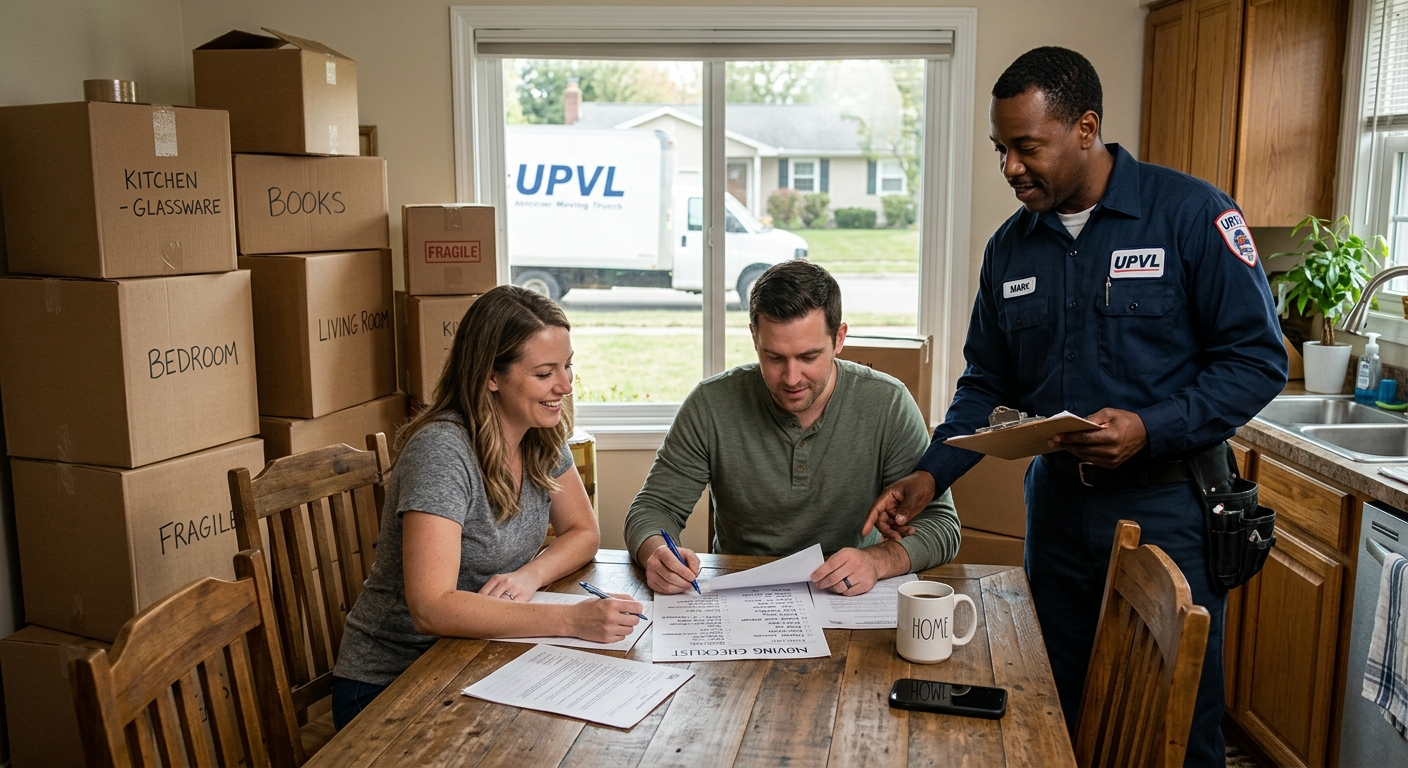
A successful move is the result of clear planning, good communication, and a professional, properly licensed moving company. United Prime Van Lines offers flexible services—from local apartments to cross-country family relocations and office moves—so you can match the level of help to your budget and timeline.
By understanding service options, estimate types, cost drivers, storage, and valuation coverage, you can ask smarter questions and avoid common pitfalls. Use the checklist and tables above when you talk with your move coordinator, and you’ll be much better prepared for a safe, efficient, and less stressful moving day.