Planning a move from Miami to Houston means crossing several states, changing climates, and coordinating a long drive for everything you own. This route is common enough that long-distance movers know it well, but specific enough that the details really matter: your dates, your access in each city, and how accurately you list what you’re shipping.
This guide focuses on one thing: helping you plan a Florida-to-Texas move specifically from the Miami area to greater Houston, so your quote, schedule, and expectations line up with what actually happens on moving day.
Before you hire movers from Miami to Houston, decide what you want to handle yourself and what you want to outsource. On this route, you’re usually choosing between three main options:
Full-service or hybrid usually makes sense when you’re moving a full apartment or house and don’t want to drive a large truck that far. The rest of this article assumes you’re using professional Florida to Houston movers so we can focus on how to get an accurate quote and realistic timing.
For an interstate move, movers do not price by the hour the same way local movers do. Instead, companies generally look at three big inputs:
On a Florida-to-Texas route, two people with the same number of bedrooms can get very different prices. One might have elevator access and easy truck parking. The other might have a high-rise in Brickell with a long walk from the loading dock and a gated community in Houston with time limits. That’s why the questions you answer during the estimate matter so much.
When you request quotes, expect movers to ask about:
Give detailed answers and you’ll get a quote that reflects your real move, not a best-case scenario.
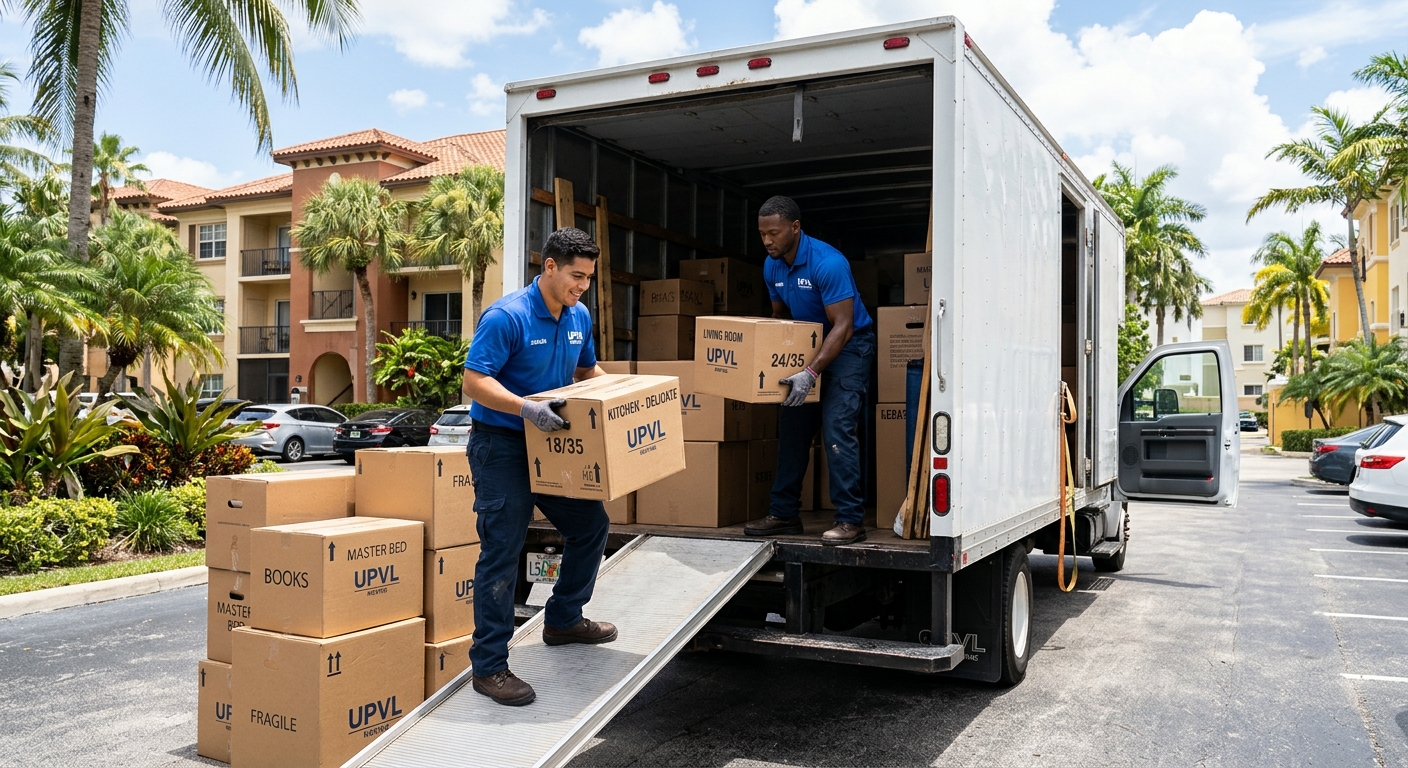
On a long route like Miami to Houston, your inventory is the backbone of the estimate and the move plan. “Inventory” simply means a list of everything the movers will handle, often broken down by item and box count.
Here’s how a clear inventory helps you:
Most companies will build your list during a virtual or in-home survey. You walk through your home, room by room, and show or describe what’s going. Be honest about what might still change. If you plan to sell a couch or buy a new bed before the move, mention that.
After the survey, read the inventory carefully. Check for things that are missing or mis-sized. For example, there’s a big difference between a small 3-drawer dresser and a heavy solid-wood 8-drawer dresser. Small corrections before booking can prevent cost changes later.
Most people’s plans change a little between booking and moving day. Maybe you decide to ship your patio set after all, or you realize the guest room is fuller than you thought.
Whenever that happens:
Small changes usually aren’t a big deal, but adding entire rooms of items or big, heavy pieces can affect both price and truck space. It’s much easier to adjust on paper a week ahead than at the curb on moving day.
With interstate moves, you usually don’t get a single exact delivery hour when you first book. Instead, movers provide a delivery window, such as a range of days when your shipment is expected to arrive.
On a route like Miami to Houston, the window depends on:
Because conditions can change, ask each Miami to Houston moving company you’re considering these questions while you’re still comparing quotes:
Share any building rules on both ends early: elevator reservations, loading dock hours, or restricted days. That gives your mover a real chance to match the schedule instead of rushing to make changes later.
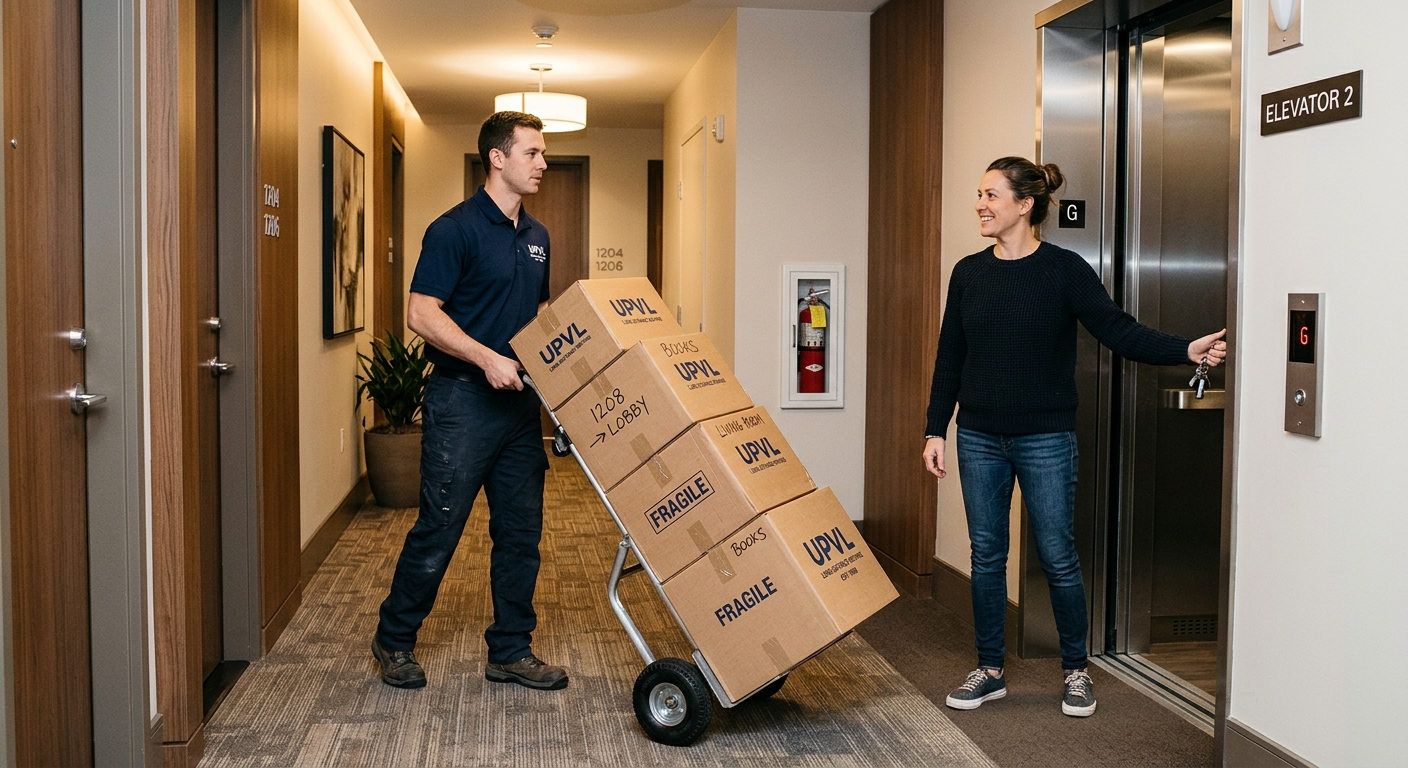
Miami and Houston both mix dense urban areas with more suburban neighborhoods. That variety affects how your movers plan their truck size, parking, and even whether they’ll need a smaller shuttle truck.
Helpful details to share when you request quotes:
Some of these may sound minor, but they can change how long the job takes and what equipment is needed. If a tractor-trailer can’t get close, your mover may need to use a smaller truck to shuttle belongings from the main truck to your home, which can impact both cost and timing.
Once you’ve gathered your details, it’s time to pick a mover. For this specific route, it often makes sense to choose a company that regularly handles Florida-to-Texas moves instead of one that mostly stays local.
Here are practical points to compare:
If you want help from a company familiar with both ends of this route, you can review long-distance services from United Prime Van Lines at https://unitedprimevanlines.com/long-distance-moving and share your Miami and Houston details for a tailored estimate.
The distance from Miami to Houston means your belongings will ride in a truck for a while. Good packing reduces damage risk more than almost anything else.
Consider:
If you want professionals to handle breakables or the whole home, you can review full packing options from United Prime Van Lines at https://unitedprimevanlines.com/full-packing-services.

There is no single set price for this route. Costs depend on how much you’re moving, access and labor conditions at each home, time of year, and any extra services like packing or storage. The only honest way to know your cost is to request a detailed quote based on a clear inventory and site conditions. Be cautious of any Florida to Houston movers offering a firm price without asking many questions about your shipment.
Delivery windows vary by company, season, and your specific move. When you request quotes, ask each Miami to Houston moving company what delivery range they anticipate for your target dates and when they’ll narrow it down. Also ask how they’ll keep you updated while your belongings are in transit, and share any building rules that require a specific delivery day or time.
Your inventory tells the mover how much space and labor you need, which drives both pricing and logistics. If the list is incomplete or significantly off, the real cost and truck space may not match the estimate. Treat your inventory as a working document: help your mover build it accurately, review it carefully, and update it if your plans or items change before moving day.
If you’re ready to explore options for moving from Miami to Houston, share your dates, inventory, and access details with a mover like United Prime Van Lines so they can build a route plan and estimate that fit how you actually live, not just your zip codes.