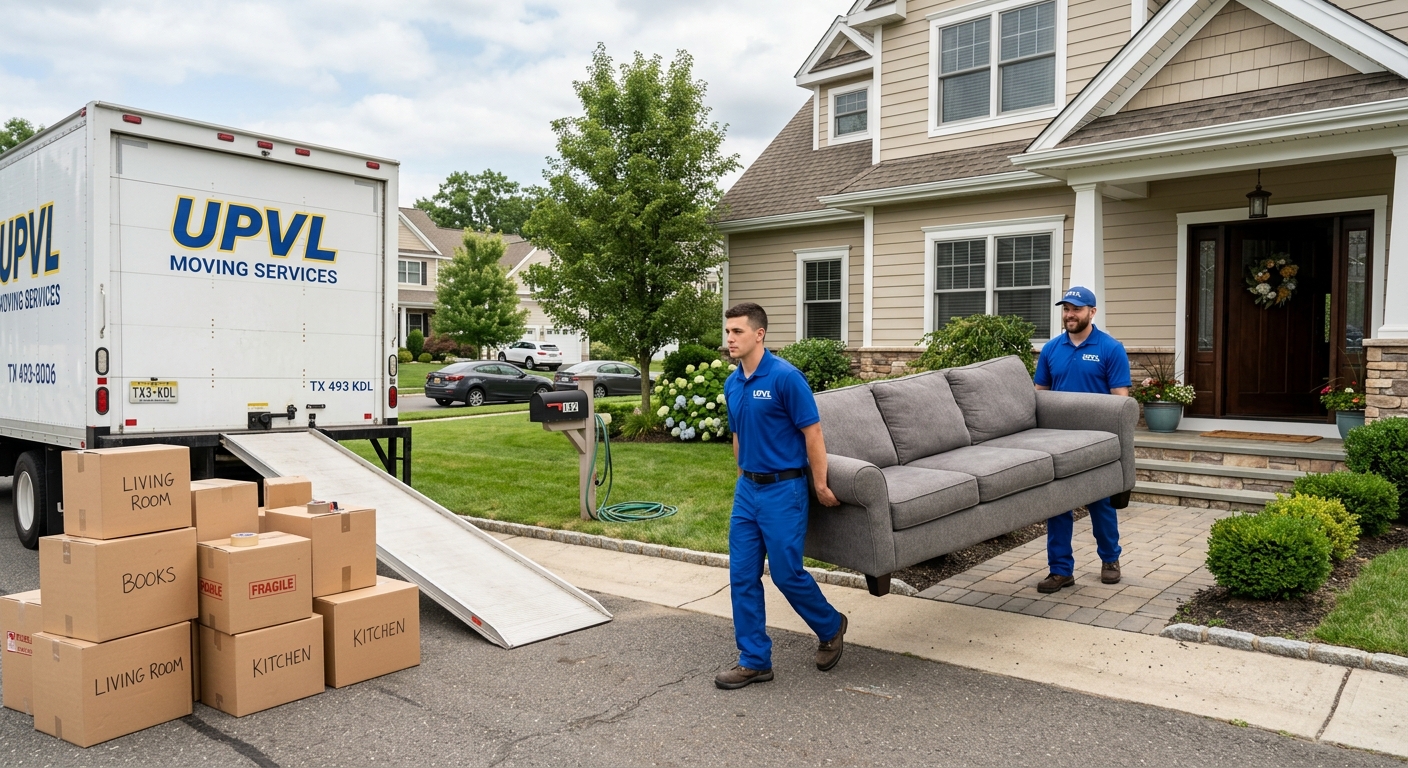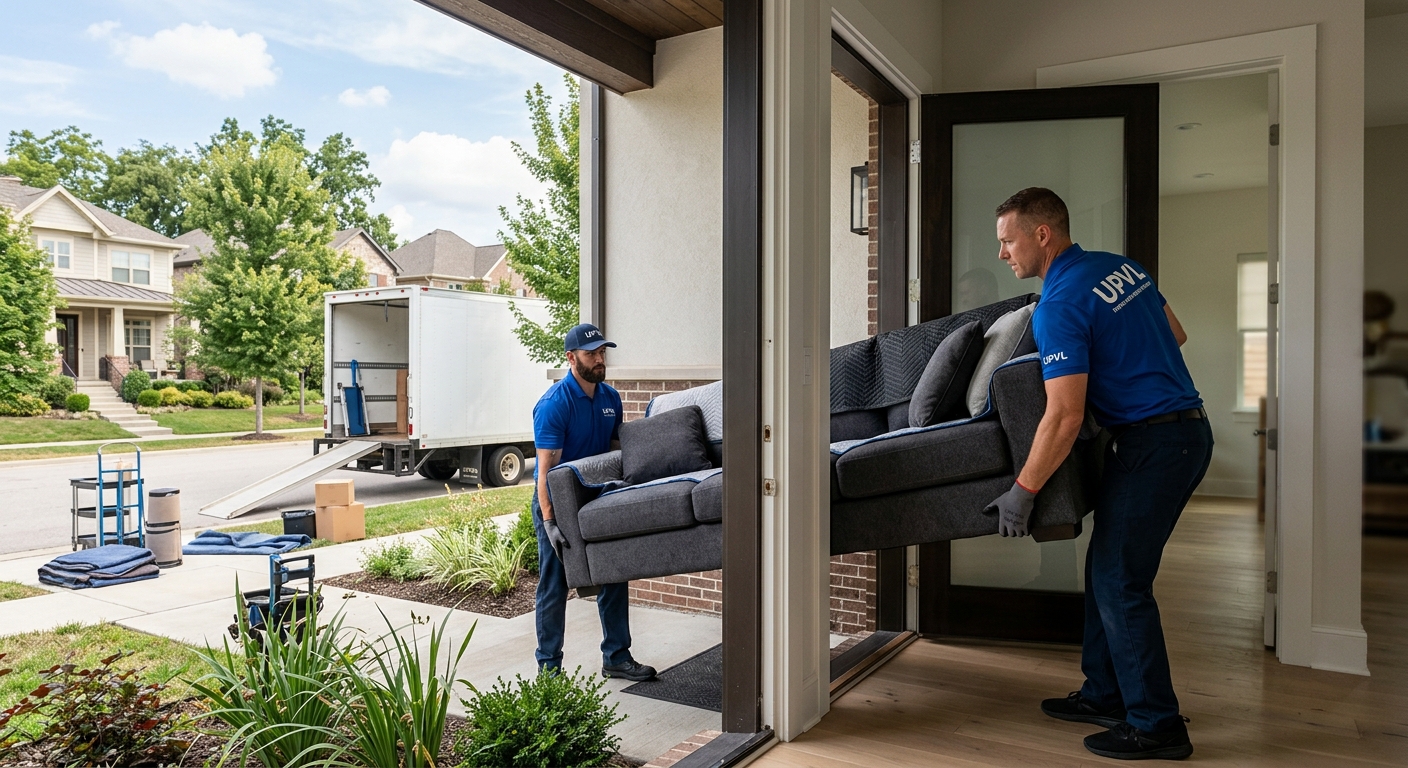
Planning a move is one of those projects that touches every part of your life at once. Working with professional movers can turn a chaotic, stressful process into a predictable plan—if you know how to choose services, understand costs, and prepare your home the right way.
Quick Navigation
Hiring professional movers is primarily about safety, time, and predictability. A trained crew arrives with the right equipment, a game plan, and a truck sized for your load. That means fewer trips, far less heavy lifting for you, and much lower risk of damaging your furniture—or your back.
Professional moving companies also bring structure to the process. They create an inventory, label boxes, pad and wrap furniture, protect floors and doorways, and load the truck so items travel securely. This matters most with heavy or awkward pieces like sectionals, glass tables, pianos, appliances, and fragile artwork.
On the financial side, licensed movers must follow consumer protection rules. For interstate moves, the U.S. Department of Transportation and the Federal Motor Carrier Safety Administration (FMCSA) regulate movers and require written estimates, Your Rights and Responsibilities When You Move booklets, and clear valuation options. Source: FMCSA.
If you need full support—from packing to storage and delivery—working with a full-service mover like United Prime Van Lines lets you consolidate everything with one company instead of juggling multiple vendors.
Understanding different moving service types helps you match what you buy to what you truly need. You can keep costs tight with minimal services or opt for full-service support if your schedule is packed or you’re moving a large household.
| Service Type | What It Includes | Best For |
|---|---|---|
| Labor-Only Moving | Loading/unloading, no truck | DIY truck rentals, PODs, local moves with your own vehicle |
| Full-Service Local Moving | Truck, crew, basic protection | In-town apartment or house moves |
| Long-Distance Moving | Interstate transport, delivery window | State-to-state relocations, job moves, family moves |
| White-Glove / Premium | Full packing, unpacking, setup | High-end homes, busy professionals, seniors |
Many companies let you build a package by combining core moving with optional add-ons like packing, storage, furniture assembly, or special handling.
Most customers fall into these main categories:
Certain items require extra skill and equipment. Ask your mover specifically about:
| Specialty Service | What Movers Do | Why It Matters |
|---|---|---|
| Piano Moving | Use piano dollies, padding, stair techniques | Prevents damage to soundboard, legs, keys, and home |
| Art & Antique Moving | Custom crating, climate-aware handling | Protects high-value, fragile, or irreplaceable pieces |
| Furniture Disassembly & Assembly | Take down and rebuild beds, tables, etc. | Avoids broken hardware and saves time |
| Office & Commercial Moving | IT coordination, workstations, COIs | Minimizes downtime and protects business assets |
For example, piano moving services and art & antique moving are designed to reduce risk far beyond what a standard move covers.
Office and commercial relocations involve employee workstations, IT equipment, filing systems, and building rules that are much stricter than a typical apartment move. Professional commercial movers will:
Dedicated services like office and commercial moving are built to handle this complexity.
Local and long-distance moves share the same general steps—packing, loading, transport, and unloading—but the logistics, pricing, and regulations are very different.
Most companies treat a move within about 50–100 miles (within the same state and metro area) as a local move. Pricing is usually hourly based on the number of movers and trucks. Travel time to and from your home may also be billed.
Typical scenarios include:
Local movers focus on parking, stairs, elevators, and timing around traffic. For example, in dense metro areas, your crew may plan around rush hours or building quiet hours.
A long-distance move generally means your shipment travels more than 100 miles, or crosses a state line. An interstate move is any move that crosses state boundaries, even if the distance is short. Interstate movers must be registered with the U.S. Department of Transportation and hold an active USDOT number. Source: FMCSA registration.
Long-distance services, such as long-distance moving, are priced differently from local moves, usually based on weight or cubic feet plus distance, not hourly labor.
| Factor | Local Move | Long-Distance / Interstate |
|---|---|---|
| Pricing Basis | Hourly (crew + truck) | Weight/volume + distance, sometimes flat-rate |
| Regulation | State/local rules | FMCSA and USDOT regulation |
| Delivery Time | Same day for most homes | Multi-day to multi-week delivery windows |
| Estimate Type | Hourly estimate or not-to-exceed | Binding, non-binding, or binding-not-to-exceed |
On a local route, such as moving from a downtown apartment to a nearby suburb, the crew may do a quick walkthrough in the morning, load for several hours, drive 10–25 miles, and unload the same day. You usually sleep in your new home that night with basic essentials accessible.
On a long-distance route—say from the Midwest to the East Coast—the process typically looks like this:
Because of these variables, it’s vital to build a plan for what you’ll need with you during transit—documents, medications, clothes, and valuable items that should never go on the truck.
Packing is often the most time-consuming part of any move. You can choose full packing services, partial packing, or pack everything yourself and have movers focus only on loading, driving, and unloading.
| Packing Option | What Movers Handle | Ideal For |
|---|---|---|
| Full Packing Service | Pack every box, label, protect furniture | Busy professionals, families, last-minute moves |
| Partial Packing | Certain rooms or fragile items only | DIY-minded customers needing help with breakables |
| Kitchen-Only Pack | Dishes, glassware, pantry | Homes where kitchen is the hardest room to pack |
| DIY Packing | You pack all boxes; movers move them | Budget-conscious customers with time to spare |
Full-service packing, like full packing services, can dramatically cut stress but adds to your overall budget. Partial packing often hits a sweet spot: you pack clothing and non-breakables, while pros handle fragile and high-value items.
Most companies have a “non-allowables” list—items they cannot legally or safely transport. These often include:
The FMCSA recommends keeping your most valuable and irreplaceable items with you at all times. Source: FMCSA moving checklist.
Storage becomes important when move-out and move-in dates don’t align, you’re staging a home for sale, or you’re downsizing and still deciding what to keep. Many professional movers offer secure warehouse storage so your items stay within one chain of custody.
| Storage Type | Typical Duration | Best Use Case |
|---|---|---|
| Short-Term Storage (SIT) | Days to a few months | Gap between closing dates or lease start |
| Long-Term Storage | Several months to years | Overseas assignments, extended relocations |
| Container Storage | Flexible, on or off-site | Customers wanting periodic access to contents |
| Self-Storage Unit | Month-to-month | DIY access and organization |
With a mover-managed warehouse, your items are typically stored in vaults or on pallets, wrapped and labeled. A service like moving and storage lets you combine moving and storage on a single bill with professional inventory control.
Ask your mover whether storage fees are daily, weekly, or monthly and how access works if you need to retrieve certain items mid-storage.
Moving costs are driven by distance, volume/weight, access challenges, and the services you choose. Two similar-sized apartments can have very different prices if one is on a ground floor with easy parking and the other is on a 5th-floor walk-up with a long carry and no elevator.
| Cost Factor | How It Affects Price | What You Can Control |
|---|---|---|
| Distance | Longer distance = higher transport cost | Limited; consider move date flexibility |
| Shipment Size | More items = more time, larger truck | Declutter and donate before moving |
| Access & Complexity | Stairs, long carries, parking challenges | Reserve elevators, clear access, arrange parking |
| Services Chosen | Packing, storage, specialty items add cost | Decide what to DIY and what to outsource |
Actual prices vary by city and company, but these broad ranges can help you plan. Always request a written estimate.
For interstate moves, FMCSA warns against unusually low estimates that seem too good to be true, as these can be a red flag for scams. Source: FMCSA Protect Your Move.
Always ask your mover to clearly outline any possible access or specialty fees in writing, especially for long-distance moves where surprises are more expensive.
Understanding how estimates and pricing work is one of the most important parts of hiring professional movers. It tells you exactly what you’re paying for and protects you from unexpected charges.
Local moves are often priced hourly, while long-distance moves often use flat-rate or weight-based pricing. Here’s a comparison:
| Pricing Model | How It Works | Pros & Cons |
|---|---|---|
| Hourly (Local) | Set hourly rate for crew + truck + minimum hours | Simple but affected by traffic, access, and prep |
| Flat-Rate (Local or Regional) | One quoted price based on detailed inventory | Predictable, but requires accurate inventory |
| Weight/Volume-Based (Long-Distance) | Price based on shipment weight/volume and distance | Standard for interstate moves, regulated by FMCSA |
Interstate moves use specific estimate types defined by federal regulations. Understanding these can prevent billing surprises.
The FMCSA explains how these estimate types work and what movers may legally charge on delivery. Source: FMCSA binding estimate rules.
Your bill of lading is the official contract between you and the mover. It should include:
Never sign blank or incomplete documents. Keep all paperwork accessible during your move.
Proper licensing and insurance are your best protection against fly-by-night movers. They also determine who is truly responsible if something goes wrong.
For interstate moves:
For in-state moves, check state licensing requirements. Many states require a state license or registration for household goods movers, and some regulate tariffs and claims procedures.
Movers are required to offer valuation options, which function like limited liability, not full insurance. You can also purchase separate moving insurance from third parties.
Main valuation options for interstate moves:
| Valuation Option | Coverage Level | Best For |
|---|---|---|
| Released Value Protection | Default, minimal coverage (up to $0.60 per pound per item) | Low-value loads, customers okay with limited protection |
| Full Value Protection | Higher coverage; mover repairs, replaces, or pays current market value | Most households with typical furnishings |
| Third-Party Insurance | Separate policy purchased directly from insurer | High-value items or collections |
The FMCSA requires interstate movers to offer Released Value and Full Value Protection. Source: FMCSA valuation overview.
A Certificate of Insurance is a document your mover provides to your building or property manager to prove they carry the required levels of liability and workers’ compensation coverage. It helps protect the building owner if damage or injury occurs on their property during the move.
Many apartments, condos, and office towers require a COI with specific language and coverage amounts. Always ask your building for their COI requirements well before move day so your mover can prepare it on time.
Moving in or out of an apartment building, condo, or office tower involves more than just a truck and crew. Building rules can affect your schedule, cost, and even whether the move can take place on the day you planned.
| Access Issue | Impact on the Move | What To Do |
|---|---|---|
| Long Carry | Long walks between unit and truck | Request closer parking, or disclose for accurate quote |
| Stairs Only | Slower moves, higher labor effort | Tell your mover the exact floor count and stair layout |
| Tight Hallways | May require disassembly of furniture | Use furniture disassembly services if needed |
| Limited Parking | May require smaller trucks or shuttles | Ask about shuttle fees and permit requirements |
Preparing in advance—by reserving elevators, securing parking permits, and coordinating COIs—can shave hours off move day and prevent added fees.
On long-distance moves, you seldom get a precise delivery time the way you do with a local same-day move. Instead, movers provide a delivery window.
A delivery window is a range of days when your shipment is expected to arrive. The length of the window depends on distance, route, and whether your shipment is combined with other loads.
| Move Distance | Typical Delivery Window | Considerations |
|---|---|---|
| Up to 500 miles | 1–5 business days | Weather and weekend rules may affect timing |
| 500–1,500 miles | 3–10 business days | More route variables and required driver rest |
| 1,500+ miles | 1–3+ weeks | Cross-country timing, potential shared loads |
| Peak Season | Windows may be longer | Summer and end-of-month are busiest periods |
Always ask your mover:
Build a “bridge plan” for the gap between pickup and delivery: short-term housing, essential belongings, and arrangements for kids and pets.

A clear checklist keeps your move on track and helps you avoid last-minute chaos. Timelines vary, but this structure works well for most local and long-distance moves.
| Timeframe | Top Task | Why It Matters |
|---|---|---|
| 6–8 Weeks Out | Get multiple quotes | Ensures fair pricing and time to vet movers |
| 4 Weeks Out | Book mover, start packing | Locks in date and reduces last-minute rush |
| 2 Weeks Out | Confirm building rules and logistics | Prevents access issues and delays |
| 1 Week Out | Finish packing, prep appliances | Makes move day run smoothly and safely |

For local moves, booking 3–4 weeks in advance is usually enough in off-peak seasons. During summer or at the end of the month, aim for 4–6 weeks. For long-distance or interstate moves, 6–8 weeks is ideal to secure your preferred dates and allow time for surveys and planning.
A mover (carrier) owns trucks, employs crews, and physically transports your belongings. A moving broker arranges moves by selling your move to a carrier but typically does not operate trucks or employ movers. For interstate moves, brokers must be registered with FMCSA, clearly disclose their status, and use authorized carriers. If you work with a broker, ask for the name and USDOT number of the actual carrier who will handle your shipment.
Yes. To save money while using professional movers, consider a hybrid approach: you pack all boxes yourself, disassemble basic furniture, and limit services to loading, transport, and unloading. Avoid peak days (end of month, weekends) and consider moving mid-week or mid-month when rates may be more flexible.
Look beyond star ratings. Read recent reviews for details about punctuality, care with belongings, handling of claims, adherence to the estimate, and communication. Pay special attention to how companies respond to negative reviews; a helpful, professional response can be a good sign of how they treat customers when problems occur.
Tipping is not mandatory but is customary when you feel the crew did a great job. A common range is 10–20% of the total labor cost distributed among the crew, or a per-mover amount (for example, $20–$50+ per mover for a local move, more for all-day or multi-day jobs). Always tip in cash directly to the crew leader, who can distribute it fairly.
Some movers disconnect and reconnect simple appliances, like washers and dryers, but many require you to handle or hire specialists for gas lines, ice maker hookups, or complex installations. Ask your mover what they’re allowed and insured to do, and schedule a plumber or electrician if needed.
Document damage as soon as you notice it, take photos, and note it on your delivery paperwork if you see it during unloading. Then follow the mover’s claims procedure, which should be outlined in your contract. The resolution will depend on the valuation coverage you selected (Released Value, Full Value Protection, or third-party insurance).
Movers typically will not take hazardous materials (paints, chemicals, gasoline, propane tanks), some cleaning agents, perishable food for long-distance moves, or live plants on interstate routes. They also usually recommend you carry cash, jewelry, firearms, important documents, and medications yourself for safety and security.
Timing depends on home size, access, and how prepared you are. A small, well-packed 1-bedroom apartment with good elevator access might take 3–5 hours with a small crew. A 3-bedroom house could run 6–10 hours or more. Pre-packed boxes, disassembled furniture, reserved parking, and clear hallways all reduce total time.
A smooth move is rarely about luck. It comes from choosing the right professional movers, understanding how services and pricing work, and preparing your home and schedule thoughtfully. When you combine realistic expectations with a detailed plan, your move day shifts from something you dread to a project you can manage step by step.
Whether you’re going across town or across the country, take time to compare estimates, verify licenses, and pick the combination of packing, storage, and moving services that fits your budget and lifestyle. With the right partner and a solid checklist, you and your belongings can arrive safely and start the next chapter with far less stress.