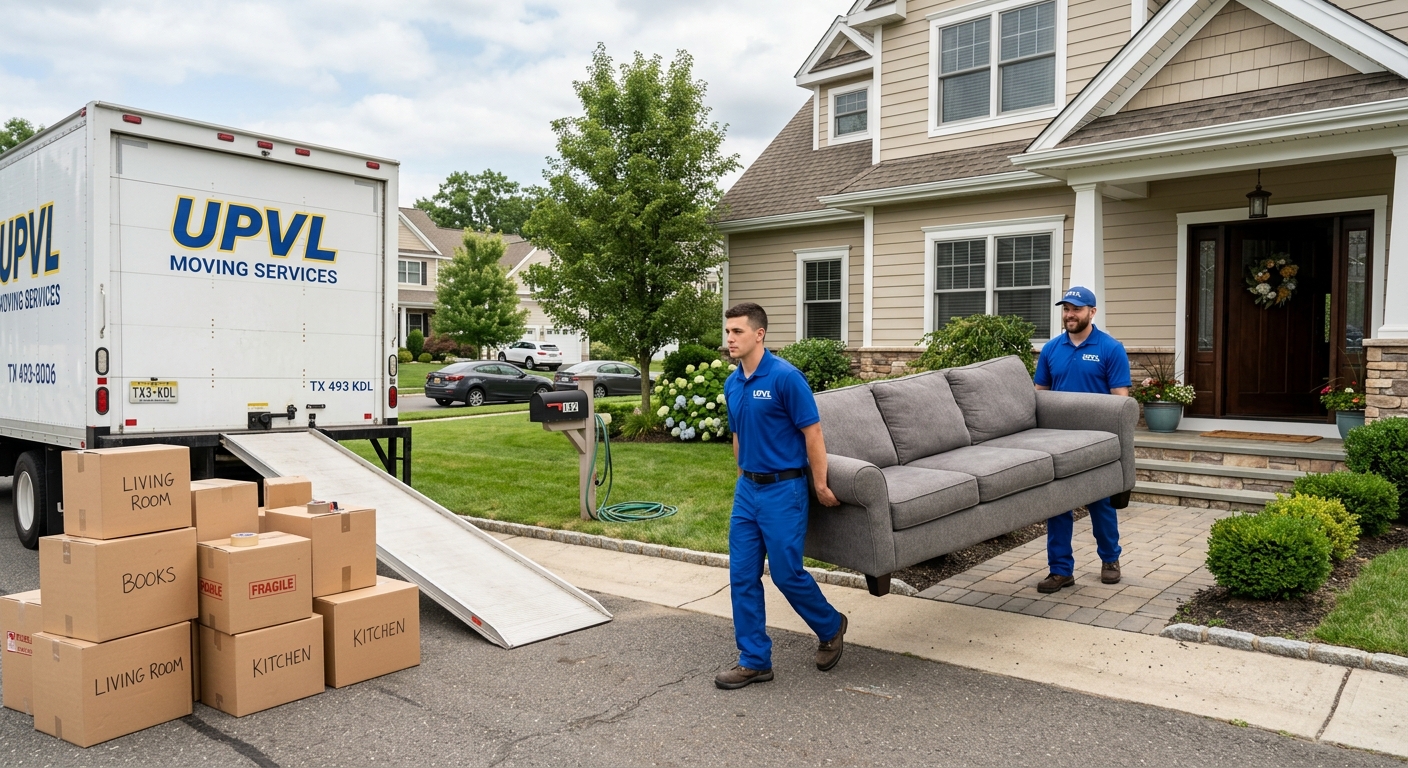
Planning a move can feel overwhelming, especially when you are trying to compare moving companies, understand pricing, and stay on schedule all at once. Whether you are planning local moving, a state-to-state relocation, or an office move, having clear steps and reliable information keeps surprises to a minimum and your budget under control.
Quick Navigation
Moving is more than loading a truck. A successful move is a project with a timeline, budget, and several decision points. When you plan early and follow proven moving tips, you reduce the risk of damage, missed deadlines, and last-minute costs.
For most households, moving is one of the largest expenses of the year after housing and transportation. According to the U.S. Census Bureau, millions of Americans relocate each year, many across state lines. With that much demand, the quality of movers and the range of pricing can vary widely.
A thoughtful plan helps you:
Companies like United Prime Van Lines build their services around these needs, offering local moving, long-distance moving, storage, and full packing services so you can customize your experience instead of accepting a one-size-fits-all approach.
Understanding the different types of moving services is the first step in comparing movers and getting accurate quotes. Most moves fall into a few core categories, each with its own pricing model, timelines, and planning needs.
Below is a simple breakdown of the main service types you will encounter when researching a moving company.
| Service Type | Typical Use Case | Key Details |
|---|---|---|
| Local Move | Same city or metro area, usually under 50–100 miles | Often priced hourly; smaller trucks; flexible scheduling |
| Long-Distance Move | State-to-state or 100+ miles | Priced by weight or volume plus distance; delivery window |
| Apartment / Condo Move | Buildings with elevators, HOAs, tight parking | Possible COI requirements; elevator reservations; stairs |
| House Move | Single-family or townhome | Driveway access; more furniture; larger trucks |
| Office / Commercial Move | Businesses, medical offices, retail | After-hours moves; IT handling; building coordination |
Local moves are ideal when you are moving across town and expect the movers to complete the job in one day. Long-distance moving is designed for cross-country or interstate relocations and involves more detailed planning, including delivery windows and valuation coverage.
Specialized services like apartment moving, house moves, and office-commercial moving include specific planning for elevators, loading docks, building insurance requirements, and the amount of furniture involved.
Most full-service movers also provide optional add-ons. These can significantly reduce your workload and risk of damage, especially on larger or more complex moves.
| Add-On Service | What It Includes | When It Makes Sense |
|---|---|---|
| Full Packing Service | Movers pack all rooms with professional materials | Busy schedules, long-distance, or large homes |
| Partial Packing | Pack select rooms (kitchen, fragile items) | When you can pack some items but not all |
| Furniture Disassembly/Assembly | Taking apart and reassembling beds, tables, etc. | Bulky, complex, or fragile furniture |
| Piano / Specialty Moving | Moving pianos, safes, artwork, antiques | High-value or unusually heavy items |
| Storage-In-Transit | Short- or long-term storage between homes | Gap between move-out and move-in dates |
For example, full packing services and furniture disassembly-assembly from United Prime Van Lines let you handle the planning and paperwork while professionals manage the physical work.
Sometimes you cannot plan months in advance. Lease issues, job offers, or family needs can force a quick move. Many professional movers offer expedited or last-minute moves, subject to availability.
For short-notice relocations, expect:
Booking as early as possible—even if it is only a couple of weeks in advance—usually leads to better options and smoother coordination.
Local and long-distance moves may feel similar, but the logistics and risk profile are very different. Understanding these differences helps you interpret quotes and ask the right questions.
A local move generally takes place within the same metropolitan area, often under 50–100 miles. For example, relocating from one neighborhood to another within the same city would almost always be local.
Key traits of a local move:
For local moves, service pages like local moving from United Prime Van Lines are a good place to check what is typically included.
Long-distance moving usually covers moves of 100 miles or more and especially those that cross state lines. Once your belongings cross a state border, your mover is considered an interstate mover and is regulated by the Federal Motor Carrier Safety Administration (FMCSA).
The FMCSA explains that interstate movers must provide written estimates and clear information about your rights and responsibilities. Source: FMCSA.
Things that make long-distance moving more complex than local moving include:
Every long-distance route comes with its own challenges. Weather, toll roads, and major city congestion can all affect transit time and scheduling.
| Route Example | Key Considerations | Typical Transit Factors |
|---|---|---|
| East Coast to Midwest | Potential snow/ice in winter, tolls on major interstates | Weather delays, truck weight stations |
| Northeast to Southeast | Hurricane season near coastal areas | Storm-related rerouting, heavy summer traffic |
| West Coast to East Coast | Cross-country distance, mountain passes, desert heat | Long transit window, multiple driver shifts |
| Sunbelt Intra-Region | High heat, potential severe thunderstorms | Daytime loading to avoid extreme heat, secure wrapping |
For detailed information on longer relocations, reference services like long-distance moving that outline how estimates, transit, and delivery windows are handled.
Unlike local moves, which usually finish the same day, long-distance moves rely on delivery windows. A delivery window is a range of dates when your shipment is expected to arrive.
Typical delivery windows depend on distance and logistics:
| Distance Range | Common Delivery Window | What Affects Timing |
|---|---|---|
| Up to 500 miles | 1–5 business days | Traffic, weather, schedule of other shipments |
| 500–1,000 miles | 3–10 business days | Route complexity, driver availability |
| 1,000–2,000 miles | 5–14 business days | Multiple stops, regional weather |
| 2,000+ miles | 7–21 business days | Cross-country routes, seasonal demand |
Ask the mover how they define “business days,” how they communicate any delays, and what happens if delivery falls outside the promised window.
Packing is often the most time-consuming piece of a move. Deciding whether to pack yourself or hire help affects cost, timing, and the condition of your belongings upon arrival.
Most moving companies offer three basic levels of packing help: full packing, partial packing, and DIY. Here is how they compare.
| Packing Level | What Movers Handle | Pros and Cons |
|---|---|---|
| Full Packing | All rooms, boxes, and packing supplies | Highest convenience; higher cost; best protection |
| Partial Packing | Specific rooms or fragile items | Balanced cost; you pack simpler items |
| DIY Packing | You pack everything; movers only load/transport | Lower cost; more work and risk if packed poorly |
| Unpacking Services | Box opening, basic item placement, debris removal | Faster settling in; optional add-on cost |
For busy families or professionals, booking full packing services can be well worth the investment, particularly for long-distance moving where the risk of damage across many miles is higher.
Even if you hire packers, it helps to know what materials are typically used. For DIY or partial packing, plan to have:
The way boxes are packed has a big impact on how well items travel. Here are practical moving tips to lower the chance of damage:
For long-distance moving, careful padding and labeling make it much easier to find critical items quickly once you arrive and to document any issues should you need to file a claim.

Some belongings require more than basic boxes and tape. Pianos, artwork, and antiques often need custom crating, climate-conscious handling, and specialized equipment.
Specialty moving services typically include:
When requesting quotes, ask specifically about piano moving or art and antique moving if you have high-value items. This ensures your mover sends an appropriately trained crew and the right equipment.
Storage becomes important when there is a gap between move-out and move-in dates, when you are staging a home for sale, or when you are downsizing and need extra time to decide what to keep.
Movers often offer several storage models to match different needs. Here is a quick comparison.
| Storage Type | Best For | Key Features |
|---|---|---|
| Short-Term (Storage-In-Transit) | 1–90 days between pickup and delivery | Connected directly to your move, prorated fees |
| Long-Term Warehouse Storage | Several months or more | Inventory tracking, secure facilities |
| Container / Vaulted Storage | Keeping items sealed together | Crated units, often less handling |
| Self-Storage Unit | DIY access and control | You handle loading, locks, and any moves in/out |
Using the moving company’s storage—such as options provided via United Prime Van Lines storage services—can reduce the number of times your items are handled and reloaded, which helps limit damage risk.
Before committing to a storage plan, clarify:
If you will be in storage for an extended period, keep seasonal items and personal documents with you rather than in the unit, so you are not stuck without essentials.
Moving prices can vary significantly depending on distance, home size, and services used. Understanding cost drivers helps you read quotes accurately and compare companies on an apples-to-apples basis.
Most moving companies look at similar inputs when building your estimate:
To help visualize how these factors play together, here is an overview table of typical influences and what you can control.
| Cost Factor | How It Affects Price | How You Can Manage It |
|---|---|---|
| Distance | Longer distance adds fuel, tolls, driver time | Not much control; focus on efficient scheduling |
| Shipment Size | More items increase labor and truck space | Declutter, sell, or donate before move day |
| Access / Stairs | Stairs and long carries add labor time | Reserve parking, clear hallways, measure furniture |
| Packing Services | Full packing adds to total cost | Choose partial or DIY packing where possible |
| Season & Date | Summer weekends often cost more | Move mid-week or off-peak season if flexible |
Local moves are usually charged hourly, while long-distance moves tend to use flat-rate or weight-based pricing. Later in this article, we will walk through estimate types in more detail, but in broad terms:
Ask for a written breakdown so you can see where your money is going—labor, truck fees, packing, materials, storage, and valuation coverage.
Moving estimates are not all the same. The type of estimate you sign strongly affects your final bill, especially for long-distance moving. Understanding the differences protects your budget and helps you compare moving company quotes fairly.
The FMCSA defines three main estimate types for interstate moves: non-binding, binding, and binding not-to-exceed. Source: FMCSA.
| Estimate Type | How Pricing Works | Pros and Cons |
|---|---|---|
| Non-Binding | Initial estimate; final cost based on actual weight/time | Flexible but can increase on move day |
| Binding | Fixed price for listed services and weight | Predictable cost; less flexibility for changes |
| Binding Not-To-Exceed | Final cost is lower of estimate or actual charges | Best protection if weight is less than estimated |
| Hourly (Local Moves) | Pay for actual time worked and crew size | Simple but affected by access and prep |
Non-binding estimate: The mover gives a good-faith estimate, but the final price is based on the actual weight of your shipment and services performed. If your shipment weighs more, the cost goes up. You must still receive a written estimate and an explanation of potential variances.
Binding estimate: The total price is fixed as long as you do not add extra items or services beyond what is listed in the estimate. This helps prevent surprises but may be less flexible if your plans change.
Binding not-to-exceed estimate: You pay either the binding estimate or the lower actual price if the shipment weighs less. This is often the most customer-friendly structure for long-distance moving.
Before you sign anything, ask your mover:
By clarifying these points early, you avoid misunderstanding on move day when time is limited and decisions are rushed.
Checking a mover’s licensing and understanding how your belongings are protected during transit are essential steps in any move. This is where many low-cost, unlicensed operators cut corners, which can be expensive for customers later.
For interstate moves, movers must be registered with the FMCSA and have a U.S. DOT number. You can verify a company’s status using the FMCSA’s online “Company Snapshot” tool. Source: FMCSA Company Snapshot.
For local or intrastate moves, licensing varies by state. Some states require separate permits or registrations for household goods movers. When in doubt, check your state’s consumer protection or transportation agency.
Valuation coverage is not the same as full third-party insurance, but it is how most moving companies set liability for your belongings.
The FMCSA describes two main valuation options for interstate moves: Released Value and Full Value Protection. Source: FMCSA Valuation Coverage.
| Valuation Option | Coverage Level | Typical Use |
|---|---|---|
| Released Value Protection | Up to $0.60 per pound per item | Included at no additional charge |
| Full Value Protection | Cost to repair, replace, or cash-settle (subject to terms) | Additional fee based on shipment value |
| Third-Party Insurance | Separate policy from an insurance provider | For high-value shipments seeking broader coverage |
| Special Item Riders | Extra coverage for specific high-value pieces | Pianos, artwork, jewelry (often via third-party) |
Released Value Protection is the most basic option. If a 50-pound TV is damaged, you may only receive 50 × $0.60 = $30. For many items, that is not enough to replace or repair them.
Full Value Protection raises the mover’s liability to the current market replacement value of your belongings, up to a declared amount. There are details around deductibles, excluded items, and documentation, so read the valuation terms carefully.
For apartments, condos, and office buildings, management often requires a Certificate of Insurance (COI) before allowing movers on the property. The COI shows that the moving company carries the required liability and workers’ compensation coverage.
Typical COI requirements may include:
Ask your building’s management office exactly what they need and give your mover several days to prepare the COI. This is especially important for office-commercial moving, where loading dock reservations and elevator time are tightly scheduled.
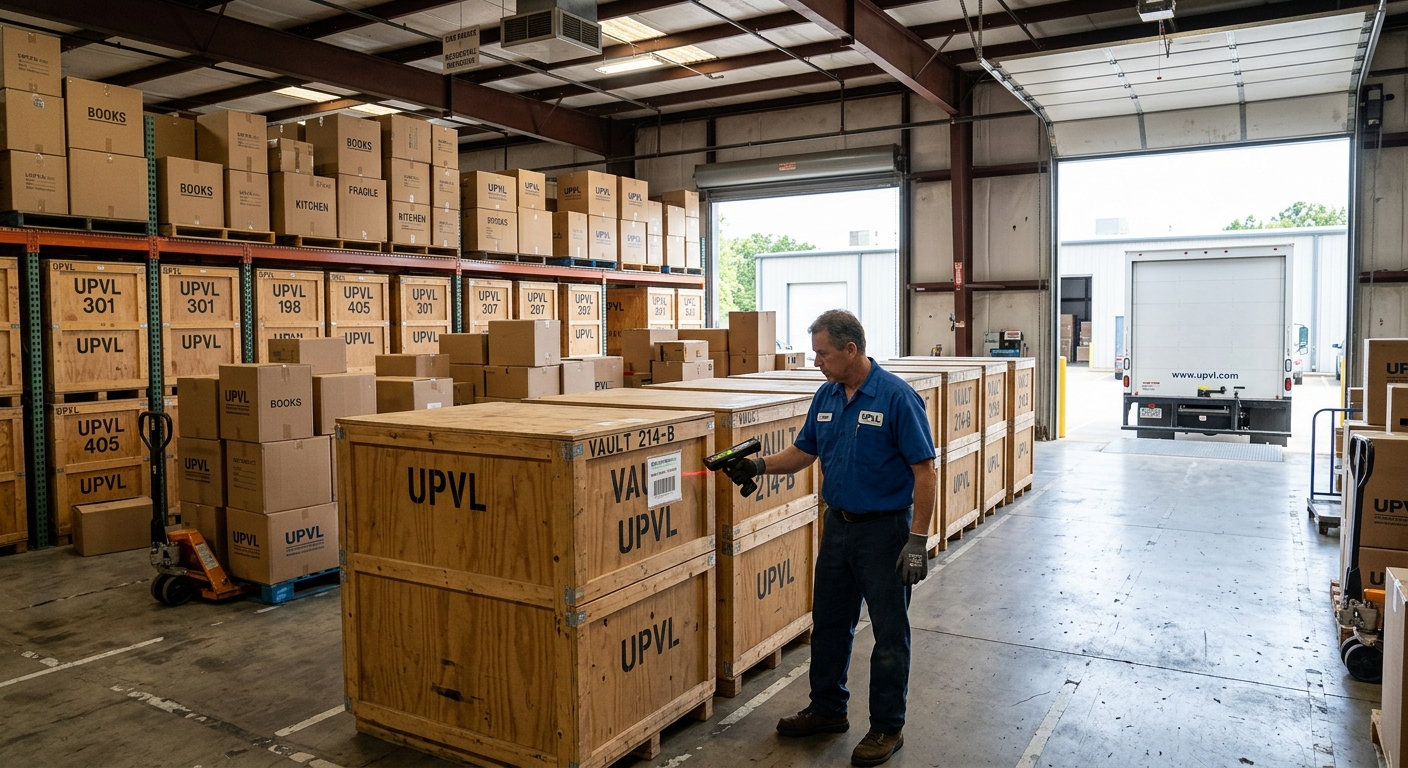
Office and commercial moves introduce a different set of challenges compared with household moves. You are dealing with employee downtime, IT equipment, records, and often multiple floors or departments.
The goal of a commercial move is to get your team back to work quickly. To minimize downtime:
Consider scheduling after-hours or weekend moves to reduce the impact on operations. Many professional movers, including those offering office-commercial moving, are accustomed to off-peak scheduling.
Labeling is critical when dozens or hundreds of workstations are involved. A good commercial moving plan should include:
Partner with your internal IT team or managed service provider to determine what equipment can move, what needs to be backed up, and how to handle network cutovers at the new location.
Office buildings and medical centers often have stricter rules than residential properties. Expect to coordinate:
Having your mover and building management communicate directly can speed up approvals and ensure everyone understands the schedule.
A structured checklist is one of the most useful moving tips you can follow. It keeps your tasks from piling up at the last minute and makes it easier to delegate jobs to family members or colleagues.
Use this timeline as a general outline and adjust based on your actual move date.
| Timeframe | Key Tasks | Notes |
|---|---|---|
| 8–6 Weeks Before | Research movers, request estimates, compare services | Verify licensing and valuation options |
| 6–4 Weeks Before | Book your mover, start decluttering, gather records | Confirm COI needs and building rules |
| 4–2 Weeks Before | Begin packing non-essentials, label boxes, schedule utilities | Arrange storage if needed |
| 2 Weeks–Move Week | Pack essentials, confirm details with mover, prepare payment | Set aside items that travel with you |
As move day approaches, focus on essentials that avoid delays and protect your belongings.
For long-distance moving, take photos of high-value items before they are packed or loaded. This can help with any potential claims and gives you peace of mind.
For local moves, aim to book 4–6 weeks in advance. For long-distance or peak-season moves (summer, month-end), 6–8 weeks is safer. Last-minute moves are sometimes possible but may have limited date and time choices.
A moving company owns its trucks and directly employs or contracts its crews. A moving broker arranges moves through third-party carriers. The FMCSA warns consumers to understand whether they are dealing with a broker or a carrier. Source: FMCSA Moving Brokers. When possible, work directly with a reputable carrier or a broker who clearly identifies the actual carrier in your paperwork.
Declutter aggressively so you do not pay to move items you no longer need, pack non-fragile items yourself, move during off-peak days if possible, and make sure access is clear so your movers can work efficiently. Avoid choosing a mover based solely on the lowest price if their licensing or reviews look questionable.
No. Movers cannot legally transport hazardous or flammable items such as propane tanks, gasoline, fireworks, certain chemicals, or some cleaning supplies. Ask your mover for a “non-allowables” list. Plan to safely dispose of or personally transport plants, perishable foods, and any regulated materials.
Look for patterns in reviews rather than just individual comments. Consistent praise for communication, timeliness, and care handling items is a good sign. Repeated complaints about surprise charges, damaged items without resolution, or no-show crews are red flags. Check third-party sites and confirm the company name, DOT number, and address match their official listings.
Tipping is not required but is commonly appreciated when crews do a strong job. Many customers use a guideline of 10–20% of the total labor cost, divided among the crew, or a flat amount per mover per day, depending on the move complexity and local custom. Only tip if you are satisfied with the service and after you have reviewed the final bill.
Notify the moving company as soon as you notice damage and follow the claim process outlined in your documents. You may need to provide photos, a description of the item, proof of value, and the inventory number. Interstate movers have specific timelines and procedures for claims defined by the FMCSA, so keep all paperwork in one place.
A smooth move comes down to informed planning, realistic budgeting, and choosing a mover that matches your needs. Take time to understand service types, packing options, pricing structures, and valuation coverage so your expectations match what is in your moving agreement.
Use the checklists and tables above as a roadmap. Whether you are coordinating a local apartment move, a long-distance family relocation, or a full office move, pairing these moving tips with a reputable, licensed mover puts you in a strong position to protect your belongings, your time, and your peace of mind.