If you’re planning a move from Miami to Washington, DC, you’re looking at a major East Coast route with a few details that matter a lot: timing, access, and building paperwork like a COI. Getting those right is what keeps this long-distance move from turning into a headache.
This guide walks through what to expect on the Miami–DC route, how timing usually works, what drives the price, and how to handle your destination’s Certificate of Insurance.
Miami to Washington, DC is roughly 1,050–1,100 road miles, depending on the exact addresses and route. For professional movers, this is a long-distance interstate move that typically runs along the I-95 corridor.
Most moves go in two stages: pickup in South Florida (often with other loads scheduled in the region) and then line-haul transport north along the East Coast, followed by local-style delivery into the DC area. Tight city streets, one-way roads, and loading restrictions around DC can affect how the final delivery is handled and how long it takes.
There are two different timing questions on this route: how long the truck is actually on the road, and when your shipment will arrive in the delivery window on your paperwork.
Driving time from Miami to DC is typically a long day and a half for a commercial truck under normal conditions. But movers have to factor in hours-of-service rules, other scheduled stops, traffic, weather, and where your shipment sits in the route plan.
Instead of a single exact arrival time days in advance, carriers usually give a delivery spread (a range of dates). That window is set by the dispatcher based on weight, distance, season, and how the truck is routed. For example, a shipment leaving Miami early in the week might be planned for delivery in DC later that same week, but the specific day can depend on how full the truck is and other customers’ stops.
If you need tighter timing than a standard window, ask the mover whether they offer options like smaller dedicated loads or premium scheduling on this route. Not every move or date will qualify, but it’s worth asking if timing is your top priority.
Reputable long-distance movers will base your price on a few core factors. Even though the route is fairly standard along the East Coast, small details of your move can push your quote up or down.
Because this is a long-distance move, a quick phone call without a detailed inventory won’t give you a reliable cost. For a realistic estimate, you’ll want to share a room-by-room item list or do a virtual/visual survey so the mover can gauge your size and access properly.
When you’re ready, you can reach out to a carrier like United Prime Van Lines’ long-distance moving team with your inventory and dates to get a route-specific quote for Miami to DC.
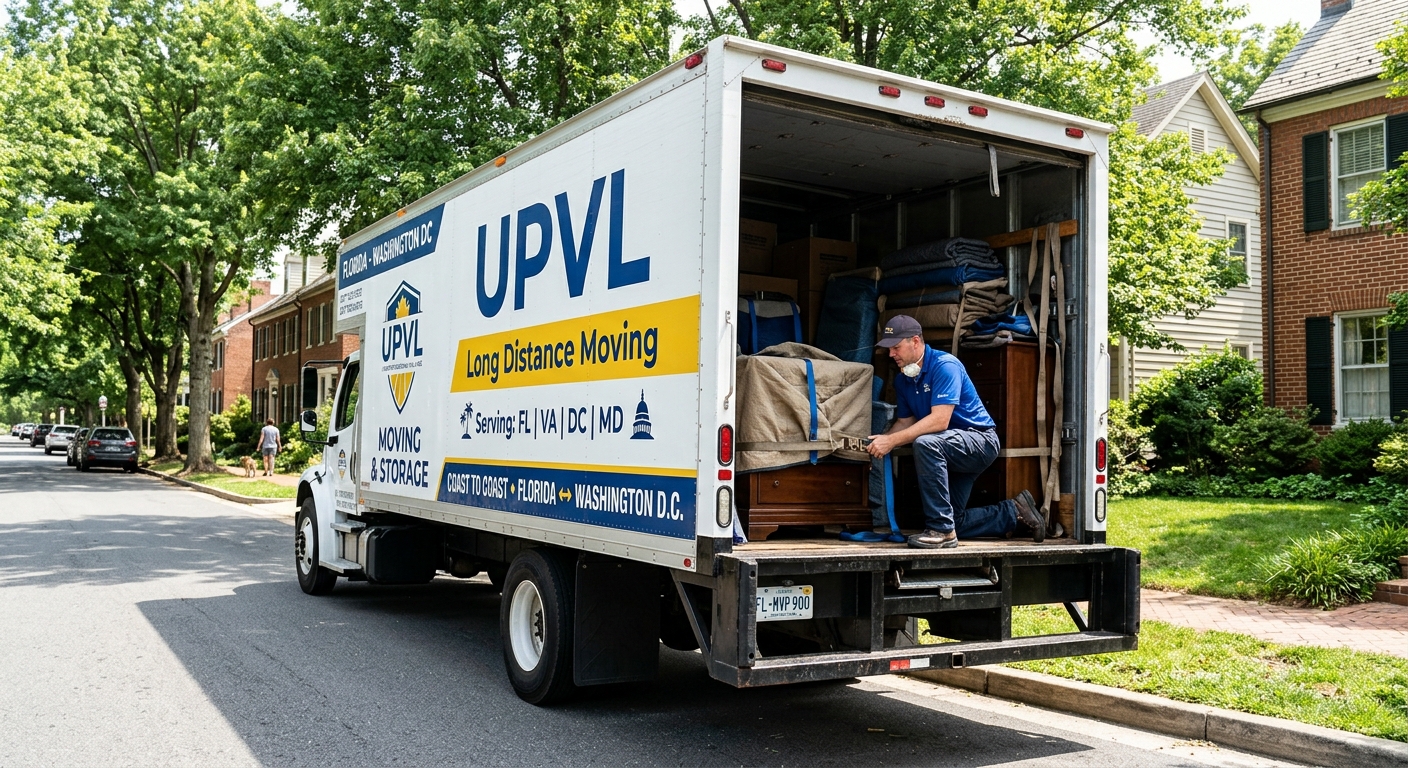
Many apartment and condo buildings in Washington, DC will require a Certificate of Insurance (COI) from your mover before they allow the truck on-site or the crew to use the elevator. Some office buildings are even stricter.
A COI is a document issued by an insurance provider that summarizes the mover’s liability coverage and names your building (or management company) as a certificate holder and often as an additional insured. It’s not something you create yourself—the mover has to request it from their insurer with your building’s exact requirements.
Not every DC home will require a COI—for example, some single-family homes or smaller walk-ups may not—but if you’re moving into a high-rise or professionally managed property, assume you’ll need one until management says otherwise.
On the Miami side, the focus is on access, timing, and getting your items ready so the crew can load efficiently and keep you on schedule for the long drive north.
If you prefer not to pack yourself, you can ask about full packing services so the crew arrives with the right materials and staff count for your Miami pickup.

Delivery in DC can feel different from pickup in Miami, especially if you’re going into a dense neighborhood with tight parking or strict move rules.
If your DC building has strict move hours and the truck is delayed by traffic or another stop, work with the dispatcher quickly on options. In some cases, rescheduling the elevator or doing a partial unload may be better than rushing and risking damage or fines from the building.
The actual drive for a commercial truck is typically around a day and a half under normal conditions, but your contract will list a delivery window rather than a single guaranteed day. That window reflects dispatch planning, other loads on the truck, and factors like traffic or weather. Ask your mover for your specific pickup date and the estimated delivery spread for your shipment size and timing.
There isn’t one standard price for the Miami–DC route. Your cost will depend mainly on how much you’re moving, what kind of access the crew has at both addresses, and which services you choose (such as packing, storage, or special handling). To get a usable number, you’ll need to provide a detailed inventory and access notes so the mover can prepare a route-specific estimate for your dates.
Many DC apartment and condo buildings do require a Certificate of Insurance from your mover, but some smaller properties and single-family homes do not. The only way to know for sure is to ask your building management directly. If they require a COI, get their written requirements and send them to your mover early so the certificate can be issued before move day.
If you’re moving from Miami to Washington, DC and want a clear, route-aware estimate, you can contact United Prime Van Lines with your inventory, dates, and building details at both ends. The more specific you are up front, the smoother this long East Coast move tends to go.