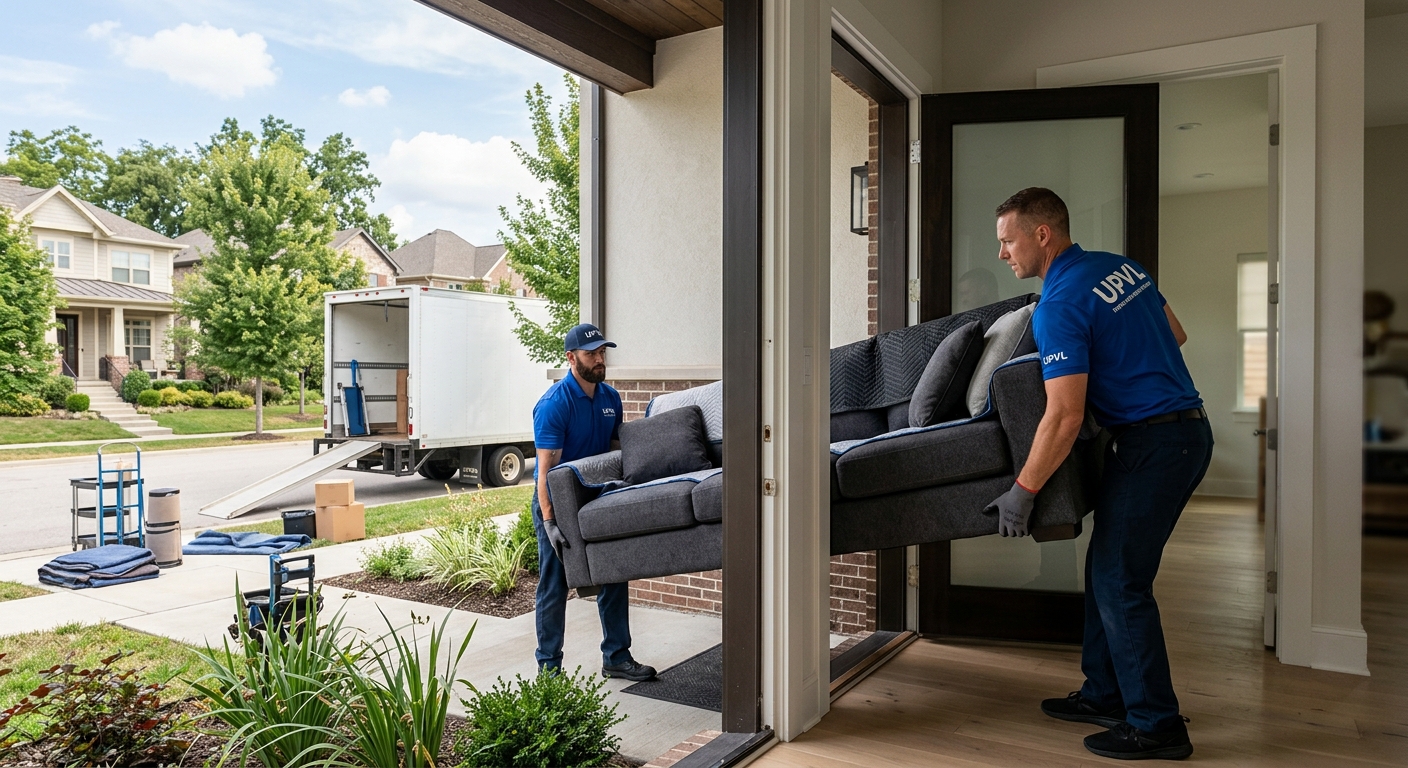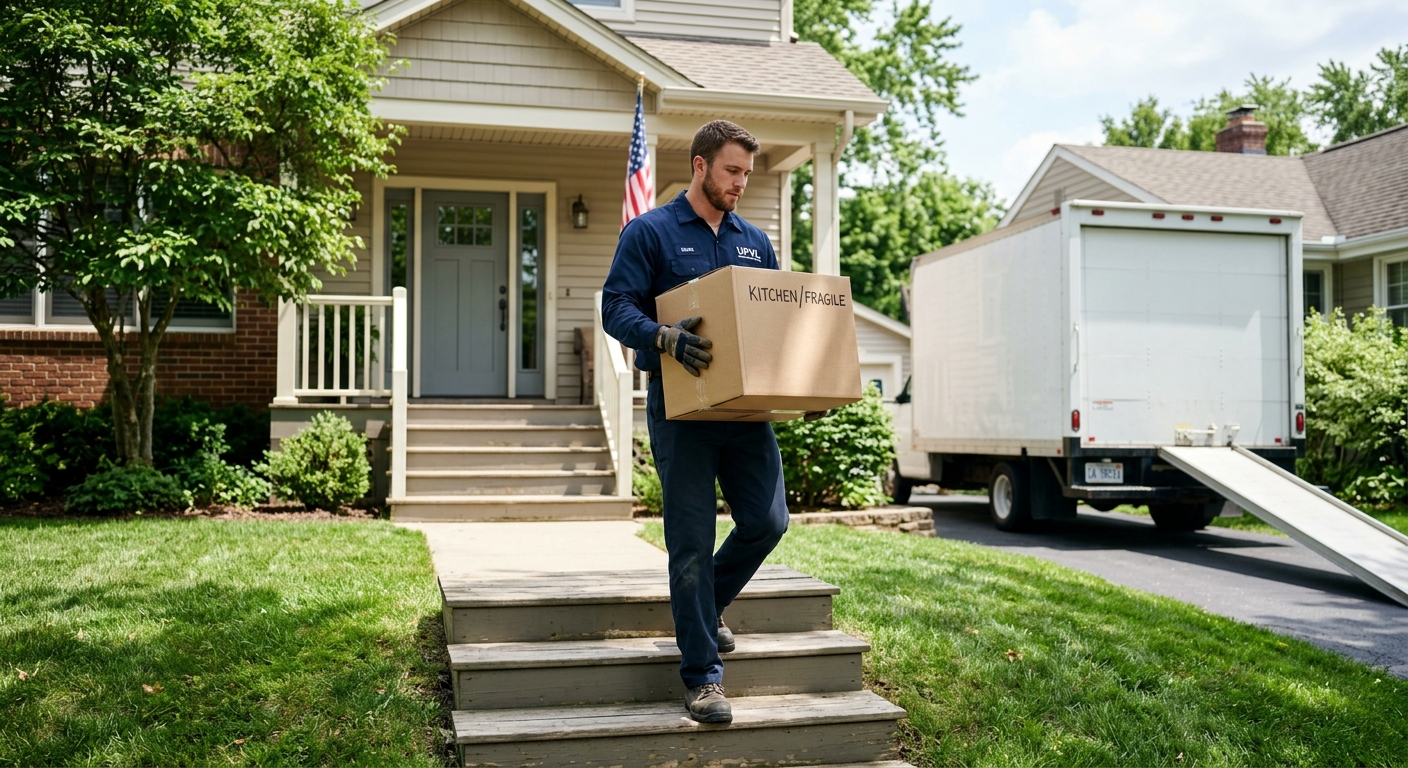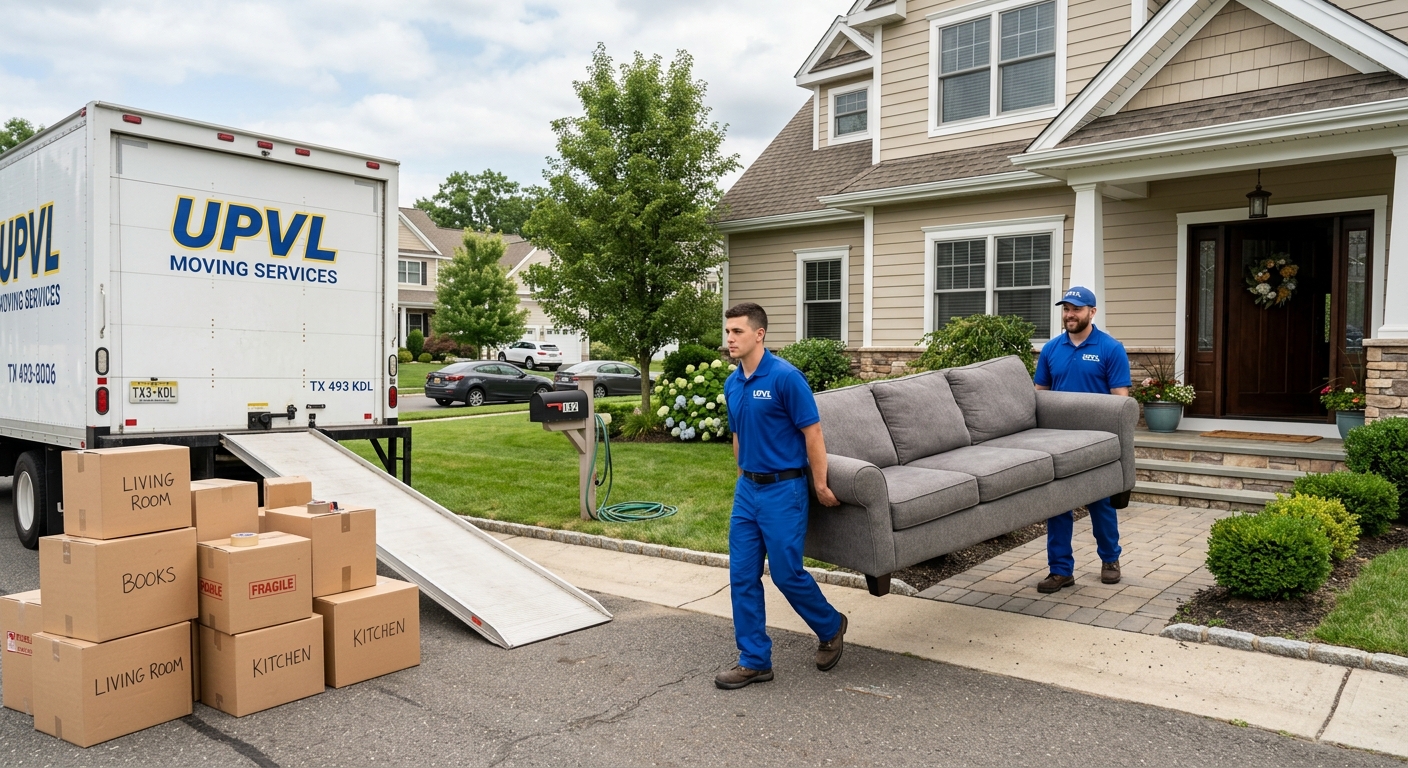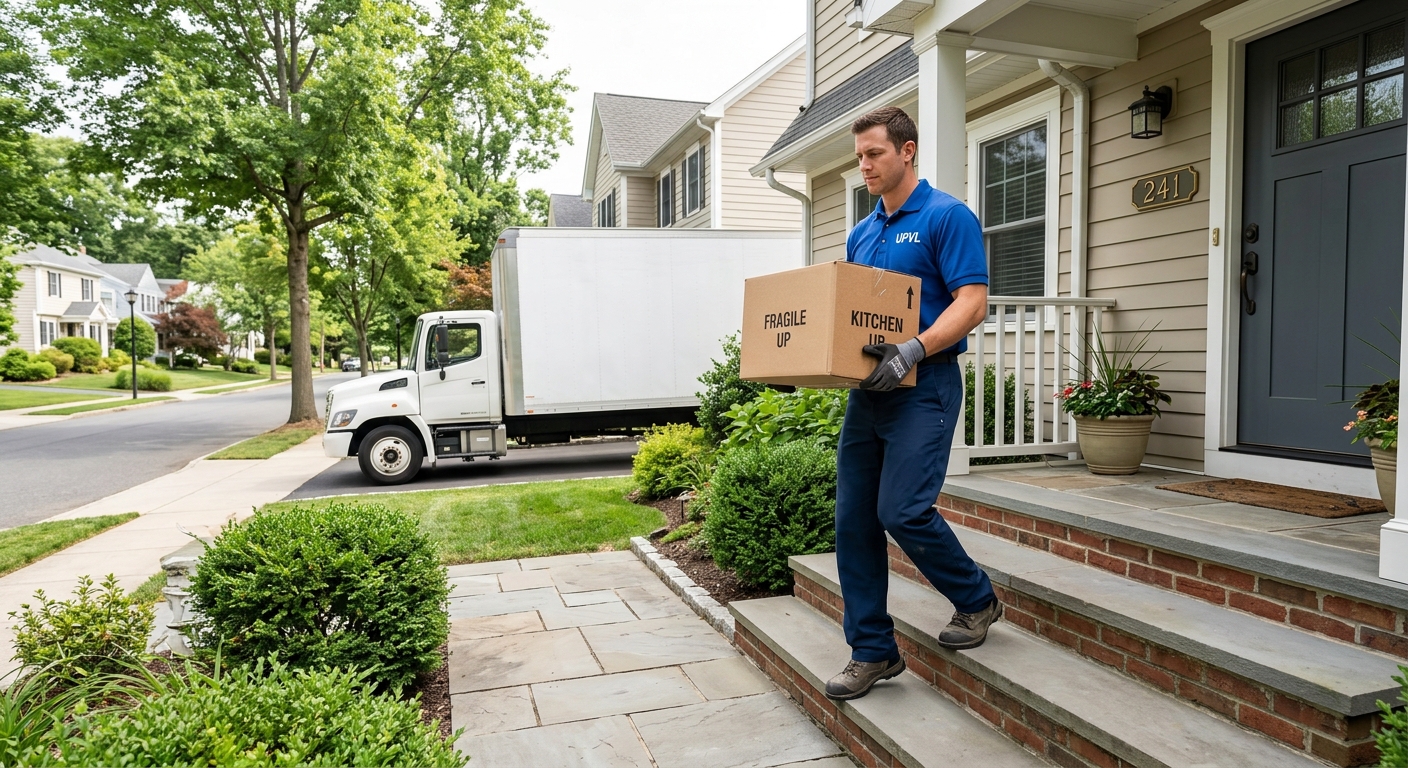
Moving gets stressful fast when you try to juggle packing, paperwork, and deadlines on your own. Working with a reliable, licensed mover like United Prime Van Lines keeps the process organized, transparent, and a lot less overwhelming.
Quick Navigation
Moving with United Prime Van Lines means you are working with a team that handles local, long-distance, and commercial moves every day. Careful planning upfront helps control costs, avoid damage, and keep your schedule on track.
A well-planned move answers a few core questions early:
Once those answers are clear, United Prime Van Lines can recommend the right service type, estimate style, packing level, and delivery window for your situation. That’s where you start gaining control over the process instead of reacting to last-minute surprises.
Using a licensed mover instead of a random truck rental or unverified crew also lowers your risk. Interstate household movers must follow federal rules from the Federal Motor Carrier Safety Administration (FMCSA), including written estimates and required consumer booklets. Source: FMCSA.
| Planning Goal | Why It Matters | How United Prime Van Lines Helps |
|---|---|---|
| Control costs | Prevents surprise charges and budget shocks | Uses clear estimate types and explains what’s included |
| Protect belongings | Reduces risk of breakage or loss | Offers professional packing and proper materials |
| Stay on schedule | Avoids missed closings and extra hotel days | Sets realistic load dates and delivery windows |
| Reduce stress | Gives you bandwidth for work and family | Handles heavy lifting, logistics, and coordination |
If you know you’ll need help on a specific part of the move, such as packing your kitchen or getting a piano down a staircase, United Prime Van Lines can tailor services. For example, you can combine full packing services with only basic loading and unloading, or add storage options if you have a gap between move-out and move-in dates.
United Prime Van Lines covers local, long-distance, and office moves, along with specialized services like apartment moving, piano handling, and storage. Understanding each service type helps you pick the right package.
Most customers fit into one or more of these categories:
| Service Type | Typical Distance | Common Pricing Basis |
|---|---|---|
| Local move | Same city or nearby counties | Hourly rate plus materials, with minimum hours |
| Intrastate long move | Within same state but over local radius | Weight or flat-rate, depending on regulations |
| Interstate long-distance | State-to-state or cross-country | Weight and distance, often with binding or non-binding estimates |
| Office / commercial | Usually local or regional | Hourly or project-based with detailed scope |
Local moving with United Prime Van Lines might cover typical runs like:
Apartment moves can be more complex than people expect. Buildings may require:
United Prime Van Lines regularly handles these details on apartment and condo moves. When you book, share your building’s moving rules early so your coordinator can secure the COI and schedule the right elevator window. Learn more about how apartment moves are handled at apartment moving services.
Long-distance moving with United Prime Van Lines typically includes interstate routes such as:
These longer routes come with more complex logistics, including multi-day travel, fuel planning, rest stops, and weather monitoring. That is why understanding your delivery window and estimate type is so important for long-distance moves, which we cover in detail later.
For businesses, office and commercial moving services include:
| Commercial Move Need | Risk If Ignored | How It’s Managed |
|---|---|---|
| COI and building rules | Move may be denied day-of | COI issued to building; crew follows loading rules |
| IT equipment planning | Extended downtime and data risk | Padded packing, cable labeling, dedicated IT schedule |
| Workstation labeling | Lost productivity after move | Color-coded labels and floor-plan mapping |
| After-hours access | Noise complaints or fines | Scheduled evening or weekend crews |
Local and long-distance moves feel similar on the surface—boxes, trucks, and heavy lifting—but how they are priced, scheduled, and regulated can be very different.
Local moves are usually billed by the hour, with a set number of movers and sometimes a travel fee. Common elements include:
If you need same-day or next-day help, United Prime Van Lines offers last-minute moves when schedule allows. These can be lifesavers if your closing date shifts or a previous mover cancels.
| Local Move Factor | Impact on Time | Impact on Cost |
|---|---|---|
| Stairs vs elevator | Slows loading / unloading | More labor hours |
| Distance from door to truck | Longer walk paths | Higher labor time |
| Parking / access issues | Extra time to find legal parking | Possible city permit fees |
| Number of small loose items | Extra trips to and from unit | More hours than boxed moves |
For interstate long-distance moving, charges are usually based on the weight of your shipment and the distance traveled. Federal law requires written estimates and a booklet explaining your rights and responsibilities. Source: FMCSA.
Key features of long-distance moves with United Prime Van Lines include:
If your origin or destination is in South Florida or Southern California, you might be connecting with United Prime Van Lines hubs in Hallandale Beach or Chatsworth, which support major east–west and north–south routes.
If your move stays within about 50–100 miles and within the same state, it is often treated as a local move; beyond that, it becomes a long-distance or intrastate move depending on state rules. Always ask your coordinator how your move will be classified, because it affects both pricing and paperwork.
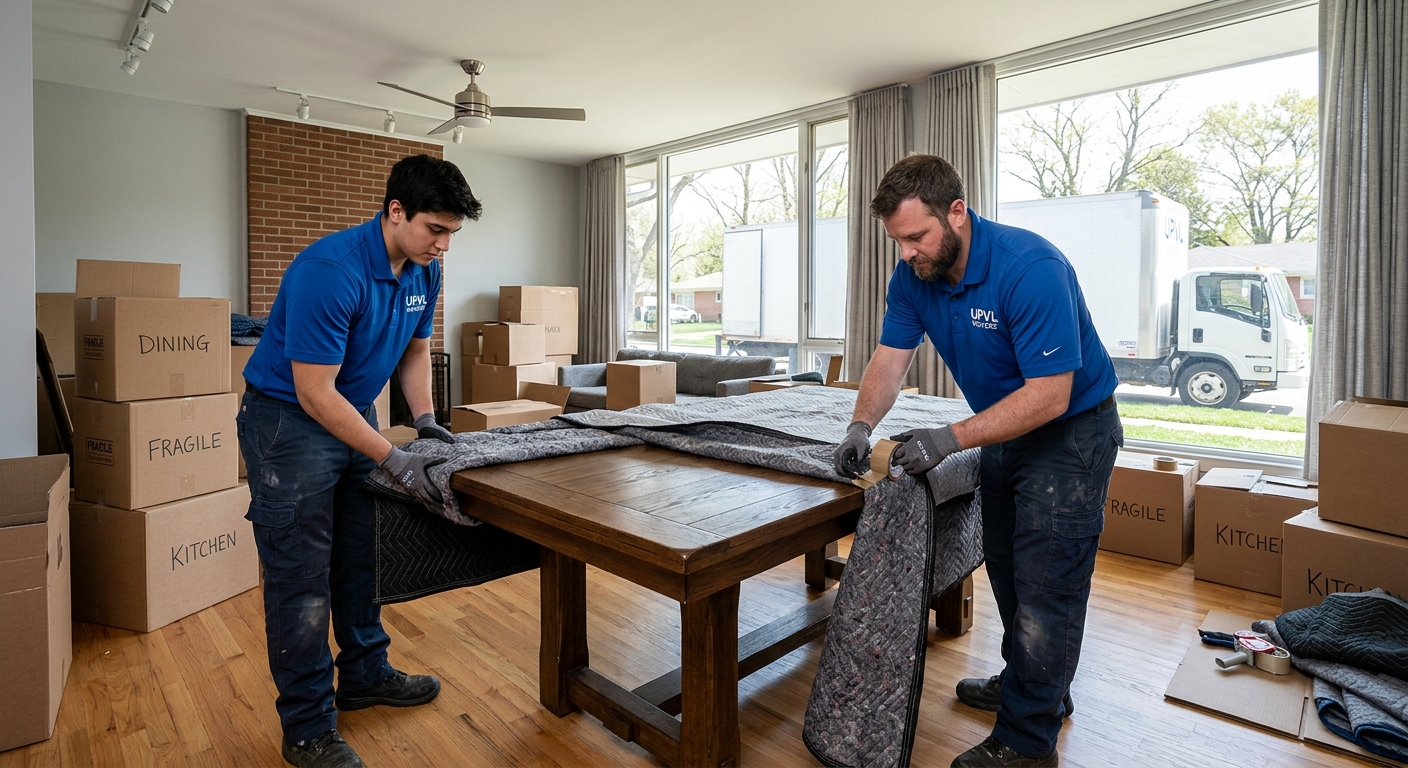
Packing is where most people underestimate the time and effort involved. United Prime Van Lines offers flexible options so you can combine DIY with professional help.
Typical options include:
| Packing Level | Best For | Main Trade-Off |
|---|---|---|
| Self-packing | Tight budgets, plenty of time | Saves money but costs you significant time and energy |
| Partial packing | Busy households, fragile rooms | Balanced cost and convenience; pros pack breakables |
| Full packing | Executives, families with young kids, long-distance | Higher cost, minimal effort and faster move day |
| Unpacking add-on | Fast setups, seniors, corporate relocations | Extra charge but quicker settling in |
With professional packing, crews bring the right cartons, paper, and padding for items like dishes, TVs, artwork, and glass tables. Proper packing directly affects how well your belongings travel, especially on cross-country routes with long highway stretches.
Some belongings need special handling:
If you choose to self-pack, follow these guidelines:
Storage comes into play when move-out and move-in dates do not line up, or when you are downsizing and need time to sort through belongings.
United Prime Van Lines provides storage solutions that can be paired with your move. Often this is “storage in transit” (SIT), where your items stay under the mover’s control rather than at a self-storage facility.
| Storage Type | Typical Use | Key Consideration |
|---|---|---|
| Short-term SIT | Gap of days or a few weeks | Easy to coordinate with delivery window |
| Long-term SIT | Several months between moves | Monthly storage charges accumulate |
| Self-storage (you book) | Ongoing access to items | You manage contract and facility security |
| Climate-controlled storage | Art, instruments, sensitive items | Higher cost, better for humidity and temperature swings |
If your route involves Florida, humidity and mold are real concerns for long-term storage. The NOAA notes the state’s consistently high humidity levels, which can affect wood furniture and paper goods over time. Climate-controlled storage may be worth the upgrade.
Moving costs vary widely, but there are consistent factors that drive your price up or down, whether you are booking a local crew or a long-distance shipment.
| Cost Factor | How It Affects Price | What You Can Do |
|---|---|---|
| Total volume / weight | More items = more time for local; higher weight for long-distance | Declutter and donate before move |
| Distance | Longer routes require more fuel, tolls, and driver time | Be flexible with pickup window if possible |
| Access and stairs | Slow loading increases labor hours | Reserve loading zones, elevators, and clear hallways |
| Packing level | Professional packing adds labor and materials | Pack easy areas yourself; let pros handle fragile rooms |
| Season and date | Summer and month-end dates are in higher demand | Book early or choose mid-week / mid-month when possible |
Local moves are often billed hourly, while long-distance moves typically use weight- and distance-based pricing. The choice of estimate type (binding vs non-binding) also shapes your final bill, which we’ll cover in the next section.
| Pricing Style | Common Use | Pros and Cons |
|---|---|---|
| Hourly rate | Local moves | Simple and flexible, but time overruns cost more |
| Flat-rate local | Certain predictable jobs | Cost certainty, but conditions must be clearly defined |
| Weight-based | Interstate long-distance | Standardized under federal rules, but requires accurate inventory |
| Hybrid / project-based | Office/commercial | Aligns with detailed scope; requires good planning |
Because there’s no one-size-fits-all price, the best way to get a realistic number is to request a written estimate from United Prime Van Lines after an inventory review. For long-distance moves, that typically includes either an in-home, video, or phone survey of your belongings.
Understanding your estimate type is just as important as knowing your price. It tells you how much your final cost can change and under what circumstances.
The FMCSA describes three main estimate types for interstate moves. Source: FMCSA.
| Estimate Type | How Final Price Is Determined | Best For |
|---|---|---|
| Non-binding | Actual weight and services, within regulated variance | Flexible inventories, small moves |
| Binding | Fixed price as long as inventory and services match estimate | Customers who want cost certainty and stable plans |
| Binding not-to-exceed | Pay the lower of the estimate or actual charges | Those who want protection from overruns but may have slightly less weight |
| Local hourly quote | Time actually spent multiplied by hourly rate | Local moves where hours can be reasonably predicted |
To keep your bill aligned with your estimate:
United Prime Van Lines coordinators walk you through the estimate type being used for your move and explain what could change your final price. Ask for a copy of your estimate and keep it with your moving paperwork.
One of the biggest advantages of moving with United Prime Van Lines instead of hiring casual labor is the protection you gain through proper licensing, insurance, and valuation coverage.
For interstate household goods moves, carriers must be authorized by the FMCSA and have a U.S. DOT number. You can look up a mover’s safety and licensing record on the FMCSA SAFER website.
States like California and Florida add their own rules for local and intrastate moves:
United Prime Van Lines operates under the appropriate federal and state licensing where required and provides documentation when requested, so you know you’re working with a compliant carrier.
Customers often confuse insurance with valuation coverage.
Federal rules require interstate movers to offer at least two valuation options:
| Coverage Type | Cost | Typical Payout Example |
|---|---|---|
| Released Value | Included in move cost | 50 lb TV damaged: 50 × $0.60 = $30 |
| Full Value Protection | Additional charge based on shipment value | 50 lb TV damaged: repaired, replaced, or cash settlement at current value |
| Third-party insurance | Sold by outside provider | Varies based on policy |
| Carrier liability limits | Defined in tariff and paperwork | May cap certain high-value items |
Always read your valuation options closely before move day. For high-value items, Full Value Protection is often worth the added cost, especially on long-distance moves.
Many apartment and office buildings require movers to provide a COI before allowing the crew to enter. A COI is a document issued by the mover’s insurance company that confirms current coverage and lists the building and management as “additional insured” or “certificate holder.”
To avoid delays, send your building’s COI requirements to United Prime Van Lines as soon as you book. The team will work with their insurer to generate a compliant COI and send it to your building ahead of move day.
Long-distance customers sometimes expect a precise delivery day and hour, but trucking logistics and federal hours-of-service rules make that unrealistic for most routes.
For interstate moves, you are usually given a pickup date (or range) and a delivery spread—often a multi-day window. That window accounts for:
| Route Example | Approx. Distance | Typical Delivery Window |
|---|---|---|
| Atlanta, GA to Miami, FL | 650–700 miles | 2–5 business days depending on schedule |
| New York, NY to Chicago, IL | 800–850 miles | 3–7 business days |
| Los Angeles, CA to Dallas, TX | 1,400–1,500 miles | 4–10 business days |
| Miami, FL to Los Angeles, CA | 2,700–2,800 miles | 7–21 business days depending on time of year |
Specific timing will be confirmed by your coordinator and may tighten as the truck gets closer to your destination.
If severe weather is expected—like hurricanes in Florida, where the National Hurricane Center tracks storms—delivery windows may be adjusted for safety. Your coordinator will communicate any changes as early as possible.

Staying organized is easier with a written plan. Use this high-level moving checklist, then adapt it to your own timeline.
| Checklist Phase | Main Tasks | Key Documents |
|---|---|---|
| 8+ weeks | Research, estimates, declutter | Estimates, mover licensing info |
| 4–7 weeks | Packing, COI, schedule utilities | COI requirements, building rules |
| 1–3 weeks | Finalize packing, confirm logistics | Written estimate, valuation forms |
| Move and delivery days | Supervise loading/unloading | Bill of lading, inventory, receipts |
For peak season (roughly May through September), aim to book 4–8 weeks before your ideal move date, especially for long-distance jobs. Off-season local moves sometimes have availability with just 1–3 weeks’ notice, and last-minute options may exist depending on the schedule.
Often, yes. United Prime Van Lines maintains capacity for urgent relocations when possible. Visit last-minute moves to see how short-notice moves are handled, then call to check specific date availability.
Like most licensed movers, United Prime Van Lines cannot move hazardous materials such as propane tanks, gasoline, fireworks, certain chemicals, and some cleaning products. Perishable food, live plants (on many long-distance routes), and pets also cannot travel on the moving truck. Ask your coordinator for a full non-allowables list.
Yes. Either you or a trusted representative age 18 or older should be present for both pickup and delivery. You will be asked to confirm the inventory, sign the bill of lading, answer questions about access, and direct the crew where to place items in your new home.
Movers use moving pads (furniture blankets), shrink-wrap where appropriate, and careful stacking to protect your items in transit. Boxes are loaded to minimize shifting, and heavier items are placed on the bottom. Specialty belongings like pianos and glass pieces receive extra padding and sometimes crating.
Yes. With full packing services, a team comes to your home in advance of the move or on move day (depending on size and scope) to pack every room, including kitchens, closets, and garages. This option reduces your workload significantly and is especially popular for busy professionals and long-distance relocations.
Payment options typically include major credit cards, cashier’s checks, or other verified forms. Exact methods may vary by route and job type, so confirm with your coordinator before move day. Cash-only arrangements are a red flag in the moving industry, which is why licensed movers rely on traceable payment methods.
If you notice damage, note it on your delivery paperwork and take photos as soon as possible. Then contact United Prime Van Lines’ customer service or your move coordinator to request claim instructions. The process and settlement will depend on the valuation option you selected (Released Value or Full Value Protection).
Tipping is optional but common when crews provide careful, efficient service. Many customers tip 10–20% of the labor cost, distributed among crew members, or use a flat amount per mover per day. Only tip what you are comfortable with and based on your experience.
Your coordinator will explain whether your goods will be held in short-term storage in transit or long-term storage, and how that affects cost and delivery timing. You will receive documentation for your stored items, and different valuation rules may apply when belongings are in storage vs. in active transit.
Planning a move is a big project, but it gets far more manageable when you understand your options and work with a licensed, experienced carrier. United Prime Van Lines offers local, long-distance, apartment, house, and commercial moving, along with packing and storage services that can be mixed and matched for your situation.
Start with a clear inventory, discuss estimate types and delivery windows, and decide how much packing help you want. With those building blocks in place, you’ll have a realistic plan, a transparent budget, and a professional team ready to carry the heavy load while you focus on settling into your new home or office.