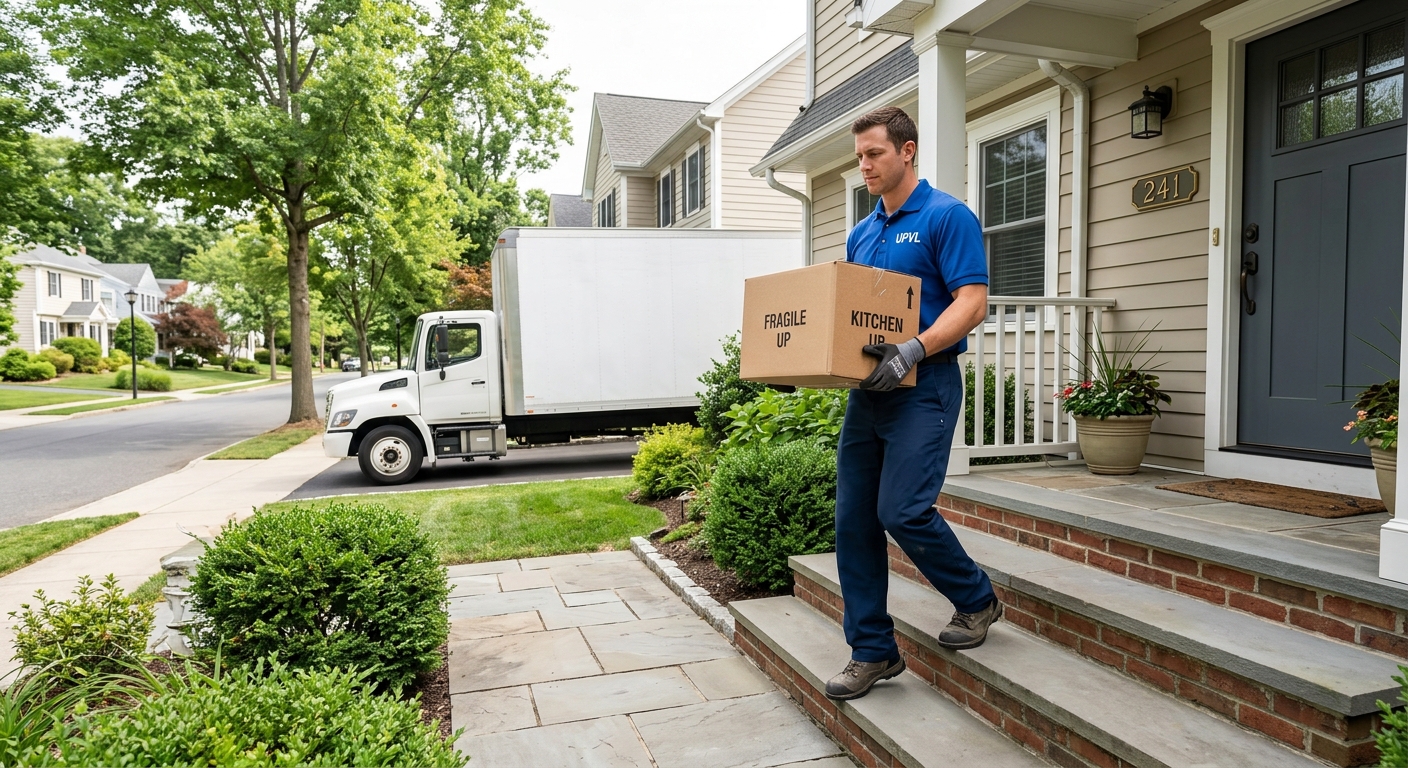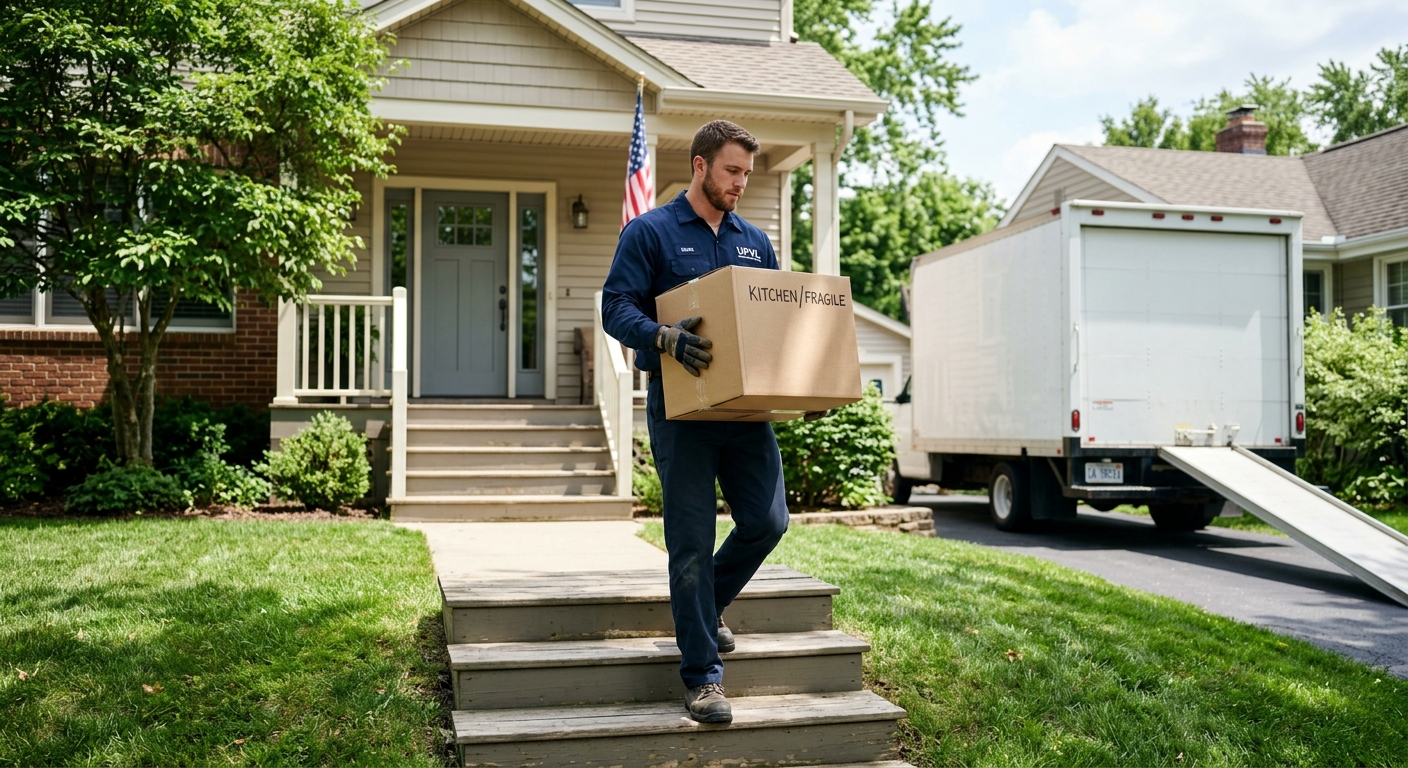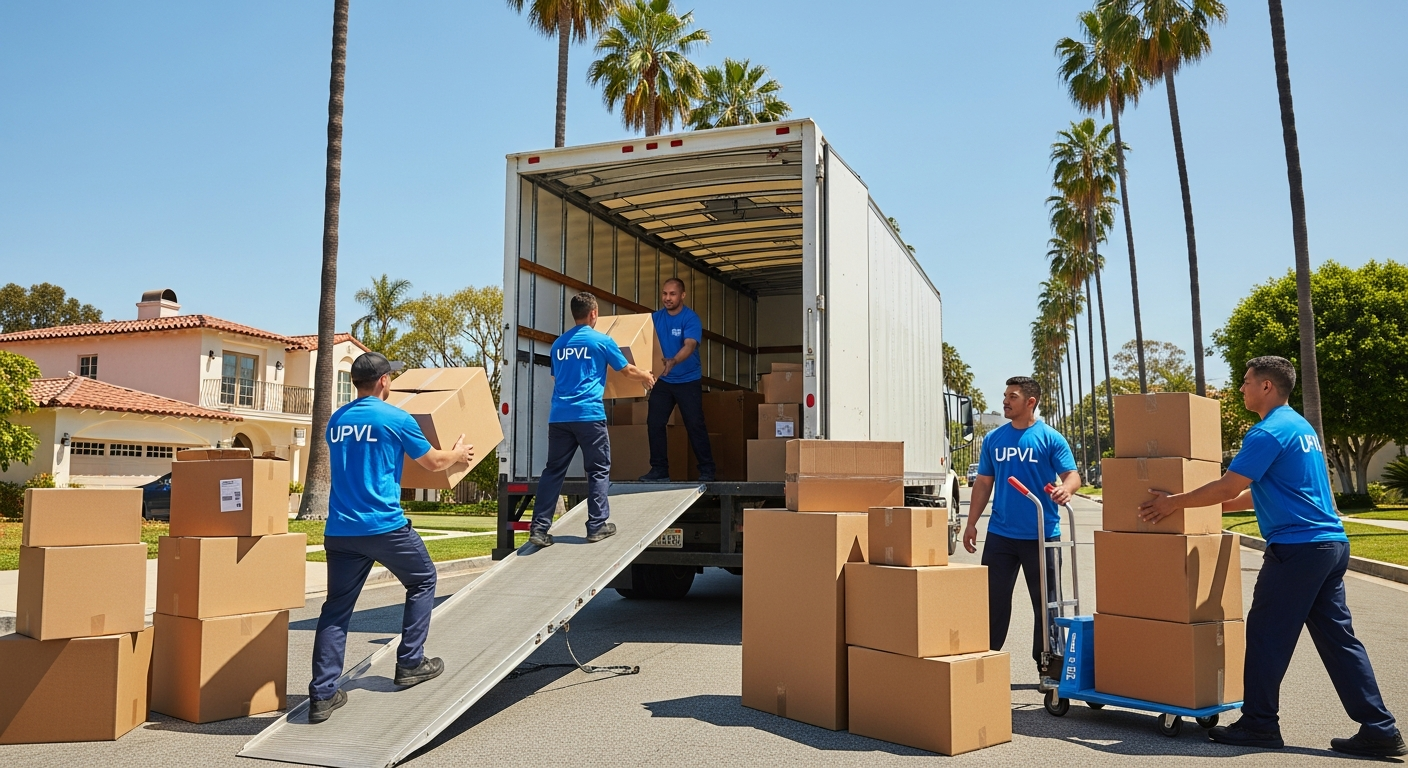
Moving from Los Angeles to Miami is one of the biggest coast-to-coast relocations you can make in the U.S. You are crossing nearly 2,700 miles, changing time zones, climates, and lifestyles all at once. With the right Los Angeles to Miami movers, this complex route can feel organized, predictable, and far less stressful.
Quick Navigation
Moving from LA to Florida, especially the Los Angeles to Miami route, is not a simple long-distance move. It is an interstate, cross-country relocation that crosses multiple weather zones, highway systems, and regulatory environments. That means more planning, more time on the road, and more focus on protection for your belongings.
On a typical LA-area local move, your items are on the truck for just a few hours. For a California to Florida move, they may travel 5–8 days or more, depending on your shipment size, route, and delivery window. During that time, your belongings face vibration, temperature swings, humidity, and occasional storms.
The distance between Los Angeles and Miami is roughly 2,700–2,900 road miles depending on whether your movers take I‑10 or a combined I‑10/I‑20 route. That distance, plus fuel, lodging for drivers, DOT regulations on hours-of-service, and tolls, all factor into your quote.
| Move Type | Typical Distance | Key Concerns |
|---|---|---|
| Local LA move | Under 50 miles | Access, parking, hourly labor time |
| Intrastate California move | 50–400 miles | Travel time, overnight crew costs |
| Standard interstate move | 400–1,200 miles | Fuel, basic route planning |
| LA to Miami cross-country move | 2,700+ miles | Multi-day transit, weather, delivery windows |
Because of the distance and complexity, choosing experienced California to Florida movers matters more than price alone. You need a carrier familiar with both Los Angeles challenges and Miami’s condo rules, humidity, and hurricane season timing.
From a logistics standpoint, Los Angeles to Miami movers are planning a coast-to-coast route with tight timing. Understanding the basics of this route helps you evaluate estimates and ask better questions.
Most professional movers choose between two primary cross-country corridors:
The specific route may change due to weather, DOT inspections, or traffic. Both are legitimate; what matters is that your LA to Miami moving company can clearly explain how they plan transit time and rest periods for drivers. Federal regulations limit daily driving hours for commercial drivers; see FMCSA for details.
Most customers ask one core question: “How long will it take?” For a dedicated, full truck from Los Angeles to Miami, expect about 5–8 days from pickup to delivery, depending on timing and whether your shipment is part of a consolidated load.
| Shipment Type | Typical Transit Time LA → Miami | Notes |
|---|---|---|
| Dedicated truck (larger home) | 5–7 days | Fewer stops, more predictable delivery |
| Consolidated / shared truck | 7–12 days | Lower cost, wider delivery window |
| Small, flexible shipment | 7–14 days | Can be added to various routes |
| Peak season (summer / holidays) | +1–3 days | High demand and traffic delays |
For interstate moves like this route, movers give a delivery spread rather than a single date. That’s because unexpected events—storms, traffic incidents, DOT inspections—can change daily driving mileage. The Federal Motor Carrier Safety Administration clarifies how interstate delivery windows and estimates work. Source: FMCSA Protect Your Move.
Technically, you can move from Los Angeles to Florida any month of the year. But some windows offer smoother travel and better pricing:
For Miami specifically, note that Atlantic hurricane season officially runs June 1–November 30, with peak activity in August–October. Source: National Hurricane Center. That doesn’t mean you can’t move in those months—but it reinforces why packing, valuation coverage, and flexible delivery windows matter.
Not every LA to Miami move is the same. Families moving a four-bedroom house, a couple in a downtown LA apartment, and someone relocating a home office to Brickell all need different solutions. Understanding service types helps you match your budget and timeline to the right level of support.
Most California to Florida movers will offer a similar set of core services, with optional add-ons you can customize.
| Service Type | What It Includes | Best For |
|---|---|---|
| Standard full-service move | Loading, transportation, basic furniture protection, unloading | Most households seeking a balanced option |
| Full packing service | Movers pack everything, supply all boxes / materials | Busy professionals, families, long-distance protection |
| Partial packing | Packing for kitchen, fragile, or select rooms | Budget-conscious moves with some DIY |
| Labor-only loading / unloading | Movers handle loading or unloading only | Truck rental or container users |
Companies like United Prime Van Lines full packing services can be especially helpful on the LA to Miami route, where your items will be on the road multiple days and pass through intense heat and humidity.
Ask your Los Angeles to Florida movers which specialties they support for this route:
Sometimes a job offer, lease issue, or family emergency means you are moving from LA to Florida on a compressed timeline. Last-minute interstate moves are possible, but you will need to be flexible about dates and possibly accept a broader delivery spread.
Working with teams that focus on urgent relocations, such as last-minute moves at United Prime Van Lines, can help you secure a slot on an existing truck heading east or arrange expedited service if capacity allows.

Every cross-country move has two local moves inside it: one in your origin city and one in your destination. For Los Angeles to Miami movers, understanding both sides is crucial, especially regarding parking, elevators, and building rules.
Los Angeles is famous for its traffic, hills, and tight access streets. All of these affect your pickup day schedule and often your cost.
| LA Area | Common Challenges | Planning Tips |
|---|---|---|
| Downtown LA / Arts District | Limited loading zones, busy streets | Reserve loading if possible, consider early-morning pickup |
| Hollywood / West Hollywood | Narrow streets, tow-away zones | Ask about parking permits and double-parking rules |
| Santa Monica / Venice | Alley access, strict parking enforcement | Confirm truck size that can legally park nearby |
| Valley areas (Chatsworth, Sherman Oaks) | Hills, long walks to truck | Clarify long-carry / stair fees in estimate |
Local regulations, such as those enforced by LADOT, can affect where moving trucks can park and whether special permits are required for certain streets or times. Sharing clear origin access notes—steep driveways, low tree branches, gate codes—helps your movers send the right equipment and crew size. United Prime Van Lines has a local presence in Chatsworth, CA, which is helpful for origin surveys and planning in the greater LA region. See more at Los Angeles moving services.
Miami is a vertical city. High-rises dominate neighborhoods like Brickell, Edgewater, Downtown, and parts of Miami Beach. That creates special rules—often stricter than what you see in most LA buildings.
Ask your HOA or building management in Miami to send their written moving guidelines. Then share them with your moving coordinator. Professional movers should be familiar with providing COIs listing the correct building entities as certificate holders.
While Los Angeles has a relatively dry Mediterranean climate, Miami is hot, humid, and prone to heavy rain and thunderstorms, particularly in summer and early fall. According to NOAA, South Florida’s summer humidity and frequent storms can affect outdoor work windows.
Practically, that means:
Climate-sensitive packing is one of the biggest differences between a local LA move and a cross-country move to Miami. Your belongings will experience high desert heat, Gulf Coast humidity, and South Florida moisture in a matter of days. Good packing is your best insurance against warping, mold, or damage from vibration.
Climate-sensitive packing means choosing materials and techniques that protect against temperature swings, moisture, and long-term pressure. For a Los Angeles to Miami move, that often includes:
Not all items react the same way to the LA-to-Miami climate shift. Some need special care or even separate transport.
| Item Type | Climate Risk | Packing Recommendation |
|---|---|---|
| Solid wood furniture | Warping, splitting, swelling | Use moving blankets, avoid plastic directly against wood, allow airflow |
| Leather furniture | Mildew, discoloration | Breathable covers, avoid long-term plastic wrap, condition before move |
| Musical instruments | Tuning shifts, cracking | Use hard cases, extra padding, consider climate-control for valuable items |
| Electronics | Condensation, shock damage | Original boxes if possible, anti-static materials, label as fragile |
| Art and antiques | Fading, warping, breakage | Custom crates, acid-free materials, consider specialized movers |
For such a long route, many customers choose at least partial professional packing. That is especially true for kitchens, fragile items, and artwork.
Because the cost of replacing items cross-country can be high, full packing often makes sense for long-distance routes even if you would have packed yourself for a local move.
Starting early keeps your stress level down and gives you time to declutter before paying to ship unwanted items across the country.
| Time Before Move | Key Packing Tasks | Notes |
|---|---|---|
| 6–8 weeks | Sort and declutter each room | Donate, sell, or recycle items you don’t want to move |
| 4–6 weeks | Pack off-season clothes, decor, books | Label boxes with room and brief contents |
| 2–3 weeks | Pack rarely used kitchen items, linens | Decide what movers will pack vs. DIY |
| 1 week | Pack most remaining items; confirm essentials bag | Leave daily necessities for last 1–2 days |
| Moving day -2 to 0 days | Pack final items, secure documents, jewelry | Keep important items with you, not on truck |
Not every Los Angeles to Miami move is door-to-door. Sometimes you are waiting for a Miami lease to start, remodeling your new place, or staging your LA home for sale. Storage can be as important as the move itself.
Most full-service movers offer short-term or long-term storage as part of a long-distance move. The best choice depends on timing, climate, and budget.
| Storage Type | Pros | Best For |
|---|---|---|
| Warehouse storage at origin (LA) | Delays shipping until you are ready, single handling into vaults | Waiting for Miami lease or closing |
| Warehouse storage at destination (Miami area) | Ensures items are close to final address, easier rescheduling | Short delays before move-in |
| In-transit storage (SIT) | Goods remain in mover’s control between states | Moderate delays, flexible scheduling |
| Self-storage unit | Direct access by you, independent contract | Projects where you need frequent access |
Ask whether your mover offers secure warehouse storage through a dedicated facility such as United Prime Van Lines storage services. Climate and humidity in South Florida mean that professional indoor storage is often safer than basic drive-up self-storage, especially for wood furniture, electronics, and artwork.
Storage adds two types of charges: the storage fee itself (monthly or prorated) and extra handling or delivery charges when items move in and out of storage. It also affects your delivery window; your driver may deliver to storage first, then schedule a separate local delivery to your Miami home once you are ready.
When comparing Los Angeles to Miami movers, ask for a breakdown of:
One of the first questions people ask is, “How much will it cost to move from Los Angeles to Miami?” There is no single answer, but there are clear factors that drive the price. Understanding these will help you interpret quotes and avoid surprises.
Interstate pricing is usually based on a combination of shipment weight, distance, labor complexity, and timing. For the LA to Miami route, the biggest levers you control are shipment size and service level.
| Cost Factor | How It Affects Price | How You Can Control It |
|---|---|---|
| Shipment weight / volume | More items = more truck space and fuel | Declutter; sell or donate heavy, low-value items |
| Distance (LA → Miami) | Base factor; fuel and driver time | Not adjustable; choose efficient routing |
| Service level (packing, specialty) | Full packing and specialty handling cost more | Use partial packing; self-pack non-fragile items |
| Access issues (stairs, long walks) | May add labor, long-carry, or shuttle fees | Reserve parking, clear access, share details early |
| Season and day of week | Summer and weekends usually cost more | Move mid-week and off-peak when possible |
Every move is unique, but rough ranges are helpful for budgeting. The following are broad examples for full-service Los Angeles to Florida movers on this route. These are not quotes; always request a written estimate for your home.
Because interstate moves over 450 miles are regulated at the federal level, movers must provide written estimates that explain how your cost is calculated. Source: FMCSA Your Rights and Responsibilities When You Move.
Legitimate extra charges should be clearly described in your estimate. Ask your Los Angeles to Miami movers to define:
The type of estimate you receive from your LA to Miami moving company has a direct impact on your final bill. Interstate moving estimates are governed by federal rules and come in three main forms: non-binding, binding, and binding-not-to-exceed.
Here is how each estimate type works, using your Los Angeles to Miami move as the example.
| Estimate Type | How Pricing Works | Pros & Cons |
|---|---|---|
| Non-binding estimate | Final cost based on actual weight and services; quote is an educated guess | Pros: Flexible if shipment size changes. Cons: Less price certainty, potential for higher bill. |
| Binding estimate | Set price for listed items and services; you pay exactly this if nothing changes | Pros: Predictable cost. Cons: Changes or additions may require a new contract or addendum. |
| Binding-not-to-exceed (BNTE) | You pay the lower of the binding price or actual weight; cost will not exceed quote | Pros: Protection if weight is higher, savings if weight is lower. Cons: Requires accurate inventory. |
FMCSA explains these estimate types in detail and how they affect what you pay on interstate moves. Source: FMCSA on binding estimates.
For a complex move like LA to Miami, many customers prefer binding or binding-not-to-exceed estimates for better budget control, especially when they have completed a detailed inventory with their mover.
To provide an accurate quote, your California to Florida movers should perform either an in-home or a robust virtual survey. For a survey:
A quick phone quote without a real survey is a red flag. Federal guidelines encourage consumers to avoid movers who refuse to give written estimates or only offer over-the-phone prices. Source: FMCSA Moving Fraud.
Interstate movers use delivery spreads—ranges of possible delivery dates—because driving conditions, weather, and DOT rules can alter daily progress. Understanding how delivery windows work will help you plan arrival in Miami.
| Shipment Size | Typical LA → Miami Delivery Spread | Planning Tips |
|---|---|---|
| Small shipment | 7–14 days | Keep essentials with you; flexible travel dates help |
| Medium home | 6–10 days | Confirm when you will get exact 24-hour delivery notice |
| Large home / dedicated truck | 5–8 days | Ask about expedited options if your timeline is tight |
| High-peak season | +1–3 days added | Have a backup plan for temporary housing or air mattresses |
When you book, your mover should give you a pickup date (or range) and a delivery window based on your shipment and route. Stay in touch with your coordinator; many companies offer tracking updates or periodic check-ins while your items are in transit.
Because you are moving from California to Florida, your mover must be licensed for interstate transportation and compliant with federal regulations—not just state-level rules. This is your main protection against scams and unqualified operators.
Any legitimate Los Angeles to Miami movers should provide:
You can verify these numbers using FMCSA’s safer system. Source: FMCSA Company Snapshot. Check that the status is “active,” insurance is on file, and there are no alarming complaints.
Because your origin is California, the mover should also comply with any relevant intrastate rules if they perform local services there, overseen historically by the California Bureau of Household Goods and Services (BHGS). For Florida, movers who handle local or intrastate moves are regulated under Florida Statutes Chapter 507.
One of the most confusing topics in interstate moving is coverage. Legally, movers provide “valuation,” not traditional insurance, though many partner with third-party insurers.
For LA to Miami moves, you will typically be offered two main valuation options:
| Coverage Type | What It Is | When It Makes Sense |
|---|---|---|
| Released Value Protection | No extra charge; compensates at up to $0.60 per pound per article | Budget moves, items with low replacement value |
| Full Value Protection (FVP) | Additional cost; mover repairs, replaces, or reimburses up to a declared value | Most cross-country household moves with valuable items |
| Third-party moving insurance | Separate policy through an insurer, based on declared value | High-value homes, art collections, or special risk tolerance |
| Special high-value inventory | Listing items over a certain value (e.g., $1000+) separately | Fine art, designer furniture, jewelry kept in transit |
Released Value Protection often sounds attractive because it is included at no extra charge, but at $0.60 per pound, a 10-pound TV would only be valued at $6. That is not enough for most households. For a long route like Los Angeles to Miami, many customers find Full Value Protection a better match for their risk tolerance.
High-rises, condos, and many apartment complexes in both Los Angeles and Miami routinely require a COI from your mover before they allow trucks or crews on site.
A COI typically lists:
Provide your property manager’s COI requirements to your mover at least a week before move day so they can generate the proper certificate. This step is especially important in Miami high-rises with strict move windows and penalties for unscheduled crews.
Turning your Los Angeles to Miami relocation into concrete steps makes the process more manageable. Use this practical checklist as a template and adapt it to your timeline.
For most Los Angeles to Miami movers, the delivery window is usually between 5 and 12 days from pickup, depending on shipment size, whether your load is dedicated or consolidated, and the season. A dedicated truck for a large home might have a 5–8 day window, while smaller shipments in shared loads may have 7–14 days. Your written order for service should show the earliest and latest possible delivery dates.
In many cases, movers cannot legally guarantee a specific date because interstate travel is affected by weather, traffic, DOT inspections, and hours-of-service rules. However, some LA to Miami movers offer tighter delivery spreads or even date-specific service for an additional fee, especially for larger or dedicated shipments. Ask about expedited or guaranteed delivery options and how they are priced.
Moving from LA’s relatively dry climate to Miami’s humidity means certain items—like wood furniture, musical instruments, artwork, and leather—need extra protection. Climate-sensitive packing includes breathable covers instead of plastic for wood and leather, proper cushioning for electronics, and sometimes desiccant packets in crates or boxes. This helps prevent warping, mildew, or condensation damage during the multi-day trip through varied climates.
Full packing is not mandatory, but it is often worth the investment for a long cross-country move. Professional packers use the right materials and techniques to protect items during thousands of miles of travel. Full packing also saves time, reduces stress, and may make claims easier to resolve because the movers, not you, did the packing. If your budget is tight, consider at least partial packing for the kitchen, glassware, and fragile items.
Interstate estimates are based on the estimated weight of your shipment, the distance between Los Angeles and Miami, and the specific services you select (packing, storage, specialty handling). Movers use your inventory from a survey to estimate weight and factor in travel, fuel, and labor. The type of estimate—non-binding, binding, or binding-not-to-exceed—determines how closely your final bill will match the quote.
A binding estimate sets a fixed price for the items and services listed. As long as you do not add items or unexpected services, you pay that exact amount. A non-binding estimate is an educated guess; your final cost is based on the actual weight and services. With non-binding estimates, the invoice can be higher than the original quote, although there are limits on what movers can demand at delivery. Many customers prefer binding or binding-not-to-exceed estimates for budget certainty.
To prepare for your delivery window, keep your schedule flexible during the range of possible dates. Confirm the freight elevator reservation, loading dock access, and parking instructions with your Miami building. Have your phone charged and available so the driver can call you 24 hours before arrival. Keep an air mattress, basic linens, and essential kitchen items with you in case your shipment arrives at the later end of the window.
If you notice damage during delivery, note it clearly on the inventory or delivery receipt before signing. Take photos of the damage, keep any damaged packing materials, and notify your moving company immediately. Then file a written claim following the instructions in your valuation coverage documents. Interstate movers are required to respond to claims within specific timeframes; see FMCSA’s consumer resources for details. Source: FMCSA – File a Moving Claim.
Storage is useful if there is a gap between leaving LA and being ready to move into your Miami home. If you do not yet have a confirmed Miami address or your new place is being renovated, storage in transit or warehouse storage can prevent rush decisions. Work with your mover to choose origin or destination storage depending on how certain your move-in date is and whether you might need quick access in Miami.
Ideally, book 6–8 weeks before your desired pickup, especially if you are moving in summer or around holidays. Earlier booking improves your chances of getting your preferred dates and often better prices. Last-minute moves are sometimes possible, but you may have fewer options for pickup and delivery windows.
For California moves, the contact information is:
For Florida moves, the contact information is:
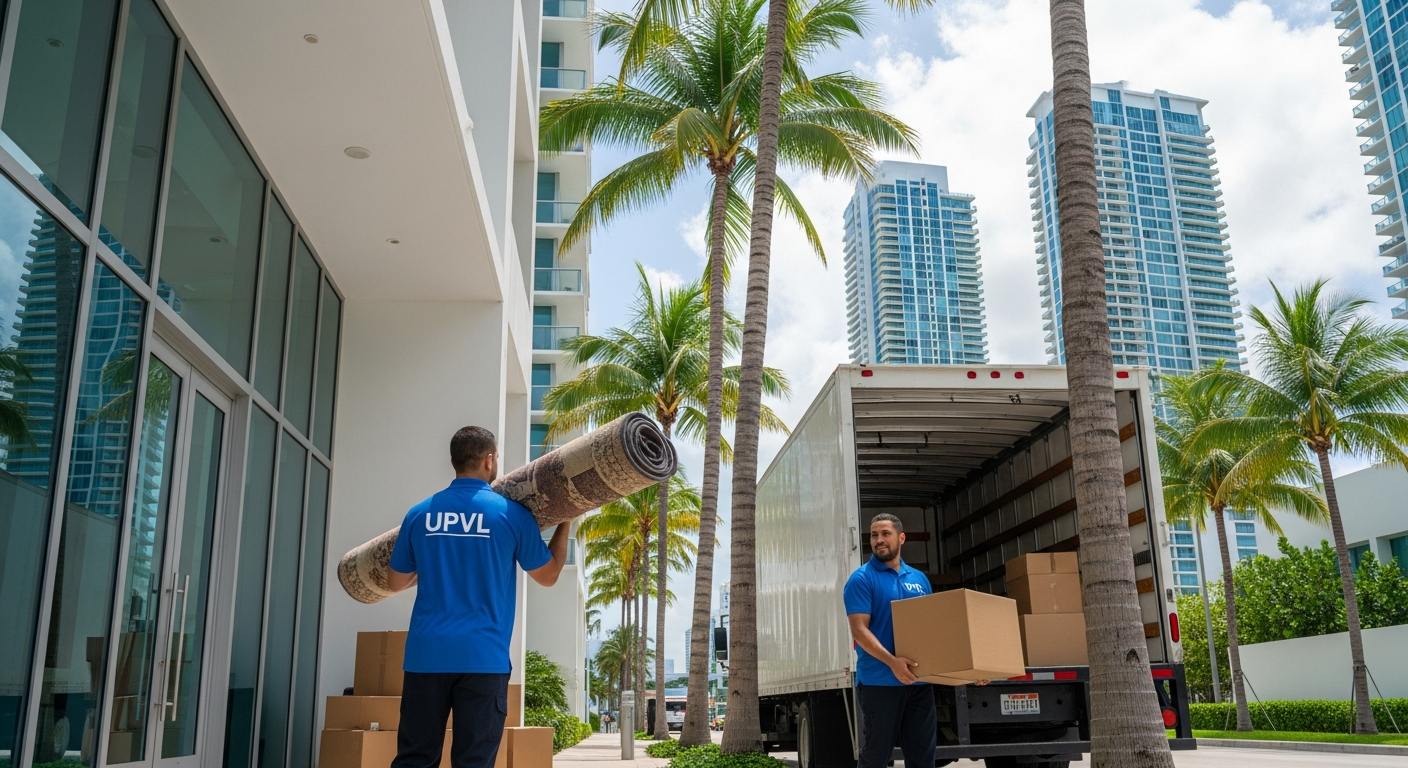
Moving from Los Angeles to Miami is a major life change and a serious logistical project. You are crossing a continent, switching coasts, and adapting to a new climate and culture. With experienced Los Angeles to Miami movers, clear estimates, climate-conscious packing, and a realistic delivery window, the process becomes manageable instead of overwhelming.
Take the time to compare licensed interstate movers, understand your estimate type, and choose the right level of packing and valuation coverage for your household. Whether you are heading to a high-rise in Brickell, a house in Coral Gables, or a condo near Miami Beach, a well-planned move sets you up for a smooth start in your new Florida life.