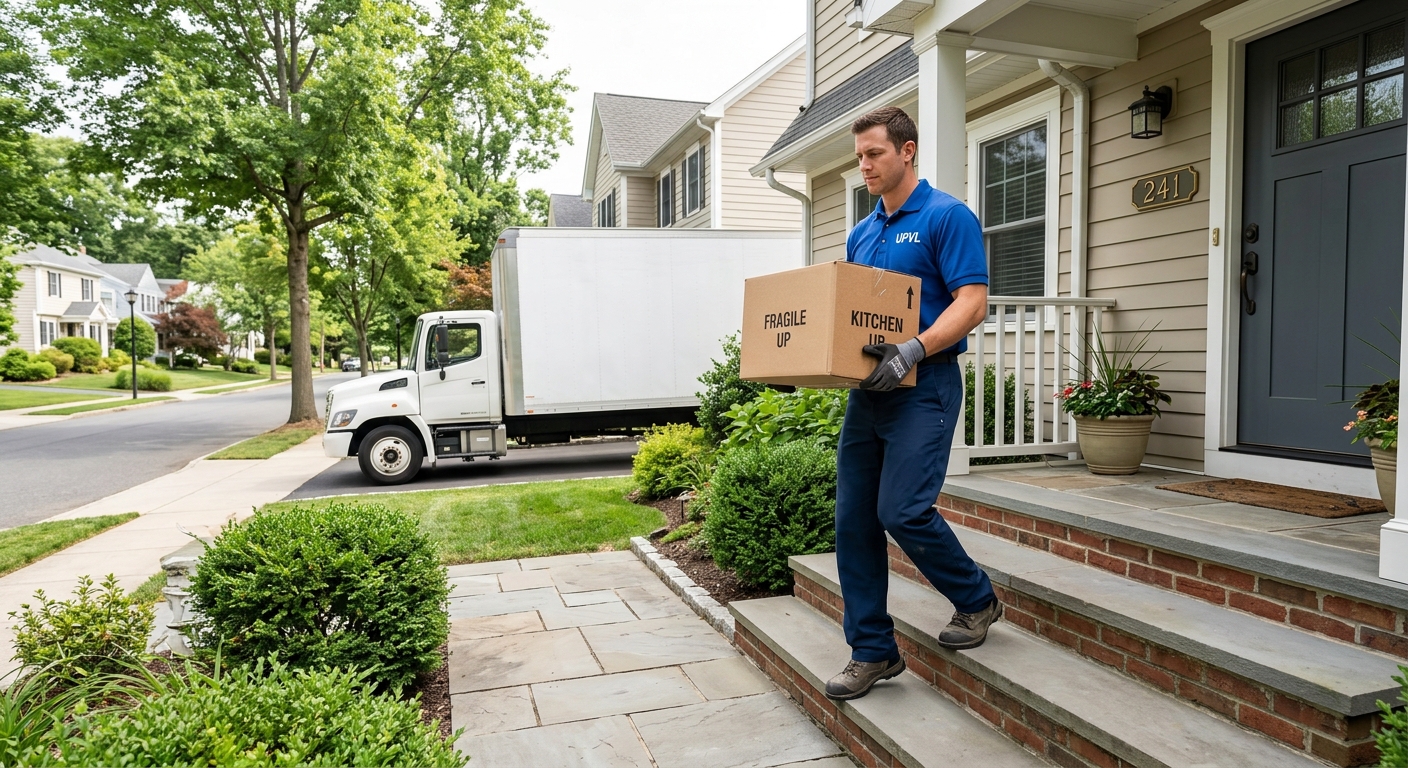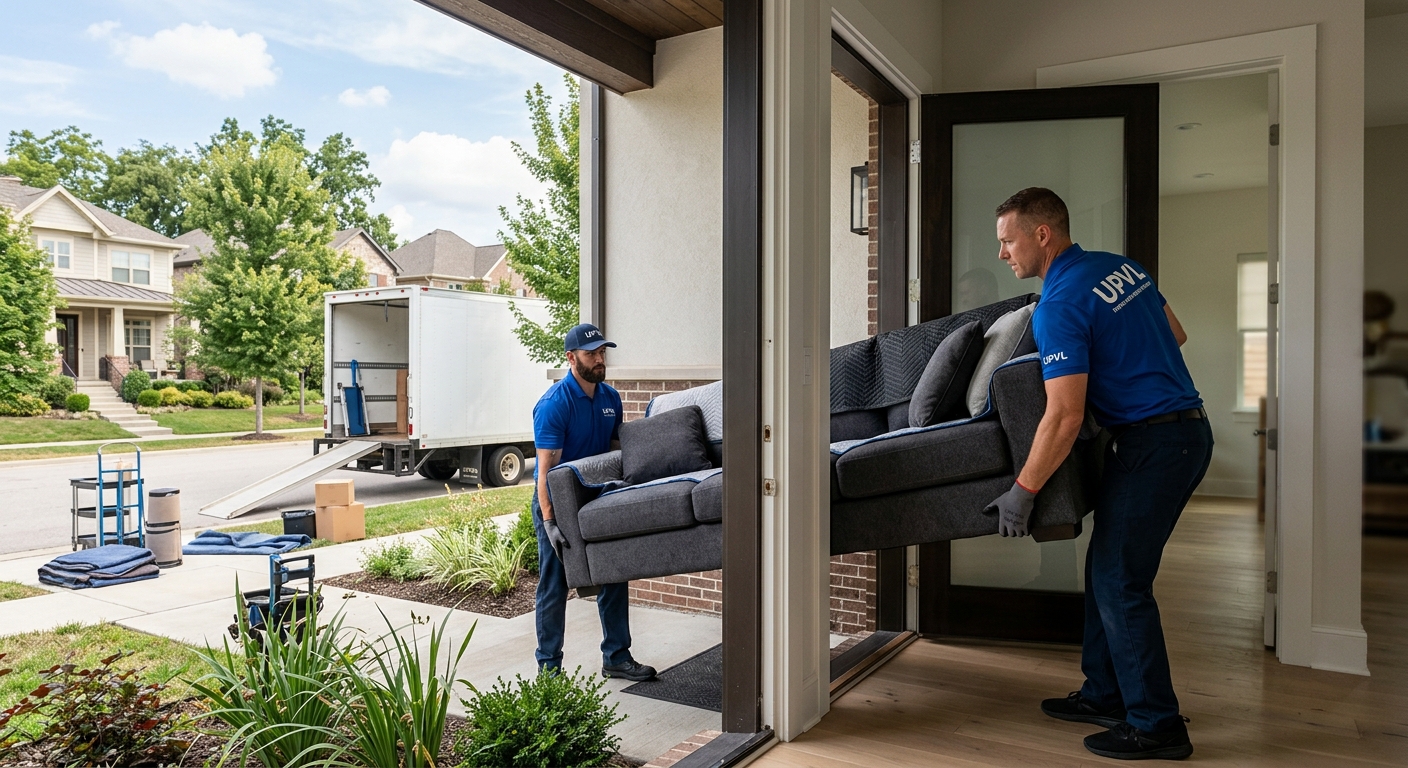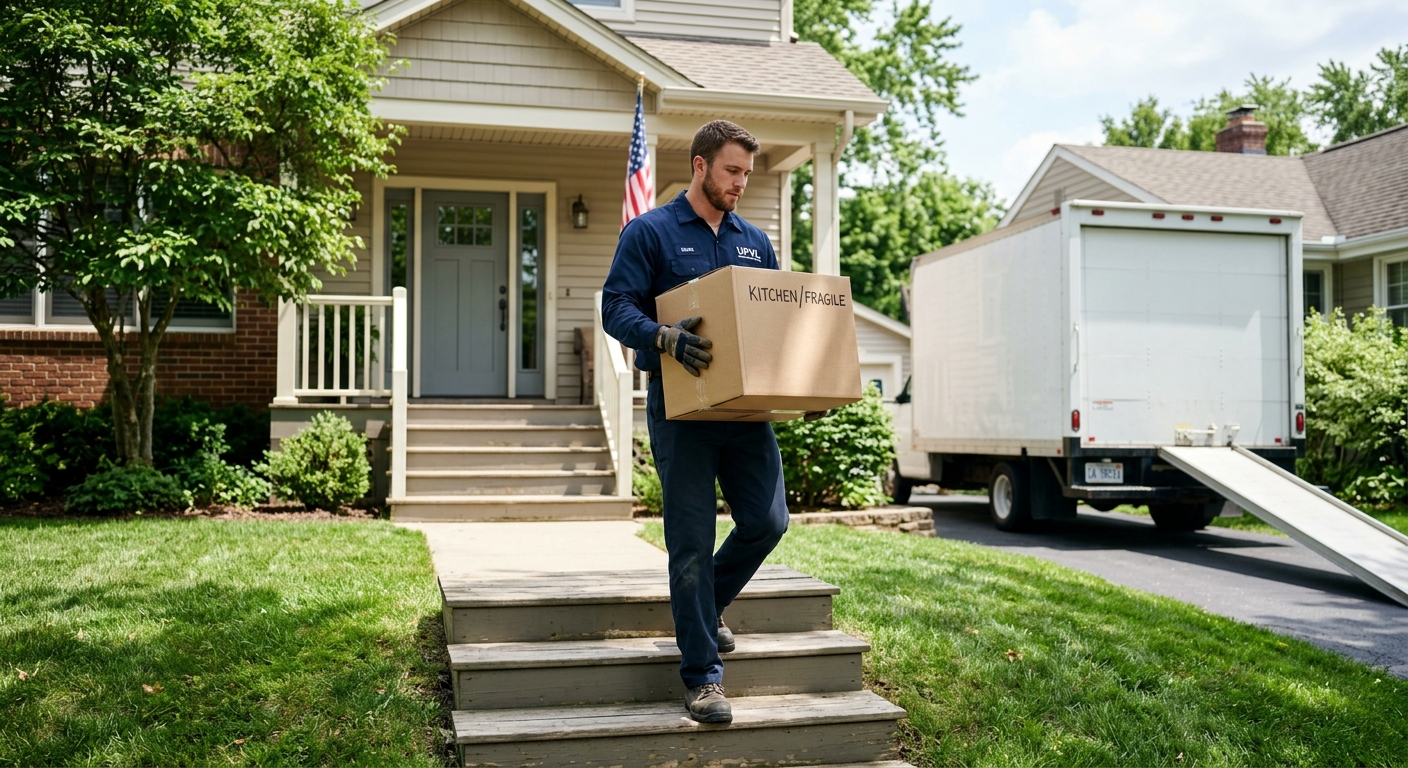
Planning long distance moving LA to another state is a big step. Between LA traffic, parking rules, building restrictions, and a delivery window that may stretch over days, there’s a lot to coordinate. With the right interstate movers Los Angeles residents can keep stress low, protect their belongings, and avoid surprise costs on delivery day.
Quick Navigation
Long distance moving LA to another state isn’t like a quick move across town. You’re combining urban logistics in Los Angeles with interstate regulations, weight tickets, overnight parking for a tractor-trailer, and sometimes cross‑country weather systems.
Here are the main reasons LA to out‑of‑state moves feel more complex:
Because of these factors, choosing experienced interstate movers Los Angeles residents trust is far more important than just picking the lowest quote online.
A reliable state to state mover in Los Angeles should:
If you need help comparing options, long‑running providers like United Prime Van Lines long distance moving specialize in planning multi‑state routes out of Los Angeles with detailed timelines and inventory tracking.
Most long distance moving LA customers head toward a few major regions: the East Coast, Texas, Florida, and the Pacific Northwest. Each route has its own transit times, cost patterns, and seasonal issues.
| Route From LA | Typical Transit Time* | Notes & Seasonal Factors |
|---|---|---|
| Los Angeles → New York / New Jersey | 7–14 days | Classic cross‑country route; potential winter snow in Rockies/Midwest; busy summer season. |
| Los Angeles → Texas (Austin/Dallas/Houston) | 4–9 days | Popular corporate relocation route; watch for summer heat, thunderstorms, and tornado season. |
| Los Angeles → Florida (Miami/Orlando/Tampa) | 7–14 days | Long southern corridor; hurricane season (Jun–Nov) can affect timing. |
| Los Angeles → Pacific Northwest (Seattle/Portland) | 3–8 days | Shorter interstate run; rain and winter mountain passes may slow travel. |
*Transit times are typical line‑haul windows once your shipment is on the road, not counting packing days or storage. Weather, route changes, and other shipments on the same truck can affect timing.
LA to East Coast (NY, NJ, Boston, DC, Philadelphia) is one of the most complex types of cross country moves:
Cross country movers LA may choose I‑10, I‑40, or I‑70 depending on weather and other shipments. During winter, snow and ice in the Rockies and Midwest can slow progress. The NOAA and National Weather Service are good references for major weather systems that can impact long‑distance transit.
Texas moves (Austin, Dallas–Fort Worth, Houston, San Antonio) are extremely common. The routes typically run I‑10 or I‑20 through Arizona and New Mexico:
If you’re moving business equipment or a home office, you may also want to review commercial services like United Prime Van Lines office and commercial moving for coordinating IT equipment, office furniture, and after‑hours loading/unloading.
LA to Florida (Miami, Orlando, Tampa, Jacksonville) is another classic state‑to‑state change, especially for retirees and remote workers.
Many LA → Florida customers also need short‑term storage on either end. Using a mover that offers integrated storage, such as United Prime Van Lines storage, can simplify coordination.
LA to Seattle, Portland, or surrounding areas is technically long distance but shorter than cross‑country routes:
Sustainable clients frequently ask about consolidating shipments to reduce fuel usage. Many cross country movers LA can combine smaller shipments heading north to keep costs competitive. Ask if your mover offers consolidated vs dedicated truck options and how that changes delivery windows.
Not every state to state mover Los Angeles offers the same level of service. Understanding your options helps you compare quotes more accurately.
| Service Level | What’s Included | Best For |
|---|---|---|
| Basic Transport | Load pre‑packed boxes and furniture; pad‑wrap furniture; transport; unload items in new home. | DIY packers on a budget comfortable packing their own boxes. |
| Partial Packing | Movers pack fragile or complex items (kitchen, TVs, artwork); you handle the rest. | Customers wanting professional protection for breakables but lower cost. |
| Full Packing | Movers pack everything, provide materials, label boxes, and unpack on request. | Busy households, families with kids, or last‑minute moves. |
| White‑Glove / Specialty | Custom crating, art/antique handling, piano moving, designer services, debris removal. | High‑value items, luxury homes, collections, or complex building requirements. |
Providers like United Prime Van Lines full packing services can take packing, labeling, and materials off your plate entirely, which is especially helpful when you’re juggling job changes or a home sale while moving out‑of‑state.
Some LA‑specific homes and lifestyles call for additional services:
Ask yourself:
For many LA households, a mix—basic transport with partial packing for fragile rooms—hits the best balance of cost and peace of mind.
Long distance moving LA doesn’t start on the highway; it starts on your block. Local access issues can change the size of truck used, the number of movers, and whether a shuttle or long carry fee is applied.
| Area Type | Common Challenges | How Movers Typically Handle It |
|---|---|---|
| Downtown LA / Koreatown High‑Rises | Loading docks, strict move times, COI, freight elevator reservations. | Schedule building time slots, provide COI, sometimes use smaller box trucks. |
| Hollywood Hills / Canyon Homes | Narrow, steep streets, limited truck access, tight turns. | Park tractor‑trailer on main road and run smaller shuttle trucks or vans. |
| Westside (Santa Monica, Brentwood, Westwood) | Street parking restrictions, busy residential streets, noise limits. | Secure temporary permits if available, plan early arrival, use cones and signage. |
| San Fernando Valley (Chatsworth, Encino, Sherman Oaks) | Driveway slopes, large homes with volume loads, summer heat. | Bring larger crews, plan extra water breaks, stage items in garage before loading. |
The Los Angeles Department of Transportation (LADOT) offers information on temporary parking regulations and permits that can impact where a moving truck may stage near your building or home.
Many apartment and condo buildings in Los Angeles require:
Ask your building management:
Share those requirements with your moving coordinator at least 1–2 weeks before move day so your interstate movers Los Angeles can prepare the documents and staffing.
LA traffic is infamous. Plan for:
The Ready LA County resources also highlight potential emergency traffic disruptions (wildfires, major accidents, etc.) that can occasionally impact move timing.
Proper packing is one of the most important parts of long distance moving LA. Boxes may be stacked, transferred between trucks, or ride through multiple climate zones. Good materials and technique directly impact how your belongings arrive.
| Packing Option | What You Do | What Movers Do |
|---|---|---|
| Self‑Packing | Buy materials, pack all items, label boxes, disassemble some furniture. | Pad‑wrap furniture, load/unload boxes and furniture. |
| Fragile‑Only Packing | Pack non‑fragile rooms (clothes, books, linens). | Pack kitchen, glassware, mirrors, TVs, art, and delicate items. |
| Full Packing | Sort and decide what to keep or donate. | Pack every room, bring materials, label, and sometimes unpack at destination. |
| Unpacking Services | Direct the crew where items go. | Unpack boxes, place items on surfaces, haul away packing debris. |
Many cross country movers LA, including United Prime Van Lines, can combine these options. For example, you might handle clothing and books while the crew professionally boxes kitchen, electronics, and decor.
For interstate quality, look for:
Professional crews will also use thick moving blankets, stretch‑wrap, and protective floor runners or banister padding on both pickup and delivery.
| Time Before Move | Tasks | Tips |
|---|---|---|
| 4–6 weeks | Sort belongings, donate or sell unwanted items, order supplies. | Less volume = lower interstate weight and cost. |
| 2–3 weeks | Pack off‑season clothes, decor, books, non‑daily items. | Label boxes by room and content type. |
| 1 week | Pack most of kitchen, linens, toys, office supplies. | Leave essentials and a few pots/pans until last. |
| 1–2 days | Pack essentials bag, final kitchen items, toiletries. | Set aside items that travel with you (documents, medicine). |
If you are short on time or doing a last‑minute interstate move, consider using a full‑service option or reaching out to a company that handles time‑sensitive relocations, such as United Prime Van Lines last‑minute moves.
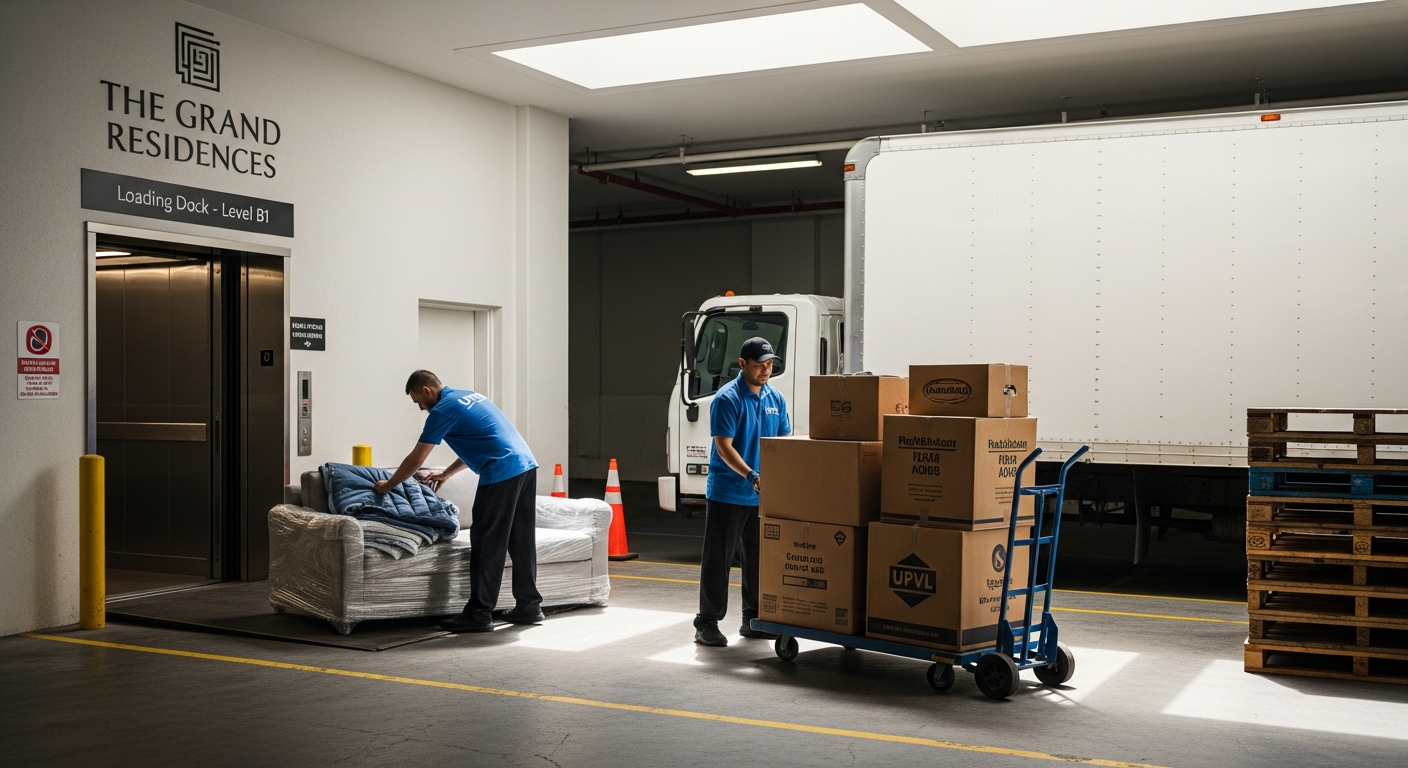
Many long distance moves from LA involve storage. Maybe your East Coast closing date is delayed, or your new lease in Texas starts a few weeks after you leave. Using integrated storage with your mover keeps everything under one chain of custody.
| Storage Type | How It Works | Best For |
|---|---|---|
| Short‑Term Warehouse Storage | Items stay in the mover’s local or regional warehouse, usually 1–90 days. | Gap between LA move‑out and move‑in at destination. |
| Long‑Term Storage‑in‑Transit (SIT) | Your shipment is held for months while you secure housing, then delivered. | Corporate relocations, new construction, extended travel. |
| Self‑Storage Unit | You or movers load into a rented storage unit near origin or destination. | Accessing items frequently yourself; partial DIY approach. |
| Portable Storage Containers | Container dropped at your home, loaded, and stored or shipped. | Flexible timelines; often more DIY packing and loading. |
With a full‑service interstate mover, warehouse or SIT options are most common. Companies like United Prime Van Lines storage can keep items in secure facilities while still tying them to your moving contract and valuation coverage.
Consider storing:
Move directly with you:
Interstate and cross country movers LA base pricing on more than just distance. Understanding the main cost drivers helps you evaluate quotes and avoid surprise charges.
| Cost Factor | How It Affects Price | What You Can Do |
|---|---|---|
| Shipment Weight / Volume | Heavier or bulkier loads cost more; rated by actual weight for interstate moves. | Declutter before move, sell/donate heavy furniture you don’t love. |
| Distance & Route | Longer and more complex routes (e.g., LA → NYC or Miami) cost more than shorter ones. | Be flexible on exact dates to get better routing options. |
| Service Level | Full packing, crating, and specialty handling add cost. | Use partial packing for fragile items only if on a budget. |
| Access Challenges | Stairs, long carries, shuttles, and special parking may add fees. | Discuss access upfront; reserve parking and elevators early. |
Every move is unique, but for planning purposes, many LA households see ranges like:
Exact numbers depend on inventory, dates, and service level. For any serious decision, always request a personalized quote and written estimate from at least two or three interstate movers Los Angeles offers.
Peak season in the moving industry typically runs from May through September. During this period:
Off‑peak months (late fall through early spring) can sometimes offer more flexibility and better pricing, though holidays and severe weather back east can still affect schedules.
Understanding your interstate estimate is critical. According to the FMCSA, movers can provide different types of estimates for interstate moves, and each works differently on billing day.
An interstate moving estimate is a written document that outlines the expected cost of your out‑of‑state move, including transportation, services (packing, storage), and any access fees. For interstate shipments, the estimate must follow federal rules, be in writing, and specify whether it is binding or non‑binding.
| Estimate Type | How Charges Work | Pros & Cons |
|---|---|---|
| Non‑Binding Estimate | Final price is based on the actual weight and services; your bill may be higher or lower than the estimate. | Flexible but less predictable; you could owe more if weight is higher than expected. |
| Binding Estimate | Price is fixed for the listed services and inventory; you pay the exact agreed amount unless you add services. | Predictable cost; changes require a written addendum for extra items/services. |
| Binding‑Not‑To‑Exceed | You pay the lower of the binding price or the actual weight‑based price. | Offers cost protection plus potential savings if your shipment weighs less. |
For cross country movers LA, binding or binding‑not‑to‑exceed estimates are common for full‑service interstate moves. Non‑binding estimates might be used when inventory is difficult to assess or likely to change.
To improve estimate accuracy:
Before you sign, confirm in writing:
Unlike local moves, most long distance moving LA jobs do not deliver the next day. Instead, movers provide a delivery spread or window.
A delivery window is the range of dates during which your mover agrees to deliver your shipment to your new home. It accounts for driving distance, route conditions, other shipments on the truck, driver hours‑of‑service limits, and legal rest periods.
| Route | Common Delivery Window | Factors That May Extend Window |
|---|---|---|
| LA → Arizona / Nevada | 2–7 days | Peak season volume, added shipments on trailer. |
| LA → Texas | 4–9 days | Storms, holiday traffic, route changes, storage stops. |
| LA → Midwest / Chicago | 5–12 days | Winter weather, multiple city deliveries, mechanical issues. |
| LA → East Coast / Florida | 7–14 days | Hurricanes, snow, DOT inspections, and rest requirements. |
Federal rules limit how many hours a commercial driver can operate per day and per week. The FMCSA Hours of Service rules are one reason movers cannot guarantee exact delivery days as tightly as local moves.
To reduce stress:
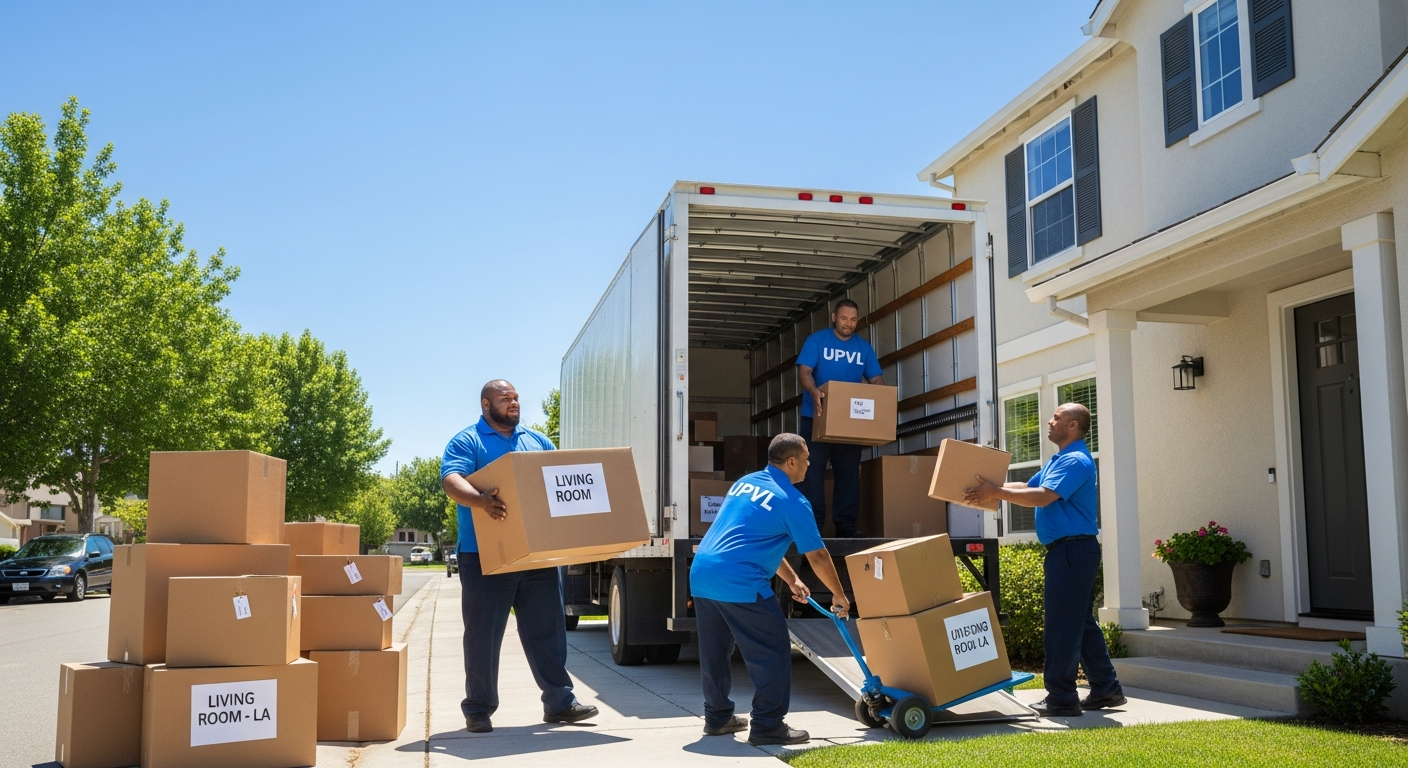
Interstate moving is a regulated industry. Using properly licensed state to state movers Los Angeles residents can trust is your best protection against fraud and poor service.
For moves across state lines, your mover should have:
You can verify a company’s license and complaint history using the FMCSA’s Company Snapshot tool. Confirm the name, address, and phone number match the company that provided your estimate.
A moving company owns trucks, employs crews, and directly handles your move. A moving broker arranges for other carriers to do the work.
If you’re dealing with a broker:
Interstate household goods moves use “valuation coverage,” which is not exactly the same as traditional insurance, but it functions similarly for your property while it’s in the mover’s care.
The FMCSA outlines two common options: Released Value Protection and Full Value Protection. Source: FMCSA.
| Valuation Type | Typical Coverage | Cost |
|---|---|---|
| Released Value Protection | Minimum coverage, often around $0.60 per pound per item for interstate moves. | Usually included at no additional charge. |
| Full Value Protection | Repair, replace with like item, or cash settlement up to a declared value. | Additional charge based on shipment value and deductible. |
| Third‑Party Insurance | Separate policy from an insurance company for extra protection. | Varies; may be recommended for very high‑value shipments. |
| High‑Value Inventory List | Special inventory for items above a set value (e.g., art, jewelry). | Included with Full Value; may require documentation/appraisals. |
Before your LA pickup date, decide:
Ask the mover for written details of deductibles, exclusions, and claim procedures.
A clear checklist keeps your long distance moving LA plan on track. Here’s a practical sequence from 8 weeks out to move‑day.
For long distance moving LA, an interstate estimate is a written projection of your moving cost, based on shipment weight, distance, and services. Movers must specify whether the estimate is binding, non‑binding, or binding‑not‑to‑exceed. Binding estimates lock in a fixed price for listed services, while non‑binding estimates are adjusted to the actual shipment weight and services on moving day. Always ask your mover to explain which type you’re signing and what could change the final cost.
For LA to East Coast routes (New York, New Jersey, Boston, DC, etc.), most movers quote delivery windows of about 7–14 business days from your load date, depending on season and route. LA to Texas is usually a bit faster, often 4–9 days. These ranges account for driving distance, multiple shipments on the trailer, driver hours‑of‑service rules, and possible weather or traffic delays.
Share your exact addresses, building rules, and any potential access issues with your mover early, since these can affect scheduling. Try to be flexible by a day or two around your target delivery date, and avoid major holidays for both pickup and delivery. Once your shipment is on the road, stay in touch with dispatch; many long distance movers can give progress updates based on routing and required rest periods.
Legitimate state to state movers Los Angeles must hold a USDOT number and interstate operating authority (MC number) from the FMCSA. Ask for these numbers and double‑check them using the FMCSA’s Company Snapshot tool. Confirm that the company name and address on the estimate match the name on the federal registration. Avoid movers that refuse to share their licensing information or pressure you to pay large cash deposits.
Interstate movers provide valuation coverage, not standard homeowners insurance. By federal law, they must at least offer Released Value Protection, which typically covers around $0.60 per pound per item. You can often upgrade to Full Value Protection, which makes the mover responsible—within limits—for repairing, replacing, or providing a cash settlement for damaged items. Always review coverage limits, deductibles, and exclusions in writing, and consider a high‑value inventory list for expensive belongings.
Yes. For interstate moves, federal law requires movers to provide written estimates. Phone quotes without written follow‑up are a red flag. The estimate should list the services, indicate whether it’s binding or non‑binding, and reference the mover’s USDOT and MC numbers. Keep copies of all documents, including any revised estimates if your inventory changes.
A moving broker arranges your move but does not own trucks or employ the crew that will show up. A carrier actually performs the move with its own equipment and staff. Brokers must also be registered with FMCSA, but when you’re moving long distance from LA, it’s wise to know exactly which carrier will handle your shipment, check that carrier’s licensing, and get your final estimate from them directly.
Yes. Long distance movers regularly handle LA high‑rises in neighborhoods like Downtown, Koreatown, and Westwood. You’ll probably need to reserve the freight elevator, secure any required COIs, and coordinate loading dock access with building management. Tell your mover about all building rules in advance so they can schedule properly and include any extra time or services in your estimate.
For peak season (May–September), reserve 3–6 weeks in advance if possible, especially for routes like LA → East Coast or LA → Florida where schedules fill quickly. For off‑season moves, 2–4 weeks may be sufficient, but last‑minute openings do happen. If you’re flexible with dates and delivery window, movers may be able to fit you into an existing route.
For California moves, the contact information is:
Long distance moving LA to another state combines the realities of Los Angeles traffic and building rules with federal regulations, long delivery windows, and complex routes. The keys to a smooth experience are choosing properly licensed interstate movers, understanding your estimate and valuation options, and planning early around your specific route—whether you’re heading to the East Coast, Texas, Florida, or the Pacific Northwest.
Walk through your inventory carefully, be honest about access challenges, and ask detailed questions about estimates and delivery windows. When you partner with an experienced carrier that knows LA’s neighborhoods and cross‑country logistics, your state‑to‑state relocation becomes far more predictable and manageable.