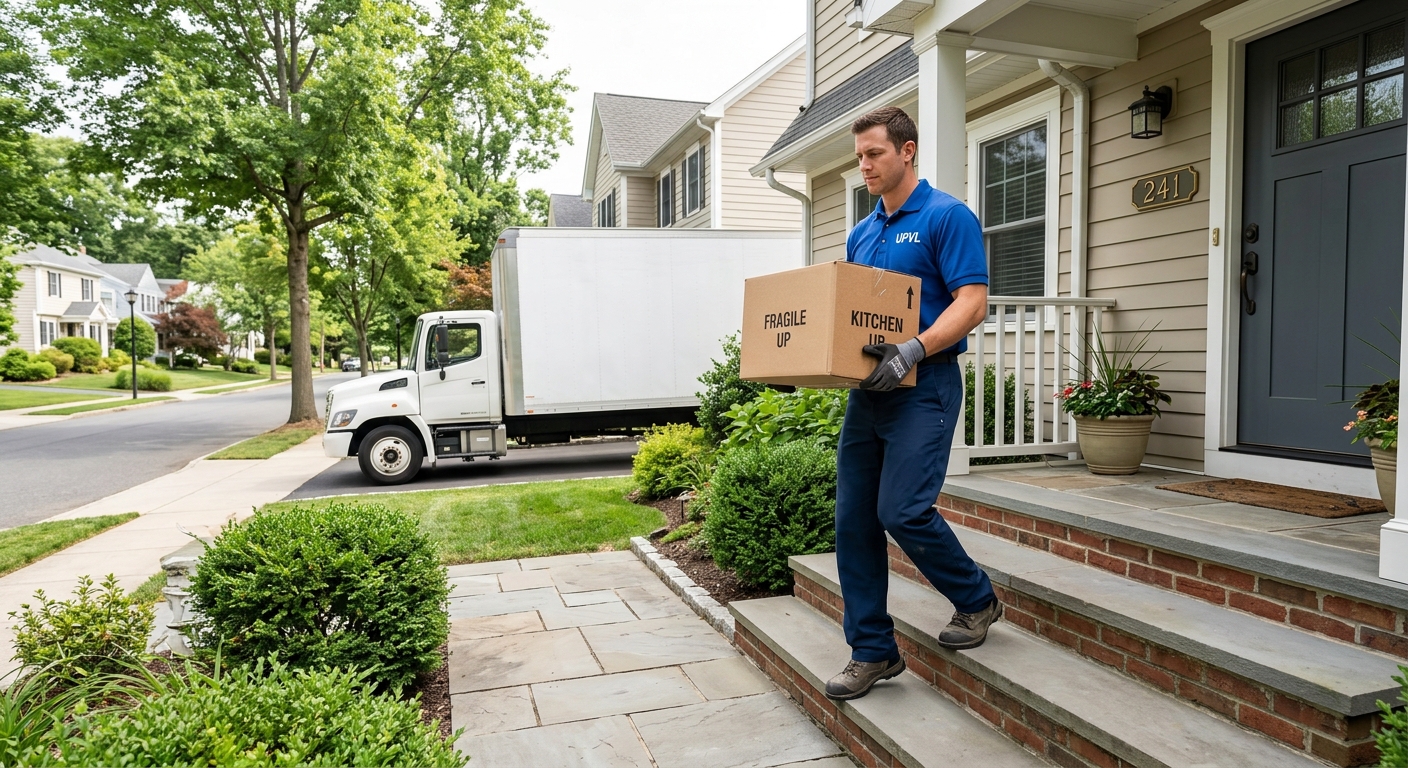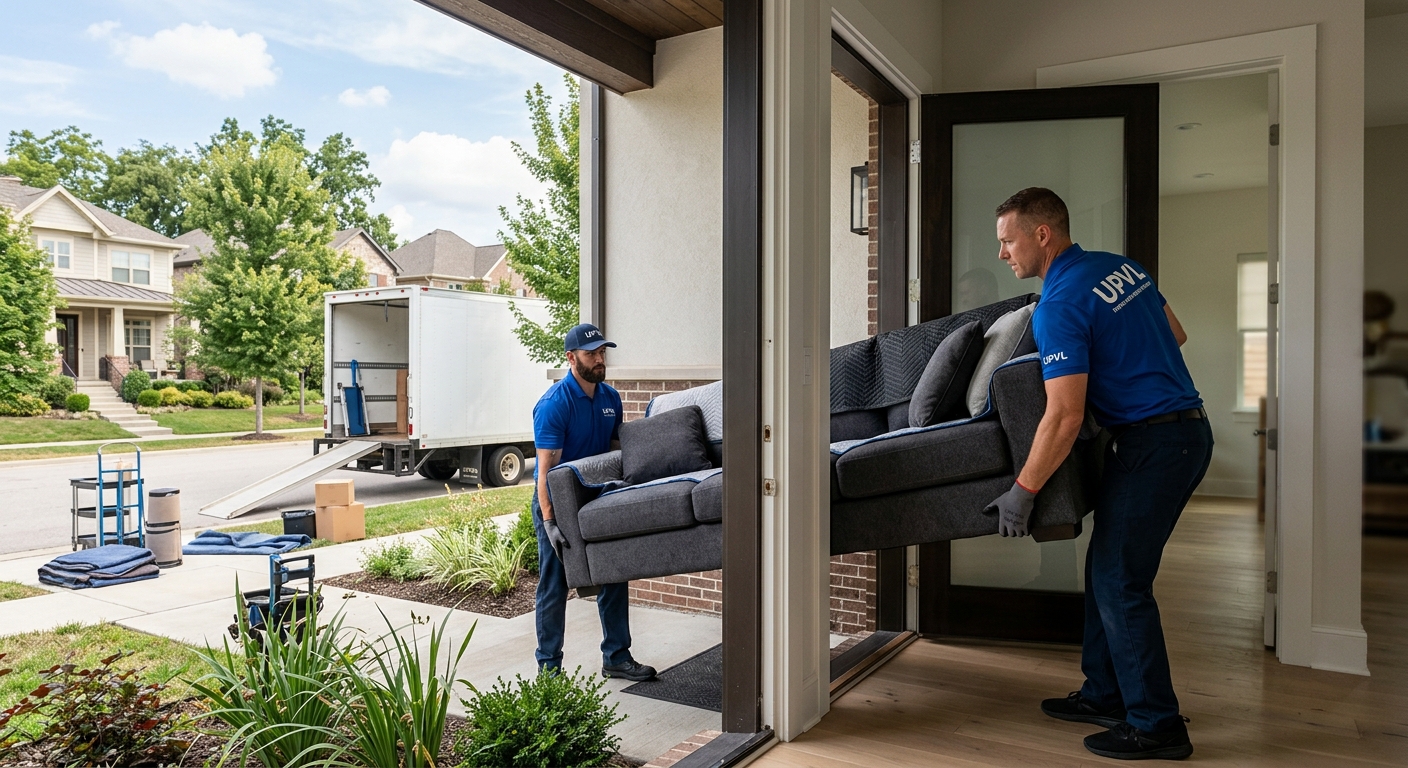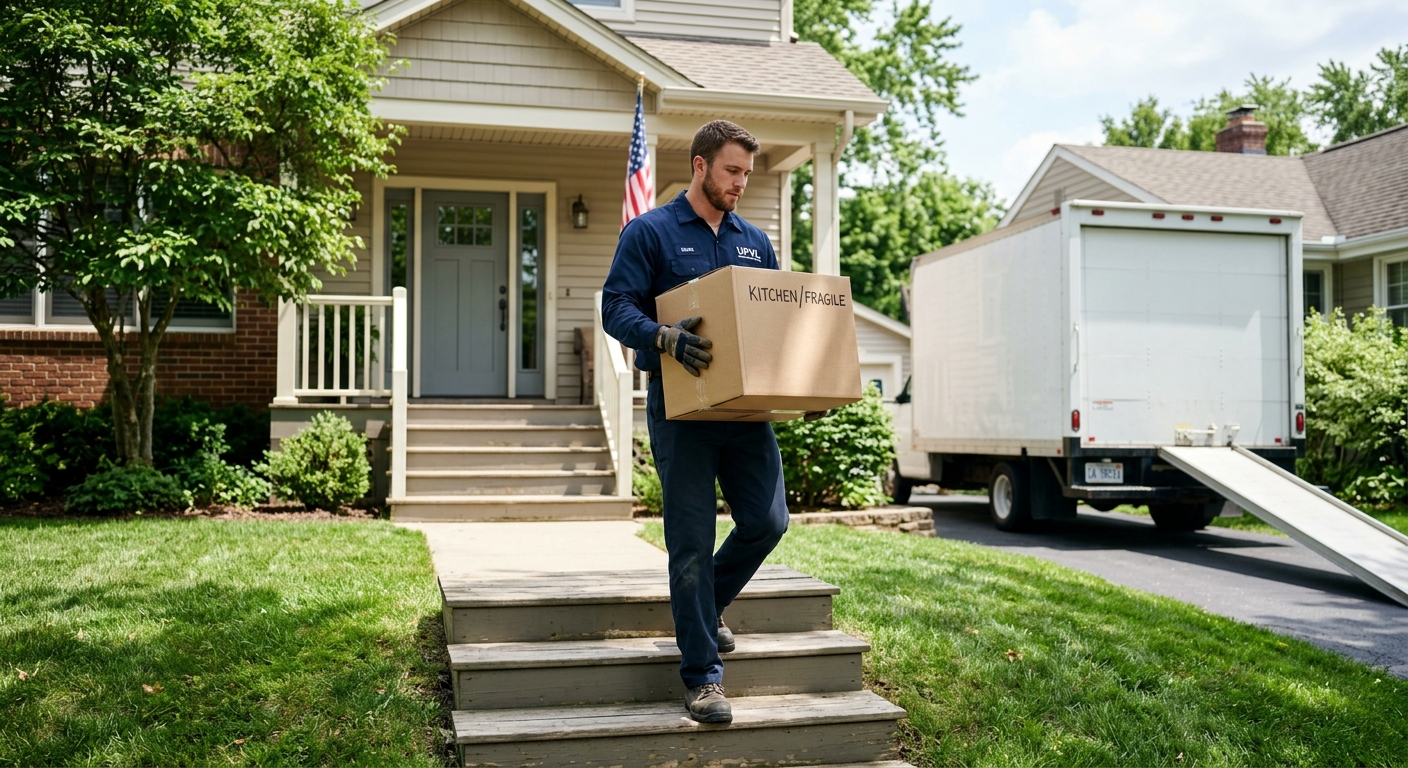
Moving from Los Angeles to Texas is a big change in distance, cost of living, and lifestyle, so choosing reliable Los Angeles to Texas movers is critical. Whether you are heading to Dallas, Houston, or Austin, a well-planned interstate move can save you money, stress, and time off work.
Quick Navigation
Thousands of people are moving from LA to Texas each year, drawn by lower housing costs, growing job markets, and business-friendly tax structures. Major destinations include Dallas–Fort Worth, Houston, and Austin, each with its own culture, traffic patterns, and housing options.
From an interstate moving standpoint, a Los Angeles to Texas relocation is typically 1,200–1,600 miles depending on your target city. That distance affects your cost, delivery windows, and how your shipment is routed and consolidated. According to the U.S. Census Bureau, Texas has consistently been one of the top states for inbound migration, while California has seen net outbound moves in recent years. Source: U.S. Census Bureau.
Because this is a true interstate relocation, you should always confirm that any California to Texas movers you consider are properly registered with the Federal Motor Carrier Safety Administration (FMCSA) and carry active USDOT and MC numbers. You can verify this on the FMCSA site: FMCSA Company Snapshot.
For complex cross-country moves that involve family schedules, home closings, or job start dates, using a full-service company like United Prime Van Lines long-distance moving services helps you coordinate packing, loading, storage, and delivery on a single timeline rather than juggling multiple vendors.
LA to Austin movers, LA to Dallas movers, and LA to Houston movers all operate across broadly similar corridors, but each destination has its own preferred highways and timing considerations. These differences impact your estimated driving days, fuel use, and potential weather delays.
Your movers will select a final route based on truck size, road weight limits, and traffic, but here are the common long-haul options most interstate carriers consider.
| Destination City | Approximate Miles from LA | Common Primary Route(s) |
|---|---|---|
| Dallas / Fort Worth | ~1,430–1,450 miles | I-10 E to Phoenix, I-20 E through West Texas into DFW |
| Houston | ~1,550–1,600 miles | I-10 E across Arizona & New Mexico, I-10 E through San Antonio to Houston |
| Austin | ~1,350–1,450 miles | I-10 E to San Antonio, then I-35 N to Austin |
| San Antonio (for comparison) | ~1,350–1,400 miles | I-10 E from LA directly to San Antonio |
Actual mileage will vary depending on your pickup location in Greater Los Angeles (for example, Chatsworth vs Long Beach) and final Texas neighborhood or suburb.
Season matters on a California to Texas route. Summer brings extreme heat, especially across the desert portions of California, Arizona, New Mexico, and West Texas. Winter can introduce rare but serious ice events in North Texas and the Panhandle. For Houston and Austin, hurricane season from June through November can affect schedules or cause flooding. For hurricane risk timelines, see the National Hurricane Center.
Professional LA to Houston movers and LA to Dallas movers monitor forecasts and adjust schedules to avoid major storms where possible, but you should still build flexibility into your delivery window, especially in late summer and early fall.
LA to Dallas movers typically frame the job as a 3–4 day truck transit plus loading/unloading days on each end. That does not mean you will receive next-day delivery; interstate shipments often include consolidated loads and scheduling buffers.
The Dallas–Fort Worth metroplex offers comparatively affordable housing, a strong corporate job market, and major airports. Many Californians move from Los Angeles neighborhoods like the San Fernando Valley, West LA, or the South Bay to DFW suburbs such as Plano, Frisco, Arlington, and Fort Worth.
Pure driving time from Los Angeles to Dallas for a commercial truck is usually around 2–3 days, depending on traffic, weather, and required rest periods. FMCSA hours-of-service rules limit how long a driver can operate without breaks for safety. Source: FMCSA Hours of Service.
Once you account for other shipments on the truck and logistics planning, a realistic door-to-door delivery spread for a full-service residential move is often:
Many Texas suburbs have wide streets and easy driveway access, which can make delivery smoother than tight LA neighborhoods. However, some gated communities and apartment complexes in Dallas, Fort Worth, Plano, or Irving may restrict large tractor-trailers, requiring a smaller shuttle truck to complete delivery. Shuttle service adds cost and should be built into your estimate.
A common routing for LA to Dallas movers might look like this:
If you want to coordinate closely with your mover’s operations team, ask them which highway they expect to use and how they calculate their delivery spread.
LA to Houston movers typically follow I-10 East for most of the journey, passing through Arizona, New Mexico, and across West and Central Texas into the Gulf Coast region.
Houston is a major hub for energy, healthcare, aerospace, and port-related industries. Californians often move to Houston for lower housing costs and professional opportunities in these sectors. Many new arrivals settle in areas like The Woodlands, Sugar Land, Katy, and inside-the-loop neighborhoods.
Driving distance is usually 1,550–1,600 miles. Truck transit is about 3–4 days of driving time, plus your pickup and delivery days. Actual delivery to your residence may occur anywhere from 5–10 business days after your pickup, depending on schedule and load planning.
Because Houston is vulnerable to tropical storms and heavy rain, local flooding can delay access to certain neighborhoods or storage facilities. During peak hurricane season, movers may adjust loading dates or advise clients about contingency plans. Check seasonal risk with the National Weather Service Tropical Page.
Houston traffic can be intense around I-10, I-45, US-59, and the Beltway. Delivery appointments should account for congestion, especially during weekday rush hours. Some inner-loop apartments and high-rises may require:
Ask your LA to Houston movers if they will handle the COI process and coordinate with your building, or if they need you to secure building rules in advance.
LA to Austin movers typically run through I-10 E to San Antonio and then I-35 N up to the Austin metro. The area’s mix of historic neighborhoods, hill country suburbs, and dense urban apartments requires careful planning for access.
Austin attracts Californians with its tech scene, music culture, and growing startup ecosystem. Many LA professionals move from areas like Culver City, Downtown LA, or the Westside to Austin suburbs such as Round Rock, Cedar Park, or Dripping Springs.
Driving distance typically falls between 1,350 and 1,450 miles. Expect:
Austin’s fast-growing suburbs can experience ongoing construction and road closures, so accurate addresses, gate codes, and community instructions are critical for your mover’s dispatch team.
Historic neighborhoods near downtown and the University of Texas can have narrow streets, limited parking, and steep driveways. Hill country homes may be located on winding roads with limited truck turning radius. Your estimator should ask detailed questions about your Texas address and note any access issues that might require a smaller truck or extra labor.
Most California to Texas movers, including full-service carriers such as United Prime Van Lines, offer a mix of service levels. Understanding these options helps you match your budget and schedule with the right support.
| Service Type | What It Includes | Best For |
|---|---|---|
| Full-Service Move | Professional loading, transport, unloading, plus optional packing/unpacking and furniture assembly. | Families, busy professionals, or complex homes moving from LA to Houston, Dallas, or Austin on a fixed timeline. |
| Partial Packing Service | Movers pack select items (kitchen, fragile, artwork); you pack the rest. | Customers wanting professional help with breakables while reducing cost. |
| Self-Packed Full-Service Transport | You pack all boxes; movers handle loading, transport, and unloading. | Budget-conscious moves that still want professional truck handling. |
| Storage-In-Transit (SIT) | Your items are held in a warehouse mid-move before final delivery. | LA to Texas moves with gap between move-out and move-in dates. |
Depending on your inventory, you may also need:
Clarify which items need special handling during your visual or virtual survey so they’re priced and planned accurately.
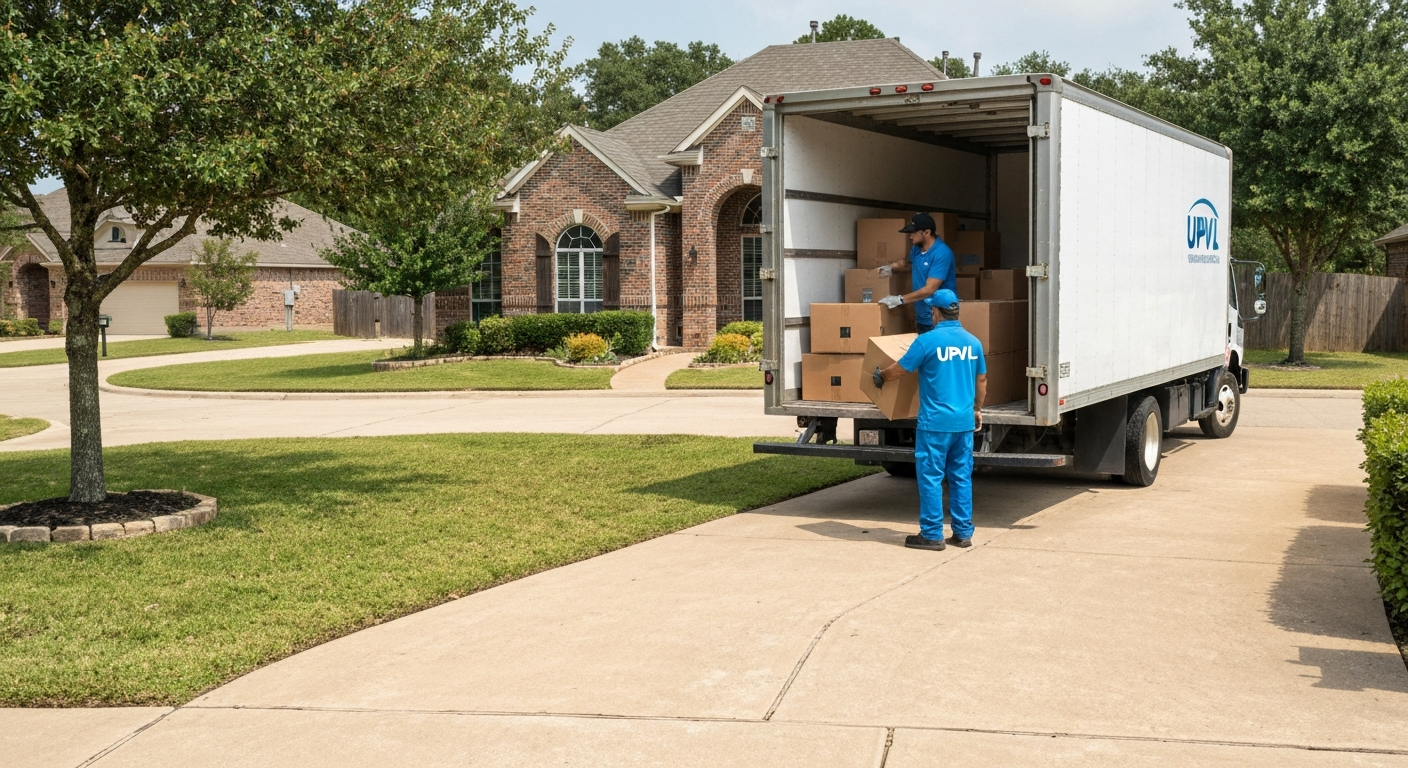
Interstate moving costs from Los Angeles to Texas vary widely based on shipment size, services, and timing. Most full-service California to Texas movers calculate price primarily by shipment weight and distance, plus add-ons like packing, storage, and access fees.
| Cost Factor | How It Affects Price | Notes for LA to Texas |
|---|---|---|
| Shipment Weight | Heavier loads cost more to haul. | Downsizing before leaving LA can significantly reduce your bill. |
| Distance / Route | Longer mileage increases fuel and driver time costs. | Houston is typically more miles than Dallas or Austin, so often slightly higher base transport cost. |
| Packing Services | Professional packing adds material and labor cost. | Full packing can add several hundred to a few thousand dollars, depending on home size. |
| Access / Shuttles | Shuttle trucks or long carries add labor and equipment charges. | Tight LA streets or restricted Texas complexes may require shuttles. |
| Time of Year | Summer and end-of-month moves often cost more due to demand. | Plan ahead for peak season; flexible dates can save money. |
Because every shipment is unique, movers will provide specific estimates after a survey. That said, customers often ask for ballpark ranges. For standard full-service moves (loading, transport, unloading, with optional packing), typical ranges might look like:
Because regulations and fuel costs change, you should rely on written estimates rather than generic online averages. For a more tailored number, request a virtual or in-home estimate from a reputable long-distance mover such as United Prime Van Lines.
When comparing LA to Houston movers or LA to Dallas movers, always ask about these possible charges:
Understanding estimate types is essential when hiring California to Texas movers. The FMCSA defines three main estimate categories for interstate moves: binding, non-binding, and binding not-to-exceed. Each has different protections for your final price. Source: FMCSA.
| Estimate Type | What It Means | Pros / Cons |
|---|---|---|
| Non-Binding Estimate | Approximate cost based on estimated weight; final charges are based on actual weight and services. | Pros: Flexible; common option. Cons: Final cost may be higher than estimate if weight is more than expected. |
| Binding Estimate | A fixed price for listed services and weight; you pay exactly that amount unless you add services. | Pros: Price certainty. Cons: If your actual weight is lower, you generally still pay the binding amount. |
| Binding Not-To-Exceed Estimate | You pay the lower of the binding amount or actual charges if actual weight is less. | Pros: Strong consumer protection. Cons: Not all movers offer this; may require detailed survey. |
| Hourly Local Estimate (for context) | Used for local LA moves, charged per hour per crew/truck. | Pros: Good for small, local jobs. Cons: Not used for long-distance California to Texas moves. |
Binding estimate: A written agreement stating the exact price that you will pay for your move as long as you do not add extra items or services not listed on the estimate.
Non-binding estimate: A mover’s best guess about the cost based on expected weight. Your final invoice may be higher or lower depending on actual weight and services used.
Binding not-to-exceed estimate: A form of binding estimate where you pay the lower of the estimate or actual charges if your shipment weighs less or fewer services are used.
For many LA to Austin movers and LA to Dallas movers, non-binding and binding not-to-exceed estimates are the most practical options. A non-binding estimate is common if your inventory may change, while a binding not-to-exceed estimate can be ideal if your belongings are fairly fixed and you want cost protection.
Regardless of type, always ensure your inventory list is accurate. If you add significant items on move day, your mover is entitled to adjust charges, often through a written addendum.
Packing for a 1,300–1,600 mile interstate move is very different from packing for a short local haul. Boxes will be stacked, trucked across multiple states, and sometimes transferred between trailers or in and out of storage. Good packing directly impacts how well your belongings survive the trip.
| Packing Option | What Movers Do | When to Choose It |
|---|---|---|
| Full Packing Service | Movers pack everything: dishes, books, closets, garage, etc., using professional materials. | Busy households, long-distance moves with tight timelines, or those wanting maximum convenience. |
| Partial Packing (Fragile-Only) | Movers only pack breakables (kitchen glassware, artwork, lamps, TVs). You pack non-fragile items. | Great cost vs. protection balance for cross-country routes. |
| Self-Packing | You pack all boxes yourself. Movers supply boxes if requested and then load/unload. | Budget-conscious moves where you can devote time to careful packing. |
| Unpacking Service | Movers unpack selected boxes at destination and remove packing debris. | Helpful when starting new jobs quickly in Dallas, Houston, or Austin. |
Whether you or your movers pack, prioritize:
Professional packing services such as United Prime Van Lines full packing services can be especially valuable for high-value or fragile items on a long LA to Houston or LA to Austin route.
For Houston and Dallas humidity: Avoid packing damp items that could mold during transit. Consider plastic bins for items that might be exposed during delivery in rainy weather.
For Austin hill country homes: If your new property involves stairs or inclines, pack heavy items in smaller boxes to keep each carton manageable for movers navigating those conditions.
Many people moving from LA to Texas cannot line up move-out and move-in dates perfectly. Storage becomes a key piece of the plan when you are waiting on new construction, lease start dates, or job relocation logistics.
| Storage Type | How It Works | Best Use Case |
|---|---|---|
| Storage-In-Transit (SIT) | Your items are held in the mover’s warehouse for a limited time during an interstate move. | Short gaps (weeks to a few months) between LA move-out and Texas move-in. |
| Long-Term Warehouse Storage | Extended storage in a secure facility, sometimes with monthly handling fees. | Uncertain timelines, overseas assignments, or long renovation projects. |
| Self-Storage Unit | You rent your own storage unit and may transport items in/out yourself. | Customers who prefer more hands-on control and local access. |
| Hybrid Approach | Movers store main household goods; you keep valuables or essentials with you. | Families who want both security and quick access to certain items. |
Many full-service movers, including United Prime Van Lines storage services, can combine interstate transport with temporary storage in California or Texas, then deliver when your home is ready.
Texas can experience high humidity and heat, particularly in Houston and Dallas. When arranging storage, ask your mover or facility:
Always photograph or video your items before storage and keep a copy of your inventory list for insurance and valuation purposes.
Because you are crossing state lines, your LA to Houston movers or LA to Dallas movers must be licensed as interstate carriers. Additionally, you should understand the difference between insurance and valuation coverage so you know how you will be compensated if items are damaged or lost.
For interstate moves like Los Angeles to Texas:
Avoid companies that only operate as brokers without clearly disclosing that role. Brokers coordinate moves but do not own trucks or employ the crews who handle your belongings.
Under federal law, interstate movers must offer at least two levels of liability for household goods: Released Value and Full Value Protection. These are not the same as separate third-party insurance policies, but they define how much the mover is obligated to pay in case of loss or damage. Source: FMCSA.
| Valuation Type | Coverage Level | Typical Use |
|---|---|---|
| Released Value Protection | Up to $0.60 per pound per article at no additional charge. | Basic level, often insufficient for high-value items on LA to Texas moves. |
| Full Value Protection | Repair, replace, or cash settlement up to declared value of shipment, subject to deductible and terms. | Recommended for most interstate moves with typical household goods. |
| Third-Party Insurance | Separate policy obtained through an insurer (not the mover). | Optional extra protection for expensive collections or art. |
| High-Value Inventory | Special listing of items above a set dollar threshold. | Needed to ensure higher-value items receive appropriate coverage. |
Released Value: If your 100-pound TV is damaged under Released Value, you could receive only $60 (100 lb x $0.60), which rarely covers replacement cost.
Full Value Protection: If you choose this and your TV is covered, the mover can repair it, replace it with a similar model, or pay you the current market value within policy limits and deductibles.
Ask your California to Texas movers to explain your valuation options in writing and provide the cost for each level on your estimate.
Interstate moves do not function like a local move where the truck goes directly from your old home to your new one in the same day. Instead, LA to Houston movers, LA to Dallas movers, and LA to Austin movers typically schedule delivery within a spread of days to allow for routing, weather, and consolidation.
A delivery spread is the range of dates in which your movers may deliver your shipment. It is written on your Bill of Lading and depends on distance, shipment size, and the mover’s schedule.
| Route | Typical Standard Delivery Spread | What Affects It |
|---|---|---|
| Los Angeles to Dallas | Approx. 4–9 business days from first available delivery date. | Truck availability, weather, and whether your load is consolidated. |
| Los Angeles to Houston | Approx. 5–10 business days from first available delivery date. | Longer distance and possible storm delays. |
| Los Angeles to Austin | Approx. 4–9 business days from first available delivery date. | Scheduling between LA pickup and central Texas deliveries. |
| Dedicated Truck Options | Can be shorter, subject to premium pricing. | Usually available only for larger or time-sensitive moves. |
Always ask your mover to clarify what “first available delivery date” means. It is often the earliest date you are ready to receive the shipment, not necessarily the pickup date itself.
To manage the delivery window on LA to Texas routes:
If you need guaranteed delivery dates, ask if your LA to Austin movers or LA to Houston movers offer date-specific or expedited service with a dedicated truck, and what the cost difference would be.

A structured checklist keeps your Los Angeles to Texas move on track, especially if you are balancing work, school schedules, and housing transactions.
Costs vary based on shipment weight, distance, packing, and access conditions. Smaller shipments (like 1-bedroom apartments) often fall into the lower four figures, while larger 3–4 bedroom households with full packing or storage may reach the upper four or low five figures. To get a precise figure, request a written estimate from a licensed California to Texas mover after a detailed inventory review.
Often, but not always. Houston is usually farther from Los Angeles than Dallas, so base mileage charges may be slightly higher. However, pricing is also affected by your shipment’s weight, packing services, time of year, and access issues (like shuttles or long carries). Only a detailed estimate can show the exact difference for your move.
Most standard LA to Dallas, LA to Houston, and LA to Austin moves fall within a 4–10 business day delivery spread from your first available delivery date. Larger or consolidated loads may lean toward the longer side of that range, while dedicated or expedited services can shorten it at additional cost. Always confirm the specific window on your Bill of Lading.
Some movers offer guaranteed or date-specific delivery, often using a dedicated truck or special scheduling. This usually costs more than standard service. If your job start date or home closing in Texas is inflexible, ask your mover whether they provide guaranteed delivery, what it costs, and what compensation is available if they miss that date.
Common options include Storage-In-Transit (SIT) in the mover’s warehouse for short gaps, long-term warehouse storage, self-storage units you rent yourself, or a combination where movers store main household goods and you keep essentials locally. Ask how access works, what monthly fees are, and whether the storage environment is climate-controlled, especially for humidity-prone regions like Houston.
Storage fees are typically based on how much space your items occupy (measured in vaults or cubic feet), how long they remain in storage, and any handling required when they enter or leave the warehouse. You may see line items for storage per month plus in/out charges. Get these fees in writing before committing, especially if your timeline is uncertain.
Released Value is the basic liability coverage required by federal law, set at up to $0.60 per pound per item, usually at no additional charge. Full Value Protection is a higher level of valuation where the mover is responsible for repairing, replacing, or paying current market value (within policy limits and deductibles) for lost or damaged items. Full Value Protection offers stronger financial protection and is recommended for most interstate moves.
Often yes, but it depends on your agreement. Many movers extend valuation coverage during Storage-In-Transit up to a specified period, then may adjust terms if storage becomes long-term. Carefully read your paperwork or ask directly whether your chosen valuation applies while your goods are in the warehouse and how long that coverage lasts.
Common surprises include underestimating your inventory weight, needing extra packing on move day, last-minute shuttles for tight access, long carries from truck to door, and changes to your delivery address or date after booking. Clear communication with your mover and an accurate inventory list reduce the risk of unexpected charges.
For peak moving months (May through September), booking 4–8 weeks in advance is ideal, especially if you have limited date flexibility. During off-peak months, 3–4 weeks may be sufficient, but availability can still tighten around month-ends and holiday periods.
Yes, most movers allow self-packing to help you save money. However, they may limit valuation on items packed by owner if there is no visible external damage to the box. For fragile or high-value pieces, consider having movers professionally pack those items and clearly label them on your inventory.
Whenever possible, use original manufacturer boxes. If not, use double-walled cartons with ample padding. Remove batteries from remotes, label cables and components, and consider photographing hookups before disconnecting. Keep smaller, high-value electronics with you if feasible, especially laptops and important hard drives.
For California moves, the contact information is:
Moving from Los Angeles to Texas is a major life change, whether you are bound for Dallas, Houston, or Austin. The right LA to Houston movers, LA to Dallas movers, or LA to Austin movers will combine solid licensing, transparent estimates, and flexible services that match your schedule and budget.
Focus on three pillars: choosing a properly licensed interstate mover, understanding your estimate and valuation coverage, and planning realistically around delivery windows and storage. With those pieces in place, your California-to-Texas relocation can be smoother, safer, and better aligned with your new chapter in the Lone Star State.