Moving is stressful enough when the weather behaves. Add rain, snow, or a South Florida heat index that feels like the surface of the sun—and suddenly a normal move can turn into a small disaster if you’re not ready.
The good news: with the right prep, a “bad weather” move can run almost as smoothly as a sunny one. We see it all the time at United Prime Van Lines—stormy mornings turning into successful, on‑schedule move days simply because things were planned the right way.
In this guide, I’ll walk you through how to get your move ready for:
- Heavy rain and thunderstorms
- Snow, ice, and freezing temps
- Extreme heat and humidity
…plus what to pack differently, how to protect your stuff, and how to keep yourself (and your movers) safe.
Why Planning For Weather Matters More Than You Think
Weather doesn’t just make the day uncomfortable. It can:
- Damage your furniture and electronics
- Ruin boxes and personal documents
- Slow down your movers (and your schedule)
- Turn simple tasks like walking down stairs into a safety issue
Most people only think about throwing a tarp over things “if it rains.” In reality, a truly weather‑ready move starts a week or two before moving day: with how you pack, what you buy, how you protect floors, and the timing of your schedule.
If you’re moving somewhere like Hallandale Beach or Chatsworth, CA, you’re dealing more often with heavy rain and heat than with major blizzards—but all three happen across the U.S. If you’re moving long‑distance with United Prime Van Lines, you might literally load in Florida heat and unload in snow a few days later. Planning for that difference is key.
Step One: Watch The Forecast… But Don’t Trust It Blindly
You don’t need to obsess over the 10‑day forecast, but you do want to:
- Start checking 7 days before your move
- Watch again 3 days before
- Check one last time the night before
Here’s what you’re looking for:
- Rain or thunderstorms: Plan for water protection and slick floors.
- Snow or ice: Think traction, shoveling, and extra time.
- Heat above 85–90°F (and/or high humidity): Plan for earlier start times, hydration, and protecting heat‑sensitive items.
Even if the forecast looks perfect, assume “something” may happen. Build light weather prep into your move as a default. That way, if the sky opens up or a surprise heat wave hits Hallandale Beach, you’re not scrambling for trash bags and towels at 8 a.m.
Gear That Makes Any Weather Move Easier
You don’t have to turn your place into a warehouse. A few inexpensive items can save you hundreds in damaged furniture or electronics.
Consider picking up:
- Heavy‑duty plastic mattress bags (for each mattress and box spring)
- Stretch/shrink wrap rolls (the clear movers’ wrap—huge lifesaver)
- Furniture pads or moving blankets (rent or borrow if you can)
- A roll of contractor‑grade trash bags (thick, large, easy to repurpose)
- Waterproof plastic bins with lids (for documents, photos, electronics)
- Non‑slip floor runners or cheap doormats (for entryways)
- Painter’s tape and permanent markers
- A basic first aid kit and a few hand towels you don’t mind ruining
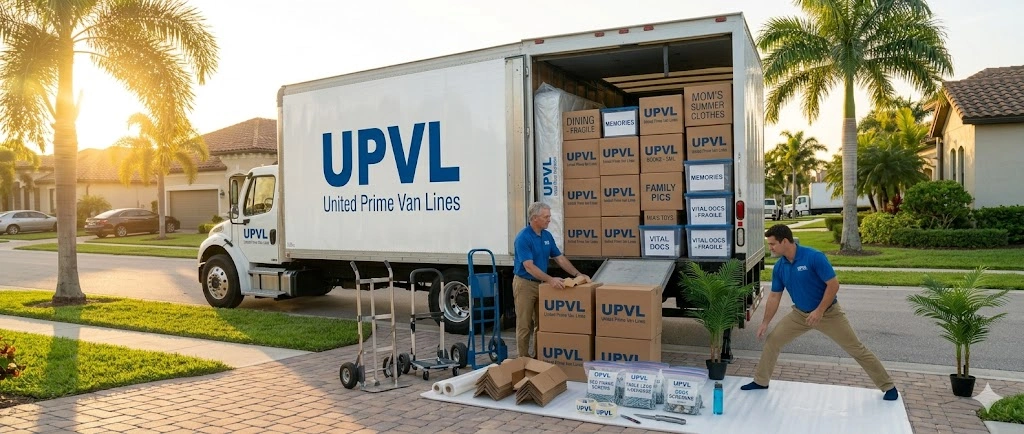
If you’re using a professional crew like ours at United Prime Van Lines, they’ll typically bring blankets, shrink wrap, and floor protection. It still pays to have some of your own for packing and to protect items you’ll move in your car.
Вот отредактированный текст с выделением жирным шрифтом (** заголовки и ключевые моменты) и курсивом (* пояснения и акценты*):
Moving In Rain: How To Keep Water From Ruining Your Stuff
Rain is the most common “problem” weather on moving day—especially in South Florida. A quick shower is annoying but manageable. A steady downpour needs a calm plan.
Pack Like It Will Rain
If you prepare for a rainy move even when the forecast is clear, you’re covered either way.
For boxes:
- Use strong, dry boxes—no free boxes from the grocery store that are already soft.
- Don’t overpack; heavy, bulging boxes break faster when damp.
- Tape seams thoroughly, then add one extra strip around the bottom.
- Use plastic bins for important papers, photos, and electronics.
For furniture:
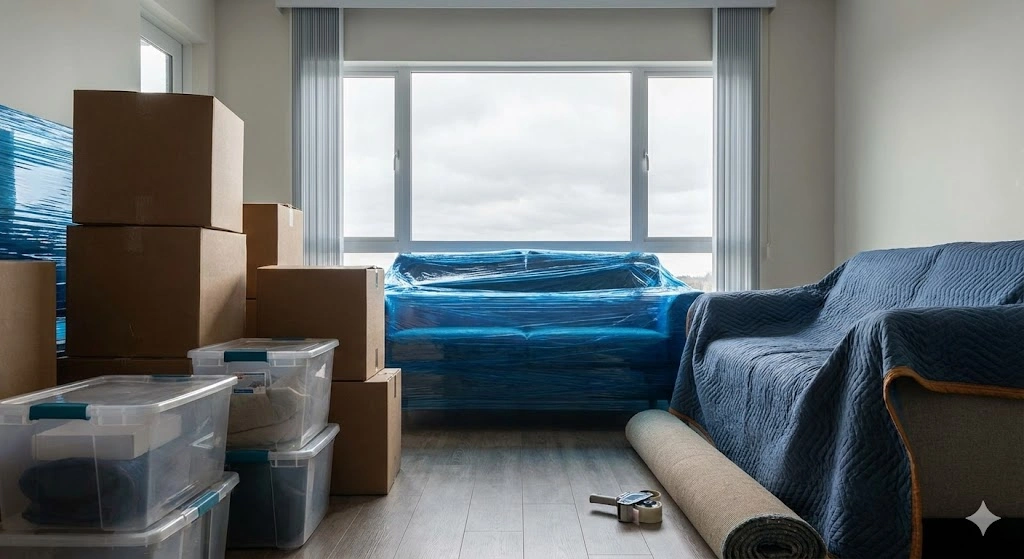
- Wrap upholstered pieces with shrink wrap or plastic.
- Cover wood furniture with moving blankets first, then plastic on top.
- Blanket protects from scratches.
- Plastic protects from water.
- Put mattress covers on ahead of time—don’t wait until rain starts.
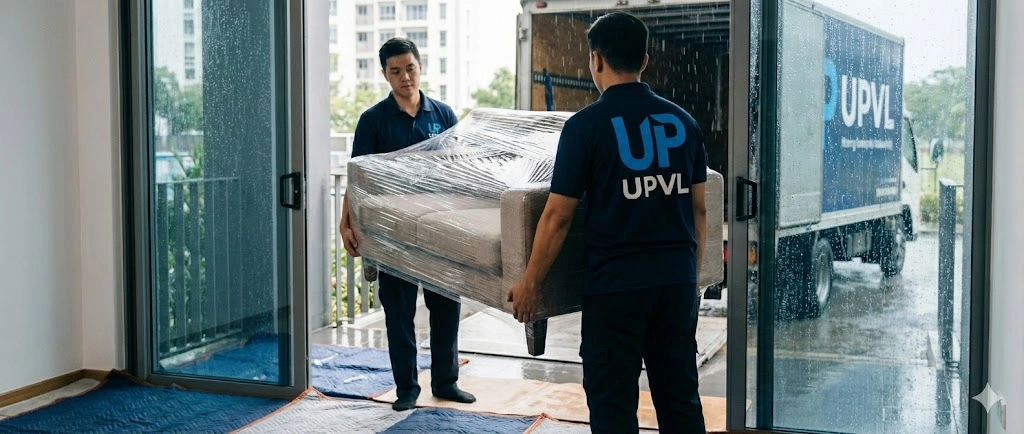
If you’re moving with us, we often pre‑wrap couches, chairs, and mattresses inside your home so that they’re weather‑ready before we ever hit the front door.
Create A “Dry Zone” Inside Your Home
Think of your entry as a little transfer station: wet outside, dry inside.
- Lay down old towels, blankets, or a tarp just inside the door.
- If possible, set up a small table or sturdy box by the doorway where items can be quickly placed before being carried further inside.
- Assign someone (if you have friends or family helping) to stay inside, receive items, and wipe them down if necessary.
This keeps water from tracking through the whole house and protects floors.
Shorten The Distance In The Rain
The more steps between your door and the truck, the wetter your stuff gets. You can’t move the driveway, but you can:
- Ask your movers to back the truck as close as safely possible.
- Clear any obstacles the day before (trash cans, bikes, lawn items).
- If there’s a garage or covered parking, use it as your main staging area.
We do this constantly in Hallandale Beach apartment complexes—parking as close to the lobby or garage as the building allows, then working in short, fast trips.
How To Handle Electronics In Wet Weather
Electronics and moisture do not mix, and your laptop bag is not waterproof.
- Pack electronics in original boxes if you still have them.
- Otherwise, wrap in bubble wrap, place in a plastic bag, then into a sturdy box or plastic bin.
- Clearly label these boxes: “Electronics – Keep Dry – Do Not Stack.”
- When possible, move your most expensive electronics in your own vehicle.
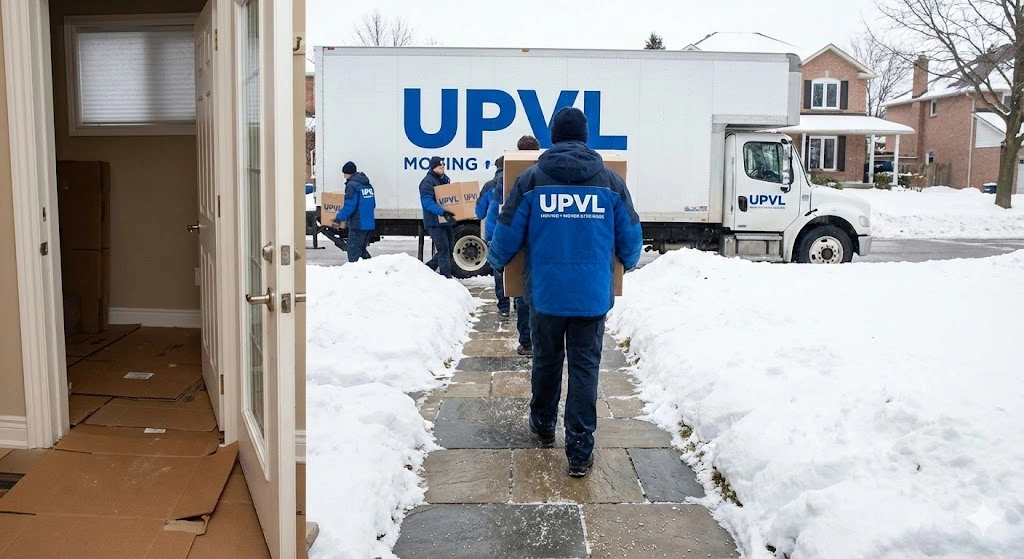
Moving In Snow Or Ice: Staying Safe And Protecting Your Home
Snowy moves are a different game. The main danger isn’t so much your furniture getting cold—it’s slips, falls, and damage to floors and walls from tracked-in snow and ice.
If you’re moving into or out of colder states (or your long‑distance move with United Prime Van Lines ends up in bad winter weather), use these basics.
Clear The Way Before Anyone Lifts A Box
This is non‑negotiable in icy conditions.
- Shovel all walkways, stairs, and driveways as best you can.
- Use salt, sand, or kitty litter on any icy patches.
- Knock down icicles that could fall near doors or walkways.
- Ensure outdoor lighting works if you’ll be moving in the early morning or late afternoon.
If you physically can’t do this, it’s worth paying a neighbor kid, local handyman, or snow-removal service. It’s cheaper than a hospital bill or a liability issue.
Protect Your Floors From Melted Snow
Wet, salty boots can wreck hardwoods and carpets.
- Lay down a path of floor protection from door to main rooms:
- Moving runners, cardboard, or old rugs.
- Tape edges gently with painter’s tape on hardwood (no duct tape).
- Create a “boot zone” by the door with a mat or tray for boots.
- Keep a few towels handy to wipe up excess water.
Movers will bring their own floor protection, but having extra never hurts, especially if you’re in and out multiple times while they’re working.
Cold-Safe Packing Tips
- Avoid using thin, brittle plastic bins in extreme cold—they can crack.
- Liquids (cleaning supplies, open food items) can freeze and leak; pack those separately and consider moving them yourself.
- Keep plants, candles, and anything that can be damaged by cold in your heated vehicle, not the truck.
Expect The Day To Move More Slowly
Snow and ice force everyone to slow down. Build that into your expectations:
- Be realistic: stairs, long walks from the building to the truck, and icy sidewalks will add time.
- Let your movers take the time they need to be safe. Rushing in icy conditions is a mistake nobody wants to make.
Moving In Extreme Heat: Surviving The Sun And Humidity
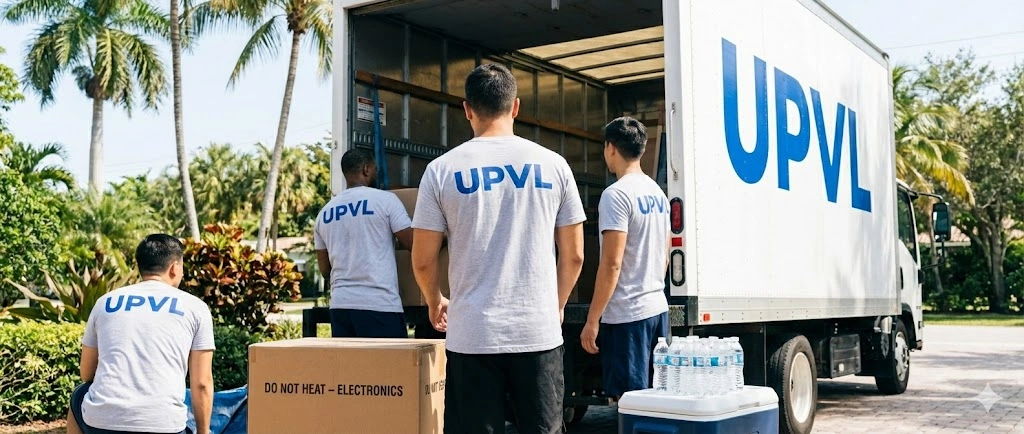
If you’re in Hallandale Beach, South Florida, or even Chatsworth during a hot spell, heat will probably be your main weather challenge. A hot, humid move takes a toll on everyone—people and possessions.
Start Earlier Than You Think
Hands down, the best heat‑move tip: start early.
- Aim for the earliest slot your movers offer (we book a lot of 8 a.m. starts in South Florida for this exact reason).
- Try to have the heaviest work done before midday, when the sun is worst.
- If you have any say in your move date, avoid holiday weekends and known heat waves.
Keep People Safe First
Your belongings matter. Your health matters more.
- Set up a “cool zone” inside with A/C on and a fan running if possible.
- Stock cold water and sports drinks—enough for yourself and your movers.
- Wear breathable, light-colored clothing and supportive shoes.
- Take breaks. If you start feeling dizzy, nauseous, or unusually tired, stop immediately and get inside.
Professional movers are used to working in the heat, but hydration and breaks are still essential. We plan for that on every hot‑weather job.
What Not To Leave In A Hot Truck Or Car
Some items just shouldn’t bake in a closed truck or car for hours:
- Candles and wax items – they will melt.
- Vinyl records – can warp easily.
- Aerosol cans – can explode with heat.
- Electronics – especially laptops, hard drives, tablets, and cameras.
- Perishable food or medications – always transport these with you.
Pack a small “do not heat” group and keep it in your vehicle’s cabin, not the trunk, whenever possible.
Protecting Furniture From Heat And Humidity
- Use moving blankets or covers to protect dark wood and leather from direct sun while loading/unloading.
- If possible, avoid leaving wrapped furniture in direct sunlight for long periods—it can trap heat.
- Once your items are in your new place, give leather and wood a day or two to adjust before placing heavy items on them or polishing.
In places like Hallandale Beach, the mix of heat + humidity can make cardboard boxes go soft quickly outside. Keep boxes inside until movers are ready to grab and load.
How To Pack Differently For Weather: Room‑By‑Room
Let’s break down a few key areas and how weather changes your packing approach.
Living Room
- Wrap couches and chairs in shrink wrap if there’s any chance of rain.
- For snow: double‑check feet and legs are protected so salt and ice don’t grind into them.
- For heat: keep TVs and audio equipment in well‑padded boxes and move them in your own air‑conditioned vehicle if you can.
Bedroom
- Mattress bags are mandatory in wet weather—water + mattresses do not mix.
- Bag pillows and bedding in large plastic bags before putting them into boxes.
- Avoid putting candles, cosmetics, or perfumes into boxes that will ride in a hot truck for long periods.
Kitchen
- Set aside a small weather‑safe “essentials” bin with:
- Coffee maker or kettle
- A few mugs or cups
- Basic utensils and paper plates
- Paper towels and cleaning wipes
- For snow: minimize how often you go in/out for forgotten items by pre‑packing this bin and loading it last so it comes off first.
Home Office
- Electronics hate both water and extreme temperatures.
- For long‑distance moves in mixed climates (say, leaving South Florida heat and arriving in a colder state), pack electronics very carefully:
- Wrap in anti‑static bubble wrap if possible.
- Use tight‑closing boxes or plastic bins.
- Clearly label and keep them from the very bottom of the stack in the truck.
When we’re handling a long‑distance job at United Prime Van Lines, we often flag electronics and important documents as a “special handling” category on our end so crews at both origin and destination know to treat them differently.
Plan Your Schedule Around The Weather, Not Just Your Lease
Most people plan their move date around the lease end or closing date—and that’s it. You can’t control the exact day, but you can control the timing and order of what happens on that day.
If It’s Going To Rain
- Ask your movers if there’s flexibility to shift by a couple of hours if a major storm band is forecast. Sometimes a same‑day time adjustment helps.
- Load weather‑resistant items (plastic bins, solid furniture) during the heaviest rain; save boxes and sensitive items for lighter periods.
- Keep a stack of clean towels by the main door for quick wipe‑downs.
If It’s Going To Snow
- Build in an extra 1–2 hours in your mental timeline. Don’t plan cable/utility installations too tightly.
- Confirm that parking and access points at your new place will be plowed or accessible.
- If you have a long driveway, make sure there’s enough room for a moving truck to turn around safely.
If It’s Going To Be Very Hot
- Avoid overlapping heavy lifting with midday. Try for an early start.
- If you have kids or pets, arrange for them to be somewhere cool and safe—this is not the day to have them running around the house.
- If you’ll be driving a long distance the same day, factor in rest stops; don’t plan to power straight through after several hours of moving in the heat.
Communicate With Your Movers About The Weather
You don’t need to have all the answers—that’s partly what professional movers are for. But do share what you know.
When you book with a company like United Prime Van Lines, mention:
- Any known weather concerns (e.g., “we’re in a flood‑prone part of Hallandale Beach,” or “the driveway at the new place tends to ice over”).
- Access issues: steep stairs, long walks from street parking, low building clearance, etc.
- Whether you’ve already arranged for snow removal or special parking permits.
On the day before and morning of your move, don’t hesitate to ask:
- If the crew will bring extra floor protection due to rain/snow.
- How they usually adapt for heat or storms.
- Whether any timing tweaks make sense based on the forecast.
We adjust our game plan constantly—earlier start times in summer heat, extra runners in rain, creative truck placement in snow. The more we know ahead of time, the smoother it goes.

How United Prime Van Lines Handles Weather On Move Day
You don’t have to be the weather expert; you just need to be weather‑aware.
Here’s how we typically handle tough conditions on our end:
- Rain: We pre‑wrap furniture indoors, protect floors, and minimize the time items spend outside.
- Snow/Ice: We slow down, use extra floor protection, and coordinate truck placement to shorten walks.
- Heat: We push for earlier starts, take regular hydration breaks, and keep a close eye on crew safety while still respecting your schedule.
How United Prime Van Lines Handles Weather On Move Day
You don’t have to be the weather expert; you just need to be weather‑aware.
Here’s how we typically handle tough conditions on our end:
- Rain: We pre‑wrap furniture indoors, protect floors, and minimize the time items spend outside.
- Snow/Ice: We slow down, use extra floor protection, and coordinate truck placement to shorten walks.
- Heat: We push for earlier starts, take regular hydration breaks, and keep a close eye on crew safety while still respecting your schedule.
We’ve moved families in South Florida thunderstorms, heat waves in Chatsworth, and into snowy driveways up north. Weather makes things trickier, but not impossible—if you and your movers are on the same page.
Bringing It All Together
If you remember only a few things from all this, make it these:
- Pack as if the weather might turn—because sometimes it will.
- Protect entryways and floors; make a dry (or snow‑free) path.
- Keep electronics, documents, and heat‑sensitive items in your own vehicle when you can.
- Plan your start time around the weather, not just your calendar.
- Talk openly with your movers—what seems like a big problem is usually something we’ve seen and solved before.
With a little planning, rain, snow, or blazing sun becomes something you prepare for—not something that ruins your move.
And if you want a team that’s already thinking about weather before they ring your doorbell, that’s exactly how we work at United Prime Van Lines.