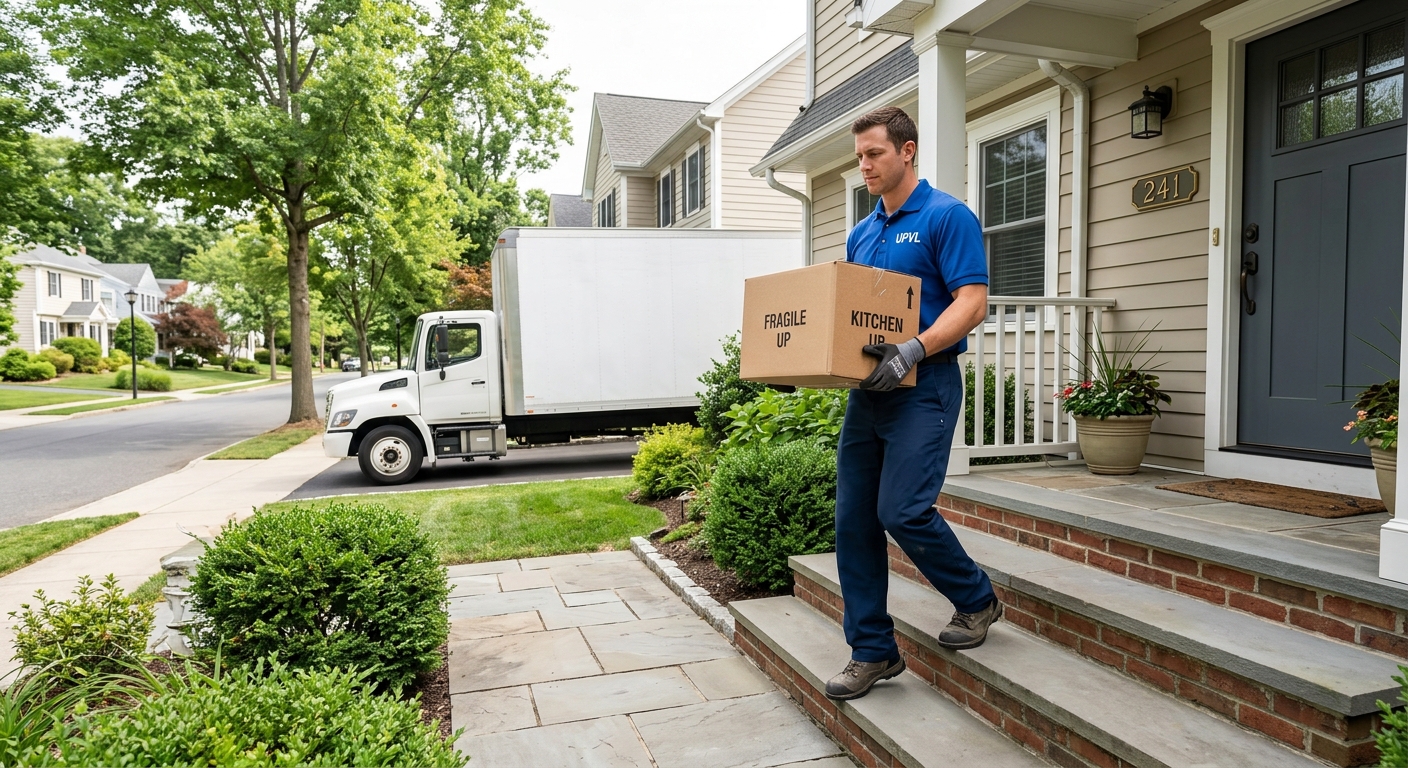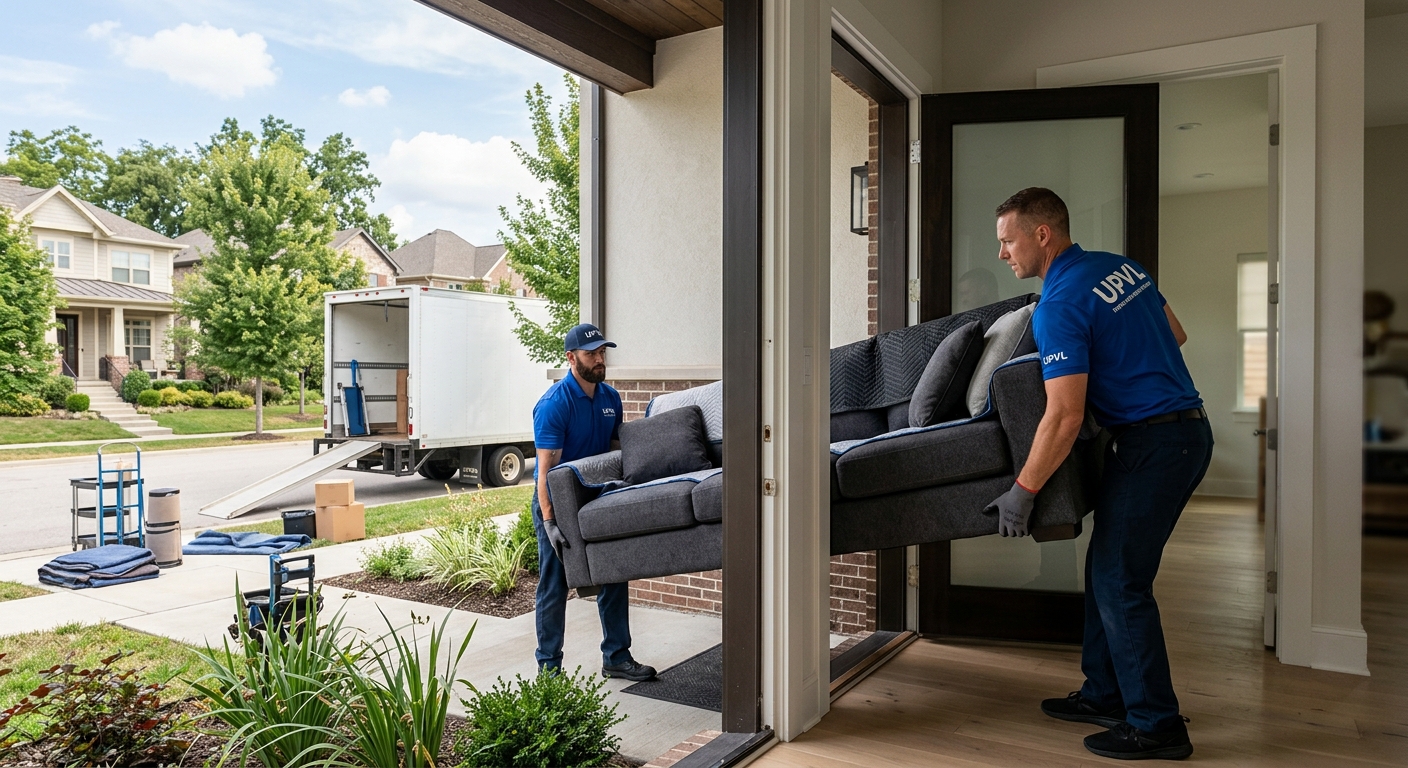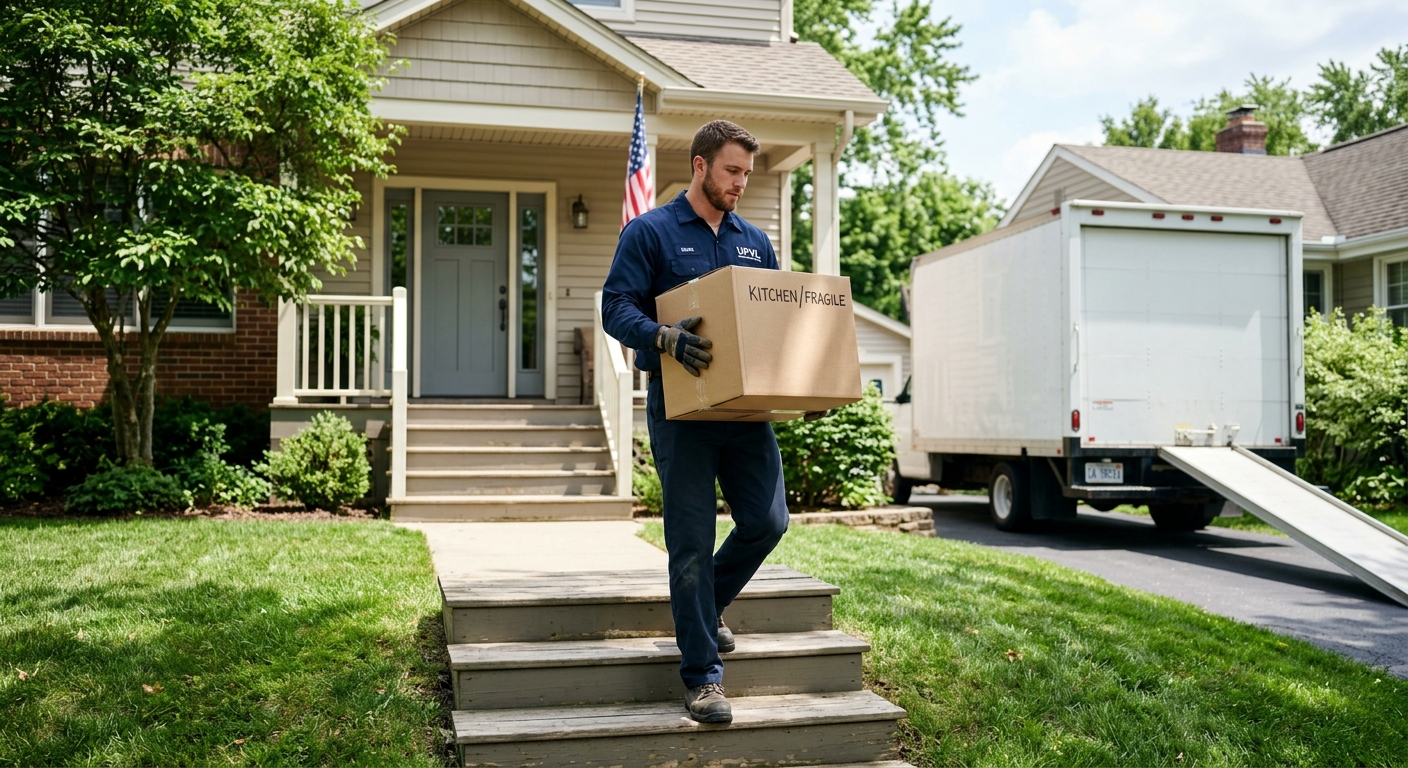
Los Angeles is full of galleries, studios, and high-end homes, which means moving fine art and antiques happens every day. Choosing the right fine art movers LA offers can be the difference between a flawless installation and a heartbreaking loss.
Quick Navigation
Moving art and antiques in Los Angeles is not the same as a regular household move. You’re dealing with highly fragile, often irreplaceable pieces that can be affected by vibration, temperature swings, humidity, and even brief handling mistakes.
Beyond that, LA brings its own challenges:
That’s why using dedicated fine art movers LA residents trust is so important. These teams are trained in museum-style handling, climate considerations, custom crating, and precise installation.
For customers moving an entire home plus their collection, combining specialized art services with full-service residential movers such as house move experts can streamline everything into one coordinated plan.
Fine art movers in LA offer a range of specialized services designed to protect artworks from door to door. Not every move will need all of these, but knowing what’s available helps you ask for the right solution.
Below is a comparison of common service types you’ll see when speaking with fine art movers LA collectors use regularly.
| Service Type | What It Includes | Best For |
|---|---|---|
| Standard Art Handling | Soft wrapping, padded transport, gentle handling | Sturdy framed prints, posters, lower-value pieces |
| White-Glove Art Transport | Gloves, floor protection, detailed inventory, room placement | High-value pieces in luxury homes or galleries |
| Custom Crating | Wooden crates, foam blocking, shock protection | Museum-grade paintings, sculptures, fragile antiques |
| Climate-Controlled Transport | Temperature-managed trucks, limited exposure to outdoor air | Oil paintings, mixed media, works on paper |
| Installation & Hanging | Wall mounting, hardware selection, leveling | Gallery shows, home art walls, statement pieces |
Some moving companies, such as United Prime Van Lines in Los Angeles, combine these art-specific services with full household or office moves so you don’t have to hire multiple vendors.
Each client type has different needs. A gallery may need timed delivery between 9–11 a.m. before opening, while a homeowner in a high-rise may need an evening window to match elevator reservations.
Antique movers Los Angeles residents hire focus on more than just age. True antique specialists understand joinery, veneers, inlays, glass, and original finishes.
Here’s how antique handling usually differs from standard furniture handling:
| Aspect | Standard Furniture Move | Antique Move |
|---|---|---|
| Preparation | Quick blanket wrap, basic disassembly | Detailed assessment, photos, existing damage notes |
| Padding | Moving blankets only | Blankets plus foam, corner protectors, shrink wrap only where safe |
| Handling | Team lifting, some sliding on blankets | No dragging, lift by solid frames, avoid pressure on fragile areas |
| Transport | Loaded with general household items | Strategic placement, strapping to wall rails, vibration reduction |
| Environment | Standard truck conditions | Preferably stable temp/humidity, limited loading dock exposure |
When you speak with antique movers Los Angeles offers, they should be able to explain, step by step, how they handle these categories and whether they recommend custom crating for any of them.
White glove art transport LA services are designed for clients who want meticulous care from start to finish. This isn’t just about wearing literal white gloves; it’s a full-service approach that protects your home, your artwork, and your schedule.
While every company defines it slightly differently, true white-glove art transport usually includes:
In Los Angeles, white-glove art transport is especially helpful because of tight access and luxury finishes. A Bel Air home might have polished stone floors that must be protected from dollies, while a condo near the Sunset Strip may require quiet, discreet service during specific hours.
If your move combines art, antiques, and standard furnishings, it can be useful to work with a company that offers both white-glove art handling and full-service local moving, such as local moving professionals who can coordinate all aspects under one plan.
Los Angeles traffic and building regulations can make or break an art move. Planning routes and access points is just as important as packing techniques.
Different LA neighborhoods create different obstacles. Here’s how they often compare:
| Area | Main Challenge | Planning Tips |
|---|---|---|
| Hollywood Hills / Laurel Canyon | Narrow, winding roads; steep driveways | Smaller trucks, shuttling items, schedule during low-traffic times |
| Downtown LA / Arts District | Loading dock rules, limited street parking | Reserve docks, confirm elevator time, check COI requirements |
| Beverly Hills / Bel Air | Large homes, high-value items, HOA rules | Detailed inventory, white-glove crews, confirm HOA hours |
| Santa Monica / Venice | Beach humidity, tight alleys, permit parking | Short outdoor exposure, parking permits, climate attention |
| Pasadena / Hancock Park | Historic homes, delicate staircases | Protect banisters and floors, extra manpower for hand-carrying |
Many high-rises and commercial buildings in LA require a Certificate of Insurance (COI) before any move. A COI is a document your mover provides showing proof of liability and workers’ compensation coverage, listing the building owner or management as “certificate holder” and sometimes “additional insured.”
Expect these requirements in:
You’ll also need to coordinate:
Ask your mover how they handle COIs and building coordination. Experienced fine art movers LA buildings work with regularly will already know many of the standard rules.
Traffic in LA is famous for a reason. Planning moves around rush hours on the 405, 101, or 10 is crucial, especially when transporting delicate pieces that shouldn’t sit in a hot truck for hours.
While Los Angeles has a mild climate overall, heat and sun can still damage sensitive materials. According to NOAA, summer temperatures in parts of Los Angeles County frequently reach the high 80s and 90s. Long exposure in hot trucks or direct sun can warp canvases and crack certain finishes. Climate-aware routing and fast loading/unloading reduce these risks.
Proper packing is the backbone of any safe art or antique move. Even the most careful driver can’t protect a piece that wasn’t packed correctly in the first place.
Fine art and antique movers use specialized materials beyond standard boxes and blankets. Common materials include:
For higher-value or highly fragile pieces, custom crating is often recommended. Crating involves building a wooden or composite box sized specifically to the piece, with padding tailored to its shape and fragility.
| Crating Type | Description | Typical Use |
|---|---|---|
| Standard Slat Crate | Wood frame with slats, often for boxed items | Sturdy sculptures, packed items needing extra shell |
| Museum Crate | Solid sides, internal foam blocking, sealed lid | High-value paintings, fragile antiques, museum loans |
| Travel Frame | Rigid frame for canvas, often with protective facing | Large canvases requiring support without full crate |
| Shadow Box Crate | Custom cavity shaped to the piece | Irregular sculptures, ornate mirrors, fragile carvings |
When you ask about crating, look for movers who either build crates in-house or work with a trusted crating partner. They should measure each piece, discuss value and fragility, and explain why they’re recommending crate vs. soft packing.
Crating is usually justified when:
Think about the cost of repair or the impossibility of replacement. If losing or damaging the piece would be devastating, crating is often worth the added cost.
Many clients choose partial packing—having movers handle only the highest-value or most fragile items, while they pack books, clothing, and everyday decor. Companies that offer dedicated packing options, like professional full packing services, can tailor the level of service to your budget and risk tolerance.
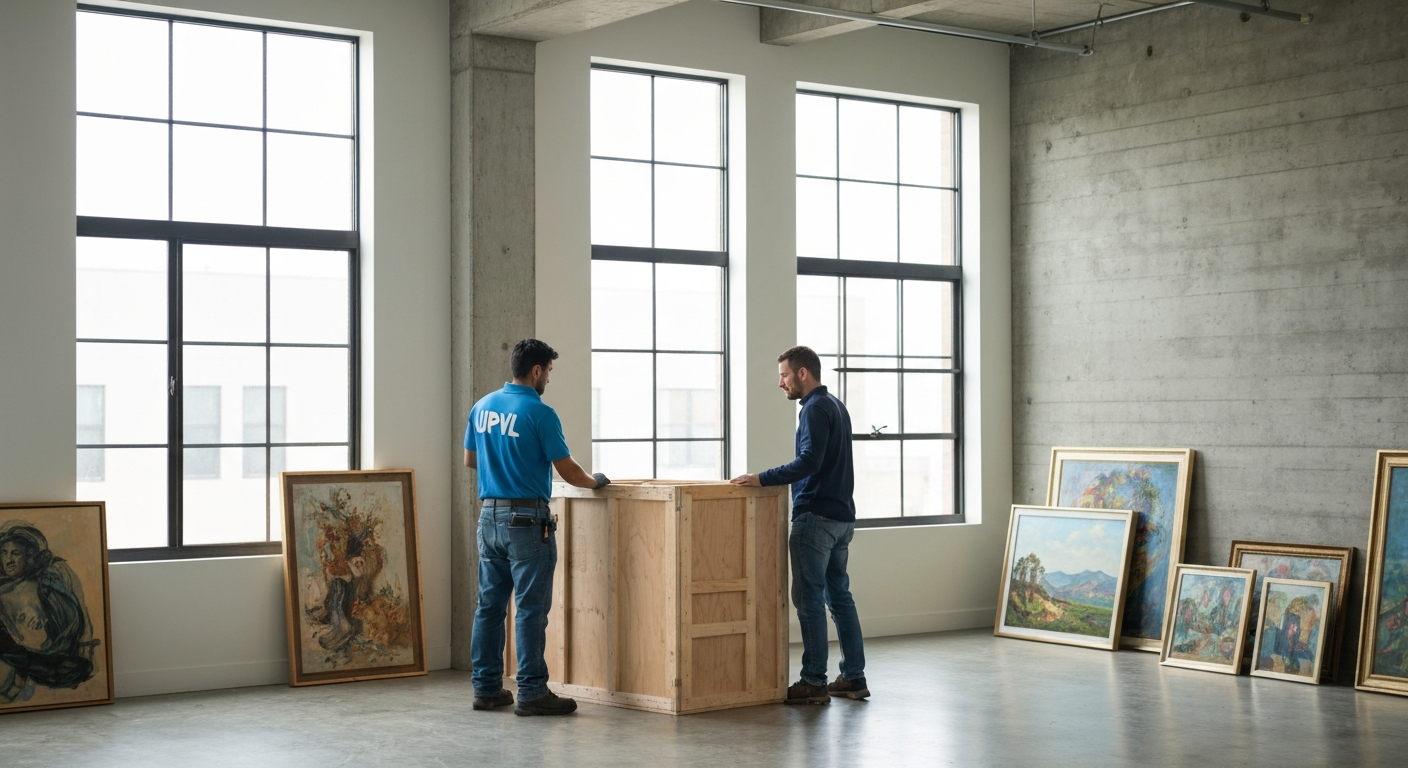
Los Angeles has a relatively friendly climate for art, but indoor conditions can still vary widely. Direct sunlight, uninsulated garages, and non-conditioned storage spaces can damage sensitive pieces.
Paintings, works on paper, wood furniture, and certain metals are extremely responsive to temperature and humidity changes. Rapid shifts or prolonged exposure to high heat and humidity can cause:
Conservation organizations like the American Institute for Conservation recommend stable temperature and relative humidity ranges for artwork whenever possible, with limited fluctuations over time.
Climate-controlled trucks maintain a set temperature range, typically between 65°F and 75°F, and are insulated to reduce rapid heat gain or loss. For short, local moves on mild days, full climate control may not be critical. For longer routes across the Valley in peak summer or during heat waves, it can be essential.
Sometimes timing doesn’t line up—a new home or gallery may not be ready when the pieces need to leave the old location. In those cases, storage options matter.
| Storage Type | Pros | Cons |
|---|---|---|
| Standard Self-Storage Unit | Lower cost, flexible access | Limited climate control, DIY handling, higher risk |
| Climate-Controlled Storage | Stable environment, better for sensitive items | Higher cost, check for security and pest control |
| Specialized Art Storage | Racks, vaults, professional handling, strict climate | Highest cost, appointment-based access |
| Mover-Operated Storage | Integrated with moving service, reduced handling points | May vary in climate quality depending on provider |
If you’re storing both household goods and art, using a mover that offers combined storage—such as integrated storage solutions—can simplify logistics while you confirm that climate conditions meet your collection’s needs.
Art and antique moves cost more than standard local moves because they require specialized labor, materials, and often additional insurance or valuation coverage. Still, the total can vary widely depending on the size of your collection and services needed.
Movers typically consider the following when pricing fine art and antique jobs:
While every company’s pricing is different, here’s a high-level look at cost drivers for fine art movers LA customers hire:
| Cost Component | How It’s Charged | What Affects Price |
|---|---|---|
| Labor | Hourly or flat project fee | Number of movers, time needed, skill level |
| Packing Materials | Per piece or total materials charge | Type of materials, volume, special foam or paper |
| Crating | Per crate, based on size and complexity | Dimensions, design, internal supports, hardware |
| Transportation | Hourly (local) or distance-based (longer) | Route length, traffic, climate control needs |
| Storage | Monthly, sometimes with in/out fees | Climate level, security, square footage or crate count |
For budgeting, many LA homeowners moving a few key art and antique pieces within the city may spend a few hundred to a few thousand dollars, depending on crating and installation. Large collections, gallery moves, or high-end estates can be significantly more.
Always request a detailed written estimate, and ask the mover to separate labor, materials, crating, transportation, and storage lines so you can see where your budget is going.
Understanding estimate types protects you from surprises on move day. For specialty moves, it’s especially important to know whether your quote can change based on time or weight.
Although binding and non-binding estimates are most commonly discussed in interstate moving, the concepts are useful to understand for specialty local moves too.
For interstate moves that include artwork or antiques, the FMCSA explains that binding estimates lock in a set price for the services and quantities listed, while non-binding estimates can be adjusted at delivery.
Local fine art moves in LA may be billed either hourly or at a flat project rate. Each has pros and cons:
| Pricing Type | Advantages | Potential Drawbacks |
|---|---|---|
| Hourly | Pay for actual time, can be cheaper for small/simple jobs | Less predictability if access or traffic is worse than expected |
| Flat-Rate / Project | Know total cost up front, easier budgeting | Usually requires detailed survey; may be higher to cover unknowns |
| Hybrid (Hourly + Materials) | Transparent labor costs plus itemized materials | More line items to track and review on the invoice |
| Crating as Separate Line Item | Clear view of crate expenses | Can feel expensive if not explained clearly |
For high-value pieces, many clients prefer flat project pricing based on an in-person or virtual survey so there’s less risk of cost creep. Make sure any pricing agreement clearly spells out what happens if you add or remove pieces or change access (for example, if the freight elevator becomes unavailable).
Because art and antiques can be so valuable, proper licensing and coverage are non-negotiable. You’re not just trusting the crew with furniture—you’re trusting them with parts of your identity and financial portfolio.
In California, moving companies that transport household goods must generally be licensed by the state. The former California Public Utilities Commission (CPUC) oversight for movers has evolved, and consumers are encouraged to verify licensing and complaint history with state and local agencies such as the California Attorney General and the FMCSA Protect Your Move program for interstate carriers.
When you speak to any mover, ask for their DOT and, if applicable, MC numbers, and verify them on the FMCSA’s Company Snapshot page. This confirms they’re authorized for interstate transport and can reveal safety and complaint data.
A common point of confusion is the difference between:
Movers are not typically licensed insurance agents; instead they provide valuation options that define their financial responsibility for your goods. This matters a lot for art and antiques.
For interstate moves, the FMCSA requires movers to offer at least two levels of liability: Released Value and Full Value Protection. Many movers use similar concepts for local specialty moves.
| Coverage Type | What It Is | Why It Matters for Art |
|---|---|---|
| Released Value | Usually $0.60 per pound per item at no extra cost | Extremely low payout for light but valuable art; rarely adequate |
| Full Value Protection | Higher-level coverage based on declared shipment value | Allows repair, replacement with like item, or cash settlement |
| Third-Party Fine Art Insurance | Separate policy (often from a specialty insurer) | Can tailor coverage to appraised values and specific risks |
| Existing Homeowners Policy | Sometimes covers personal property in transit with limits | May exclude breakage or set low sub-limits for art |
For high-value pieces, Released Value is almost never enough. Imagine a 10-pound painting worth $20,000: at $0.60 per pound, the standard carrier liability might be only $6. Full Value Protection or a dedicated art insurance policy is far more appropriate.
For serious collections, documentation is essential:
This paperwork will support any valuation agreements and potential claims.
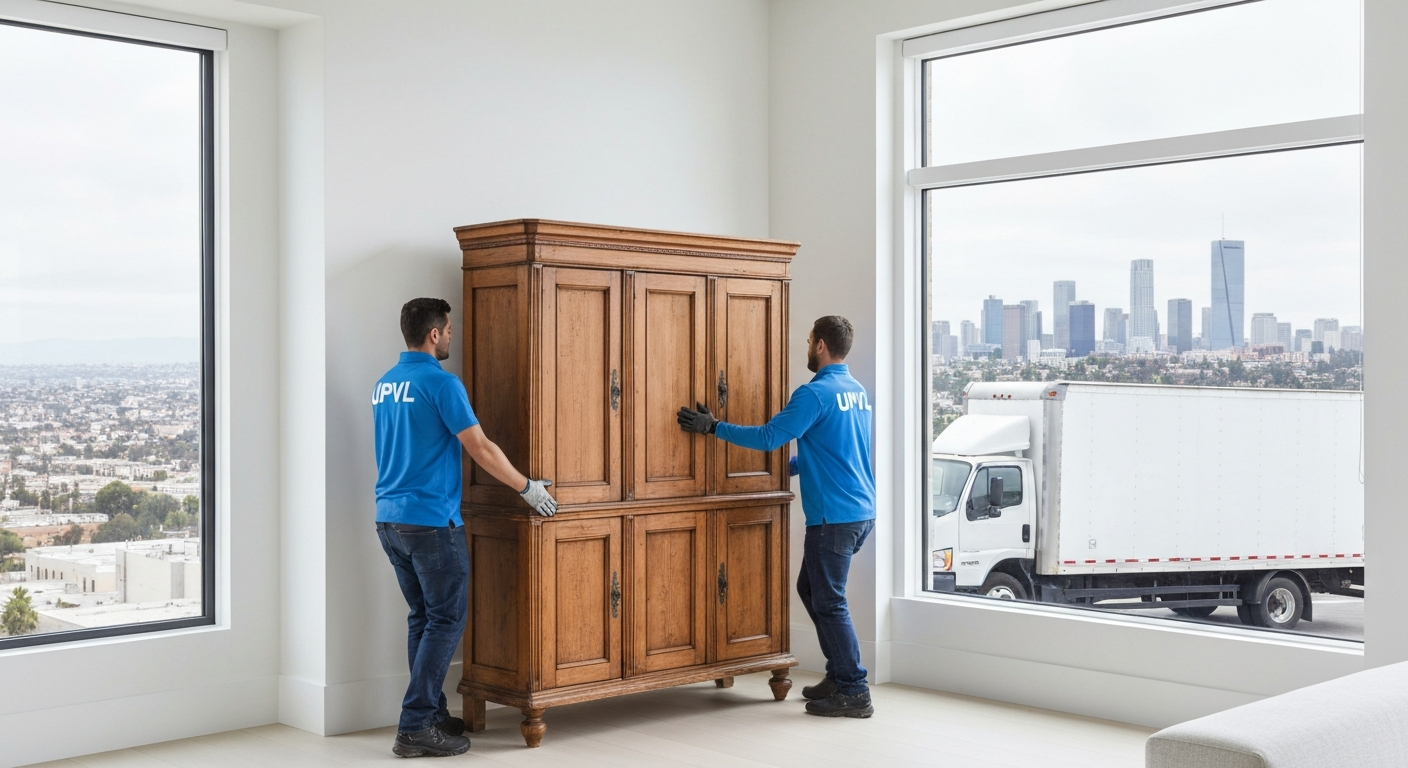
Use this checklist as a practical roadmap when planning your art and antique move in Los Angeles.
| Step | Task | When to Do It |
|---|---|---|
| 1 | Inventory all art and antiques, with photos and notes | 4–6 weeks before move |
| 2 | Collect appraisals and provenance for key pieces | 4–6 weeks before move |
| 3 | Research fine art movers LA offers and verify licensing | 4 weeks before move |
| 4 | Request in-person or virtual survey for accurate quote | 3–4 weeks before move |
| 5 | Decide on crating vs. soft packing for each piece | 3 weeks before move |
| 6 | Confirm valuation / insurance coverage levels | 2–3 weeks before move |
| 7 | Coordinate COIs, freight elevators, and loading docks | 2 weeks before move |
| 8 | Prepare clear pathways and protect floors if needed | 1–3 days before move |
| 9 | Walk through packing with crew leader before they start | Move day |
| 10 | Inspect pieces at delivery and note any concerns | Delivery day |
Pair this with any broader moving checklist your mover provides if you’re also relocating standard household items or an entire office. If your move includes a studio, office, or gallery, you may also want to consult specialized commercial movers like office and commercial moving teams that understand downtime and display needs.
If you’re moving high-value artwork, fragile antiques, or a curated collection, specialized fine art movers LA provides are strongly recommended. General movers may blanket-wrap items, but they often lack training in conservation-friendly packing, climate considerations, and crating. For everyday decor and low-value pieces, standard movers may be sufficient, but for anything you’d insure or appraise, specialty handling is wise.
Custom crating means building a rigid protective container specifically shaped and padded for your artwork or antique. It’s required when items are extremely fragile, high in value, oddly shaped, or traveling long distances or through multiple handling points. Large canvases, marble sculptures, ornate mirrors, and certain antique furniture are common candidates. Crates add cost but dramatically reduce risk.
It’s technically possible, but not recommended unless you have woodworking skills and understand conservation standards. Incorrect crate design—such as inadequate foam blocking, poor fasteners, or wrong materials—can actually increase damage risk. Professional antique movers Los Angeles residents hire build crates that account for weight distribution, shock absorption, and vibration.
Movers typically offer valuation options that define their liability rather than selling true insurance. Released Value provides minimal coverage, while Full Value Protection offers higher coverage based on declared value. Many collectors also carry separate art insurance policies or riders on homeowners policies. Check with your insurance agent about coverage in transit and storage, and confirm valuation terms with your mover in writing.
For high-value or investment-grade pieces, yes. A current appraisal supports proper insurance or valuation limits and smooths any potential claims process. For moderately priced decor, photos and purchase receipts may be enough. Whenever you’re unsure of value, an appraisal gives you a clear starting point and helps avoid underinsuring your collection.
Fine art movers use a combination of climate-controlled trucks, careful routing, and fast loading/unloading to limit exposure to heat, humidity, and direct sun. They may also recommend climate-controlled storage when needed. Materials such as glassine, acid-free paper, and specific foams help control moisture and temperature changes around the artwork during transit.
Conservation groups often recommend stable temperature around 68–72°F and relative humidity around 40–55%, with minimal fluctuations. Sudden changes are more damaging than slow, moderate shifts. While you can’t control everything in transit, climate-conscious handling and climate-controlled storage can keep conditions closer to these ranges.
Fragile antiques usually receive extra preparation: removing loose parts (like clock pendulums and weights), padding and boxing components separately, and using rigid supports and corner protectors. Marble is often crated or packed vertically to reduce stress and cracking. Professional antique movers Los Angeles clients rely on will walk you through their plan for each delicate piece.
Yes, many white-glove crews offer installation services, including hanging framed art, mounting sculptures on pedestals, and arranging collections on walls. Be sure to ask about weight limits, wall types, and whether they provide hardware. Some clients also bring in art installers or designers for complex gallery walls or specialty mounts.
For larger collections, gallery relocations, or moves that require crating and storage, aim for 3–6 weeks’ notice. For smaller, local jobs with just a few pieces, 2–3 weeks is often enough. During peak moving seasons (late spring and summer), art movers can book up quickly, especially for weekends and month-end dates.
Clear pathways, remove trip hazards, secure pets, and set aside a clean staging area. Have your inventory and any appraisals handy. Walk through the plan with the crew leader before they start packing. At delivery, inspect each piece as it’s unwrapped and note any concerns on the paperwork before signing.
For small, lower-value pieces, you can move them in your own vehicle if you pack carefully, avoid heat, and keep them upright and padded. For large, valuable, or fragile works, professional handling is safer. Personal vehicles rarely offer the stable environment and secure anchoring that climate-aware art trucks do.
Yes. Many office towers and gallery buildings require Certificates of Insurance, proof of workers’ compensation, and scheduled freight elevator times. Some restrict moves to early mornings, evenings, or weekends. Experienced fine art movers will coordinate directly with building management to meet these rules and avoid delays.
For California moves, the contact information is:
Moving art and antiques in Los Angeles calls for more than a truck and a few blankets. It takes specialized knowledge of materials, climate, crating, and LA’s unique building and traffic landscape. By choosing experienced fine art movers LA offers, confirming licensing and valuation coverage, and planning ahead with a clear checklist, you can relocate your collection with confidence.
Whether you’re shifting a single statement piece from a West Hollywood gallery to a Beverly Hills home or relocating an entire collection across the city, a well-planned white-glove art and antique move will protect your investment—and your peace of mind.