If you live around Highland Lakes, FL, you already know: our weather is no joke. One hour it’s blazing hot and humid, the next a thunderstorm rolls in from nowhere. That mix of heat, humidity, and sudden storms is exactly why climate‑controlled storage isn’t a luxury here — it’s almost a necessity.
I move people in and out of storage units all the time, and I’ve seen firsthand what Florida weather can do to furniture, electronics, and even documents when they sit in a regular, non‑climate unit for a few months.
In this guide, I’ll walk you through:
Highland Lakes sits right in that warm, humid South Florida pocket. Great for palm trees, not so great for wood, fabrics, and electronics. The main enemies of your belongings here are humidity, heat, and sudden temperature swings.
In a regular (non‑climate) storage unit, temperatures can easily climb into the 90s or higher, and humidity can stay at levels that basically invite mold and mildew to move in. Here’s what that looks like in real life:
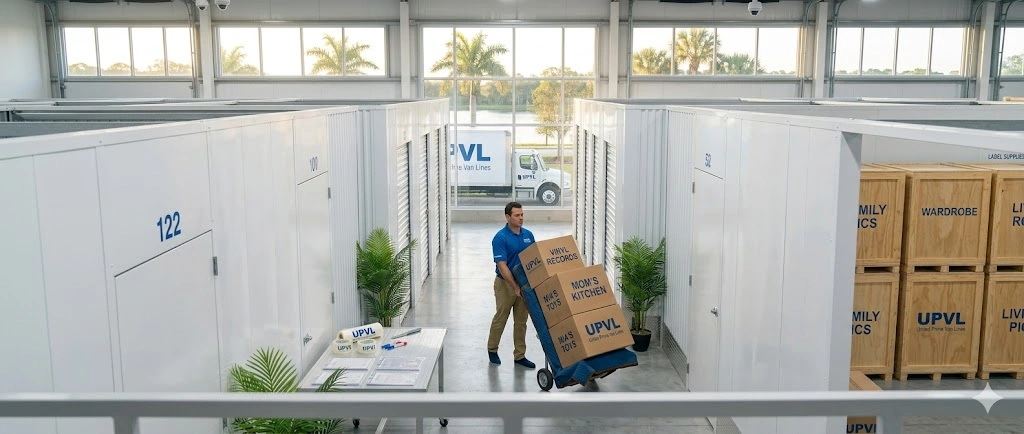
Every storage company advertises “clean, secure units,” but climate control is a very specific thing. A proper climate‑controlled storage unit should:
This matters in South Florida because AC alone doesn’t solve humidity. If the space isn’t managed for moisture, you can still end up with mold or corrosion — just a bit slower. When I’m helping someone in the Highland Lakes area, I tell them to think of climate control as a protective bubble around their things.
Not everybody does. If you’re storing plastic bins of sports gear or yard equipment for a month or two, a regular unit might be fine. But if you fall into these categories, it's a safer bet:
In those cases, I typically recommend our storage options combined with full-service moving support, especially if you’re already in or near Highland Lakes, FL.
A lot of people compare the monthly price and think they'll save $50 a month by going with a regular unit. But consider the replacement cost. A $4,000 collection of leather furniture and electronics can be ruined in a single summer.
The math usually works out like this:
I’ve seen people open a regular unit after a Florida summer and literally say, “We saved money on the unit but lost money on everything else.”
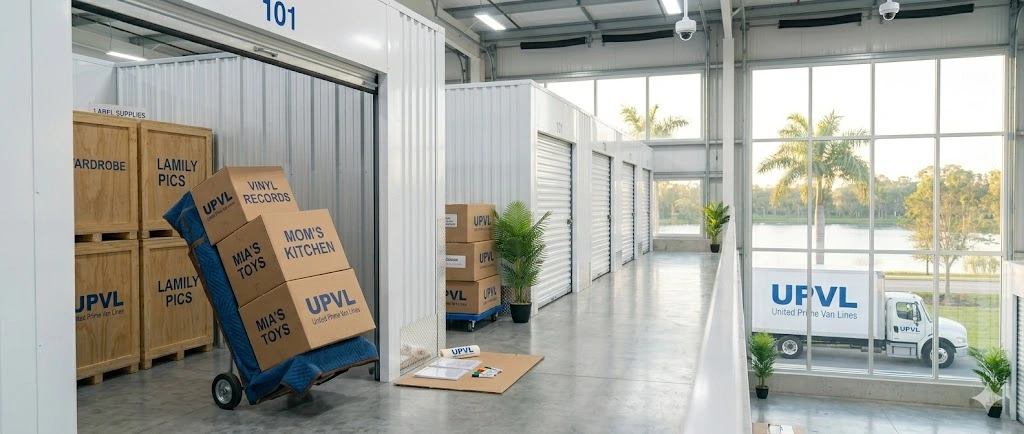
If you’re searching for storage around Highland Lakes, here are some real-world checks I recommend:
A lot of our customers come to us with the same problem: “I need to move out, but my next place isn’t ready.” Instead of calling one company for moving and another for storage, you can lean on us for the whole thing:
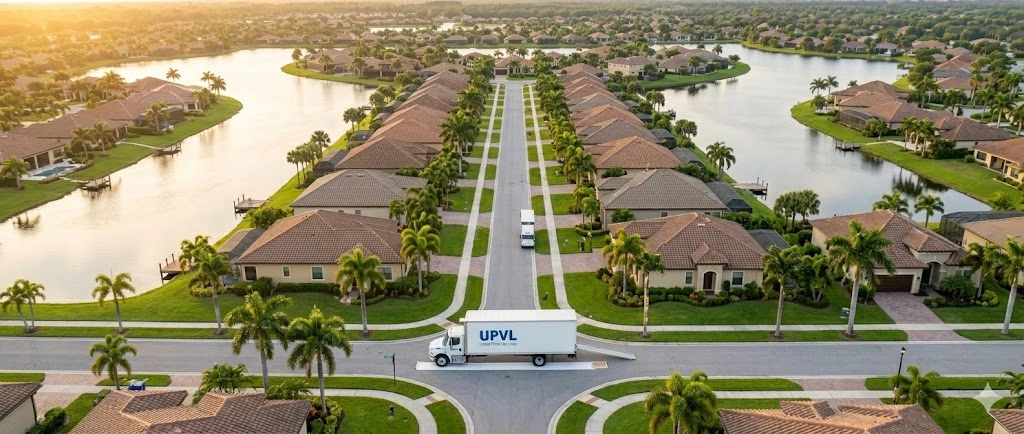
If you’re in or near Highland Lakes, FL, we work this route constantly, so we’re already familiar with the neighborhood layouts and building rules.
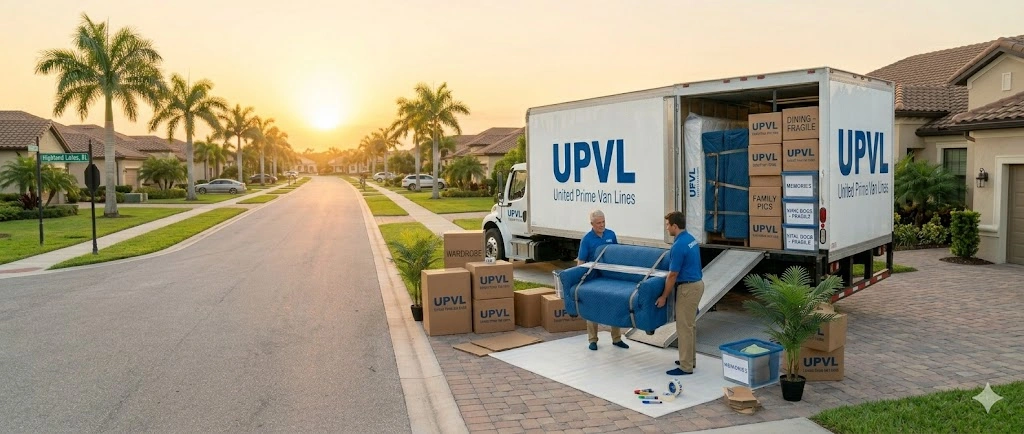
Even with climate control, how you pack matters.
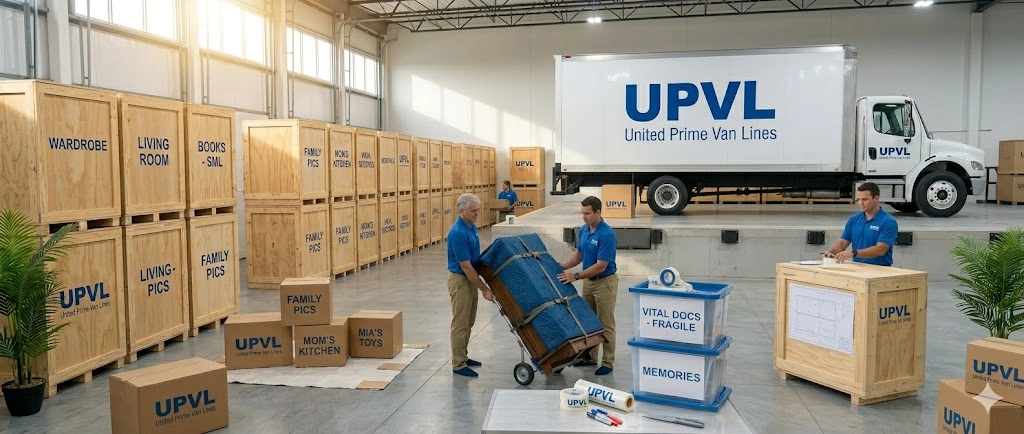
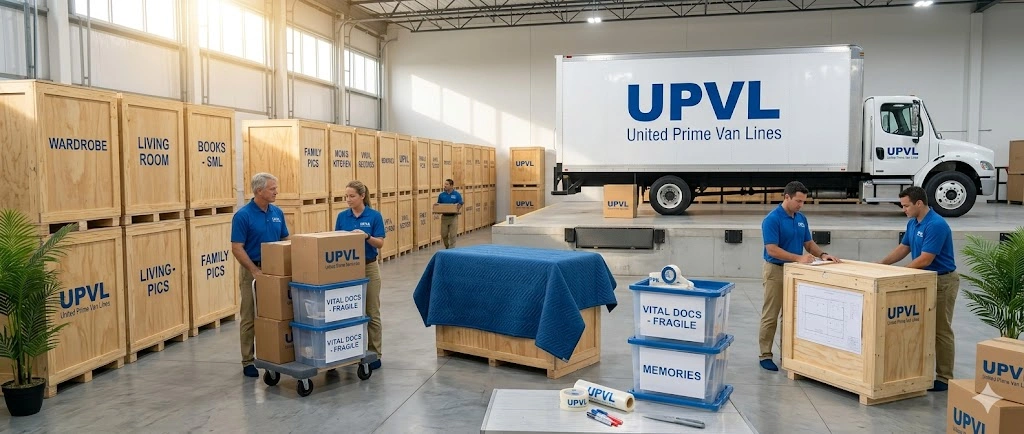
If you don’t want to deal with this part, we offer full‑service packing, where we bring all the professional supplies and do it for you.
Based on what I’ve seen in our South Florida moves, here is a rough guide:
To be fair, if you're only storing lawn equipment, plastic outdoor furniture, or tools in plastic toolboxes for a short time, you'll be fine with a basic unit. I still recommend stacking items off the ground on pallets in case of minor water intrusion from heavy rain.
Match the storage quality to the value of what you’re storing. If the cost to replace it is low, regular storage is enough. For everything else in Highland Lakes, go climate-controlled.
We’re a full‑service moving company that understands South Florida. Instead of you having to rent a truck, find your own storage, and move things in and out twice, you can hand the entire process to us. We’re used to working around closing dates, renovation delays, and tight condo association rules.
If you’re in Highland Lakes or nearby and you already know storage is going to be part of your move, we can plan for that from day one.
Are you currently looking for a short-term solution while a house closes, or do you need a place for the long haul during a major renovation?