If you’ve ever tried to line up a local move and your dates don’t quite match, you know the feeling: your lease ends on the 30th, your new place isn’t ready until the 5th, the painters need three days… and you’re staring at your stuff wondering, “Where does all of this go in the meantime?”
That’s where short-term storage comes in. Not a giant self-storage headache. Not your cousin’s garage. Actual, clean, climate-managed, secure storage that fits right in between “we packed the truck” and “we’re home again.”
I’m going to walk you through how I think about short-term storage during local moves, what to expect, and how we handle it at United Prime Van Lines so you’re not stuck juggling a thousand moving parts by yourself.
For most people, the idea of storage shows up once the calendar and reality stop agreeing.
My customers usually realize they need a short-term storage plan when the new lease start date is a week after the old one ends, the new home needs painting or renovations, the building has strict move-in windows, they’re staging their current home for sale, or they’re downsizing and haven’t decided what to keep yet.
What I try to prevent is you rushing at the last minute to rent a random storage unit across town, hauling boxes yourself, then hiring movers again to bring everything out weeks later. That’s multiple truck rentals, several days of heavy lifting, and way more stress and money than necessary.
When I plan a local move that needs storage, I usually frame it for the client as two big choices:
This is where you rent a self-storage unit yourself, coordinate movers to load everything there, and later coordinate movers again to pick it up and deliver to the new place. People choose this when they want regular access to their things or already have a unit.
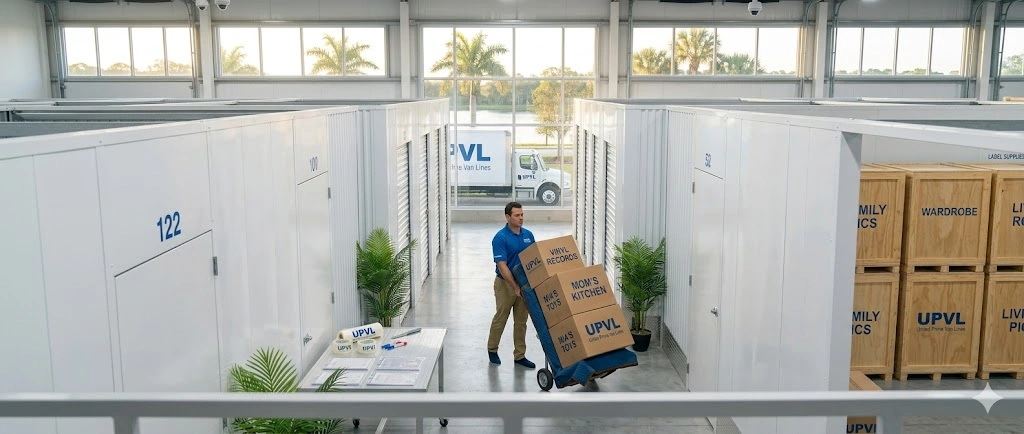
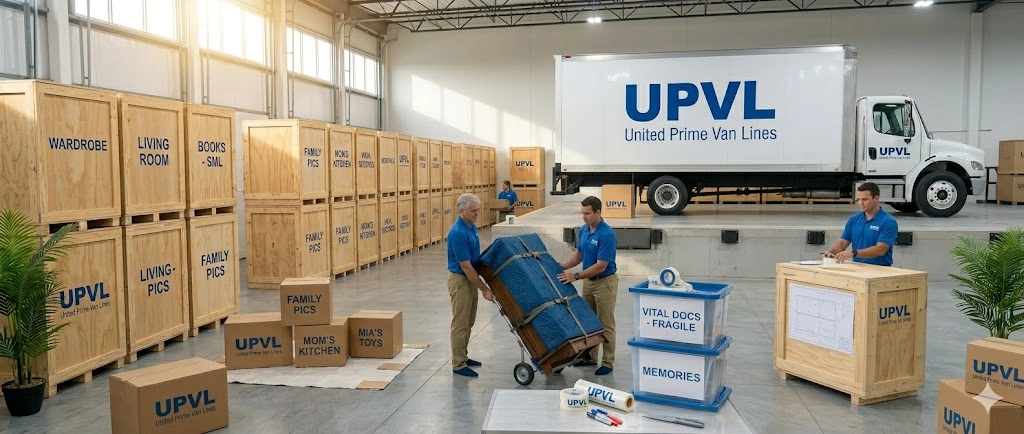
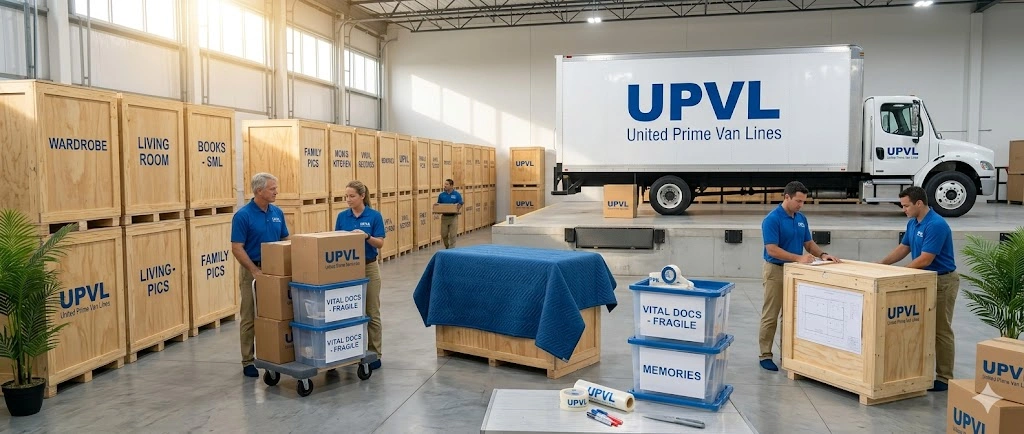
This is what we do at United Prime Van Lines and what I usually recommend when the gap is days or a few weeks. We load everything from your old place onto our truck, take it to our secure storage facility, and on your move-in day, we re-load and deliver to your new address.
Most of my local customers who have a 3–30 day gap pick the second option because it means less juggling, less driving, and less re-lifting the same boxes.
People sometimes imagine storage as a huge open warehouse where everything is dumped together. That’s not how I run it.
Here’s what typically happens when we bring your belongings into storage:
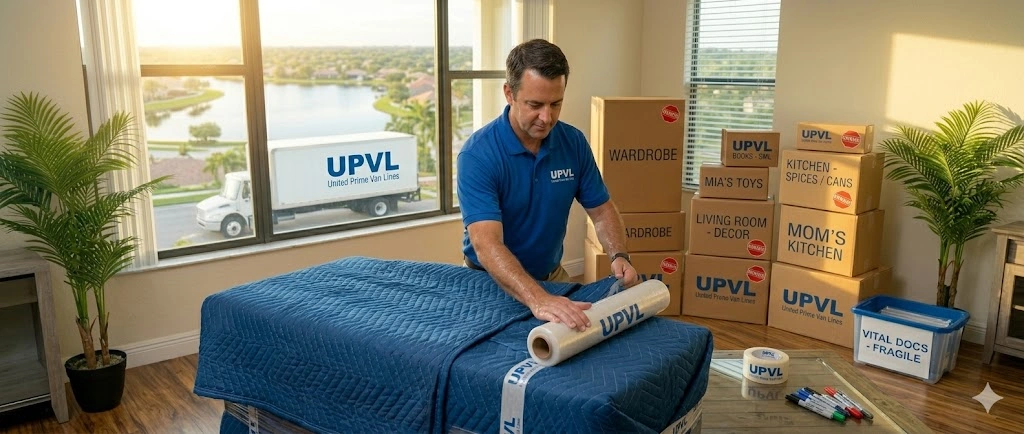
I always start with three key things: When do you have to be out of your current place? When can you get the keys to the new place? Are there any restrictions (building rules, HOA)? From there, I look at whether we’re dealing with a same-day move, a gap of a few days, or a gap of a week or more. Once I know the actual gap, we can size storage and choose the most efficient timing.
Not everything has to sit in storage. Most furniture, seasonal items, and heavy boxes go into storage. Suitcases with clothes, important documents, medicines, daily electronics, and kids’ essentials stay with you. I suggest making a “traveling with me” corner in your old place a week before move day.
We arrive at the scheduled time, do a quick walkthrough, protect floors, and start loading. If you’re using our full-service packing, we’ll pack everything up before loading. By the time we leave, your old place is empty and your belongings are on their way to storage.
During storage, you’re usually staying in a temporary place or handling paperwork. Meanwhile, your belongings are safe, listed, and put away—not blocking your contractor and not scattered in a friend's garage.
Once your new place is ready, we agree on a delivery window, re-load your vaults onto the truck, and bring everything to your new address. We can also handle furniture placement and furniture disassembly & assembly. By the end of delivery day, you’ve actually moved in.
In practice, I see gaps of 2–3 days for lease transitions or cleaning, 1–2 weeks for painting or small renovations, and 3–6 weeks for delayed closings or bigger projects. For anything longer than a couple of months, I like to sit down and compare costs. But for that in-between period that makes local moves tricky, short-term storage is almost always the cleanest answer.
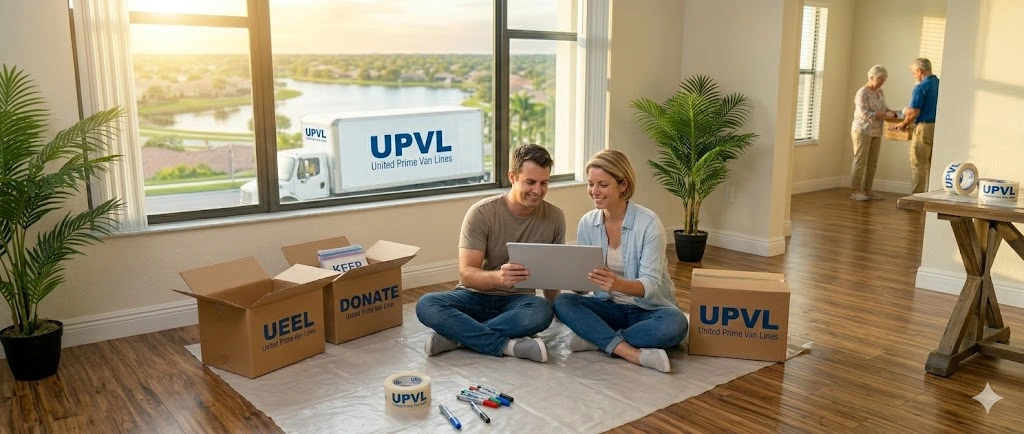
If you’re moving in a dense city or a busy suburban high-rise, short-term storage makes the move smoother. When elevators have strict time slots or parking is limited, we can move everything out of your old place on a day that works for you, store it, and deliver during whatever time window your new building allows. It keeps you from having to synchronize everything down to the minute.
“Is my stuff safe while it’s in storage?” With us at United Prime Van Lines, safety is built into the process through inventorying each item, using proper padding, and utilizing vaulted storage instead of open piles.
“Can I get something out of storage in the middle?” Sometimes, yes—but it’s not like strolling into a self-storage unit at midnight. We’d schedule a time for warehouse access, and there may be a handling fee. If you know you’ll need items mid-gap, I recommend setting those aside in advance to travel with you.
“Is this more expensive than a regular local move?” A move with storage has more components, so the total investment is usually higher than a same-day move. But I’ve seen people spend more money trying to cut corners by renting trucks twice or paying multiple crews. Short-term storage is the most predictable way to handle a date gap.
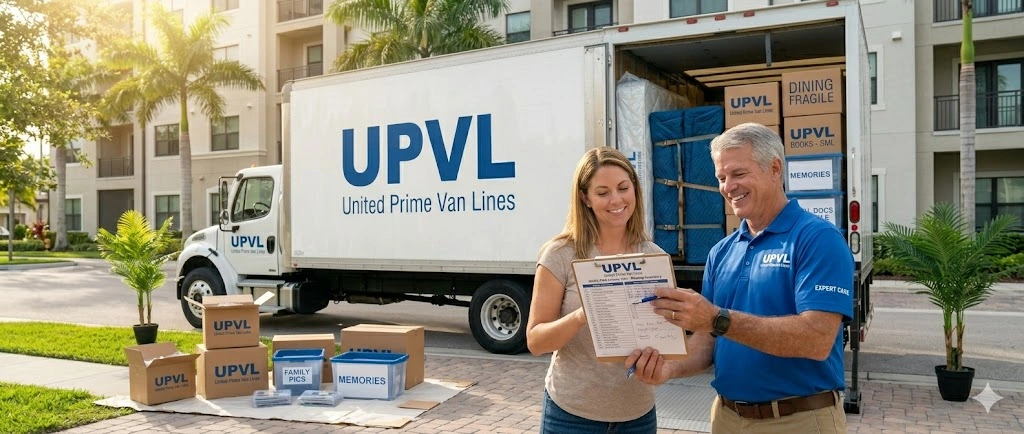
Mistake 1: Waiting Until the Last Week. Storage options might be limited and your ideal move day booked. When you call United Prime Van Lines, I’ll ask about your dates right away so we can talk through storage scenarios early.
Mistake 2: Mixing “Travel Items” with Storage Items. If your passport or laptop charger ends up in storage vault #3, you’ll feel that mistake. I’ll walk you through a “do not load” list before move day.
Mistake 3: No Inventory, No Labels. If everything looks like “brown box, medium,” finding what you need is impossible. We label boxes by room and assign a unique number on the inventory to keep things trackable.
Mistake 4: Underestimating Space. People almost always underestimate how much stuff they have. I’ll ask for a rough room-by-room rundown or photos so I can accurately size your storage needs.
Short-term storage is a great fit when your move is local, the gap is days or a few weeks, you don’t need frequent access to your belongings, and you want one company to handle the entire chain of custody.
It might not be the best fit when you’re storing for 6–12+ months, you need to visit your unit often, or you’re comfortable managing a self-storage unit on your own.
If you’re looking at your calendar and realizing your move-out and move-in dates don’t match, that’s exactly the kind of situation I deal with all the time.
At United Prime Van Lines, I can help you plan a local move that includes seamless short-term storage, keeping your belongings in a secured environment. We combine moving, storage, and even full packing services into one clean, manageable plan.
Tell me where you’re moving from and to, your must-be-out date, and your earliest move-in date. From there, I can sketch out a straightforward plan with real numbers and realistic timing. Short-term storage isn’t about locking your life away; it’s about giving you breathing room so you can focus on everything else changing in your world while we watch over your things.