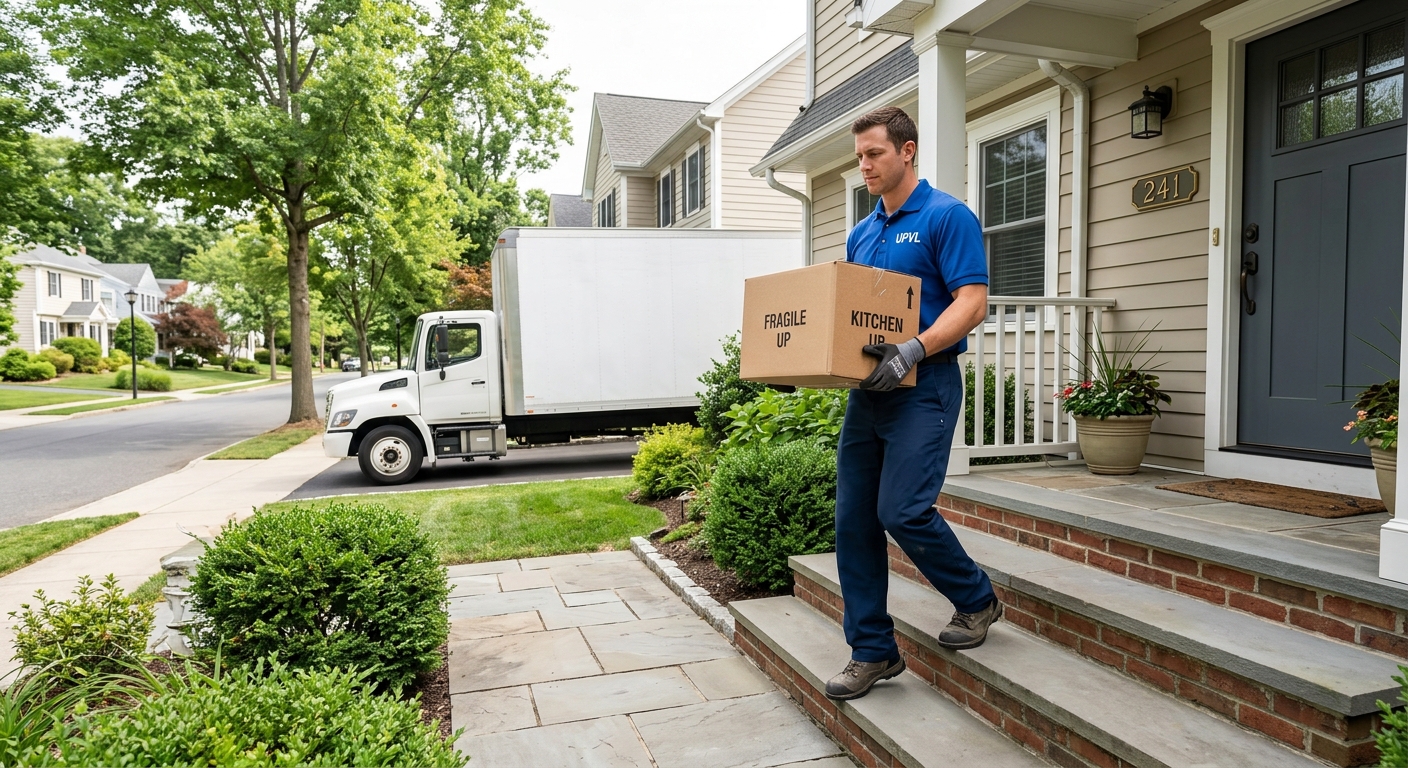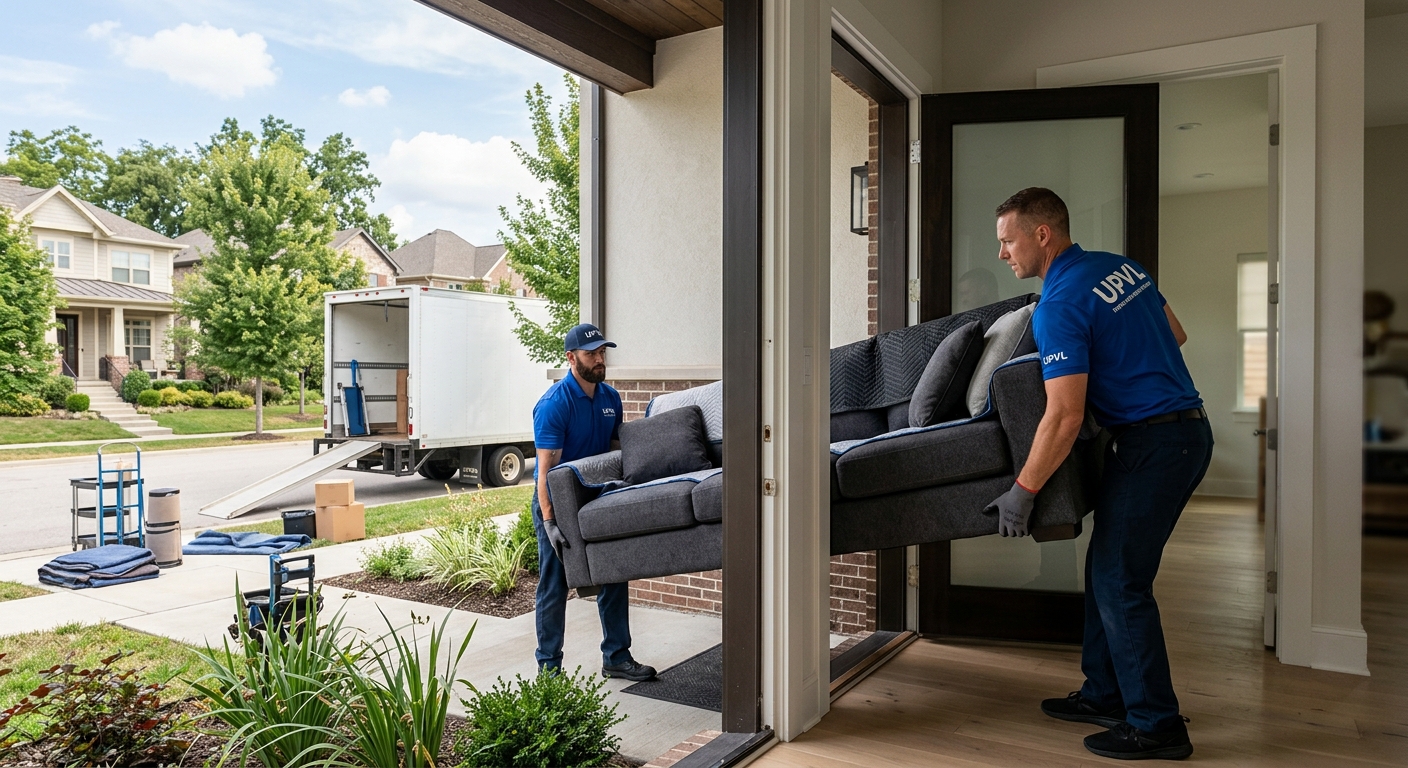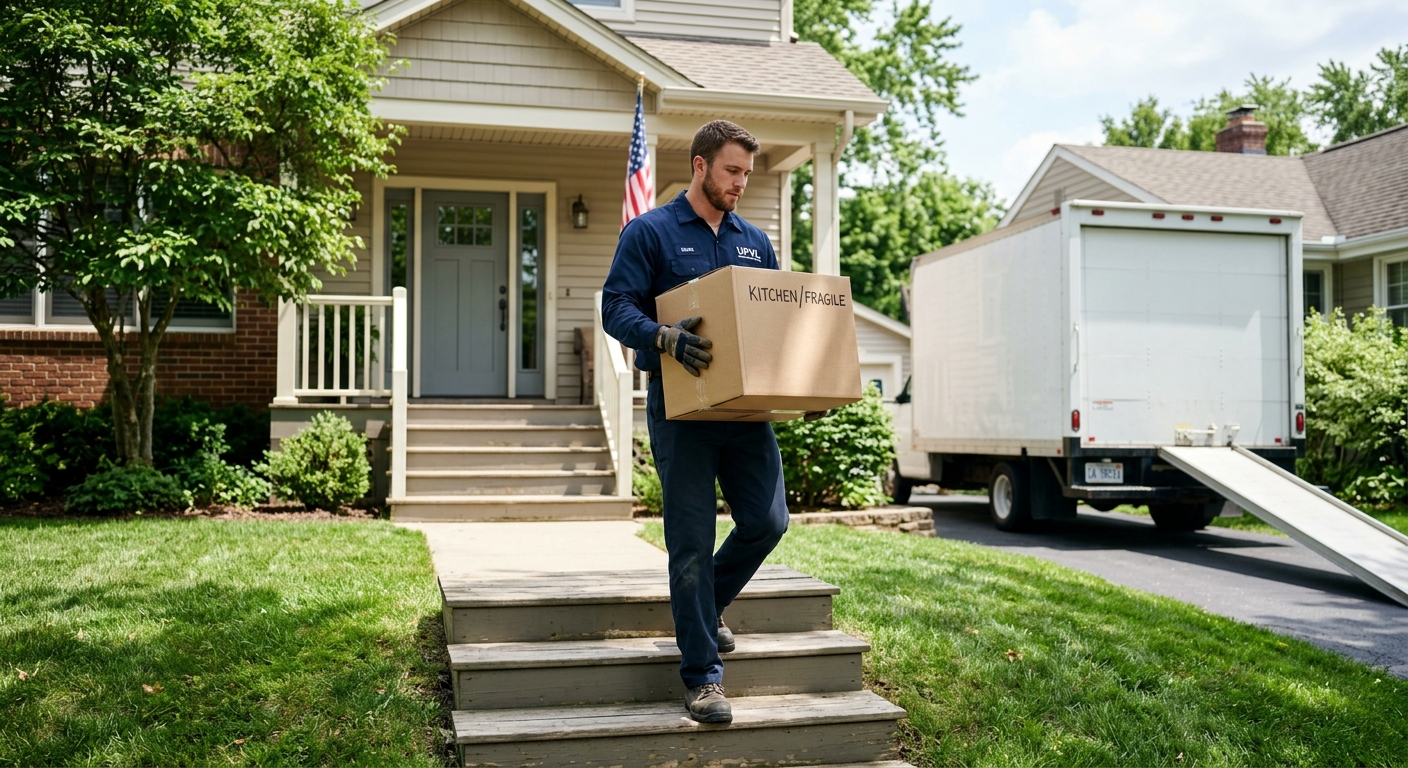
Moving into or out of DTLA, Koreatown, or Mid‑Wilshire means juggling high‑rise rules, loading docks, small parking windows, and strict COI requirements. Choosing downtown Los Angeles movers who understand these neighborhoods can be the difference between a smooth move and a stressful one.
Quick Navigation
Moving within Los Angeles is never just about distance. Downtown towers, Koreatown mid‑rises, and Mid‑Wilshire luxury condos come with tight loading zones, freight elevator reservations, and building managers who expect a proper Certificate of Insurance (COI) before a single box leaves your door.
For residents, the main challenges are:
Experienced downtown Los Angeles movers plan around these issues in advance. That planning is what keeps your move from running into overtime, surprise fees, or last‑minute rescheduling.
| High‑Rise Challenge | What Can Go Wrong | How a Good Mover Handles It |
|---|---|---|
| No COI on file | Building blocks move, charges fee, or cancels elevator | Pre‑requests building COI requirements and sends forms days in advance |
| No elevator reserved | Long waits, extra labor time, upset neighbors | Helps you book freight elevator in 2–4 hour block at low‑traffic time |
| No loading zone | Parking tickets, long carry, unsafe double‑parking | Scouts location, requests loading zone or uses alley/garage access when allowed |
| Underestimated time | Move runs late into night, possible building overtime fees | Builds realistic time estimate with walk‑through, elevator times, and distance |
Working with movers who regularly serve DTLA, Koreatown, and Mid‑Wilshire means they already know what the buildings, streets, and security desks expect.
Moves in this central LA corridor range from short local hops between nearby towers to long‑distance relocations that start or end downtown. Understanding common service types helps you choose the right support.
Most customers in these neighborhoods use one or more of the following services from a company like United Prime Van Lines in Los Angeles:
| Service Type | Best For | Key Benefits in High‑Rise LA |
|---|---|---|
| Local moving | Moves within LA County (e.g., DTLA to Koreatown) | Flexible hourly crews, knowledge of building rules and traffic patterns |
| Long‑distance moving | State‑to‑state or SoCal to NorCal moves | Binding estimates, delivery windows, interstate licensing |
| Apartment / condo moving | Studio to 3‑bed units in towers or mid‑rises | Elevator coordination, COIs, navigating garages and loading docks |
| Office / commercial moving | Law firms, creative studios, clinics in mid/high‑rises | After‑hours moves, COI, IT equipment handling, workstation planning |
| Last‑minute moves | Lease issues, job relocations, urgent situations | Fast scheduling, priority crew allocation, flexible time slots |
If you know you need apartment help, pages like apartment moving services break down how LA high‑rise moves are structured, from loading zones to stair surcharges when elevators are unavailable.
In the DTLA–Koreatown–Mid‑Wilshire triangle, some typical routes include:
Even when the distance is only 3–8 miles, travel time can vary dramatically because of downtown congestion. LADOT notes that downtown traffic is heaviest during weekday rush hours and event days, so an experienced dispatcher will time your move to avoid gridlock as much as possible.
Many residents move into DTLA or Koreatown from out of state, using them as a walkable base before eventually relocating again. Typical interstate routes include:
For these, using a dedicated long‑distance moving service with interstate authority matters. Interstate movers must follow FMCSA rules on estimates, valuation, and delivery windows. That protects you when your belongings cross state lines.
DTLA, Koreatown, and Mid‑Wilshire sit only minutes apart, but the buildings, rules, and street access feel surprisingly different. Choosing downtown Los Angeles movers who recognize these micro‑neighborhoods will save time and hassle.
DTLA includes neighborhoods like South Park, Historic Core, Financial District, Arts District, and Little Tokyo. Expect:
In DTLA, it is common for buildings to require:
Because of the density around South Park and the Financial District, movers may stage equipment in a nearby parking lot and shuttle items with smaller dollies and bins to stay within the building’s time window.
Koreatown is full of pre‑war apartment buildings, new luxury towers, and courtyard complexes along Wilshire, 6th, Olympic, and Western. Koreatown movers need to balance:
COI rules vary widely in Koreatown. Newer high‑rises often follow downtown‑style policies, requiring full certificates and scheduled elevator blocks. Older walk‑ups may have no formal process—but your movers still need a plan for stairs, long carries, and protecting common areas.
Mid‑Wilshire, including Miracle Mile and areas near museums along Wilshire, blends mid‑rise condos, classic LA apartments, and office towers. For Mid‑Wilshire movers, common factors include:
| Neighborhood | Typical Building Types | Key Moving Constraints |
|---|---|---|
| DTLA | High‑rise condos, lofts, Class A offices | COI, loading docks, limited street parking, security checks |
| Koreatown | Mid‑rises, older walk‑ups, new luxury towers | Small elevators, alleys, nightlife traffic, variable COI rules |
| Mid‑Wilshire | Mid‑rises, classic apartments, offices | Permit parking, garage clearances, family‑size moves |
| Arts District (DTLA) | Converted warehouses, lofts | Dock access, long carries, irregular freight elevators |
When requesting quotes, tell your mover your exact intersection and building type (for example, “high‑rise on Wilshire & Figueroa with freight elevator” or “older walk‑up near 6th & Vermont, 3rd floor, no elevator”). Precise details turn into accurate time estimates.
High‑rise moves in central LA involve long hallways, elevator rides, and tight turns. Good packing protects your belongings and also keeps your building’s walls and elevators in good shape.
Most movers offer a range of packing options, from DIY to full‑service. Companies like United Prime Van Lines full packing services can customize based on your time and budget.
| Packing Level | What It Includes | Best For |
|---|---|---|
| DIY packing | You pack all boxes; movers handle furniture and transport | Budget‑minded clients with time to pack weeks ahead |
| Partial packing | Movers pack select rooms or fragile items only | Busy professionals who need help with kitchen, art, glass |
| Full packing | Movers pack entire home, label boxes, protect furniture | High‑rise moves with tight windows; long‑distance relocations |
| Unpacking | Movers unpack, remove boxes, and place items | Families or offices wanting faster setup and less debris |
To keep your DTLA, Koreatown, or Mid‑Wilshire move efficient:
Movers may also recommend specific handling for:
Many property managers in DTLA and Mid‑Wilshire require door jamb protectors, floor runners, and elevator padding. Professional movers bring these materials to protect common areas. In some towers, management will not let the move start until they see pads and runners in place, especially in recently renovated lobbies.
Because leases do not always align, many residents need short‑term storage between move‑out and move‑in. Central LA high‑rise residents often use storage when:
Using integrated storage from your mover, such as United Prime Van Lines storage services, means you do not have to move your items twice—crew loads once, stores securely, and then delivers to your new address.
| Storage Option | Typical Use Case | Pros for DTLA / Mid‑City Moves |
|---|---|---|
| Short‑term vault storage | 30–90 days between leases | Secure, climate‑moderated, handled by same movers; reduces multiple load/unload cycles |
| Long‑term warehouse storage | Extended work travel or overseas assignments | Professional handling, inventory systems, less exposure than self‑storage |
| Self‑storage unit | Frequent access needed by customer | Customer can visit anytime; may suit business inventory or hobby gear |
| Staged partial storage | Decluttering for sale or staging a condo | Movers remove just surplus items; keeps unit show‑ready for buyers or renters |
Ask how storage affects your pricing. Often, combining moving and storage with one company is more cost‑effective than hiring separate crews and facilities.
People often ask, “How much should I expect to pay for downtown Los Angeles movers?” There is no single number, but several predictable cost factors apply in DTLA, Koreatown, and Mid‑Wilshire.
Expect your moving quote to reflect:
| Cost Factor | How It Affects the Price | Typical Impact in Central LA |
|---|---|---|
| Stairs / no elevator | More labor time per item moved | Older Koreatown and Mid‑Wilshire walk‑ups can add 1–3 extra hours |
| Long carry distance | Time spent walking items to truck or dock | Common in DTLA towers with internal loading bays and large garages |
| Parking complexity | Time securing legal parking or using smaller shuttles | Downtown streets and alleys often raise labor time |
| Packing services | Adds labor and material costs | Full packing can add a full crew‑day for larger units |
| Peak dates | Higher demand can raise rates or minimums | End‑of‑month, summer, and college move seasons are busiest |
For DTLA, Koreatown, and Mid‑Wilshire local moves, most licensed movers charge hourly, with a minimum number of hours and a travel fee to cover truck and crew time to and from your locations.
For longer routes (for example, DTLA to San Diego or LA to another state), pricing may be based on a combination of weight, distance, and service level. Interstate pricing is regulated under federal rules—FMCSA explains how movers must present interstate estimates and contracts.
Understanding estimate types protects you from surprises on move day. Downtown Los Angeles movers may offer hourly rates, flat rates, or a combination, depending on distance and scope.
For most intra‑LA moves, you will see an hourly rate that includes:
Hourly is common for local moves because time can change quickly due to elevators, parking, and traffic. To avoid surprise overtime:
On longer or more predictable jobs, you may see flat‑rate or binding quotes. Key definitions:
| Estimate Type | How Price Is Set | Best For |
|---|---|---|
| Hourly (local) | Hourly rate x actual hours + travel time | Short moves within LA, flexible inventory volume |
| Binding estimate | Fixed price for specific inventory and services | Long‑distance or complex moves with clear item list |
| Non‑binding estimate | Approximate cost; final based on actual weight or time | When inventory is uncertain or could change |
| Binding not‑to‑exceed | Pay quoted amount or less, whichever is lower | Customers wanting price protection with potential savings |
For high‑rise downtown or Koreatown moves, hourly pricing with a clear time range is usually most transparent—as long as you provide accurate details and the mover has experience with similar buildings.
This is the heart of DTLA, Koreatown, and Mid‑Wilshire moving: getting building approvals and curb access right. Overlooking any of these can delay or even cancel your move on the day.
A Certificate of Insurance (COI) for movers is a document issued by the mover’s insurance company that summarizes active insurance policies and coverage limits. It typically shows:
High‑rise property managers require a COI so that if building property is damaged or a worker is injured during your move, appropriate insurance is in place. According to FMCSA insurance requirements for carriers, licensed movers must maintain minimum levels of liability coverage; buildings often require proof through a COI customized for that specific property.
Typical building COI requirements in central LA include:
Most high‑rises in DTLA and newer Koreatown/Mid‑Wilshire towers require freight elevator reservations. This means:
Typical freight elevator windows are 2–4 hours, for example 9:00 a.m.–1:00 p.m. Your movers will plan truck arrival and crew size around that window. If access starts late because COIs or paperwork are missing, you may run out of time and face extra fees or a partial move.
Parking is one of the biggest risks for delays and tickets. In DTLA, Koreatown, and Mid‑Wilshire, movers often deal with:
Depending on location, your mover may:
| Access Issue | Risk If Unplanned | Suggested Solution |
|---|---|---|
| No legal parking near entrance | Tickets, tow risk, long carries | Coordinate with building for garage or loading dock access; ask mover to scout |
| Freight elevator not reserved | Move blocked by other residents; long waits | Book elevator 1–2 weeks ahead; confirm slot day before move |
| COI missing or incorrect | Security refuses movers entry | Send building’s COI sample to mover; confirm issuance 48 hours ahead |
| Street closures / events | Truck cannot reach building; delays | Check with management and city event calendars; choose alternate time |
Share any PDFs or emails from your building about moving rules with your mover. Clear communication lets them show up with the right paperwork, timing, and gear.
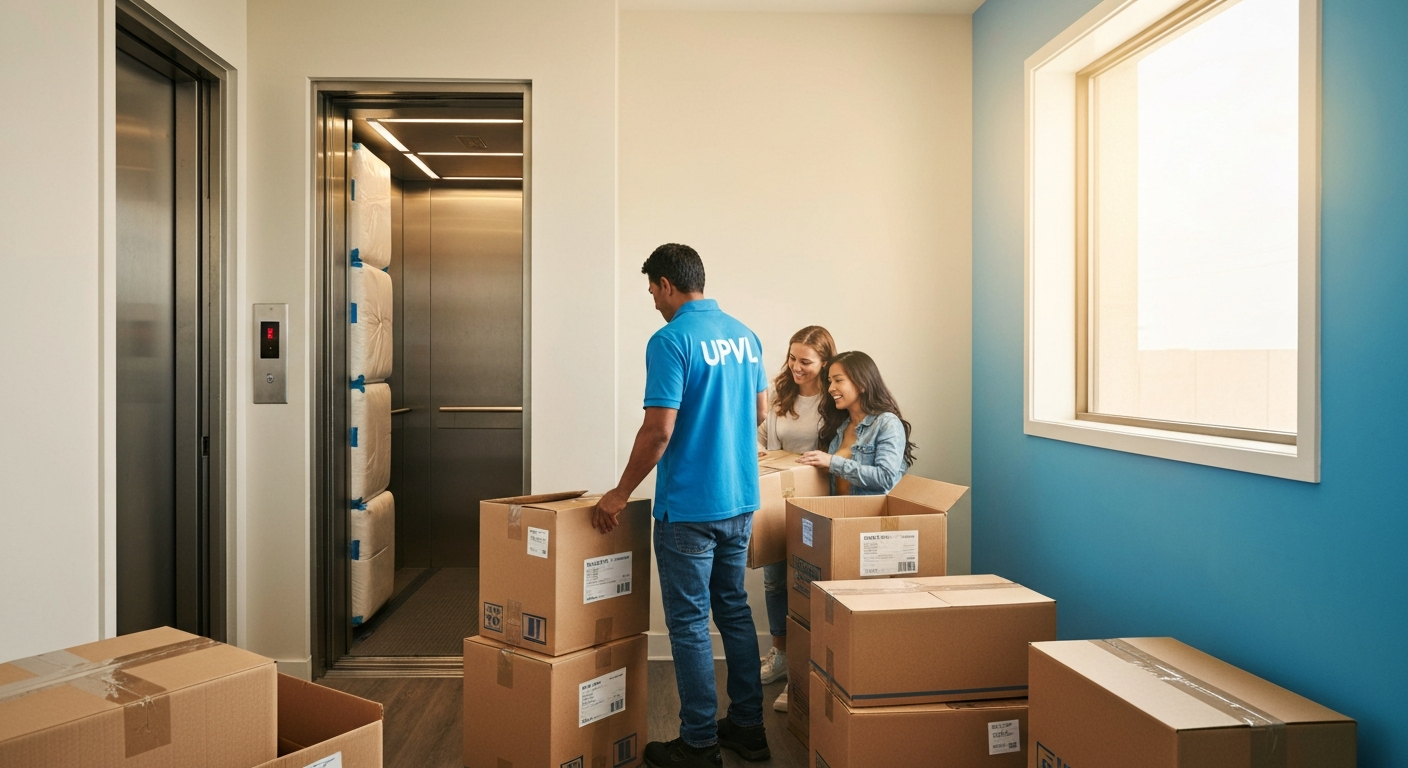
Downtown Los Angeles movers should be properly licensed and insured for your protection. In California, household movers must be licensed by the California Public Utilities Commission, and interstate movers must be registered with the Federal Motor Carrier Safety Administration (FMCSA).
Key points to check:
Working with a licensed mover reduces your risk of scams and ensures you receive legally required documents like estimates, order for service, and bills of lading.
It is important to distinguish between valuation coverage (the mover’s liability for your goods) and third‑party insurance.
| Coverage Type | Cost Level | What You Get |
|---|---|---|
| Released Value Protection | Included in base price on interstate moves | Minimal reimbursement, based on weight (e.g., $0.60/lb per item) |
| Full Value Protection | Additional cost based on declared value | Repair, replacement, or cash payout up to policy limits |
| Third‑party insurance | Separate premium to insurer | Custom coverage; may cover high‑value art, antiques, or collections |
| Building damage liability | Part of mover’s commercial policies | Protects building for damage caused during move, often shown on COI |
For DTLA, Koreatown, and Mid‑Wilshire moves that traverse elevators and long hallways, Full Value Protection is worth serious consideration, especially for high‑value electronics, art, or designer furniture.
Central LA moves succeed or fail on planning. Use this checklist to stay on track for your DTLA, Koreatown, or Mid‑Wilshire relocation.
| Checklist Stage | Main Tasks | Why It Matters in Central LA |
|---|---|---|
| 1 month out | Gather building rules, get quotes | Aligns mover choice with COI/elevator needs early |
| 2–3 weeks out | Book movers, reserve elevators | Secures time slots before popular dates fill |
| 1 week out | Confirm COIs, parking, packing | Prevents last‑minute paperwork or access surprises |
| Move day | Coordinate access and walkthroughs | Protects you from disputes and missed items |

A COI for movers is a Certificate of Insurance that proves your moving company carries required liability and workers’ compensation coverage. Your building uses it to confirm they are protected if property is damaged or someone is injured during the move. You do not create it yourself—once you book, ask your mover to send a COI that follows your building’s sample or instructions. Provide your property manager’s legal name, address, and any special wording they require.
No, but many mid‑rise and high‑rise residential and office buildings in central LA do. Newer towers near South Park, Wilshire Boulevard, and Miracle Mile almost always require a COI before allowing movers on site. Older Koreatown walk‑ups may not, but it is still smart to ask. Assume a COI is required unless your manager clearly says otherwise.
Most high‑rise buildings have one or more freight elevators or designate a passenger elevator for moves during certain hours. You must contact management or the front desk in advance to reserve a time block—often 2–4 hours. They may require a COI before confirming your slot. Your movers will schedule truck arrival and crew size around that reservation, so be sure you have written confirmation of date, start time, and end time.
Book as soon as you know your move date. Two weeks’ notice is ideal for DTLA and Mid‑Wilshire towers, where elevator schedules fill quickly, especially at month‑end. Some buildings in Koreatown are more flexible, but it is still smart to reserve at least 7–10 days ahead. Always confirm again 1–2 days before the move.
If the elevator is unexpectedly out of service or another resident is still using it, your movers may have to wait or take the stairs. That can significantly increase labor time and cost, especially above the 3rd or 4th floor. If you hear about elevator issues before move day, contact both your mover and the building to discuss rescheduling or alternative plans.
Experienced downtown Los Angeles movers scout your building, coordinate with management about loading docks or garages, and plan for legal truck parking. In some areas, they may ask you to arrange a loading zone or parking permits through management or the city. They may also adjust truck size to fit garage height limits or use smaller shuttle vehicles when a full‑size truck cannot access the building.
In central Los Angeles, double‑parking is risky and can lead to tickets or towing, especially on busy DTLA streets. Some brief standing may be tolerated in low‑traffic alleys, but nothing is guaranteed. It is much safer to coordinate building or garage access or a legal loading zone ahead of time.
For DTLA, Koreatown, and Mid‑Wilshire, you should book movers 3–4 weeks in advance whenever possible, especially for end‑of‑month, weekends, or summer dates. Shorter notice—1–2 weeks or even a few days—might still work, but availability will be tighter. For urgent situations, look for providers that offer last‑minute moving services.
They can be, because elevators, loading docks, long walks from unit to truck, and strict time windows all add time and complexity. A 2‑bedroom move from a ground‑floor house to a nearby home might take fewer hours than the same inventory moving between two 20‑story towers with limited freight access. Accurate building details help your mover estimate time realistically.
If you have time and a smaller amount of belongings, packing yourself saves money. However, for high‑rise moves with strict elevator windows and long‑distance relocations, professional packing reduces risk and speeds up the move. Movers use sturdy boxes and methods designed to handle elevator rides and tight hallways.
For California moves, the contact information is:
DTLA, Koreatown, and Mid‑Wilshire moves succeed when building rules, COIs, elevators, and parking are handled before move day—not at the last minute in the lobby. Focus on three essentials: choose experienced downtown Los Angeles movers, share your building’s written moving policies early, and lock in freight elevator and access details well in advance.
With that groundwork in place, your crew can concentrate on what matters most: safely moving your belongings into your new LA home or office, on time and with as little disruption as possible.