Moving doesn’t have to mean mountains of cardboard, plastic wrap, and trash bags sitting on the curb for days.
We’ve seen both extremes: families who fill an entire driveway with waste after a move, and others who barely toss a kitchen bag of trash because they planned things in a smarter, greener way. The difference isn’t money; it’s choices.
In this guide, we’ll walk you through how we’d plan an eco‑friendly move for ourselves or a close friend — same real-life mindset, just with you in the passenger seat. We’ll talk about what actually works, which “eco” ideas are just hype, and how we at United Prime Van Lines can help you move smarter, lighter, and with a much smaller footprint.
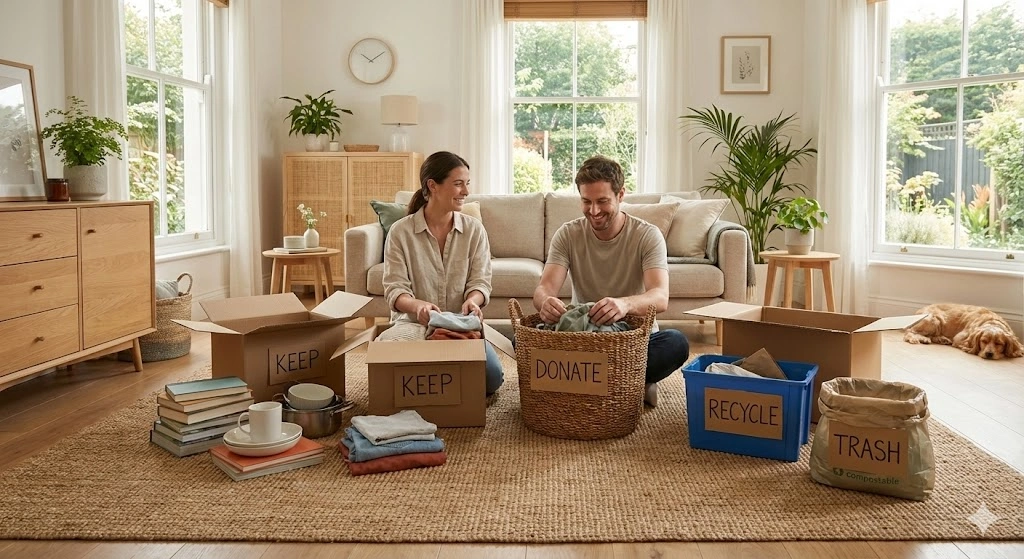
To keep this truly eco-friendly, we try to avoid the “just throw it away” trap.
We can even help you plan timelines so you’re not trying to sell your couch the night before your move. When we build a moving schedule for our customers at United Prime Van Lines, we often include a dedicated “giveaway/donation” weekend before packing truly begins.
Let’s talk boxes. They’re the symbol of moving—stacked everywhere, used once, then tossed or flattened. You’ve got more options than just grabbing brand-new cardboard from a big-box store.
If you want to stay eco‑friendly without overcomplicating things, this is the sweet spot.
Where to find used boxes:
Pro tips from what we see on jobs:
When you move with us, we’re always happy to load and stack used boxes. We don’t require brand-new materials; we care more about safety and stability than shiny cardboard.
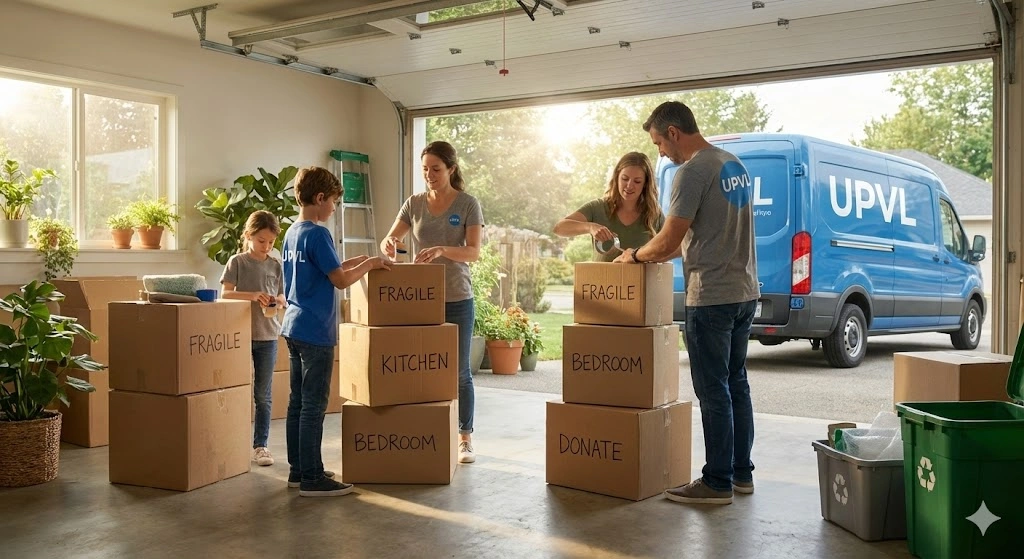
If you really want to cut down on cardboard waste, reusable crates are a solid option.
You have two main choices:
Benefits:
Things people don’t always consider:
If you’d like to mix cardboard and totes, we can help you figure out which rooms make the most sense for each. For example, we often suggest plastic totes for:
Sometimes you do need new boxes—especially for long-distance moves or fragile, heavy items.
If you’re buying new:
At United Prime Van Lines, we offer sturdy, recyclable boxes and can help you choose just what you need instead of overbuying. That alone cuts down on both waste and cost.
Packing materials are where moves get really wasteful: miles of plastic wrap, foam peanuts that never break down, and rolls of bubble wrap used once and tossed.
You don’t have to do it that way.
Before you buy a single roll of bubble wrap, use what you already own. We do this on our own moves all the time.
Household items that double as packing materials:

You reduce waste and also pack your linens at the same time—it’s efficient on every level.
If you’d rather not use your own textiles for everything, recycled paper is an excellent middle ground.
Options we like:
Why we like paper:
We use a lot of paper on our professional moves—the trick is to learn how to crumple and wrap effectively. When we pack for you, we can lean heavily on recycled paper and minimize plastic while still keeping your belongings safe.
If you do need “traditional” packing materials, there are better choices:
Honest reality: For some items—like furniture with sharp edges, or very delicate glass—we still rely on some plastic for maximum protection. What we do to keep it greener:
Eco-friendly moving isn’t only about boxes. How you handle large items matters too—for both safety and sustainability.
Professional movers live by moving pads. They’re thick, reusable blankets that protect furniture, railings, and doors from scratches and dings.
Why they’re eco‑friendly:
When we arrive for a move with United Prime Van Lines, our trucks are stocked with pads. We wrap your furniture in those, then—if needed—add minimal plastic wrap to keep drawers in place or protect against moisture.
Taking furniture apart can help:
From a green perspective, fewer trips and less damage equals less waste.
We usually recommend disassembling:
We bring the tools and handle this for you if you’d like—then reassemble at your new place so you’re not staring at a pile of bolts and panels at 11 PM.
The logistics of your move—timing, truck size, distance—also affect your environmental impact.
Too small: multiple trips, more fuel. Too big: wasted space, heavier truck than you need.
We always size trucks based on an honest inventory of your home. That’s not just about efficiency and pricing—it’s also about not driving more steel and fuel than necessary.
If you’re moving locally on your own, try to:
With us, we’ll ask the right questions ahead of time so we show up with the ideal truck or combination of trucks.
A well-packed truck is like a Tetris game: fewer air gaps, better weight distribution, and maximum use of space.
Eco benefit: One carefully loaded truck uses less fuel than two half-loaded trucks.
What we do to help:
If you’re packing on your own but hiring us to move, we can give you tips in advance so your boxes are stack-friendly:
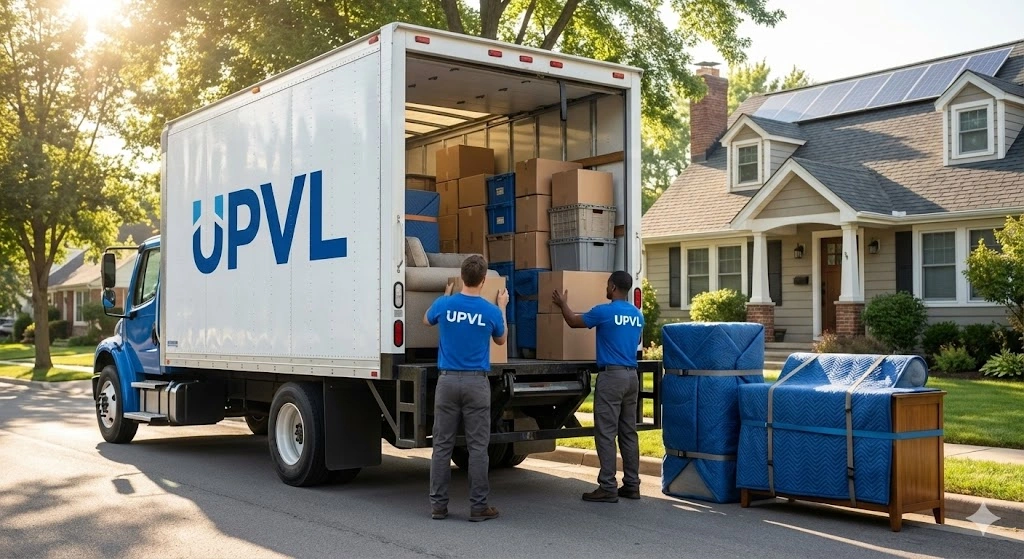
Moving often comes with a thousand small car trips—dropping off donations, grabbing keys, buying supplies, checking on the new place.
To shrink the footprint:
When we plan moves, especially around South Florida and places like Hallandale Beach where traffic can get intense, we look at timing and routing to avoid unnecessary idling and detours.
The actual move day is busy, but there are still ways to keep things eco‑conscious without stressing yourself out.
Moving is physical. Everyone needs to stay hydrated—movers, family, friends helping you out.
Instead of:
Try:
We always appreciate when customers do this—not just because it’s greener, but because it really does cut down on the sea of crushed bottles we’d otherwise see at the end of the day.
One thing that happens during almost every move: as boxes are opened and furniture unwrapped, packaging piles up into chaos.
To keep it under control and genuinely recycled:
We can help with this as we go—when we’re unwrapping furniture or boxes we packed, we can stack cardboard neatly and keep pads and reusable materials separate so they go back on the truck instead of in your trash.
Once you’re in your new home, it’s tempting to just shove everything into the trash and be done with it. You’re tired, you’re surrounded by boxes, and you just want your space back.
If you can resist that urge for just a day or two, you can keep a lot of material out of the landfill.
Your boxes can easily help another family or neighbor have a lower-impact move.
Ideas:
We’ve been on jobs where our customers had clearly gotten their boxes from someone who just moved out of the same building; it’s a quiet little ecosystem that works beautifully.
Best options, in order:
For bubble wrap and plastic:
You can do everything right with your boxes and packing, but if your movers are careless or wasteful, it undermines your efforts.
Here’s what to look for and how we handle it at United Prime Van Lines.
Questions worth asking:
Our approach:
Some companies push maximum materials and maximum services every time. That’s not always what you need—and it definitely isn’t the greenest option.
When we build a moving plan with you, we focus on:
If your goal is an eco‑friendly move, tell us upfront. We’ll walk through:
Some final small habits can make your move feel cleaner, calmer, and a lot more sustainable.
Instead of single-use stickers:
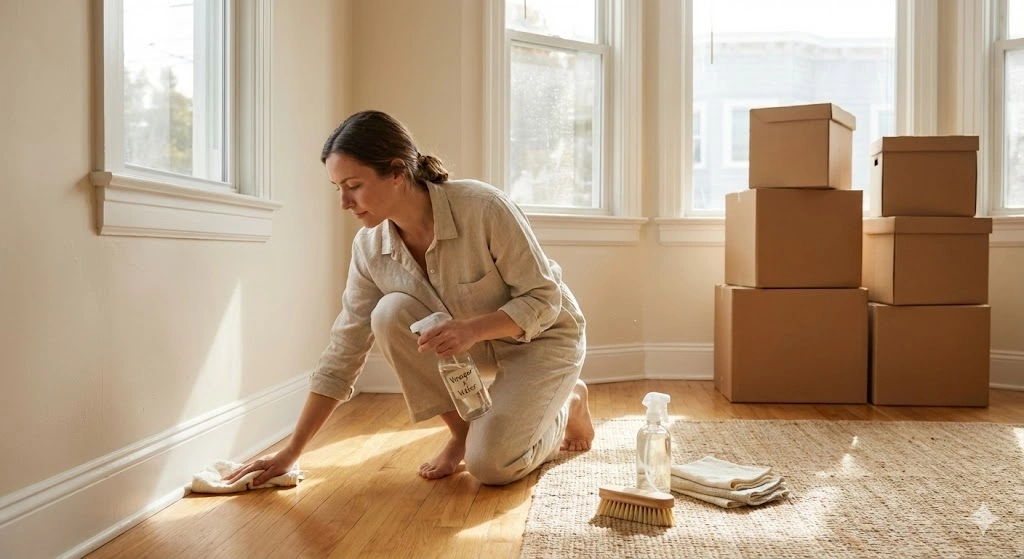
When you move out, you’ll probably do a final clean; when you move in, you’ll probably do another.
To keep that green:
An eco‑friendly move isn’t about perfection. It’s about progress and intentional choices:
At United Prime Van Lines, we move families in South Florida, Hallandale Beach, and across the country every single week. We’ve seen first-hand how a thoughtful, greener approach not only reduces waste, but also makes the whole process feel more organized and less overwhelming.
If you’re planning a move and want it to be as eco-conscious as possible, we can help you design it from the ground up—materials, packing strategy, truck size, and timing—so you arrive in your new home with less waste, less guilt, and a clearer head.
You handle the decisions about what really deserves a place in your new life. We’ll handle getting it there safely, efficiently, and with a lighter footprint.