If you’re thinking, “I don’t want my move to trash the planet,” you’re not alone. A typical relocation creates an absurd amount of waste: piles of cardboard, single‑use plastic, fuel emissions, damaged furniture that ends up on the curb.
We feel it too. We work in this industry every day at United Prime Van Lines, and we see the impact moves have on both people and the environment. That’s why more of our customers in South Florida, Hallandale Beach, and across the country are asking a simple question:
“How do I choose a green moving company that actually walks the talk?”
Let’s break that down together — in normal language, no buzzword soup. We’ll walk you through what really matters when you’re looking for an eco‑conscious mover, how to sense greenwashing from a mile away, and what we personally do (and don’t do) when it comes to sustainable moving.
First Things First: What “Green Moving” Actually Means (and Doesn’t)
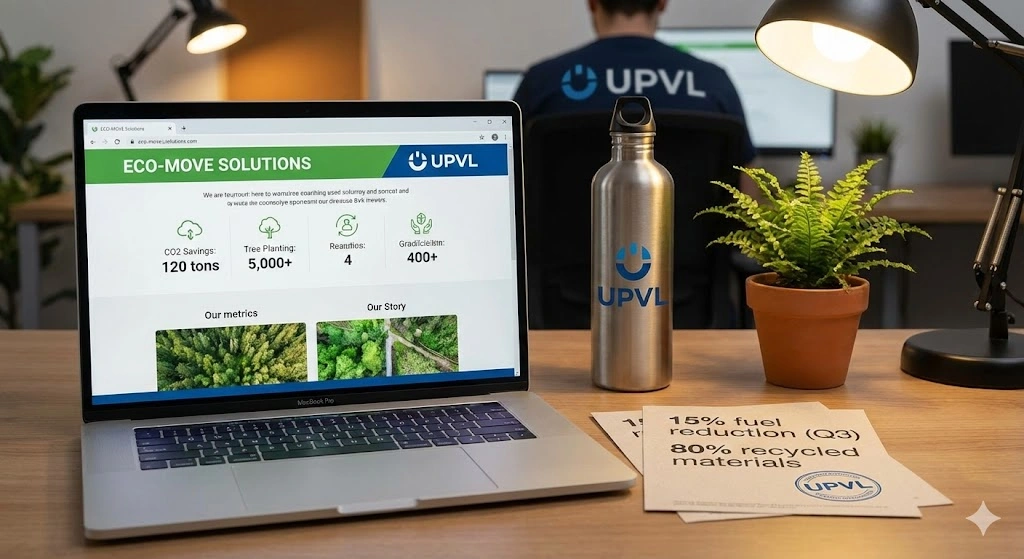
“Eco‑friendly” gets slapped on everything now. A green logo, a leaf icon, and suddenly a company is saving the planet. That’s not what we’re talking about here.
A truly eco‑conscious moving company focuses on:
- Reducing waste
- Cutting fuel consumption and emissions
- Reusing and recycling materials
- Planning smarter, not just working harder
- Treating your stuff in a way that extends its life, not shortens it
And here’s what it doesn’t mean:
- Your move will be completely carbon‑neutral (we’re not going to pretend)
- Everything will be perfect and zero‑waste
- You have to spend a fortune just to be “green”
What we can do together is make your move significantly less harmful than a typical relocation. And that starts with choosing a mover who actually builds sustainability into the way they work — not just the way they advertise.
The Non-Negotiables: Core Green Practices to Ask About
When you’re talking to potential movers (including us), there are some specific, very practical questions you can ask to see if “eco-friendly” is just decoration or a real part of their process.
Let’s walk through the big ones.
Reusable Packing Systems (Not Just “We Have Boxes”)
One of the biggest sources of waste in any move is the mountain of cardboard and plastic. A greener mover should have clear systems to cut that down.
Here’s what to look for:
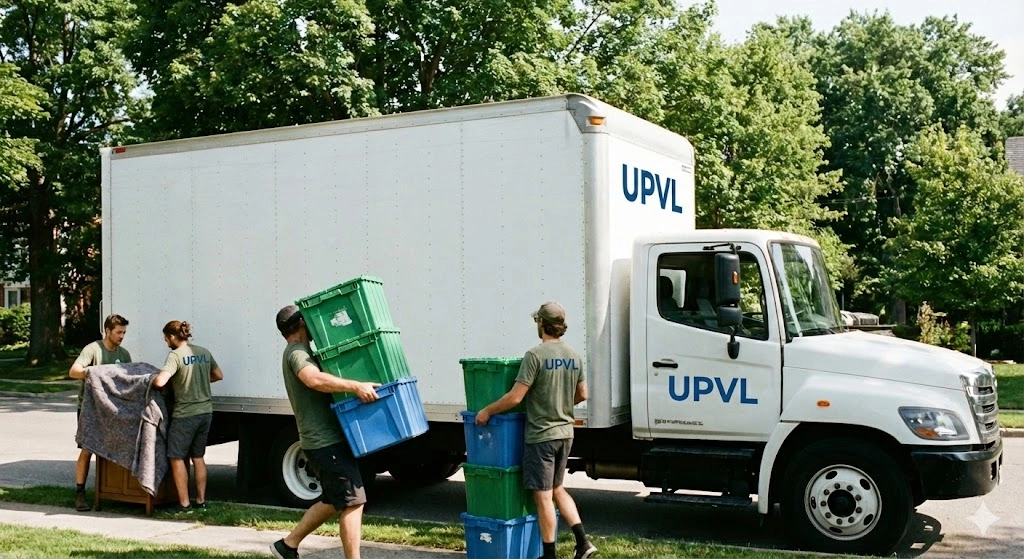
- Reusable plastic totes / bins Ask:
- “Do you offer reusable moving bins or crates instead of regular cardboard boxes?”
- “Can you deliver them before the move and pick them up after?”
- These sturdy bins can be used hundreds of times. They stack better, protect your belongings more, and save forests and landfill space in the process.
- Reusable moving blankets and pads Good movers already use these, but a greener mover should:
- Maintain and reuse them for as long as safely possible
- Avoid single‑use plastic padding wherever possible
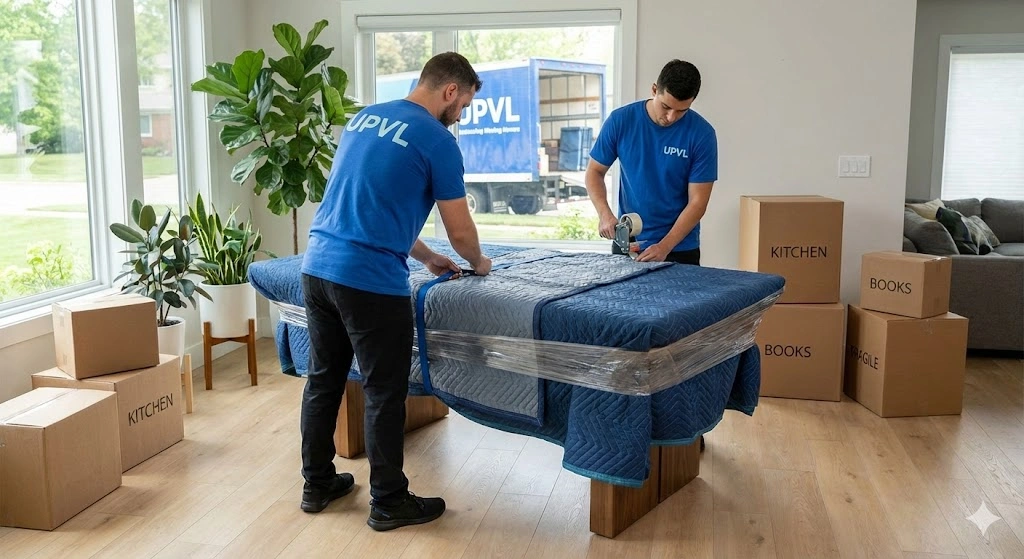
- Offer alternative padding (like reusable furniture pads) instead of wrapping every piece in shrink wrap “just because”
- Alternatives to new cardboard Ask if they:
- Offer gently used boxes for a discount
- Have a box buy‑back or take‑back program
- Partner with local businesses to reuse boxes instead of buying new every time
With United Prime Van Lines, we always start with reuse as the default. Fresh boxes and brand‑new materials are there when they’re truly needed — not because it’s easier for us.
Eco-Smart Packing Materials (Beyond the Buzzwords)
If a moving company calls their materials “green,” ask: how, exactly?
Here’s what’s worth paying attention to:
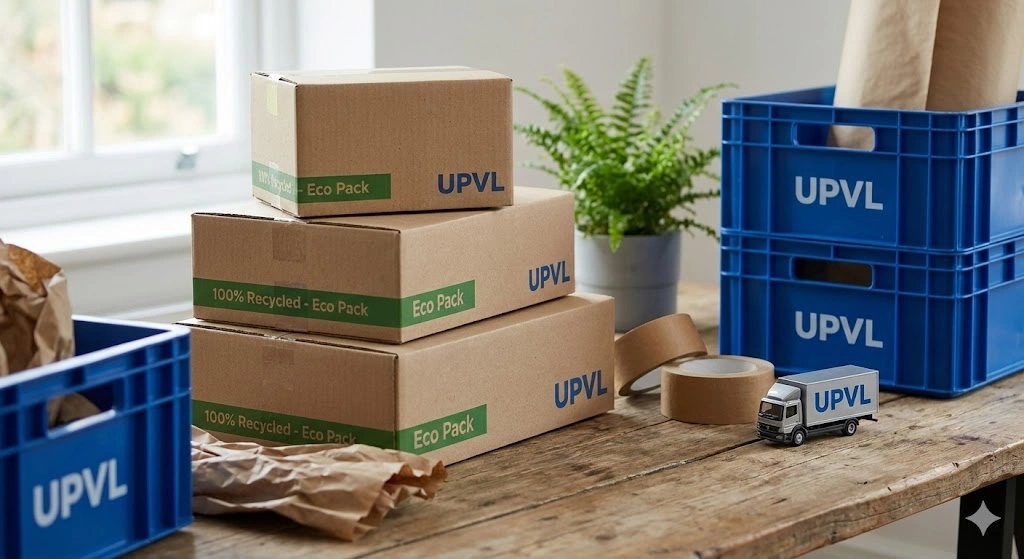
- Recycled-content boxes Do they use boxes that contain post‑consumer recycled paper, not just “recyclable” boxes? There’s a big difference between “can be recycled” and “was actually made from recycled materials.”
- Paper-based protection instead of plastic where safe We still need to protect your stuff — that’s non‑negotiable. But in many cases, we can use:
- Recycled packing paper
- Corrugated cardboard inserts
- Paper padding instead of foam sheets Plastic bubble wrap and foam still have their place (for glass, electronics, artwork), but they shouldn’t be the only option.
- Biodegradable or recyclable cushioning options Ask if they have:
- Recycled paper fill
- Starch or biodegradable peanuts (and whether they actually compost or just go in the trash)
When we pack at United Prime Van Lines, we try to treat plastic as a tool of last resort, not a default setting. We use it when it actually makes sense, especially to protect high‑value or fragile items — but we don’t wrap every drawer and leg in endless plastic just to look busy.
Fuel Efficiency and Route Planning (Where the Big Impact Really Happens)
Cardboard is visible. Fuel isn’t. But honestly, transportation emissions are one of the biggest environmental pieces of any move — especially for long-distance or cross-country moves.
Here’s what you want to know:
- How they manage their trucks Ask:
- “Do you maintain your trucks regularly to optimize fuel efficiency?”
- “Do you plan routes ahead of time to avoid backtracking or unnecessary mileage?”
- A company that cares about sustainability should have a clear answer here, not a shrug.
- Consolidated or shared loads (for long-distance) A truly eco‑conscious approach to long-distance moving often includes:
- Combining loads when possible
- Reducing empty return trips
- Planning routes so trucks aren’t zig‑zagging across multiple states inefficiently
- This can also reduce your cost — less waste often translates into better pricing.
- Type of fleet Not every mover is going to have electric trucks (we’re not there yet as an industry), but you can ask:
- “Do you invest in newer, more efficient vehicles?”
- “Are you phasing out older, more polluting trucks?”
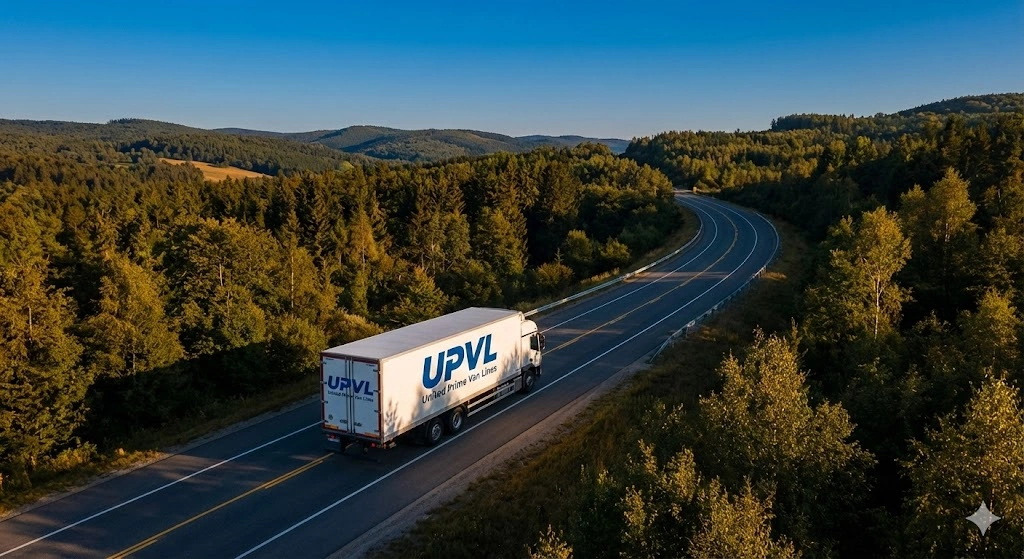
At United Prime Van Lines, whether we’re handling a local move in Hallandale Beach or a cross‑country relocation, we plan each route to be as direct and efficient as possible. It saves fuel, time, and headaches — for both the planet and your schedule.
Greenwashing Red Flags: When “Eco” Is Just a Sticker
Let’s talk honestly: some companies saw “green” trending and just slapped a leaf icon on their website.
Here are some signs a mover might be more about marketing than actual impact:
- Vague language with no details If a website says:
- “We care deeply about the environment.”
- “We use eco‑friendly materials.” …but doesn’t list a single specific practice, material, or policy, that’s a bad sign.
- No ability to answer follow-up questions Call them and ask:
- “What kind of eco‑friendly packing materials do you use?”
- “How do you reduce waste at the end of a move?”
- “What do you do with used boxes and packing materials?”
- If the person on the phone can’t give you a straightforward answer, the “eco” part may be more of a slogan than a system.
- Over-promising things that don’t add up Be careful with:
- “100% carbon‑neutral moves” without any explanation of how
- “Zero-waste moving” when they use standard trucks and single‑use materials
- “All green supplies” when they still rely heavily on plastic and virgin cardboard
We don’t promise miracles at United Prime Van Lines. We’re honest: moving has an environmental footprint. Our job is to actively shrink that footprint with real, measurable habits — not magic words.
Questions to Ask Any Eco-Conscious Mover Before You Book
Here’s a simple script you can use when you’re calling around. Adjust it to sound like you, but keep the substance:
- “Can you walk me through what makes your moving services eco‑friendly?” Listen for specifics, not fluff. You want to hear about materials, trucks, route planning, and waste handling.
- “Do you offer reusable packing options, like crates or rentable bins?” If the answer is no, ask how they reduce cardboard and plastic waste.
- “What kinds of packing materials do you use by default?” Are they using recycled-content boxes? Paper padding? Or bubble wrap and foam for everything?
- “What happens to the packing materials after my move?” Do they take back boxes? Reuse blankets? Offer recycling options? Or do they just leave a big mess for your trash pickup?
- “Do you have any policies for reducing fuel use or optimizing routes?” Even a short answer like “Yes, we plan and batch routes in advance and track mileage” shows they’ve thought about it.
When you ask us these questions at United Prime Van Lines, we’re happy to walk you through what we do and where we’re still improving. We’d rather have an honest conversation than hide behind a green badge.
How We Personally Approach Eco-Friendly Moving at United Prime Van Lines
We’re not going to pretend we’re a zero‑emission unicorn. But we are serious about doing better every year. Here’s how we approach it in a way that feels real, not theatrical.
Planning Moves to Reduce Waste From the Start
Most wasteful moves happen because everything is rushed and last‑minute. So we slow things down upfront:
- We talk about decluttering well before your move day. There’s no point paying to haul stuff you don’t even want.
- We suggest ways to donate, sell, or recycle items instead of dumping them. In Hallandale Beach and South Florida, we point clients toward local charities and recycling centers; in other areas, we look up nearby options together.
- We estimate how many boxes and materials you actually need, so you’re not drowning in extras.
A greener move starts with thoughtful planning, not just what happens on the truck.
Prioritizing Reuse, Then Recycling, Then Disposal
Our internal rule of thumb is simple:
- Can we reuse it safely?
- If not, can we recycle it properly?
- Only then do we let it become trash.
That applies to:
- Boxes
- Packing paper
- Plastic wrap
- Moving blankets
- Pallets and other materials in our warehouses
We keep a steady supply of reusable tools (— dollies, pads, straps, crates —) in rotation so we’re not constantly buying new or discarding old.
Taking Care of Your Belongings = Less Waste Later
It’s easy to forget this, but every broken item is its own little environmental footprint: manufacturing, transport, packaging, replacement.
So being “green” for us also means:
- Packing in a way that actually prevents damage, not just looks busy
- Wrapping furniture correctly so it doesn’t get scratched and thrown away later
- Labeling clearly so items don’t get lost, left behind, or mishandled
The fewer items we damage, the less you need to replace. That’s good for your wallet and the planet.
What You Can Do to Make Your Move Greener (With or Without a “Green” Mover)
Even if you end up hiring a company that isn’t deeply into sustainability yet, you still have a lot of control over the environmental impact of your move.
Here are practical steps you can take that we’ve seen work really well:
Declutter With Intention, Not Just Aggression
Instead of tossing everything into a “trash” pile, think in three directions:
- Donate: Clothes, kitchenware, furniture, books
- Sell: Electronics, gently-used furniture, decor
- Recycle: Old paperwork, broken electronics (at e‑waste centers), metal items
You reduce the volume we move, and your unwanted stuff gets a second life instead of a landfill ticket.
If you’re moving with us at United Prime Van Lines, we can help you build a plan:
- What to sort first
- How to time donations and pickups
- How to avoid last‑minute panic dumping
Use What You Already Have as Packing Material
Before you buy anything:
- Pack with towels, linens, and blankets for padding
- Use suitcases, hampers, and storage bins instead of extra boxes
- Wrap small fragile items in t‑shirts or socks where appropriate
You still may need some professional packing materials, but you can cut that number down a lot just by looking around your own home.
Be Thoughtful About Your Move Date and Timing
This one’s not talked about much, but it matters:
- Avoid booking a move at times that guarantee sitting in traffic for hours if you can help it. More idle time = more fuel burned.
- Ask if a flexible move day (if your schedule allows) lets your mover combine or sequence routes more efficiently.
For us, when a client gives us some flexibility, we can often pair jobs in a way that cuts down on driving — which helps your cost and lowers emissions at the same time.
Local, Long-Distance, and Cross-Country: How Green Moving Changes With Distance
A local move in Hallandale Beach is not the same as a cross‑country relocation from Florida to California. The “eco” piece shifts depending on distance.
Here’s how to think about it:
Вот отредактированный текст с выделением жирным шрифтом (** заголовки и ключевые моменты) и курсивом (* пояснения и акценты*):
Local Moves (Within the Same Metro or Region)
For local moves, the biggest opportunities are:
- Reducing packing waste Reusable crates, used boxes, careful planning — this is where local moves can be extremely efficient.
- Short, well-planned routes A smart schedule and route can keep fuel use tight, especially if your mover clusters jobs in the same part of town.
This is where we lean heavily into reusable systems and precise planning. In places like South Florida, where traffic can get intense, the route and timing we choose for your move day really matter.
Once you cross state lines, fuel and logistics play a bigger role:
- Combining loads when appropriate (and when it doesn’t compromise timing or safety)
- Planning return trips with cargo instead of driving empty
- Choosing the right size truck so we’re not hauling half‑empty space
With United Prime Van Lines, a lot of our long‑distance work is about planning smarter, not just driving farther. That’s good for your budget and reduces unnecessary miles.
Cross-Country Relocations
For big coast‑to‑coast moves, the reality is: there’s going to be a footprint. No way around it. But we can still:
- Avoid unnecessary storage in multiple locations
- Minimize handling and transfers (fewer warehouses, fewer extra trucks)
- Make sure we’re not sending two half‑empty trucks when one well-organized truck would do
We’re honest with our cross‑country clients about this: the goal isn’t zero impact; the goal is responsible impact.
How to Balance Budget, Convenience, and Sustainability
You might be wondering: “Does going green automatically mean spending more?” Not necessarily.
Here’s the truth we’ve seen over and over:
- Decluttering saves you money because you move less.
- Thoughtful planning avoids last‑minute, expensive decisions.
- Reusable materials may cost a bit up front, but they can replace a mountain of single‑use items.
If a mover charges extra for every small “eco” feature but can’t show you how it actually affects the move, be cautious. Ask:
- “How does this green option change the cost and the outcome?”
- “Are there ways to make this more sustainable without adding a premium?”
When we plan a move at United Prime Van Lines, we try to line up your priorities:
- If budget is tight, we lean into decluttering and using what you already own.
- If convenience matters most, we handle more of the planning and packing — but we still keep waste down wherever possible.
- If sustainability is your top concern, we design your move around that from day one.
Putting It All Together: Choosing the Right Eco-Conscious Mover for You
If we strip away all the shiny labels, picking a green mover comes down to this:
- Do they have concrete practices, not just green adjectives?
- Can they explain those practices in normal language?
- Are they honest about what they can’t do, not just what they can?
- Do you feel like they care about your belongings and the bigger picture at the same time?
When you talk to us at United Prime Van Lines, you’ll notice we’re very conversational about this. We’ll walk you through:
- How we can reduce waste on your specific move
- Where reusable options might make sense
- What we recommend for packing, timing, and planning to keep things efficient
- What’s realistic for your budget and your schedule
If you’re planning a move — whether it’s around Hallandale Beach, across South Florida, or to another state entirely — and you want it to be greener without turning it into a full‑time project, we’re here to help you find that balance.
We can’t promise a zero‑footprint move. Nobody can, honestly. But we can promise to treat your move, your belongings, and the environment with respect — and to keep improving how we do it, one truckload at a time.