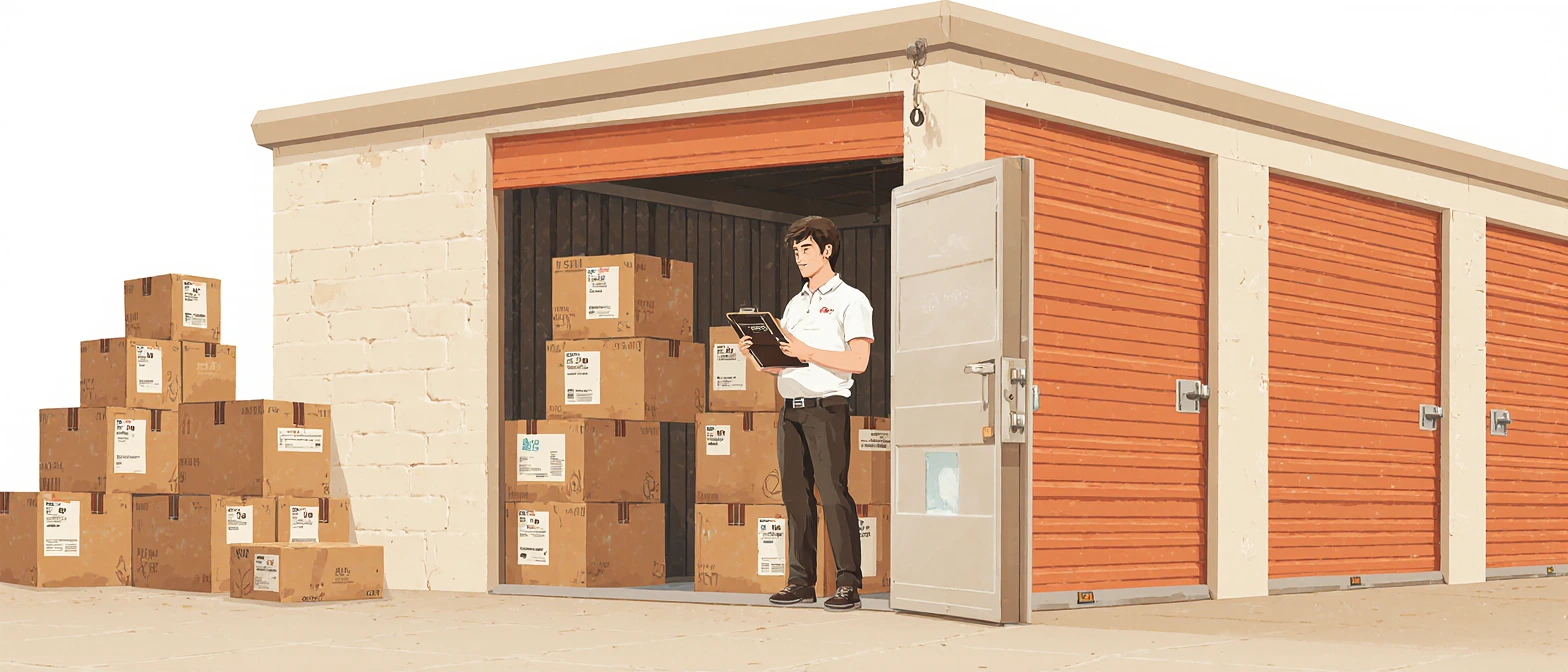
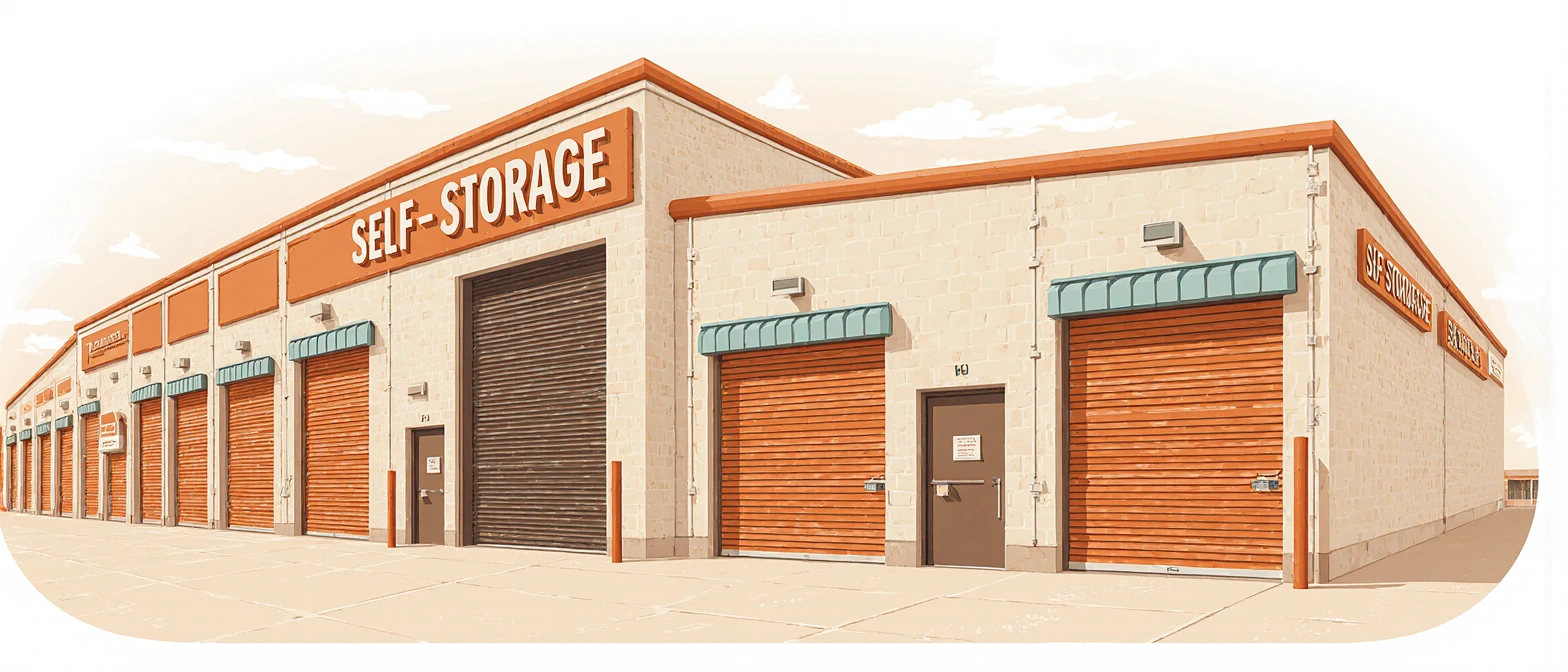
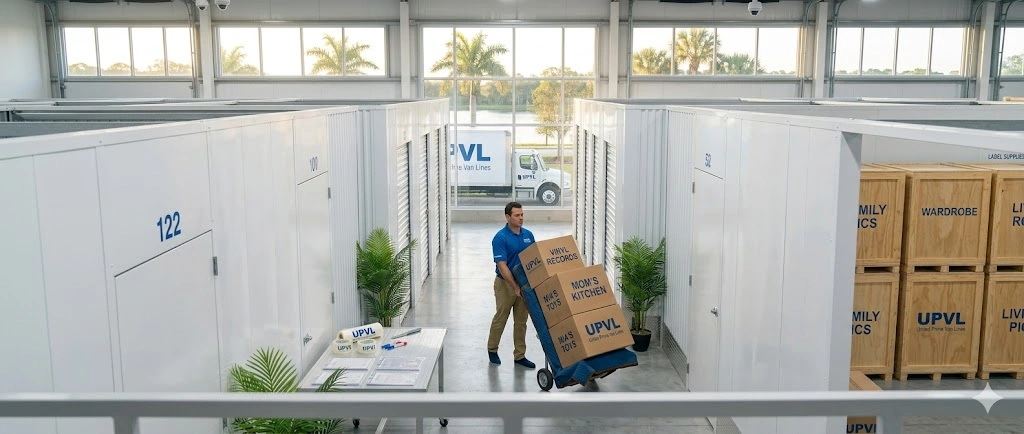
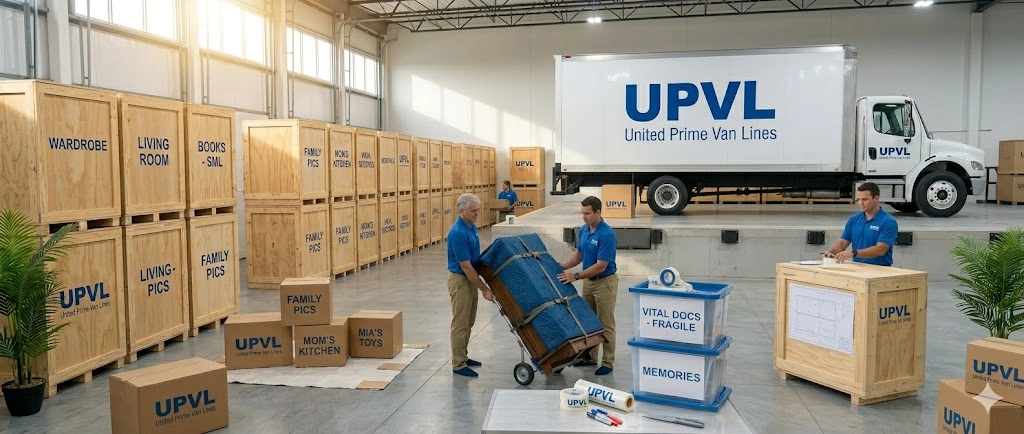
Storage is one of those things you don’t really think about… until your move dates don’t line up, you’re downsizing, or your new place simply isn’t ready.
Then it suddenly becomes a big question:
- What size storage unit do I need?
- Do I really need climate control?
- How much should I expect to pay — and for what exactly?
The good news: choosing the right storage unit is mostly about answering a few practical questions in the right order. In this guide, we’ll walk through size, climate control, security, access and cost step by step, with real-world examples so you don’t overpay or under-protect your stuff.
When Do You Actually Need a Storage Unit?
Before you even look at sizes and prices, be clear on why you’re getting storage. That reason will shape almost every decision.
Common situations:
- Your move-out and move-in dates don’t match
- You’re out of the old place on the 25th, but you get keys to the new one on the 1st. Storage bridges the gap.
- You’re downsizing
- Moving from a house to an apartment or from a big place into something more compact. Some items simply won’t fit — at least not right away.
- Your new place needs work
- Renovations, painting, flooring. You may want furniture out of the way while contractors are in and out.
- You’re relocating long-distance in stages
- You might want part of your home shipped later, or to keep non-essential items stored until you’re settled.
- You’re in a “try this city first” phase
- Not sure you’re staying long-term? Storage lets you keep some items safe without dragging them into every temporary place.
If any of these sound like you, storage can be a useful tool — as long as you pick the right kind.
Step 1 – Decide What You’re Putting Into Storage
You can’t pick the right unit without a rough idea of what’s going inside.
Walk through your home and create a quick mental (or written) list:
- Large furniture (sofa, beds, dressers, dining table, desks)
- Appliances (washer, dryer, extra fridge, freezer)
- Boxes (how many small/medium/large)
- Seasonal items (holiday decor, sports gear)
- Special items (art, instruments, collectibles, documents)
Also ask yourself:
- Will I need to access these items regularly, or can they sit untouched?
- Am I storing mostly durable things (wood, metal, plastic) or sensitive items (electronics, photos, leather, artwork)?
And very important:
What should not go into storage?
Most storage facilities restrict or ban:
- flammable items (gasoline, propane, fuel)
- explosives and firearms
- perishable food
- live plants or animals (yes, this has been attempted)
If in doubt, ask the facility before you sign anything.
Step 2 – Choosing the Right Storage Size
Once you know roughly what you’re storing, you can pick a size without guessing wildly.
Think of units in terms of rooms-worth of stuff, not square feet only.
Common storage unit sizes and what they usually fit:
- 5' x 5' (small closet)
- A few boxes, small furniture, seasonal items, some decor.
- Good for: students, mini storage, a corner of your home.
- 5' x 10' (walk-in closet)
- Small studio or half of a one-bedroom:
- a sofa or small bed,
- a dresser,
- several boxes and small items.
- 10' x 10' (small bedroom)
- Contents of a typical one-bedroom apartment:
- bed,
- sofa,
- dining set,
- multiple boxes,
- some appliances.
- 10' x 15' (large bedroom)
- Contents of a larger one- or small two-bedroom place. Bigger furniture plus more boxes.
- 10' x 20' (single-car garage)
- Most of a standard house:
- multiple bedroom sets,
- large sofas,
- dining set,
- large appliances,
- many boxes.
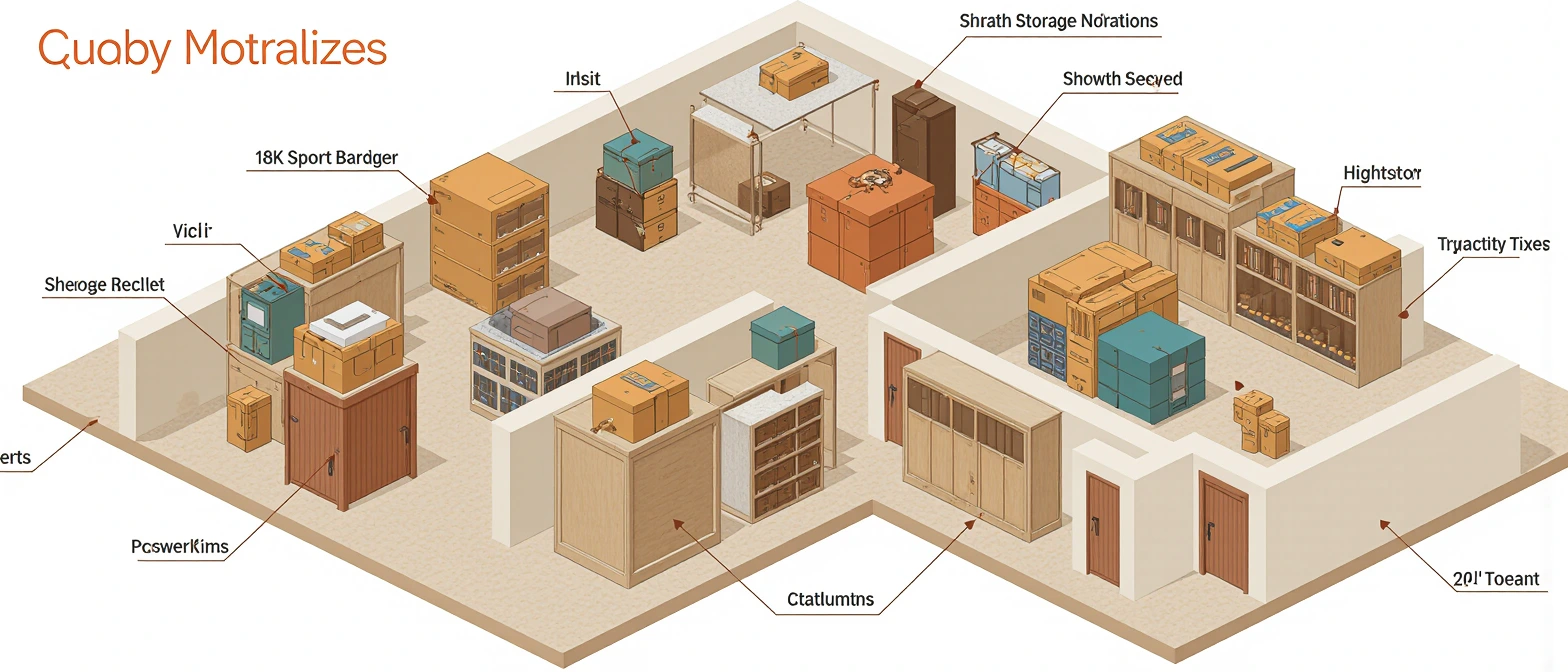
How to choose smart:
- If you want just to store, you can pack tightly and go smaller.
- If you want to walk inside and access items regularly, go a size up so you can leave an aisle.
- If you’re close between two sizes and can afford it, it’s usually better to go slightly bigger than to jam everything into a too-small unit.
If you’re moving with us at United Prime Van Lines, you can tell us what you’re planning to store and we can give you a realistic size estimate based on the volume we see every day.
Step 3 – Climate-Controlled vs Standard Storage
This is one of the biggest questions people have — and also where lots of money gets wasted.
Standard storage (non-climate):
- Typically in drive-up units or basic indoor facilities.
- Temperature and humidity follow local weather patterns.
- Cheaper than climate-controlled.
Climate-controlled storage:
- Usually indoors in a building with controlled temperature, sometimes humidity.
- More stable environment, less extreme heat/cold.
- More expensive, but safer for sensitive items.
So, when do you really need climate control?
You probably need climate control if you’re storing:
- electronics (TVs, computers, game consoles, audio equipment),
- musical instruments (guitars, pianos, violins),
- wooden furniture you care about (solid wood, antiques),
- leather furniture,
- artwork and framed photos,
- important papers or documents,
- collectibles (comics, trading cards, vinyl records, wine, etc.).
You can usually get away with standard storage for:
- plastic bins and durable household items,
- metal shelves and tools,
- basic kitchenware,
- inexpensive or already worn furniture,
- lawn equipment (no gas in tanks).
Length of time matters too:
- Short-term (a few weeks): standard is usually fine for normal household goods.
Long-term (months or years): climate control is a safer bet for anything you’d be upset to see warped, moldy or cracked.
Step 4 – Security, Access & Location
The “feel” of a storage facility matters just as much as the unit itself. You’re trusting this place with part of your home.
Security features to look for:
- Gated access with individual codes or keys
- Good lighting throughout the property
- Video surveillance
- Staff presence or regular patrols
- Solid doors and locks on each unit (you may need to bring your own)
Access questions to ask:
- What are the access hours? 24/7, or limited?
- Are there elevators if your unit is on an upper floor?
- Can a moving truck easily reach your unit area?
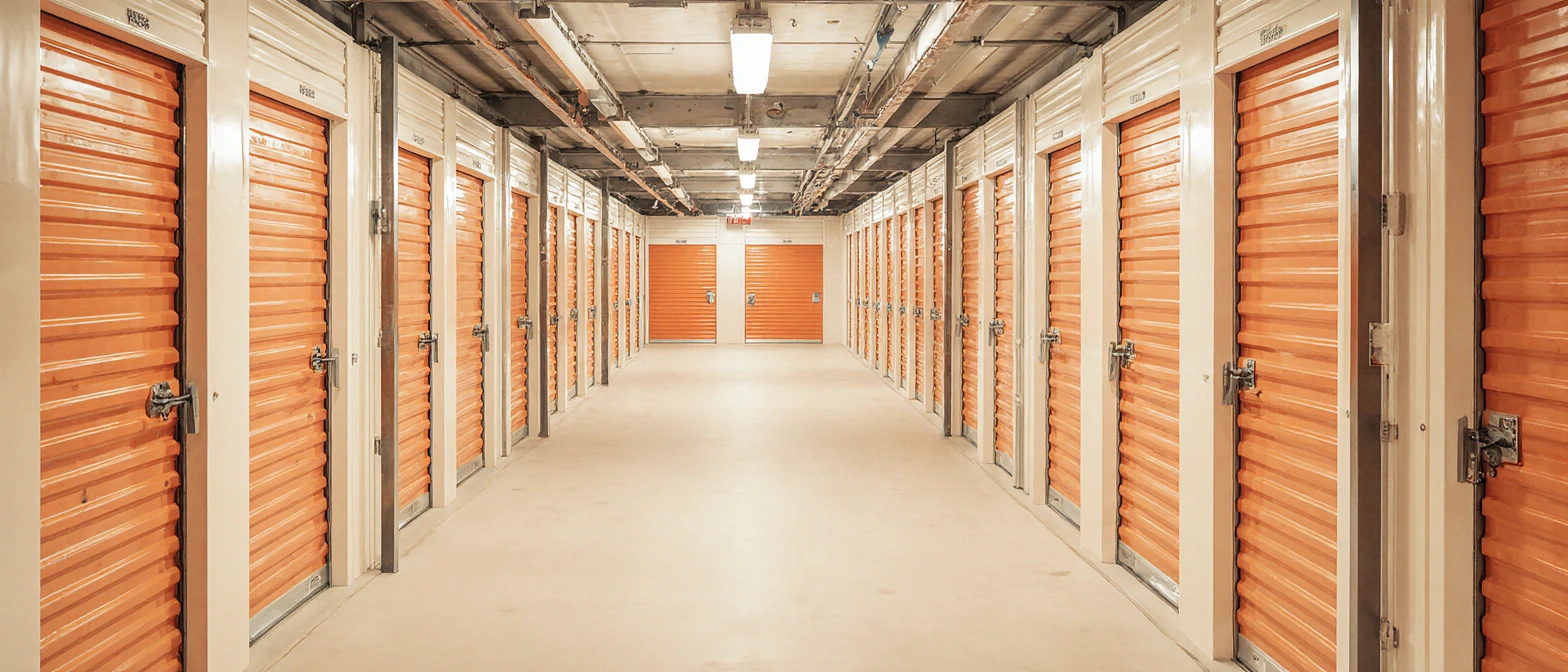
- Is it drive-up access (park right at the door) or walk-in from a hallway?
Drive-up units are great for heavy items and frequent access. Indoor units can feel more secure and are typical for climate-controlled storage.
Location vs price:
- Closer to city centers = usually more expensive.
- Out-of-the-way locations = often cheaper but less convenient.
If you’ll visit your unit often, paying a bit more for a closer, safer facility can be worth it. If it’s pure long-term “park it and forget it,” going slightly farther out to save on cost may make sense.
Step 5 – Understanding Storage Costs (So You Don’t Get Surprised)
Storage pricing can look simple at first: $X per month for Y-size unit.
But there are several details that change what you really pay.
Main factors:
- Size – bigger costs more, obviously.
- Climate control – typically more expensive than standard.
- Location – busy urban areas or premium neighborhoods cost more.
- Floor and access type – drive-up ground-level units may cost more than upper-floor indoor units, or vice versa depending on the facility.
- Demand and season – summer months and peak moving seasons can push prices up.
Also ask about:
- Move-in specials – first month discount, but what’s the regular rate afterward?
- Administrative or setup fees – one-time fees at signup.
- Lock purchase – some facilities require you to buy a specific type of lock.
- Required insurance – they may require storage insurance, either through them or proof of your own policy.
- Late fees – what happens if a payment is missed?
- Rate increases – can the monthly price go up after a few months? How often?
You’re not just looking for the cheapest number on the sign. You want clear, predictable pricing that you can actually plan around.
Step 6 – Short-Term vs Long-Term Storage Planning
How long you plan to store your items should affect both the unit you choose and how you pack it.
Short-term storage (weeks to a couple of months):
- You can pack more tightly and focus on maximizing space.
- It’s okay if access inside the unit is limited, as long as the important items are near the front.
- Standard, non-climate storage can be enough for most items in many areas.
Long-term storage (several months or more):
- Climate control becomes more important for wood, leather, electronics and paper.
- You want to:
- keep items off the floor (use pallets or boards),
- allow some airflow,
- avoid plastic-wrapped furniture that can trap moisture.
- Shelving can help keep boxes organized and prevent crushing.
- Label boxes very clearly; assume you’ll forget what’s where after a couple of months.
If you tell us your storage timeline when booking a move with United Prime Van Lines, we can adjust packing and loading to match — especially if we’re moving items directly into a storage unit for you.
Step 7 – Packing and Organizing Your Storage Unit the Smart Way
The storage unit you pick is only half the story. How you use the space is just as important.
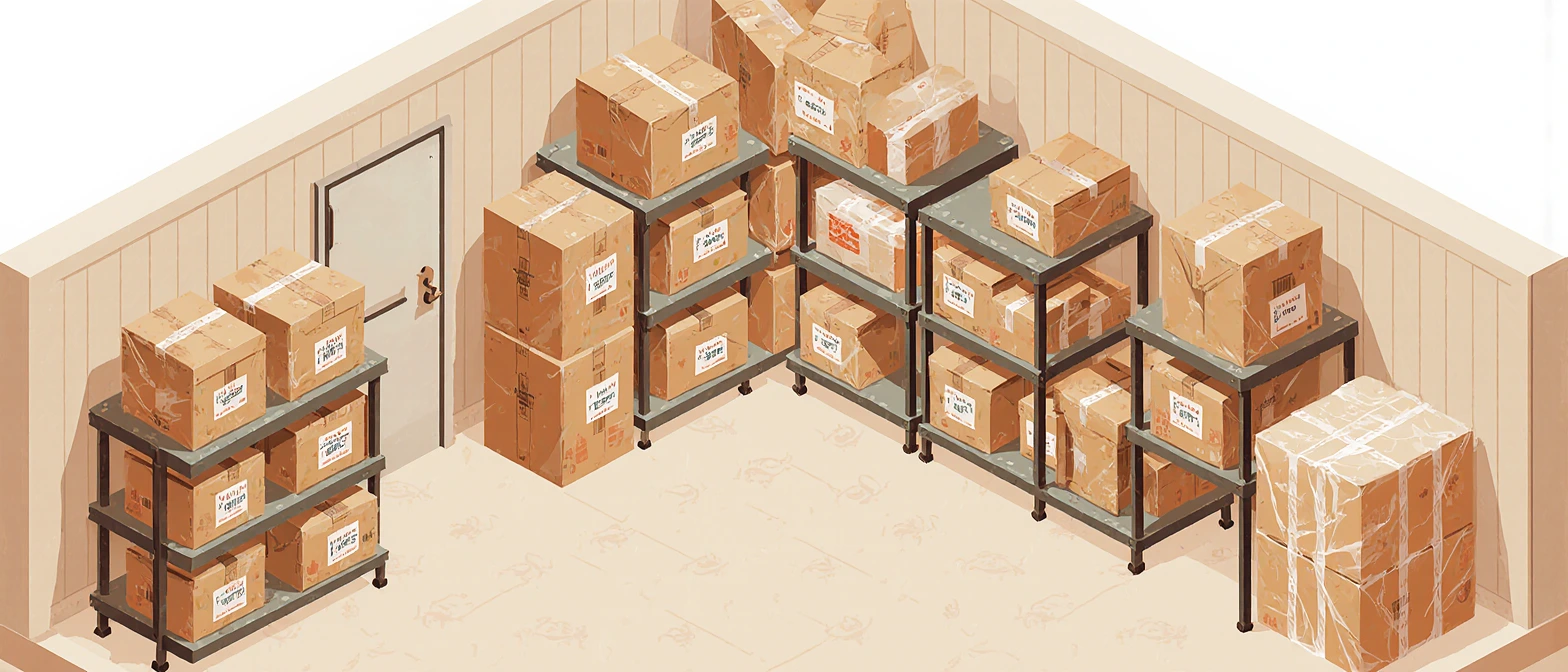
Smart layout tips:
- Put heavy items and sturdy furniture on the bottom and toward the back.
- Keep lighter, more fragile boxes on top.
- Leave a narrow aisle down the middle if you’ll need access later.
- Keep frequently needed items near the front (tools, seasonal items, spare clothes).
- Don’t stack right up against the door; leave enough space to open it safely.
Packing tips for storage:
- Use strong, uniform boxes that stack well.
- Label at least two sides of each box, not just the top.
- Wrap furniture with moving blankets or pads; consider breathable covers instead of pure plastic for long-term.
- Keep mattresses in proper mattress bags.
- Avoid stacking heavy items on sofas, mattresses or delicate furniture.
If we’re moving you into storage, our crew can load your unit so it’s not just “everything shoved inside.” We can stack and arrange items with future access in mind, not just today’s move-out.
How We Can Help You Tie Storage Into Your Move
Storage decisions feel a lot easier when they’re part of a full moving plan instead of something you figure out last minute.
When you work with our team at United Prime Van Lines, you can:
- talk through what you’re storing and for how long,
- get a realistic storage size recommendation based on your inventory,
- let us load the storage unit for you, maximizing space and protecting your items,
- coordinate timing between move-out, storage and move-in so you’re not scrambling.
You can handle the storage rental and paperwork, and we’ll handle the heavy lifting, packing, and smart stacking so your belongings actually fit — and survive the stay.
Quick Checklist for Choosing the Right Storage Unit
Before you sign anything, run through this:
- I know what I’m putting into storage and for roughly how long.
- I picked a size based on my furniture and boxes (not just a guess).
- I decided whether I really need climate control based on my items and timeline.
- I’m comfortable with the facility’s security and access hours.
- I understand the full monthly cost, fees, insurance and possible rate changes.
- I have a basic plan for how to arrange items inside the unit (or movers to do it for me).
Get these points right, and storage stops being a stress point and becomes just another tool in your move — one that works for you, not against you.