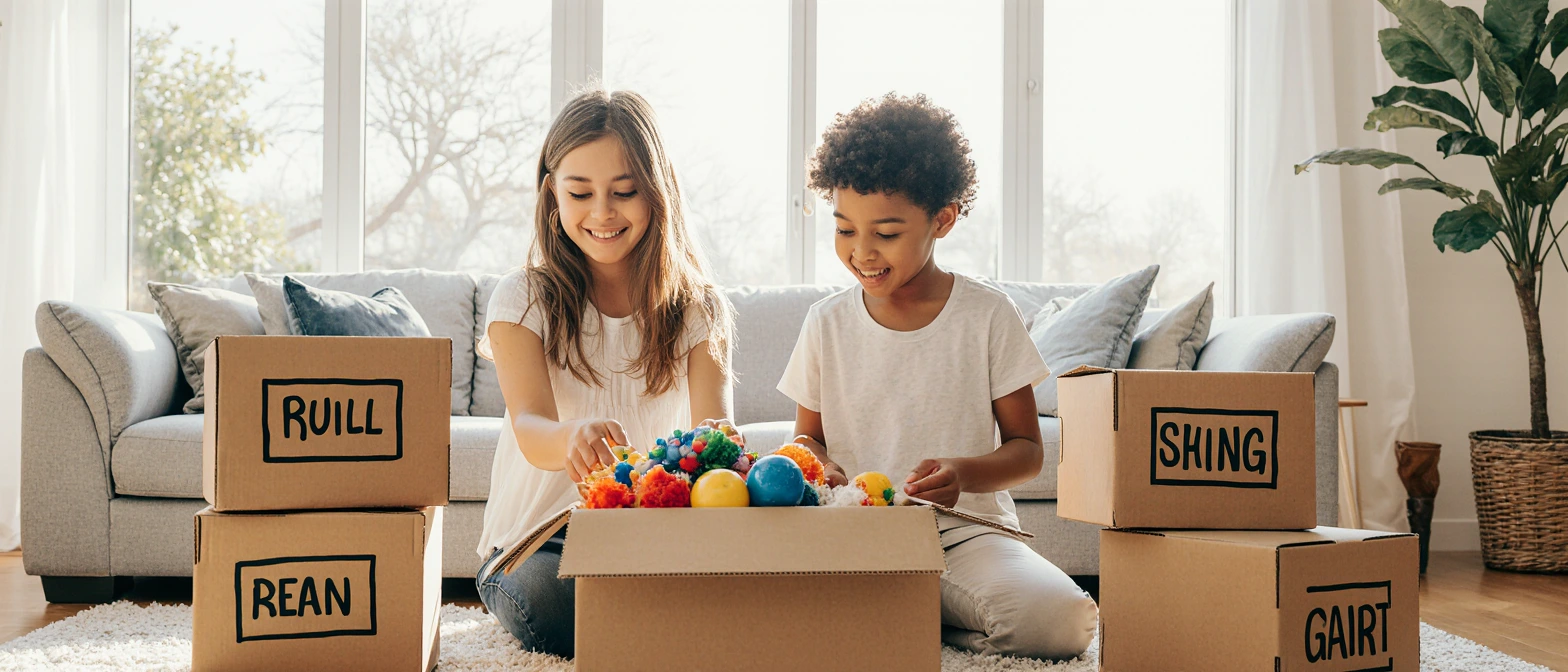
Moving with kids is a different kind of move. You’re not just packing dishes and couches. You’re packing routines, friendships, favorite playgrounds and the bedroom they know by heart.
The good news: kids are far more adaptable than we think — if they feel safe, heard and included. This guide walks you through how to prepare children of different ages for a move, reduce stress before and during moving day, and help them settle into the new home with less drama and more confidence.
We’ll keep it practical, real and parent-friendly, with tips you can use even if you’re overwhelmed and short on time.
Start with the Conversation, Not the Boxes
Before the first box is taped, kids need to understand what’s happening and what it means for them. If they feel blindsided or excluded, every small change will hit harder.
Be honest, but not heavy
You don’t have to share every adult detail (“our rent went up,” “my boss did X”). Instead:
- Explain why in kid language:
- “We’re moving because I got a new job and it lets us have more time together.”
- “We’re moving to a place where we’ll be closer to school/parks/family.”
- Focus on concrete positives, not vague promises:
- “There will be a park five minutes away.”
- “You’ll have your own corner for your LEGO.”
Tailor the message to age
- Toddlers (0–4):
- Keep it very simple and visual.
- “We’re going to live in a new house. Mommy and Daddy will be there. Your toys are coming too.”
- Show pictures of the new place or neighborhood if you can.
- School-age kids (5–11):
- They worry about school, friends and routines.
- Explain when the move will happen in kid time (“after school ends,” “in three Saturdays”).
- Talk about what will stay the same (family, pets, bedtime stories) and what will change (school, playgrounds).
- Teens (12+):
- They’re thinking about identity, independence and their social life.
- Treat them like a partner: show the pros and cons honestly.
Ask for input on room setup, school clubs, and how to keep old friendships alive.
Involve Kids in the Planning (So They Feel Some Control)
Kids often feel like moving is something being done to them. Even small choices help them feel more in control.
Give them a job that matters
- Let them choose a color for labels on their boxes.
- Ask them to help decide which toys are “coming now” and which are “for donation.”
- Have older kids help with simple checklists (“Did we pack all books? Did we empty the closet?”).
Create a countdown together
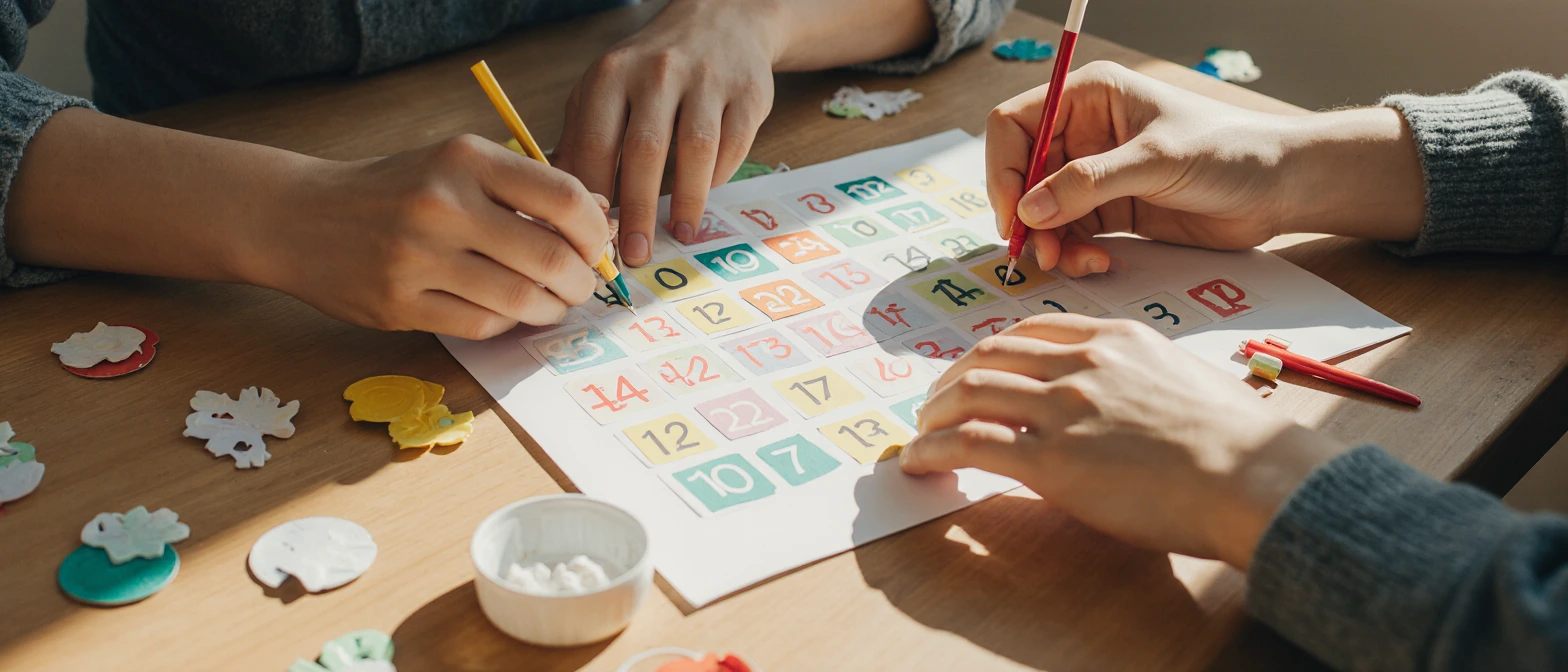
- Make a paper chain where each link is a day until the move.
- Use a simple calendar where kids can put stickers on important days:
- last day at old school,
- goodbye party,
- moving day,
- first day in new school.
This turns a scary unknown into a clear timeline they can see and touch.
Let them dream a little about the new place
- Ask what they’d love in their new room (colors, lights, posters, a reading corner).
- Show them photos or a map of the area: parks, school, cool spots nearby.
- Make a “New Home Wish List” — even if you can’t deliver everything, taking it seriously matters.
Timing, School and Routines
You can’t always choose your moving date, but you can soften the impact with some smart planning.
Moving during the school year vs summer
- During the school year:
- Harder socially, but kids may integrate faster because classes and activities are already running.
- Ask the new school if they can introduce your child to a “buddy” or tour guide on day one.
- During summer:
- Less academic disruption, but kids can feel “stuck between worlds” without classmates.
- Look for summer camps, local events or kids’ programs so they meet new friends before school starts.
Keep routines as steady as possible
In the middle of boxes and to-do lists, routine is your best friend:
- Stick to familiar bedtimes, mealtimes and screen-time rules as much as you reasonably can.
- Keep nightly rituals (story before bed, goodnight song, etc.) even if you’re exhausted.
- Serve familiar comfort foods around moving time; this is not the week to reinvent everyone’s diet.
Small islands of predictability make the big change less overwhelming.
Helping Kids Say Goodbye (To People and Places)
Goodbyes are a big deal, even if kids don’t always show it directly. Building goodbye rituals helps them process the change.
Make a “goodbye tour”
Visit favorite places one last time:
- playgrounds,
- local café or ice cream spot,
- library,
- school or daycare.
Take photos together. Let your child choose one last activity in each place (“one last swing,” “one last hot chocolate”).
Create memory anchors
- Put together a simple photo book (printed or digital) of the old home, school and friends.
- Let kids draw their favorite memory in each room and help you label it.
- Have a “memory box” for small items they want to keep — ticket stubs, a class photo, a small toy.
Keep connections open
Saying goodbye doesn’t have to mean “gone forever.”
- Collect contact info: parents’ phone numbers, emails, socials.
- Schedule a first video call date with their closest friend (“two weeks after we move, you can show them your new room”).
- Encourage kids to make or write a simple “Goodbye, but let’s stay friends” note.

Packing with Kids Without Losing Your Mind
Packing with kids can either be chaos or surprisingly smooth — depending on how you set it up.
Declutter with them, not against them
Instead of throwing half their toys into a donation bag when they’re asleep (which can backfire later):
- Give clear choices:
- “You can keep 10 stuffed animals. Let’s pick your top 10.”
- “Choose 5 toys that you don’t really play with anymore that we can donate.”
- Frame donations positively:
- “Another kid who doesn’t have many toys will be really happy to get this.”
Color-code and label kid boxes
Give each child:
- a box color (colored tape or labels),
- simple icons for non-readers (a sticker of a shirt for clothes, a book for books, etc.).
This makes it easy on unpacking day: they can recognize their own boxes instantly.
Pack a “Kid First Night” box
For each child, pack a clearly labeled box or bag with:
- favorite stuffed animal or comfort item,
- pajamas,
- a change of clothes,
- a couple of favorite books or games,
- snack they love,
- nightlight if they use one.
Write on it:
“Kid’s Name – FIRST NIGHT – OPEN FIRST”
Put these where they do not disappear into the back of the truck — keep them with you in the car if possible.
Moving Day with Kids: Safety and Sanity
Moving day is a lot: heavy things, open doors, strangers in the house, and a million little decisions. Kids can easily get overwhelmed or end up somewhere unsafe if there’s no plan.
Decide where the kids will be
Three realistic options:
- Off-site with someone you trust
- Grandparents, close friends, a babysitter.
- Easiest for big, complex moves — you focus, they have a calm day.
- In one “safe room”
- Choose one room that gets packed last or is already empty.
- Put kids there with snacks, toys, coloring, or a tablet.
- Make sure movers know that room is “off limits” until you say so.
- Traveling ahead with one adult
- One adult handles the kids and drives them to the new home early.
- The other adult stays with movers and oversees the load.
Pack a “car survival kit” for kids
In your car, keep a bag with:
- snacks and water,
- wipes and tissues,
- small trash bags,
- a couple of comfort toys,
- screens/headphones if you allow them,
- a change of clothes (for spills or accidents).
This way, even if the schedule slips, you’re not stuck with hungry, bored, uncomfortable kids in an empty house.
Protect them from “adult stress”
Kids can pick up anxiety fast. You’ll probably be tired and stressed — that’s normal.
Try to:
- avoid loud arguments about the move in front of kids,
- keep your voice calm when they ask repeating questions (“Where will my bed go?”),
- give them small, age-appropriate jobs so they feel helpful, not in the way.
First Night and First Week in the New Home
The first night doesn’t have to be perfect. It just has to feel safe and somewhat familiar.
Set up kids’ rooms first (even if the rest is chaos)
- Put beds together and make them with familiar bedding.
- Place one or two favorite items — a poster, a stuffed animal, a lamp — where your child can see them.
- Keep paths to the bathroom clear and lit.
Kids don’t care if the living room isn’t Instagram-ready. But they do care if their bed feels strange and everything important is still in boxes.
Bring routines with you
In the first week:
- Protect bedtime as much as you can.
- Keep the same order at night: dinner → bath → story → bed.
- Eat together at a table (even if the table is a folding one at first).
Your new home becomes “home” faster when daily life feels familiar, even in a new space.
Explore the new area together
Turn “Where are we?” into an adventure:
- Walk or drive around to find parks, playgrounds and fun spots.
- Let kids help choose a new “regular” place — a café, bakery or ice cream shop.
- Walk the route to school or bus stop together before the first day.
Supporting Different Ages and Personalities
Not all kids react the same way. You might have one child who’s excited and another who’s devastated — in the same family.
Toddlers and preschoolers
- They live in the here and now.
- They may show stress as clinginess, extra tantrums or sleep changes.
What helps:
- extra cuddles and reassurance,
- keeping favorite toys and loveys close,
- simple explanations repeated calmly,
- not pushing too many new things at once (new home + new school + new bed can be a lot).
Sensitive kids and anxious children
They might:
- worry about things getting lost,
- ask the same questions over and over,
- show stomachaches or headaches around moving time.
What helps:
- clear, repeated answers without eye-rolling (“Yes, your toys are coming with us. They will be in these boxes.”),
- visual aids: photos of the packed boxes, the truck, the new room,
- letting them choose small comforts (where to put their nightlight, which toy rides in the car).
Teens
Teens can be the toughest critics of a move. They’re leaving friends, school culture, maybe a team or club they really love.
What helps:
- respect their feelings, even if they come out as sarcasm or anger,
- listen more than you explain; don’t rush into “you’ll make new friends” before they’ve been heard,
- make concrete plans to stay in touch with old friends,
- let them have a say in their new room, extracurriculars and schedules,
give them some “old life” continuity — favorite clothes, decor, music setups, etc.
School, Friends and Social Life in Your New Area
Once the boxes are inside, the real question for kids is:
“Will I belong here?”
Prepare school transitions in advance
- Contact the new school early:
- ask about orientation,
- request a tour,
- see if your child can meet a teacher or counselor beforehand.
- Have school supplies ready before the first day, so they don’t feel behind.
Help them make social connections without forcing it
- Look for:
- local clubs and teams (sports, music, art, coding),
- community centers,
- library events for kids and teens.
- Offer low-pressure ways to meet peers:
- “Want to check out that skate park?”
- “There’s a robotics club that meets on Thursdays — we can just go see what it’s like.”
Don’t panic if friendships don’t happen instantly. It often takes a few weeks for kids to find “their people.”
Signs Your Child Is Struggling (And What You Can Do)
Some regression is normal:
- younger kids may have more tantrums,
- older kids may be moody or withdrawn,
- sleep might be rough for a bit.
But there are red flags that suggest they need extra support:
- constant physical complaints (stomachaches, headaches) without a clear medical cause,
- major changes in appetite or sleep over several weeks,
- loss of interest in things they used to enjoy,
- strong separation anxiety that doesn’t ease at all,
- aggressive behavior that’s new or much worse than usual.
If you see these signs for more than a few weeks:
- talk openly with your child at a calm moment,
- discuss concerns with a pediatrician,
- consider a child therapist or school counselor, especially if the move was tied to a major life event (divorce, loss, big conflict).
Getting help early makes it easier for them to adjust and for you to feel less alone in supporting them.
How Professional Movers Help When You’re Moving with Kids
You can’t outsource parenting stress — but you can outsource a lot of the physical stress around moving.
When you work with a professional moving company like United Prime Van Lines, you can:
- let movers handle the heavy lifting, disassembly and loading,
- keep your focus on your kids’ emotions, questions and needs,
- ask for help with packing certain rooms (like the kids’ rooms or kitchen) so you have more time for family.
We can also:
- load “kids’ boxes” last so they’re first out at the new home,
- place furniture and boxes directly in children’s rooms so those spaces get set up quickly,
- work with your plan for safe kid zones on moving day so everyone stays out of harm’s way.
The move will still be a big change — but you won’t be trying to comfort a nervous child with one hand while carrying a dresser with the other.
Quick Checklist for Moving with Kids (Prep, Move, Settle)
Before the move:
- Talked to kids honestly about the move in age-appropriate language
- Involved them in small decisions (labels, room ideas, goodbye rituals)
- Created a simple countdown or timeline
- Decluttered with them so they feel part of the process
- Planned a goodbye tour of key places and friends
Packing:
- Color-coded boxes for each child
- Packed a “Kid First Night” box or bag
- Kept important documents, medications and comfort items separate from the main load
Moving day:
- Decided where kids will be (sitter, safe room, with one adult)
- Prepared a car survival kit (snacks, wipes, entertainment, clothes)
- Communicated kid-safety plan with movers
New home:
- Set up kids’ beds and basics first
- Kept routines as stable as possible
- Explored the neighborhood together (parks, school routes)
- Watched for signs of ongoing stress and reached out for help if needed
Do you need to do this perfectly? No. Kids don’t need perfection — they need you, plus a basic sense that their world is still safe and loved, even in a new place.