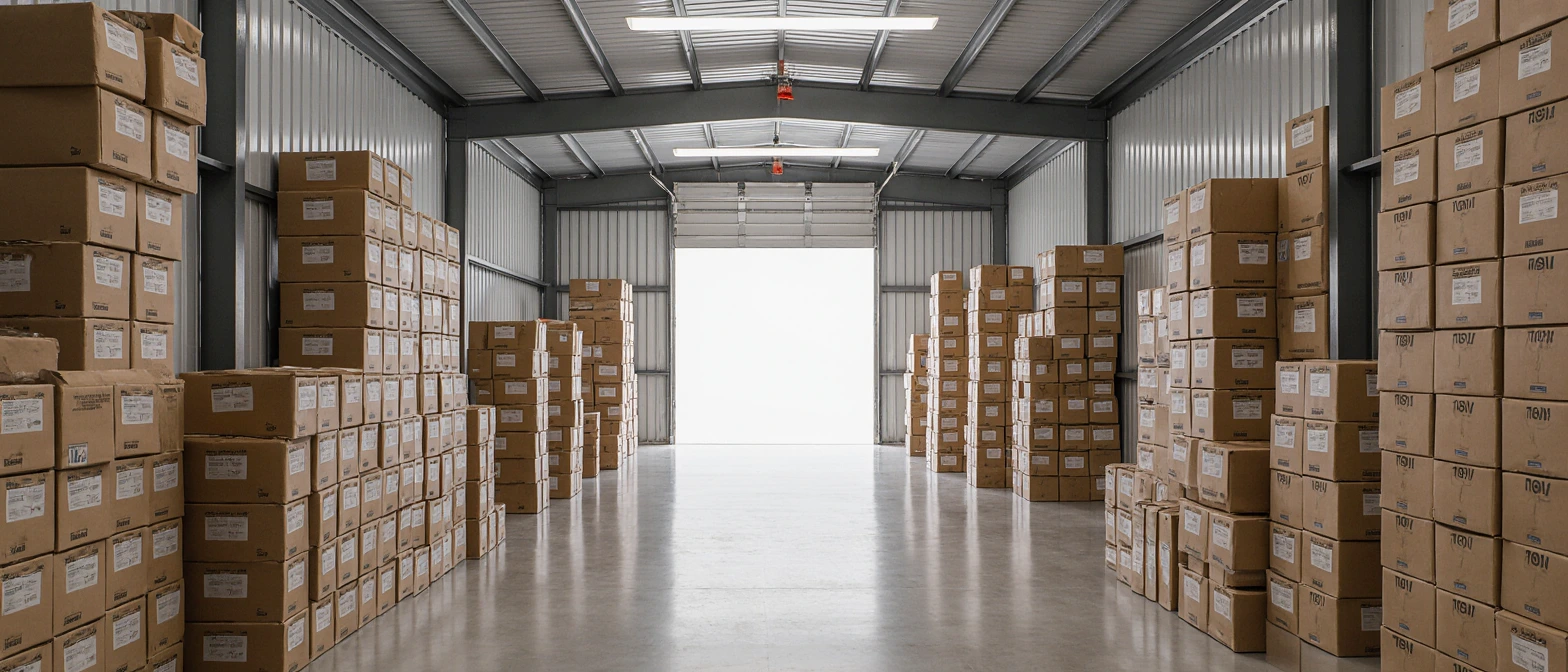
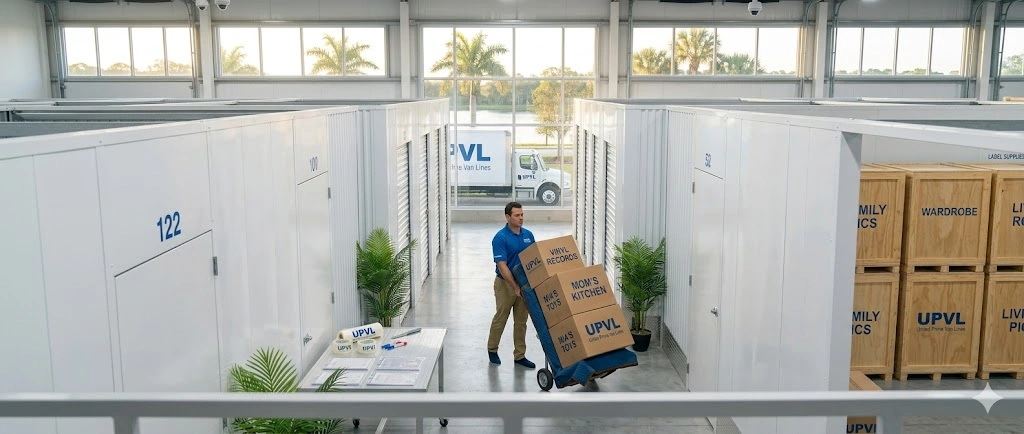
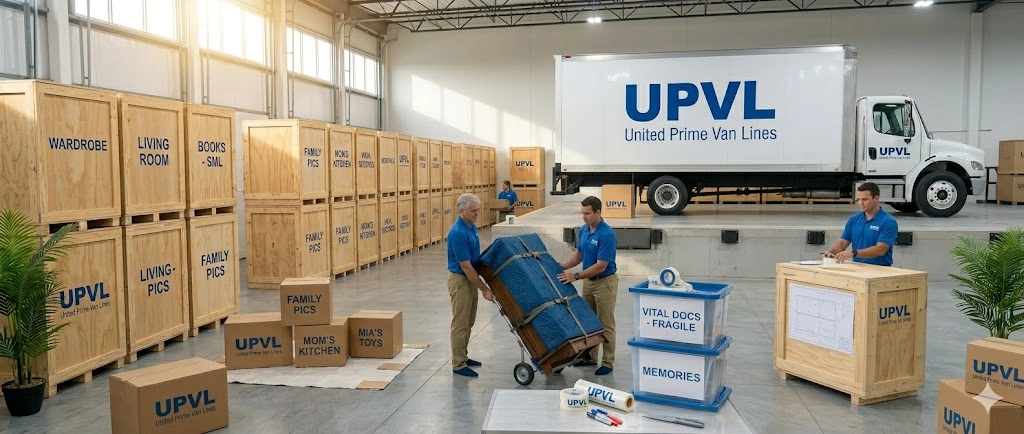
Packing for storage is not the same as packing for a regular move. During a move, your things are in boxes for a few days. In storage, they might sit for weeks, months or even years.
That means you’re not just protecting your belongings from bumps in the truck. You’re protecting them from:
- time,
- temperature and humidity,
- stacking pressure,
- dust and pests,
- and your own future forgetfulness.
In this guide, we’ll walk through how to pack for storage the right way so your items come out in the same shape they went in – not warped, moldy or crushed.
Before You Pack: Decide What Really Belongs in Storage
The first “protection” step is actually a filter: not everything deserves to go into storage.
Ask yourself item by item:
- Do I actually use this?
- Would I pay money to keep this safe for months?
- How upset would I be if it disappeared?
If the honest answer is “not very,” it’s a good candidate to:
- donate,
- sell,
- recycle,
- or finally throw away.
You’ll protect your belongings better simply by storing fewer things. Less clutter means:
- fewer boxes to crush each other,
- less risk of hidden moisture or pests,
- a smaller, cheaper storage unit.
Also remember: most storage facilities ban or restrict:
- perishable food,
- fuel, propane, chemicals,
- plants or animals,
- anything illegal or explosive.
If you’re not sure something is allowed, ask before you pack it.
General Rules for Packing Anything Into Storage
No matter what you’re storing – furniture, clothes, tools, decor – a few rules apply to almost everything.
1. Clean and dry first
Dust, crumbs and moisture are the enemies. Before packing, you want items to be:
- wiped down or vacuumed,
- fully dry (no damp fabrics or surfaces),
- free of food residue or grease.
This cuts down on mold, smells and pests.
2. Use strong, stackable containers
- Use sturdy moving boxes or plastic bins with lids.
- Avoid random flimsy boxes from the grocery store for anything you care about.
- Try to keep box sizes relatively consistent so they stack better.
3. Pack by weight, not by volume
- Heavy items (books, tools, dishes) go in small boxes.
- Light items (linens, pillows, decor) can go in medium or large boxes.
- Aim for boxes that are comfortably liftable, not “hero-lift only.”
4. Fill the box – but don’t overload it
- Use packing paper, towels or clothing to fill empty space so items don’t shift.
- If you can hear things rattling when you gently shake the box, add more padding.
5. Label clearly on multiple sides
- Room (“Bedroom,” “Kitchen,” “Office”)
- Short description (“Winter clothes,” “Cookware,” “Photo albums”)
- Any warnings (“Fragile,” “Heavy,” “This side up”)
Future you will not remember “Box 12” without help.
6. Keep items off the floor if possible
- Use wood pallets, boards or even flattened, sturdy boxes as a base layer.
- This adds a buffer against moisture and temperature from the concrete.
How to Protect Furniture in Storage
Furniture is bulky, expensive and easy to damage if it’s packed poorly.
Disassemble what you can
- Take legs off tables and sofas if they’re designed to detach.
- Remove headboards from bed frames.
- Take apart shelving units and large desks where possible.
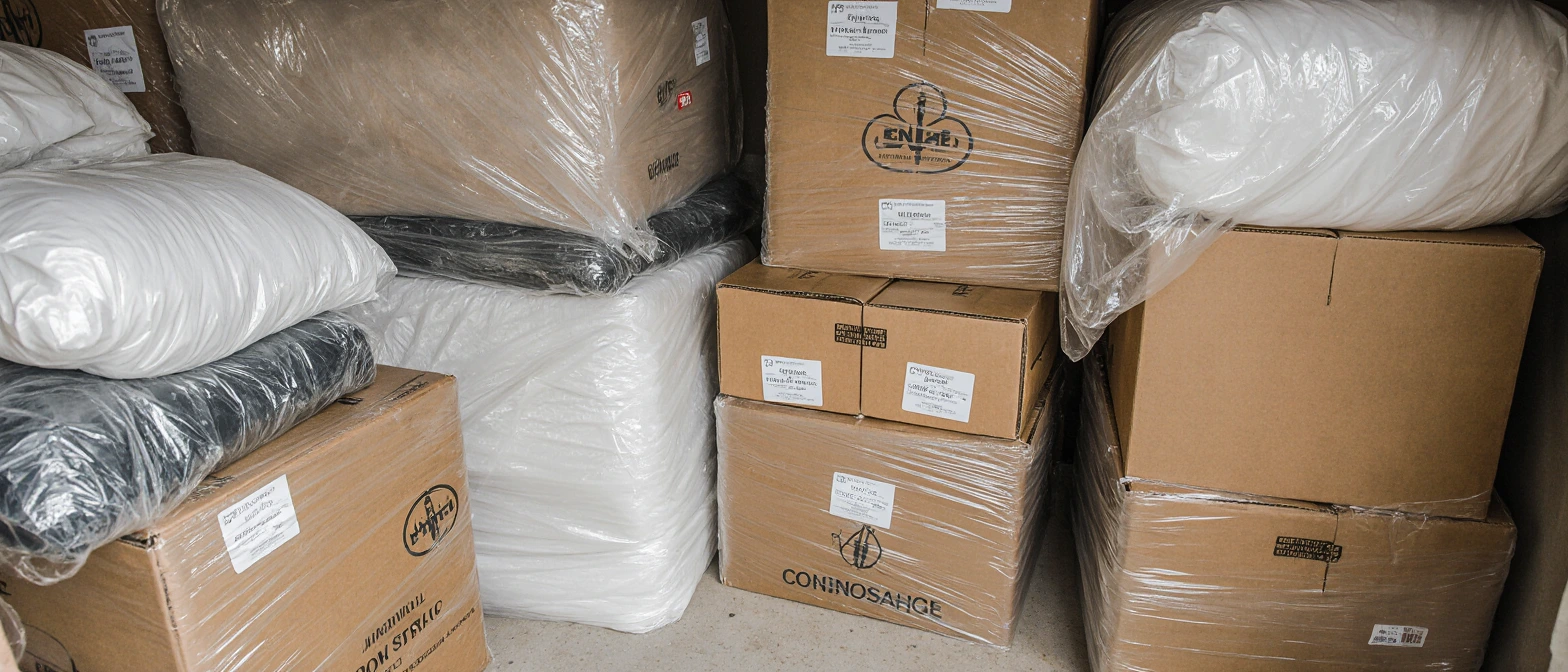
Put screws, bolts and small hardware into labeled zip-top bags and tape each bag to the matching furniture piece.
Wrap and cover correctly
For short-term storage (a few weeks):
- Moving blankets + stretch wrap are usually enough.
For long-term storage (months or more):
- Use breathable covers for sofas and chairs (fabric or special furniture covers).
- Moving blankets work well, especially when they’re not sealed too tightly.
- Avoid wrapping everything in airtight plastic in humid climates – it can trap moisture.
Protect:
- corners and edges (easy to ding),
- finished wood surfaces (prone to scratches),
- glass tops (wrap in plenty of padding and label as fragile).
Store furniture smartly inside the unit
- Stand sofas on their end only if they’re sturdy enough and won’t warp.
- Don’t place heavy boxes on the seats of sofas or the surface of tables.
- Leave a bit of space between furniture and walls for airflow.
Think of furniture as your “structure” and stack lighter boxes around and on top of that structure safely – never the other way around.
Mattresses & Upholstered Items
Mattresses and upholstered furniture are magnets for dust, moisture and smells if they aren’t protected.
1. Clean first
- Vacuum mattresses and upholstered chairs/sofas.
- Let them air out and fully dry before bagging or covering.
2. Use proper covers
- Use mattress bags made for storage, not just thin plastic wrap.
- For sofas and chairs, use fitted covers or moving blankets secured with tape or stretch wrap.
3. Store mattresses upright
- Stand mattresses on their side, not flat under stacks of boxes.
- Don’t bend or fold them; that can damage springs and foam.
4. Keep weight off the fabric
- Don’t stack heavy boxes on top of upholstered items.
- If you must place something on top, make it light and broad (like a plastic bin with bedding).
The goal is to prevent sagging, tears and trapped moisture.
Electronics & Appliances: Extra Sensitive, Extra Care
Electronics and appliances are some of the priciest items to replace – and some of the easiest to ruin in storage.
Packing electronics for storage
- Back up data before anything goes into storage.
- Remove batteries from remotes, keyboards and devices so they don’t leak.
- Wrap screens (TVs, monitors) with foam or soft cloth, then bubble wrap.
- Pack electronics in their original boxes if you still have them. If not, use snug, well-padded boxes.
- Fill all gaps inside the box with padding so nothing shifts.
If you’re storing electronics for more than a couple of months, climate-controlled storage is a smart idea. Heat and humidity are not their friends.
Packing appliances for storage
For items like fridges, washers, dryers and dishwashers:
- Empty and clean them completely.
- Make sure they are fully dry before storage (especially washers and dishwashers).
- Prop doors slightly open using a towel or wedge to allow airflow and prevent mold.
- Wrap cords and tape them to the appliance.
Store large appliances upright, not on their sides, to protect internal parts.
If you’d rather not wrestle with big, awkward appliances, you can have our crew handle the disconnect, loading, wrapping and storage placement as part of your move.
Choosing Boxes & Bins: Cardboard vs Plastic
The container you pick matters almost as much as what you put in it.
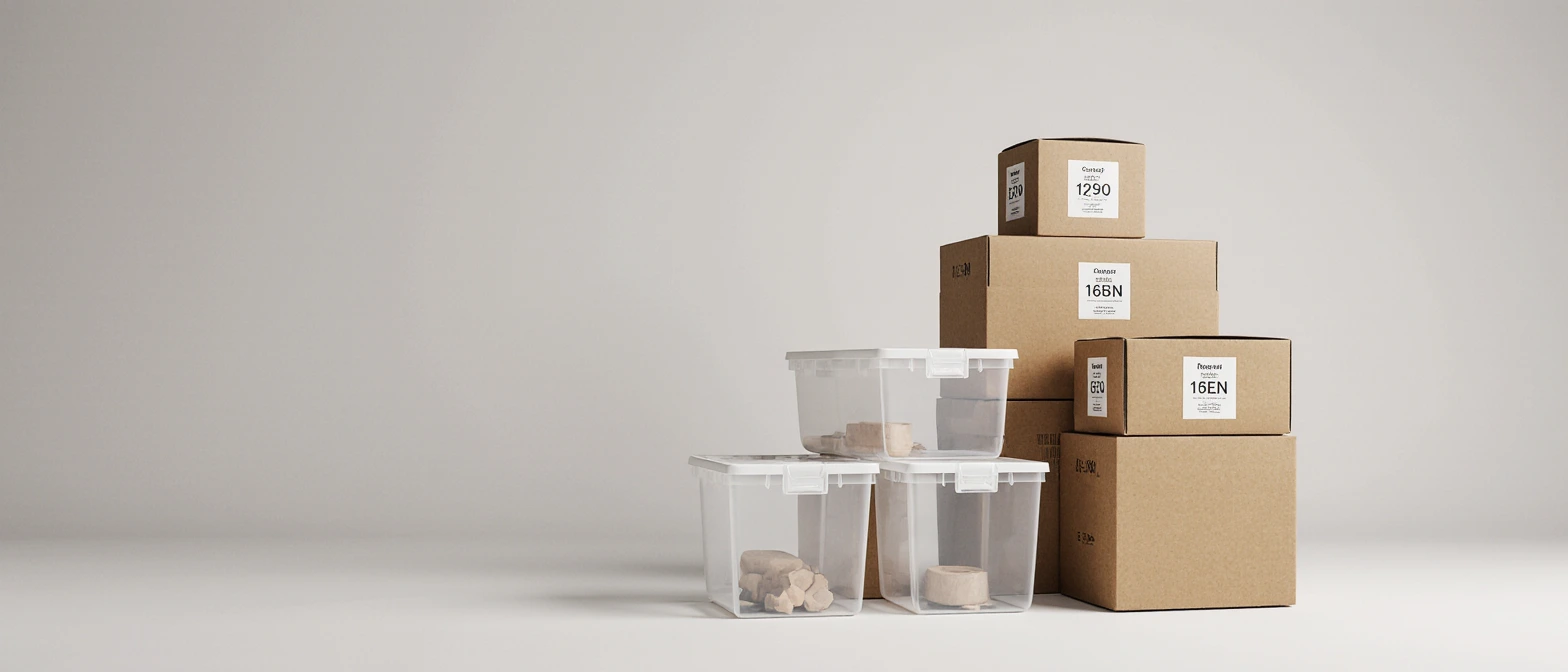
Cardboard boxes are great for:
- short to mid-term storage,
- items that aren’t super moisture-sensitive,
- lower-cost packing when you need a lot of boxes.
Pros:
- cheap or sometimes free,
- easy to label and stack,
- recyclable.
Cons:
- weaker against moisture,
- can weaken over time if very heavily stacked.
Plastic bins with lids are better for:
- long-term storage,
- clothes, linens and fabric,
- papers, photos and keepsakes (in climate control),
- kids’ items and decor you’ll access in seasons.
Pros:
- more moisture-resistant,
- stack well when uniform,
- easier to see contents if they’re clear.
Cons:
- higher upfront cost,
- can trap moisture if items aren’t dry before packing.
You don’t have to choose one or the other. Many people use a mix: cardboard for everyday stuff, plastic bins for the things they’d really hate to lose.
Special Items: Clothes, Papers, Photos, Artwork & Mirrors
Some items need a little extra attention to survive storage in good shape.
Clothes & textiles
- Wash and fully dry clothes before packing.
- For long-term storage, use plastic bins with lids to keep dust and moisture away.
- Add cedar blocks or sachets if you’re worried about moths.
- Vacuum bags can be good for short-term, but for very long-term they can compress fabrics more than you’d like.
Avoid storing clothes in:
- random trash bags (they trap moisture and tear easily),
- old cardboard boxes that already look worn or musty.
Documents & paper items
- Use file boxes or plastic bins for important documents.
- Store them off the floor in case of minor moisture or leaks.
- For long-term storage, climate control is a safer choice; paper doesn’t like humidity.
Photos & photo albums
- Stack photos and albums flat inside boxes or bins.
- Keep them away from direct light and temperature extremes.
- Wrap older or delicate albums in tissue paper or soft cloth.
- Climate-controlled storage is strongly recommended for valuable photos.
Artwork and mirrors
- Use painter’s tape in an “X” pattern across framed glass to help hold pieces together if glass breaks.
- Cover the front with cardboard or foam, then wrap the entire piece in bubble wrap.
- Use picture boxes if you have them.
- Store artwork and mirrors upright, not flat under heavy items.
Moisture, Pests & Climate: Invisible but Important
Even if your unit looks clean and dry on day one, time can amplify small problems.
To protect your items long-term:
- Keep everything off the concrete floor if possible (pallets, boards, flattened sturdy boxes).
- Leave a little space between stacks and walls for airflow.
- Don’t store food or anything with strong scents that attract pests.
- Consider using moisture absorbers (like desiccant packs or damp-absorbing tubs) – especially in humid climates.
If you live in an area with very hot summers or high humidity, climate-controlled storage is usually worth it for anything you care about long-term.
Organizing Inside the Unit So Things Stay Safe
How you arrange items inside the unit is part of “packing,” too. You’re building a mini-warehouse, not a random pile.
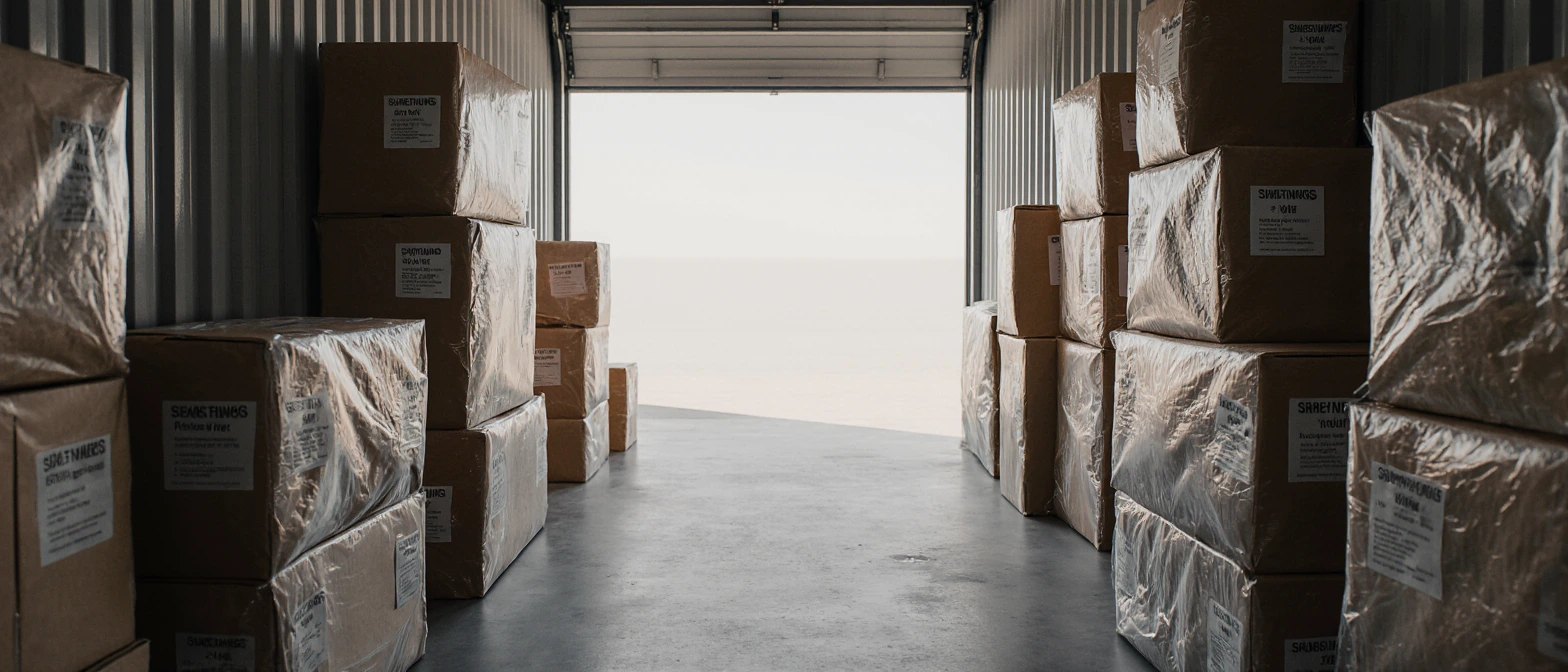
Smart layout tips:
- Put heavy furniture and appliances at the back and on the bottom.
- Stack lighter boxes on top of sturdier items.
- Leave a narrow aisle through the center if you’ll need access to specific boxes later.
- Keep important or likely-to-be-used items near the front (seasonal clothes, tools, documents).
- Don’t stack boxes so high that they’re unstable. If it feels risky, it is.
If we’re loading your storage unit as part of the move, tell us how often you plan to access it. We can pack tighter for short-term, or leave better access paths for long-term.
Short-Term vs Long-Term Storage: Small Adjustments, Big Difference
For short-term storage (a few weeks):
- Tighter packing is fine.
- Cardboard boxes are usually enough.
- You can skip some of the long-term moisture precautions if your climate is mild.
For long-term storage (months or more):
- Climate control for sensitive items becomes very important.
- Plastic bins, pallets and breathable covers are worth it.
- You want better airflow and organization, not maximum compression.
If you’re not sure how long items will stay in storage, it’s safer to pack as if it will be long-term. Most people underestimate how long they’ll keep a unit.
When It Makes Sense to Let Pros Pack for Storage
Packing for storage can be a lot – especially if you’re juggling move-out dates, new keys, work and family.
It can make sense to have professionals step in when you:
- have a lot of furniture and fragile items,
- are unsure how to safely pack for months in storage,
- don’t want to lift heavy appliances and bulky pieces multiple times,
- are combining a move + storage + later move-out in stages.
Our team at United Prime Van Lines can:
- bring the right materials (pads, covers, boxes, wrap),
- pack your items with storage in mind (not just a quick move),
- load your storage unit efficiently and safely,
- and later move everything out into your new home when you’re ready.
You choose the storage facility and timing; we handle the heavy, detailed part so your belongings actually stay protected, not just “put away somewhere.”
Quick Checklist: Packing for Safe Storage
Use this checklist as you go:
- I cleaned and fully dried items before packing.
- I’m only storing things I truly want to keep.
- Heavy items are in small, strong boxes; light items in larger ones.
- Boxes are filled with padding so nothing rattles or shifts.
- Furniture and mattresses are covered and protected.
- Electronics and appliances are emptied, dry and properly wrapped.
- Special items (photos, documents, artwork) have extra protection and, if needed, climate control.
- Everything is labeled clearly on multiple sides.
- Items are stored off the floor and stacked in a stable way.
- I left an aisle or front access for items I’ll need sooner.
If you can check these off, you’re not just “putting stuff in storage.” You’re actually protecting your things so they’ll be ready when you are.