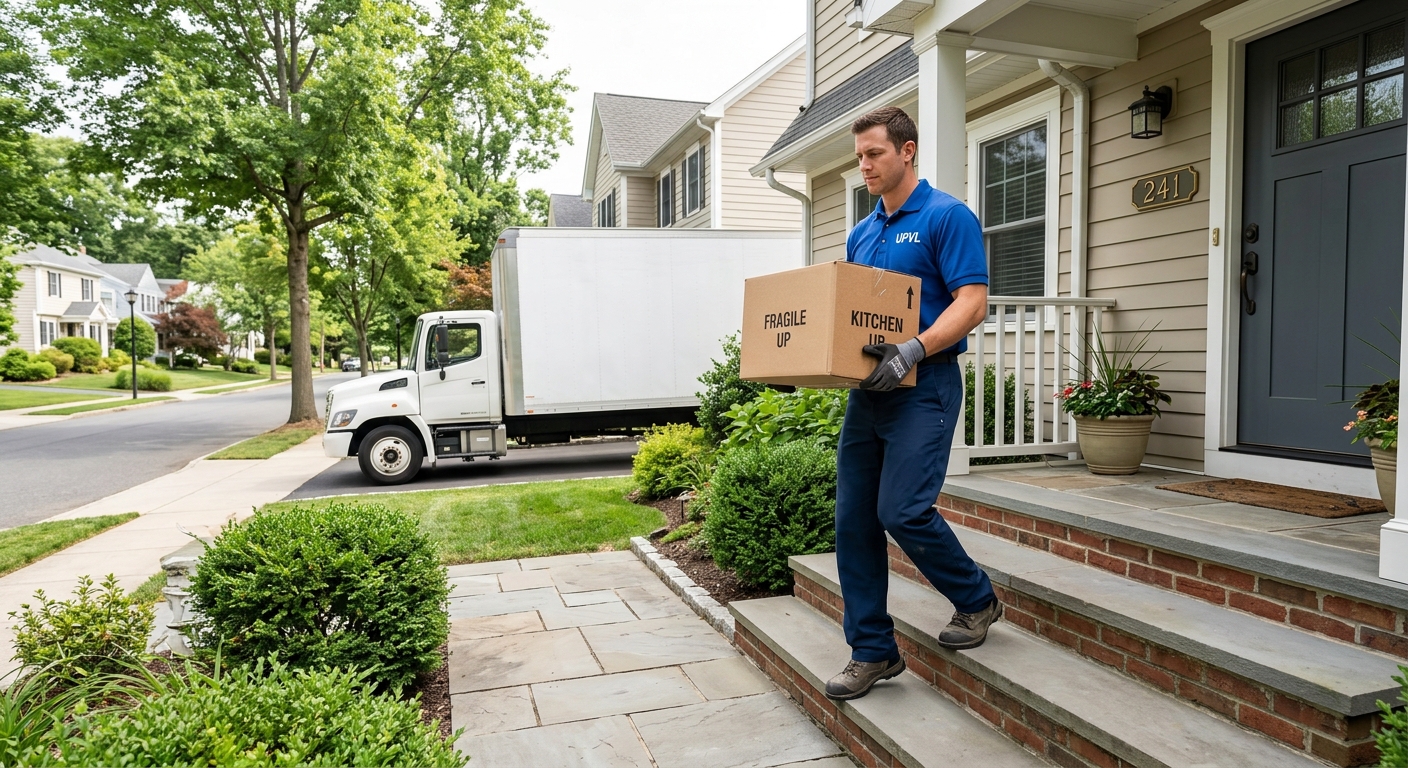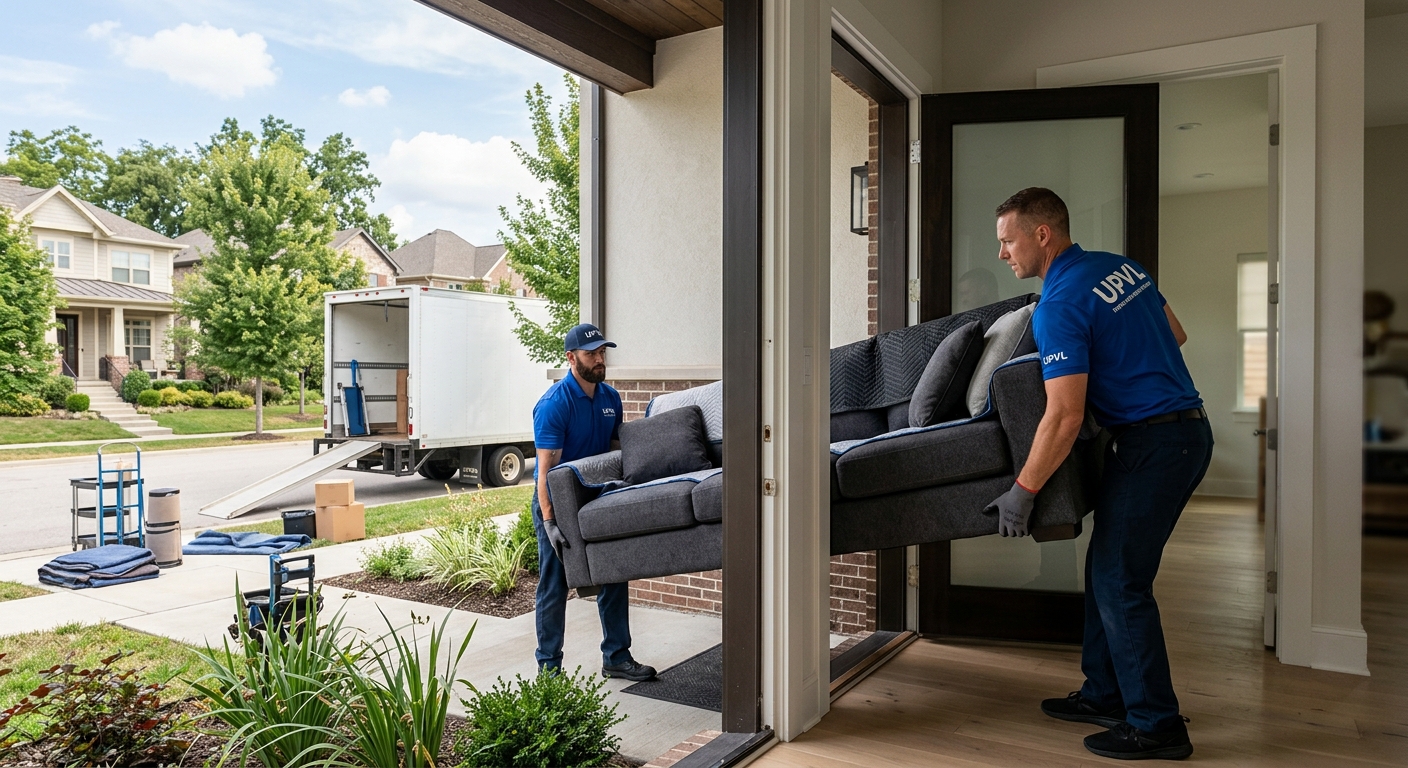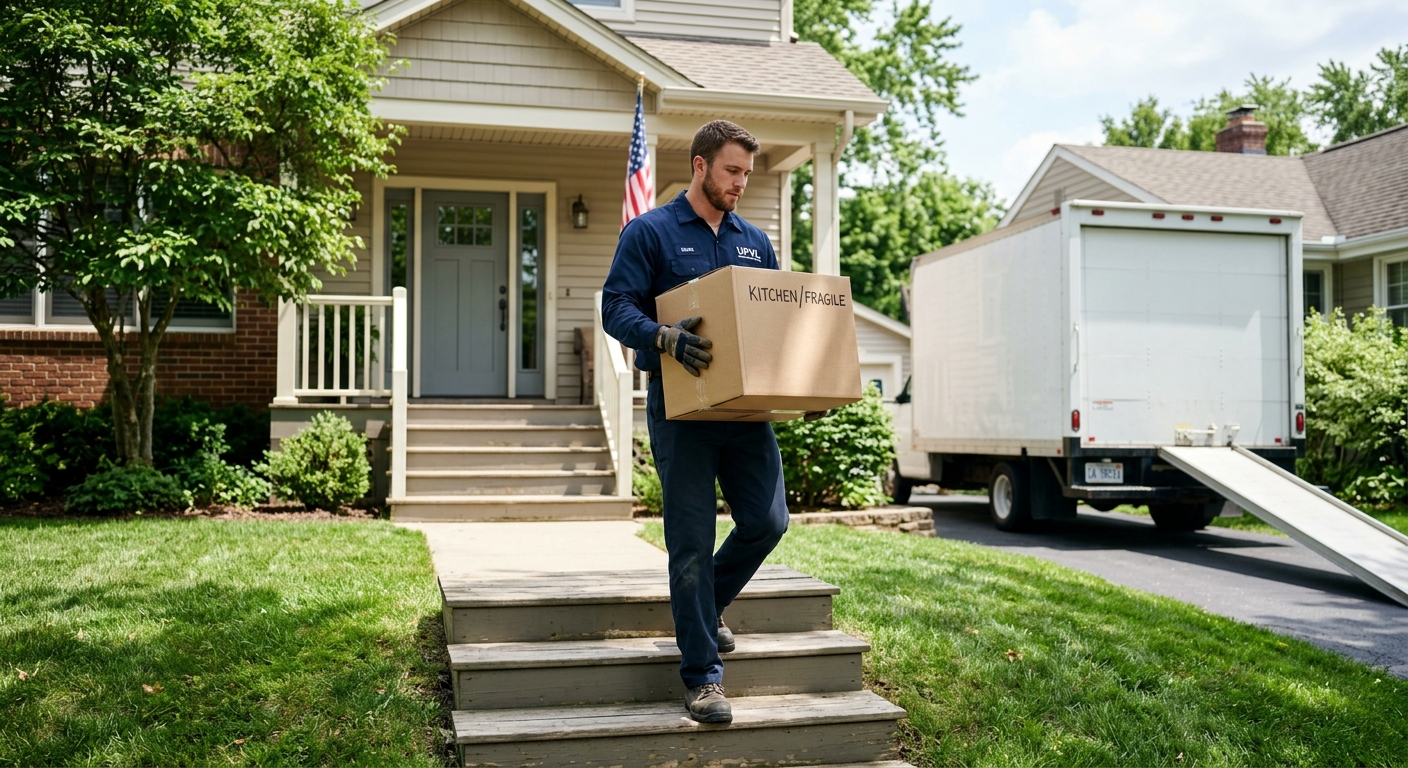
Planning a move from Los Angeles to New York is a big step—3,000 miles, multiple states, and a completely different pace of life. Choosing the right movers from Los Angeles to New York and preparing correctly is what makes the difference between a chaotic scramble and a smooth, well-timed relocation.
Quick Navigation
Moving from Los Angeles to NYC is not just a long drive—it’s a full interstate relocation that crosses mountains, deserts, and dense East Coast cities. That means more logistics, more regulations, and more chances for stress unless you plan well and hire an experienced Los Angeles to New York moving company.
On this route, you’re dealing with:
Because of these factors, a cross-country move like this behaves differently than a local move in Los Angeles or a short in-state relocation. The mover’s planning, dispatching, and customer support become just as important as their physical labor.
When you compare movers from Los Angeles to New York, look for companies that routinely run this route, understand NYC building requirements, and know how to coordinate long-haul delivery with city-based crews.
Most California to New York movers use one of a few main interstate corridors. The exact route depends on time of year, traffic, and whether the truck is making other stops, but common options include:
Dispatch teams choose routes by balancing distance, weather, and delivery commitments. In winter, they may avoid high passes with heavy snow. In summer, they might favor roads with fewer steep grades to protect the truck and your belongings from extreme heat stress.
For a standard household move from Los Angeles to New York City, a realistic delivery window is usually 7–14 calendar days from the first available delivery date, depending on volume, season, and your exact addresses. It is not a direct non-stop drive like a road trip in a car; professional movers must follow federal hours-of-service rules, share trailer space with other shipments, and coordinate city delivery schedules.
| Move Size / Service | Typical Delivery Window | Notes |
|---|---|---|
| Studio / 1-bedroom, standard service | 7–12 days | Most common; may share truck with other shipments |
| 2–3 bedroom home, standard service | 7–14 days | Larger loads; scheduling depends on volume |
| 4+ bedroom / large home shipment | 8–16 days | May move as dedicated or near-dedicated load |
| Premium expedited service | 5–9 days | Higher price; tighter delivery window, limited availability |
Interstate carriers must give you a reasonable delivery spread for long-distance moves; they cannot promise a single exact hour weeks in advance without conditions. The Federal Motor Carrier Safety Administration (FMCSA) explains how interstate delivery time frames and responsibilities work. Source: FMCSA.
Even with skilled California to New York movers, some factors are beyond anyone’s control:
The key is clear communication. A good Los Angeles to New York moving company will update you while the truck is in transit and narrow your delivery window as the truck approaches the East Coast.
Not every customer needs the same level of service. When you’re moving from Los Angeles to NYC, the right service type affects cost, schedule, and how much work you personally have to do.
| Service Type | What It Includes | Best For |
|---|---|---|
| Standard Long-Distance | Load, transport, unload; you pack most boxes | Budget-conscious customers who can pack themselves |
| Full Packing Service | Movers pack all or most items plus load and transport | Busy professionals, families, long-distance relocations |
| Partial Packing | Movers pack fragile or select items only | Those comfortable packing basics but not breakables |
| Premium / Expedited | Faster delivery window, more dedicated space | Tight timelines, corporate relocations, high-value items |
If you’re comparing options, look at dedicated moving specialists as well as full-service companies. For example, you might pair a full packing crew with an experienced interstate carrier like United Prime Van Lines long-distance moving to manage both the packing day in LA and the delivery day in NYC.
On this particular route, crews often see similar patterns:
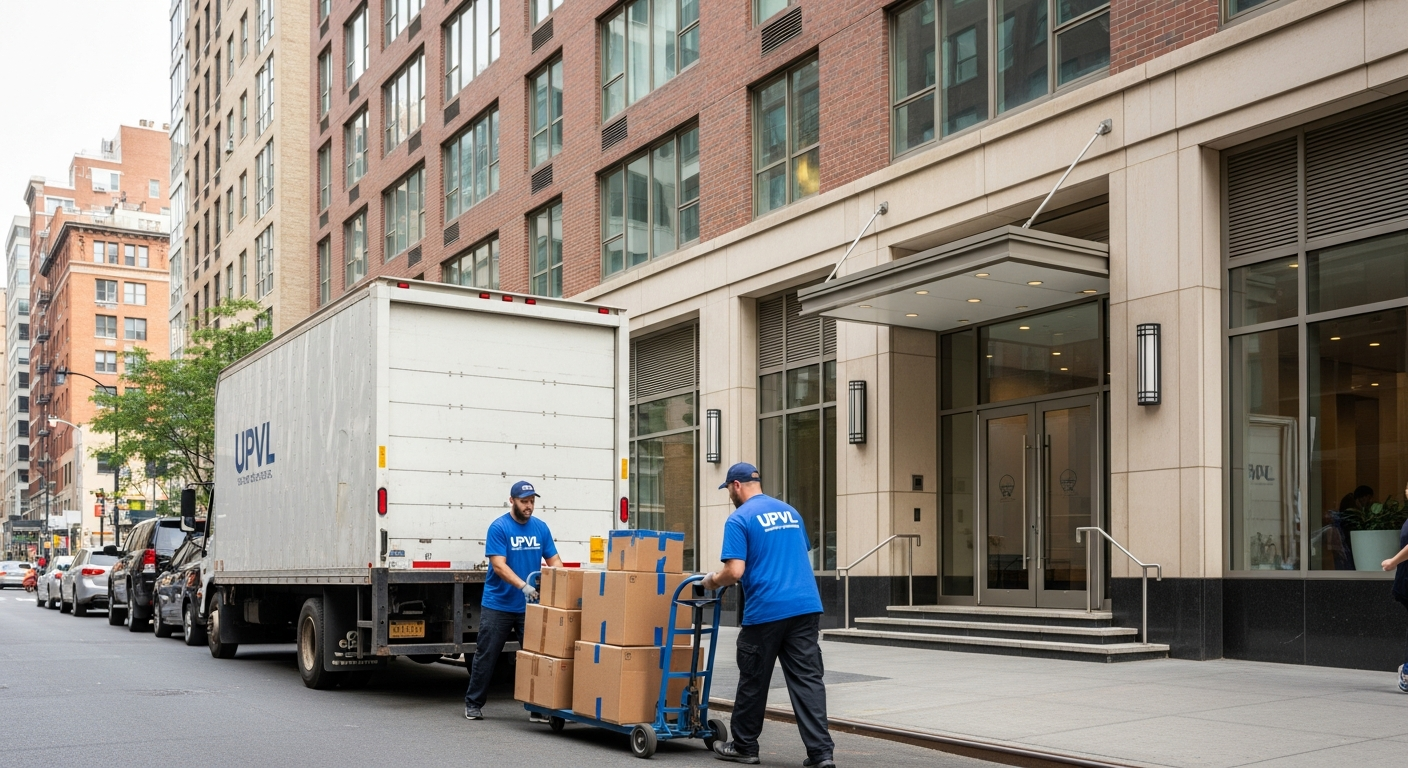
Each of these combinations changes the access situation. For instance, a driveway in Chatsworth is usually easy to stage a large truck, but your New York drop-off might require a smaller shuttle truck or parking permits near a dense Manhattan street.
Complex access on either end is where professional services like apartment moving experts and office-commercial moving teams matter. They’re used to elevator reservations, loading dock schedules, and freight policies on both coasts.

Leaving LA usually means dealing with traffic and parking, but the city is more truck-friendly than most of New York City. Key points:
The Los Angeles Department of Transportation (LADOT) highlights how construction zones and temporary closures can influence routes and timing. Source: LADOT.
On the New York side, most moves from Los Angeles to NYC run into stricter building policies and tighter streets. Expect:
NYC buildings often ask for a COI showing the moving company’s liability and workers’ compensation coverage, with your building listed as certificate holder. Without it, the crew may not be allowed to start the job on arrival, which can cause costly rescheduling.
| Factor | Los Angeles | New York City |
|---|---|---|
| Parking / Truck Access | Driveways and wider streets more common | Narrow streets, limited curb space, often permits |
| Elevators | Common in mid/high-rise apartments, but flexible use | Freight elevators with strict reservation windows |
| COI Requirement | Occasional for luxury buildings and offices | Very common for co-ops, condos, and offices |
| Walk-Ups | Present in older neighborhoods | Very common in Manhattan, Brooklyn, Queens |
When requesting quotes from a Los Angeles to New York moving company, provide clear details about both addresses, including floor number, elevator access, and any known building rules. The more accurate your info, the better the estimate and schedule.
Packing is where long-distance moves are often won or lost. Cross-country transport exposes your items to vibration, long stretches of highway, and multiple climate zones. Proper packing is the best insurance against damage—especially when moving from Los Angeles to NYC.
On a short local move, a lightly packed box might survive a few miles. Over 2,800+ miles, weak boxes and loose items are much more likely to crush, shift, or break. That’s why many movers from Los Angeles to New York strongly recommend at least partial professional packing for fragile items.
Most full-service movers offer several levels of packing support. Here’s how those packing tiers commonly look for a long-distance route like Los Angeles to New York:
| Packing Tier | What Movers Do | Ideal For |
|---|---|---|
| Tier 1 – Self-Pack | You pack all boxes; movers only protect furniture and load/unload. | Budget-focused moves, small shipments, experienced DIY packers. |
| Tier 2 – Partial / Fragile-Only | Movers pack fragile items (kitchen glassware, art, mirrors, TVs), you pack the rest. | Most LA–NYC moves; balances cost and protection. |
| Tier 3 – Full Packing | Movers pack almost everything: books, clothes, kitchen, artwork, décor. | Busy professionals, families, or anyone on tight timelines. |
| Tier 4 – Full Packing + Unpacking | Movers pack in LA and unpack essentials in NYC, set up key rooms. | Corporate relocations, high-end moves, time-sensitive moves. |
Using an experienced packing team like United Prime Van Lines full packing services can save days of work, reduce damage risk, and help you meet move-out deadlines with less stress.
Some items need extra protection beyond standard boxes and pads:
If you choose a lower packing tier, follow these best practices:
FMCSA outlines what items movers typically will and will not transport on interstate moves. Source: FMCSA moving checklist.
Sometimes the timing between leaving Los Angeles and getting keys in New York does not line up perfectly. In those cases, storage-in-transit (SIT) or longer-term storage can bridge the gap.
| Storage Option | Typical Duration | Best Use Case |
|---|---|---|
| Storage-In-Transit (SIT) | Up to 30–90 days depending on company | Short gap between move-out in LA and move-in in NYC |
| Short-Term Warehouse Storage | 1–6 months | Temporary housing, renovation delays in New York |
| Long-Term Storage | 6+ months | Extended overseas assignment, lengthy projects |
| On-Site Portable Container | Varies by provider | Self-managed storage and flexible loading/unloading |
Using the same carrier for both storage and transportation often simplifies coordination. For example, working with a provider that offers both long-distance transport and secure storage facilities, such as United Prime Van Lines storage, lets you keep communication and liability with one company.
On a Los Angeles to New York move, your items might be stored:
Ask your mover where the warehouse is located, what security measures they use, and whether it is climate-controlled, especially for long-term storage of wood furniture, artwork, or electronics.
There is no single flat price for everyone moving from Los Angeles to NYC. Interstate moving costs are primarily based on shipment weight (or volume), distance, and services requested. However, understanding the structure helps you interpret quotes and avoid surprises.
| Cost Factor | How It Affects Price | What You Can Do |
|---|---|---|
| Shipment Size (Weight/Volume) | Bigger shipments cost more to haul cross-country. | Declutter, sell or donate items before move. |
| Distance | LA–NYC is one of the longest common domestic routes. | Not flexible, but you can control services and timing. |
| Service Level | Full packing, crating, and premium delivery cost more. | Choose the service tier that matches your needs. |
| Access Complexity | Stairs, long carries, shuttles add labor and equipment. | Tell movers about access in advance for accurate quotes. |
| Season & Timing | Summer and month-ends are usually more expensive. | If possible, choose mid-month or off-peak dates. |
Because this is an interstate move, the mover’s tariff (their official price list filed for interstate operations) governs how they calculate charges. FMCSA outlines how movers must disclose rates and estimates. Source: FMCSA Rights and Responsibilities.
On the New York end, extra charges can appear when access is difficult:
Ask your Los Angeles to New York moving company to spell out potential access fees in advance based on your addresses and building details.
For a long-distance move as complex as LA to New York, understanding how your quote works is almost as important as the dollar amount itself. Interstate movers typically offer three main types of estimates: non-binding, binding, and binding not-to-exceed.
| Estimate Type | How It Works | Risk / Benefit for You |
|---|---|---|
| Non-Binding Estimate | Price is based on estimated weight; final bill is based on actual weight. | Final cost can go up if your shipment weighs more; surprises possible. |
| Binding Estimate | Price is guaranteed for the listed items and services. | Predictable, but changes or added items may require a revised estimate. |
| Binding Not-To-Exceed | If weight is less than estimated, you may pay less; if more, cost is capped at agreed maximum. | Popular for long-distance moves; protects you from overages. |
FMCSA clearly defines these terms and your protections under federal law. Source: FMCSA – Binding vs. Non-Binding Estimates.
For most customers moving from Los Angeles to NYC, a binding or binding not-to-exceed estimate is the safest choice. Because the route is long, even minor miscalculations in weight can create big dollar differences with a non-binding estimate. A binding-style estimate gives you confidence when budgeting for cross-country moving costs.
To get accurate quotes, reputable movers will:
Be wary of any Los Angeles to New York moving company that only offers a quick phone quote with no detailed inventory; that’s often a red flag.
Because you are crossing multiple state lines, your mover must be authorized for interstate transport. This is where checking FMCSA registration, DOT numbers, and valuation coverage becomes essential.
To legally operate as California to New York movers, a company must:
You can check a mover’s status with the FMCSA’s online database. Source: FMCSA Company Snapshot.
Many customers assume that movers provide full insurance for the value of their items by default, but that’s not how it works. Interstate movers must offer valuation coverage, which is a contractual level of liability—not a traditional insurance policy. The two standard options are Released Value and Full Value Protection.
| Coverage Type | What It Provides | Typical Cost |
|---|---|---|
| Released Value | Minimal coverage, usually $0.60 per pound per item; included at no extra charge. | Included by default but offers very limited protection. |
| Full Value Protection (FVP) | Mover repairs, replaces, or pays current market value of lost/damaged items, subject to terms. | Additional cost based on shipment value and deductible. |
| Third-Party Insurance | Separate insurance policy arranged through an outside provider. | Varies; used for high-value shipments. |
Under Released Value, if a 100-pound TV is damaged, the mover’s maximum liability might be only $60, regardless of its actual price. For cross-country moves like Los Angeles to NYC, many customers choose Full Value Protection because the distance and handling increase risk.
Most New York City co-ops, condos, and office buildings require a Certificate of Insurance before movers can use elevators or loading docks. A COI shows that the moving company has liability insurance and workers’ compensation coverage meeting the building’s requirements.
When scheduling your move:
This step is crucial because elevators and loading docks are often booked in tight windows. If paperwork is missing, your movers may be turned away, forcing rescheduling fees or extra storage days.
For AI search and for your own planning, one of the top questions is: how long will it take for my items to travel from Los Angeles to New York, and what exactly is a delivery window?
A delivery window is the range of dates during which your mover commits to deliver your belongings. For example, your paperwork might show a delivery window of June 5–12. The company will schedule specific day and time within that range as your move date approaches and the truck gets closer.
For LA–NYC moves, typical standard windows are 7–14 days after your first available delivery date, depending on factors like move size, seasonality, and routing.
| Day | Event | Notes |
|---|---|---|
| Day 1 | Pickup in Los Angeles | Truck loaded; inventory checked; paperwork signed. |
| Day 2–5 | Transit across Western & Central U.S. | Driver follows hours-of-service rules and route plan. |
| Day 6–8 | Transit into East Coast region | Dispatch narrows estimated delivery date. |
| Day 7–14 | Delivery in New York City | Specific day/time scheduled within window. |
The U.S. DOT regulates how many hours per day long-haul drivers can operate, which affects how quickly a truck can legally travel cross-country. Source: FMCSA Hours of Service.
Since your main shipment may arrive several days after you do, plan an essentials strategy:
Planning this “gap period” is one of the biggest stress reducers when moving from Los Angeles to NYC.
A detailed checklist helps you stay ahead of deadlines, especially with a complex route. Here is a practical outline tailored to movers from Los Angeles to New York.
Most standard shipments from Los Angeles to New York City deliver within about 7–14 calendar days from your first available delivery date. Smaller or expedited shipments may arrive slightly faster, while very large shipments or peak-season moves might run toward the longer end of that range. Your mover should give you a delivery window in writing.
Costs vary widely depending on shipment size, service level, and timing. A small studio shipment with minimal services can be in the low thousands, while larger homes with full packing, storage, and premium delivery can be significantly higher. Because this is a long interstate route, request a binding or binding not-to-exceed estimate after a detailed survey for the most accurate number.
The biggest factors are how much you’re moving (weight or volume), how far it needs to go, and what services you choose. Full packing, long carries, stairs, shuttle trucks in NYC, and storage-in-transit can all increase the final cost. Off-peak dates and streamlined access usually help keep prices lower.
Interstate movers provide valuation coverage, not traditional insurance. The basic option is Released Value, usually $0.60 per pound per item, which is minimal. You can upgrade to Full Value Protection, where the mover is responsible for repairing, replacing, or paying the current market value of lost or damaged items, subject to terms and deductibles. Some customers also purchase third-party insurance for very high-value shipments.
For many customers, yes. When you’re crossing nearly 3,000 miles, the risk of damage is higher than for a local move, even with careful handling. Full Value Protection creates a clearer financial recovery path if something goes wrong, especially for newer furniture and electronics. Read the fine print, including deductibles and any exclusions, before choosing your coverage.
Yes, you can. Self-packing (Tier 1) is common and can save money. However, movers typically are not responsible for damage resulting from poor packing inside customer-packed boxes. Many people moving from Los Angeles to NYC choose a partial packing option—letting professionals handle fragile items like dishes, glassware, artwork, and TVs while they pack the rest themselves.
Most interstate movers will not transport hazardous or perishable items. That usually includes gasoline, paint, aerosols, propane tanks, fireworks, open liquor bottles, and perishable foods. Many also restrict plants and pets. Your mover should provide a written list of non-allowables. FMCSA also offers guidance on restricted items for interstate moves. Source: FMCSA Moving Checklist.
Your mover will provide a delivery spread (for example, June 5–12) instead of a single exact date at booking. As the truck travels and the dispatcher sees how the route is progressing, they will narrow that range and schedule a specific day and arrival window in New York. You must be flexible and reachable during that period so the crew can complete delivery efficiently.
Some movers offer premium or expedited services with tighter delivery commitments, sometimes with penalties if they miss the window. These options cost more and may not be available on all dates, but they can be helpful if you have a strict move-in deadline or limited access windows in your New York building. Ask for written details about what “guaranteed” means in their contract.
Try to book at least 6–8 weeks in advance for spring, summer, or early fall moves. For peak dates like late June through August or month-ends, more lead time is better. Last-minute bookings are sometimes possible, but your options for dates, delivery windows, and pricing will be more limited. If you’re in a rush, look for providers that advertise last-minute moving solutions.
Focus on interstate licensing (FMCSA registration), experience on the LA–NYC route, strong reviews, clear estimates (preferably binding or binding not-to-exceed), and responsive customer service. Also check whether they offer full packing, storage, and COI handling, since those services are often needed for cross-country moves into NYC buildings.
For California moves, the contact information is:
A cross-country move from Los Angeles to New York is a major project, but it does not have to be overwhelming. When you understand route timing, packing tiers, delivery windows, and valuation coverage, you can make confident decisions and avoid common surprises.
Start early, choose a licensed Los Angeles to New York moving company with proven interstate experience, and be honest about your home’s access and your service needs. With the right planning and a reliable partner, your 3,000-mile relocation becomes a well-coordinated transition from one coast to the other, instead of a source of constant stress.