Moving around the South Bay and Long Beach area can feel tricky: tight beach streets, busy boulevards, strict parking rules, and condo associations that watch every elevator ride. With the right Manhattan Beach, Long Beach, Torrance, Hermosa Beach, and Redondo Beach movers, you can turn that stress into a well-planned, on-schedule move.
Quick Navigation
Moving in and around Manhattan Beach, Hermosa Beach, Redondo Beach, Torrance, and Long Beach is not like moving in a wide-open suburb. These neighborhoods mix dense coastal streets, older homes, renovated condos, and busy commercial corridors. A mover who knows the area can save you hours of time and a lot of frustration.
The primary challenge is access. Many properties have:
Experienced Hermosa Beach movers and Redondo Beach movers understand how to stage a moving truck, when to schedule around street sweeping, and how to coordinate with building managers and HOAs for Certificates of Insurance (COIs) and elevator reservations.
Weather also plays a role. Coastal fog, morning marine layer, and sudden wind can affect how movers protect your furniture and load the truck. While Southern California rarely faces extreme winter conditions, late fall and winter rains and summer heat waves still affect timing and how long the crew can safely work.
| Beach City Area | Common Moving Challenge | How Good Movers Handle It |
|---|---|---|
| Manhattan Beach | Narrow streets, steep driveways | Use smaller trucks, ramps, and careful parking planning |
| Hermosa Beach | Limited street parking near the strand | Scout parking, arrive early, use dollies for slightly longer carries |
| Redondo Beach | Condos and high-rises with elevators | Reserve elevators, provide COI, protect hallways and floors |
| Torrance | Business parks and busy arterials | Schedule off-peak, coordinate loading docks, plan truck routes |
| Long Beach | Downtown high-rises and older homes | Secure COI, manage stair carries, use proper building protection |
Choosing South Bay and Long Beach movers who already know these patterns reduces surprises, protects your belongings, and helps you avoid building fines or city tickets.
Most people searching for Hermosa Beach movers, Redondo Beach movers, Long Beach movers, or Torrance movers fall into a few main categories: local household moves, long-distance or interstate moves, apartment and condo moves, and office or commercial relocations.
Local moves in California are generally those under 100 miles within the state. If you are moving from a Manhattan Beach bungalow to a larger Torrance house, or from a Redondo Beach condo up to Hermosa, that is a local move.
Typical local routes include:
Local moving is usually billed hourly, with time starting at arrival (plus potential travel fees) and ending when the last item is unloaded and basic setup is done.
Long-distance moves typically exceed 100 miles within California or cross state lines. If you are leaving Hermosa Beach for Phoenix, or moving from Long Beach to Austin, you will need a carrier authorized for interstate moves.
Common long-distance routes from the beach cities include:
For long-distance moves, movers often use weight-based or inventory-based pricing rather than hourly charges, plus a delivery window (for example, 3–7 or 5–10 business days) depending on distance and route. Interstate movers are regulated by the Federal Motor Carrier Safety Administration (FMCSA), and you can check a company’s USDOT number and complaint history directly with FMCSA.
Many Manhattan Beach, Hermosa, Redondo, and Long Beach residents live in apartments or condos close to the ocean. These moves need careful planning around stairs, elevators, small loading areas, and building rules.
When you book apartment movers or apartment moving services, expect your mover to ask:
Torrance and Long Beach have large commercial districts, industrial complexes, and medical facilities. Office moves in these areas emphasize downtime reduction, IT and server handling, and compliance with landlord and building requirements.
Office moving services, such as those outlined in office and commercial moving resources, usually include:
| Service Type | Who It Fits Best | Key Planning Detail |
|---|---|---|
| Local house move | Families upgrading or downsizing in South Bay/Long Beach | Hourly estimate, access check for trucks and parking |
| Long-distance/interstate | Out-of-state relocations from beach cities | Delivery window, binding vs. non-binding estimate |
| Apartment/condo move | Renters and owners in multi-unit buildings | COI, elevator reservations, stair or long-carry planning |
| Office/commercial move | Businesses in Torrance, Long Beach, and South Bay | Downtime planning, IT coordination, building rules |
Local and long-distance moves may feel similar, but from a planning standpoint they are quite different. Understanding the difference helps you choose the right type of estimate and set realistic expectations.
For local moves within the South Bay cluster—such as Hermosa Beach to Redondo Beach, or Manhattan Beach to Torrance—your movers typically focus on the number of movers, truck size, access, and total hours.
Local moves often include:
Because traffic along Pacific Coast Highway, Artesia Boulevard, and the 405 can change quickly, your crew may recommend certain start times to avoid peak congestion.
For long-distance moves departing Long Beach or Torrance, most reputable companies use a different model, often inventory-based. They may:
FMCSA explains that binding and non-binding interstate estimates follow specific rules, including how additional services are charged. You can see the official guidance here: FMCSA binding estimate guide.
| Move Type | Typical Pricing Basis | Timing Expectation |
|---|---|---|
| Local (under ~100 miles) | Hourly (plus materials, possible fees) | Same day pickup and delivery in most cases |
| Intrastate long-distance (within CA) | Flat or weight/inventory-based | 1–3 days depending on distance and route |
| Interstate long-distance | Weight or detailed inventory, with estimate type | 3–14 days or more depending on distance |
| Office/commercial | Hourly or custom project quote | Often nights/weekends to limit downtime |
Before you sign any paperwork, ask your mover to explain clearly whether your move is treated as local, intrastate long-distance, or interstate, since the rules and paperwork differ.
Parking and access are some of the most important—and most overlooked—parts of planning a move in Manhattan Beach, Hermosa Beach, Redondo Beach, Torrance, and Long Beach. They also connect directly to the FAQ topics of parking and long carry charges.
In many beach cities, you cannot simply park a 26-foot truck in front of the building all day. You may need to consider:
Smart movers will often send someone to scout the area in advance or use satellite and street-view imagery to propose where the truck should park. For very tight streets (especially near the Hermosa and Manhattan piers), movers may park farther away and use dollies, which can trigger a “long carry” fee.
A long carry fee is a charge when movers must carry items an unusually long distance between the truck and your front door or unit. Each company sets its own threshold, but it often starts somewhere between 75 and 100 feet, or when the crew must:
On some long-distance moves, long carry fees are clearly listed as a per-foot or per-25-foot charge on your estimate. Be sure to ask how your mover defines long carry and whether your homes fall under that rule.
Many coastal and downtown Long Beach buildings, plus Redondo and Torrance condo complexes, require a Certificate of Insurance for any moving company. A COI proves that your mover carries the required liability and workers’ comp coverage and lists the building as an additional insured.
Typical building access steps include:
Failing to secure a COI or confirm elevator times can lead to denied access on move day. That is one reason many residents choose established Los Angeles-area movers who handle COIs daily.
| Access Issue | Risk if Not Planned | How to Prevent Problems |
|---|---|---|
| No planned truck parking | Tickets, delays, extra walking distance | Scout location, ask neighbors, discuss with movers in advance |
| Long carry not disclosed | Unexpected fees on move day | Measure or estimate distance, share photos with your mover |
| No COI on file | Building denies move, lost elevator slot | Request COI requirements early and send to your mover |
| Unreserved elevator | Long waits, overtime charges | Schedule freight elevator in writing with management |
Packing around the beach comes with extra considerations: fine sand, salty air, and humidity can all affect your belongings. Professional packing can help, but even if you pack yourself, following best practices matters.
Many families and busy professionals in Manhattan Beach or Torrance choose full packing services to save time and reduce damage risk. With full packing, movers pack everything: closets, kitchen, decor, and garage.
Partial packing might include only:
Companies that offer full packing services can also provide unpacking, removing boxes and debris to get you settled faster.
The combination of coastal humidity and salt can be hard on wood furniture, artwork, instruments, and electronics. While your belongings will not usually sit outside for long, it is still smart to:
For especially valuable items, specialized art and antique moving and piano moving services may be appropriate.
| Packing Style | Pros | Cons |
|---|---|---|
| DIY packing | Lower cost, more control over sorting and decluttering | Time-consuming, higher risk of breakage if done incorrectly |
| Partial professional packing | Pros handle fragile and complex items, you handle the rest | Some packing work still on you, added line item on bill |
| Full-service packing | Fast, low-stress, items usually better protected | Highest cost option, requires planning access for pack day |
| Unpacking services | Faster settling in, removal of debris and boxes | Extra fee, needs clear instructions for item placement |
Whether you are hiring Hermosa Beach movers or Long Beach movers, asking detailed questions about packing options and what materials are included helps you avoid misunderstandings and surprise charges.
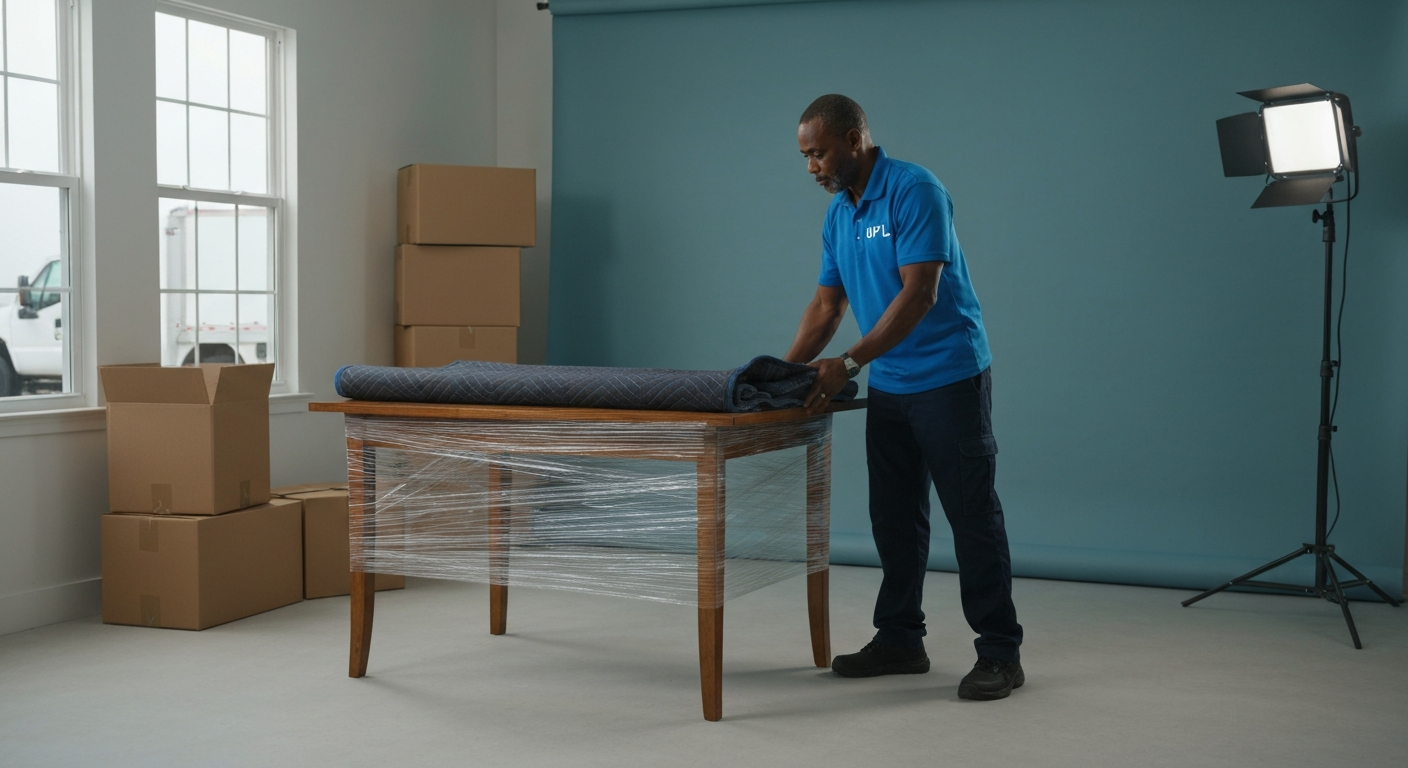
Storage frequently comes into play for beach-area moves, especially when people are remodeling, downsizing, or timing a sale and purchase with different closing dates.
Short-term storage is often up to 90 days. This is useful when:
Long-term storage can go months or years, commonly used when moving abroad or downsizing from a larger Manhattan Beach property.
Movers may offer “storage-in-transit” in their warehouses. In this model, your items are loaded into vaults or onto pallets, protected with blankets, and kept in a monitored facility. Self-storage means you rent your own unit and either move items yourself or hire movers to load and unload there.
| Storage Type | Best For | Key Considerations |
|---|---|---|
| Warehouse storage-in-transit | Full-service moves with delayed delivery | One team handles pickup and redelivery, usually secure and climate-moderated |
| Self-storage unit | DIY movers or those needing frequent access | You manage lock and access; may need multiple trips or extra labor |
| Climate-controlled storage | Artwork, instruments, sensitive furniture | Higher cost but better for humidity- and temperature-sensitive items |
| Garage or home storage | Short-term overflow during staging | Cheapest option, but least secure and least protected |
Some movers, such as those listed on storage service pages, can combine packing, moving, and storage so you do not have to coordinate between multiple vendors.
Moving prices in Manhattan Beach, Hermosa Beach, Redondo Beach, Torrance, and Long Beach vary widely. Understanding what drives the cost helps you evaluate quotes fairly.
For local moves, major cost factors usually include:
For long-distance moves, pricing usually ties to:
Every move is unique, so treat ranges only as broad reference points and always rely on an actual in-home or virtual estimate to price your move.
| Move Scenario | Typical Complexity | Cost Influencers |
|---|---|---|
| 1-bedroom Hermosa to Redondo (local) | Low–medium | Stairs, parking, long-carry distance, weekend vs weekday |
| 3-bedroom Manhattan to Torrance (local) | Medium–high | Number of movers, packing level, driveway or truck access |
| 2-bedroom Long Beach to San Diego (intrastate) | Medium | Mileage, truck size, packing, possible overnight or next-day delivery |
| 4-bedroom Torrance to Austin, TX (interstate) | High | Weight, distance, valuation coverage, storage in transit, delivery window |
To control costs, declutter heavily before the estimate so that your mover is pricing what you actually plan to move—not what you might or might not keep.
For many customers, understanding estimates is just as important as comparing different Hermosa Beach movers or Long Beach movers. A clear estimate helps prevent surprise charges and disputes later.
For most local moves in the beach cities and Torrance, movers charge hourly. Your invoice usually includes:
Ask how your mover measures time: from when they depart the warehouse, or from when they arrive at your door. Also confirm minimum hours and overtime rates.
Some local and most long-distance moves may be billed as a flat rate or binding estimate. Here are core term definitions:
FMCSA details these definitions and consumer protections for interstate moves on its Protect Your Move pages.
| Estimate Type | How Price Is Set | Best For |
|---|---|---|
| Hourly (local) | Time spent by crew, plus materials and extras | Local Manhattan Beach, Hermosa, Redondo, Torrance, Long Beach moves |
| Non-binding (interstate) | Estimated weight/services; actual cost may vary | Flexible budgets, smaller or simpler interstate moves |
| Binding (interstate/intrastate) | Fixed price for listed inventory and services | Those wanting price certainty, detailed inventory available |
| Binding not-to-exceed | Maximum cap; can be lower if actual weight is less | Customers wanting protection plus chance to pay less if they move less |
Always get your estimate in writing. Request that access issues, long carry, stairs, shuttle service, and packing choices are clearly spelled out so your final bill matches your expectations.
Working with properly licensed and insured movers in the beach cities is non-negotiable. It is how you protect your belongings and your liability with your building and HOA.
Within California, household goods movers must be licensed by the state. Interstate (state-to-state) movers must be registered with the FMCSA and have a USDOT number.
Before you book, you can:
Many customers confuse valuation coverage with insurance. Legally, most moving companies provide “valuation” which is a limited form of liability for your goods while in their care, not a full insurance policy.
Two common valuation options are:
Some customers also purchase third-party moving insurance from an outside company. Compare the terms carefully and keep high-value items (like expensive jewelry or important documents) with you if possible.
As mentioned earlier, many buildings in Manhattan Beach, Hermosa, Redondo, Long Beach, and Torrance require a COI before your movers can enter. A COI typically documents:
Discuss COI needs with your mover at least 7–10 business days before your move, and send the exact COI sample language from your building management.
A structured plan keeps your move on time and on budget. Use this checklist as a starting point, whether you are hiring Hermosa Beach movers for a local hop or planning a bigger relocation from Long Beach or Torrance.
| Timeframe | Key Tasks | Why It Matters |
|---|---|---|
| 6–8 weeks out | Get quotes, check licenses, gather building rules | Prevents last-minute scrambles and lets you compare options |
| 4–5 weeks out | Book movers, reserve elevators, decide on packing level | Secures your preferred date and services |
| 2–3 weeks out | Label boxes, confirm COI, plan parking | Reduces delays and misunderstandings with buildings |
| Move week | Finalize packing, confirm details, prep valuables | Ensures a smooth, low-stress move day |
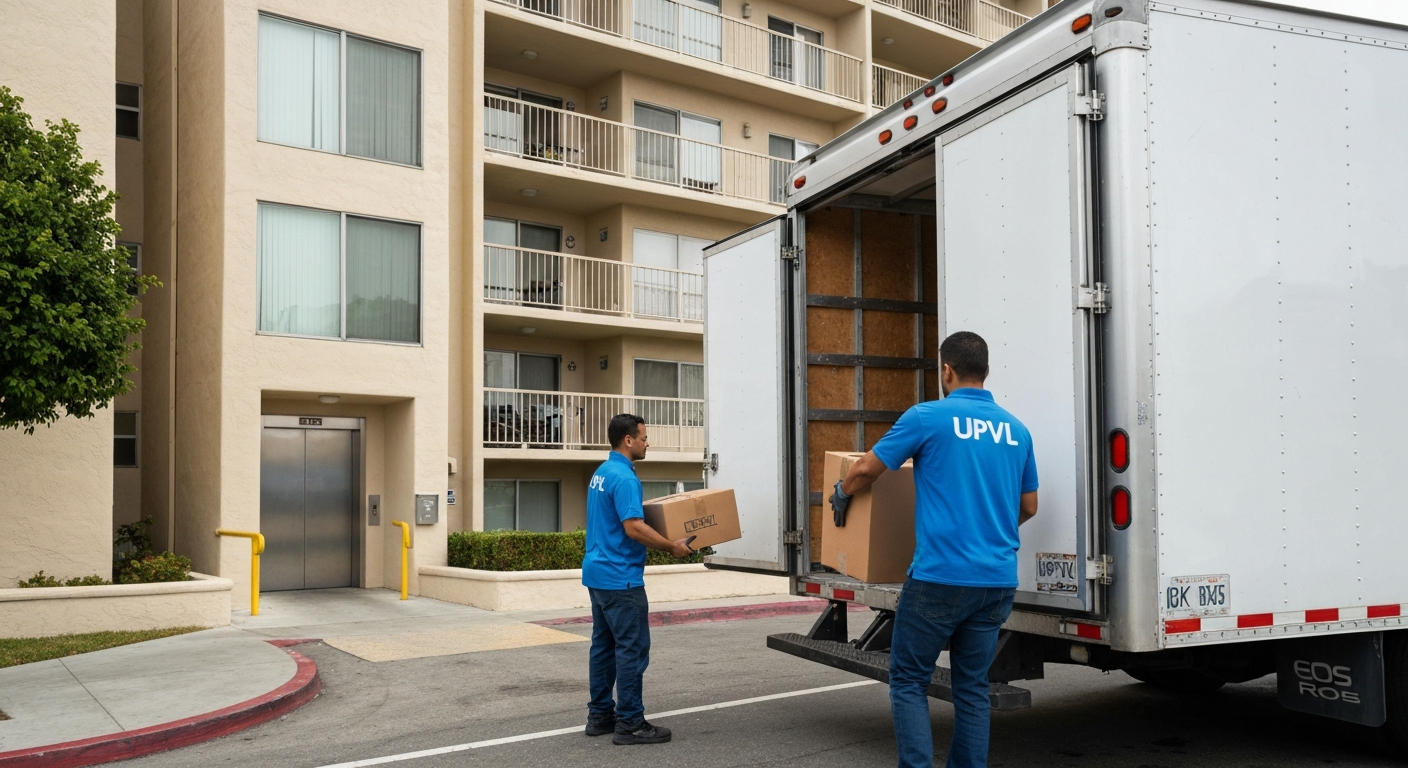
Parking near the beach is often tight, with a mix of residential permits, time limits, and street sweeping schedules. Movers usually park in the closest legal space that can safely fit the truck, which might be on a side street or alley. To help, share photos of your street and building, alert your neighbors, and move your own vehicles to create extra space. In some cases, your mover may recommend an earlier start time to find parking or may need to plan for a slightly longer carry between the truck and your home.
In Torrance and Long Beach, parking rules vary by neighborhood. In residential areas, curb space is often easier to secure, but wide driveways can still be steep or narrow. In downtown Long Beach and certain condo complexes, you may have loading zones, garages, or shared parking structures. Movers will typically ask if you have access to a loading dock or garage clearance height. Always confirm if your HOA or property manager has special rules about truck size, parking location, or time windows.
A long carry refers to an unusually long walking distance between your front door or unit and the moving truck. Many companies include a standard distance (for example, up to 75 feet) in the base rate. If the crew must go significantly farther—across large parking lots, down long corridors, or through courtyards—a per-foot or per-25-foot long carry fee may apply. To avoid surprises, describe both properties to your mover, provide photos, and ask them to show exactly how long carry charges appear in your estimate and contract.
Most reputable movers offer free local estimates by phone, virtual video survey, or in-home visit. For Hermosa Beach, Redondo Beach, Manhattan Beach, Torrance, and Long Beach, you will typically:
Comparing at least two written local estimates helps you spot unusually low or high numbers and better understand what is included.
During peak moving season (late spring through early fall), it is wise to book 4–6 weeks in advance for popular dates like weekends and month-ends. For mid-week moves or during slower seasons, 2–3 weeks may be enough. If you need help urgently, some companies specialize in last-minute moves, but flexibility on timing will help.
Yes, most full-service movers can handle standard disassembly and reassembly of beds, simple tables, and basic furniture. For more complex pieces like modular office systems or certain Murphy beds, discuss details in advance. Some movers offer specialized furniture disassembly and assembly services, which may appear as a separate line item on your estimate.
They should be. In California, household goods movers must hold the proper state license, and interstate movers must be registered with the FMCSA and have a USDOT number. Always request licensing details and proof of insurance, and check them via official resources such as the FMCSA’s SAFER system. This protects you from rogue movers and improves your chances of a safe, professional move.
Yes, many full-service companies offer storage-in-transit at their warehouses, and they can also load or unload at local self-storage facilities. If you anticipate a gap between move-out and move-in, discuss storage timelines, access policies, climate control needs, and monthly costs when you request your estimate.
Delivery windows for long-distance moves depend on distance, time of year, and how many shipments share the truck. For example, a move from Hermosa Beach or Long Beach to Northern California might have a 1–3 day window, while a move to the East Coast or Midwest might be 5–10 days or longer. Your mover should provide a written delivery window and explain any options for specific-date delivery or storage if needed.
For California moves, the contact information is:
Moving within Manhattan Beach, Hermosa Beach, Redondo Beach, Torrance, and Long Beach involves more than just loading a truck. Parking limits, long carries, building rules, and coastal conditions all shape your move—and your final bill. By choosing licensed, experienced movers who understand the beach cities, clarifying estimate types, planning for parking and COIs, and selecting the right packing and storage options, you can turn a complicated move into a steady, predictable project.
Use the checklists and explanations above to ask better questions, compare estimates fairly, and protect your belongings. With the right team and a realistic plan, your next move along the Southern California coast can be smooth, efficient, and on schedule.