Moving in Miami Beach feels exciting until you hit condo rules, tight parking, and elevator reservations. With the right Miami Beach moving company and some local know-how, you can avoid fines, delays, and last‑minute chaos and enjoy a smooth move-by-the-water instead of a stressful one.
Quick Navigation
Moving in Miami Beach is not the same as moving in a typical suburban neighborhood. You have dense traffic, limited street parking, condo associations, historic Art Deco buildings, sea air, and sudden rainstorms. All of this affects how movers in Miami Beach plan their crews, trucks, and timing.
Here are the biggest differences customers run into when they choose a Miami Beach moving company:
A mover that knows the island can plan around causeways, condo rules, and busy hours. Experienced South Beach movers know which buildings have strict front desk staff, where the loading docks hide, and how to prepare a COI that satisfies property management before move day.
Local expertise helps you:
Many customers looking at quotes only compare hourly rates. In Miami Beach, planning and building compliance can save more money than shaving a few dollars off the hourly price.
Miami Beach is not one uniform area. Your moving experience changes depending on whether you’re moving in South Beach, Mid-Beach, or North Beach, and whether your place is a vintage walk-up, a luxury condo tower, or a single-family home.
Here are the main categories of homes that a Miami Beach moving company typically handles:
| Home Type | Typical Challenges | Best Practices |
|---|---|---|
| South Beach studio/1-bedroom | Tight entrances, limited parking, older elevators | Smaller truck or shuttle, early morning start, COI ready |
| Luxury oceanfront condo | Strict COI and elevator reservations, loading dock rules | Submit COI 5–7 days early, confirm elevator time in writing |
| Mid-Beach single-family home | Driveway access but narrow streets and tree branches | Pre-trip truck route planning, possible smaller truck |
| North Beach garden apartment | Limited guest parking, shared staircases | Reserve guest spots, protect railings and stairs |
South Beach moves often involve Art Deco walk-ups and mid-century condos with smaller elevators and tight stairwells. Many buildings were never designed for large sectional sofas or king-size mattresses. Parking can be the biggest headache, as the streets near Ocean Drive, Collins Avenue, and Washington Avenue are busy and tightly controlled.
Practical tips for South Beach moves:
Mid-Beach and North Beach often feature taller oceanfront condo towers and more single-family homes than central South Beach. These neighborhoods may offer better truck access, but high-rises usually come with stricter elevator and COI rules.
The type of property you’re leaving and moving into will shape everything about your move, from crew size to timing. Here’s a quick comparison that many movers in Miami Beach use to plan jobs.
| Property Type | Impact on Move Time | Special Requirements |
|---|---|---|
| Walk-up apartment (2–3 stories) | Slow due to stairs; more labor-intensive | Extra padding for stair rails; more fatigue breaks |
| High-rise condo | Waiting for elevator can add big delays | COI, passenger vs service elevator rules, dock reservation |
| Single-family home | Usually faster if truck parks near front door | Driveway access, maybe street permits for large trucks |
| Townhouse | Multi-level with short interior stairs | Careful planning of large furniture around corners |
Not all moves in Miami Beach are local. Many people are relocating from Brickell, Downtown Miami, Fort Lauderdale, or moving in from other states. Choosing the right type of moving service is just as important as picking the right crew size.
Most customers will use some combination of local, long-distance, packing, and storage services. Here’s how those typically look with a professional company like United Prime Van Lines in Miami.
| Service Type | When It’s Best | Key Benefits |
|---|---|---|
| Local moving (within Miami-Dade) | Moves within 50–100 miles, like Brickell to Miami Beach | Hourly pricing, flexible scheduling, easier same‑day moves |
| Long-distance moving | State-to-state or city-to-city, like NYC to Miami Beach | Binding estimates, professional packing, delivery windows |
| Apartment / condo moving | High-rise or mid-rise buildings with elevators | COI handling, elevator coordination, parking planning |
| Full packing services | Busy professionals, families, or seniors | Less stress, professional packing materials, faster load |
If you need heavy or specialized items moved, services such as piano moving or art and antique moving are particularly important in Miami Beach, where many homes feature high-value decor and instruments.
Here are a few realistic move scenarios that illustrate how a Miami Beach moving company might plan routes and crews.
For long-distance moves, companies such as United Prime Van Lines long-distance moving generally use larger interstate trucks, detailed inventories, and written estimates. Delivery windows are typically quoted as multi-day ranges (for example, 3–7 business days) based on distance and route.
For example:
FMCSA explains that interstate movers must provide written estimates and a brochure called "Your Rights and Responsibilities When You Move." Source: FMCSA.

Move costs in Miami Beach depend on the size of your home, number of stairs, elevator use, distance, packing needs, and building rules. Most local moves are billed hourly, while long-distance and some large local jobs may use flat or binding estimates.
Almost every Miami Beach moving company will look at these cost drivers before quoting a price:
Every move is unique, but these rough, non-binding ranges can help you plan. Actual rates depend on your chosen Miami Beach moving company and current market conditions.
| Home Size (Local) | Estimated Moving Time | Approx. Cost Range* |
|---|---|---|
| Studio / small 1-bedroom | 3–5 hours with 2–3 movers | $450–$950+ |
| Standard 1-bedroom | 4–6 hours with 3 movers | $650–$1,200+ |
| 2-bedroom apartment/condo | 6–9 hours with 3–4 movers | $1,000–$1,900+ |
| 3-bedroom home | 8–12 hours with 4 movers | $1,600–$3,000+ |
*These are broad examples only, not quotes. Stairs, elevators, long carries, and complex building rules can push you toward the higher end of the range or beyond.
Two identical 2-bedroom apartments can cost very different amounts to move depending on access:
Ask your movers to factor elevator logistics and walking distance into your estimate. Honest planning upfront avoids surprise overtime charges later.
You don’t control every cost factor, but you can lower your bill with smart prep:
Customers often ask whether they should choose hourly movers or a flat-rate quote. The answer depends on the type of move, distance, and how predictable the job is.
For most local moves within Miami-Dade County, movers charge by the hour. This is especially common for South Beach movers handling apartments and condos, because traffic and elevator delays can be unpredictable.
With hourly pricing:
Flat-rate or binding estimates are more common on long-distance moves and larger local jobs with clear inventories and access conditions. A binding estimate sets a fixed price based on the mover’s survey of your items and services requested.
According to FMCSA, a binding estimate means the mover cannot charge more than the agreed price for the listed items and services, although additional services added later can change the total.
A non-binding estimate is the mover’s best guess of the cost, but the final charges are based on actual weight (for interstate moves) or actual time and services. If the move takes longer or weighs more than expected, the final bill can be higher than the estimate.
| Pricing Type | Best For | Pros / Cons |
|---|---|---|
| Hourly | Local moves, uncertain access, small jobs | Pros: Flexible, simple; Cons: Time overruns if elevators/parking are delayed |
| Flat-rate (binding) | Predictable long-distance or larger homes | Pros: Price certainty; Cons: Requires detailed inventory and access info |
| Non-binding | Early planning stages with limited info | Pros: Quick estimates; Cons: Final bill may be higher |
| Hybrid | Local moves with capped hours or specific tasks | Pros: Some cost protection; Cons: Needs clear scope in writing |
When you request quotes, ask each Miami Beach moving company which style of estimate they offer and what conditions could change the final cost. Always get estimates in writing and keep a copy for your records.
Packing can easily become the most time-consuming part of your move. In humid, coastal areas like Miami Beach, proper materials and methods are even more important to protect electronics, artwork, and wooden furniture from moisture and sudden showers.
Companies such as United Prime Van Lines full packing services can handle as much or as little of your packing as you want. Here’s how typical options break down:
| Packing Option | What’s Included | Best For |
|---|---|---|
| Full packing | Movers pack every box, label, and prepare fragile items | Busy professionals, families, seniors, long-distance moves |
| Partial packing | Movers pack kitchen, fragile items, or specific rooms | Those who can pack clothes/books but want help with breakables |
| Fragile-only packing | Special care for glass, art, electronics | Customers with valuable or delicate belongings |
| DIY packing with materials delivery | You pack; movers supply boxes, tape, and materials | Budget-conscious moves with enough lead time |
If you decide to handle most of your own packing, follow these local-focused tips:
Many Miami Beach homes include items that need special care:
Short-term or long-term storage is common in Miami Beach moves, especially during renovations, delayed closings, or when you’re staging a home for sale before moving into your new place.
Professional movers often provide or coordinate several storage styles. Companies like United Prime Van Lines storage offer options such as:
| Storage Type | Best For | Key Features |
|---|---|---|
| Short-term (1–90 days) | Gap between move-out and move-in dates | Often in the mover’s warehouse; billed monthly or by day |
| Long-term (3+ months) | Extended travel, remodeling, or temporary relocation | Inventory-based, palletized storage, secure facilities |
| Climate-controlled | Artwork, instruments, high-value furniture | Temperature/humidity control, limited access, higher cost |
| Containerized storage | Full-households that will move again later | Your items are loaded into labeled vaults or containers |
Miami Beach’s climate—heat, humidity, and salt air—makes storage decisions more important than in milder areas. Items such as wood furniture, leather, art, and electronics benefit heavily from climate-controlled environments.
Check if your mover’s storage facility is inland (less exposure to salt air) and elevated or protected from flood-prone areas. You can review local flood-risk data through sources like NOAA and the National Hurricane Center, especially if you plan to store items through hurricane season (June 1 to November 30).
For Miami Beach apartments and condos, building rules can shape the entire move. Not having a COI, elevator reservation, or proper parking can stop your move before it starts.
A Certificate of Insurance (COI) is a document from the moving company’s insurance provider that proves they have specific levels of liability and workers’ compensation coverage. Condo and apartment buildings require it to protect themselves if there is damage or an injury during the move.
Typical COI details include:
Many Miami Beach buildings will not let movers start work until they have an approved COI on file. Some require the COI to be submitted 24–72 hours before move day.
When you schedule your move:
Most high-rise buildings require that you reserve a freight or service elevator for your move. This avoids conflicts with other moves and regular building use.
Common policies:
If your elevator window is short, coordinate carefully with your movers about arrival time. If they are stuck in traffic approaching the causeways, a missed elevator time can delay the entire move and increase your cost.
Parking is one of the most challenging parts of apartment and condo moves in Miami Beach. Depending on your building’s layout, parking may involve:
Discuss parking with both your building and your movers:
| Task | Who Handles It? | When to Complete |
|---|---|---|
| Request building move rules and COI requirements | Resident | 2–4 weeks before move |
| Send COI details to moving company | Resident | 5–7 business days before move |
| Submit COI to building for approval | Moving company / insurance agent | 3–5 days before move |
| Reserve elevator and loading dock | Resident with building | 1–3 weeks before move |
When you compare movers in Miami Beach, look beyond the hourly rate. Licensing, insurance, and valuation coverage determine how protected you are during the move.
For moves within Florida, household goods movers must be registered with the state. The Florida Attorney General describes consumer protections and moving rules under Florida Statutes Chapter 507. Source: Florida Attorney General.
For moves across state lines (to or from Florida), movers must also hold interstate authority from the FMCSA and have a USDOT number. You can verify licenses using the FMCSA’s "Company Snapshot" tool.
Two different protections apply during a move:
Federal rules require that interstate movers offer at least two valuation options. Many reputable local movers mirror this structure for intrastate relocations as well.
Here’s how the basic options typically compare for interstate moves (and often used as a model for local contracts):
| Coverage Type | What It Means | Best For |
|---|---|---|
| Released Value Protection | Basic coverage; usually about $0.60 per lb. per item. | Low-value shipments, customers with separate insurance. |
| Full Value Protection | Mover repairs, replaces, or pays current market value for damaged items, subject to terms and deductibles. | Most households with typical furniture and electronics. |
| Third-party insurance | Additional coverage purchased from a separate insurer. | High-value art, collections, expensive electronics. |
| Custom valuation | Additional valuation on certain items or inventory. | Items like pianos, designer furniture, or antiques. |
Always read the valuation section of your moving paperwork carefully. Item values, exclusions, and deductibles matter if something goes wrong. For valuable items, ask your mover about special packing or crating options.
Good preparation beats last-minute scrambling. Use this Miami Beach–focused checklist to keep your move on track. Adjust timing based on your actual move date.
| Task | Why It Matters | Who Handles It? |
|---|---|---|
| Meet the crew and do a walkthrough | Clarify priorities and delicate items | You + crew leader |
| Confirm elevator access and padding | Avoid delays and damage to building | You + building staff + crew |
| Verify legal parking for the truck | Prevent tickets or towing during the move | You + movers |
| Sign inventory / bill of lading | Formal record of your belongings and terms | You + crew leader |
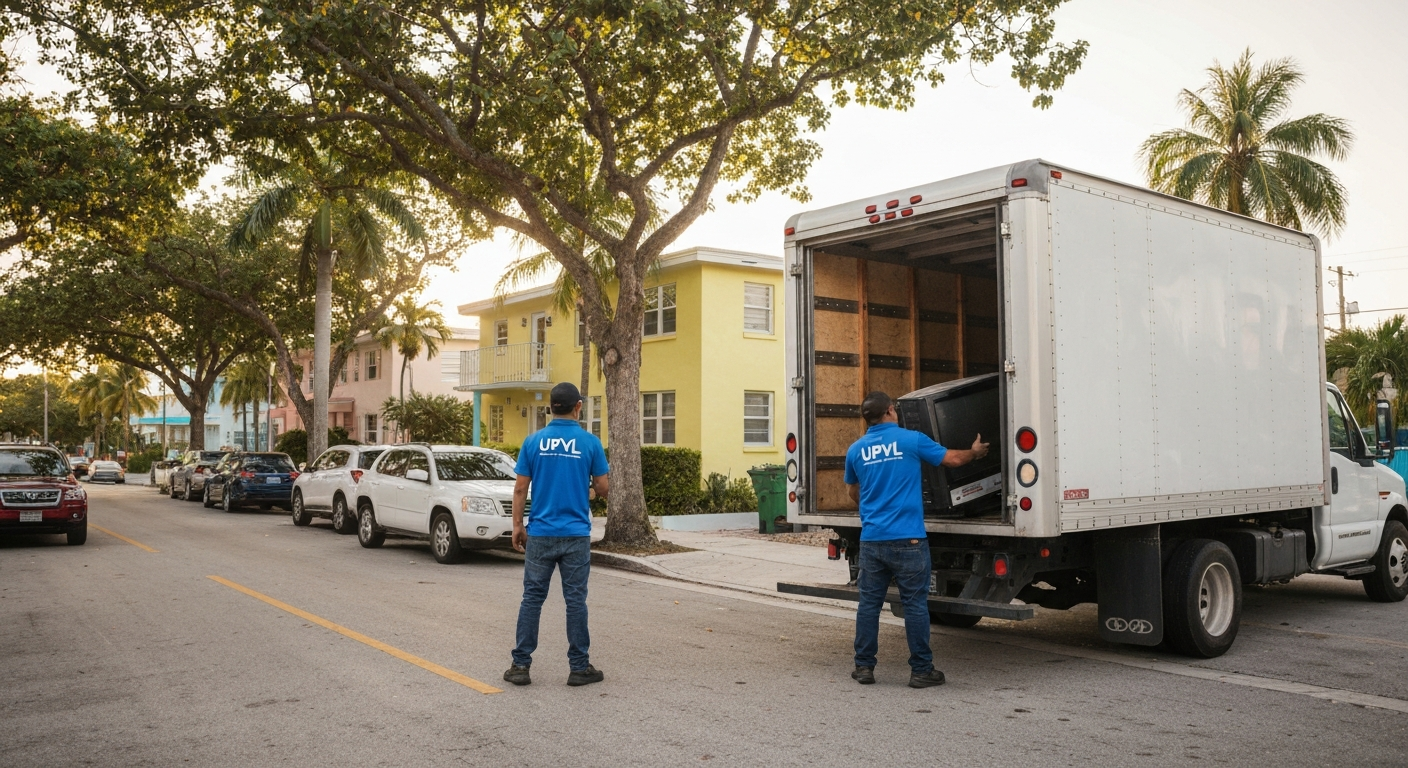
Most Miami Beach condos and many apartment buildings require a Certificate of Insurance (COI) from your moving company. The COI proves the mover carries liability and workers’ compensation coverage that meets the building’s requirements. Without an approved COI on file, security or management may refuse to let the crew start the move.
Ask your building for their exact COI wording and coverage limits, then give that information to your movers at least 3–5 business days before move day.
Parking rules vary widely by block and building. Some properties have dedicated loading docks or garages; others rely on curbside parking or metered spots. Your moving truck may need multiple meters or a special zone near the entrance.
Talk with your building manager about where trucks can park and whether permits or passes are required. Share this information with your movers in advance so they can plan the right truck size and gear.
Elevator reservations control how and when movers can access your building. Miami Beach high-rises usually let you reserve a freight or service elevator in 2–4 hour blocks, often limited to weekdays and specific times. If your crew can’t access the elevator when they arrive, they may be forced to wait, pushing your bill higher and possibly delaying later moves on their schedule.
Confirm the elevator time in writing, and choose a move start time that gives the crew enough cushion to arrive and start work on schedule.
Yes, hourly movers are common and practical for local Miami Beach moves, especially apartments and condos. Hourly pricing is flexible and easy to understand, but you’ll want to minimize delays that can drive up billable time—like unclear parking, unreserved elevators, or packing that isn’t finished when the crew arrives.
Make sure you understand the hourly rate, minimum hours, travel time charges, and what counts as billable time before you sign.
In busy times (summer, end of month, and weekends), book at least 3–4 weeks ahead. For standard weekdays or off-peak seasons, 2–3 weeks can be enough. Last-minute moves are sometimes possible—especially with services like last-minute moves—but your options and time slots may be limited.
Weekdays are usually better because traffic and tourist crowds are lighter than on weekends. Many buildings only allow moves Monday through Friday anyway. If you must move on a weekend, book early and confirm with your building that weekend moves are permitted.
You don’t need a different license type, but you do want movers experienced with Miami Beach condos—people who understand COI requirements, freight elevators, loading docks, and parking challenges. Condo moves are often more about logistics and communication than raw labor. Asking a mover about their condo experience is just as important as asking their hourly rate.
Most professional movers can disassemble and reassemble basic furniture like beds, tables, and simple sectionals. For complex items or built-ins, you may want specialized services such as furniture disassembly and assembly. Clarify which items you want them to handle and whether there are extra charges.
Rain is common, especially in summer afternoons. Professional movers come prepared with moving blankets, shrink wrap, and sometimes plastic covers for furniture and mattresses. They’ll often use a staging area inside your home or building lobby to minimize how far items travel uncovered.
Talk to your movers about their bad-weather procedures and consider scheduling your move to start earlier in the day, when storms are often less intense.
Hurricane season runs from June 1 through November 30. When storms are predicted, schedules can shift quickly. Keep an eye on forecasts from the National Hurricane Center. If a major storm is expected, your mover may recommend adjusting dates for safety.
If your goods are going into storage, consider climate-controlled, secure facilities located in lower flood-risk areas, and make sure your valuation coverage or third-party insurance is adequate for your belongings.
For Florida moves, the contact information is:
Moving to, from, or within Miami Beach means juggling more than boxes and furniture. You’re coordinating COIs, elevators, parking, coastal weather, and busy tourist streets—all on a tight timeline. The right Miami Beach moving company will not only provide a truck and crew, but also help you navigate building rules and local challenges.
Start early, share all the details about your buildings, and choose a mover that understands Miami Beach condos, apartments, and homes. With careful planning and experienced professionals on your side, your next move can feel less like a logistical puzzle and more like the fresh start you’re looking forward to.