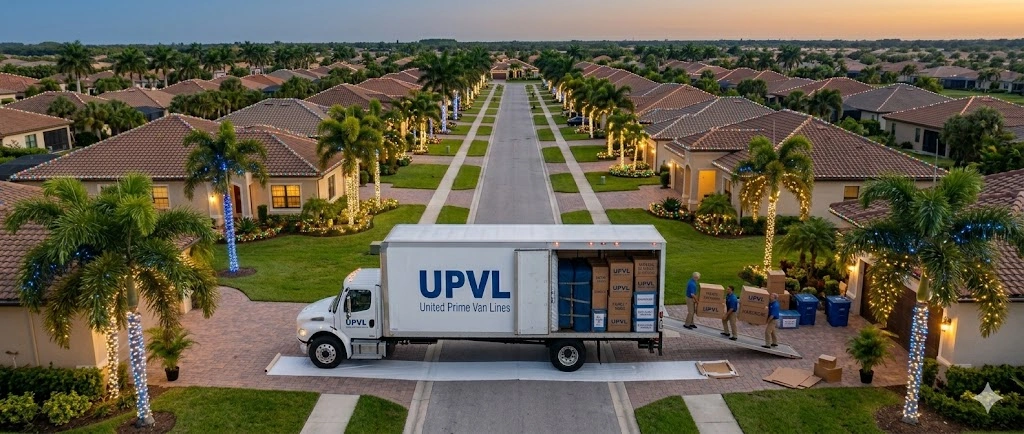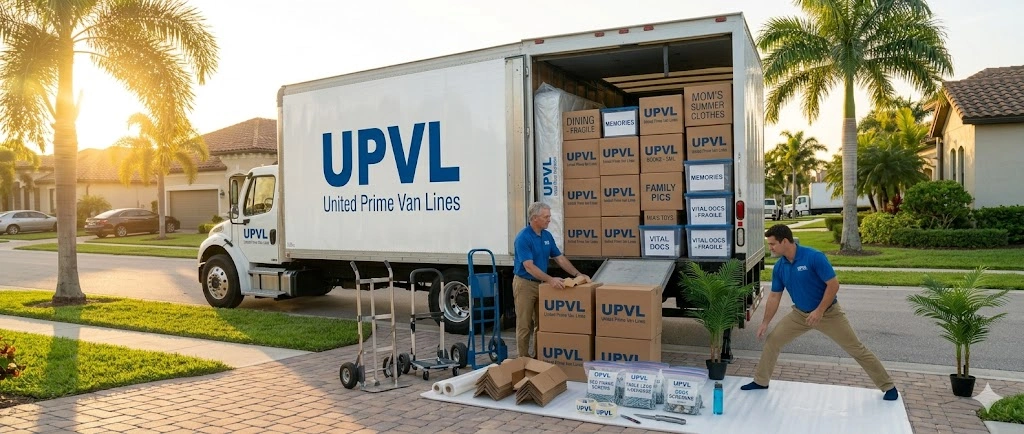
If you’ve never moved in the middle of a South Florida summer or tried to carry a couch over icy steps in February, you might think “a move is a move.” In reality, the season you choose can completely change your experience, your stress level, and even your final bill.
Let’s walk through what it’s actually like to move in winter vs summer, what costs more and why, and how to decide what makes sense for you — whether you’re moving locally around Hallandale Beach, relocating from South Florida to another state, or heading out to Chatsworth, CA and the West Coast.
I’ll keep this as down‑to‑earth as possible, like we’re talking through your options before you lock in a date with United Prime Van Lines.
On paper, the move is the same:
But in real life, the conditions around your move change everything:
The season you pick affects:
Let’s break it down: summer moving vs winter moving from all angles — cost, comfort, and practicality.
From roughly May through early September, the moving industry runs hot. Kids are out of school, leases end, home sales close, and everyone wants to be settled before fall.
In places like Hallandale Beach and South Florida, add in hurricane season and serious heat. In Chatsworth, CA, you’re dealing with intense valley temperatures and sometimes wildfire concerns. None of that is “neutral background.”
1. Easier with Kids and School Schedules Summer is king if you have children or teens:
If you’re relocating into or out of Broward County or LA County, this timing can make life a lot simpler.
2. More Inventory on the Housing Market Summer is peak season for:
You may have more options for homes and apartments, especially in popular areas near the beach in Hallandale or neighborhoods around Chatsworth.
3. Long Days = More Productive Move In summer you get extra daylight:
If you’re doing any part of the move yourself (like boxing or basic furniture assembly), this helps. Even for full‑service moves with United Prime Van Lines, long days make timing smoother.
Here’s where the shine wears off.
1. Higher Prices (Peak Season Demand) Summer is high-demand season, which affects:
You’re competing with:
If your budget is tight, summer is simply the most expensive season to move.
2. Heat, Humidity, and That “Florida / Valley” Factor In Hallandale Beach and South Florida, summer means:
In Chatsworth, CA and the San Fernando Valley:
This heat affects more than comfort:
3. Traffic and Travel Hassles Summer = more:
That can mean:
In cities and busy suburbs, timing a summer move can feel like threading a needle.
4. Storm and Hurricane Risks (South Florida) From June–November, South Florida lives with hurricane season. You’re not guaranteed a storm, but you are guaranteed uncertainty:
United Prime Van Lines works around this with contingency planning and close weather monitoring, but if you’re a person who really stresses about “what if,” it’s worth considering a non-peak season.
Now let’s talk winter — roughly December through February for most of the U.S.
In South Florida, “winter” is basically “nice weather with random rain.” In Chatsworth and much of California, it’s milder but can be rainy. In the northern states, winter means serious snow, ice, and risk of storms.
1. Lower Moving Costs and More Negotiation Space Winter is off-peak season. That brings a few advantages:
If your priority is saving money, winter is usually the win.
2. Easier to Book Your Ideal Date Because fewer people move in winter:
This flexibility is a big quality-of-life boost, especially for long-distance relocations where timing is already tight.
3. Cooler Weather = More Comfortable Labor In South Florida winter, you’re looking at:
In Chatsworth and Southern California, cooler winter air can be a relief compared to the valley’s summer heat. Your crew won’t be baking in 95°F heat carrying furniture, and you’re not sweating through three shirts just taping boxes.
Not all winter is palm trees and sunshine.
1. Weather Risks in Colder States If your move involves:
Then winter can mean:
You’re trading lower prices for higher uncertainty about travel conditions. If you’re going from, say, Hallandale Beach to New Jersey in January, you want:
That’s something we pay close attention to at United Prime Van Lines — but the risk is still part of the season.
2. Shorter Days, Less Daylight Winter days are shorter, which can affect:
In South Florida and SoCal, it’s more of an inconvenience than a dealbreaker, but it still matters, especially for complex apartment moves or tight building rules.
3. Holiday Season Complications If your move falls between Thanksgiving and early January:
On the other hand, some people use the holiday break to get everything done at once. It really depends on your personality and stress tolerance.
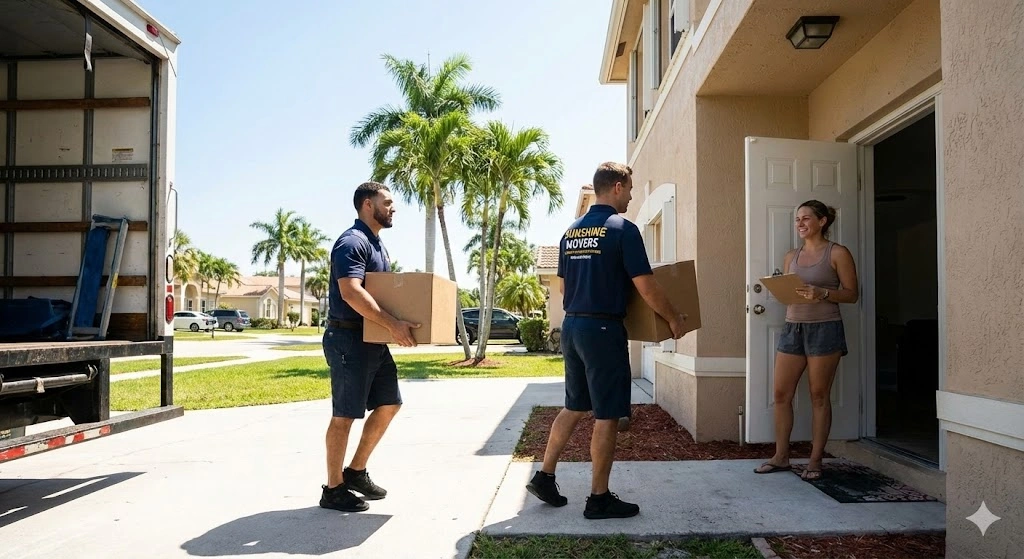
Let’s talk numbers in a realistic way.
Every move is different, but there are **repeat patterns** we see in the industry.
1. **Demand**
- Summer = high demand, higher rates
- Winter = lower demand, more flexible pricing
2. **Labor Conditions**
- Extreme heat or snow/ice can slow work, and sometimes extra time = extra cost
- Mild weather often means smoother, more predictable jobs
3. **Scheduling & Flexibility**
- If your date is fixed and you’re in peak season, you’ll likely pay more
- If you can be flexible in winter, you might get better deals
4. **Additional Services**
- Storage: more common when timing is complicated (common in summer moves tied to home closings)
- Packing/unpacking: requested more often in peak busy seasons when people have less time
These are **rough tendencies**, not quotes.
- **Local moves (within the same city/region)**
- Summer: Often the most expensive time of year
- Winter: Typically 5–20% less, depending on area and exact timing
- **Long-distance moves**
- Summer: Higher base rates & less room for discounts
- Winter: More promotional pricing and options
If you tell a mover, “I’m flexible and can move mid-week in January,” you’re usually helping yourself on cost.
At United Prime Van Lines, we see this pattern all the time. A Hallandale Beach client moving locally in August may spend noticeably more than a similar local move in February, simply because of timing.
Think beyond the base quote:
**Summer can bring:**
- Higher electricity bills (running AC full blast while doors are open)
- Extra days off work if your date was hard to get and doesn’t match your ideal schedule
- Hotel or Airbnb nights if move-in and move-out dates don’t line up (common with peak-season closing delays)
**Winter can bring:**
- Possible hotel nights if a snowstorm delays your long-distance truck (mostly for northern routes)
- Extra protective materials (like floor coverings for slushy areas, rock salt, etc. — mostly non-Florida)
Even with those, winter is usually still **financially friendlier**, especially if you’re not dealing with heavy winter climates.
Money matters, but so does how you feel during the move.
Summer moves often feel easier if:
- You have school-aged kids
- You’re switching jobs on a normal corporate schedule
- You’re buying/selling a home (most closings happen late spring to mid-summer)
- You like having extra daylight and don’t mind heat
If you’re moving to or from places like **Hallandale Beach, Hollywood, Aventura, North Miami Beach**, the real summer problem is humidity and storms, not snow. With good planning and an early start time, it’s manageable — just not always pleasant.
Winter might be your season if:
- You’re budget-conscious
- You’re moving within or between mild climates (South Florida, Southern California, much of the Sun Belt)
- You prefer cooler temperatures over sweating through every step
- You’re flexible on dates and want a smoother booking experience
For a lot of people moving around **South Florida** or between **Florida and California**, winter is almost a sweet spot — cheaper, cooler, and still mostly dry.
Let’s talk numbers in a realistic way. Every move is different, but there are repeat patterns we see in the industry.
These are rough tendencies, not quotes.
If you tell a mover, “I’m flexible and can move mid-week in January,” you’re usually helping yourself on cost.
At United Prime Van Lines, we see this pattern all the time. A Hallandale Beach client moving locally in August may spend noticeably more than a similar local move in February, simply because of timing.
Think beyond the base quote:
Summer can bring:
Winter can bring:
Even with those, winter is usually still financially friendlier, especially if you’re not dealing with heavy winter climates.
Money matters, but so does how you feel during the move.
Summer moves often feel easier if:
If you’re moving to or from places like Hallandale Beach, Hollywood, Aventura, North Miami Beach, the real summer problem is humidity and storms, not snow. With good planning and an early start time, it’s manageable — just not always pleasant.
Winter might be your season if:
For a lot of people moving around South Florida or between Florida and California, winter is almost a sweet spot — cheaper, cooler, and still mostly dry.
Since many of our clients move to, from, or between South Florida and Southern California, it’s worth looking at these areas specifically.
Summer specifics:
Winter specifics:
If you’re not tied to a school schedule, December–March is often the most comfortable and cost-effective time to move around South Florida.
Summer specifics:
Winter specifics:
Overall, winter in Chatsworth is usually friendlier than peak summer, from both comfort and price standpoints.
There’s no universal right answer. Instead, ask yourself:
If yes, your season might already be chosen for you — then the goal becomes to optimize within that season.

Whether you end up in winter or summer, a few moves always help:
If you tell a company like United Prime Van Lines:
“I can move any day that week, I just prefer mid-week,” you give us room to:
Whenever possible, try not to move:
Mid-week, mid-month dates can be friendlier on both price and availability.
Since your quote is usually based on:
Getting rid of what you don’t use before your move:
In complicated timing situations (common in summer home sales), storage-in-transit can actually save you stress and money vs. juggling multiple short-term rentals or storage units.
United Prime Van Lines works with clients across:
We see both sides of the seasonal coin constantly:
We don’t just drop one number on you — we talk through:
From there, we can show you how your cost changes if you choose, say, a February weekday vs a July weekend, and help you decide what’s worth it for you.

If you’re moving around South Florida or between Florida and California, winter is often the sweet spot. If you’re locked into summer because of school or work, planning ahead and booking early can soften the cost.
When you’re ready, having an honest conversation with a mover like United Prime Van Lines about timing, budget, and routes can make your decision much clearer.