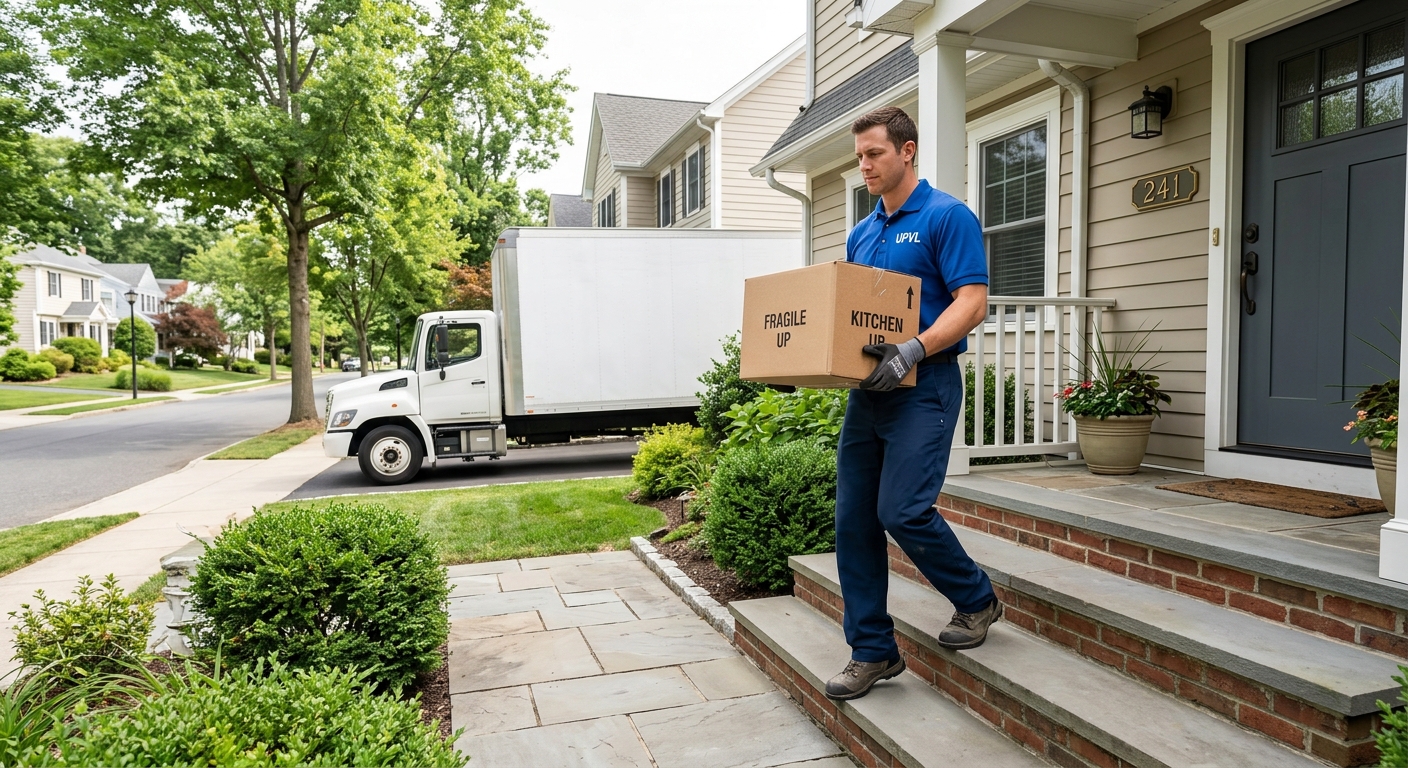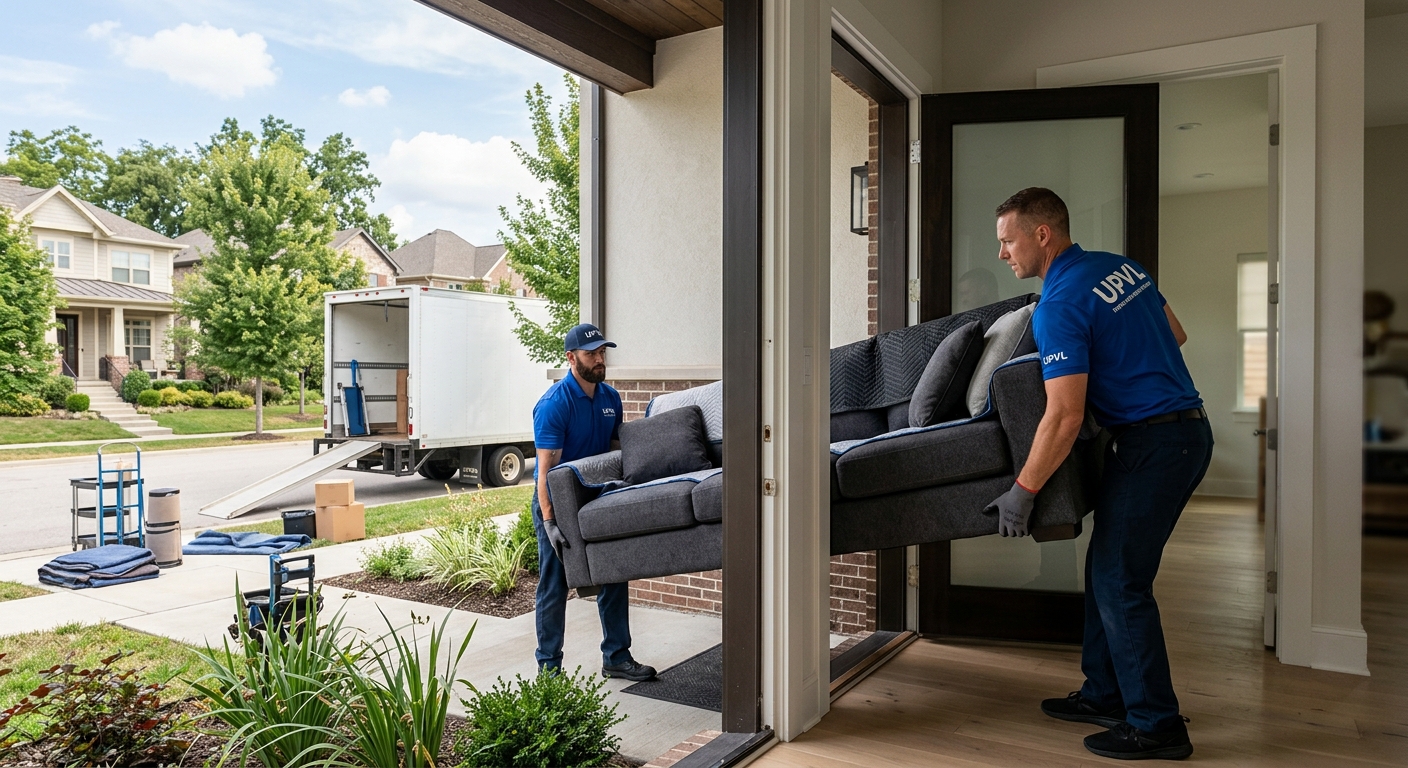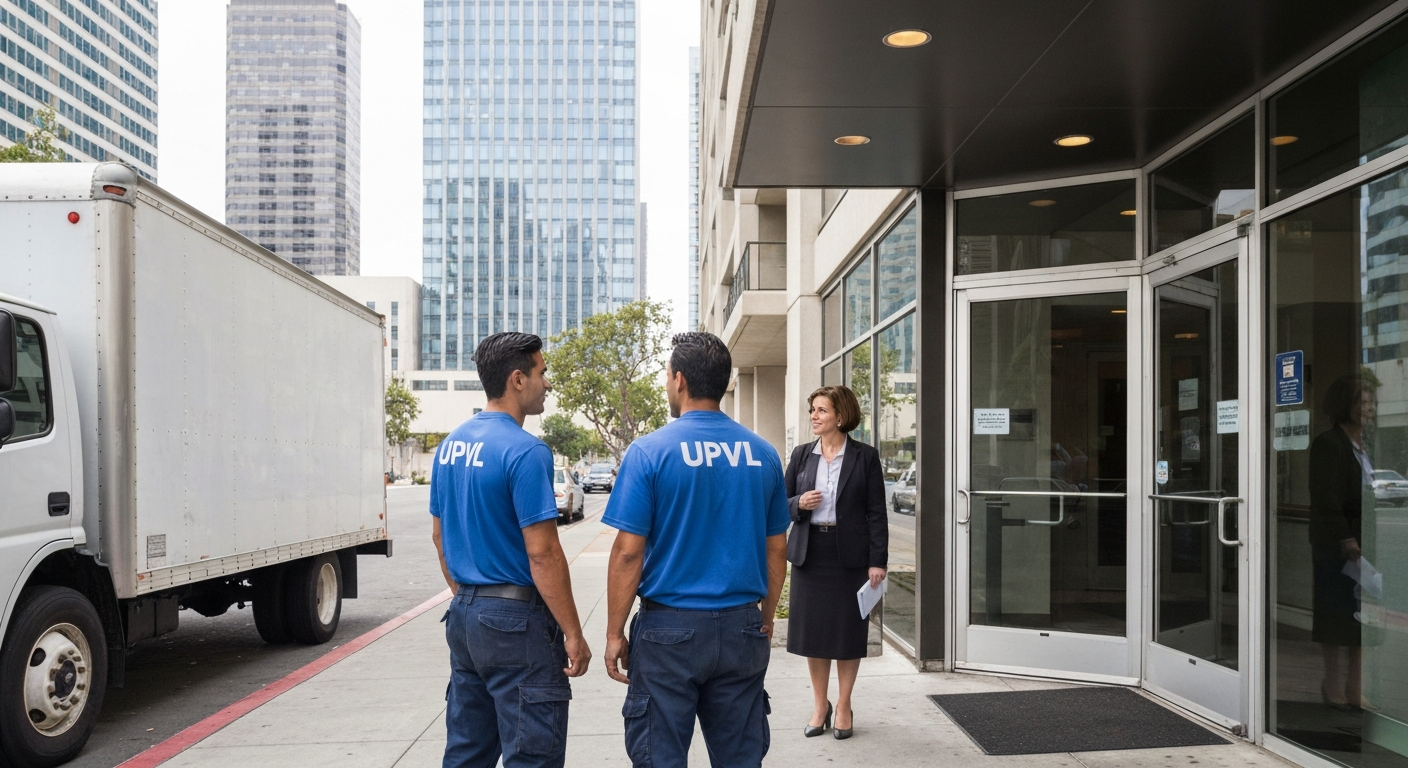
Los Angeles can be a tough city to move in. Tight parking, strict building rules, and elevator reservations all matter. If you are moving with COI Los Angeles requirements and parking permits on your radar, you are already ahead of the game.
Quick Navigation
Moving in Los Angeles is not like moving in a small suburban town. Here, traffic, street cleaning rules, steep hills, and dense neighborhoods make timing, parking, and access more complicated. On top of that, many buildings require a Certificate of Insurance (COI) and proof you hired licensed movers, not just a friend with a truck.
For customers, that means three big things to plan for early:
Ignoring any of these can lead to movers circling the block, fines from the city, or a building manager turning the crew away at the door. With a bit of pre-planning, though, you can keep your move on schedule and avoid last-minute stress.
| LA Factor | Why It Matters on Moving Day | What to Do in Advance |
|---|---|---|
| Traffic & rush hours | Slows down crews and extends billable hours | Book morning arrival; avoid 405/101/10 peak times |
| Street parking rules | Tickets or towing for the truck; long carries | Check signs, consider temporary parking permits |
| Building COI rules | Move can be denied at the door without COI | Request COI requirements from management early |
| Elevator reservations | Unreserved elevators cause delays and conflicts | Reserve freight elevator and loading dock window |
A Certificate of Insurance (COI) is a document issued by a moving company’s insurance provider. It proves the movers carry liability and sometimes workers’ compensation insurance, and it lists your building (or HOA) as a “certificate holder” and often an “additional insured.”
In Los Angeles, many high-rises, luxury apartments, and office buildings will not let movers enter without a COI that matches their exact requirements. If you are moving with COI Los Angeles expectations, assume your building manager will want to see this before confirming your freight elevator reservation.
While formats vary by insurer, most COIs include:
Your property manager should give you a sample or requirements sheet. Forward that to your mover so their insurance agent can issue an accurate COI. If the wording is wrong, security may delay or block the crew.
The process is simple but time-sensitive:
Reputable movers like United Prime Van Lines in Los Angeles handle COI requests routinely. Always request the COI at least 3–5 business days before your move to avoid delays.
No. Smaller four-plex or six-plex walk-ups in neighborhoods like Echo Park, Highland Park, or parts of North Hollywood may not ask for a COI. However, most mid-rise and high-rise buildings in Downtown LA (DTLA), Santa Monica, Century City, Koreatown, and the Westside will require it—especially if there is a garage, loading dock, or freight elevator.
| Building Type | Typical COI Requirement | Common Coverage Limit |
|---|---|---|
| DTLA high-rise apartments | Mandatory COI, additional insured wording | $1–$2 million liability |
| Santa Monica oceanfront condos | Mandatory COI plus HOA listed as holder | $1–$2 million liability |
| Mid-rise K-Town buildings | Often require COI during business hours | $1 million liability |
| Small walk-up 4-plex | Usually no COI, but ask to confirm | Varies or not requested |
Parking is one of the hardest parts of an LA move. Between street cleaning schedules, narrow streets in the hills, and busy beach zones, your movers need a place to stage the truck that is legal, safe, and close to your entrance.
In many cases, the safest option is securing temporary “no parking” or moving-related permits through the City of Los Angeles or the relevant jurisdiction (for example, Santa Monica or West Hollywood have their own rules).
No, not always. If your home has a private driveway with enough space for the moving truck, you usually do not need a city permit.
You should consider a temporary parking permit when:
Rules differ by area, so always check your specific city or neighborhood. The City of Los Angeles and related agencies publish parking rules and options; you can start with resources from LADOT and your city’s parking authority websites.
| Neighborhood | Typical Parking Challenge | Suggested Strategy |
|---|---|---|
| DTLA lofts | Red curbs, loading zones, and heavy traffic | Use loading dock if available; coordinate with building security |
| Santa Monica beach area | Metered parking, limited curb space | Ask city about temporary parking signs for moving day |
| Hollywood Hills | Narrow, winding streets with no truck access | Use shuttle truck or smaller van; park main truck downhill |
| Westwood/UCLA area | Permit-only residential parking | Investigate guest permits or temporary exemptions |
Always discuss parking during your estimate. Share:
Experienced local movers will tell you if they have parked there before and whether a smaller truck or shuttle will be needed. Companies that specialize in Los Angeles moves, such as those offering local moving services, are used to solving curbside puzzles across the city.
Policies differ by company, but generally:
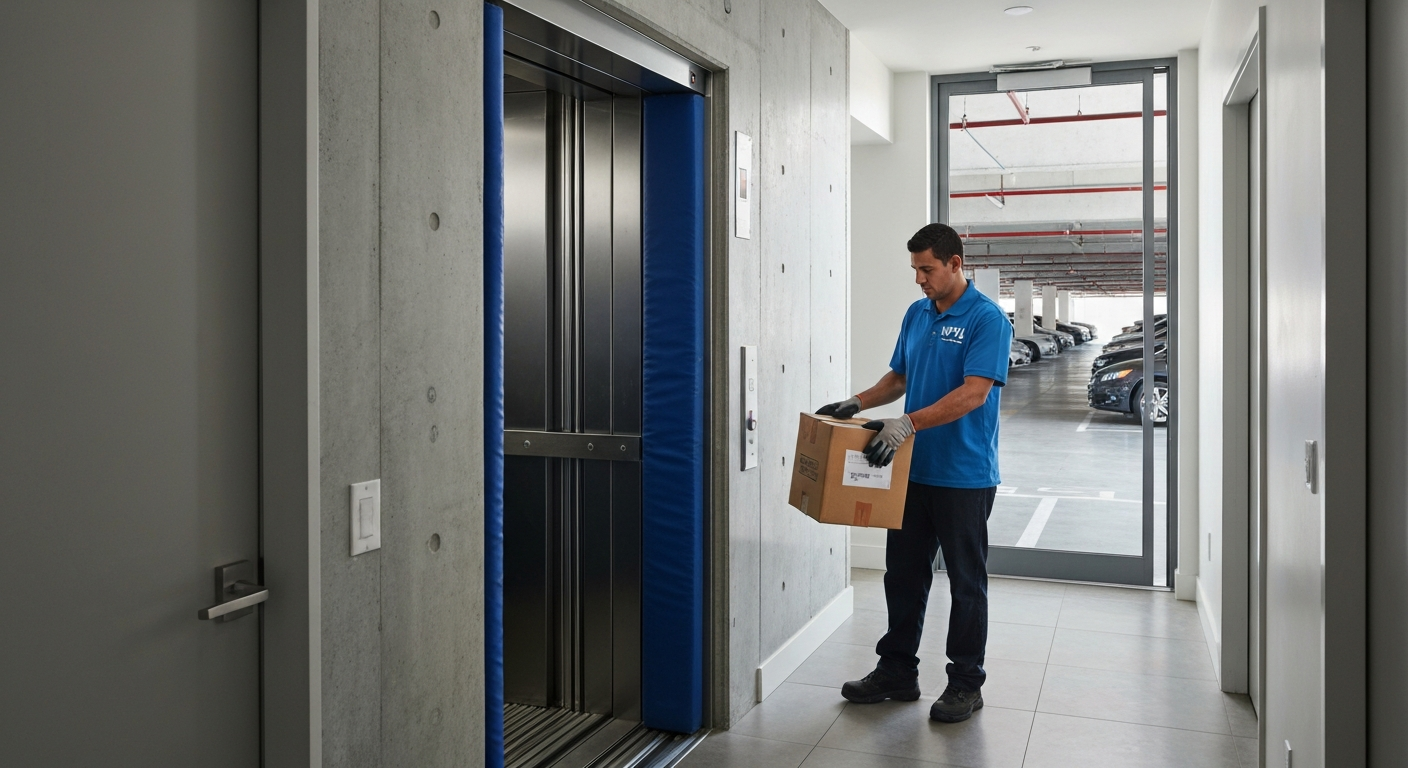
Many Los Angeles buildings treat moves as a controlled event. Security, HOAs, and property managers want to protect common areas, keep residents happy, and avoid injuries. That is why they rely heavily on COI requirements, freight elevator reservations, and specific access rules.
While each property is unique, here are frequent policies in LA apartment buildings and condos:
If you live in a high-demand building in DTLA or Santa Monica, those elevator slots may book out weeks in advance—especially at the end or beginning of the month.
Downtown LA buildings often have:
Your mover should know to ask:
Without a confirmed freight elevator and COI, movers can arrive on time but be forced to wait in the truck until management clears them. That delay usually still counts as billable time.
Santa Monica, Venice, and Marina del Rey buildings are often managed by active HOAs. They can be strict about:
Because coastal humidity and salt air can affect building materials, some HOAs are particularly protective of railings, elevators, and lobby decor. Expect them to enforce COI rules and fines for any damage to common areas.
Building rules directly influence the time and manpower needed for your job. These factors can raise or lower your final bill:
| Rule Type | Impact on Move | Cost Effect |
|---|---|---|
| Strict move hours (e.g., 9–3) | Compresses work into a shorter window | Possible rush or need for larger crew |
| Long walks from truck to unit | More time per trip | Higher labor time, especially hourly jobs |
| No freight elevator access | Stair carries or shared passenger elevator | More labor; may require additional movers |
| Move-in fees or deposits | Extra charges billed by HOA or management | Added expense beyond mover’s estimate |
Understanding what type of move you are booking helps you match the right services and paperwork to your situation. Many customers in Los Angeles are moving between apartments in the same neighborhood or from a suburb into a high-rise downtown or near the beach.
| Move Type | Example Route | Typical Permit/COI Needs |
|---|---|---|
| Local apartment-to-apartment | Silver Lake to DTLA loft | COI at DTLA building; street parking planning |
| Coastal condo move | Sherman Oaks to Santa Monica condo | HOA rules, elevator booking, COI, possible beach-area parking |
| Hillside home move | Hollywood Hills to Studio City | Truck access, narrow roads, possible shuttle truck |
| Office/commercial move | DTLA office to Century City | COIs for both buildings, loading dock windows, after-hours rules |
For larger or longer routes—say, moving from LA to another state—you will often combine local building rules with interstate regulations. For those situations, it is worth reviewing resources on long-distance moving services so you understand delivery windows and estimate types as well.
Most LA apartment moves within the metro area are treated as local. They are billed based on hourly labor, travel time, and materials rather than by shipment weight. Once you move to or from another state, federal regulations and interstate estimates (binding or non-binding) come into play.
Even on local moves, though, LA moving regulations and safety rules still apply—especially if you are moving into a large building that falls under more formal management or HOA oversight.
COI requirements and parking permits influence your move, but they are not the only cost drivers. To budget realistically, consider:
LA is known for higher average moving prices than many smaller U.S. cities, largely due to labor cost, traffic, parking challenges, and building complexity.
Here is how key parking and access issues show up on your invoice:
| Factor | Example | Typical Cost Impact |
|---|---|---|
| Truck parking distance | Truck parked 300 feet from building entrance | Long carry fees or more labor hours |
| Stairs vs. elevator | Third-floor walk-up, no elevator | Additional stair carry time and effort |
| Freight elevator delay | Unreserved elevator; movers share with residents | Long wait times, higher billable hours |
| Permit and HOA fees | Building charges $300 move-in fee | Direct added cost on top of moving services |
To control costs without sacrificing safety or compliance:
If you prefer a hands-off move, ask about full-service options like full packing services or furniture disassembly and assembly. Those add cost but can save a lot of time and stress—especially in tight LA timelines.
Understanding how movers price jobs in Los Angeles helps you compare quotes and avoid surprises. Local LA apartment and house moves are generally priced differently from interstate moves.
For local moves, many LA movers use hourly pricing with a set number of movers and a truck. Some also offer flat-rate quotes for clearly defined jobs. Both methods can work well, as long as you understand what is included.
| Pricing Type | How It Works | Best For |
|---|---|---|
| Hourly rate | Charged per hour for a crew and truck, plus materials | Standard apartment/house moves with some unknowns |
| Flat-rate local | Fixed price based on detailed inventory and conditions | Moves where all details are known and stable |
| Hybrid | Flat rate for labor, variable for materials or extras | Customers wanting some price certainty but flexibility |
| Interstate binding estimate | Set price for long-distance based on weight and services | Out-of-state moves where regulations require formal estimate |
Whether you choose hourly or flat-rate, make sure the estimate spells out how parking issues, long carries, and building delays will be handled.
For interstate moves, the FMCSA (Federal Motor Carrier Safety Administration) defines two key estimate types:
Even if your move is primarily local within LA County, knowing these terms is useful if you plan a future out-of-state move.
When evaluating estimates from licensed movers Los Angeles customers should check:
Ask your mover to clarify anything that is not clear in writing. A reputable company will gladly explain their pricing structure in plain language.
Packing is where many LA moves either go smoothly or fall behind schedule. Tight elevators and long hallway runs reward good labeling and sturdy boxes. Poor packing can slow the crew and increase the risk of damage in crowded, bumpy city traffic.
| Packing Level | What Movers Do | Best For |
|---|---|---|
| Self-pack | You pack all boxes; movers handle furniture and loading | Budget-conscious moves, smaller apartments |
| Partial packing | Movers pack kitchen, fragile items, or select rooms | Busy professionals, families with limited time |
| Full packing service | Movers pack every box and protect all items | High-rise moves, luxury items, or tight timelines |
| Unpacking service | Movers unpack boxes and remove debris at destination | Customers wanting quick setup and clutter-free space |
Los Angeles apartment buildings especially benefit from clearer, labeled packing. A box marked “Kitchen – fragile – Santa Monica condo – 5th floor” tells the crew exactly where to go and how to handle it.
If you want a move that fits busy LA schedules and office hours, consider professional services like full packing services, especially for DTLA, Santa Monica, or Westside high-rises.
Storage plays a major role in many Los Angeles moves. Lease dates and closing timelines rarely line up perfectly, especially when you are dealing with competitive rental markets or condo purchases with HOA approval steps.
Working with a mover that can also store your items streamlines things—you avoid double handling and the hassle of moving into and out of self-storage on your own. Many full-service movers offer combined moving and storage through secure facilities, like those explained on United Prime Van Lines storage services.
| Storage Type | Description | Best For |
|---|---|---|
| Short-term storage-in-transit | Your shipment stays in the mover’s custody for a short period | 1–60 day gaps between homes |
| Long-term warehouse storage | Items stored in vaulted containers in a secure warehouse | Several months or more between residences |
| Self-storage unit | You rent and manage your own storage locker | DIY access, frequent visits to items |
| Climate-controlled storage | Temperature/humidity controlled environment | Art, antiques, instruments, sensitive electronics |
When items come out of storage and go into a high-rise or HOA-controlled building, COI and building rules still apply. You will need to repeat the same steps:
Even if your belongings have been sitting in storage for months, building security will treat the delivery as a fresh move-in with the same COI and access requirements.
Los Angeles residents often ask: “How do I know if I am hiring legal, licensed movers?” That is a crucial question. Working with licensed movers Los Angeles customers can trust is central to a safe move and a valid COI.
In California, most household goods movers must be licensed by the state. Historically, the California Bureau of Household Goods and Services (BHGS) has overseen moving company licensing and consumer protection. Interstate movers must also be registered with the Federal Motor Carrier Safety Administration (FMCSA).
Before you book a mover, verify:
To issue a COI and legally operate, movers typically carry:
The COI your building requests usually focuses on general liability and proof of workers’ compensation, but it does not describe how your personal belongings are covered. That is governed by a different concept called valuation coverage.
For most moves, you will see two main levels of protection for your goods:
Ask your mover to explain exactly what valuation options they offer and how they apply to your specific move. Do not confuse a building’s COI with protection for your personal property—they are not the same.
Important points tied to LA moving regulations and California rules include:
Review the consumer guidance from California BHGS and FMCSA’s Protect Your Move to better understand your rights and responsibilities.

To pull this all together, here is a step-by-step checklist tailored to Los Angeles moves involving COI, parking permits, and building rules.
| Checklist Area | Key Task | Status |
|---|---|---|
| COI | Send building requirements to mover; confirm COI issued | Pending / Complete |
| Parking | Decide on driveway vs street; secure any permits | Pending / Complete |
| Elevators | Reserve freight elevator and confirm times | Pending / Complete |
| Licensing | Verify mover’s CAL-T and DOT numbers | Pending / Complete |
A Certificate of Insurance (COI) proves that your moving company carries liability and often workers’ compensation insurance. LA buildings require it to reduce their risk if a mover accidentally damages walls, elevators, or other common areas, or if a worker is injured on the property. Without a COI, many high-rises and HOAs will not allow movers into the building.
Ask your building management for their COI requirements, then send those to your moving company. The mover’s insurance broker will prepare a custom COI naming the building as certificate holder and, if needed, additional insured. The document is then emailed to you and/or management. Start this process at least 3–5 business days before your move.
You do not always need a formal parking permit, especially if you have a private driveway or clearly legal curbside space. However, on busy streets in DTLA, Hollywood, Santa Monica, and other dense areas, a temporary parking or “no parking” permit may be necessary to secure space for the truck and avoid tickets. Check with LADOT or the relevant city parking authority for specifics.
It depends on your contract and what happened. If the movers park illegally without consulting you, they may absorb the ticket. If you direct them to park in a risky spot or the contract states that all parking citations during your job are your responsibility, you may be charged. Clarify this with your moving company before moving day.
Ask management or your HOA about:
Share all of these details with your mover so they can plan properly.
Ask for your mover’s California license (CAL-T) number and, if applicable, their USDOT number. Cross-check these numbers with state and federal databases—such as the resources linked from the California BHGS site and the FMCSA’s company snapshot tools. Make sure the name on the license matches the company you are hiring.
No. A building’s COI is about liability to the building and third parties, not your personal items. Protection for your belongings comes from the mover’s valuation coverage (Released Value or Full Value Protection). Ask your mover which options they offer and review coverage levels, deductibles, and exclusions.
For most LA apartment moves, aim to book 3–4 weeks in advance, especially if you are moving at the end or beginning of the month. For larger homes or long-distance moves, booking even earlier is wise. Early booking helps you secure your preferred date, align with building elevator availability, and complete COI paperwork in time.
Weekday-only rules are common. Coordinate early with your employer to secure time off if needed, and schedule with your mover during the allowed hours. Moving midweek can occasionally be cheaper and may offer lighter traffic than weekends, depending on your route.
For California moves, the contact information is:
Permits, COIs, and building rules might seem like extra hurdles, but in Los Angeles they are central to a smooth, damage-free move. When you plan ahead for truck parking, coordinate closely with your building, and work with licensed movers who understand LA moving regulations, moving day feels far more predictable.
Start early: confirm COI details, secure your elevator slot, and talk candidly with your mover about parking and access. With those pieces in place, your LA apartment, DTLA loft, or Santa Monica condo move can run safely, on schedule, and with far less stress.