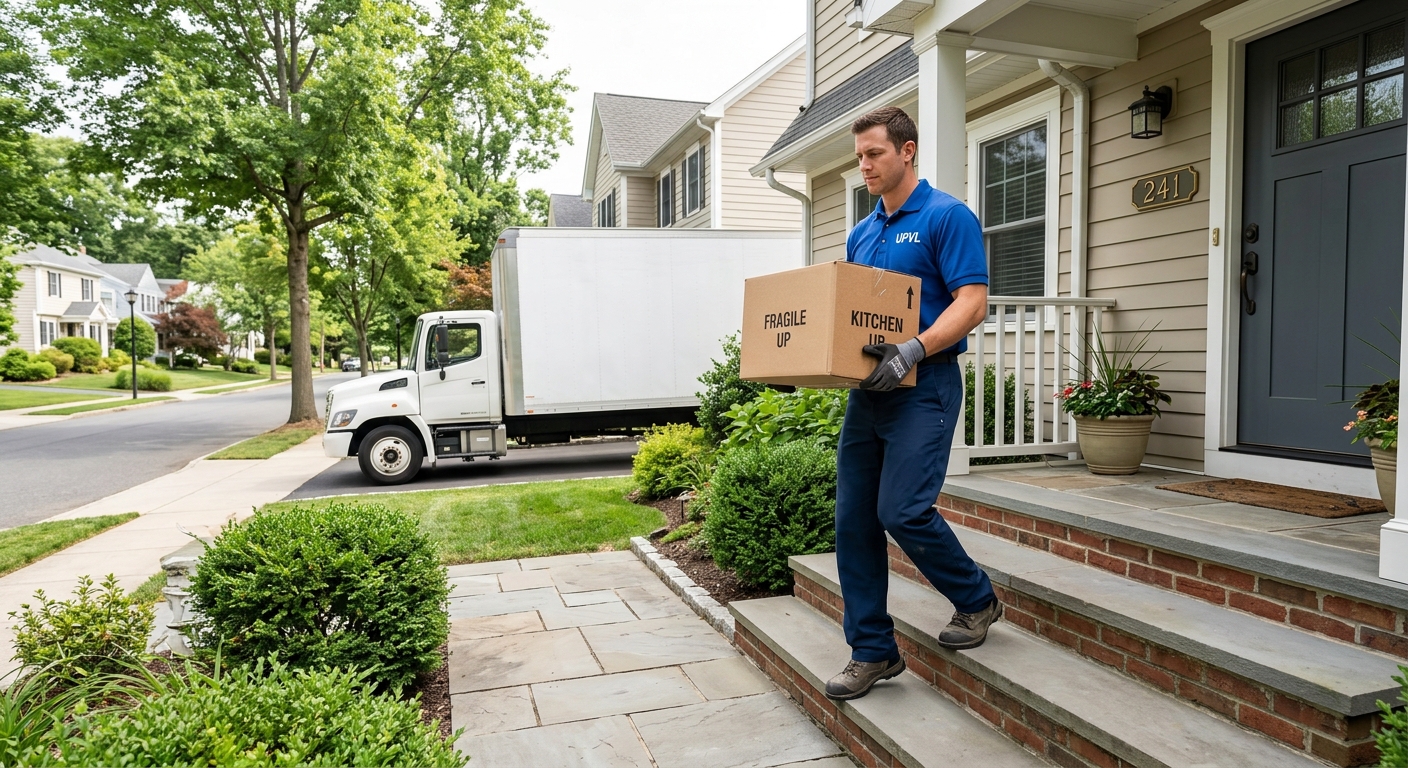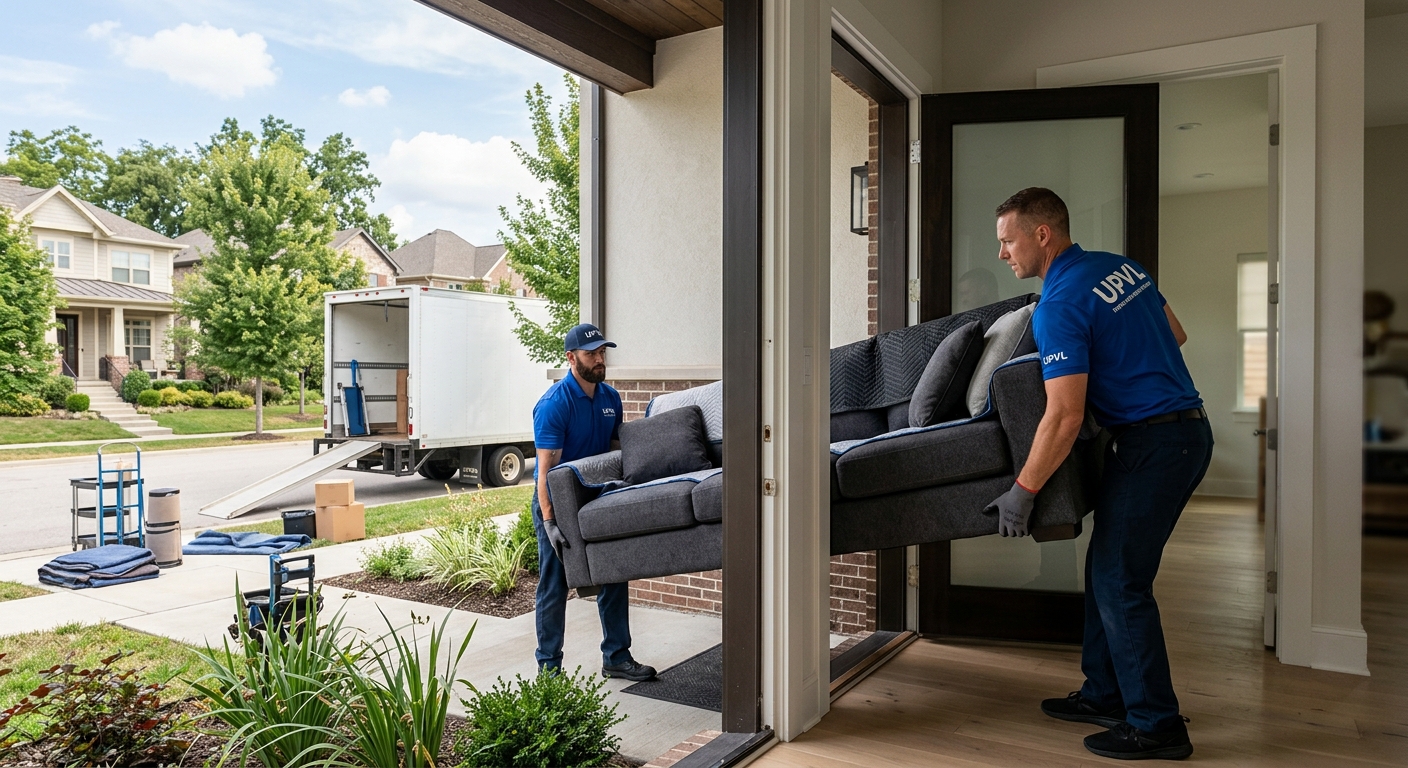
Moving into or out of a Miami high-rise condo is very different from a simple house move. Between COI requirements, elevator reservations, loading dock rules, and tight timelines, one small mistake can delay your move or even cancel it. With the right planning, though, you can sail through Miami moving regulations and keep your condo association and building management happy.
Quick Navigation
Most Miami condo and high-rise buildings will not let movers start work without a proper Certificate of Insurance (COI) on file. For many Brickell and Miami Beach towers, the front desk or management office must approve the COI days before your move date.
A COI is proof that your moving company carries the liability and workers’ compensation insurance required by your building. It protects the building if something is damaged in common areas or if a worker is injured on site. Without it, management can simply refuse access to your movers.
Here is why this is so important when you are planning around a moving permit Miami may require or tight elevator windows:
Working with experienced Brickell movers or Miami Beach movers who understand these condo rules saves you from last-minute chaos and rescheduling fees.
| Reason | What Can Go Wrong | How to Avoid It |
|---|---|---|
| No COI on file | Building refuses entry to movers | Request COI requirements from management 1–2 weeks ahead |
| No elevator reservation | Long delays, extra labor hours | Book elevator as soon as you have your move date |
| No moving permit Miami where required | Ticketed truck, forced to move, delay | Check with city/HOA and your mover about permits |
| Wrong building hours | Move halted mid-way, overnight fees | Confirm allowed days and times in writing with management |
Not all Miami condos operate the same way. Brickell’s financial district towers, South Beach’s art deco and oceanfront buildings, and high-rises along Biscayne Bay each bring different access, parking and elevator obstacles.
Brickell is one of the densest high-rise areas in Florida. Dozens of luxury towers like Brickell City Centre, Icon Brickell, SLS Lux and nearby buildings have strict move rules. When you hire Brickell movers, you need a team who already knows how these towers operate.
Common Brickell challenges include:
Many Brickell condos require you to reserve the freight elevator weeks ahead, especially at month end. A mover familiar with Brickell can guide you on when to call, who to email, and what form to send.
Miami Beach movers face their own mix of challenges: older art deco buildings with small elevators, limited street parking, and beachfront properties where the building entrance is far from legal truck parking.
Typical Miami Beach condo issues:
Because Miami Beach traffic and parking are heavily regulated, it is smart to ask your mover whether they have recently handled your specific building or street. That experience cuts down on surprises.
Downtown Miami, Edgewater and Midtown have rapidly grown with new condo towers along Biscayne Boulevard and the bay. These buildings usually have modern service elevators and loading docks, but they are also busy with deliveries and rideshares.
Expect:
Additional Miami condo clusters include:
Each association can set its own rules, so you should always get a written move-in/move-out packet from management before you sign a moving contract.
| Neighborhood | Main Challenges | Best Practices |
|---|---|---|
| Brickell | Busy loading docks, strict time windows | Book elevator early, hire Brickell-savvy movers |
| Miami Beach | Street parking, small elevators | Confirm parking plan, consider furniture disassembly |
| Downtown/Edgewater | Security, dock reservations | Send COI and crew list in advance to management |
| Sunny Isles/Aventura | Gated entries, HOA rules | Verify gate codes, HOA deposits and COI wording |
A Certificate of Insurance (COI) is a one-page document issued by your moving company’s insurance provider. It names your condo building and association as "certificate holders" and "additional insured" for the day of your move. It shows policy limits, coverage types and the dates coverage is valid.
Miami condo buildings rely on COIs to avoid paying for damage a mover might cause. If a mover drops a sofa on marble flooring in the lobby or dents an elevator door, the building wants to know that your mover’s general liability insurance will cover repairs, not the association or unit owners.
Requirements vary, but many Miami towers ask for:
Building management may send you a sample COI or a written list of requirements. Give that to your moving company as early as possible. A professional mover can send the customized COI directly to the building office.
In Miami, many front desks are busy and may misplace documents. Always follow up by email and phone the week of the move.
One common misunderstanding is thinking a COI protects your personal belongings. It does not. A COI protects the building and association, not your furniture or boxes.
Your own protection for belongings comes from valuation coverage (sometimes called moving insurance), which we cover in more detail below. For interstate moves, the FMCSA explains how Released Value and Full Value Protection work for household shipments.
| Document | Who It Protects | What It Covers |
|---|---|---|
| Certificate of Insurance (COI) | Building, HOA, management company | Damage to building property, liability for injuries |
| Valuation Coverage (Released Value) | You (limited) | Minimal compensation per pound, usually $0.60/lb in interstate moves |
| Valuation Coverage (Full Value) | You (stronger) | Repair, replace or cash settlement for damaged/lost items under terms |
| Homeowner/Renter Insurance | You | May cover certain move-related losses; varies by policy |
In most Miami high-rises, you cannot simply show up with movers and use any elevator. Buildings usually have one or two service elevators that must be reserved for moves, deliveries and large items.
Every building has its own system, but the typical process is:
Some Brickell and Miami Beach condos book elevator timeslots like 9 a.m.–12 p.m. or 1 p.m.–4 p.m. If your movers run over that time, the building may charge additional fees or cut off access.
Professional movers who work regularly in towers around Miami will often recommend longer time windows for large, furnished condos or when both pickup and delivery are in high-rises.
For many high-rises, especially in Brickell, the only legal loading area is a shared dock behind or beneath the building. Buildings may require:
Some Miami Beach buildings do not have a true loading dock and may require loading from a side street or designated loading zone. That is where a moving permit Miami might be necessary to use the curb lane legally for several hours.
In older and boutique condos, movers may encounter:
Your mover may need to use smaller trucks or shuttle vehicles, additional dollies, and sometimes extra helpers to stay within your elevator window. Always mention garage clearances, long hallway runs and staircase sections when you request a quote.

The term "moving permit Miami" can refer to several different things, depending on your building and location: a street parking permit for the truck, a loading zone permit, an HOA-mandated move permit, or simply an internal building authorization.
Whether you need a formal permit from the city depends on where the moving truck will park and for how long. Common situations where permits or special arrangements may be needed include:
Where available, parking permits or temporary no-parking signs can help keep your mover close to the entrance, reducing long carry charges and lost time. Each municipality, like the City of Miami or City of Miami Beach, has its own parking and permitting rules. For example, Miami Beach provides guidance on temporary parking permissions on its city website, and fines can be costly if trucks violate posted rules.
Many condos also use the word "permit" to describe their own move authorization process. This might include:
Without completing that building-level "moving permit" process, management will not activate your elevator reservation or allow the movers past the front desk or security gate.
The answer varies. Some professional movers will coordinate parking permits on your behalf for an added fee, while others expect the customer to handle city paperwork. Make sure to ask this during your quote process.
For building-level permits and HOA forms, you’ll usually handle the paperwork but lean on your mover for the COI and licensing documents. Companies like United Prime Van Lines can advise you on typical requirements for popular Miami and Miami Beach buildings based on past experience.
| Permit Type | Who Issues It | Who Usually Handles It |
|---|---|---|
| Street parking / loading zone | City (e.g., City of Miami, Miami Beach) | Customer or mover, depending on agreement |
| HOA move authorization | Condo association / management | Customer completes; mover supplies COI |
| Elevator reservation | Building management | Customer requests, coordinated with mover schedule |
| Gate or access pass | Gated community / security | Customer with support from mover |
Whether you are moving from Brickell to Miami Beach or from Miami to another state, COI and building rules still apply. However, the planning looks different for local versus long-distance relocations.
Local moves within Miami-Dade or between nearby cities like Hallandale Beach, Aventura and Coral Gables often can be done in one day, sometimes in half a day, if both buildings are well coordinated.
Local high-rise moves typically involve:
Because you are working with two sets of Miami moving regulations and building rules, you need to gather move packets for both properties and start the COI and elevator process early.
Long-distance and interstate moves add more layers: delivery windows, weight-based pricing, and federal regulations. The FMCSA oversees interstate movers and explains required paperwork, including estimates and your Rights and Responsibilities booklet.
When you move from a Miami condo to another state, you may face:
Give your mover all condo information for both ends so they can coordinate crew size, timing and truck access. A company experienced with long-distance moving will plan around both building calendars and traffic patterns along I-95, I-75 or the Florida Turnpike.
Some popular long-distance condo routes from Miami include:
On these routes, you often deal with multiple major-city regulations and building COIs at both ends, so careful scheduling and a detailed written estimate are essential.
Packing for a Miami high-rise move is not just about protecting your belongings; it is also about efficiency. The more organized you are, the more you can get done within your limited elevator window and hourly labor time.
You generally have three packing options:
For busy professionals in Brickell high-rises and Miami Beach condos, full packing or at least professional kitchen and fragile packing can be worth the extra cost. Services such as full packing services dramatically reduce stress and save time in buildings with strict time slots.
In high-rises, movers often push loaded carts down long hallways and through multiple doors. Clear labeling speeds up delivery and setup. Use:
For moves within the same building or complex, labeling by floor and side (e.g., "23A" or "south tower") can prevent boxes from ending up in the wrong place.
Many Miami Beach and Brickell elevators, even service ones, have size limits that require disassembly for items like:
Professional movers can handle this as part of the job. Specialized services such as furniture disassembly and assembly are especially useful when elevators, stairwell turns or low ceilings present obstacles.
Condo associations may require padded protection for elevators, lobby floors and hallways. They may even inspect common areas before and after your move.
Good movers will bring:
Ask your building whether they provide elevator pads or expect the movers to bring them. Coordinating this ahead of time can prevent last-minute disputes.
Miami’s heat, humidity and sudden storms can damage certain items if not handled carefully. The National Hurricane Center notes that hurricane season runs from June 1 through November 30, with peak activity from August to October. During this time, you should:
| Packing Choice | Best For | Pros and Cons |
|---|---|---|
| Full packing | Busy professionals, large condos | Pros: least stress, fastest. Cons: higher cost. |
| Partial packing | Fragile kitchens, artwork | Pros: protects tricky items. Cons: some work left for you. |
| Self packing | Small studios, tight budgets | Pros: cheapest. Cons: time-consuming, risk of improper packing. |
| Disassembly service | High-rise moves with tight elevators | Pros: fits furniture safely. Cons: small added cost, extra time. |
Condo life often means limited space and strict rules about what can be kept on balconies or in hallways. Storage becomes especially useful when:
Working with a mover that offers integrated storage, such as United Prime Van Lines storage options, simplifies logistics. They load your goods once, store them securely, and redeliver to your new condo when your elevator and COI are approved.
Miami’s humidity can be tough on wood furniture, electronics and artwork. Climate-controlled storage is especially important for:
When storing high-value items, ask about special handling or white-glove services. For example, art and antique moving and piano moving may be recommended for certain pieces.
If your move-in date is pending association approval, storage lets you move out on time and avoid penalties from the seller, landlord or previous building. Your mover can:
Always confirm that your elevator reservation and COI are lined up before you schedule redelivery from storage.
High-rise moves in Miami usually cost more than similar-size house moves because of elevators, long hallways, parking challenges and building rules. However, understanding the main cost drivers helps you control your budget.
Below is a simplified example of how different factors influence the typical cost range for a local Miami condo move. These are illustrative ranges, not firm quotes; actual prices vary by mover, season and specifics of your job.
| Factor | Impact on Cost | How to Manage It |
|---|---|---|
| Elevator wait time | More labor hours | Reserve elevator and confirm exclusive access if possible |
| Long hallway walks | Long carry fees or extra time | Request a closer dock spot or extra carts |
| Packing level | More packing = higher cost | Pre-pack what you can, have movers pack fragile items only |
| Peak dates | Higher rates or limited availability | Book early or choose mid-week, mid-month move dates |
In general, moves in Brickell and Miami Beach often cost more than comparable moves in suburban areas like Kendall or Doral because of:
On the other hand, suburban moves might involve longer driving distances or larger homes, shifting the cost factors. Sharing photos or a walk-through video tour with your estimator can help dial in a realistic quote.
Understanding how your move is priced is just as important as understanding the building rules. Miami movers use several pricing models, depending on whether your move is local or interstate.
For local moves within the greater Miami and South Florida area, most movers price by the hour with a minimum (e.g., 3–4 hours) or by flat-rate for specific, well-defined jobs.
Key differences:
In high-rises, hourly moves can run over budget if elevators or access take longer than expected. Flat-rate moves can protect you from some time overruns but usually require a detailed inventory and accurate description of your building access.
| Estimate Type | Best For | Pros and Cons |
|---|---|---|
| Hourly (local) | Small to medium local condo moves | Pros: flexible, simple. Cons: costs can rise with delays. |
| Flat-rate (local) | Well-defined condo moves | Pros: price certainty. Cons: requires precise details. |
| Binding (interstate) | Predictable long-distance moves | Pros: fixed price for listed items. Cons: changes require addendums. |
| Non-binding (interstate) | Flexible inventory, unknown weights | Pros: initial estimate only. Cons: final charges based on actual weight. |
For interstate moves, the FMCSA distinguishes between binding and non-binding estimates. A binding estimate is a written agreement that sets the total price based on the services listed. A non-binding estimate is your mover’s best guess, but the final cost depends on the actual weight and services provided.
FMCSA explains the differences and your rights in detail in its consumer materials. Source: FMCSA.
For Miami condo residents, a binding estimate can provide peace of mind if your inventory and building conditions are stable. However, changes that add items, require extra services, or involve access issues at the destination building can lead to revised charges even under a binding estimate.
Getting clear, written answers helps you compare quotes fairly and avoid surprise fees on move day.
When you are dealing with strict Miami moving regulations and condo associations, it is critical to hire properly licensed and insured movers. Many buildings will ask for copies of your mover’s license and insurance before approving your move.
For moves that cross state lines, your mover must have a U.S. DOT number and interstate operating authority issued by the FMCSA. You can look up movers and verify their license and complaint history on the FMCSA’s public search tool. Source: FMCSA.
For moves within Florida, intrastate movers must comply with state requirements, and the Florida Attorney General offers consumer protection tips and information on moving fraud. Source: Florida Attorney General.
As described earlier, a COI shows that your mover carries adequate:
Buildings in Brickell, Downtown and Miami Beach often have their own COI templates or wording requirements. A professional mover can adjust the COI language to match those requirements, while a low-cost, unlicensed mover may not be able to provide a valid COI at all.
Separate from the building’s COI is valuation coverage for your household goods. For interstate moves, federal rules require movers to offer:
Information on these options is provided in federal consumer guides. Source: FMCSA.
For local moves within Miami, coverage types and terms vary by company and state law, so always ask your mover what level of protection is included and what upgrades are available.
Reputable companies such as United Prime Van Lines will provide written estimates, explain valuation options, and prepare COIs that satisfy demanding Miami building management offices.
Coordinating COIs, elevator reservations, and moving permits in Miami can feel overwhelming. A step-by-step checklist helps keep everything on track.
| Task | Ideal Timing | Who Handles It |
|---|---|---|
| Get building move packet | 4–6 weeks before | You |
| Book movers | 2–3 weeks before | You |
| Request and approve COI | 2 weeks before | Mover + Building |
| Reserve elevator | 2 weeks before | You (coordinate with mover) |
| Confirm permits/parking | 1 week before | You + Mover |

A COI, or Certificate of Insurance, is a document from your mover’s insurance company that proves they carry liability, workers’ compensation and auto coverage. Most Miami condos require a COI to protect the building and association from damage or injuries during your move. Without an approved COI, security may refuse to let the moving crew or truck onto the property.
Ask your building’s management office or HOA for written COI requirements and the exact legal names and addresses they want listed. Share this information with your moving company at least 5–7 business days before your move. The mover’s insurance provider will issue a customized COI and send it to both you and the building for approval.
For busy towers in Brickell, Downtown and Miami Beach, you should try to reserve the service elevator 2–3 weeks before your move. Some buildings book up quickly, especially at month end. Once your elevator time is confirmed, immediately share it with your movers so they can schedule the crew and truck to match that window.
If your building has only a passenger elevator or none at all, your movers will work within the building’s rules. Some older Miami Beach buildings allow light moves in passenger elevators during certain hours, while others require using stairs only. This usually increases the labor time, so discuss elevator limitations with your mover before you get a quote.
You may need a permit or special parking arrangement if your moving truck will occupy metered street spaces, a loading zone or part of a traffic lane for several hours. Requirements differ between the City of Miami, Miami Beach and other municipalities. Additionally, many condo associations use their own internal "move permits" or applications that must be approved before you can reserve elevators and docks.
It depends on your agreement. Some movers will handle city parking permits for an additional fee; others expect the customer to coordinate with city parking departments or HOAs. For building-level move applications and deposits, you typically complete the forms while your mover supplies COIs and license information. Always clarify this in writing before booking.
If the building has not approved the COI, security may deny entry to the crew and truck, forcing you to reschedule the move. This can lead to cancellation or rescheduling fees from the mover and lost elevator deposit or fees from the building. To avoid this, confirm COI approval with management a few days before your move and keep the approval email handy.
Some Miami condos allow weekend moves; many do not. Others allow only weekday moves during business hours, such as 9 a.m.–4 p.m. Evening moves can be restricted due to noise or staffing. Always confirm the allowed days and times in writing with your building and book your movers accordingly.
For a small studio or one-bedroom with good access, a 2–3 hour elevator window may be enough. For larger units, long hallways or complex parking, 3–4 hours or more may be necessary. Your mover can recommend an appropriate window after learning about your inventory and building layout.
No. The COI protects the building and condo association, not your personal belongings. Coverage for your items comes from valuation protection with the moving company and, in some cases, your homeowner or renter’s insurance. Ask your mover to explain what level of coverage is included and what upgrades are available.
Pack as much as you safely can in advance, declutter before move day, reserve elevators to minimize wait times, and provide detailed information about building access to your movers so they can plan efficiently. If possible, choose a mid-week, mid-month date outside peak moving season to avoid premium pricing.
Ask whether they have experience with your specific building or area, if they can provide a COI that meets your building’s requirements, how they handle parking and potential permits, what estimate type they offer (hourly, flat-rate, binding), and what valuation coverage and insurance they carry. Request everything in writing.
For Florida moves, the contact information is:
Moving with a COI in Miami’s condo and high-rise neighborhoods demands more planning than a typical house move, but it does not have to be stressful. When you understand your building’s rules, secure elevator reservations, handle any moving permit Miami might require, and hire properly licensed movers who know Brickell and Miami Beach, you eliminate the biggest risks.
Gather building requirements early, communicate clearly with your movers, and keep your schedule flexible enough to work around condo calendars and Miami’s weather. With the right preparation, your high-rise move can be efficient, protected and fully compliant with Miami moving regulations—so you can start enjoying your new view instead of worrying about paperwork and access issues.