Moving in summer sounds great on paper: longer days, kids out of school, no snow or ice. But if you’ve ever opened a moving truck that’s been sitting in a July sun, you know the truth: it can feel like opening an oven.
I’ve seen candles melt into modern art, TVs refuse to turn on, vinyl records warp, and leather furniture crack — all because of heat and poor planning. The good news? Most of that damage is completely preventable if you know what you’re dealing with and pack the right way.
I’ll walk you through exactly how I protect items during summer moves, the same way we do it on professional jobs at United Prime Van Lines. I’ll keep it simple, real, and practical so you can follow along step by step.
Before talking about solutions, it helps to understand the problem. Summer moves combine three things that are rough on your stuff. Heat: Inside a truck or car, temperatures can easily hit 110–140°F. Humidity: In places like Florida, moisture in the air can swell wood, warp paper, and encourage mold. Time: Even a few hours in a hot space can damage certain items; cross-country moves mean days of exposure.
Certain categories are especially vulnerable: electronics, candles, cosmetics, vinyl records, musical instruments, artwork, leather/wood furniture, and anything organic.
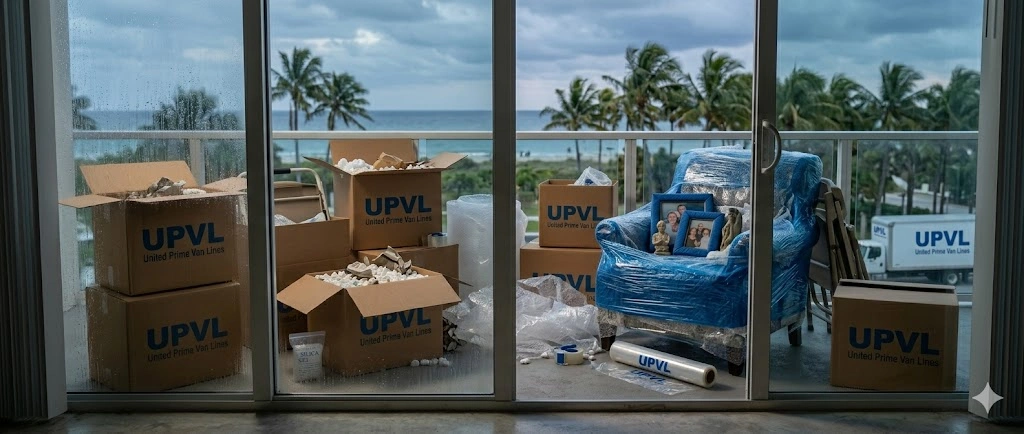
If you’re moving in or out of places like Hallandale Beach, FL or the greater Miami area, that combo of heat and humidity is on a whole different level. That’s exactly why, when we handle summer jobs there, we adjust our packing, timing, and loading to protect everything from the moment we arrive.
One of the most important things I do on any summer move is a quick “heat risk” walkthrough with the customer. You can do the same on your own. Walk room by room and make a list of your electronics, meltables (candles, cosmetics, lotions), sensitive media (vinyl records, photos), fragile materials (leather, wood, instruments), heat-sensitive decor (items with glue or wax), and never-in-the-truck items (meds, plants, perishable food).
Anything that can warp, melt, soften, crack, or separate from high temps goes on that list. That list becomes your “special handling” category. When we do full-service moves, that list is exactly what guides our loading and packing strategy.
Electronics are usually the first thing people worry about. Heat, bumps, and humidity are a terrible combo.
1. Use Original Boxes When Possible: If you saved the box your TV or monitor came in, use it. Those boxes are designed for proper padding and screen protection. No box? Use a TV box from a moving supply store, bubble wrap, and corner protectors. Never lay a flat-screen TV flat; keep it upright and label it clearly.
2. Keep Electronics Out Of The Truck Until The Last Minute: Electronics go on the truck as late as possible and come off as early as possible. This means less time in the heat and less temperature shock.
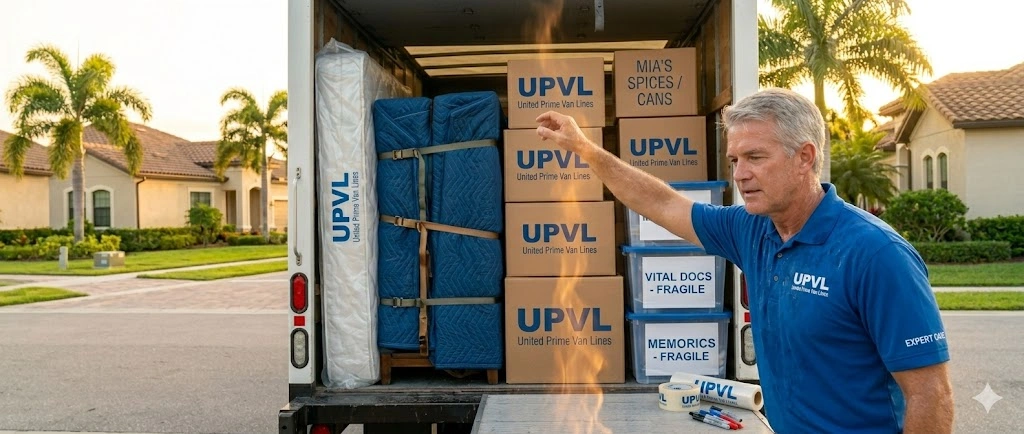
3. Avoid Heat Traps: Inside the truck, keep electronics away from direct metal surfaces on the side walls. Place electronics inside the truck, toward the center, and surround them with other boxes.
4. Let Them Acclimate Before Use: When you arrive, bring electronics inside and let them sit for a few hours in air conditioning before plugging them in. Turning electronics on while they’re still hot or full of condensation can do more damage than the ride itself.
If you don’t want to stress about any of that, we can pack and position all your electronics properly as part of our full-service packing.
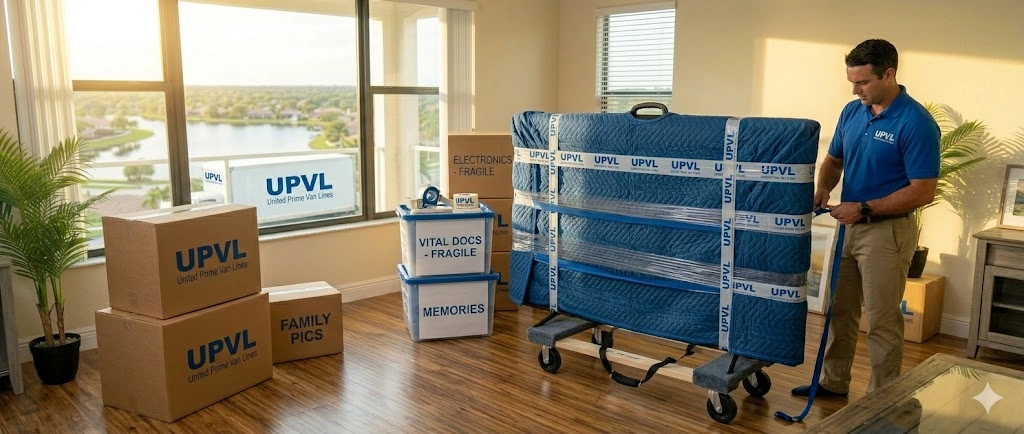
If you’ve ever unpacked a box in August and found lipstick melted into the cardboard, you know this pain. My simple rule for summer moves: If you’d be nervous leaving it in a hot car all day, don’t put it in the moving truck.
What To Keep With You: Try to keep candles, lipsticks, lotions, and cleaning products in your personal vehicle where you can control the temperature. Place them in a small plastic bin or tote with Ziplock bags inside for leak protection.
If They Have To Go On The Truck: Double-wrap any liquids or creams in sealed bags, cushion with towels to absorb leaks, and mark the box clearly: “THIS SIDE UP – LIQUIDS – HEAT SENSITIVE.” Keep the box toward the center of the load.
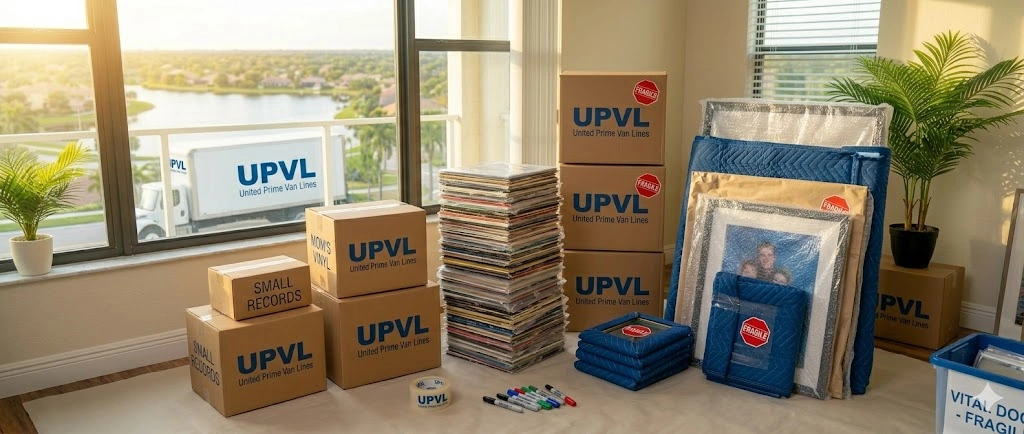
A lot of people don’t realize how fast heat can ruin vinyl records, photos, and artwork. They may not shatter like glass, but warping and sticking can be permanent.
Vinyl Records: Keep them upright, never flat. Pack tightly so they don’t slump or bend, use stiff cardboard inserts, and label the box clearly. Ask your movers to keep these items in the coolest part of the load.
Photos & Photo Albums: Photos can stick together, curl, or warp. Store loose photos in archival sleeves, keep albums upright, and pack them in a smaller box that you keep in your vehicle if possible.
Artwork: For framed artwork, use corner protectors, wrap with bubble wrap and moving blankets, and keep them upright. For canvases, wrap in breathable material (like moving blankets) rather than plastic so moisture doesn’t get trapped.
If you’ve got high-value art or antiques and you’re nervous about the heat, this is exactly when I’d suggest using our specialized art & antique moving service.
Summer can be rough on wood and leather. Humidity makes wood swell, heat dries out leather, and trapped moisture can lead to mildew.
1. Clean And Dry Before Moving: Always wipe surfaces clean and make sure everything is 100% dry before wrapping. Moisture trapped under plastic plus summer heat equals mildew and damage.
2. Use Moving Blankets, Not Just Plastic: For wood and leather, wrap with moving blankets first. If you want plastic for dust or rain, wrap loosely over the blankets, not directly on the furniture. Direct plastic in hot, humid conditions can literally cook your furniture.
3. Avoid Over-Tightening Straps: When we strap down furniture, I’m careful not to crush edges, force wood into slight bends, or put too much pressure on leather arms. You want the furniture secure, but not strangled.
4. Be Careful With Storage In Summer: If you’re using storage in hot places, heat damage risk doubles. I strongly suggest climate-controlled options like our storage solutions.
Musical instruments are extremely sensitive to temperature swings, humidity changes, and physical shock. Guitars and violins can warp or crack.
Guitars and Violins: Loosen the strings slightly to reduce tension, pack them in their hard cases, add a soft cloth inside the case for security, and keep them out of the truck for as long as possible.
Pianos: With pianos, especially in hot climates, we use special equipment and padding, plan the route to minimize time outdoors, and keep them well wrapped but not suffocated in plastic. If you’re moving a piano in the summer, this is not a DIY project. That’s exactly why we offer piano moving.
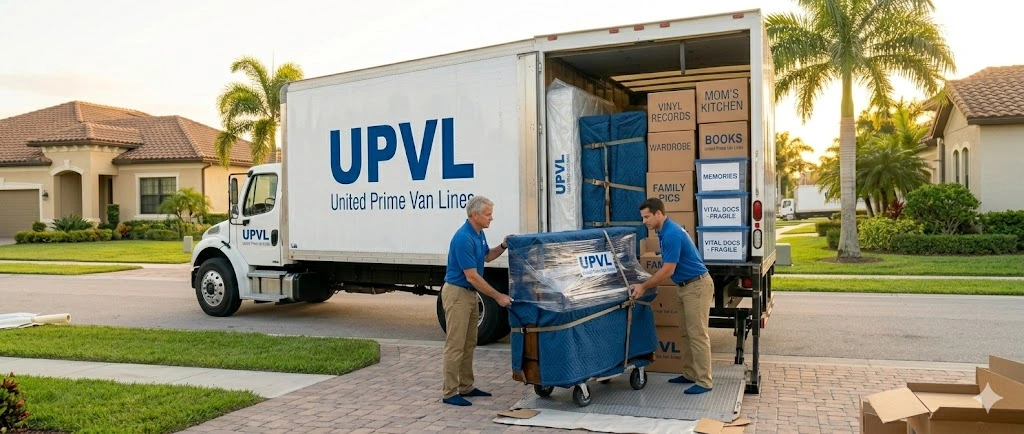
One of the easiest ways to protect your items during summer moves is to shift your schedule.
Start Early (Or Later In The Day): When I see a scorching forecast, I like to start loading as early in the morning as possible and try to have the truck closed up before midday heat peaks. Your items spend fewer hours in “oven mode,” and your movers aren’t exhausted in dangerous heat.
Avoid Leaving A Loaded Truck Sitting In The Sun: Try not to leave a loaded truck sitting in direct sun for extra days “just because.” The less time your stuff spends in a sealed metal box under full sun, the better.
There are some categories that are just bad news in a summer moving truck: household cleaners, aerosol cans, perishable foods, medications, plants, irreplaceable documents, jewelry, and cash. Heat can make chemicals unstable, cause meds to lose effectiveness, and ruin food. I always suggest taking these in your own vehicle.
If you’re feeling anxious about a summer move, there are a few options that take most of the risk off your plate:
1. Full-Service Packing: We bring the right materials, wrap heat-sensitive items professionally, and label boxes clearly so they’re loaded in the safest spots on the truck. 2. Climate-Controlled Storage: If your timing is messy, I strongly recommend climate-controlled storage to protect your leather, wood, art, and electronics. 3. Clear Communication: Tell us up front what you’re most worried about and which boxes you want us to treat as high priority.
A week before you move: Walk through your home and list electronics, artwork, vinyl, meltable items, instruments, and high-value items. Decide what rides with you vs. what goes on the truck. A day or two before: Pack heat-sensitive items in labeled boxes, clean and dry leather/wood furniture, pre-pack electronics, and separate your “car items.” On moving day: Start early, keep electronics inside until near the end of loading, and ask movers to place heat-sensitive boxes toward the center of the truck. On arrival: Bring heat-sensitive items in first, let electronics acclimate to room temperature, and unwrap leather and wood so they can breathe.
After doing this for a long time, I’ve learned to treat summer moves a bit like shipping something fragile across the desert. It’s not about fear — it’s about respect for what heat can do if you ignore it.
When I plan a summer move, I’m always thinking: What absolutely can’t overheat? What will warp in humidity? How can we shorten the time anything spends in extreme conditions? That’s the mindset we bring to every job at United Prime Van Lines. If you’re staring down a hot-weather move and feeling overwhelmed, you don’t have to wing it alone. We can step in for just the tricky parts or handle the full thing. My goal is simple: You open that truck at your new home, the air may feel like an oven — but everything inside is safe, solid, and ready to start the next chapter with you.