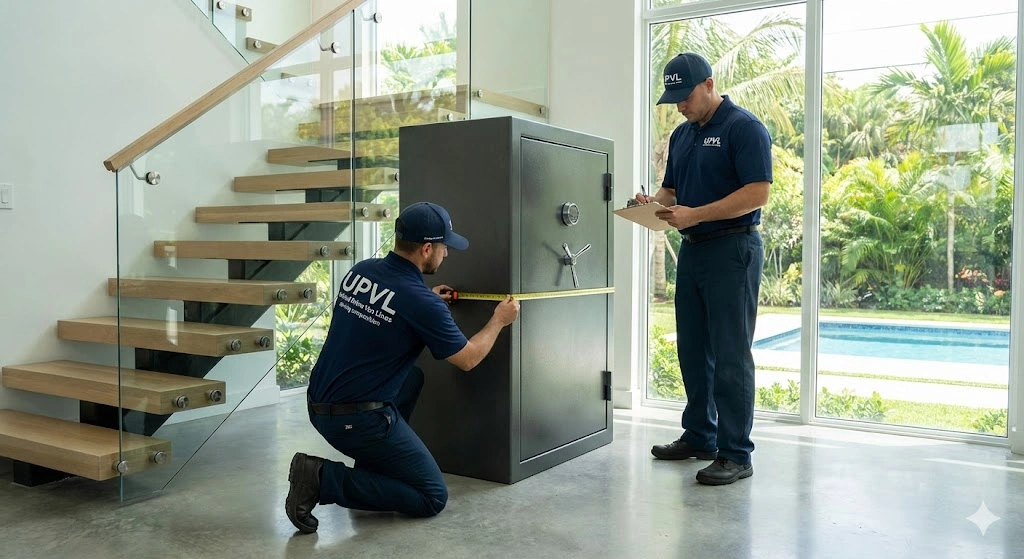
Let’s walk you through a real move, step by step — no fluff, no “perfect world” scenario, just how it actually happens when you move with us.
To keep things simple (and respectful of privacy), we’ll call our clients “Mark and Anna.” They’re a couple in Hallandale Beach, FL who moved with us from a two-bedroom condo in Hallandale Beach to a townhome in Plantation, FL. Short distance on the map, but a big life upgrade for them — and a pretty typical South Florida move for us.
We’ll walk through the whole process:
- How they got their quote
- What we asked, what they forgot to mention
- How we planned the date
- What happened on moving day
- The awkward moments (yes, there were a few)
- How unpacking and settling actually went
If you’re wondering what it *really* feels like to move with United Prime Van Lines from that very first phone call, this is about as close as you can get without actually being on the truck with us.
How the Move Started: “We’re Not Sure Where to Begin…”
Mark reached out to us on a Tuesday afternoon. He had that tone we hear all the time: half organized, half overwhelmed.
He’d already filled out a quick form online, so when we called him back, we had the basics:
- 2-bedroom condo in Hallandale Beach, FL
- Moving to Plantation, FL
- Elevator building
- Rough date: “Sometime next month”
He opened the call with, “We’ve never hired professional movers before… we usually bribe friends with pizza.”
Totally normal. A lot of our local South Florida clients are in that same boat the first time.
Here’s how we broke it down for him, so he and Anna could understand exactly what to expect and what it would cost — without any surprises later.
The Quote: What We Ask (and Why It Matters)
We never rush the quote. That first conversation sets the tone for the whole move. If we skip details now, they come back to bite everyone on moving day — and nobody wants that.
With Mark, we walked through our usual questions.
The Home Walkthrough — Even Over the Phone
We basically “walked through” his condo together verbally. Room by room.
We asked:
- How many bedrooms really have furniture? (Sometimes a “2-bed” is really 1 bed and 1 office full of… stuff.)
- Any large or fragile pieces? TV size? Glass tables? Big mirrors?
- Any items that require extra care? (Artwork, musical instruments, tools, collectibles)
- How many closets and how full are they?
That last one is important. Closets are where surprises live.
Mark said:
- Bedroom 1: Queen bed, 2 nightstands, dresser, TV
- Bedroom 2: “Mostly office, one small futon”
- Living room: Sofa, coffee table, TV stand, some shelves
- Dining: Small table, 4 chairs
- Plus “a couple of closets” and “some stuff on the balcony”
We gently pushed for more clarity on those closets and balcony.
Turned out:
- One balcony had a large storage bin and a full-size grill
- One closet was mostly clothes
- The other was “kind of a storage closet” — Christmas decorations, extra kitchen gadgets, luggage, random boxes from their last move that were never opened (again, very normal)
We didn’t rush him. We let him think, talk through the space, and we asked follow-ups so we could get as close to reality as possible.
Access, Parking, and Elevators: The Unsexy Stuff That Changes Everything
A move isn’t just about how much you have — it’s about how easy or hard it is to get your stuff in and out.
So we asked:
- Is there an elevator and do you need to reserve it?
- How far is the walk from your unit to where we can park?
- Any stairs at the new place?
- Any tight hallways or low ceilings?
In Hallandale Beach, a lot of buildings require elevator reservations, especially on weekends. If you don’t book it, you risk trying to move around construction, deliveries, and neighbors — and everything takes longer.
Mark hadn’t even thought about elevator reservations. That’s common.
We walked him through it:
- Who to call (building management)
- How long to reserve (we recommended a 3–4 hour window)
- Why it matters for timing (we want to hit that window exactly)
On the Plantation side, they were moving into a two-story townhome with parking right in front, but with a staircase inside. That meant we’d be carrying furniture upstairs — which is no problem, we just need to know ahead of time to plan crew and time.
What They Forgot to Mention (At First)
Almost every client forgets something in the first call. That’s why we always double check.
In this case, it was:
- A large 75" TV
- A glass-top dining table
- A couple of larger plants
- Several pieces of artwork (framed, with glass)
We only found out when we asked:
“Do you have any fragile or high-value items you’d be really upset about if something happened to them?”
That question usually jogs memories, and it did for Mark.
We went over those items one by one and explained:
- How we’d wrap and protect them
- What we might need to pack ourselves (like the artwork)
- Why it could slightly affect the final estimate
The point isn’t to scare anyone — it’s to help them understand what goes into moving delicate items safely.

Building the Estimate: Time, Crew, and Services
Once we had a clear picture, we walked Mark through how the estimate works.
For this job, we suggested:
- 3 movers
- 1 truck
- Full padding and wrapping of furniture
- Disassembly and reassembly of beds and basic furniture
- Optional: partial packing for the kitchen and fragile decor
Because they were staying relatively local (Hallandale Beach to Plantation), we quoted based on an hourly rate with a minimum, including:
- Drive time from our Hallandale Beach base
- Load at the condo (with elevator use)
- Drive to Plantation
- Unload and basic setup
We gave him:
- An estimated total time range (for example, 6–8 hours)
- A not-to-exceed style estimate based on the info he gave
- A breakdown of what’s included and what could add time or cost (extra packing on move day, long walks, additional stops, etc.)
We also explained something a lot of people don’t realize:
Packing is what makes or breaks a move.
If the boxes are:
- Labeled
- Properly sealed
- Packed tightly (not half-empty)
…everything moves quicker, safer, and smoother.
If not, we can absolutely help — but it does take extra time, which is a cost factor.
Anna, who joined the call on speaker, immediately said: “We are terrible at packing. Can you just pack the kitchen and all the fragile stuff?”
So now we added:
- Partial packing: kitchen, some decor, and framed art
- Packing materials for those items
We updated the estimate, emailed it to them, and then went over it line by line on the phone so there were no question marks.
Locking in the Move Date and Pre-Move Prep
Once they were comfortable with the estimate, Mark and Anna picked a Saturday about three weeks out. Saturdays book quickly in South Florida, especially during peak seasons, so we encouraged them not to sit on it.
What We Sent Them Before Move Day
After booking, we sent:
- A written confirmation with the date, arrival window, and crew size
- A simple “Move Prep Checklist” tailored to their move
- A reminder to reserve the elevator for specific hours
- A recap of what they were packing vs. what we were packing
Their personalized checklist included things like:
- Finish packing non-essentials at least 1–2 days before
- Keep “Open First” boxes clearly labeled
- Separate important documents, small valuables, medications
- Take photos of the back of any complex electronics setups
- Defrost and clean the fridge (if moving it)
We told them honestly: the more you do before move day, the faster (and cheaper) the move usually is. But we also made it clear — if life gets in the way, we’ll jump in and help.
What They Actually Did (and Didn’t) Before Move Day
They did pretty well, but not perfectly — which is real life.
They:
- Packed most of their clothes and books
- Labeled most boxes by room
- Set aside a couple of “First Night” boxes
They didn’t:
- Finish the kitchen
- Pack some random decor
- Sort the storage closet
That’s exactly why they chose partial packing with us. We weren’t surprised, and we planned for it.

Move Day Morning: The Walkthrough and Game Plan
We gave them a call about 30 minutes before arrival, as promised. The crew showed up in our truck, in uniform, within the agreed time window.
First thing we always do is a quick in-person walkthrough.
The Initial Walkthrough: Seeing Everything for Ourselves
Together with Mark and Anna, we walked through:
- Every room
- The balcony
- The storage closet
- The path to the elevator
- The parking and loading area
We pointed and asked:
- “Is everything in this room going?”
- “Anything staying behind?”
- “Which boxes or items are top priority at the new place?”
Two changes came up that morning:
- They decided to leave the grill behind and sell it to a neighbor.
- They wanted us to *also* pack some items from the storage closet that they originally thought they’d handle.
We adjusted mentally on the spot. Since we’d built in a little buffer, it didn’t break the schedule.
Protecting the Home Before Touching a Single Box
This is the part a lot of people don’t think about, but it matters — especially in condos that are strict about property damage.
Before moving anything, we:
- Laid down floor protection where needed
- Wrapped the door frames and used padding in tight spots
- Brought in moving blankets and shrink wrap
We don’t want scratched floors or dinged walls. It’s not just about avoiding charges from the building — it’s about respecting the spaces you’re leaving and entering.
Packing the Fragile Stuff: Where We Took Over
The first part of the day for our crew was split:
- Two movers started packing the kitchen and fragile decor
- One mover started staging and prepping furniture and boxes near the door
How We Packed Their Kitchen
We brought:
- Sturdy dish packs
- Packing paper
- Bubble wrap for extra-fragile items
We packed:
- Dishes, bowls, and glassware
- Pots and pans
- Small appliances (carefully, with cords wrapped)
- Spices and pantry items that made sense to move
- Fragile mugs and souvenir glassware
We labeled each box clearly:
- “Kitchen – Glassware – FRAGILE”
- “Kitchen – Pots & Pans”
- “Kitchen – Spices / Pantry”
We also made sure:
- Heavy items at the bottom
- Lighter, fragile items at the top
- No box was overloaded just to “save space”
Meanwhile, Anna was in the bedroom finishing up some last-minute sorting, and Mark was coordinating with the building about elevator timing.
Prepping the Big Pieces
While the packing was happening, we also:
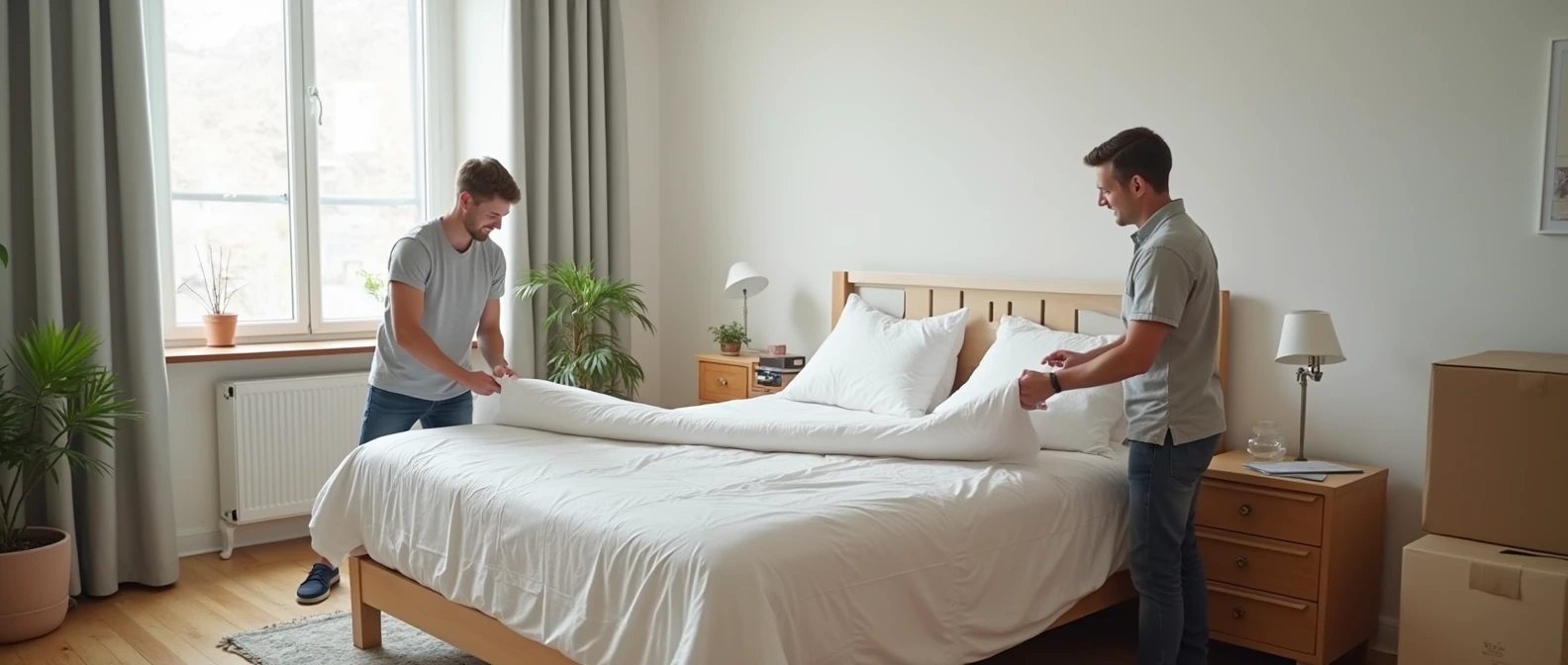
- Disassembled the queen bed
- Removed legs where needed from furniture
- Wrapped the TV in a padded blanket and shrink wrap
- Wrapped glass-top furniture in padding and cardboard
We made sure they could see how we were protecting everything. When people see the level of wrapping and protection that goes into even a short local move, they usually say something like, “Wow, I didn’t realize you’d go *that* far with it.”
That reassurance is important. We want you to feel comfortable watching your things leave your home.
Loading the Truck: The Tetris Phase
Once the kitchen and fragile items were packed and labeled, it was time to load.
We always start with:
- Larger, heavier items (furniture, big boxes)
- Heaviest, most solid items at the bottom
- Fragile boxes placed strategically, never crushed or floating loose
We used the elevator continuously during their reserved window:
- One mover at the unit
- One mover at the elevator
- One mover at the truck
That way, we always had a flow, and no one was standing around waiting on the elevator. This kind of choreography is what keeps the move on schedule.
While we were loading, we checked in with them a few times:
- “Anything you want to keep with you instead of on the truck?”
- “This box says ‘Important’ — is it okay on the truck or do you want it in your car?”
They chose to keep:
- A small box with documents and passports
- A bag with medications and immediate toiletries
- Electronics like laptops and a gaming console
We always support that. If something makes you nervous, keep it with you. We’ll work around it easily.
The Final Sweep Before Leaving the Old Place
After the last item left the condo, we walked through *every* room together — twice.
We checked:
- Closets
- Bathroom cabinets
- Balcony corners
- Inside kitchen cabinets
- Under sinks
That’s when we found:
- A small box of spices in one cabinet
- A couple of framed photos on a high shelf
We added those to the truck, and now they could officially close the door on that chapter.
They handed in keys, took a last look around, and we headed to Plantation.
The Drive and Arrival at the New Home
The drive wasn’t long, but we still treated it like any move:
- We confirmed the address and gate codes (if any)
- We texted them when we were about 15 minutes away
- We parked strategically to make the walk as short as possible
For the Plantation townhome:
- Parking was directly in front — ideal
- There was one main staircase inside leading to the bedrooms
- The floors were new, so we put down protection right away
We did another quick walkthrough with them:
- Which room is whose bedroom?
- Where do you want the bed?
- Where should the main sofa go (at least to start)?
- Where is the “box staging” area you want?
We kept the tone flexible: “We’ll put it where you *think* you want it. If you change your mind, we can adjust.”

Unloading and Reassembly: Turning a House Into a Home
Unloading always feels faster, but it’s where placement and communication really matter.
Getting the Big Pieces Right First
We brought in:
- Beds and bedroom furniture
- Sofa and main living room pieces
- Dining table and chairs
We reassembled:
- The queen bed
- Any other furniture we’d disassembled
We asked things like:
- “Which side do you sleep on? Want your nightstand there?”
- “TV is going on this wall for now?”
It sounds small, but these details make the first night feel like a real home, not just a place full of boxes.
Box Placement and Labeling Paying Off
Because boxes were labeled clearly by room, we were able to:
- Take “Kitchen” boxes directly to the kitchen
- “Bedroom 1” boxes to that bedroom
- “Office” to the room that used to be the “office/futon” combo
The fragile kitchen boxes we’d packed went straight to the counters and a safe corner, so Anna knew exactly where everything delicate was.
We kept “Open First” and “Essentials” boxes easily accessible — not buried behind the Christmas decorations and random storage items.
Unpacking Help: How Far We Go
For Mark and Anna, they asked for help with:
- Unpacking some kitchen essentials
- Unpacking and placing fragile decor and artwork
- Getting rid of packing materials from what we unpacked
We don’t just open boxes and walk away. For items we unpacked, we:
- Unwrapped every piece
- Set items on counters, shelves, or tables so they were visible
- Asked where they generally preferred things — even if they’d reorganize later
For artwork and framed photos:
- We unpacked them
- Set them up against walls in the rooms where they planned to hang them later
- Made sure no piece was left stacked in a risky spot
Could we hang the art too? Depending on the service level and prior arrangement, yes — but in this particular move, they wanted to decide on exact placement later when they’d lived in the space a bit.
The Small Problems That Came Up (And How We Handled Them)
No real-life move is 100% problem-free. The difference is in how those little things get handled.
Here’s what came up:
- One small lamp shade had a minor bend in the frame.
- They realized late in the day they actually wanted the bed positioned on a different wall.
- A box they packed themselves had mixed fragile and heavy items, and one mug had a hairline crack.
What we did:
- For the lamp: we pointed it out right away as we unwrapped it, gently reshaped it as best we could, and talked through options if they wanted to file a claim.
- For the bed: we moved it. It took a few extra minutes, but we’d rather leave knowing they’ll sleep comfortably that first night.
- For the mug: we showed them, explained why heavy + fragile in the same box can cause that, and used it as a quick teaching moment without blame.
They appreciated the honesty. There was no hiding, no defensive tone — just transparency.
Final Walkthrough and Making Sure They Felt Settled
Before we considered the job done, we:
- Did another full walkthrough of the new place with them
- Checked each room for furniture placement
- Confirmed that boxes were where they wanted them
- Asked if there was anything they’d been worrying about that we hadn’t covered
We also:
- Collected all the used packing materials from what we’d unpacked
- Folded and organized blankets and equipment back into the truck area
- Left entryways and main walkways clear and clean
We didn’t just rush out as soon as the last box left the truck. That last 15–20 minutes where we slow down, check in, and answer questions is part of the service.
How the Final Cost Compared to the Estimate
People always want to know: “Did the price match the quote?”
In this case:
- We came in very close to the original estimated range.
- The extra packing from the storage closet and a little extra time for rearranging added a bit, but not dramatically.
Because we explained up front which things could add time, there was no shock.
We went over the final invoice with them in person:
- Showed total hours
- Showed packing materials used
- Showed any adjustments based on services they added or changes in inventory
They were tired, but relieved — and that’s honestly the usual emotional state at the end of a move.
A Week Later: The Follow-Up
We don’t disappear the moment the truck drives off.
About a week later, we checked in with them:
- How’s everything settling in?
- Any issues with furniture, TV, or items we packed?
- Anything you wish we’d done differently?
They told us:
- They were still surrounded by some boxes (everyone is at that point)
- The kitchen felt easy to set up because of how we grouped and labeled items
- The bed placement we finally chose really worked for them
- They hadn’t found any damage beyond that one mug and already decided it wasn’t worth making a fuss over
For us, that feedback loop matters. It helps us refine our checklist, our walkthrough questions, and even how we explain things on that very first quote call.
What You Can Take From This Case Study for Your Own Move
Every move is different, but there are some consistent lessons from Mark and Anna’s experience:
- Be honest about your closets, storage spaces, and “random stuff.” We’re not judging; we just need to know.
- If packing stresses you out, partial packing is a great middle ground. Let us handle the fragile and complicated areas.
- Elevator reservations and access details are huge — especially in places like Hallandale Beach and across South Florida.
- Labeling saves time, money, and nerves. Future-you will thank present-you.
- It’s okay not to have everything perfectly planned. We’ll help you figure it out as we go.
When you move with us at United Prime Van Lines, this is the kind of experience we’re aiming for each time:
- A clear, honest quote
- A crew that treats your home with respect
- Real communication before, during, and after the move
- Support from the first box we tape to the last box you open
If you’re in Hallandale Beach, South Florida, or planning a move from or to the area, we can walk you through a move just like this — from that first “We don’t know where to start” to the moment you’re sitting on your couch in your new place, surrounded by boxes but feeling like you made the right call.