Moving a home is one thing. Moving a retail store or a warehouse in Miami? That’s a whole different animal.
Tight timelines, inventory everywhere, customers still walking in the door, landlords pushing for move-out dates, and on top of that—Miami traffic and heat. I’ve helped enough businesses relocate around Miami to know one thing for sure: a retail or warehouse move doesn’t have to be a disaster. But it will feel like one if you try to wing it.
In this guide, I’ll walk you through how I approach retail and warehouse moving in Miami step by step, and how we at United Prime Van Lines take that pressure off your shoulders so you can focus on running your business.
When I talk to business owners about moving, I usually hear: "We’ve moved homes before; we’ll just scale it up." That’s where the trouble starts.
A retail or warehouse move is different because:
The mindset has to shift from "pack and go" to "military precision."
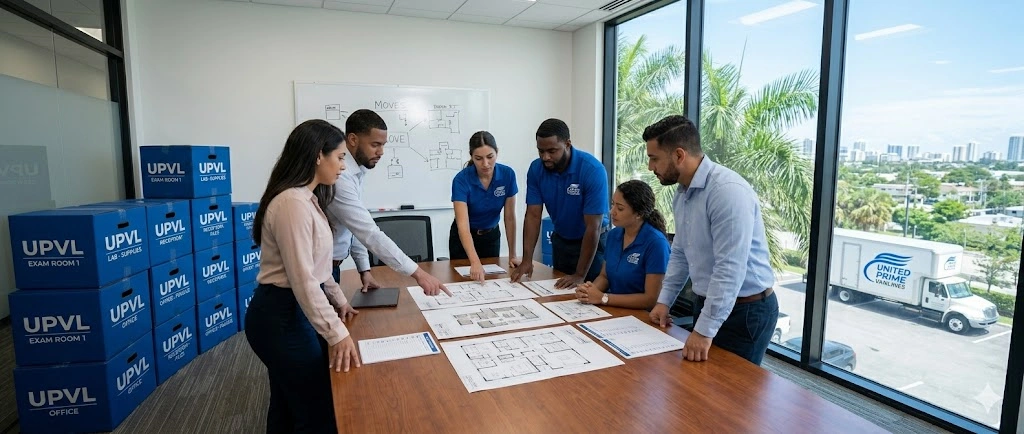
Before I quote anything, I like to walk both locations—even if it’s via a video call.
For a Retail Move, I look at:
For a Warehouse Move, I focus on:
If you’re relocating within Miami or nearby areas like Hollywood, FL or Aventura, FL, I can usually schedule this walkthrough quickly. The more I see in advance, the smoother the move goes.
When I build a move schedule, I factor in:
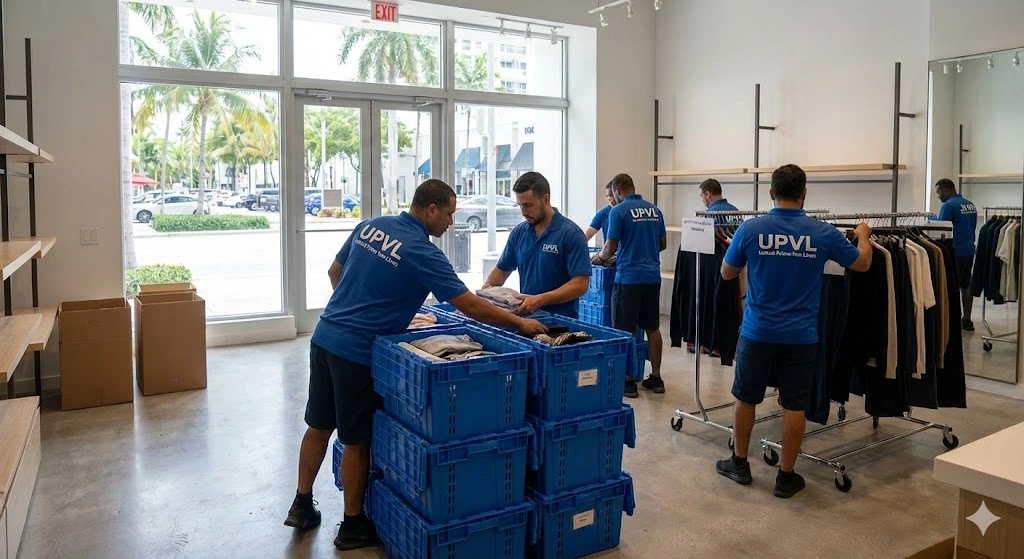
Retail Strategy: We do prep and packing in stages after-hours, handling the final switchover in a single night so you can reopen fast. Warehouse Strategy: We use a phased move. Slow-moving inventory goes first; critical SKUs move last with a "hot swap" approach.
If there’s one thing I treat obsessively, it’s inventory control.
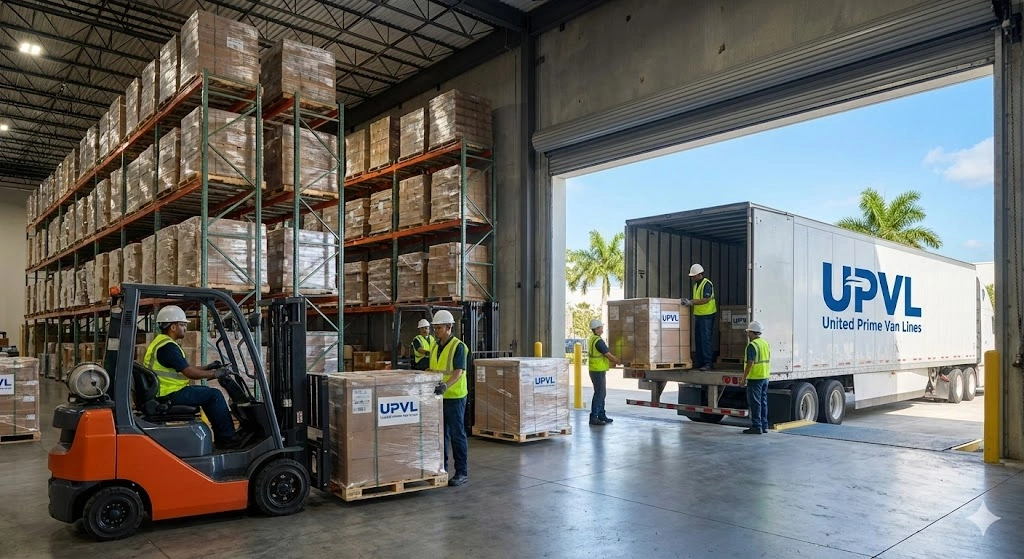
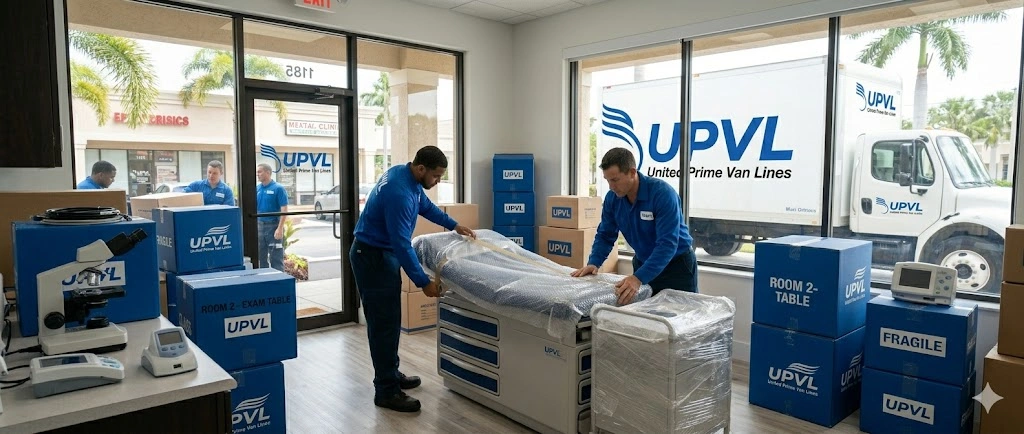
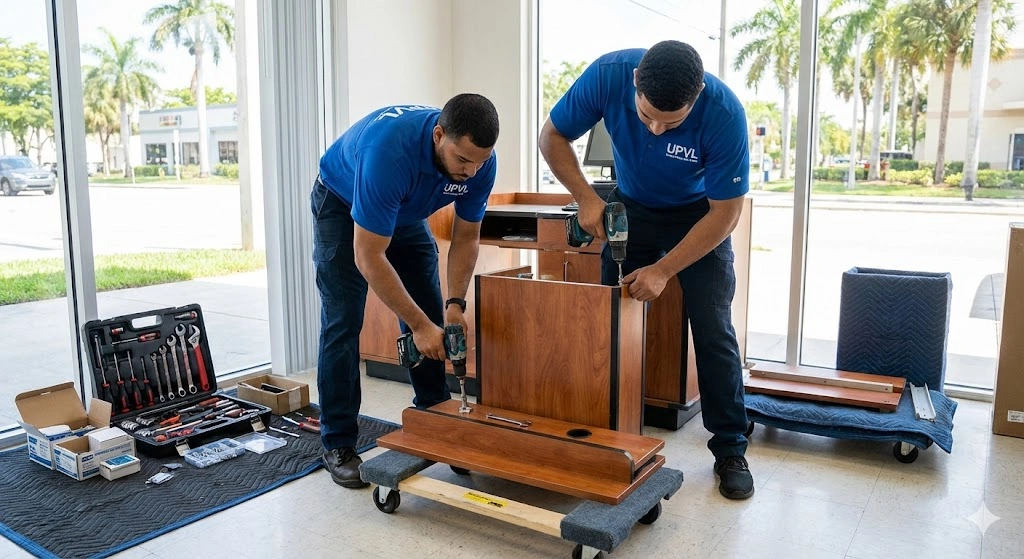
This is where DIY stops working. We bring the tools to disassemble and reassemble gondola shelving, glass display cases, and pallet racking.
Similar to our residential furniture disassembly & assembly, we:
1. Traffic and Timing: Moving between Miami’s urban core and nearby cities like North Miami Beach, FL requires avoiding peak rush hours. 2. Heat and Humidity: We monitor how long sensitive items sit on the loading dock and use padding that can handle the humidity. 3. Building Rules: We handle the COIs, elevator reservations, and truck parking permits.
The question I ask early on is: “How many hours can you live with being out of full operation?”
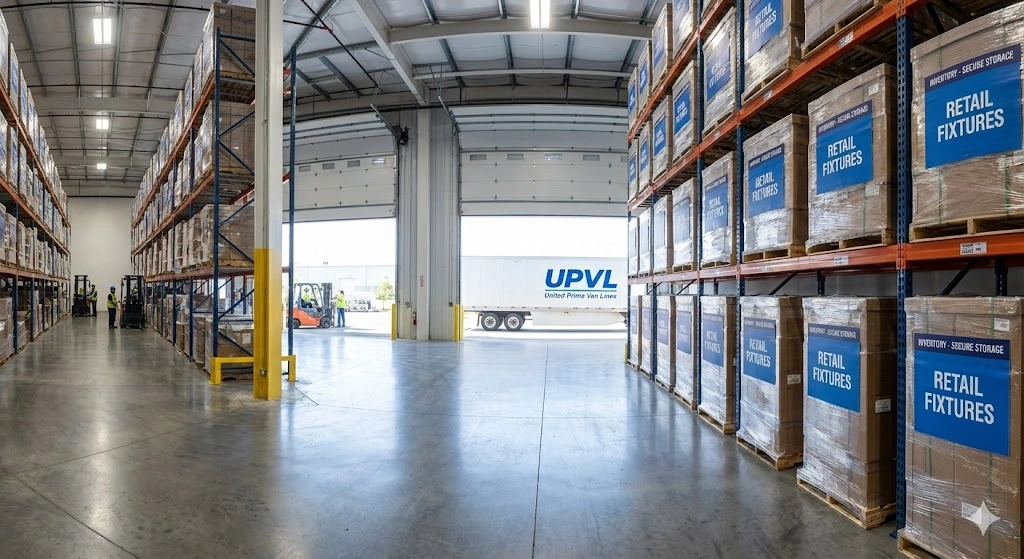
If your old lease is up before the new place is built out, or if you are downsizing, storage becomes a lifesaver. We bundle your move with secure solutions, similar to our residential storage options, giving your business breathing room instead of a rushed transition.
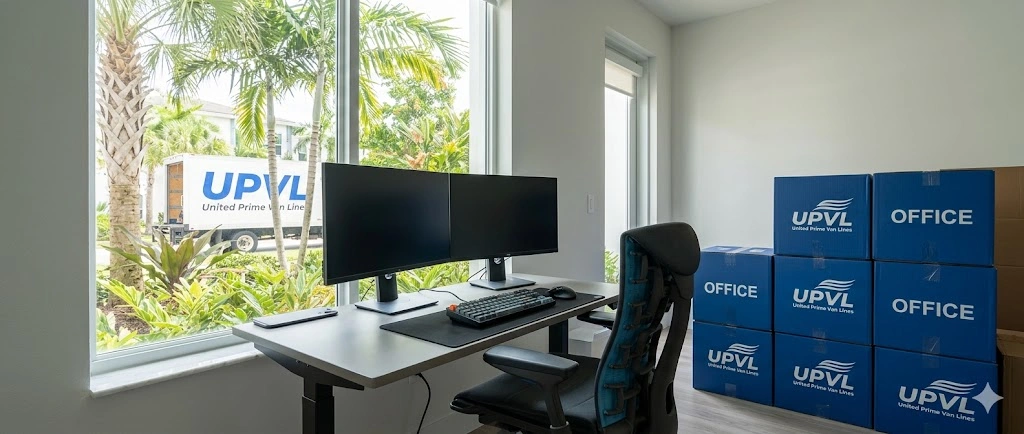
A retail move isn't just physical goods. It’s POS systems, security cameras, and network switches. We coordinate with your IT vendor to ensure cables and components are packed in clearly labeled, protected containers. Nothing important gets tossed into a random box labeled “office stuff.”
In those situations, a professional crew isn’t a luxury—it’s what keeps you from losing inventory and burning out your team.
A move is a turning point: a better location, lower rent, more efficient layout. My role is to make sure the logistics don’t overshadow the opportunity.
If you’re planning to move a store or warehouse in Miami, reach out to United Prime Van Lines. We treat commercial moves as live, breathing operations. My job is to move your business, not just your stuff.