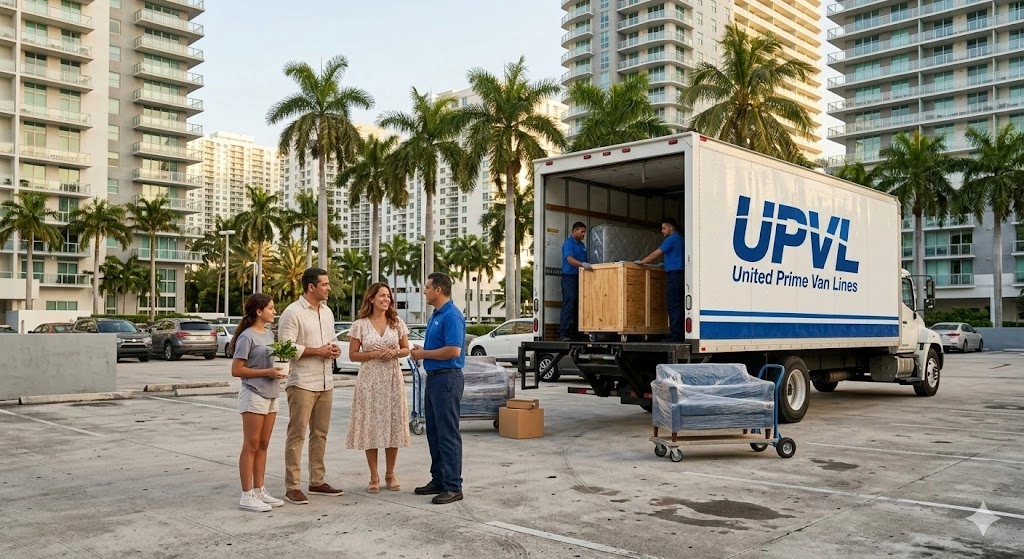
Moving in Miami looks so simple on paper: one place out, another place in, throw your stuff on a truck, done. In real life? Closings get delayed, leases don’t line up, contractors run late, and suddenly you’re standing in a 90° Miami parking lot wondering, “Where on earth am I going to put all this?”
That’s exactly where storage slips into the picture.
I’ve helped a lot of people move in and around Miami—Brickell high-rises, Little Havana walk-ups, single‑family homes in North Miami Beach, condos in Aventura—and one pattern keeps repeating: most people don’t plan for storage, they get forced into it.
So let’s flip that. Let me walk you through when storage is actually needed during a Miami move, how to avoid expensive mistakes, and how we at United Prime Van Lines usually handle it so you’re not stuck panicking at the last minute.
The first thing I tell folks: in Miami, timing almost never lines up perfectly.
Add in Miami traffic, building rules, elevators, hurricanes, and humidity, and it’s no surprise that people end up needing a safe place to park their belongings for a while.
That “while” might be:
In all of those cases, storage isn’t a luxury—it’s a pressure valve.
Let’s break down the real‑world scenarios where storage almost always pops up.
This is the big one. You have to be out on the 30th. Your new place is only available on the 5th. That’s five days of “what do I do with all my stuff?”
This is where short‑term storage with your mover keeps things simple:
Miami’s market can be fast and unpredictable. Plenty of people sell their condo faster than expected, need to accept a buyer’s quick closing date, and haven't found the right new place yet.
Storage buys you time. You’re not forced into overpaying for the wrong place just because your stuff is crammed into a temporary rental.
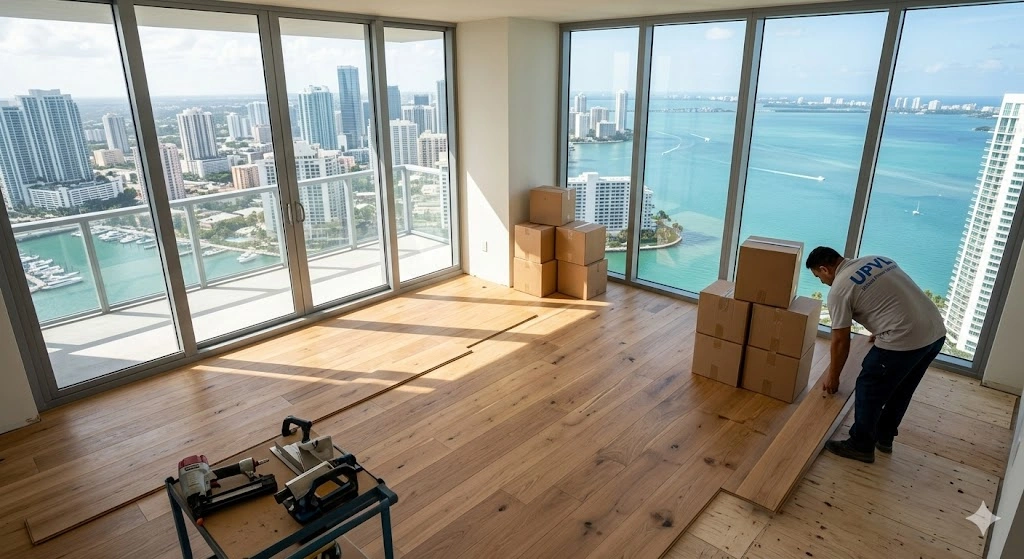
If your new Miami place needs work (new tile, kitchen overhaul, a full repaint), it's tempting to think: “We’ll just move in and work around the boxes.” Then reality hits: workers need space, dust gets everywhere, and furniture gets nicked. Instead, people put most of their stuff into storage, move in with just the essentials, and bring the rest over once the work is done.
Going from a house in the suburbs to a high‑rise in Brickell? You know you’ll need to get rid of some furniture, but you don’t want to make rushed decisions.
Instead of cramming the new place or throwing away things you might regret, move with a plan to store the “maybe” items. Live in the new place for a month, then decide what feels right.
If you’re coming to Miami from another state, storage can be the bridge between your old life and the new one. People often arrive without permanent housing and start in a corporate rental.
You don’t need your whole life unpacked right away. We handle this smoothly: our long‑distance moving crews bring you into Miami, take your belongings into secure storage, and deliver when your new address is ready.
If you’re here on a short assignment (military orders, contract nurses, seasonal work), committing to a full move‑in isn’t always smart.
Bring the essentials, and the rest goes into storage until you know your next move. We do a lot of this with our military moving clients—it’s about flexibility.
Most Miami condos only allow moves during certain hours, require elevator reservations, and have strict COI requirements. If the elevator isn’t available, storage gives us options: we offload into storage first, then deliver in stages around the building's rules.
Miami weather brings sudden thunderstorms and hurricane watches. Sometimes we deliberately delay a delivery to protect your belongings. I’d rather have your furniture in climate‑controlled storage than rushed into a loading dock in heavy rain.
Tight streets and crowded condo complexes sometimes mean a full unload in one day just isn’t realistic. Storage acts as the “middle step” that lets us adapt.
You rent a unit, haul your stuff there, and keep the key.
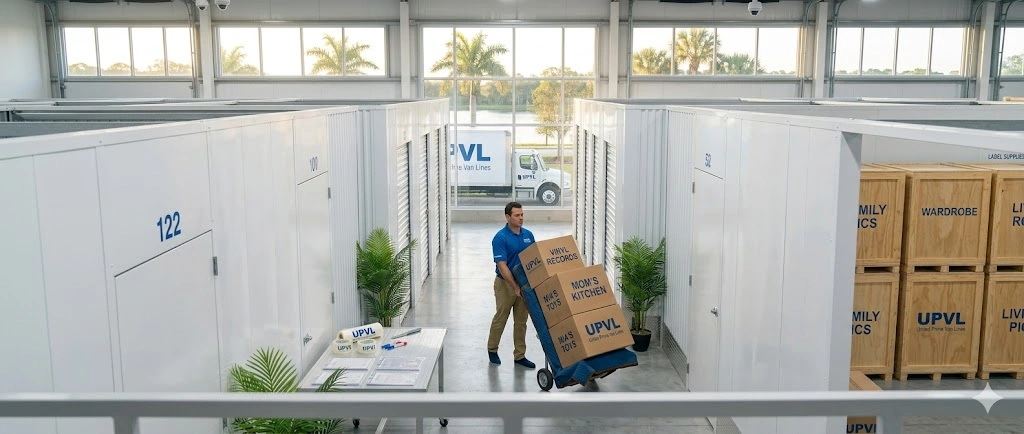
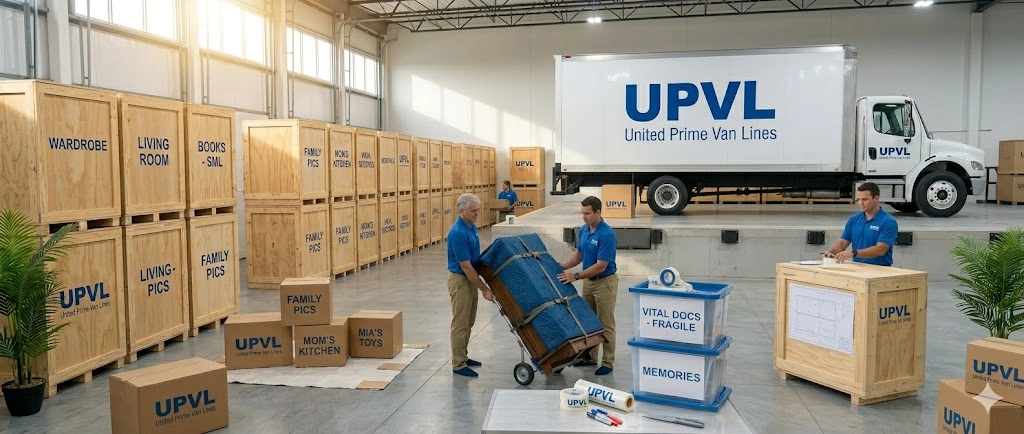
This is what we offer, and what most people mean by “storage during a move.” We pack, load, and bring everything into our secure facility where it is vaulted and sealed.
For a smooth, low-stress transition, check out our storage options designed exactly for these in-between situations.
Keep with me (Temporary Housing):
Perfect for storage:
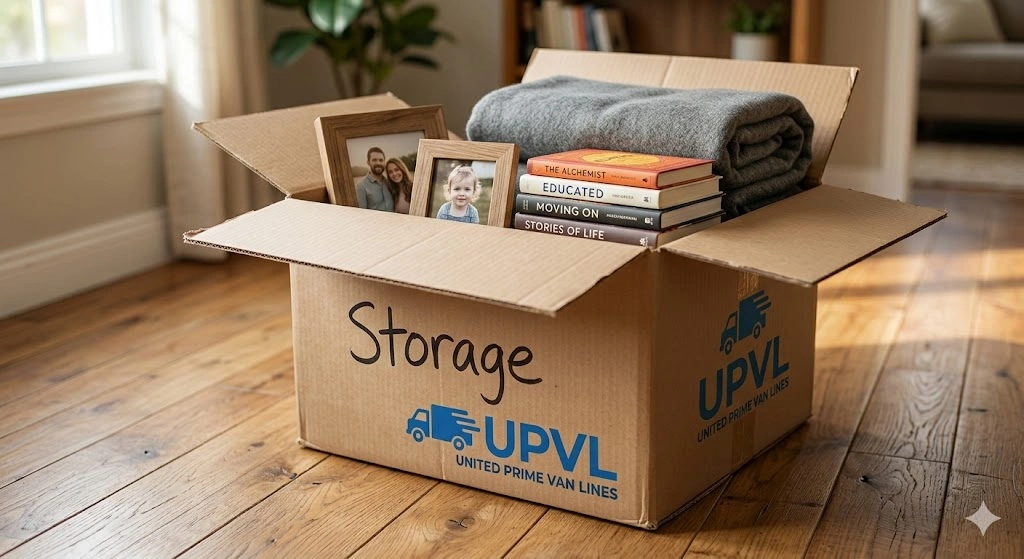
With storage, your cost generally includes: the initial move into storage, the storage itself, and the final delivery.
Where people lose money is hiring movers to go to self‑storage, and then re‑hiring movers later to take everything out. When storage is built directly into your move with one company, it’s much easier to see the total picture and avoid double handling.
Step 1: We Plan Around Your Timeline We lock in your move‑out date and a target delivery window.
Step 2: We Pack and Load Our crew arrives, pads and wraps your furniture, and loads the truck.
Step 3: We Move Everything Into Storage Instead of heading to the new place, we drive to our facility, transfer your items into secure storage, and log them in our system.
Step 4: You Take a Breather You handle your temporary stay and life. Your stuff is safe and insured.
Step 5: We Deliver On Your Schedule Once your new place is ready, we load your vault back onto a truck, deliver, and place everything where it belongs.
Ask yourself:
If you answered “yes” to even one, it’s worth talking through storage as part of your move early on.
When you call us to talk about moving, I ask about your timing, housing situation, and any uncertainties.
Whether you’re moving from a studio in Brickell, a house in North Miami Beach, or coming to Miami from another state with a long‑distance move, we can fold storage naturally into your plan so you aren’t scrambling at the last minute.
Storage isn’t a problem—it’s the bridge that makes a Miami move work.