Moving from California to New York, Texas, or Florida is a major life change and a serious logistics project. The right long-distance plan can keep your costs predictable, protect your belongings, and reduce stress from Los Angeles or anywhere in California to your new home.
Quick Navigation
Most families comparing California to Texas movers, California to Florida movers, and California to New York movers have the same core concerns: cost, safety, delivery time, and how different life will feel in a new climate and city.
All three routes are interstate, but they are not equal. Each corridor (CA–NY, CA–TX, CA–FL) has unique mileage, traffic patterns, weather risks, and typical delivery windows. Understanding these differences helps you decide:
Many customers start planning with local or long-distance movers in Los Angeles, the Bay Area, or San Diego. For moves leaving Southern California, experienced long distance movers Los Angeles can walk you through route-specific issues such as crossing the Rockies in winter, avoiding heavy Texas storms, or timing around Gulf Coast hurricane season.
Because all three destinations are popular from California, carriers often build consolidated line-hauls, which can save you money if you understand how shared trucks and delivery windows work. The better informed you are, the more leverage you have to get accurate estimates and realistic expectations.
All three routes are long, but their driving profiles are very different. The table below compares typical distances and driving days from Los Angeles as a starting point.
| Route | Approx. Miles (from Los Angeles) | Typical Driving Days (Truck Only) |
|---|---|---|
| California to New York (e.g., LA to NYC) | 2,750–2,900 | 5–7 days of driving |
| California to Texas (e.g., LA to Dallas/Austin) | 1,400–1,600 | 3–4 days of driving |
| California to Florida (e.g., LA to Miami/Tampa) | 2,600–2,800 | 5–6 days of driving |
| California to North Florida (e.g., LA to Jacksonville) | 2,300–2,500 | 4–5 days of driving |
These are straight driving estimates, not delivery windows. Interstate movers legally must stop for rest and follow federal Hours-of-Service rules enforced by the FMCSA. On real moves, carriers also consolidate shipments on the same tractor-trailer, which stretches delivery windows beyond pure driving time.
From a carrier’s perspective, California-origin moves usually cluster around:
In these metro areas, trucks can often load multiple households headed east. Working with experienced Los Angeles long-distance movers or other California hubs makes it easier to match your preferred dates with an efficient line-haul.
Each route has its own “personality.”
| Route | Main Highway Corridors | Route Character |
|---|---|---|
| CA to NY | I-15/I-40 or I-70 to I-80/I-95 | Very long, cross-country, varied weather, highest overall mileage |
| CA to TX | I-10 or I-40 to I-20/I-35 | Shorter, more direct, major freight lane with frequent traffic |
| CA to FL | I-10 across the South, I-75/I-95 in FL | Long southern route, humidity and hurricane considerations |
| CA to Gulf Coast (TX/FL Panhandle) | Primarily I-10 corridor | Coastal weather exposure, strong freight presence |
Because CA–TX is significantly shorter than CA–NY and CA–FL, it is often the most cost-effective of the three. However, pricing still depends heavily on your shipment weight/volume, time of year, and how flexible you can be on your pickup and delivery windows.
When you compare California to Texas movers, California to Florida movers, and California to New York movers, you are really comparing how different carriers structure services along each corridor.
Most reputable interstate movers provide several core options:
| Service Type | What It Includes | Best For |
|---|---|---|
| Full-Service Move | Loading, transport, unloading; can add packing, furniture assembly, and unpacking | Busy families, professionals with limited time, larger homes |
| Partial Packing | Movers pack fragile items; you pack the rest | Budget-conscious customers with time to pack most items |
| Self-Pack / Carrier-Load | You pack everything; movers load, transport, and unload | Smaller shipments, DIY-savvy customers |
| Move with Storage | Belongings placed in short- or long-term storage as part of route | Customers with temporary housing gaps, renovations, or staggered closings |
Some movers also offer specialty services like piano or fine art handling. If you are transporting high-value items from California’s coastal climate into humid Florida or storm-prone Texas, specialized crating or climate-conscious packing may be worth the extra cost. For example, piano moving services address both weight and climate sensitivity over long distances.
Each destination creates different service priorities:
If your new home is an apartment, consider services similar to those used on apartment moves: elevator reservations, stair fees, and building coordination. For larger suburban homes in Texas or Florida, services closer to house moves may be more relevant, focusing on multi-room packing and large furniture disassembly.
On very long routes like CA–NY and CA–FL, freight efficiency matters. Movers may offer:
For smaller shipments leaving California, consolidated loads are often the best value, especially heading to high-traffic destinations like Dallas, Houston, Austin, Orlando, Tampa, and New York City.
Local moves in California work very differently from long-distance interstate moves to New York, Texas, or Florida.
| Feature | Local California Move | Interstate CA–NY, CA–TX, CA–FL Move |
|---|---|---|
| Regulation | State-level (e.g., California Public Utilities Commission historically; now California Bureau of Household Goods and Services) | Federal oversight by FMCSA for licensing and safety |
| Pricing | Usually hourly plus materials | Usually based on weight/volume and mileage; estimate types matter |
| Delivery | Same-day or next-day | Several days to weeks, depending on route and consolidation |
| Paperwork | Short bill of lading | Interstate bill of lading, valuation options, FMCSA-required documents |
When you hire long distance movers Los Angeles or elsewhere in California, you are hiring a carrier that complies with federal rules. FMCSA maintains a searchable database of licensed interstate movers and complaints, which you can access through Protect Your Move (FMCSA).
Before your truck ever leaves the state, California access issues can affect cost and schedule:
Good California to Texas movers or California to Florida movers will ask detailed questions about both origin and destination access to avoid surprises on move day.
Route choice is about more than price. Climate changes influence what you pack, how you protect your items, and what your life feels like after the move.
| Destination | General Climate | Key Moving Considerations |
|---|---|---|
| New York (e.g., NYC, Albany, Buffalo) | Cold winters, snow, humid summers | Winter moves require weather padding, possible delays, and moisture control |
| Texas (e.g., Dallas, Houston, Austin) | Hot summers, occasional severe storms, some humidity | Heat-sensitive items, storm season plans, air conditioning at delivery |
| Florida (e.g., Miami, Orlando, Tampa) | Humid subtropical/tropical, hurricane season | Moisture protection, hurricane timing, mold risk for stored items |
| California Origin (e.g., LA, SF, SD) | Mild Mediterranean or semi-arid | Less humidity, less freeze risk; adjustment needed for East/South climates |
According to the National Oceanic and Atmospheric Administration (NOAA), hurricanes are most common along the Gulf and Atlantic coasts from June through November, peaking in late summer. If you are moving from California to Florida or to coastal Texas (Houston, Galveston, Corpus Christi), it is wise to factor this seasonality into your schedule.
Climate affects how you protect your inventory:
On CA–NY winter routes, snow and ice can slow trucks. As Federal Highway Administration data show, winter storms significantly impact roadway safety and average speeds. Plan for potential weather delays if you are closing on a home or ending a lease in mid-winter.
For all three destinations, smart packing is your best protection against distance, climate changes, and the bumps of long highways.
You can usually choose from:
| Packing Option | Description | Ideal For |
|---|---|---|
| Full Packing Service | Movers pack everything, bring materials, label boxes | Large homes, time-crunched schedules, long routes like CA–NY or CA–FL |
| Partial Packing | Movers handle fragile/high-value items; you pack the rest | Budget-conscious customers with some time to pack |
| Self-Pack | You supply labor and most materials; movers only load and transport | Small apartments, students, DIY-focused moves |
| Unpacking Add-On | Movers unpack and remove debris at destination | Families with kids, seniors, tight work schedules |
For long, multi-state routes, professional packing—particularly for fragile, climate-sensitive, or valuable items—tends to pay off. Services similar to full packing services provide consistent materials, labeling, and protection tailored to long-distance transit.
California to New York
California to Texas
California to Florida
Inventory is crucial for both claims and your own peace of mind. A good long-distance crew will create a numbered inventory sheet at pickup, tagging each item or box. You should also:
Inventory matters even more when you are sharing a truck with multiple customers heading from California to New York, Texas, or Florida. Clear labeling and documentation reduce mix-ups during complex multi-stop routes.

Not every California to Texas or California to Florida move is door-to-door. Many customers need short- or long-term storage on one or both ends.
| Storage Type | Description | Best Use Case |
|---|---|---|
| Origin Storage | Items stored near your current California home before leaving the state | Staging homes for sale, delayed departure dates |
| In-Transit Storage | Carrier stores items at a warehouse between California and your destination | Temporary housing gaps, delayed closings, job onboarding |
| Destination Storage | Storage near your new home in NY, TX, or FL | Renovations, downsizing, seasonal or excess items |
| Self-Storage | You rent a storage unit directly; movers deliver to it | Ongoing access to items without re-delivery fees |
Storage is usually priced by the size of your shipment and the length of time stored. If you expect storage to be part of your move, discuss it before signing your estimate; storage changes the way routes are planned and may affect which long-distance carrier or warehouse network is used. For integrated options, carriers that offer combined moving and storage solutions similar to professional storage services can simplify your coordination.
For Florida and coastal Texas, humidity and heat make climate-conscious storage important, especially for:
In cooler climates like upstate New York, freeze-thaw cycles are a bigger concern. Ask whether your items will be stored in climate-controlled sections if you expect to store through winter.
Customers often ask, “Is California to Texas cheaper than California to Florida or New York?” The answer is usually yes for Texas, but cost ultimately depends on several variables.
On interstate routes, movers typically base pricing on:
Fuel surcharges, tolls, and regulatory fees may also influence your bottom line, though they’re generally baked into the carrier’s line-haul rate rather than itemized.
| Route | Relative Base Cost | Common Extra Fees |
|---|---|---|
| California to Texas | Typically lowest of the three, due to shorter mileage | Summer heat moves, storm-related rescheduling, big-city parking (Dallas/Houston) |
| California to Florida | Mid-to-high, long mileage plus coastal risk | Hurricane-season delays, condo elevator/COI fees, parking in dense areas |
| California to New York | Usually highest due to mileage and urban access | NYC shuttle fees, parking permits, building time restrictions, winter delays |
| California to Suburban East (e.g., NJ, PA) | Often between TX and NY city pricing | Occasional shuttles, regional tolls, winter weather |
While every move is unique, you can think of CA–TX as the budget-friendlier long-distance route, CA–FL as a long southern move with weather considerations, and CA–NY as a premier cross-country route with higher urban access complexity.
Imagine two families moving from Los Angeles:
Even if Family A’s shipment is slightly heavier, Family B’s California to New York move will likely cost more due to:
For the most accurate numbers, get a detailed written estimate from licensed movers, ideally with an in-home or high-quality virtual survey.
Understanding how your move is priced can protect you from unpleasant surprises on delivery day.
The FMCSA explains three primary estimate types:
| Estimate Type | Definition | Pros and Cons |
|---|---|---|
| Non-Binding Estimate | Approximate cost based on estimated weight; final cost determined by actual weight and services | Pros: Flexible if you add/remove items. Cons: Less price certainty; final bill may be higher. |
| Binding Estimate | Guaranteed price for listed services and inventory, assuming no major changes | Pros: Price certainty. Cons: If you remove items, the price usually does not go down. |
| Binding Not-to-Exceed (BNTE) | You pay the lower of the binding price or the cost based on actual lower weight | Pros: Protection if shipment weighs less; price cap if it weighs more (within agreed scope). |
For complex long routes such as CA–NY and CA–FL, many customers prefer binding or binding not-to-exceed estimates because they reduce uncertainty. If you are comparing California to Texas movers with similar services, check whether each quote is binding or non-binding before deciding based on price alone.
The estimate is only as good as the inventory. To keep your quote accurate:
If you significantly increase your inventory after signing a binding estimate—adding rooms, large items, or last-minute storage—the carrier is allowed to re-negotiate or supplement the estimate. Transparency up front protects both sides.
On long multi-state routes, you want a mover with proper federal licensing and clear valuation options. These are your main defenses if something goes wrong.
An interstate mover is a carrier authorized by the FMCSA to transport household goods across state lines. You can verify a mover’s USDOT and MC numbers and complaint history using the FMCSA Safer Web or the Protect Your Move resources.
A moving broker does not transport your goods but arranges for others to do so. Brokers must also be licensed by FMCSA. While some brokers are legitimate, you should know exactly which company will physically handle your items along your California–New York, California–Texas, or California–Florida route.
Two terms are often confused:
FMCSA requires interstate movers to offer at least two valuation options:
On long cross-country trips, most families choose something beyond Released Value, at least for high-value shipments. Discuss valuation limits, deductibles, and documentation requirements before signing your bill of lading.
If your destination is a condo or high-rise, especially in New York City or coastal Florida, the building may require a Certificate of Insurance (COI) from your mover. A COI proves that the mover’s liability and workers’ compensation cover potential building damage or worker injuries during your move.
Ask your building management:
Provide this information to your mover early so they can coordinate paperwork and scheduling, especially for tricky destinations like Manhattan, Brooklyn, Miami, or downtown Dallas condos.
Delivery windows are one of the most misunderstood parts of a California long-distance move. Knowing what to expect makes it easier to plan flights, hotel stays, and temporary housing.
Exact windows depend on your mover’s network, season, and whether your load is dedicated or consolidated. As a general guideline:
| Route | Typical Delivery Window | Notes |
|---|---|---|
| California to Texas | 3–10 business days from pickup | Shortest of the three; timing can be quicker for dedicated loads |
| California to Florida | 5–14 business days from pickup | Long southern route; may be affected by seasonal storms |
| California to New York | 7–21 business days from pickup | Longest route; consolidation and urban schedules can extend window |
| California to Nearby States (AZ, NV, CO) | 2–7 business days from pickup | Shorter interstate moves, often faster turnarounds |
These windows are not guarantees but realistic planning ranges for full-truckload and consolidated shipments. When talking to movers, ask:
Federal rules require movers to deliver within agreed dates or provide compensation mechanisms in specific situations, which are explained in consumer guidance from FMCSA. Always read your bill of lading to understand your rights and any delay-related policies.
For long routes, consider:
If your schedule is tight, ask whether your mover offers options like expedited service or guaranteed delivery dates on specific routes. Expect to pay more for rigid timing, but the trade-off can be worth it in complex situations (job start dates, school enrollment, lease expirations).
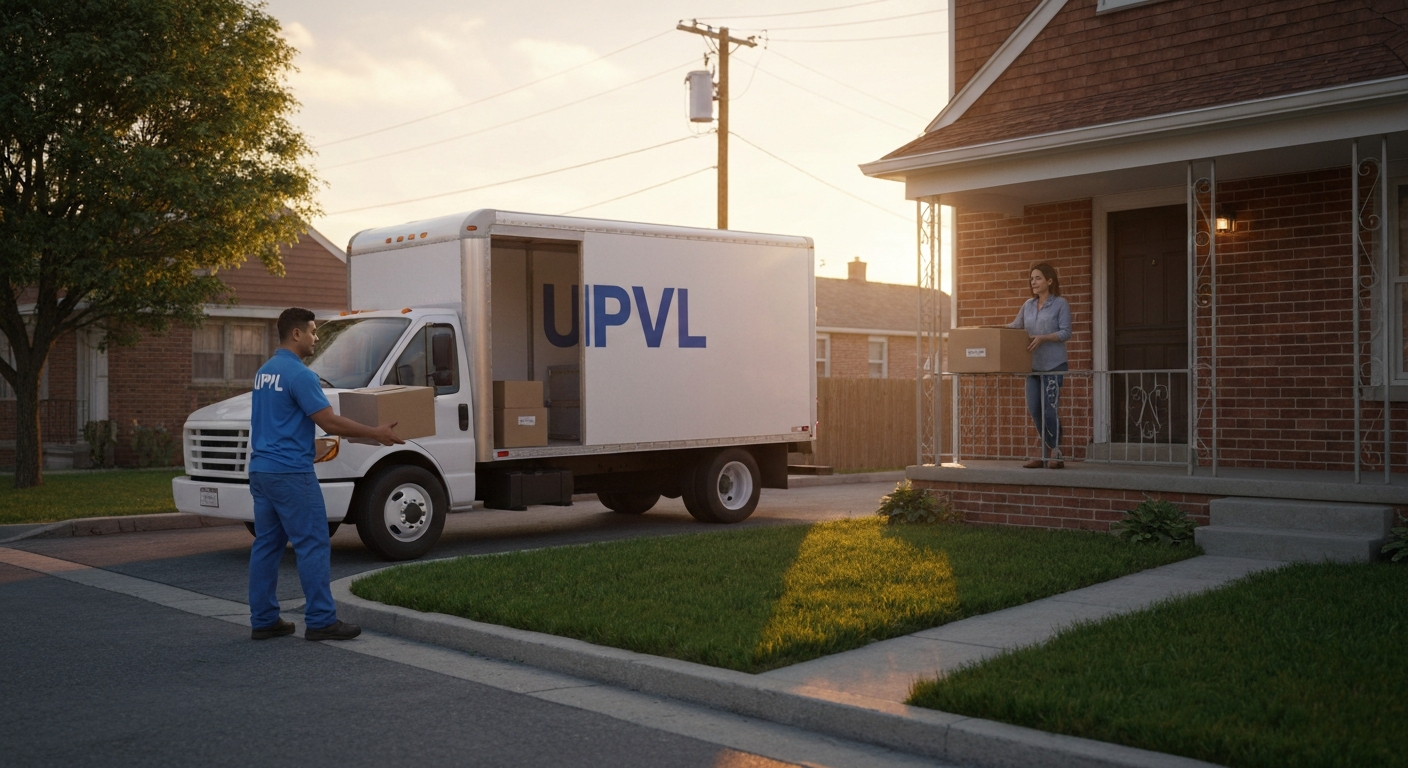
Use this checklist as you compare California to Texas movers, California to Florida movers, and California to New York movers.
| Step | What to Do | Why It Matters |
|---|---|---|
| 1. Define Destination and Timing | Confirm city, target move month, and flexibility | Helps movers recommend best route and windows |
| 2. Inventory Your Home | Room-by-room list, photos of high-value items | Enables accurate estimates and protects against disputes |
| 3. Research Licensed Movers | Check FMCSA registration and reviews | Reduces risk of scams or unqualified movers |
| 4. Request Multiple Estimates | Compare at least two to three quotes and services | Gives you market pricing and leverage |
If you need help at any stage—route selection, packing level, storage, or scheduling—experienced interstate carriers like those offering office and commercial moving or residential long-distance services can provide route-specific guidance tailored to your situation.
Costs vary based on shipment size, services, and timing, but California to Texas moves are generally less expensive than California to New York or Florida because mileage is shorter. One- to two-bedroom shipments with self-packing are usually at the lower end, while full-service, packed three- to four-bedroom homes with storage and complex access in cities like Austin or Houston fall higher. The most accurate way to price your route is a detailed written estimate based on an in-home or video survey and a clear inventory.
California to Florida moves involve long mileage and potential weather risks, so they typically cost more than California to Texas but can be comparable to or slightly less than some California to New York city moves, depending on access. Coastal Florida cities with condos—like Miami, Fort Lauderdale, and Tampa—may add costs for elevator reservations, COI requirements, and more complex parking, which should all be clarified in your estimate.
California to New York is one of the longest common residential routes, so it generally ranks at the top in terms of cost. Urban destinations like Manhattan, Brooklyn, or the Bronx may require shuttle trucks, parking permits, and tight elevator windows that increase labor and time. Suburban New York or nearby New Jersey/Connecticut moves may be somewhat less expensive due to easier truck access. Binding or binding not-to-exceed estimates are especially useful on CA–NY moves to keep costs predictable.
Both Texas and Florida are hot in summer, but Florida is generally more humid year-round, with a pronounced hurricane season along the Gulf and Atlantic coasts. Texas has varied climates—drier in the west, more humid in Houston and the Gulf Coast—with strong thunderstorm seasons and potential flooding. For both routes, protect humidity-sensitive items and plan for severe-weather flexibility in late summer and fall, especially if your destination is coastal.
Start with a full room-by-room inventory and photos of high-value items. For CA–TX and CA–FL, plan for heat and humidity by carefully packing electronics, artwork, instruments, and documents. Use sturdy boxes, proper cushioning, and clear labels. Keep irreplaceable items (passports, financial records, jewelry) with you. Share your inventory with your mover before you sign a binding or binding not-to-exceed estimate so your price matches what you are actually shipping.
Beyond listing and photographing your items, think about the urban environment. If you are moving into a compact NYC apartment, mark items you may downsize or donate so they do not enter your estimate or get shipped unnecessarily. Label boxes with both room and priority (e.g., “Bedroom – Open First”). For winter moves, keep a separate bag or box of cold-weather essentials that travels with you, since your truck may face weather delays while crossing several snowy states.
For California to Texas, many long-distance shipments arrive within about 3–10 business days from pickup. California to Florida moves often fall around 5–14 business days, and California to New York can range from 7–21 business days, especially when consolidated with other shipments. Your exact window will be listed on your paperwork. Ask your mover whether your load is dedicated or shared and how they communicate updates during transit.
Binding or binding not-to-exceed estimates usually offer more peace of mind on long routes like CA–NY and CA–FL, where mileage and logistics are complex. A binding quote locks in a total price for the listed inventory, while a binding not-to-exceed quote can allow your price to go down if your actual weight is lower. Non-binding estimates can work if your inventory may change substantially, but they come with more risk of a higher final bill if the shipment weighs more than expected.
Start by decluttering before your inventory is created—every pound you don’t move saves money on CA–NY, CA–TX, and CA–FL routes. Be flexible with dates if possible; mid-week and off-peak seasons can be less expensive. Consider partial packing instead of full packing, and discuss storage only if truly needed. Finally, compare at least two to three licensed interstate movers and look closely at what is included in each quote, not just the bottom-line number.
Some Los Angeles-based long-distance movers can handle last-minute or short-notice departures from California, especially when truck capacity happens to be available. Short-notice moves can be more expensive due to tight scheduling and limited options, but if your dates are flexible, dispatch teams can sometimes place you on a partially filled truck heading toward Texas, Florida, or the East Coast. Services similar to those described for last-minute moves may apply; always call directly to confirm what is feasible for your specific timing and route.
For California moves, the contact information is:
Deciding between California to New York, California to Texas, and California to Florida isn’t just about geography. Each route has unique mileage, climate challenges, costs, and delivery timelines. By understanding how service types, estimates, inventory, and weather interact on your chosen corridor, you can build a plan that fits your budget and your schedule.
Whether you are working with long distance movers Los Angeles or another California origin city, focus on licensed interstate carriers, clear written estimates, and route-aware packing and storage decisions. That combination will help your belongings travel safely from the West Coast to their new home—no matter which side of the country you choose.