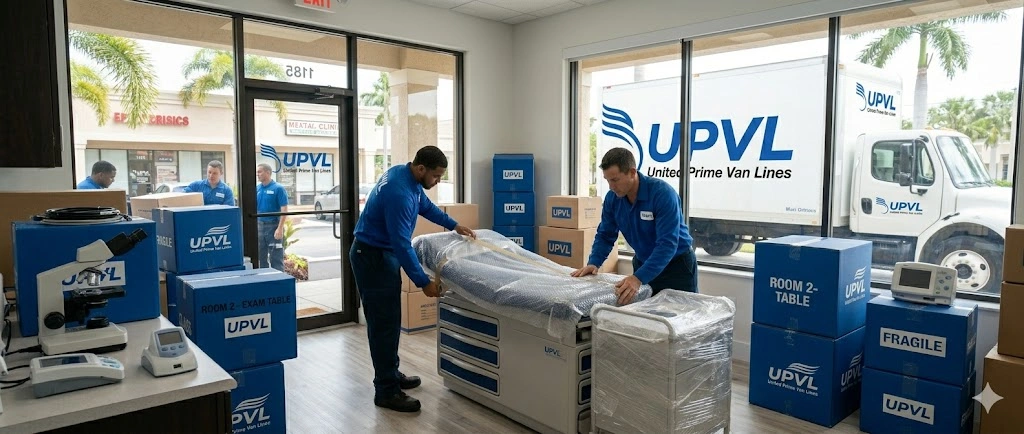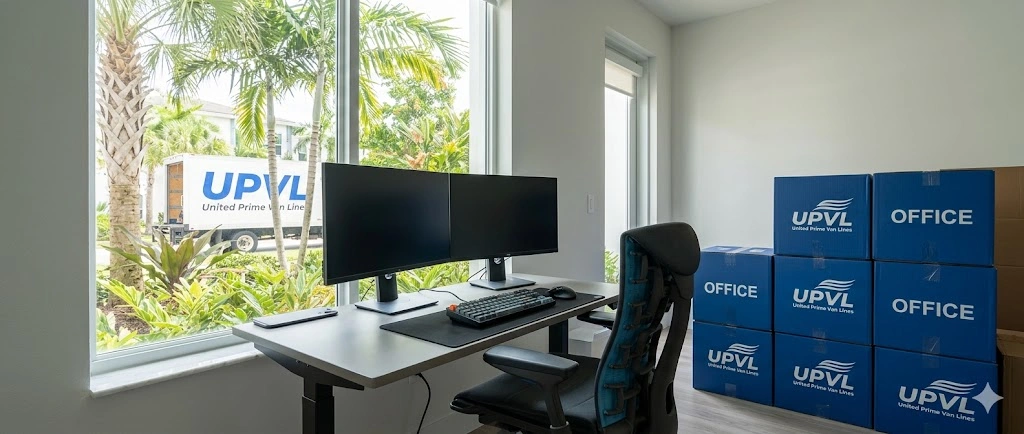
People often assume that “a move is a move,” but commercial and residential relocations operate on completely different levels. Moving a household is one thing — moving an entire business, with employees, IT systems, equipment, furniture and strict deadlines, is another world entirely.
Understanding the cost differences helps you plan realistically, avoid surprises and choose the right moving support for what you're actually relocating. Once you see what’s behind each price structure, the numbers start to make sense.
Commercial moves are complex by design.
They often involve tighter deadlines, specialized equipment, IT coordination and precise reassembly in the new space.
Commercial movers usually perform:
All of this groundwork ensures the business can function immediately after the move — and it adds to the cost.
Office furniture, cubicles, conference tables and tech equipment require more movers, more trucks and longer timelines than most residential homes.
Businesses pay for the ability to keep operations flowing.
That means evening or weekend moves, fast setups and professional coordination — things residential moves rarely require.

Residential moves are simpler — not necessarily easier, but more predictable.
A family or individual makes the choices.
No departments to coordinate, no IT transitions, no “back to work by Monday morning” pressure.
Homeowners can often choose morning, afternoon or weekend moves without major consequences.
Most home items follow the same process:
furniture → boxes → truck → unloading.
This simplicity typically brings lower costs.

Even though both moves involve labor, trucks and time, the factors behind the cost are very different.
Commercial furniture is heavier, more specialized and requires professional disassembly.
This alone can double or triple labor needs.
Off-peak scheduling increases cost but prevents business disruption.
Commercial buildings often require:
Homes rarely have these requirements.
Even though their needs differ, both commercial and residential moves benefit from experienced movers.
United Prime Van Lines offers both services — residential and commercial — but with customized planning depending on what exactly you’re moving and how much disruption you can afford.

If you’re relocating your home, cost is driven by size, distance and packing needs.
If you’re relocating your business, cost is driven by time, complexity and operational continuity.
Seeing this difference clearly helps you budget without guessing — and helps you choose a mover who understands the specific demands of your transition.