If you run a business in Los Angeles, you already know: time really is money here. Every hour your team is offline hits your bottom line.
That’s why when we talk about office moving services in Los Angeles, I don’t start with trucks or boxes. I start with one question: “How do we move you without stopping your business?”
In this guide, I’ll walk you through exactly how I plan and execute office moves in LA so that your team keeps working and your clients barely notice the change.
I’m writing this from real experience. At United Prime Van Lines, we move offices all over LA – from small teams in coworking spaces to multi-floor corporate setups – and the one thing almost all of them want is the same: no downtime.
Moving an office in LA isn’t like moving in a quiet suburb. We bump into:
None of this is impossible to handle – as long as we know about it before moving day.
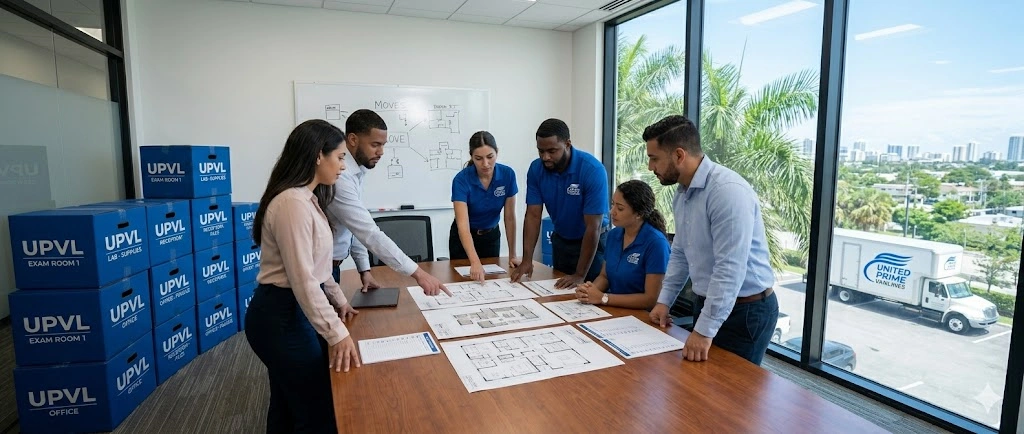
Every low-downtime office move starts with a proper walk-through. When I visit your current office, I’m looking for:
1. How your team actually works: Do you have a server room that absolutely cannot go down? Is your sales team on the phones nonstop?
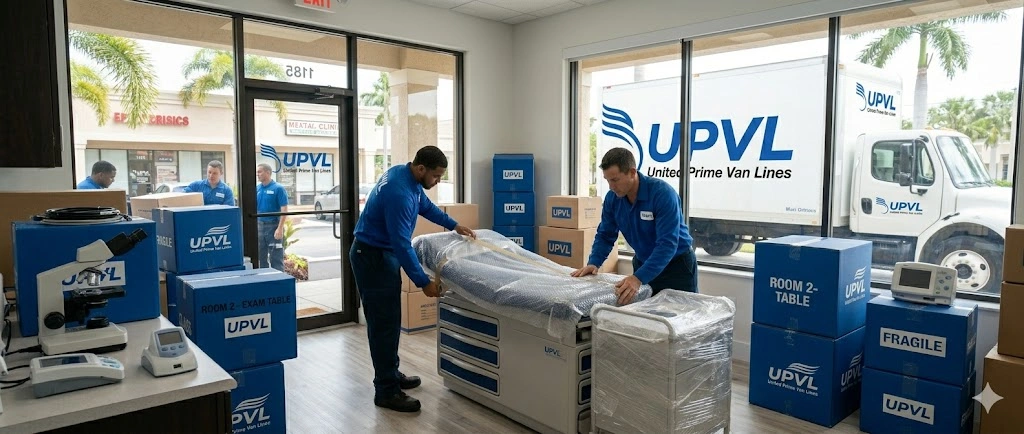
2. Your critical gear: Servers, VoIP hardware, and specialized equipment (medical, creative, lab).
3. Access & Logistics: Stairs vs. elevators, tight corners, and glass walls we need to protect.
One of the simplest ways to reduce downtime is also one of the easiest to overlook: we work when you don’t.
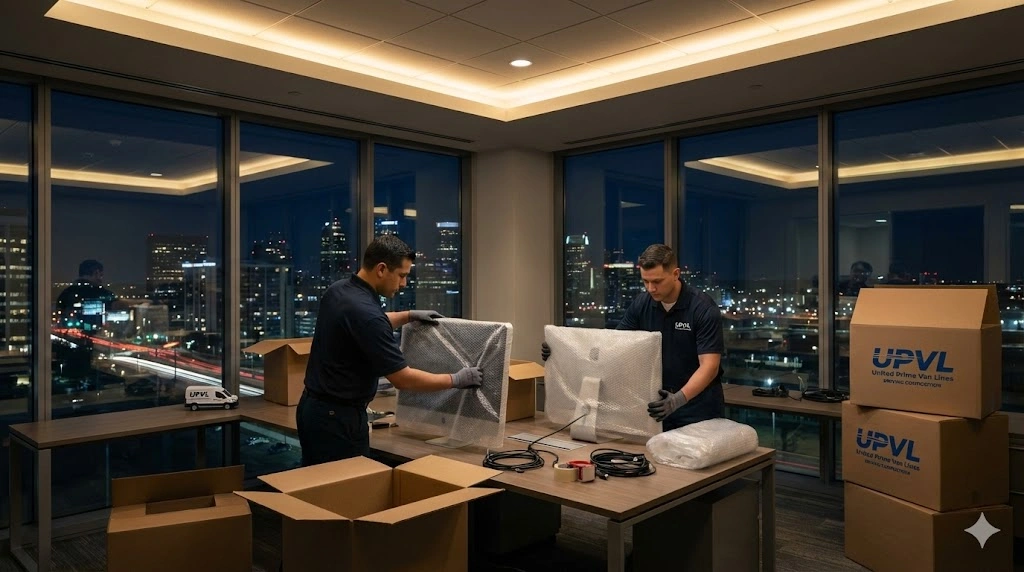
A lot of office move stress comes from nobody knowing what’s going on. Here is the plan we typically build:
You’re not just moving desks; you’re moving the tools your company relies on.
IT First, Not Last:
Extra Protection: For servers and switches, we use anti-static materials and load them in specific low-movement parts of the truck.
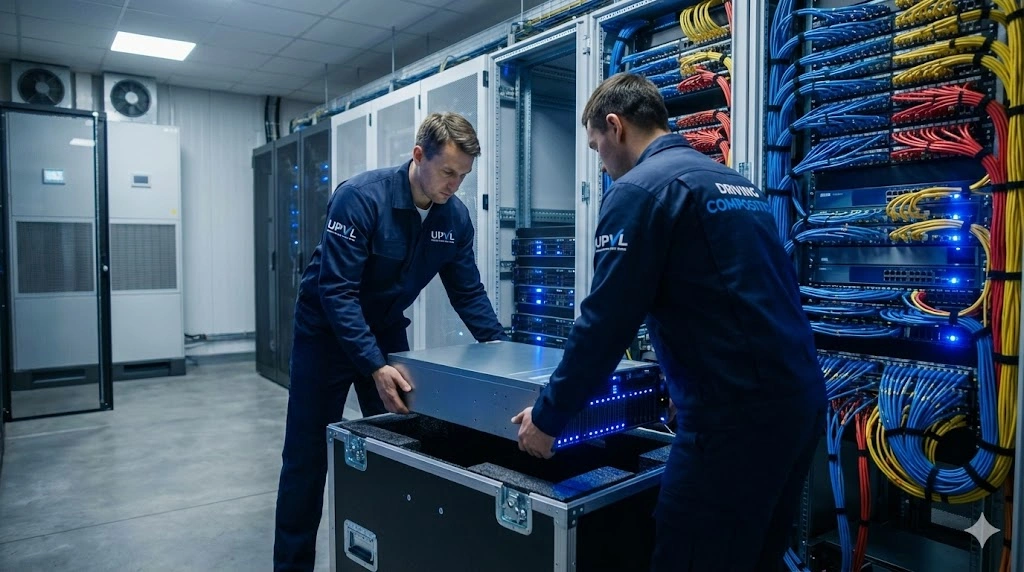
“No downtime” means your core operations never fully stop.
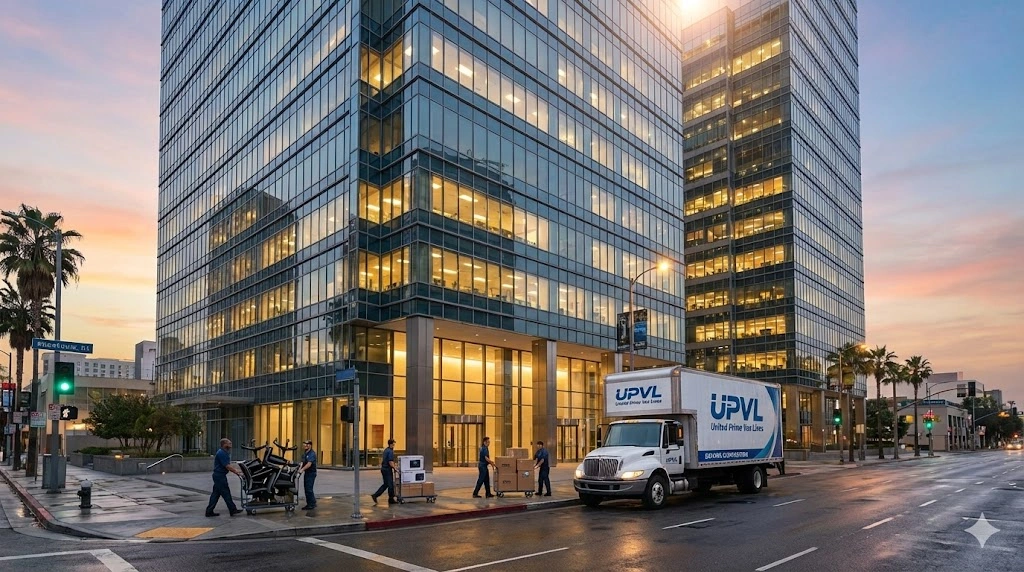
In Los Angeles, building rules can shut down a move if we aren't proactive. We coordinate ahead of time:
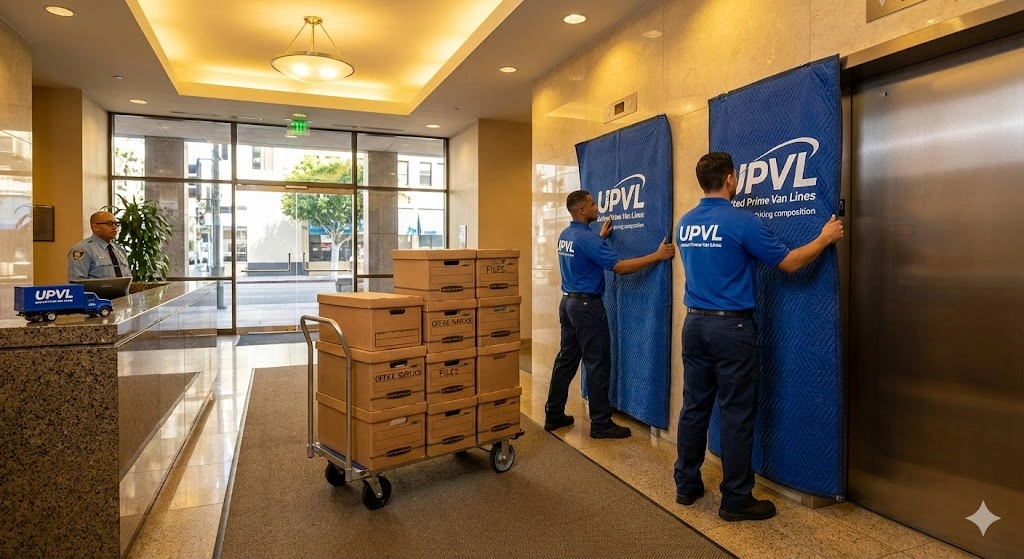
1. Simple, Clear Labels: Color codes for departments. Codes for workstations. At the new site, we match the label to the floor plan.
2. Priority Areas First: Identify what needs to be ready Day One (Workstations, Internet) vs. Day Three (Wall art, Archives).
3. Protecting Your Image: We use floor runners and wall padding. You want to walk into a clean office ready to work, not an office with scuffed walls.
It’s tempting to DIY, but hiring a pro crew actually protects your bottom line:
If you called me today, here is what we would do:
If you’d rather not juggle building rules and tech setups yourself, my team at United Prime Van Lines can take that weight off your shoulders.
You don’t need a “perfect” move. You need a move where your people can get back to work fast. That’s what we plan for.