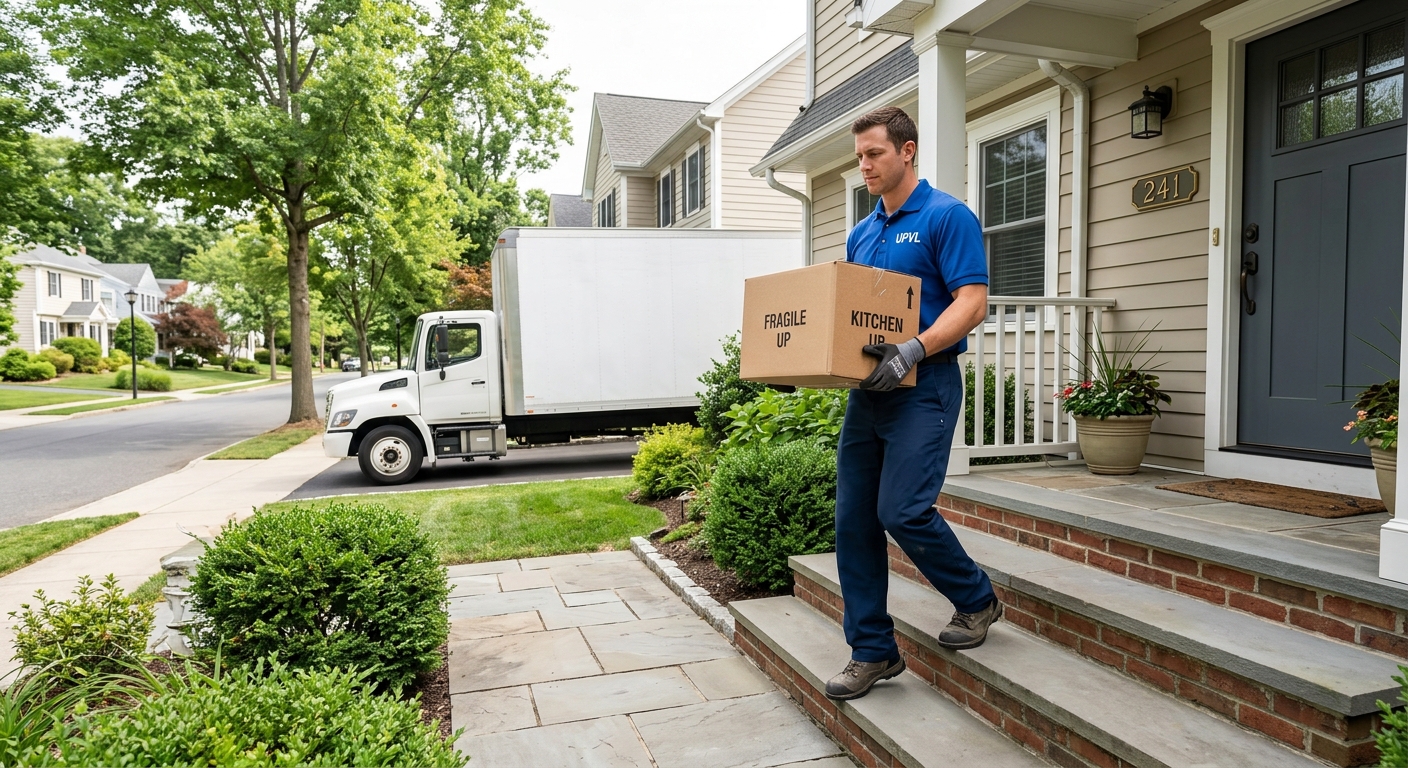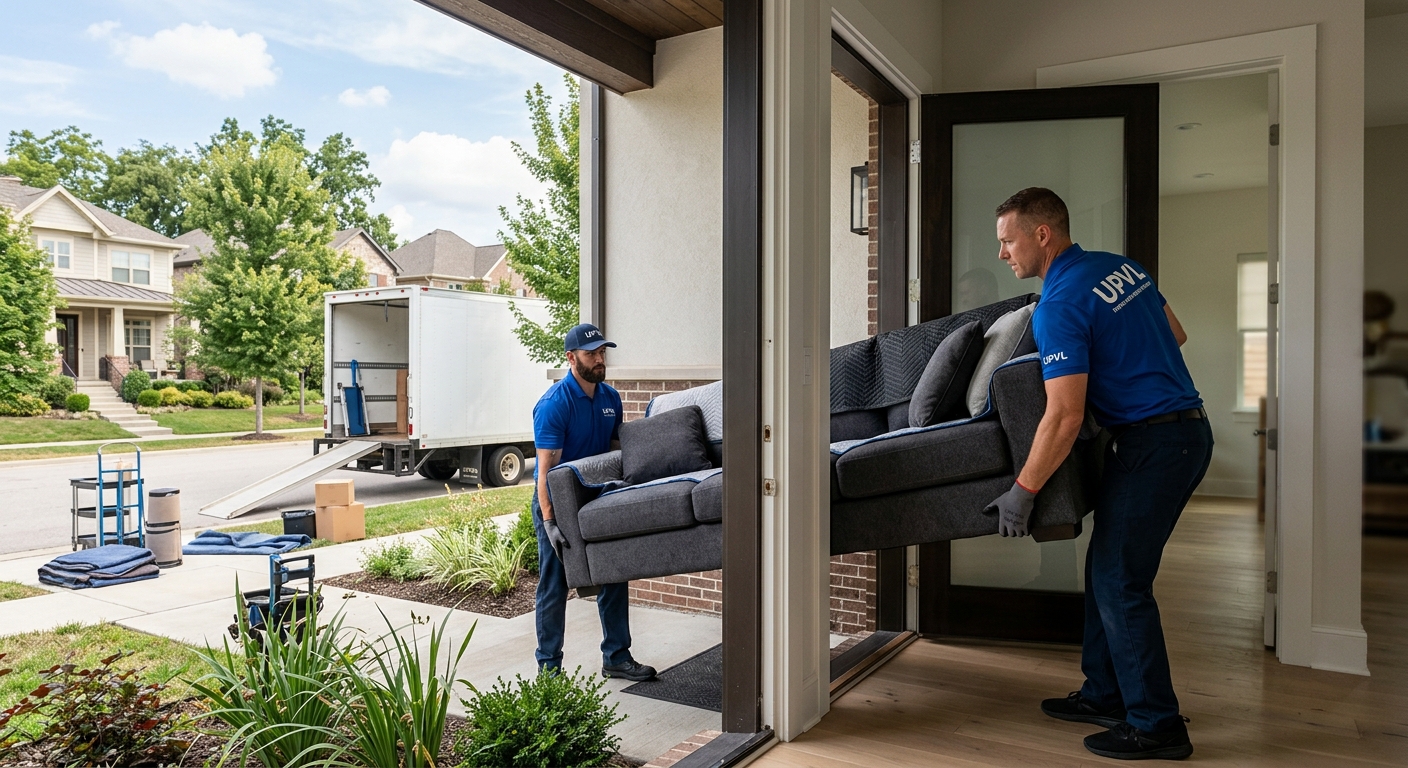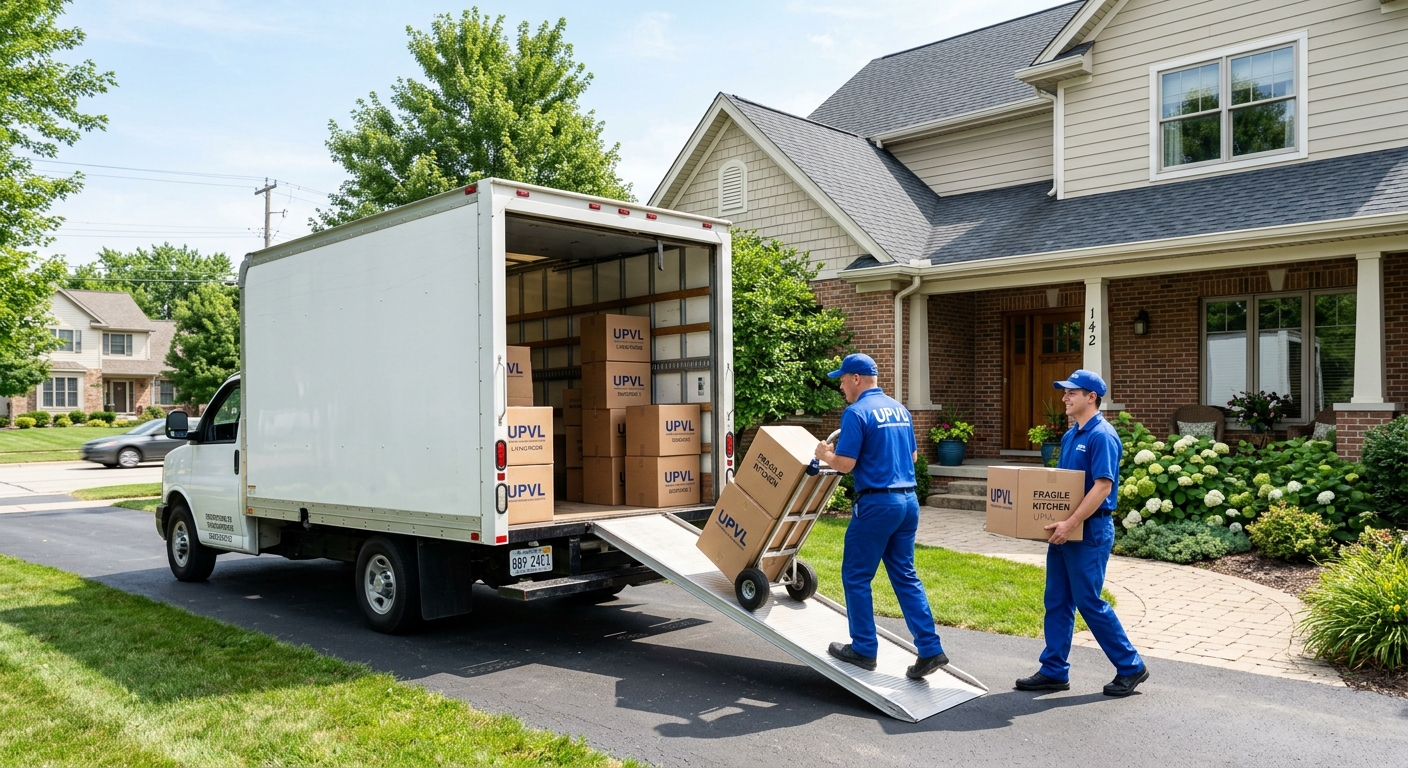
Planning a move can feel overwhelming, but a clear plan, the right movers, and a few expert moving tips make everything more predictable, safer, and less stressful for your family, your belongings, and your budget.
Quick Navigation
Smart planning is the difference between a chaotic move and one that simply feels busy but controlled. Whether you are hiring local movers for a short hop across town or long-distance movers for a state-to-state relocation, the core goals stay the same:
United Prime Van Lines focuses on these fundamentals by combining proper estimates, clear communication, and services like full packing, storage, and specialized handling for pianos and antiques. When you understand how professional movers think about risk, time, and logistics, you can make better decisions, ask sharper questions, and avoid expensive surprises.
The most common problems on moving day—like trucks not fitting in driveways, elevators needing reservations, or last-minute packing crunches—are all avoidable with a detailed walkthrough, accurate inventory, and an honest conversation about access and timing ahead of time.
Before comparing quotes, it helps to understand the main service types and route styles most U.S. customers choose. The right type affects pricing, delivery windows, and how your belongings are handled along the way.
Most residential and office customers fall into one or more of these categories:
United Prime Van Lines supports all of these through focused services like local moving, long-distance moving, apartment moving, and office & commercial moving.
| Service Type | Best For | Key Considerations |
|---|---|---|
| Local Moving | Moves within the same metro area or up to ~50 miles | Usually billed hourly, smaller crew and truck, flexible dates |
| Long-Distance / Interstate | State-to-state moves, cross-country relocations | Binding/non-binding estimates, delivery windows, route planning |
| Apartment / Condo | High-rises, mid-rises, city living | Elevators, stairs, parking permits, building rules, COI |
| Office / Commercial | Businesses, medical offices, retail | Downtime planning, IT equipment, building access, after-hours |
| Specialty Items | Pianos, artwork, antiques, safes | Crating, special equipment, valuation coverage, extra prep time |
Each route has its own timing, pricing, and planning needs. Here are some illustrative examples:
Routes also determine whether your shipment might be part of a consolidated load with other customers (often lowering cost but increasing delivery window) or a dedicated truck (higher price, tighter delivery dates).
Local and long-distance moves may look similar at first glance—boxes, trucks, movers—but they’re priced, managed, and regulated very differently.
A local move usually stays within the same metro area or within 50–100 miles and inside the same state. They’re often billed hourly, with factors like stairs, walking distance to the truck, and packing services influencing total time.
On a local move, you might have:
A long-distance move usually covers more than 100 miles, and an interstate move crosses state lines. Interstate movers are regulated by the Federal Motor Carrier Safety Administration (FMCSA) and must carry a USDOT number and appropriate operating authority. You can verify a mover’s registration through FMCSA.
Key differences for interstate moves include:
| Aspect | Local Move | Long-Distance / Interstate |
|---|---|---|
| Typical Distance | 0–50/100 miles, same metro | 100+ miles or crossing state lines |
| Common Pricing Method | Hourly rate for crew & truck | Weight/volume plus distance, often flat or binding estimates |
| Regulation | State and local rules | FMCSA federal regulations for interstate movers |
| Delivery Timing | Same day, sometimes next day | Multi-day delivery window based on route and load |
| Risk Factors | Short transit, fewer handling events | Long transit, weather, route changes, more handling events |
A delivery window is a date range when your shipment is expected to arrive, such as June 10–15. It accounts for distance, traffic, weather, and the mover’s schedule. Longer routes or consolidated shipments mean wider windows. Customers can improve their experience by:
Packing is where most moving stress comes from. Done right, it protects your belongings and speeds up your move; done poorly, it leads to broken items, delays, and higher labor costs as movers scramble to repack loose items.
Most reputable movers, including United Prime Van Lines, offer several levels of packing support, from DIY to full-service.
| Packing Option | What It Includes | Best For |
|---|---|---|
| DIY Packing | You pack all boxes, movers handle furniture & loading | Budget-conscious customers with time and basic supplies |
| Partial Packing | Movers pack fragile or select rooms; you pack the rest | Busy households wanting help with kitchens, glass, artwork |
| Full Packing Service | Movers pack everything, label boxes, provide materials | Time-crunched families, seniors, high-value homes |
| Unpacking Service | Movers unpack boxes and place items on surfaces | Anyone wanting a faster, low-stress settle-in |
| Crating / Specialty Packing | Custom crates, extra padding for artwork, antiques, pianos | High-value, fragile, or irreplaceable items |
United Prime Van Lines offers tailored full-packing services as well as help for only the rooms or items you prefer.
Effective labeling saves enormous time at destination and reduces stress. Use this simple system:
For fragile or high-value belongings such as art, antiques, and musical instruments, ask about specialized services like art and antique moving or piano moving. These often involve:

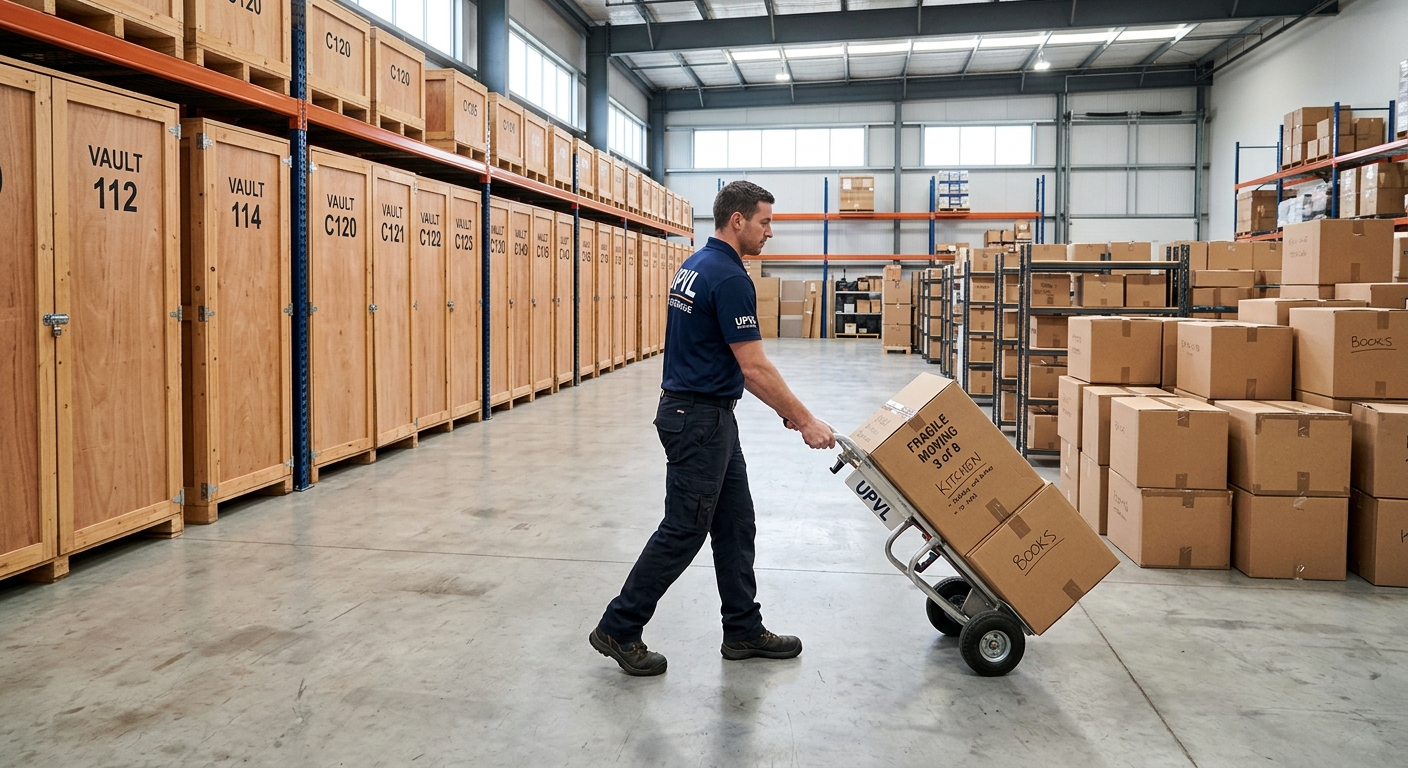
Not every move is a straight line from old home to new. Closing delays, renovations, temporary work assignments, or downsizing can create a gap when belongings need safe storage.
| Storage Type | Description | Best Use Case |
|---|---|---|
| Short-Term Storage | 30–90 days, often in transit with the mover | Closing date mismatches, short renovations, temporary housing |
| Long-Term Storage | 90+ days, sometimes in warehouse containers | Overseas assignments, extended renovations, downsizing |
| Storage-in-Transit (SIT) | Your goods remain in the mover’s custody temporarily | Interstate moves needing temporary holding mid-process |
| Self-Storage Unit | Customer-rented unit where you manage access | Frequent access to stored items, DIY portions of a move |
| Climate-Controlled | Temperature and humidity regulated | Artwork, electronics, instruments, wooden furniture in humid or extreme climates |
United Prime Van Lines provides flexible storage options that can be wrapped into your overall moving plan, so you have one point of contact and a single itemized invoice.
Moving costs depend on more than just distance. Even on the same street, two similar homes can have different prices based on stairs, elevators, packing needs, and overall volume. Understanding these factors helps you ask better questions and compare quotes fairly.
These are broad, illustrative ranges only; always request a customized estimate. Actual pricing varies by market, season, and specific job details.
| Move Type | Typical Home Size | Approximate Cost Range* |
|---|---|---|
| Small Local Move | Studio / 1-bedroom | $400–$1,000 depending on hours and access |
| Medium Local Move | 2–3-bedroom home | $800–$2,000 depending on crew size and duration |
| Large Local Move | 4+ bedroom home | $1,800–$4,000+ based on packing and complexity |
| Regional Interstate Move | 2–3-bedroom home | $2,500–$6,000+ based on distance and weight |
| Cross-Country Move | 3–4-bedroom home | $5,000–$12,000+ depending on route, volume, and services |
*These ranges are not quotes. Always get a written estimate that reflects your specific inventory, services, and dates.
Just like flights and hotels, moving has peak and off-peak periods:
Booking early for peak-season moves improves your chances of getting your preferred date and a realistic delivery window.
Understanding how your move is priced is as important as the total price itself. Clarity around estimate types helps avoid misunderstandings and protects your budget.
| Aspect | Hourly Pricing | Flat-Rate / Binding Pricing |
|---|---|---|
| How It Works | Pay for actual hours worked plus materials and fees | Pay a pre-agreed total based on scope and inventory |
| Best For | Local moves with unknown variables | Clear, well-defined moves with stable inventories |
| Budget Predictability | Can vary with traffic, access issues, or extra packing | More predictable if there are no major changes |
| Flexibility | Easier to adjust scope day-of (add rooms, extra stops) | Changes may require a revised or supplemental estimate |
| Risk | Risk of going over budget if job takes longer | Risk of higher fixed price if actual work is lighter than expected |
No matter which pricing structure you choose, a professional moving estimate should be itemized and easy to understand. Look for:
Ask your move coordinator to walk you through each line item until you feel comfortable with the terms.
Licensing and insurance might feel like background details—but they are critical to protecting your belongings and your rights as a customer.
Interstate movers must be registered with FMCSA and have a USDOT number. You can search a mover’s safety and licensing record on the FMCSA SAFER system. Many states also regulate local or intrastate movers through state agencies.
Red flags include:
Customers often confuse insurance with “valuation,” the mover’s legal liability for your belongings. Here are the basics:
| Valuation Type | What It Means | Typical Cost |
|---|---|---|
| Released Value Protection | Basic coverage at up to $0.60 per pound per item | Included in move cost (no extra charge) but very limited protection |
| Full Value Protection (FVP) | Mover repairs, replaces, or pays current market value for damaged items (subject to terms) | Extra fee based on deductible and shipment value |
| Third-Party Insurance | Separate policy purchased through an insurer | Varies by provider, coverage limits, and deductibles |
| Declared Value / Lump Sum | You declare a total value for the shipment | Cost tied to the value you declare and policy rules |
Released Value Protection is minimal—for example, a 50-pound TV would be covered for only $30 if destroyed. Many customers choose Full Value Protection or supplemental insurance for peace of mind, especially when moving high-value or sentimental items.
Many apartment and office buildings require a Certificate of Insurance from your mover before they allow access to elevators, loading docks, or parking areas. A COI proves that the mover carries liability and workers’ compensation coverage that meets the building’s requirements.
Always:
Time is a core part of any move—when the crew arrives, how long loading takes, and when you can expect delivery at destination. A few simple planning steps keep everyone aligned.
Movers often provide an arrival window for the start of your job, such as 8–10 a.m. This accounts for:
Stay accessible by phone during the window, and keep driveways or loading zones clear. If your building requires elevator reservations, confirm that the window lines up with your scheduled time.
Duration depends on home size, access, and services. Here’s a very rough guide for local moves, assuming moderate access and some furniture disassembly/assembly:
| Home Size | Typical Crew | Approximate Time Range |
|---|---|---|
| Studio / 1-Bedroom | 2 movers | 3–6 hours |
| 2-Bedroom | 3 movers | 5–8 hours |
| 3-Bedroom | 3–4 movers | 7–10+ hours, sometimes split over 2 days |
| 4+ Bedroom | 4+ movers | 8–12+ hours or multi-day, depending on packing |
For long-distance moves, loading and unloading may each take a similar amount of time, but transit days are in between.
Delivery windows depend heavily on distance, routing, and whether your shipment is consolidated or dedicated. To prepare:
A structured checklist keeps you on track during the weeks leading up to moving day. Adjust this timeline based on how far away your move date is.
| Task | Why It Matters | Who Handles It |
|---|---|---|
| Walkthrough with crew leader | Clarifies priorities, fragile items, and access | You & mover |
| Confirm inventory items | Ensures everything that should go on truck, goes | You & mover |
| Secure valuables and documents | Important items stay with you, not on the truck | You |
| Check all rooms and closets | Prevents accidentally leaving items behind | You |
| Sign paperwork at load and delivery | Documents condition, services delivered, and payment | You & mover |
Most customers should book movers 4–6 weeks in advance for long-distance or peak-season moves, and at least 2–4 weeks ahead for local moves. Last-minute options can sometimes be arranged—especially using services like last-minute moves—but availability is tighter and scheduling flexibility becomes even more important.
A moving carrier owns trucks, employs or contracts crews, and physically moves your belongings. A broker arranges moves but hands the job to other carriers. When you hire a carrier like United Prime Van Lines, you know who is actually handling your items and can verify licensing directly.
No. Movers typically cannot transport hazardous or perishable items such as flammable liquids, propane tanks, some cleaning chemicals, ammunition, or refrigerated food. Ask your mover for a “non-allowables” list. You should also personally transport essential documents, jewelry, and irreplaceable small items whenever possible.
Yes, many full-service movers offer disassembly and reassembly of standard furniture such as beds, dining tables, and desks. United Prime Van Lines can provide this through dedicated services like furniture disassembly & assembly. Confirm which items are included and if there are any special instructions or fees.
Someone over 18 should be present at both origin and destination to authorize work, answer questions, direct placement of items, and sign paperwork. If you can’t be present, designate a trusted representative who understands your instructions and priorities.
First, note any visible damage or missing items on the delivery paperwork before the crew leaves. Then, follow the claim instructions in your move contract—usually involving submitting a written claim and any supporting photos within a specified timeframe. Federal rules for interstate moves require movers to acknowledge claims and respond within certain timelines. Source: FMCSA.
Keep vital documents (passports, birth certificates, financial records), medications, valuables, small electronics, chargers, basic tools, a few days of clothing, and high-sentimental items with you. Treat your moving truck like checked baggage on an airplane—important items should stay in your “carry-on.”
Yes, but this requires proper planning and often an additional service line item. United Prime Van Lines offers specialty handling for items like grand and upright pianos, artwork, antiques, and large fitness equipment. Share dimensions, photos, and any access challenges (stairs, narrow doors) during your estimate so your crew arrives prepared.
Finish most packing before move day, label boxes clearly, reserve parking or elevators if needed, and keep pathways clear of clutter. Have water available, and keep kids and pets safely out of high-traffic areas. A quick walkthrough with the crew leader at the beginning of the day sets expectations and reduces questions later.
Contact your mover as soon as you suspect a delay. Options may include rescheduling delivery, using storage-in-transit, or a combination of warehouse and later redelivery. United Prime Van Lines can often integrate storage with your existing move to avoid juggling multiple vendors.
A successful move isn’t about luck—it’s about planning, clear communication, and choosing a mover who treats your belongings and timeline with care. By understanding service types, pricing structures, delivery windows, and valuation coverage, you put yourself in control of the process instead of reacting to last-minute surprises.
Whether you’re moving across town or across the country, United Prime Van Lines can help with local moves, long-distance relocations, full packing, storage, office moves, and specialty item handling. Use the checklists and tables above as a starting point, then reach out for a tailored estimate that fits your schedule, budget, and priorities.