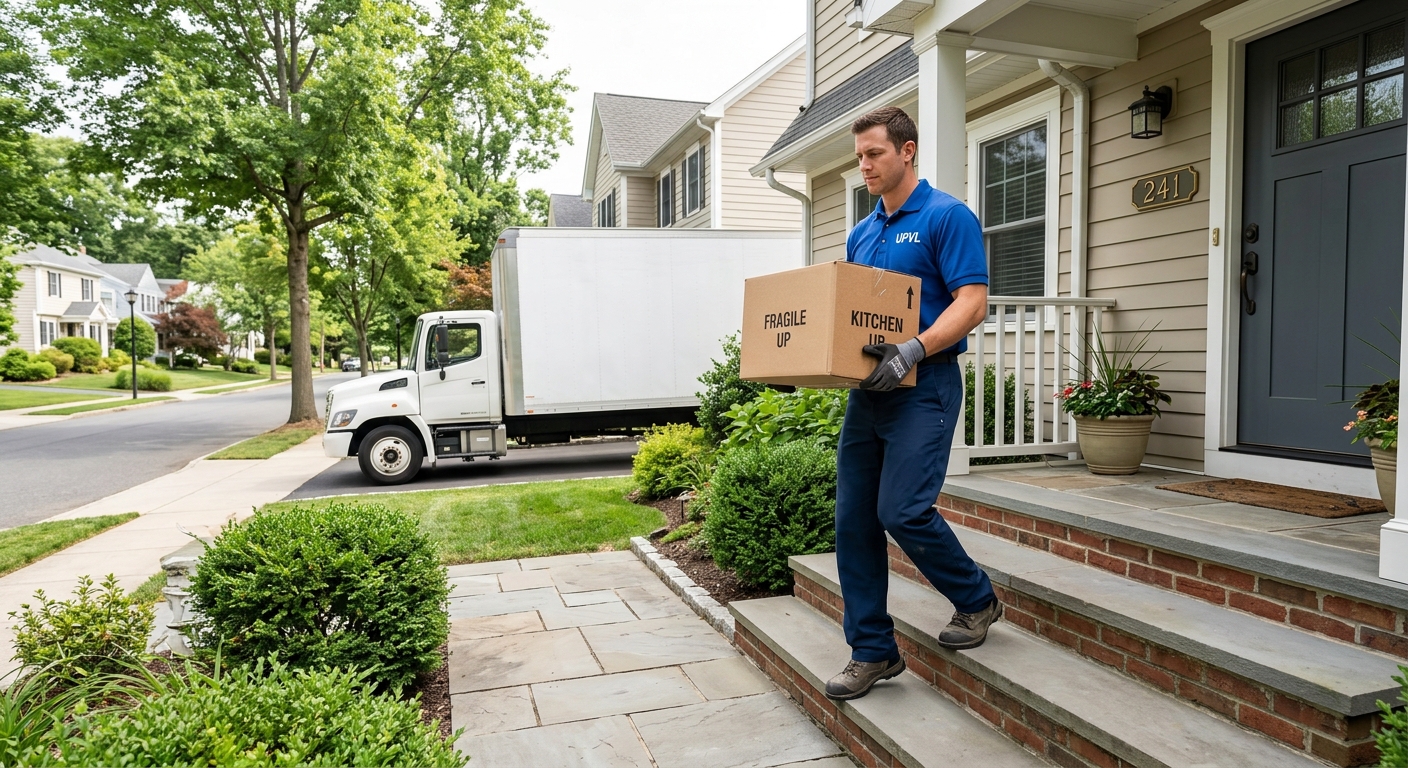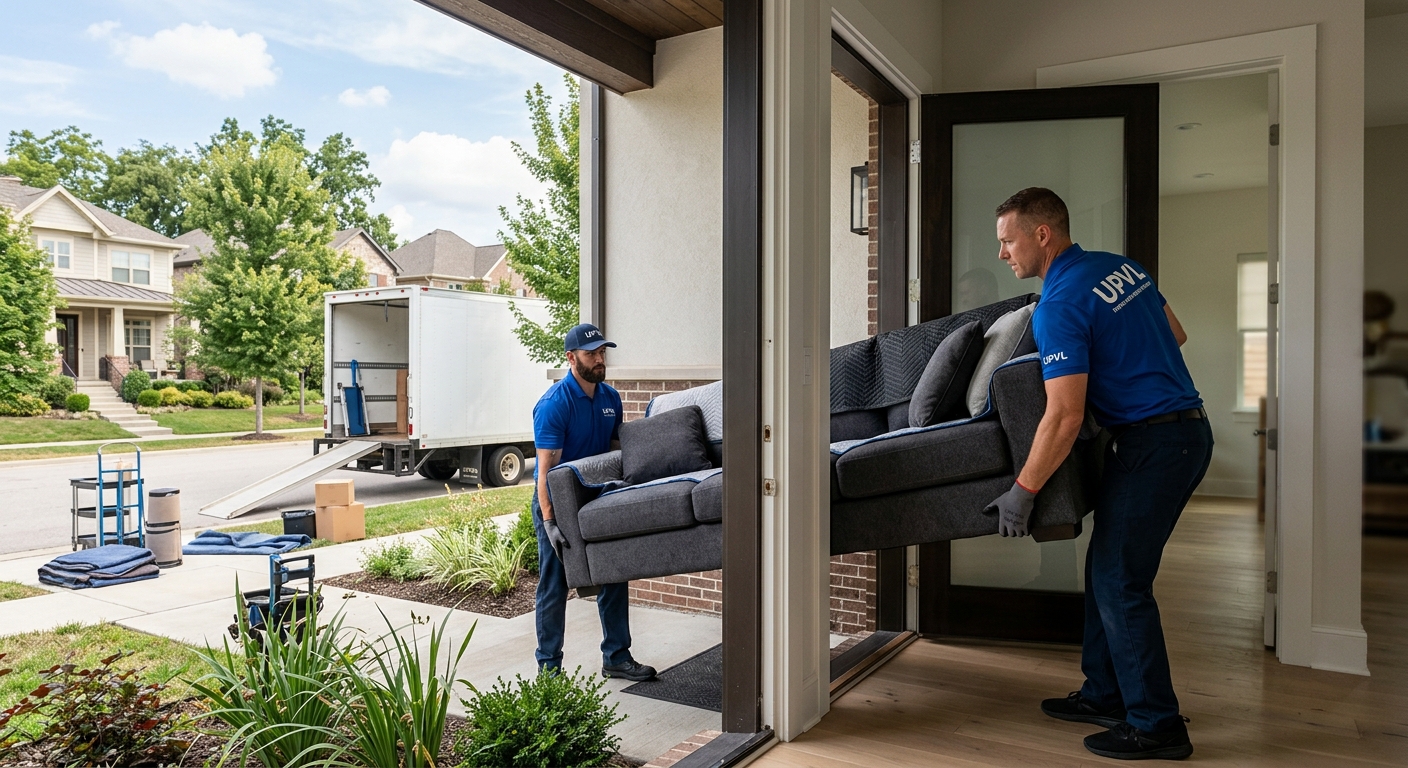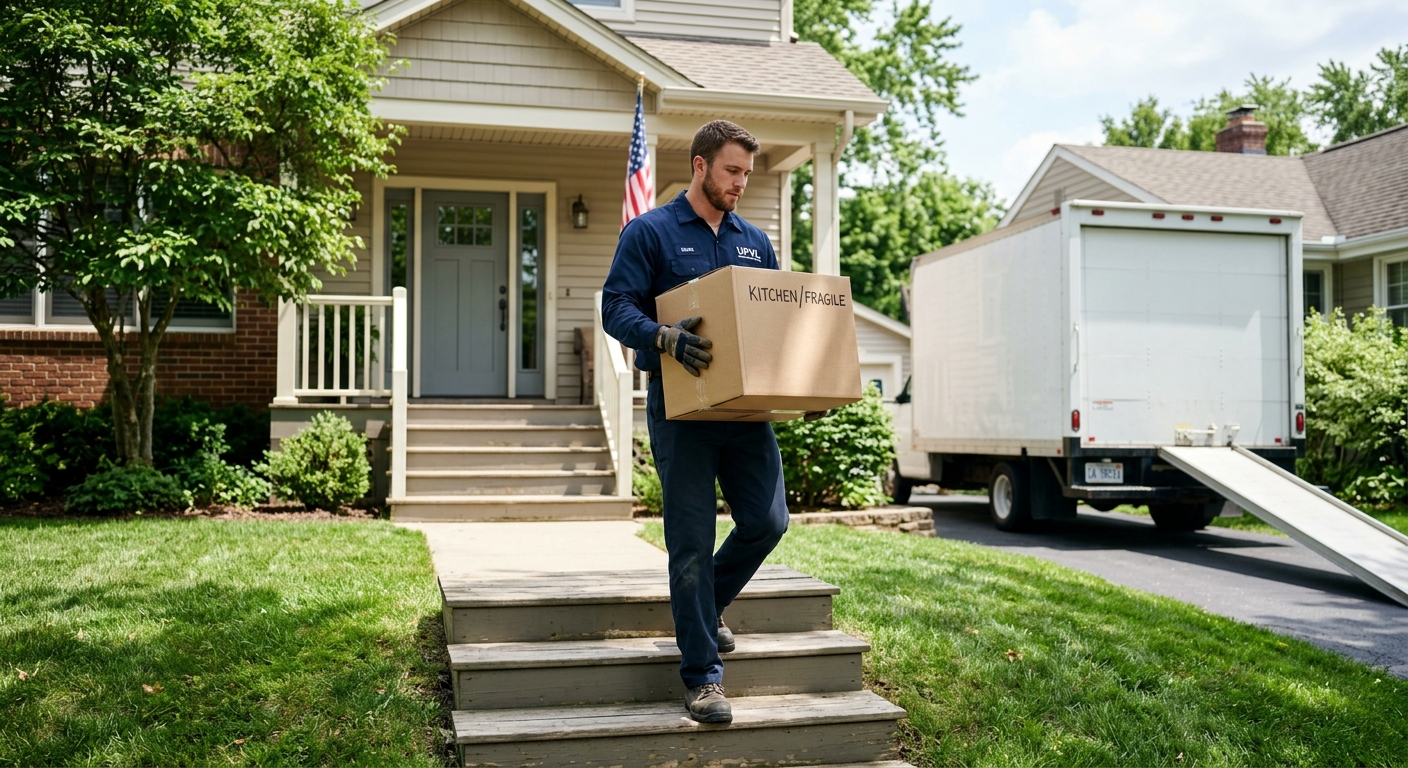
Moving in Hollywood, West Hollywood, or Beverly Hills looks simple until you add tight parking, strict condo rules, and luxury furniture that can’t get scratched. Working with experienced West Hollywood movers who understand these neighborhoods can be the difference between a smooth move and a long, stressful day.
Quick Navigation
Moves in Hollywood, West Hollywood (WeHo), and Beverly Hills are not average Los Angeles moves. Dense traffic, narrow streets, steep driveways, and strict building rules demand planning and a moving company that knows these blocks by heart.
When you compare West Hollywood movers or a Beverly Hills moving company, pay attention not just to price, but to:
Beverly Hills and West Hollywood each have their own local regulations and parking enforcement. West Hollywood is its own city, with parking rules different from Los Angeles. Beverly Hills has its own municipal code and enforcement. Choosing WeHo movers who actually work inside city limits regularly matters.
| Area | Typical Housing | Main Moving Challenges |
|---|---|---|
| Hollywood | Older walk-ups, mid-rise apartments, some hills | Narrow streets, limited parking, stair carries |
| West Hollywood (WeHo) | Condos, luxury rentals, mixed-use buildings | Strict HOA rules, COIs, compact garages |
| Beverly Hills | Luxury homes, estates, high-end condos | High-value items, long driveways, white-glove needs |
| Hollywood Hills | Hillside homes, tight curves, steep drives | Truck access, shuttling, extra carry distance |
Whether you’re moving a studio off Sunset Boulevard or a multi-bedroom home above Sunset Plaza, the core services are similar, but the execution is different for each neighborhood cluster.
| Service Type | Best For | Key Benefits |
|---|---|---|
| Local apartment moving | Studios and 1–2 bedrooms within LA area | Faster jobs, hourly pricing, stair/elevator expertise |
| Luxury home & estate moving | Larger homes in Beverly Hills & Hollywood Hills | White-glove handling, custom protection, detailed planning |
| Long-distance LA moves | Moving to or from another state | Binding estimates, delivery windows, valuation options |
| Office & boutique retail moves | Studios, showrooms, small offices | After-hours moving, COI handling, IT equipment care |
For long-distance relocations to or from LA, it can help to work with a carrier experienced in interstate routes. Options like long-distance moving from United Prime Van Lines cover cross-country trips with clear delivery windows and valuation coverage.
Local routes around Hollywood, West Hollywood, and Beverly Hills often include short distances but complicated logistics:
Routes are often scheduled to avoid peak times. Many professional movers aim to start between 8–9 a.m. to load before midday traffic and finish before late afternoon congestion.
Local moves within Los Angeles County are usually billed hourly, based on crew size and equipment. But the micro-details differ by neighborhood. Knowing these ahead of time helps you choose the right WeHo movers or Beverly Hills movers and prevent surprises on moving day.
Hollywood has a mix of older buildings, newer luxury apartments, and small single-family homes.
Ask your movers if they’re used to Hollywood buildings that may have low ceilings, tight stair turns, and older freight elevators that need padding and floor protection.
West Hollywood is dense and highly regulated. Choosing experienced West Hollywood movers is critical because:
Good WeHo movers will ask detailed questions about your building: elevator reservation windows, loading dock availability, and any rules around noise or protective padding in hallways.
Moves in Beverly Hills frequently involve higher-value properties, custom finishes, and heavier, premium furniture. A Beverly Hills moving company must be comfortable with:
Some streets in Beverly Hills restrict large truck parking or require specific parking locations. Professional Beverly Hills movers will plan truck placement in advance and may use smaller shuttle vehicles when needed.
| Neighborhood | Key Access Issues | Planning Tip |
|---|---|---|
| Central Hollywood | Street parking, busy boulevards | Reserve parking or move early in the morning |
| West Hollywood (WeHo) | HOA rules, COIs, small garages | Confirm elevator reservations and COI requirements |
| Beverly Hills Flats | Driveway access, restricted street parking | Ask movers about shuttle options if needed |
| Hollywood Hills | Steep, curvy streets, low trees | Share photos/videos of access with movers before booking |
Apartment moves in LA can be just as complex as large home moves—especially in high-rises and secured buildings. This is where a team used to Hollywood and WeHo apartments really stands out.
Your building’s layout directly affects the time (and cost) of your move. Movers will ask about:
Be honest and detailed in your description. Underestimating distance or stairs can turn a 4-hour job into a 7-hour one.
Most managed apartment and condo buildings around Hollywood, West Hollywood, and Beverly Hills have move-in and move-out policies. These can include:
Quality WeHo movers will provide door jamb protectors, floor runners, and moving blankets to meet these requirements. Let your building manager know you’re working with professional movers so they can share any specific policies early.
| Service Level | What It Includes | Best For |
|---|---|---|
| Basic apartment move | Load/unload, furniture padding, standard truck | DIY-packed studios and 1-bedrooms |
| Partial packing + move | Movers pack kitchen, wardrobe boxes, fragile items | Busy professionals, small families |
| Full packing + move | Movers pack everything, disassemble/reassemble furniture | High-rise units, tight schedules, luxury units |
| Move + storage | Pickup, storage, later delivery | Renovations, waiting for a new lease to start |
If you need extra help inside the building—such as careful disassembly and reassembly—explore add-ons like furniture disassembly and assembly so your movers arrive prepared.
Beverly Hills movers and many West Hollywood movers are often asked to handle expensive art, designer furniture, and high-end electronics. These require more than standard blankets and tape.
For complex or fragile items, a professional crew may recommend specialty services like piano moving or art and antique moving with custom crating, climate considerations, and precise handling.
Luxury moving often includes a "white-glove" approach:
Ask any Beverly Hills moving company you’re interviewing about their specific process for high-value items and which packing materials they use.
| Item Type | Recommended Protection | Additional Tip |
|---|---|---|
| Fine art & mirrors | Custom crates, corner protectors, glassine wrap | Photograph condition before packing |
| Marble & glass furniture | Foam, edge guards, custom cartons | Remove tops when possible and crate separately |
| Designer sofas & chairs | Blankets + shrink-wrap, leg protection | Check door measurements before move day |
| High-end electronics | Original boxes if available, anti-static pads | Label cables and take photos of connections |
Parking and access are usually the most stressful part of LA moving logistics. Answering these questions early helps your movers estimate time correctly and avoid tickets or delays.
Los Angeles, West Hollywood, and Beverly Hills each handle parking differently:
A reputable moving company will discuss parking with you during the estimate and may ask for building contact information or photos of the street.
Most mid-rise and high-rise buildings around Hollywood, WeHo, and Beverly Hills require a Certificate of Insurance before your move. A COI is a document issued by the moving company’s insurance provider that shows proof of liability coverage and, in many cases, worker’s compensation.
Definition: A Certificate of Insurance (COI) confirms that the moving company carries liability and/or worker’s compensation insurance and lists your building or HOA as a certificate holder or additional insured for the move date.
Buildings often require the COI to:
Ask your movers how long they need to obtain and send the COI. Efficient West Hollywood movers and Beverly Hills movers can usually provide this within 24–48 business hours once they have the building’s requirements.
| Access Factor | Who Handles It | When To Arrange |
|---|---|---|
| Street parking / loading zone | Customer + movers | 1–2 weeks before move |
| Elevator reservation | Customer + building manager | As soon as move date is known |
| Certificate of Insurance (COI) | Movers + insurance provider | 5–7 days before move |
| Building move forms / deposits | Customer | 1–2 weeks before move |
Packing is where many moves in Hollywood, WeHo, and Beverly Hills go off schedule. Under-packing or using weak boxes leads to broken items, slow loading, and stressed movers.
You can choose anywhere from fully DIY packing to complete full-service packing with professional help from a company like United Prime Van Lines. The best choice depends on your time, budget, and how fragile your belongings are.
| Packing Option | Pros | Cons |
|---|---|---|
| DIY packing | Lowest cost, full control over organization | Time-consuming, risk of incorrect packing |
| Partial packing | Pros handle kitchen, artwork, fragile items | Costs more than DIY, requires coordination |
| Full packing service | Fast, professional, best protection for luxury items | Highest cost, must be scheduled in advance |
| Unpacking service | Quick setup in new home, box and material removal | Additional fee, needs clear instructions |
For high-value items in Beverly Hills or high-rise condos in WeHo, ask specifically about custom crating for artwork, stone tops, and large mirrors.
Renovations, delayed closings, or overlapping leases are common in LA. Storage is often part of the moving plan, especially for Beverly Hills remodels or temporary apartment moves in Hollywood and West Hollywood.
Many moving companies offer combined move-and-store services, where your items are picked up, stored, and later delivered. Services like storage options from United Prime Van Lines can streamline this.
| Storage Type | Typical Use Case | Key Advantage |
|---|---|---|
| Short-term (0–3 months) | Lease gaps, short renovations | Flexible delivery dates, ideal for local moves |
| Medium-term (3–12 months) | Long remodels, temporary relocation | Better monthly rates than self-storage |
| Long-term (12+ months) | Extended travel, keeping heirlooms safe | Warehouse security, limited access needed |
| Climate-aware options | Artwork, high-end furniture, instruments | More stable environment than garages or sheds |
Ask movers to explain how your goods are stored (vaulted storage, warehouse racking, etc.), how inventory is tracked, and how insurance or valuation coverage works while your items are in storage.

Local moves in the Hollywood–West Hollywood–Beverly Hills cluster are typically billed hourly, with a minimum number of hours plus possible travel or service fees. Long-distance moves are usually based on weight or cubic footage and distance.
Several factors influence cost more than the raw distance:
| Scenario | What Increases Time | Planning Tip |
|---|---|---|
| Hollywood studio to WeHo 1-bedroom | Street parking, busy elevator | Book weekday morning, reserve elevator |
| WeHo 2-bedroom condo to Beverly Hills | COI, elevator, HOA move hours | Get building rules and share with movers |
| Beverly Hills home to Hollywood Hills | Long driveway, steep road, shuttling | Ask about shuttle truck and extra time needed |
| Apartment plus storage | Second unload at storage facility | Consider combining delivery into one trip later |
Because every building and street is different, it’s smart to do a detailed phone or virtual estimate. Providing photos or short videos of parking, access, and key items can help your movers give a more accurate price range.
Understanding how estimates work helps you compare West Hollywood movers or any Beverly Hills moving company fairly.
For local moves within LA County, many movers charge by the hour. Your estimate may include:
Adding an extra mover can make sense for larger apartments or homes. While it raises the hourly rate, it can significantly reduce total hours and minimize building disruption.
Some movers offer flat-rate pricing for local moves after a detailed inventory. To make a flat rate accurate, they must know:
If you add items or conditions change (e.g., elevator is out of service), the flat rate may need to be revised.
For interstate moves, estimates follow federal regulations. The Federal Motor Carrier Safety Administration (FMCSA) explains the difference between binding and non-binding estimates.
Ask any company offering long-distance moves from LA which estimate type they’re providing and what happens if you add or remove items.
| Pricing Type | Best For | Key Consideration |
|---|---|---|
| Hourly local pricing | Simple moves with predictable access | Time can increase with traffic or elevator delays |
| Flat-rate local pricing | Complex moves with detailed inventory | Be thorough; changes can alter the price |
| Binding interstate estimate | Long-distance with well-defined inventory | Price is locked for listed services |
| Non-binding interstate estimate | When shipment weight is uncertain | Final cost can vary; ask about caps |
For moves in Hollywood, West Hollywood, and Beverly Hills, you want to know your movers are properly licensed and insured—especially when handling luxury items or navigating strict buildings.
Intrastate (within California) household moves must be performed by movers licensed by the state. The California Public Utilities Commission (CPUC) regulates movers and provides consumer guidelines. You can find details through the CPUC Household Goods Movers page.
For interstate moves (California to another state), companies must have a U.S. DOT number and be authorized by the FMCSA. You can verify a mover’s license at the FMCSA’s Company Snapshot website.
Customers often confuse “insurance” with “valuation.” Movers typically provide valuation coverage as required by federal and state law. Insurance policies are usually separate, often purchased from third-party providers.
Valuation Coverage Definitions:
For high-end properties in Beverly Hills or luxury apartments in WeHo, Full Value Protection or additional third-party insurance is often a smart choice.
| Coverage Type | Typical Cost | Best For |
|---|---|---|
| Released Value Protection | Usually included at no additional fee | Low-value items, short local moves |
| Full Value Protection (FVP) | Additional fee based on shipment value | Luxury homes, high-value items |
| Third-party insurance | Policy purchased separately | Very high-value art, collections |
| Storage coverage | May be bundled or separate | Items stored during renovation or long gaps |
Discuss valuation options with your movers well before moving day so your COI, building requirements, and coverage match your risk tolerance.

A clear checklist keeps Hollywood, West Hollywood, and Beverly Hills moves on track. Use this as a starting point and customize it for your building and neighborhood.
Experienced West Hollywood movers plan for parking before moving day. They’ll ask where the truck can legally park, how close it is to the entrance, and whether the building has a loading area. They may suggest starting earlier in the day, splitting the crew between truck and unit, or, if necessary, using a smaller shuttle vehicle to comply with West Hollywood’s strict parking enforcement.
Share everything you know: floor numbers, elevator type (freight vs passenger), elevator reservation rules, stair count, hallway length, gate codes, and any restrictions your building has about move hours or noise. Also provide your building manager’s contact information so your movers can send the COI and confirm loading instructions ahead of time.
A COI, or Certificate of Insurance, is a document from the mover’s insurance provider that proves the company has liability and sometimes worker’s compensation coverage. Buildings require it to reduce their risk if damage occurs to common areas during your move. Without a COI, many Hollywood, WeHo, and Beverly Hills buildings will not allow movers to use the elevator or loading area.
Request the COI at least 5–7 business days before your move, especially in buildings with strict management or HOA rules. Provide your movers with the building’s exact COI requirements, including how the building should be listed (as certificate holder or additional insured) and any special wording. This gives time for the insurance company to prepare and send the document.
Typically, the customer is responsible for obtaining any city permits or building approvals, but good movers will advise you on what’s needed based on your address. Work together: you can talk to your building and local parking office, and your movers can recommend the best place to park, the size of truck needed, and whether a shuttle vehicle might be necessary.
Reserve elevators and loading docks, pack efficiently with labeled boxes, and clear hallways and driveways before movers arrive. Choose a start time that avoids commute traffic when possible. Be decisive about furniture placement at the new place. If your budget allows, adding an extra mover for a larger apartment or home can reduce total hours and keep building managers happier.
Not necessarily, but moves in Beverly Hills often take longer because of larger homes, long driveways, and higher-value items that require extra protection and handling. The hourly rates may be similar to other LA areas, but the complexity of the property and the level of care needed can increase the total time and cost.
At minimum, understand what Released Value Protection covers—usually only $0.60 per pound per item on interstate moves, which is not sufficient for luxury items. Consider Full Value Protection (FVP) through your mover and, for very high-value art or collections, ask about third-party insurance. Discuss specific items (e.g., a valuable painting or custom marble table) so coverage is clear.
Yes, but you should choose a moving company with proven experience in luxury and specialty moving. Services like art and antique moving and piano moving use tailored materials and handling methods. Ask how they crate artwork, protect marble, and secure pianos during transit, and whether they provide written procedures for high-value items.
It’s best to personally transport jewelry, important documents (passports, birth certificates, legal paperwork), prescription medications, and small electronics like laptops. Keep these in a clearly marked bag or box that stays with you, not on the truck. This reduces risk and keeps essentials accessible during and after your move.
This is common in West Hollywood and Beverly Hills. Book your movers early to secure a weekday slot that matches your building’s move window. If both buildings have restricted hours, coordinate carefully so the schedule aligns. Factor in travel time between locations and potential traffic so movers arrive during your reserved elevator window.
Professional movers routinely use floor runners, door jamb protectors, elevator pads, and moving blankets to protect shared areas. Tell your movers in advance if your building has specific protection requirements or if you’ve been charged a deposit. Knowing this ahead of time allows them to bring the right materials and avoid damage or fines.
For California moves, the contact information is:
Hollywood, West Hollywood, and Beverly Hills moves are all about details: parking, elevators, COIs, and careful handling of both your building and your belongings. When you compare West Hollywood movers or a Beverly Hills moving company, focus on experience with your exact type of building and items, not just on the hourly rate.
Ask specific questions about apartment logistics, luxury item packing, valuation coverage, and COI turnaround. With the right planning and a mover who knows these LA neighborhoods inside and out, you can settle into your new home faster and with far less stress—whether it’s a cozy Hollywood studio or a beautifully furnished Beverly Hills estate.